Alexander




Alexander sits inside Torre Virreyes, the trapezoid-shaped skyscraper that Architectural Digest called a 'distinctive design building,' and operates 26 suites from $488 per night as a member of The Leading Hotels of the World. Its Caviar Bar is the only one of its kind in Mexico City. Compared with larger luxury addresses in Polanco, Alexander trades on a deliberately compact footprint, Italian furnishings, and a location directly above Bosque de Chapultepec.
Pearl is the En Primeur Club membership app — saves, bookings, and concierge access live there. Same editors, same standards.
- Address
- Bosque de Chapultepec, Lomas - Virreyes, Pedregal 24, Miguel Hidalgo, 11000 Ciudad de México, CDMX
- Phone
- +52 55 7915 8332
- Website
- alexanderhotel.mx
- Directions
- Get directions
 Saves & bookings on Pearl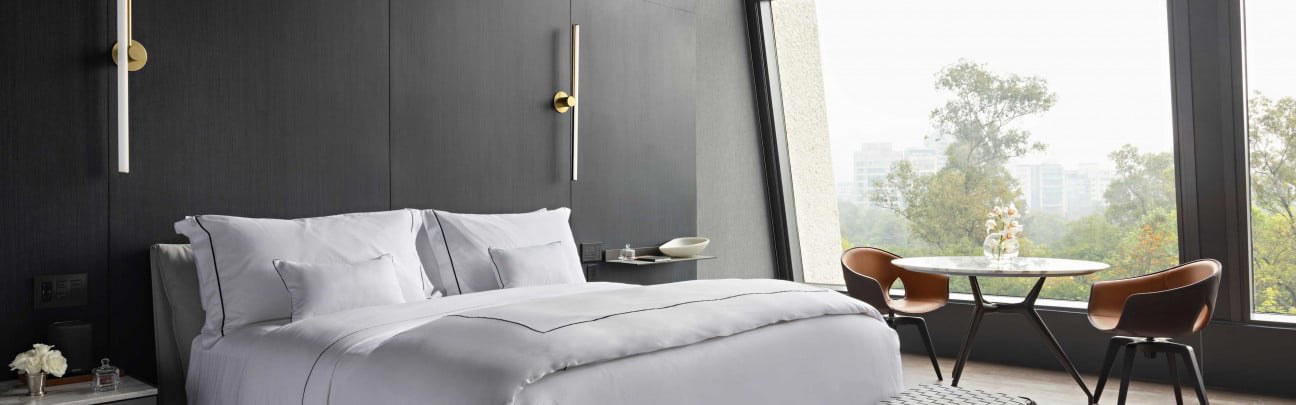
A Different Kind of Altitude: Alexander Inside Torre Virreyes
Mexico City's luxury hotel market has long sorted itself into two camps: grand, heritage-anchored properties in Polanco and Reforma that reference colonial grandeur, and a newer wave of design-forward addresses that owe more to Milan or Copenhagen than to any local tradition. Alexander sits firmly in the second group. Occupying the upper floors of Torre Virreyes, the inverted trapezoid-shaped skyscraper completed as one of the last projects of celebrated Mexican architect Teodoro González de León, the hotel positions itself against international peers rather than against the city's hacienda aesthetic. Architectural Digest described the tower as "a distinctive design building that has changed the urban landscape," and that framing shapes everything about the property, from its 26 suites to its singular food-and-beverage concept.
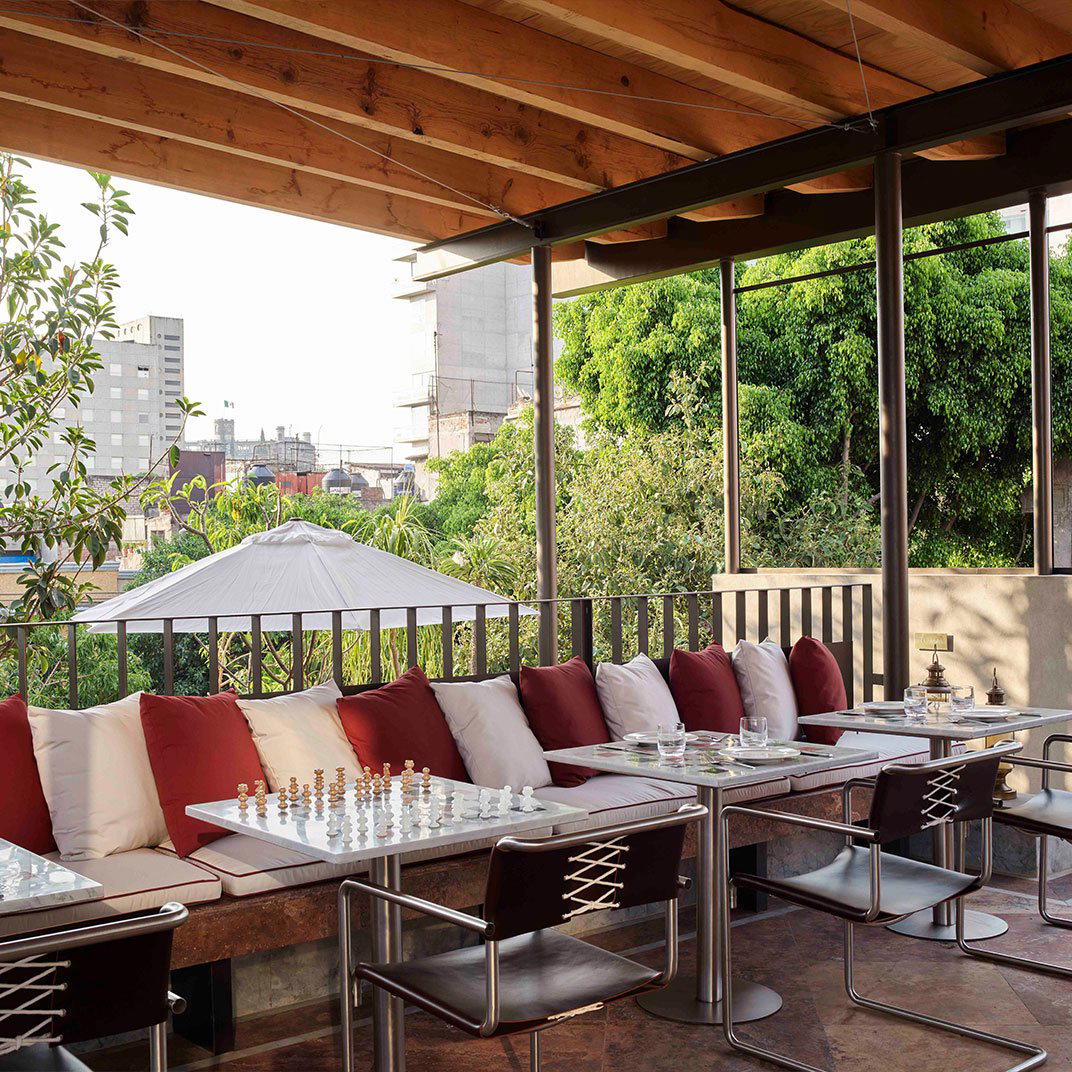
Approaching from Pedregal 24, the tower reads differently from every angle. Its angled geometry pushes it above the dense canopy of the Bosque de Chapultepec, one of the largest urban parks in the Americas, giving the building a presence that outstrips its actual height. Inside, the design logic continues: high ceilings, massive glass panes, and a material palette that keeps the focus on what lies beyond the glass, which is a sweeping view of park greenery and the city skyline that few hotels in the capital can match at this elevation and this proximity to open green space.
What Alexander Signals About Luxury in Mexico City
The capital's upper tier of hotel accommodation has expanded significantly in the past decade. Properties affiliated with Marriott Luxury Collection, Four Seasons, St. Regis, and Ritz-Carlton anchor the Reforma and Polanco corridors, each offering a version of luxury that scales with brand recognition and room counts that run well into the hundreds. Alexander's 26-suite footprint is a deliberate counterpoint to that model. With rates from $488 per night, the property prices into a bracket where exclusivity is structural rather than marketed, the building simply does not have the inventory to accommodate volume guests.
Membership in The Leading Hotels of the World, confirmed for 2025, places Alexander in a comparable set that includes independent properties selected on quality criteria rather than brand affiliation. That credential matters for a property without the marketing infrastructure of a global chain. It functions as third-party validation that the offering meets a defined standard across service, condition, and facilities.
The Caviar Bar: A Food-and-Beverage Format Without a Local Precedent
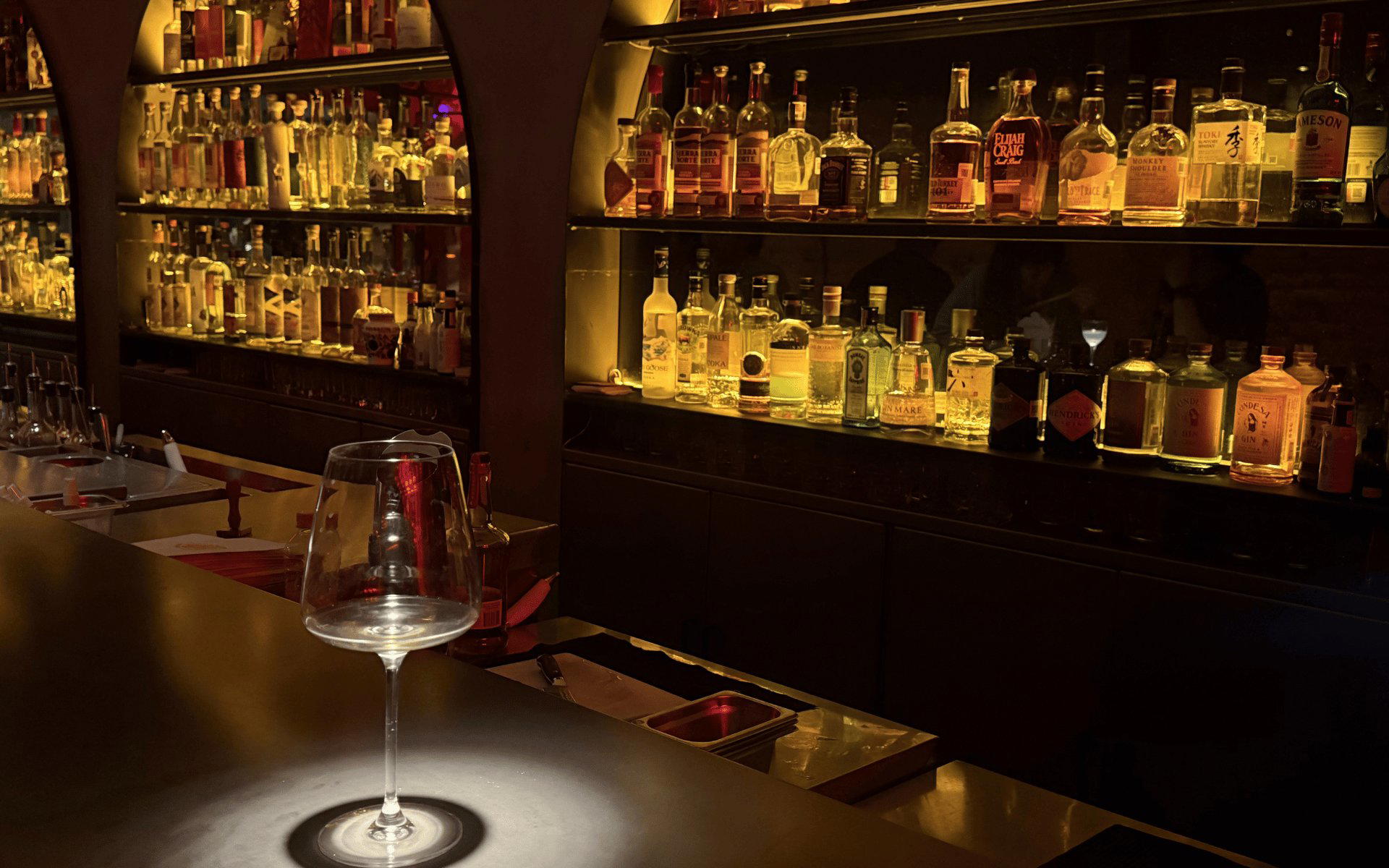
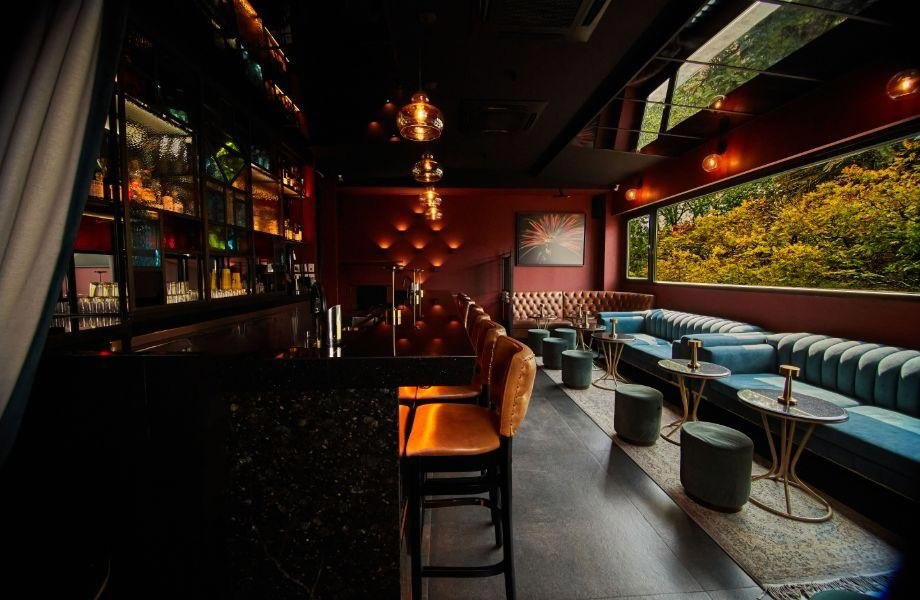
Mexico City's restaurant scene has spent the past fifteen years building among the more discussed dining identities in Latin America, largely through a framework that roots fine dining in indigenous ingredients and pre-Hispanic technique. Alexander's Caviar Bar operates entirely outside that framework, and that is the point. Petrossian caviar, stone crab claws, smoked salmon, Wagyu filet, and truffled tagliatelle form the menu's architecture, with a cocktail list built around vodka, champagne, and house signatures. No other hotel in Mexico City currently operates a dedicated caviar bar at this format.
In cultural terms, the Caviar Bar represents the other strand of Mexico City's food identity: the international luxury dining that has always run parallel to the indigenous-ingredient narrative, serving a cosmopolitan clientele that moves between the capital and financial centers in Europe and North America. The bar functions as both a social space and a positioning statement. The hotel also operates a restaurant with a focus on Mexican cuisine and a European-style spa, giving guests a full-service offer without needing to leave the building.
Suites, Amenities, and the International Brand Logic
All 26 suites exceed 53 square meters, a floor area that places them above most standard luxury-tier rooms in the city. Custom furniture sourced from Italian manufacturers, Bang and Olufsen sound systems, Lutron lighting controls, Dyson hairdryers, and Nespresso machines are specified throughout. Swedish bath products complete the picture. This is a deliberately internationalist approach to in-room fitting, one that signals alignment with a global luxury standard rather than a locally inflected one. It is a different set of choices from properties like Casa Nuevo León Hotel or CASA TEO, which lean into Mexican craft and material traditions.
Service architecture at Alexander is built around a lifestyle concierge model. Personal trainers, yoga instruction, jogging coaches, private drivers, translators, and e-bikes are all available on request, a list that reflects a guest profile likely to arrive with a specific itinerary rather than a desire to be programmed by the hotel. The e-bike provision is particularly practical: the Bosque de Chapultepec begins directly below, and its network of paths connects to several of the city's cultural institutions, including the Museo Nacional de Antropología and the Museo de Arte Moderno.
Positioning Alexander in Mexico's Wider Luxury Hotel Market
Mexico's premium accommodation offers a wide geographic spread, from coast to colonial interior. Hotel Esencia in Tulum and Maroma in Riviera Maya occupy the Caribbean-coast end of the spectrum; One&Only; Mandarina in Riviera Nayarit and Four Seasons Resort Punta Mita anchor the Pacific side; Chablé Yucatán in Merida and Casa de Sierra Nevada, A Belmond Hotel serve the hacienda and colonial-city traveler. Alexander's proposition is urban and vertical in a way that none of those properties replicate. It is a city hotel in the fullest sense, designed for a guest who wants to be inside the capital rather than removed from it, with the park below functioning as the only meaningful green buffer.
For travelers comparing design-led urban properties internationally, Alexander's comparable set extends beyond Mexico City. Aman New York operates on a similar logic of extreme scarcity, international material sourcing, and a low-key social environment that appeals to guests who find conventional luxury hotel lobbies too performative. Closer to Mexico, Etéreo, Auberge Resorts Collection and Zadun, A Ritz-Carlton Reserve occupy the high-end resort register, while Las Ventanas al Paraíso, A Rosewood Resort and Montage Los Cabos serve the Cabo corridor. Alexander has no direct urban analog in Mexico.
Planning Your Stay
The Short List
Comparable venues nearby, for context on price, style, and recognition.
| Venue | Price | Notes |
|---|---|---|
| AlexanderThis venue — the venue you are viewing | $$$$ | Not listed |
| Casona Roma Norte | $$$$ | Nva Anzures, Restored historic art nouveau mansion blending classic charm with modern sophistication. |
| Sofitel Mexico City Reforma | $$$$ | Cuauhtemoc, Modern luxury high-rise with French chic and panoramic city views |
| La Valise Mexico City | $$$$ | Roma Norte, Artfully curated luxury boutique hotel blending 1920s French architecture with contemporary Mexican design and regional artisanal craftsmanship. |
| Brick Hotel | $$$$ | Roma Norte, Restored Belle Époque mansion with modern luxury updates |
| The Wild Oscar | $$$$ | Chapultepec Morales, Intimate boutique aparthotel blending home-like comfort with sophisticated luxury for informed business travelers. |
Recognition history
Dated appearances from independent guides and award organizations, with the underlying list record or original source where available.
Forbes Recommended
Forbes
Mr & Mrs Smith Smith Seal of Approval
Mr & Mrs Smith
Virtuoso Luxury Hotel Partner
Virtuoso
Leading Hotels of World Member
Leading Hotels of World
Michelin 1 Key
Michelin
Continue exploring
More in Mexico City
Hotels in Mexico City
Browse all →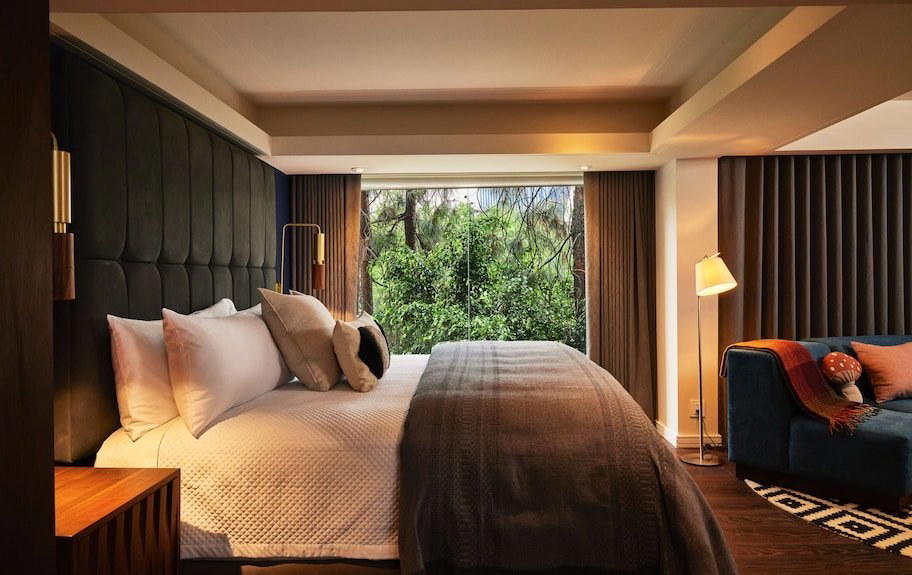
Bars in Mexico City
Browse all →
At a Glance
- Modern
- Elegant
- Sophisticated
- Intimate
- Minimalist
- Business Trip
- Romantic Getaway
- Weekend Escape
- Panoramic View
- Rooftop Pool
- Wi Fi
- Spa
- Fitness Center
- Room Service
- Concierge
- Valet Parking
- Restaurant
- Bar
- Skyline
- Garden
- Wi Fi
- Spa
- Fitness Center
- Room Service
- Concierge
- Valet Parking
- Restaurant
- Bar
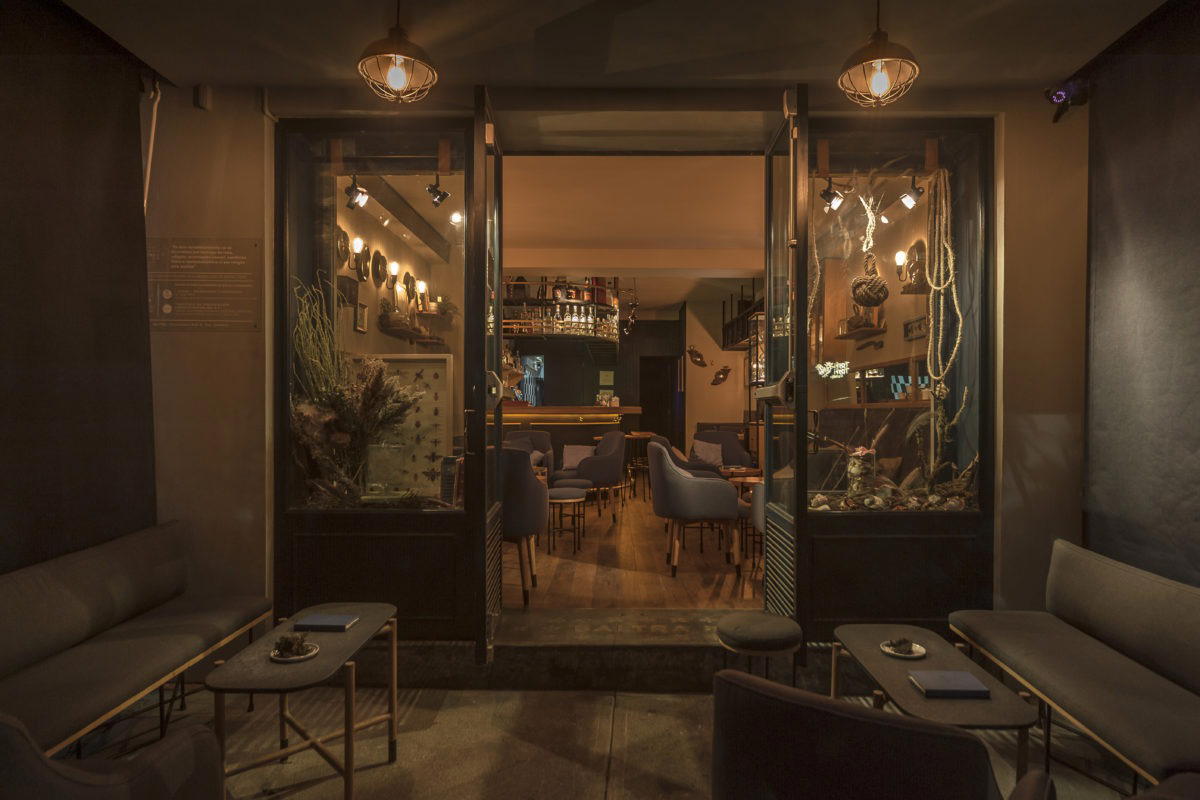
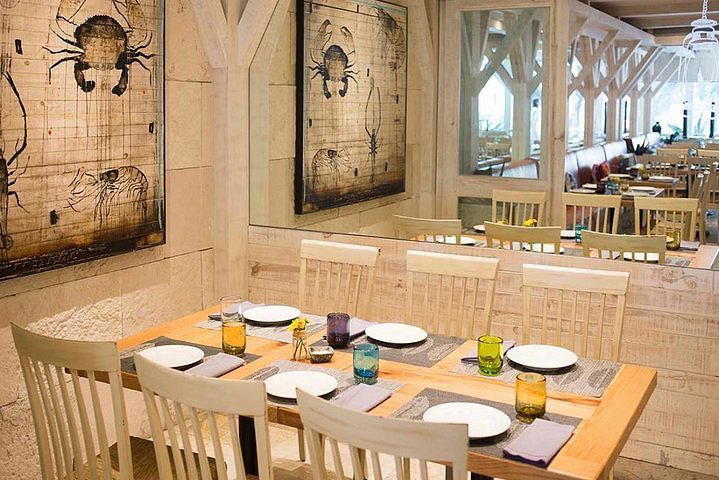
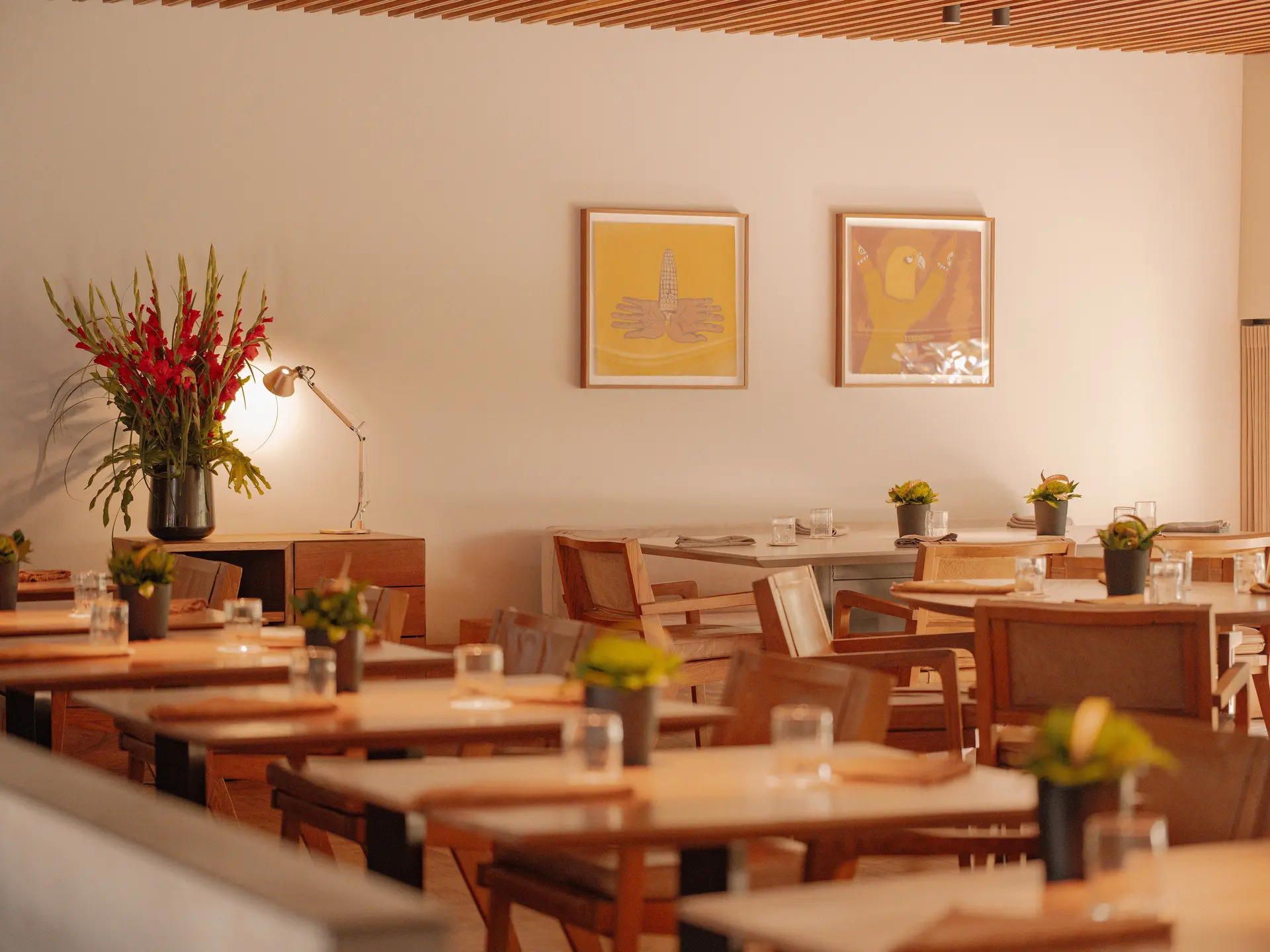
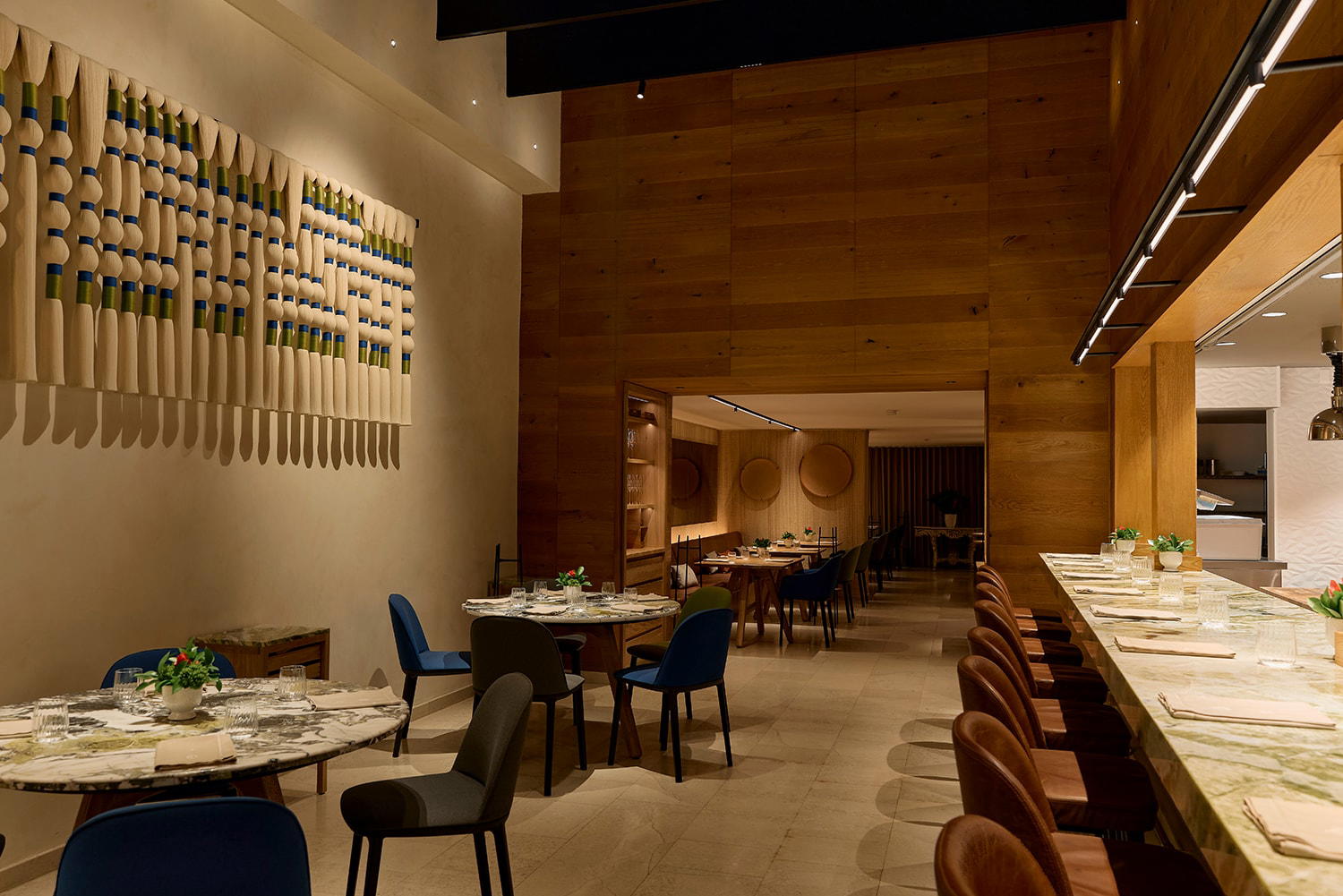
Light-flooded spaces with polished marble, contemporary concrete, expertly designed lighting creating a calm, serene, and inviting modern luxury atmosphere.