Palmaïa-The House of AïA: All Inclusive Wellness Resort



Positioned at the southern edge of Playa del Carmen's Playacar development, Palmaïa - The House of AïA is a 234-suite all-inclusive wellness resort recognized with Michelin 2 Keys (2024) and the 2025 World Travel Awards for Mexico's Leading Luxury Beach Resort and Mexico & Central America's Leading Luxury Wellness Resort. The program runs across four pillars, nutrition, wellness programming, music, and personal growth, with plant-forward dining, Atlantis Spa treatments, and programming that includes Temazcal ceremonies, yoga, and shamanic rituals.
Pearl is the En Primeur Club membership app — saves, bookings, and concierge access live there. Same editors, same standards.
- Address
- P.º Xaman - Ha, Playacar, 77710 Playa del Carmen, Q.R.
- Phone
- +52 55 8526 6112
- Website
- thehouseofaia.com
- Directions
- Get directions
 Saves & bookings on Pearl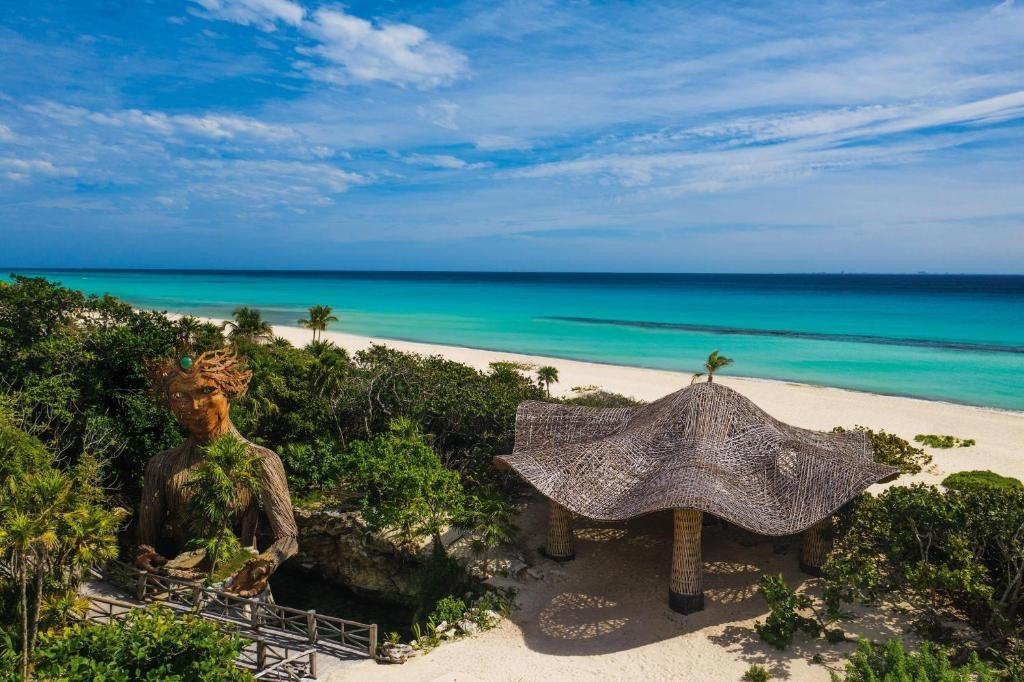
Where the Jungle Meets the Caribbean: Playacar's Most Secluded Address
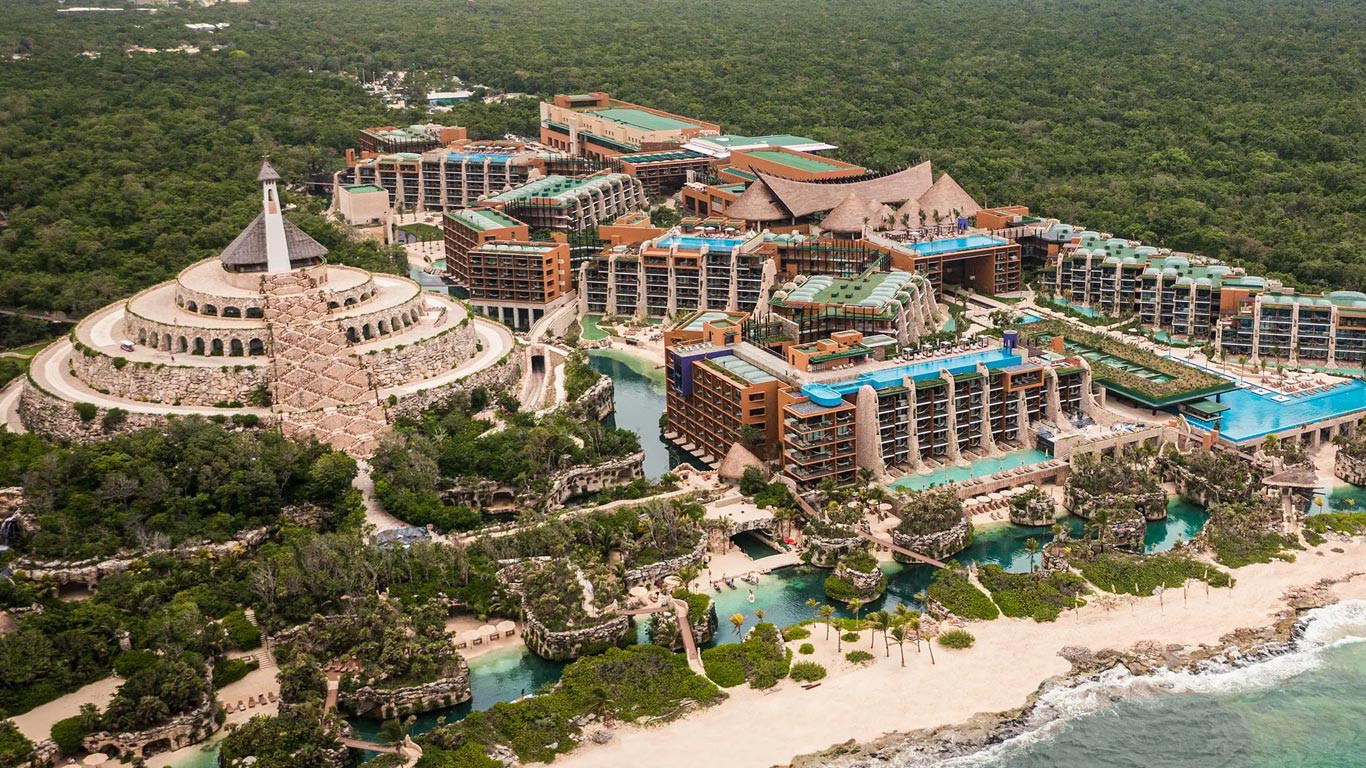
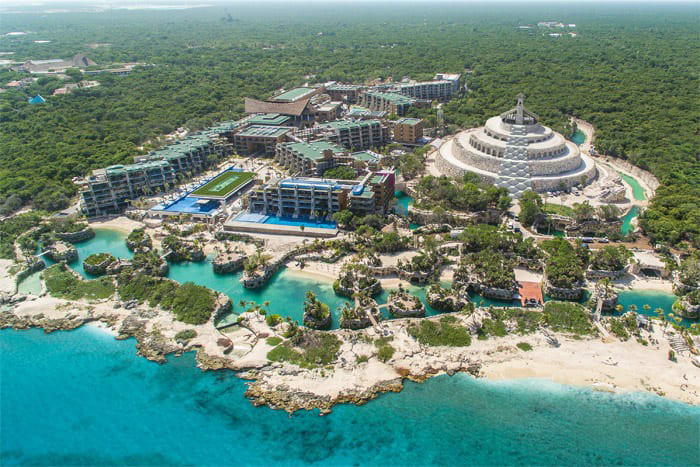
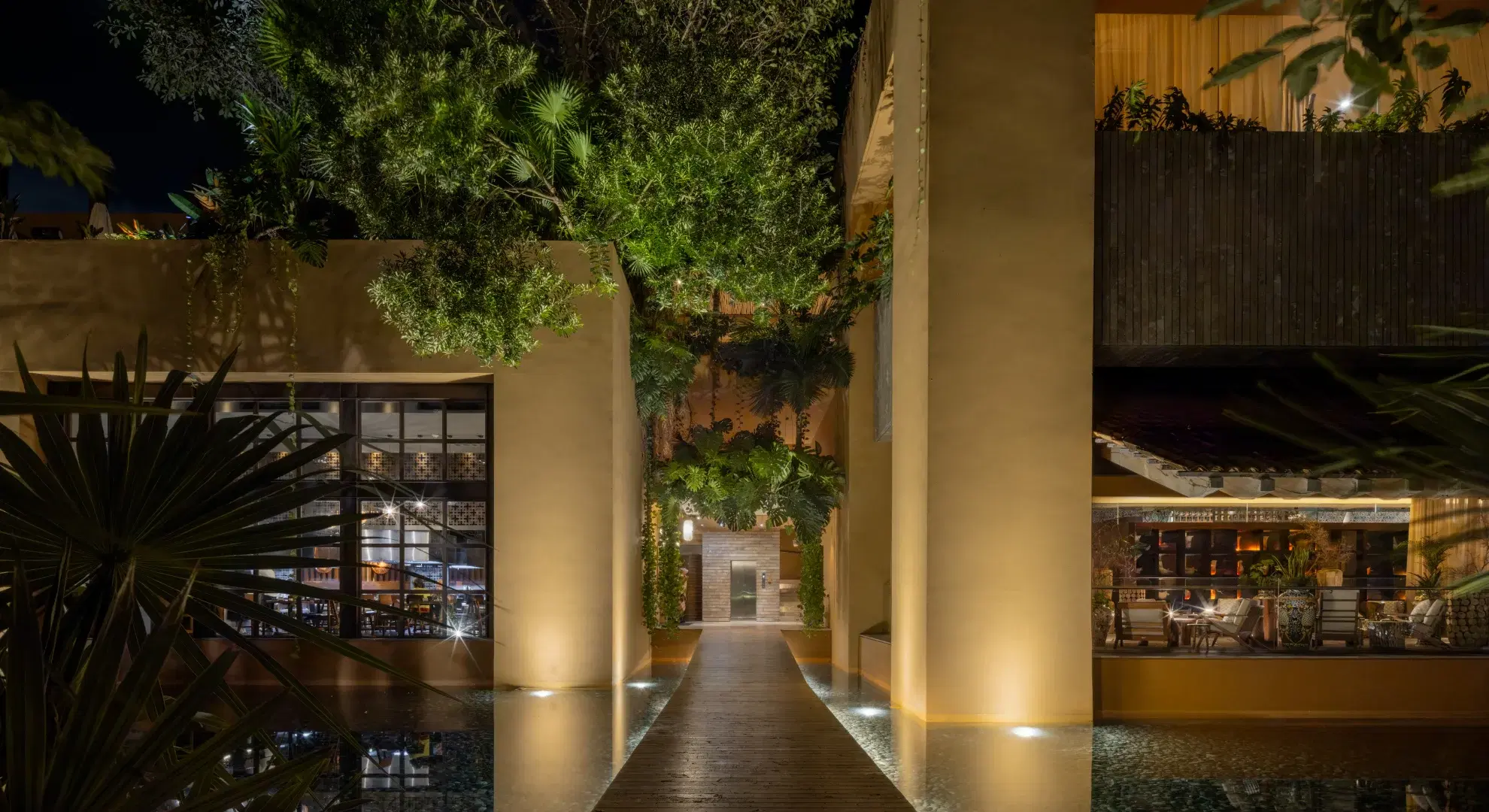
The Riviera Maya's hotel corridor is dense and competitive, running from Cancun's hotel zone south through Playa del Carmen and on toward Tulum. Within that corridor, a growing number of properties have positioned themselves around wellness as a category, but most do so as an add-on layer over a conventional luxury resort skeleton. Palmaïa - The House of AïA operates differently. Sitting at the southernmost tip of Playacar, a private residential development on Playa del Carmen's southern flank, the resort's physical position is itself part of the proposition: no public road connects directly to the property. Arrival requires passing through a neighboring resort within the development and completing the final stretch by golf cart, a sequence that creates an intentional transition from the pace of everyday travel.
That 400-hectare buffer of untouched jungle is not incidental scenery. It anchors the resort's entire program, which is built on the premise that genuine disconnection, from urban rhythms, from dietary compromise, from digital noise, requires a physical environment capable of reinforcing it. Playacar offers proximity to Playa del Carmen's Fifth Avenue and its commercial energy, yet a spatial and sensory distance that most properties in the area cannot replicate. In the Riviera Maya's segmented luxury market, properties like Alila Mayakoba and Fairmont Heritage Place Mayakoba offer seclusion through the Mayakoba lagoon system to the north; Palmaïa achieves a comparable remove through jungle mass and access design to the south.
The AïA Wellness Framework: Four Pillars, One Continuous Program
Mexico's high-end wellness resort category has expanded considerably in the past decade, with properties across the country threading spa credentials into otherwise conventional luxury offerings. What distinguishes a property operating at Palmaïa's tier is the degree to which wellness structures the entire stay rather than supplementing it. The AïA Wellness concept organizes the experience across four pillars: Nutrition, Wellness Programming, Music, and Personal Growth. Each operates as a self-contained offering while connecting to the others, dietary philosophy informs the restaurant program, music functions as a therapeutic tool rather than ambient backdrop, and personal growth programming spans shamanic rituals to astrology sessions and beyond.
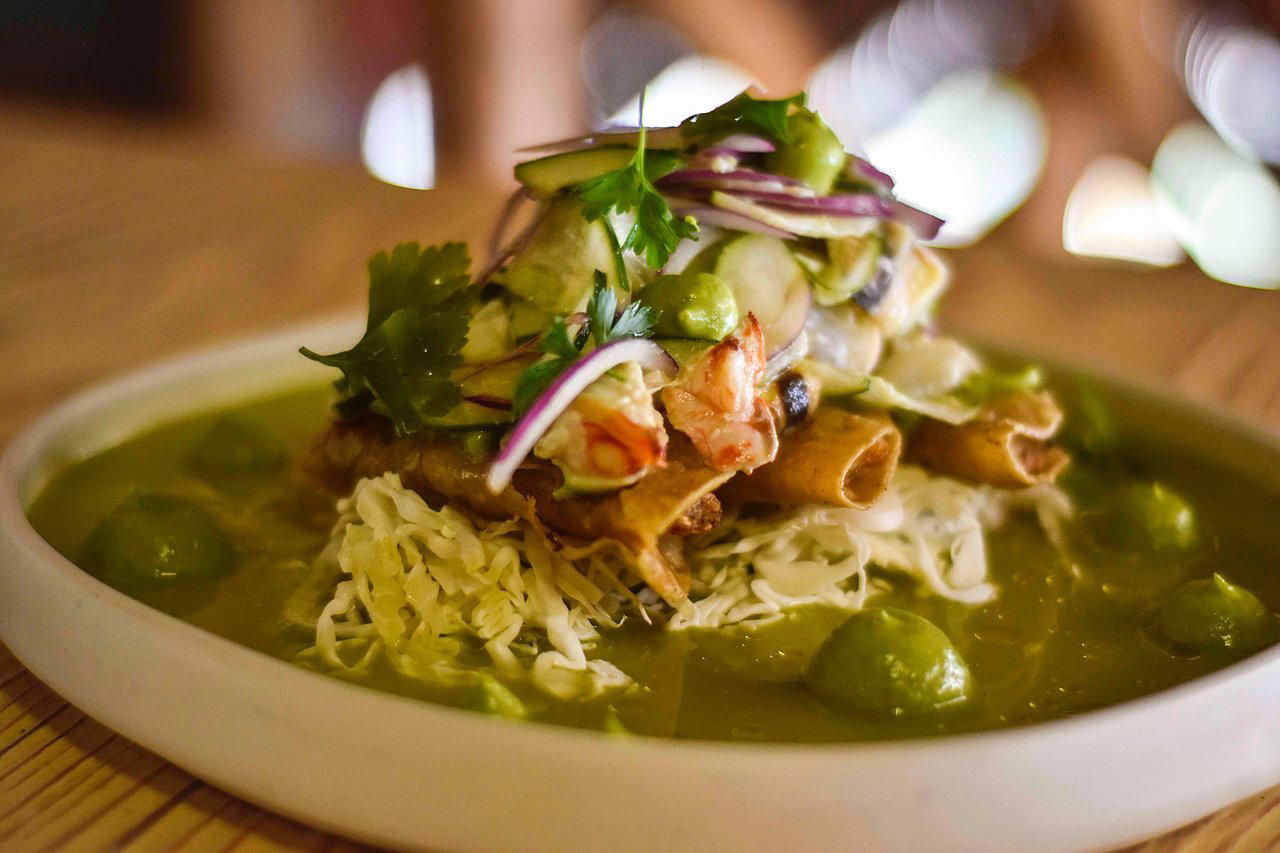
The nutrition pillar is where guests encounter one immediate signal of the resort's positioning. Restaurant menus default to plant-based preparation, drawing on vegan and plant-forward Mexican cooking alongside Japanese and Mediterranean options. Exceptions are made freely, which matters for guests traveling with varied dietary preferences, but the default position communicates something specific about the property's values. This approach places Palmaïa in a narrow tier of Mexican resorts where the food program is designed around a health philosophy rather than around maximizing appeal to the broadest possible demographic. Properties like Hotel Xcaret Arte and Hotel Xcaret México offer all-inclusive programming with strong cultural anchoring; Palmaïa's culinary identity is narrower and more committed.
Atlantis Spa and the Cenote Experience
The Riviera Maya's cenote network is one of the defining natural features of the Yucatán Peninsula, and its incorporation into resort spa programming has become an increasingly common gesture among properties at this price level. Palmaïa's Atlantis Spa uses jungle-inspired architecture to frame a range of treatments across climate-controlled rooms described as treatment temples, a design vocabulary that attempts to hold both the rawness of the natural environment and the precision expected of premium spa operations. The Temazcal ceremony, a pre-Hispanic sweat lodge ritual with roots in Mesoamerican healing traditions, sits alongside steam room sessions, massage, and cenote access. This combination of Indigenous Mexican ritual with contemporary spa format is characteristic of how the upper tier of Riviera Maya wellness properties differentiates from conventional spa menus. Maroma in Riviera Maya and Etéreo, Auberge Resorts Collection in Punta Maroma occupy a comparable positioning along this axis, each drawing on the regional ecology as an active spa ingredient rather than as background.
234 Suites: Scale, Privacy, and the Adult Separation Question
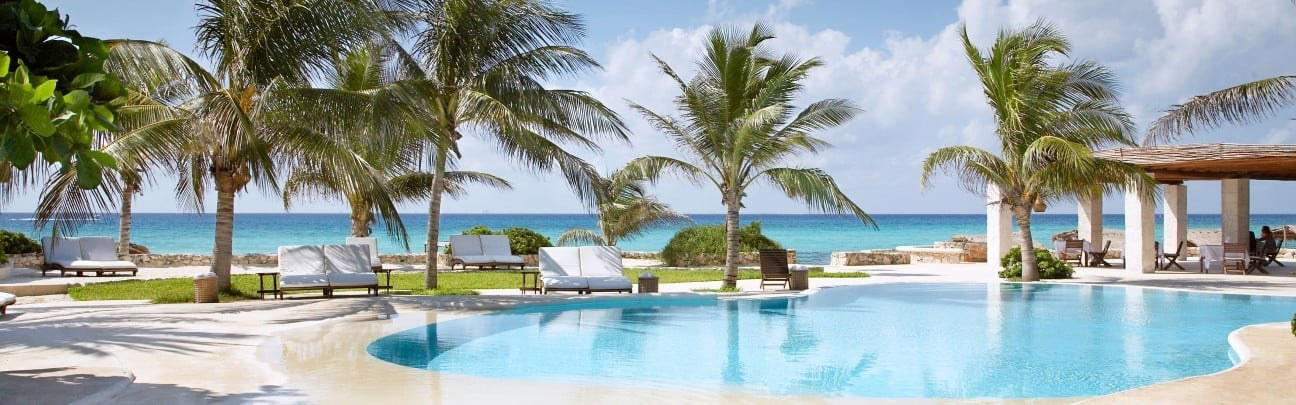
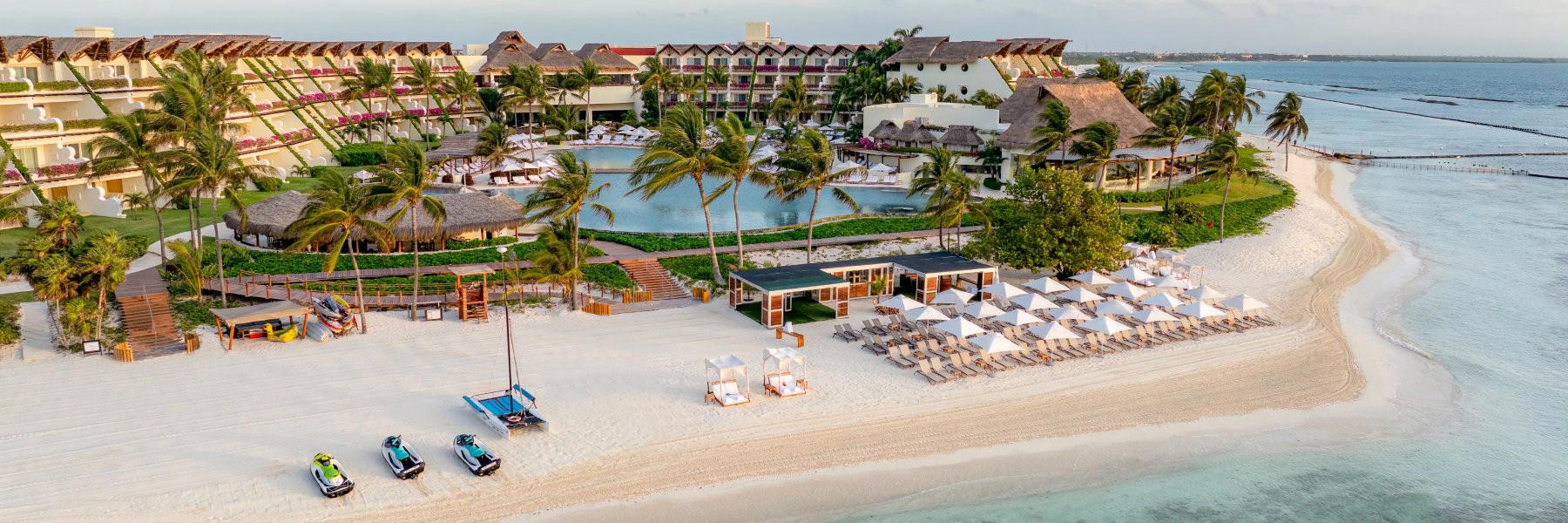
At 234 suites, Palmaïa operates at a scale that most boutique wellness retreats would consider counterproductive. The tension between genuine seclusion and the operational realities of a property this size is real, and it is worth naming directly. What the resort does to address it structurally is differentiate its accommodation typology: suites with direct ocean views, swim-out access to pools, and a separation between family accommodations and adults-only facilities. For travelers who prioritize stillness and privacy within a larger property, that separation matters considerably.
The Michelin 2 Keys recognition in 2024 positions Palmaïa within a small set of Riviera Maya properties that have received structured international validation for their hospitality offer. For comparison within the broader Mexican luxury wellness category, Chablé Yucatán in Merida and Xinalani in Quimixto each occupy distinct niches in Mexico's wellness hotel segment, with Chablé operating around cenote-centered spa rituals and smaller room counts, and Xinalani emphasizing yoga retreat programming at Pacific coast scale.
Playa del Carmen as Context: What the Location Gives and Costs
Playa del Carmen has undergone considerable transformation over the past two decades, shifting from a backpacker transit point between Cancun and Tulum into a layered destination with a functioning luxury tier. That evolution has produced a competitive hotel market where properties like Grand Hyatt Playa del Carmen Resort, Impression Moxche by Secrets, and Grand Luxxe at Vidanta Riviera Maya compete across different price points and positioning strategies. Palmaïa's location at Playacar places it within Playa del Carmen's municipal boundary while maintaining a meaningful physical distance from the pedestrianized Fifth Avenue corridor that defines the town's commercial character. For guests whose primary objective is the wellness program rather than access to the town's restaurants and nightlife, this is the correct tradeoff. For guests who want both, the property's intentional seclusion design works against casual town access.
Seasonally, the Riviera Maya's driest and most comfortable window runs from December through April, when humidity drops and the risk of tropical weather systems falls to its annual low. Guests planning to access Palmaïa in this window should account for lead time.
Within the global conversation about high-commitment wellness travel, Palmaïa sits between the small-scale retreat format and the large-scale resort with wellness amenities as a secondary feature. Its 234-suite count and all-inclusive structure bring it closer to the resort end of that spectrum, but the program depth, particularly in Personal Growth and Music, positions it in a different conversation from standard Caribbean all-inclusive. For travelers comparing Mexican wellness options more broadly, One&Only; Mandarina in Riviera Nayarit and Las Ventanas al Paraíso, A Rosewood Resort in San José del Cabo represent the Pacific coast alternative, with different ecological settings and program philosophies. Hotel Esencia in Tulum offers a smaller-scale wellness-adjacent option further south along the same Caribbean coastline.
Planning Your Stay
Palmaïa is located at Paseo Xaman-Ha, Playacar, 77710 Playa del Carmen, Quintana Roo. The drive from Cancun International Airport runs approximately 45 minutes under normal conditions. Access to the property itself routes through a neighboring Playacar resort before a golf cart transfer completes the arrival, a process that is distinctive and should be anticipated rather than navigated on arrival without prior awareness. The 234-suite property carries all-inclusive structure across its wellness program, dining, and core activities. Guests with dietary needs outside the plant-forward default should communicate requirements at booking rather than on arrival. Spa programming, including Temazcal ceremonies and cenote access through Atlantis Spa, may require advance scheduling within the all-inclusive framework.
Comparable Options
Comparable venues nearby, for context on price, style, and recognition.
| Venue | Cuisine | Price | Notes |
|---|---|---|---|
| Palmaïa-The House of AïA: All Inclusive Wellness Resort | luxury wellness enclave with oceanfront suites and jungle integration | $$$$ | Playacar |
| La Casa de la Playa | Exclusive luxury beachfront boutique | $$$$ | Playa del Carmen |
| Palafitos Overwater Bungalows | Overwater bungalows with luxurious, secluded design over turquoise waters | $$$$ | Maroma Beach |
| The Riviera Maya EDITION at Kanai | Luxury beachfront resort with minimalist natural design in exclusive gated community | $$$$ | Kanai |
| Hotel Xcaret México | Contemporary all-suites resort blending luxury with nature, featuring rivers, cenotes, and suspension bridges. | $$$$ | Riviera Maya |
| Hotel Xcaret Arte | eco-integrated luxury resort inspired by Mexican art | $$$$ | Playa del Carmen |
Recognition history
Dated appearances from independent guides and award organizations, with the underlying list record or original source where available.
Virtuoso Luxury Hotel Partner
Virtuoso
Michelin 2 Keys
Michelin
World Travel Awards #1
World Travel Awards
Michelin 2 Keys
Michelin
Continue exploring
More in Playa del Carmen
Hotels in Playa del Carmen
Browse all →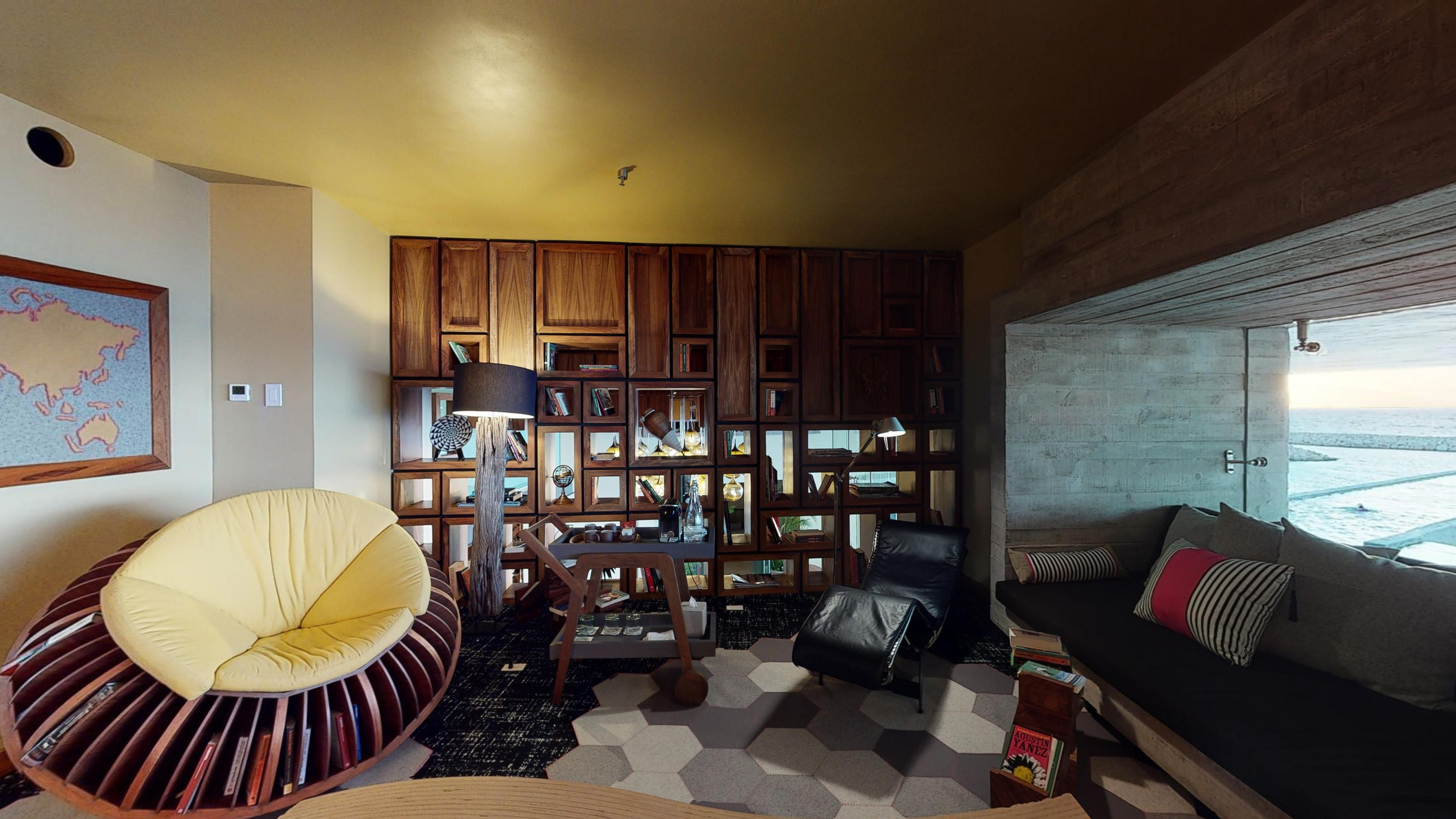
Bars in Playa del Carmen
Browse all →
At a Glance
- Quiet
- Elegant
- Modern
- Sophisticated
- Scenic
- Wellness Retreat
- Romantic Getaway
- Honeymoon
- Group Retreat
- Beachfront
- Infinity Pool
- Destination Spa
- Waterfront
- Wi Fi
- Pool
- Spa
- Fitness Center
- Room Service
- Concierge
- Beach Access
- Waterfront
- Garden
- Wi Fi
- Pool
- Spa
- Fitness Center
- Room Service
- Concierge
- Beach Access
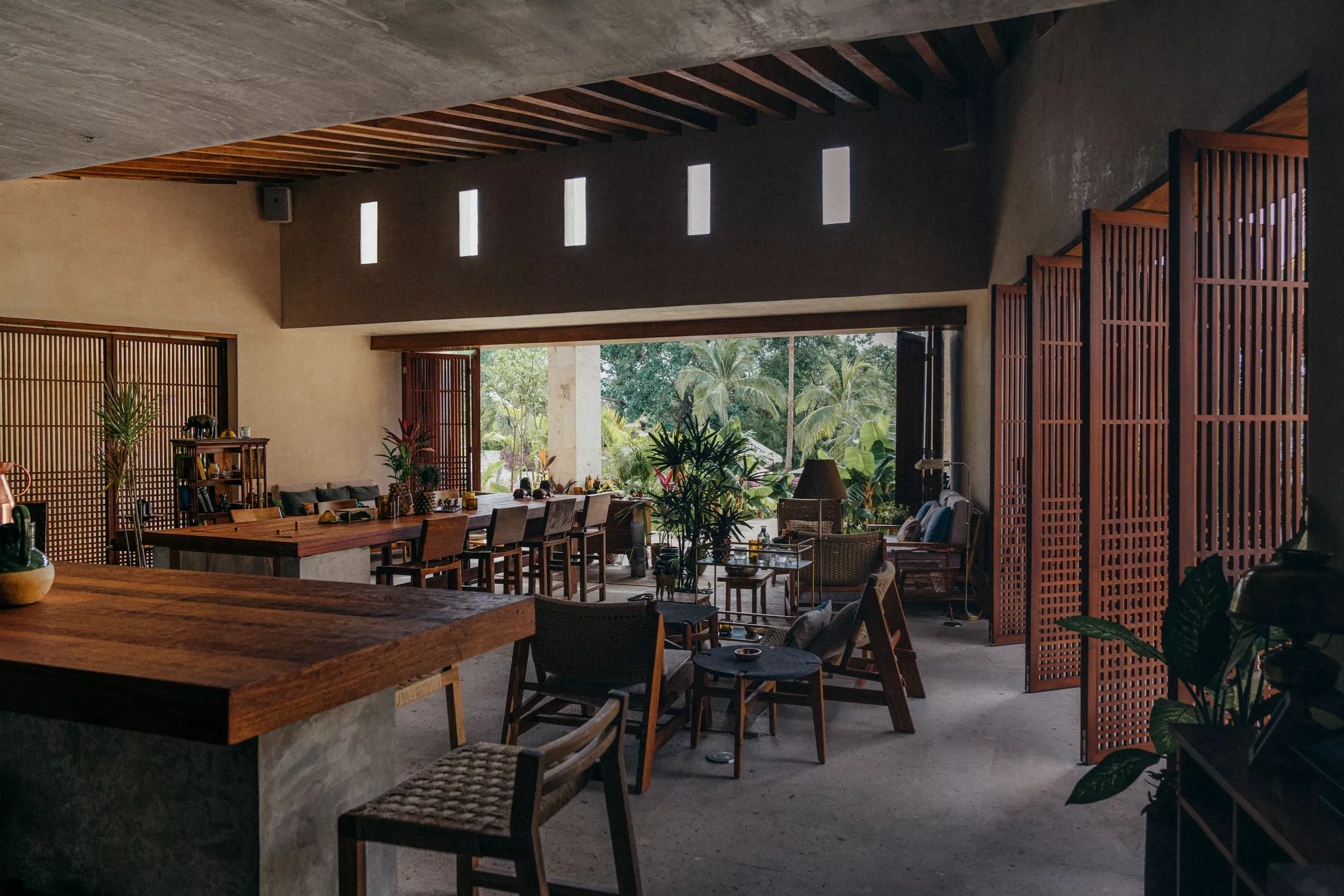
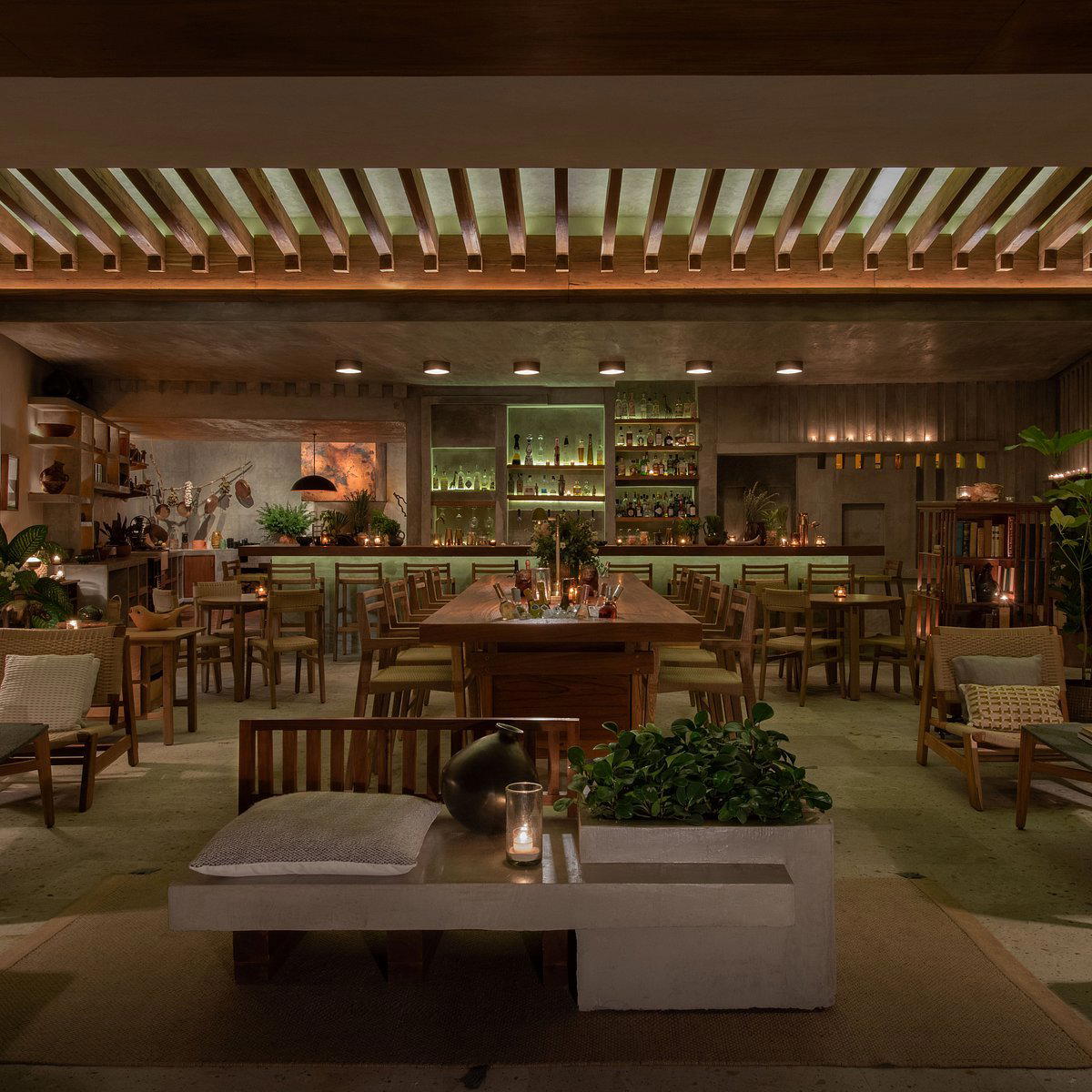
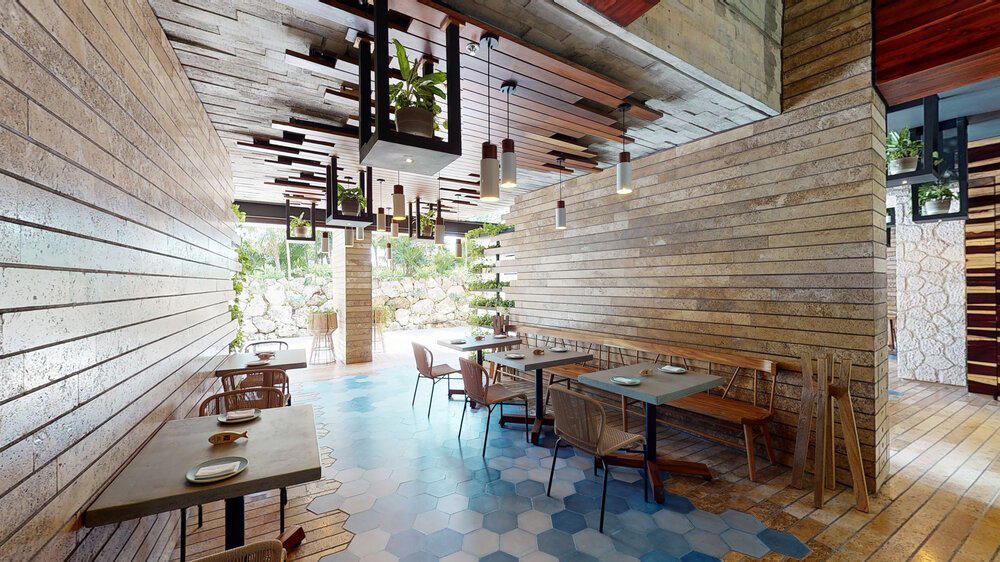
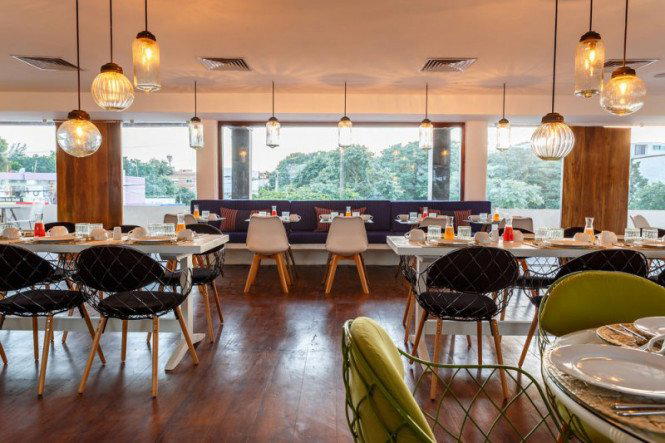
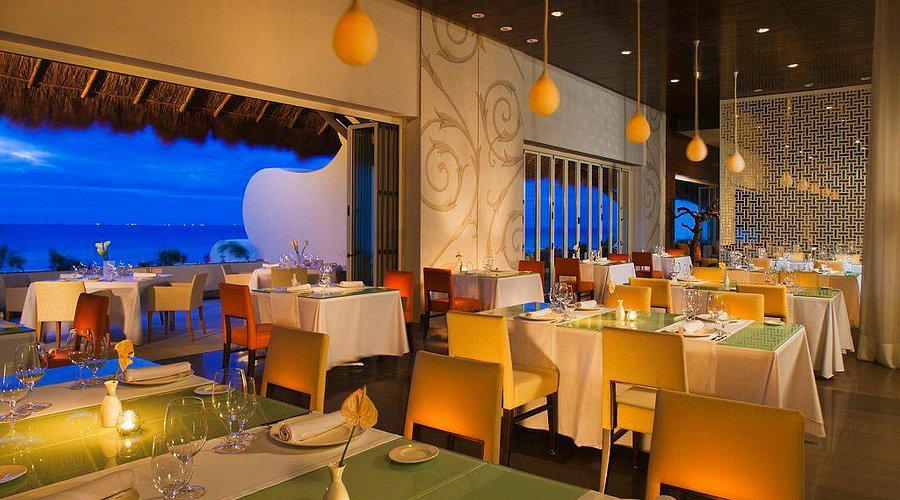
Serene and tranquil with natural jungle surroundings, calming ocean sounds, elegant modern-indigenous design, and relaxing wellness-focused atmosphere.