One of Bologna's most enduring natural wine bars, Enoteca Storica Faccioli on Via Altabella operates at the quieter, more serious end of the city's drinking culture. The selection leans toward producers working with minimal intervention, and the room rewards those who arrive without a schedule. A reference point for anyone tracing the natural wine movement through northern Italy.

Pearl is the En Primeur Club membership app, where members save venues, book tables and use the concierge.
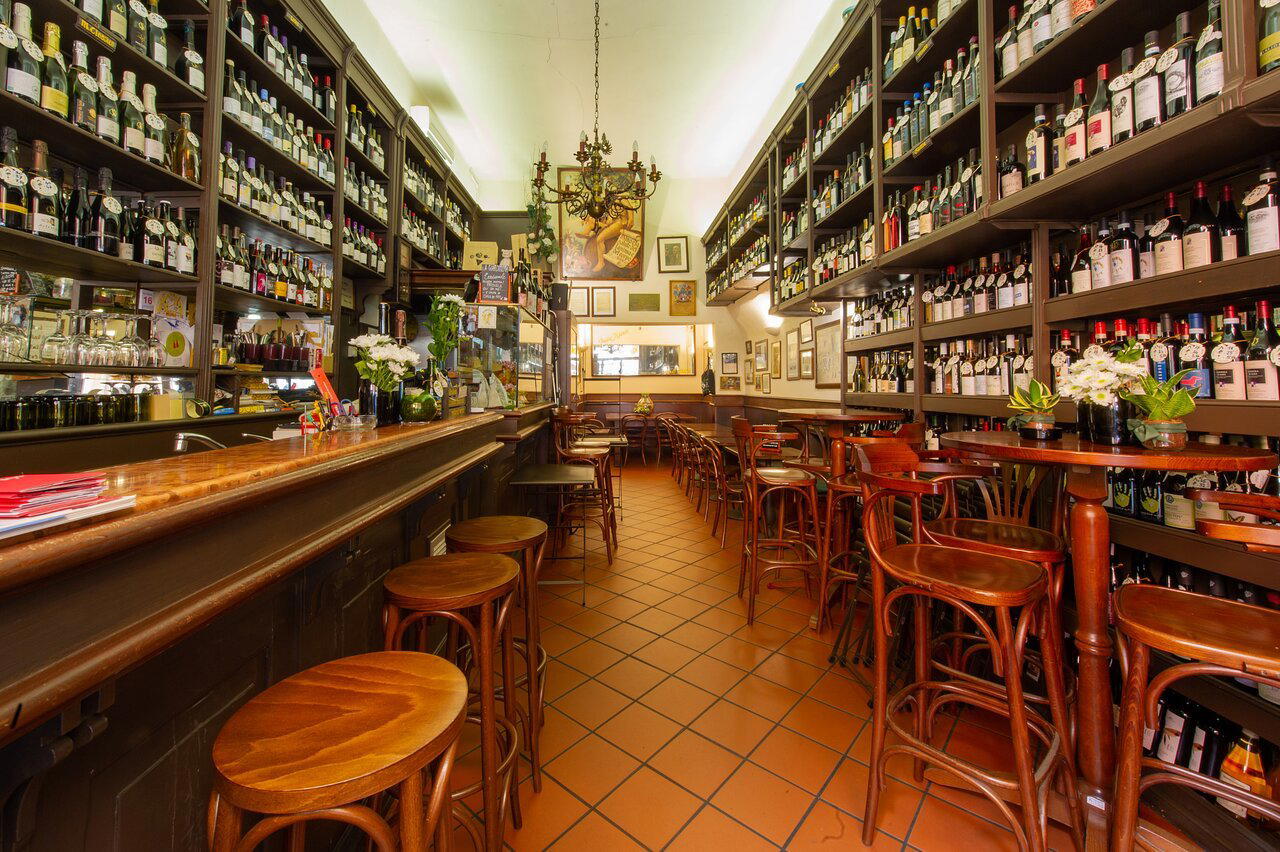
Via Altabella and the Case for Slow Drinking
Bologna's drinking culture has always run parallel to its eating culture, which is to say it has been serious without being showy. The city's older enotecas occupy a particular niche in that tradition: rooms where the wine list does most of the talking, where the pace of service is unhurried by design, and where the crowd tends to know what it ordered and why. Enoteca Storica Faccioli, on Via Altabella in the historic centre, sits squarely inside that tradition. The address places it within walking distance of the Due Torri and the Quadrilatero market district, two of the city's most concentrated areas of food and drink activity, yet the room itself operates at a different register from the aperitivo bustle nearby.
In a city where natural wine has moved from niche enthusiasm to something approaching mainstream shorthand, Faccioli represents the longer view. The "storica" in its name is not incidental. Bologna has had wine bars that predate the current natural wine conversation by decades, and the ones that have remained credible tend to have done so by building a selection that reflects actual producer relationships rather than trend adoption. That distinction matters when you are trying to place Faccioli in the context of what Bologna's wine bar scene currently offers.
The Natural Wine Frame: What It Means at This Address
Italy's natural wine movement has its clearest institutional presence in certain northern regions, Emilia-Romagna included, where a long tradition of skin-contact whites, pet-nats, and low-sulphur reds predates the international conversation about minimal intervention by some margin. The orange wines of the Colli Bolognesi and the lambrusco producers working without dosage correction are not late arrivals to this approach; they represent a continuity with how wine was made before industrial standardisation. An enoteca that frames itself around natural wines in Bologna is, in that sense, drawing on something with genuine local roots rather than importing a trend from elsewhere.
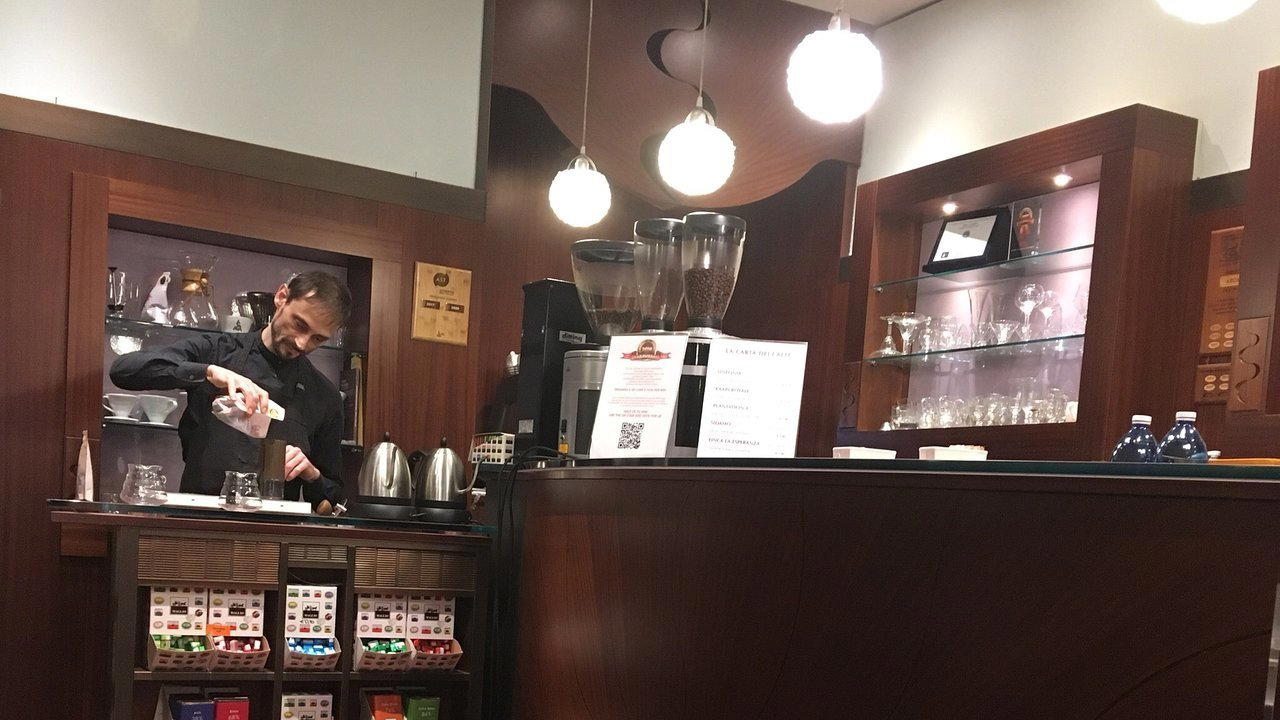
That context is worth holding when assessing what Faccioli offers. The selection, oriented toward natural and low-intervention producers, draws from a category that in this region is neither radical nor recently fashionable. It is, in many ways, the return to a baseline. The comparative question for visitors is not whether to take natural wine seriously in Bologna but which room offers the most considered version of that selection. Faccioli's positioning as a storica suggests a depth of producer relationships that newer addresses on the scene are still building. For points of comparison within Bologna's current drinking scene, the offer sits in a different register from places like Allegra, which operates with a broader hospitality brief, or the specialty coffee addresses such as Aroma Specialty Coffees and Coffee Patiserie Gamberini that serve a different part of the day.
The Room and What to Expect
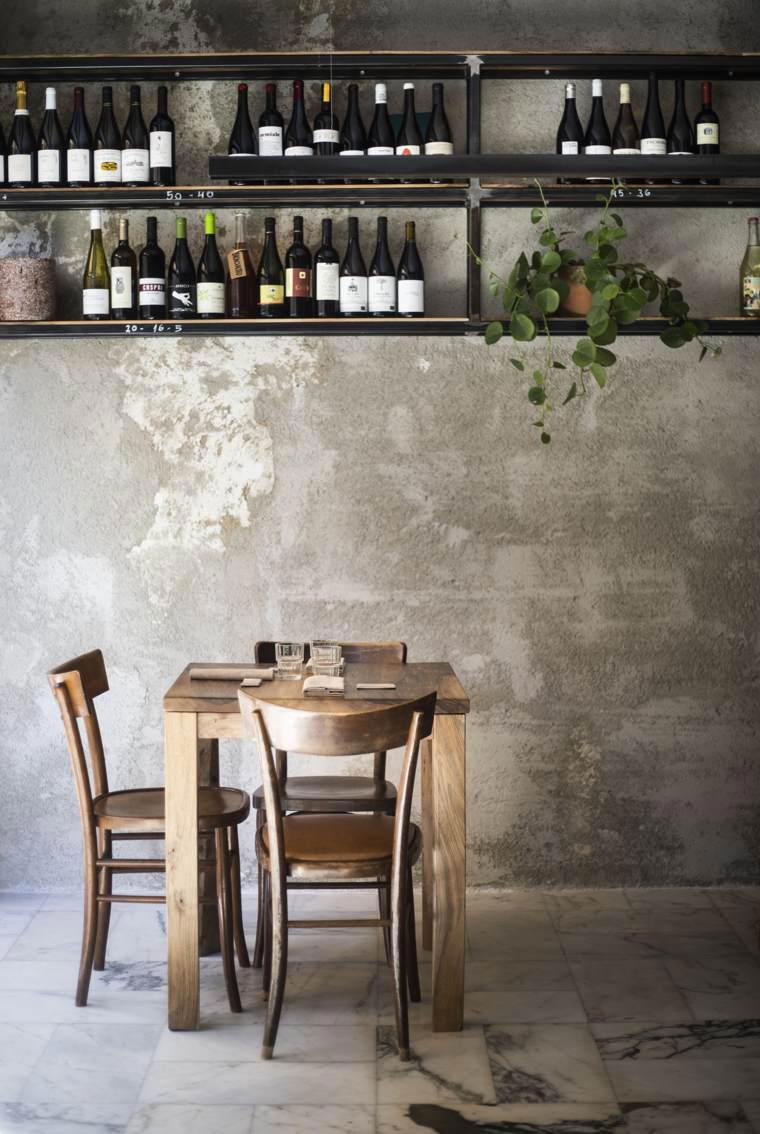
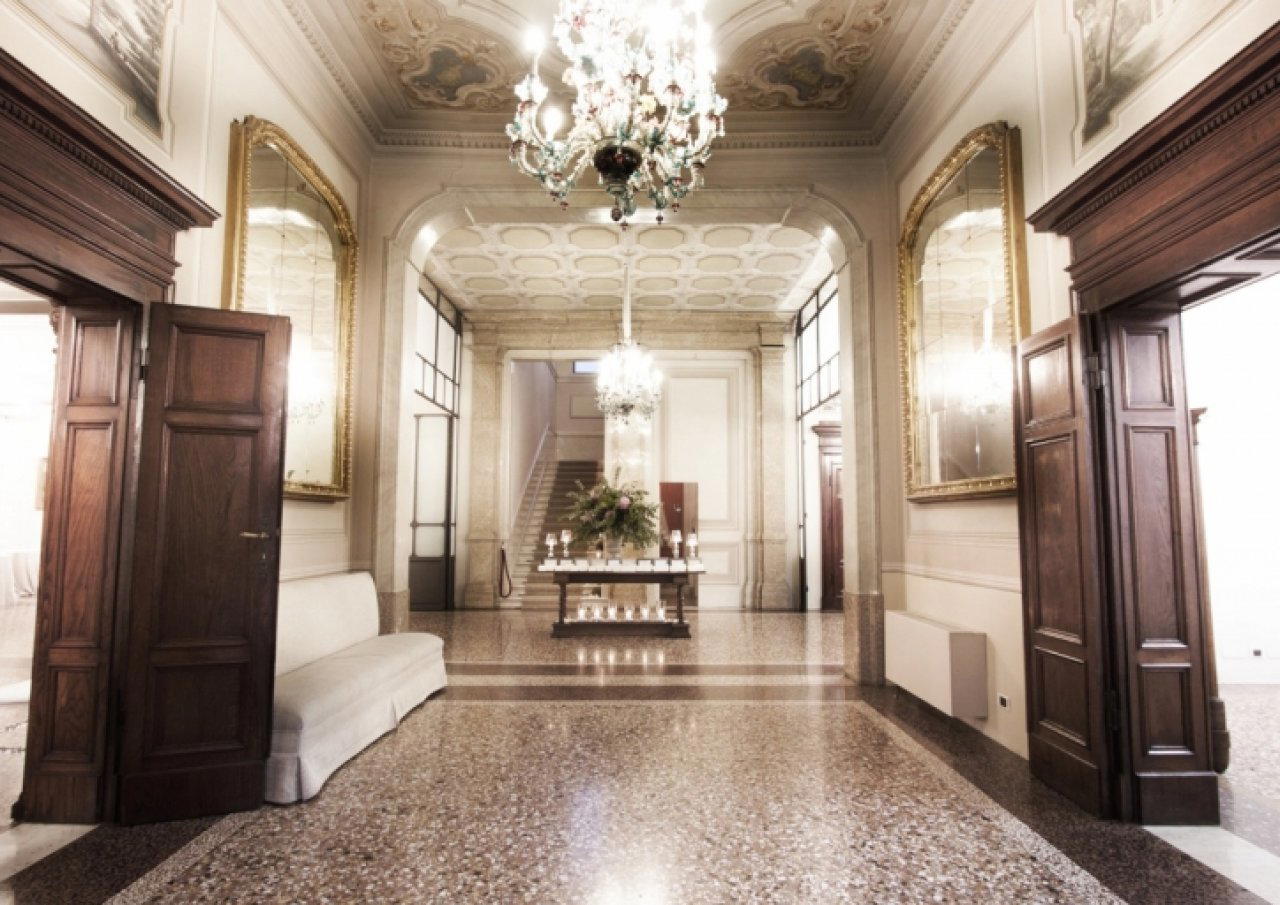
The physical environment on Via Altabella is consistent with the older enoteca model: a room defined more by bottle storage and bar presence than by interior design ambition. This is not a criticism. Bologna's most durable wine bars have tended to resist the renovation cycles that strip character from rooms in the name of contemporary presentation. The bottles are the furniture. That approach places Faccioli in a peer group that values continuity of selection over visual rebranding, and it is the right frame for understanding what kind of visit this is. You come for the wine, you stay because the pacing allows it, and you leave with a clearer sense of what Emilia-Romagna's producers are doing outside the supermarket tier.
Within Italy more broadly, rooms that operate with this level of focus on producer-driven natural selection tend to cluster in Milan, Rome, and Florence, where the bar programmes are more extensively documented. 1930 in Milan and Drink Kong in Rome represent the cocktail-forward end of that spectrum, while Gucci Giardino in Florence and L'Antiquario in Naples each operate with distinct curatorial identities. Faccioli sits apart from all of them by virtue of its wine-only brief and its regional grounding. For those building a broader comparison of Italian drinking culture, the contrast with Al Covino in Venice is particularly instructive: both addresses lean into the enoteca tradition, but the regional wine emphasis and the room character diverge considerably.
When to Go and How to Approach the Visit
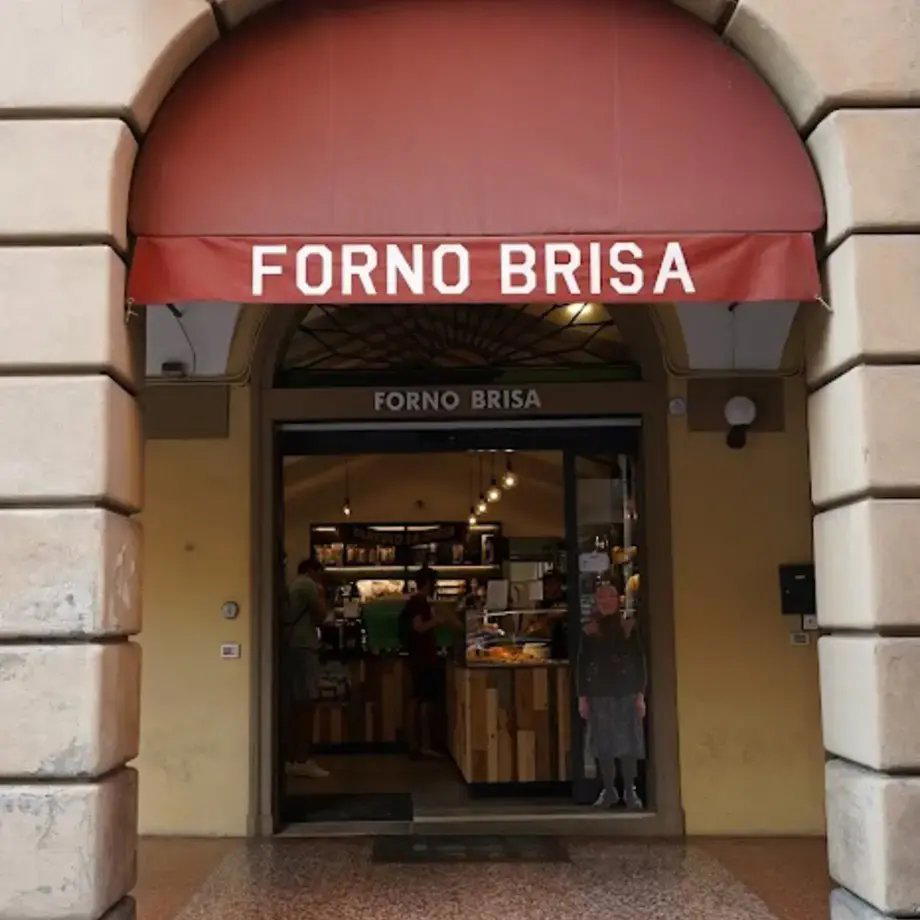
The Via Altabella address puts Faccioli in a part of the historic centre that is most active during the late afternoon and early evening hours, when the aperitivo ritual pulls people out of offices and university buildings and into the surrounding streets. That timing aligns with when an enoteca of this type is worth visiting: bottles are opened, conversation is possible, and the selection is accessible rather than locked behind a tasting-menu structure. Bologna's historic centre is compact enough that Faccioli pairs naturally with a walk through the Quadrilatero or a stop at Forno Brisa Galliera earlier in the day.
For those planning a broader itinerary around Bologna's food and drink offer, the full Bologna restaurants guide maps the city's dining culture with the same editorial frame. And for readers whose interest in natural wine extends to how the category plays in markets further afield, the contrast with Lost and Found in Nicosia or Bar Leather Apron in Honolulu illustrates how differently the category is curated and contextualised when stripped of its regional grounding.
Planning Your Visit
| Venue | Cuisine | Price | Awards |
|---|---|---|---|
| Enoteca Historical Faccioli - Enoteca Storica Vini NaturaliThis venue (the venue you are viewing) | This venue | $20–30 | Not listed |
| Volare | Not listed | $10–20 | Top 500 Bars Best Bars #497 |
| Sentaku Izakaya | Not listed | $20–30 | Top 500 Bars Best Bars #370 · Pinnacle Guide 1 Pin |
| Aroma Specialty Coffees | Not listed | $1–10 | Not listed |
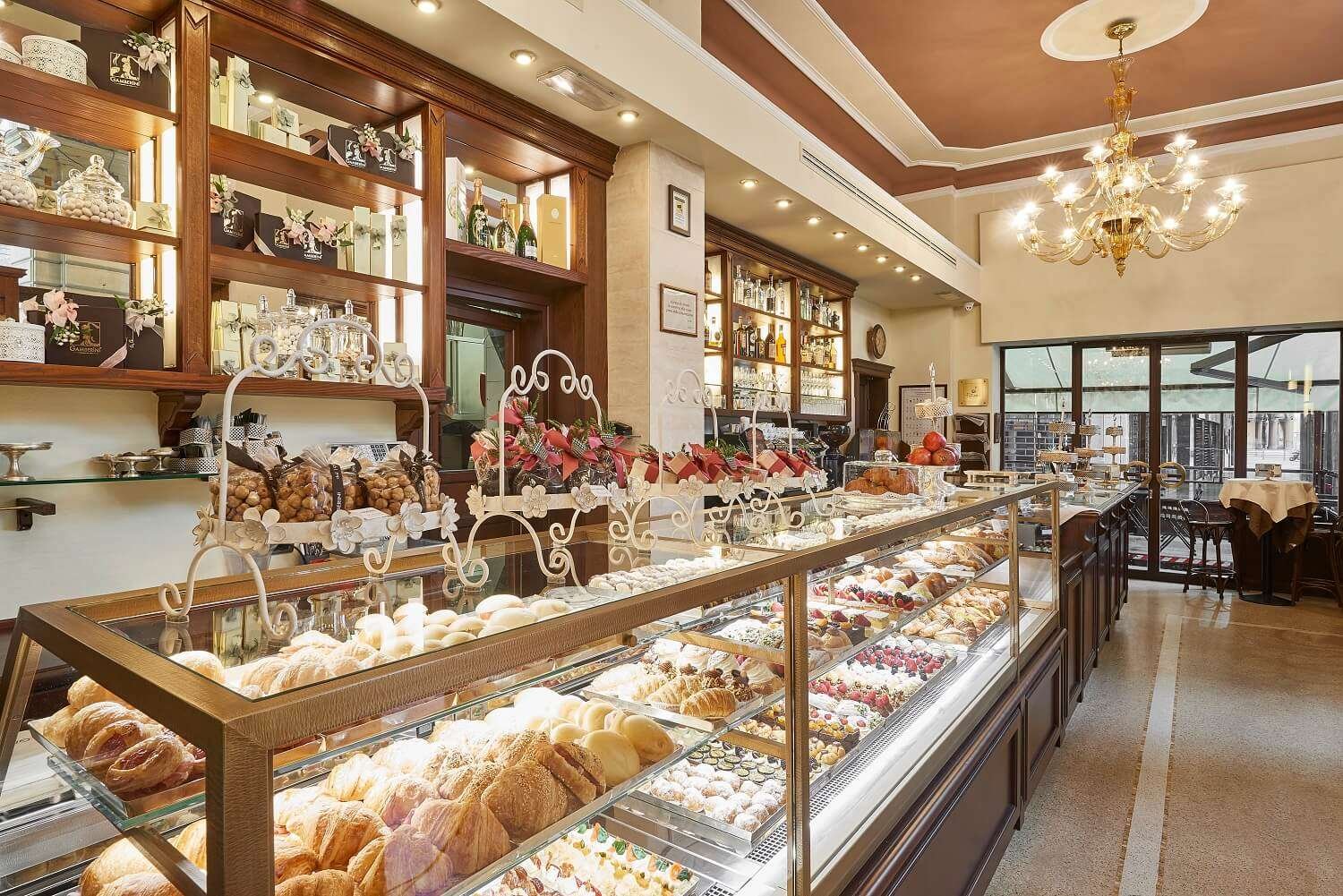
| Coffee Patiserie Gamberini | Not listed | $10–20 | Not listed |
Continue exploring
More in Bologna
Bars in Bologna
All bars in Bologna →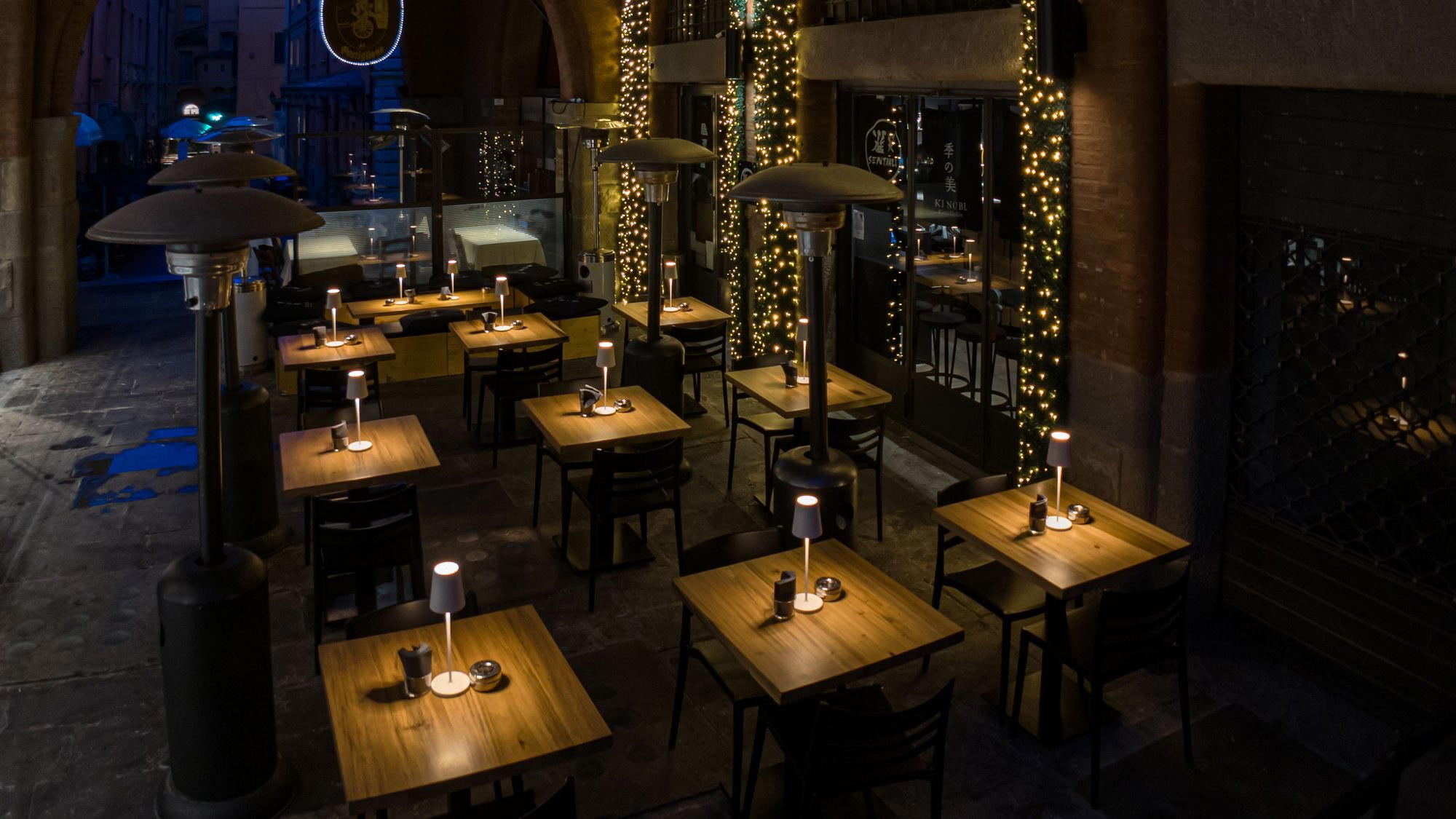
Restaurants in Bologna
All restaurants in Bologna →
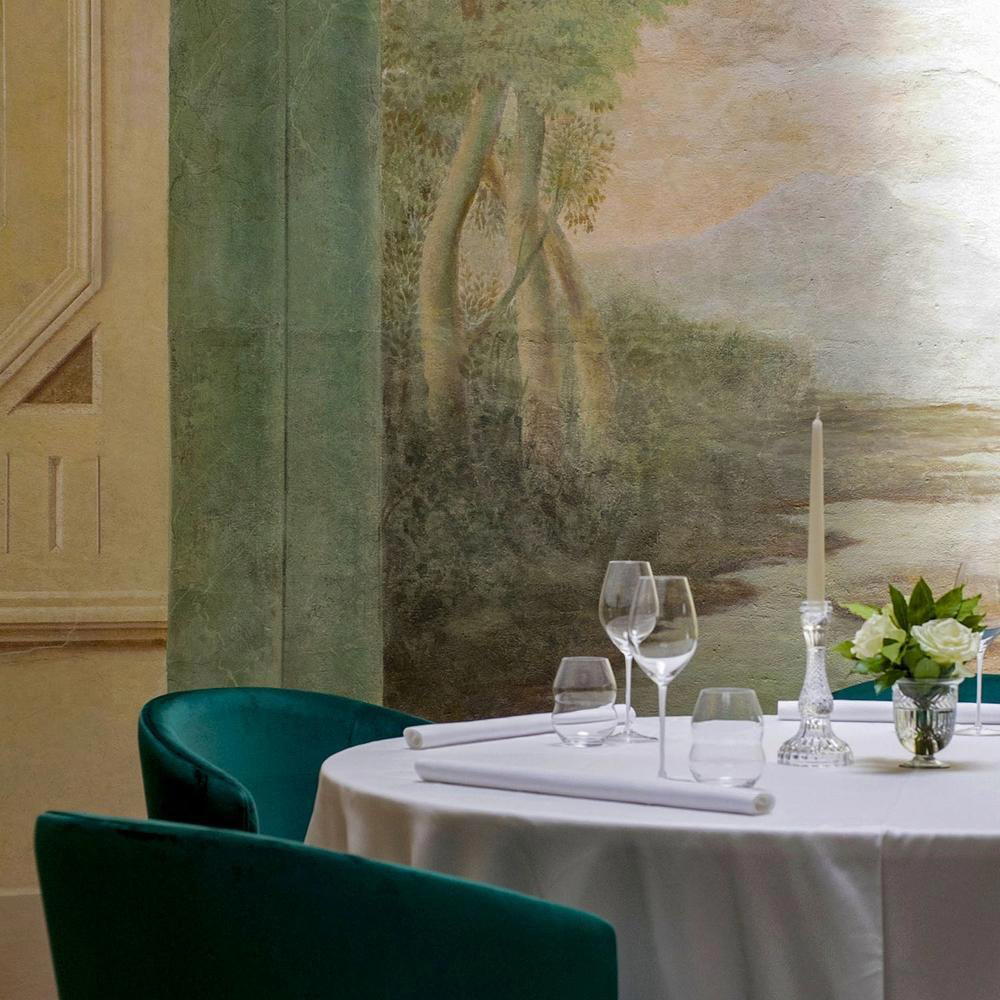
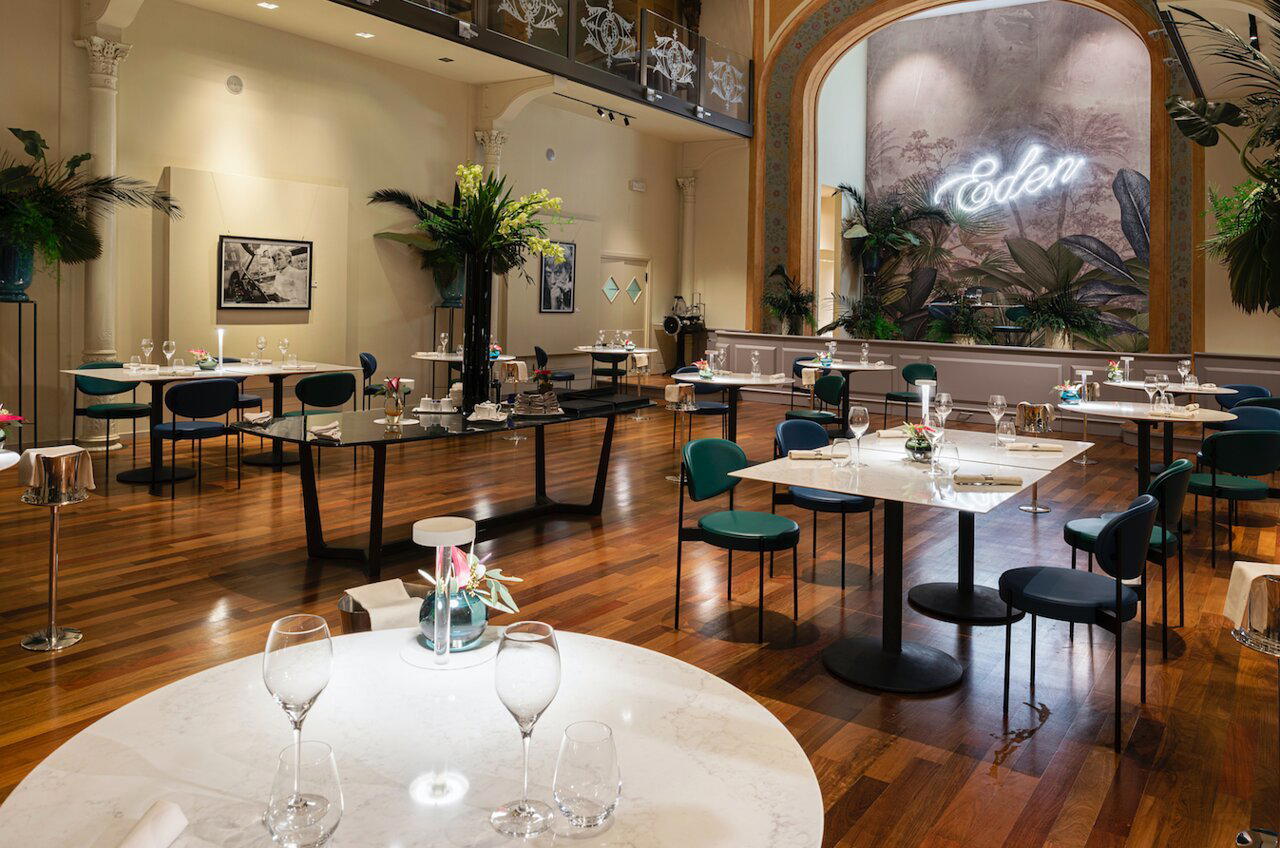
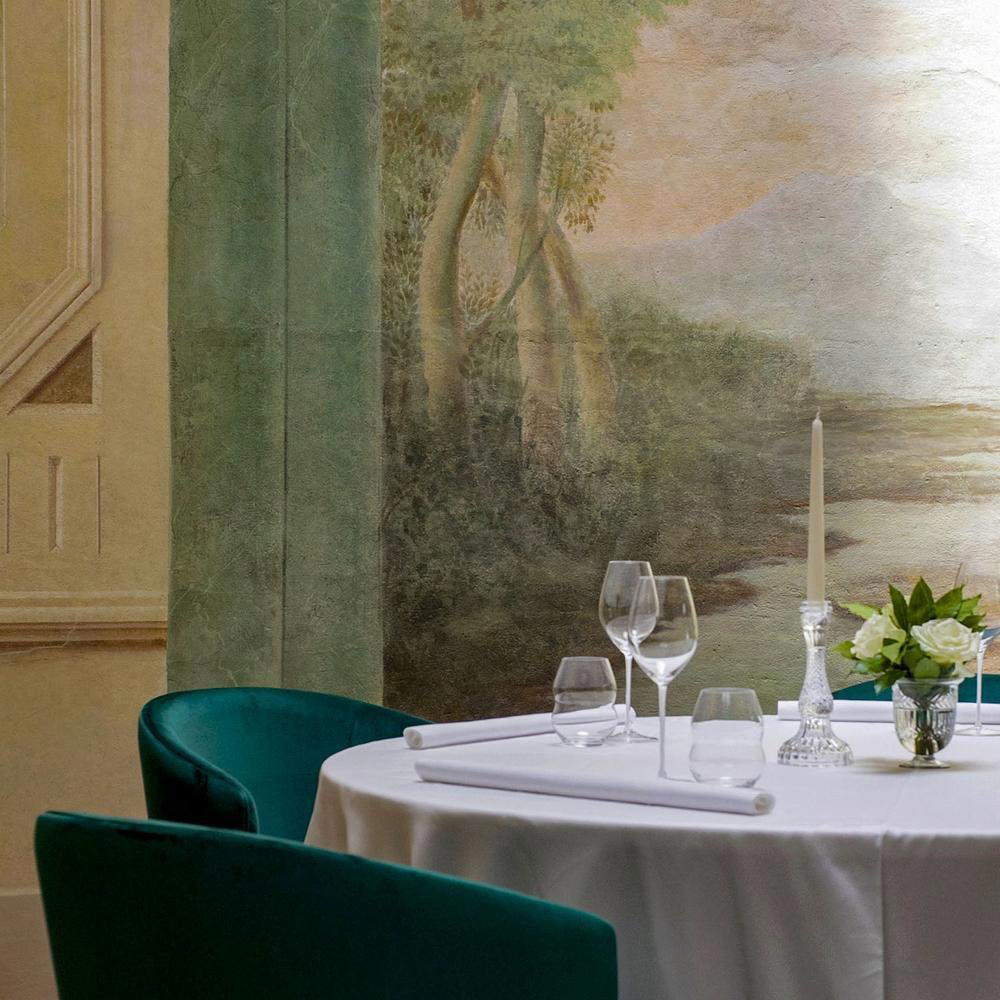
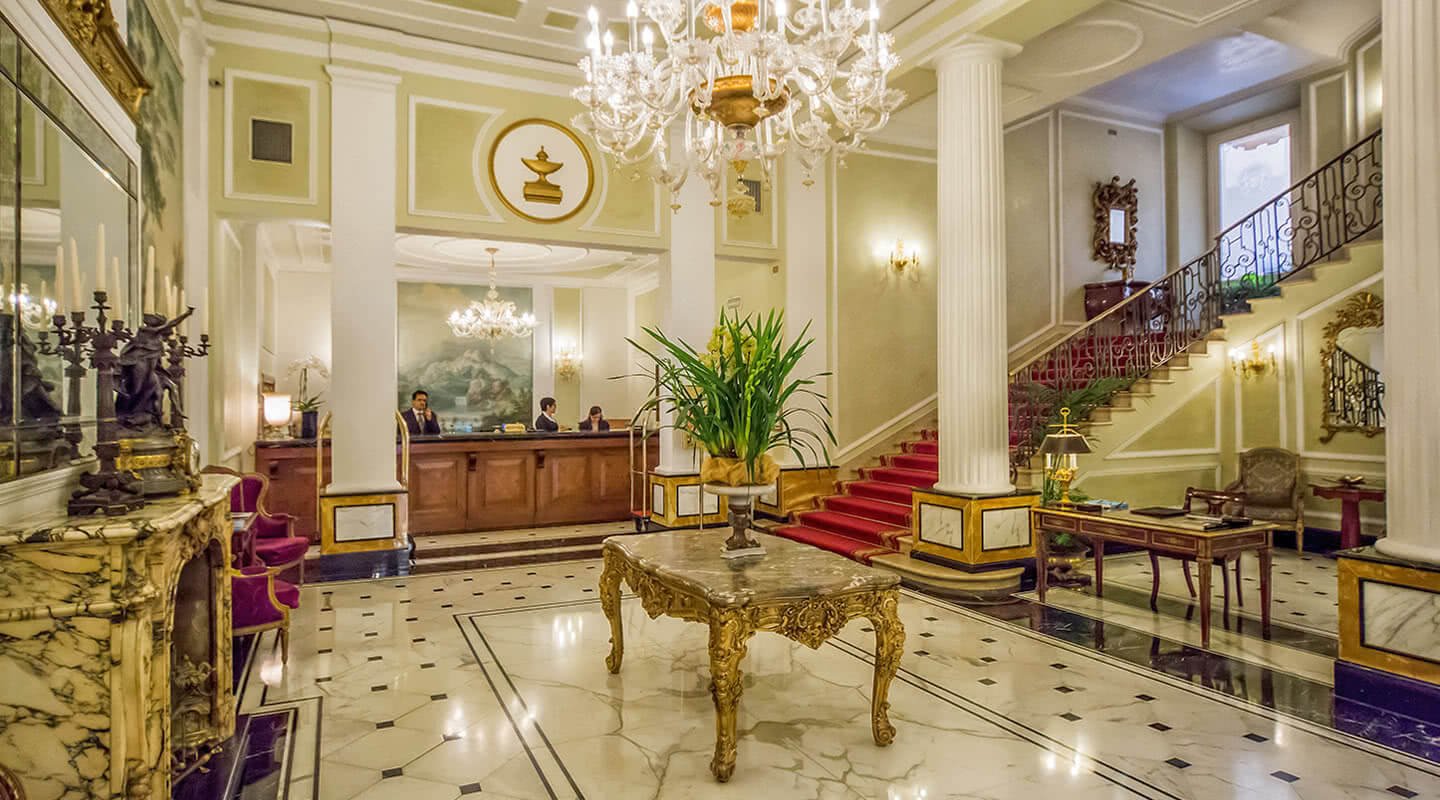
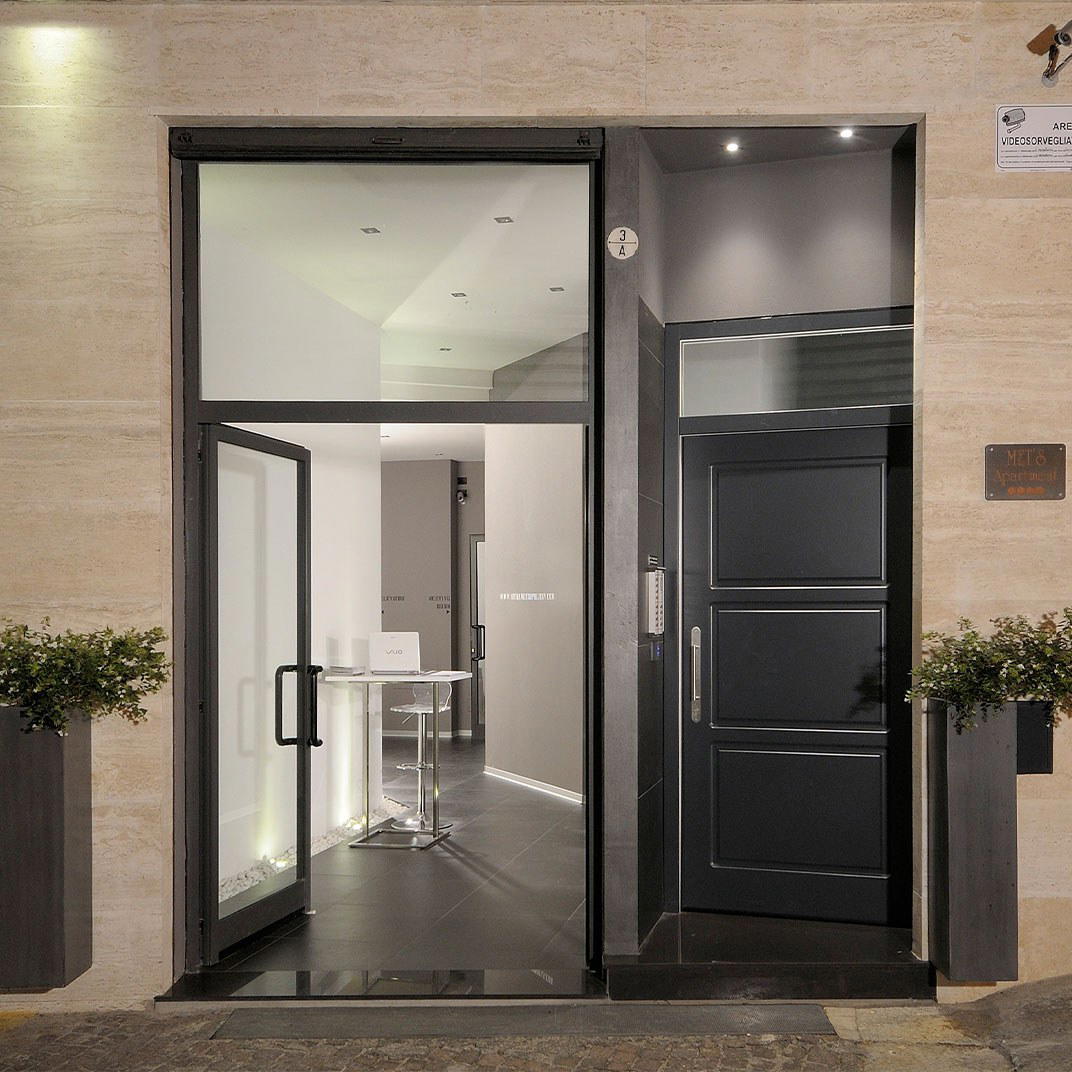
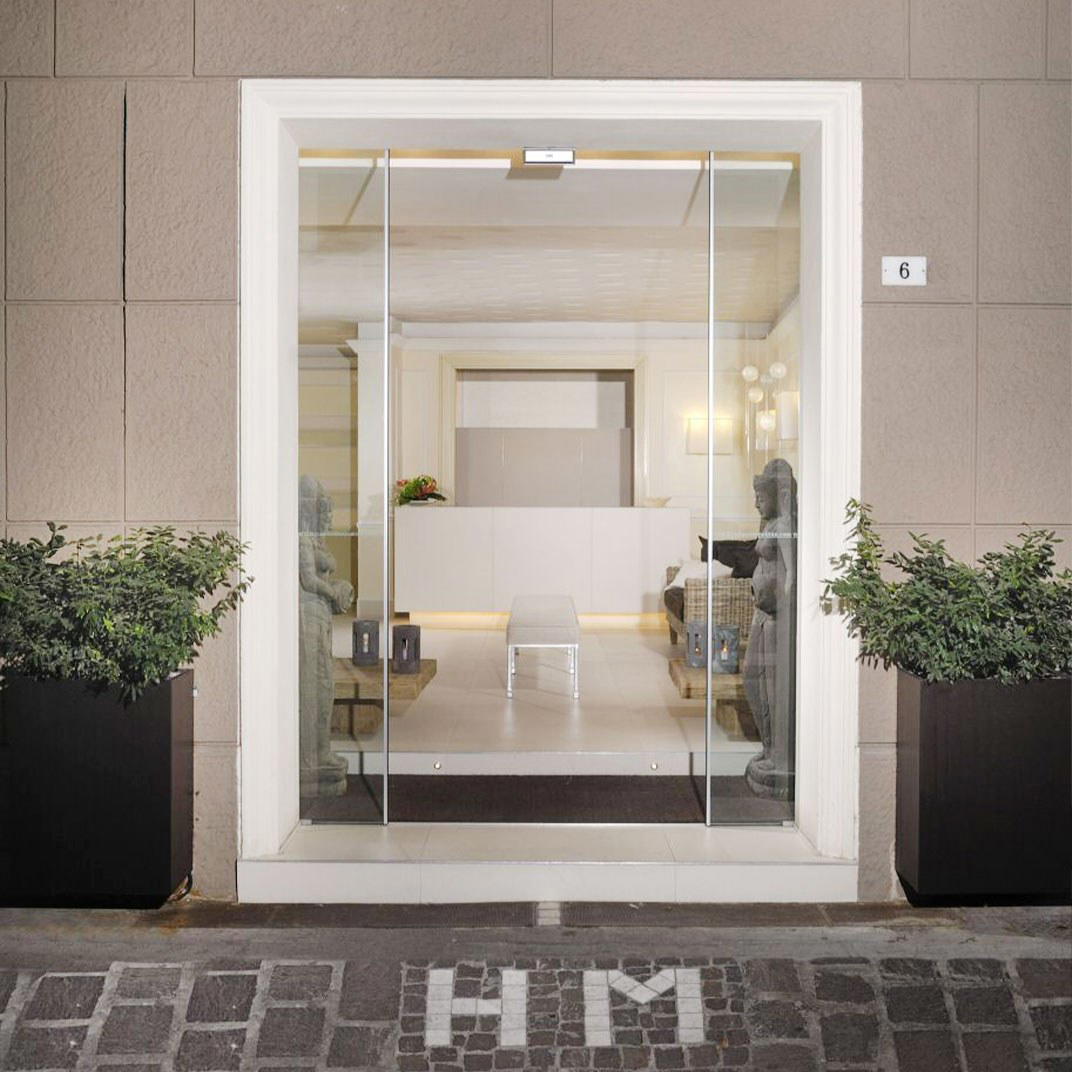
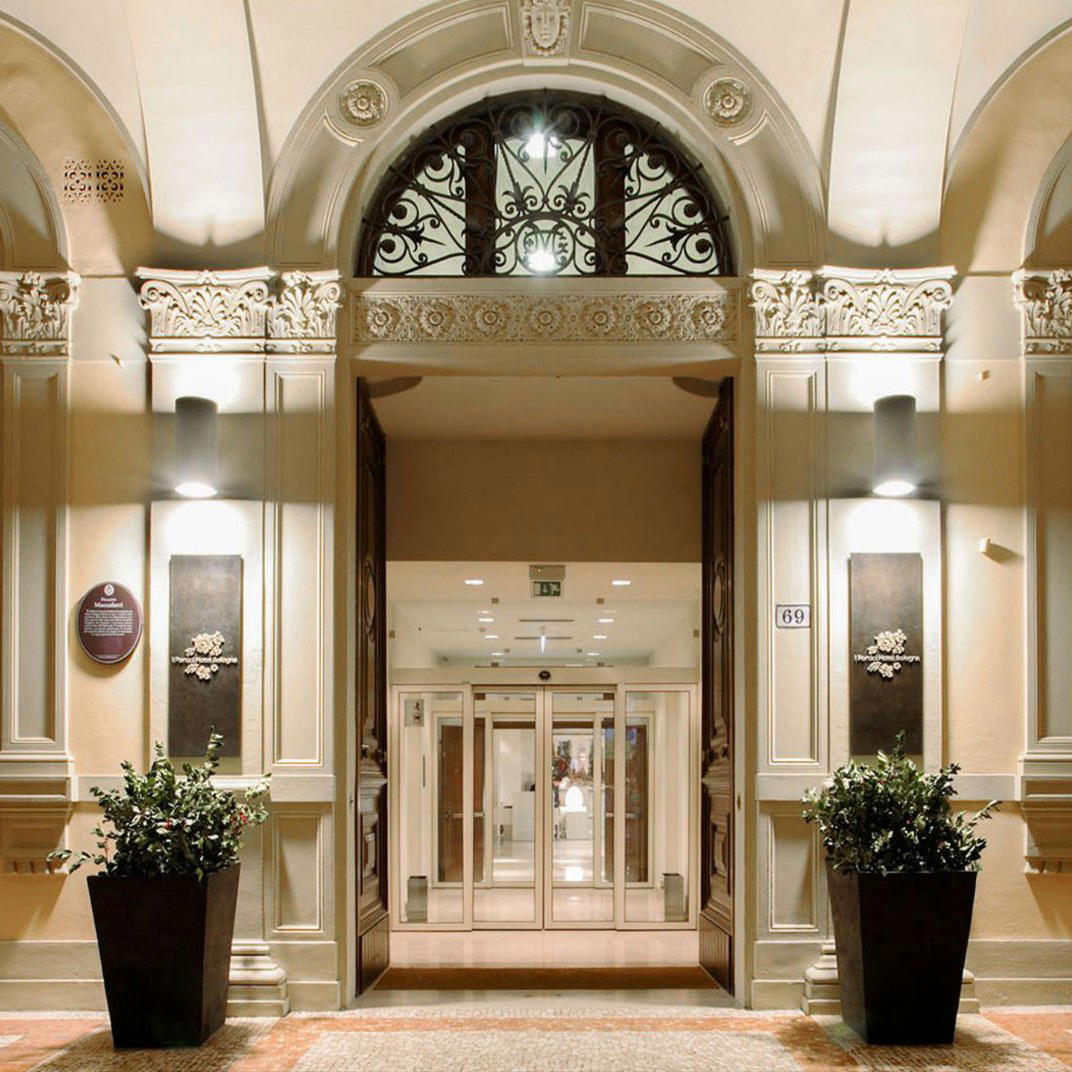
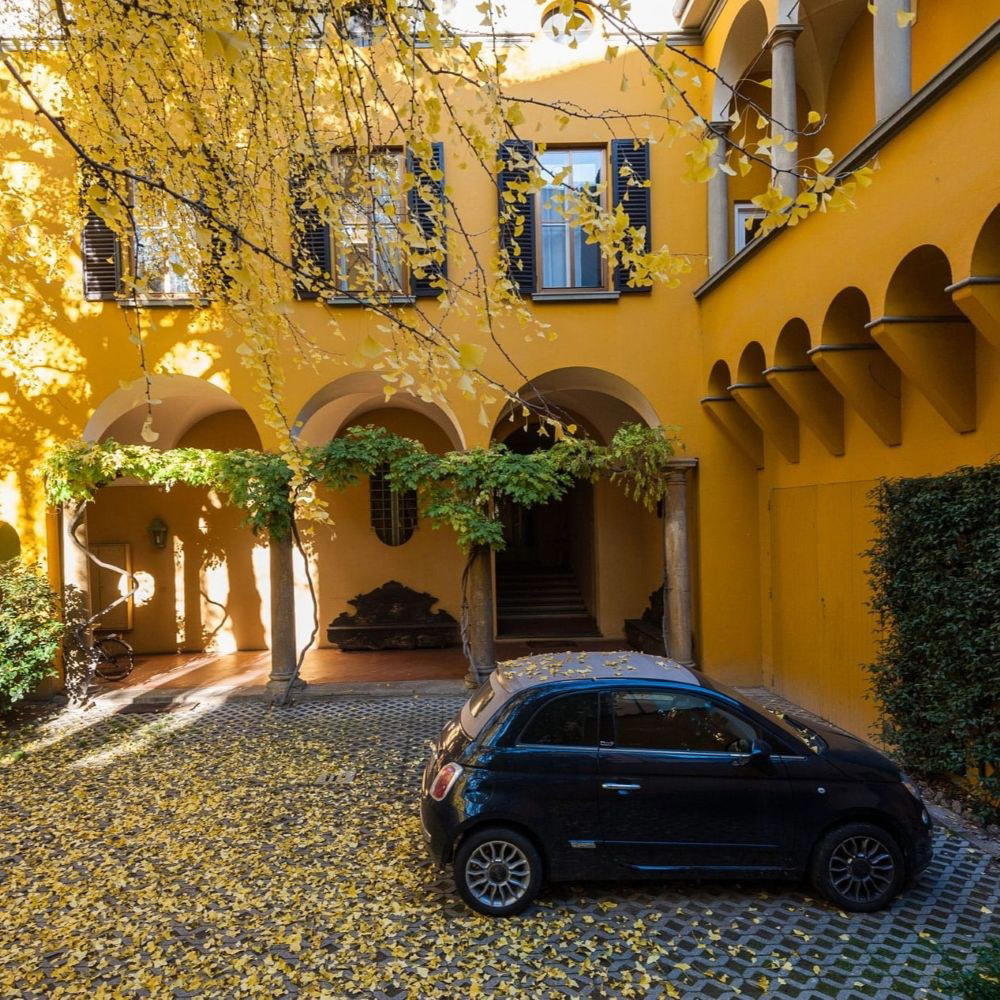

Enoteca Historical Faccioli - Enoteca Storica Vini Naturali
The wine
- Wine program
- Deep wine list
- Natural wine
Details
- Classic
- Cozy
- Intimate
- Historic
- Rustic
- Date Night
- Casual Hangout
- Historic Building
- Seated Bar
- Counter Only
- Natural Wine
- Street Scene
Current opening hours
- Monday
- 4–10 PM
- Tuesday
- 4–10 PM
- Wednesday
- 4–10 PM
- Thursday
- 12–10 PM
- Friday
- 12–10:30 PM
- Saturday
- 12–10:30 PM
- Sunday
- Closed
Hours can change for holidays and private events. Hours as of .
Intimate old-world atmosphere in a wood-clad room with bottle-crammed shelves, evoking 1930s cabaret charm and cozy warmth.