On the second floor of a building just off Harajuku's Omotesando strip, Baird Beer's Tokyo taproom brings the Shizuoka-based craft brewery into one of the city's most design-conscious neighbourhoods. The format is direct: rotating taps, a focus on American-influenced brewing technique applied to Japanese ingredients and seasonal availability, and a setting that reads more neighbourhood bar than tourist destination.
Pearl is the En Primeur Club membership app — saves, bookings, and concierge access live there. Same editors, same standards.
- Address
- Japan, 〒150-0001 Tokyo, Shibuya, Jingumae, 1 Chome−20−13 ノーサレンダー 2F
- Phone
- +81 3 6438 0450
- Website
- bairdbeer.com
- Directions
- Get directions
 Saves & bookings on Pearl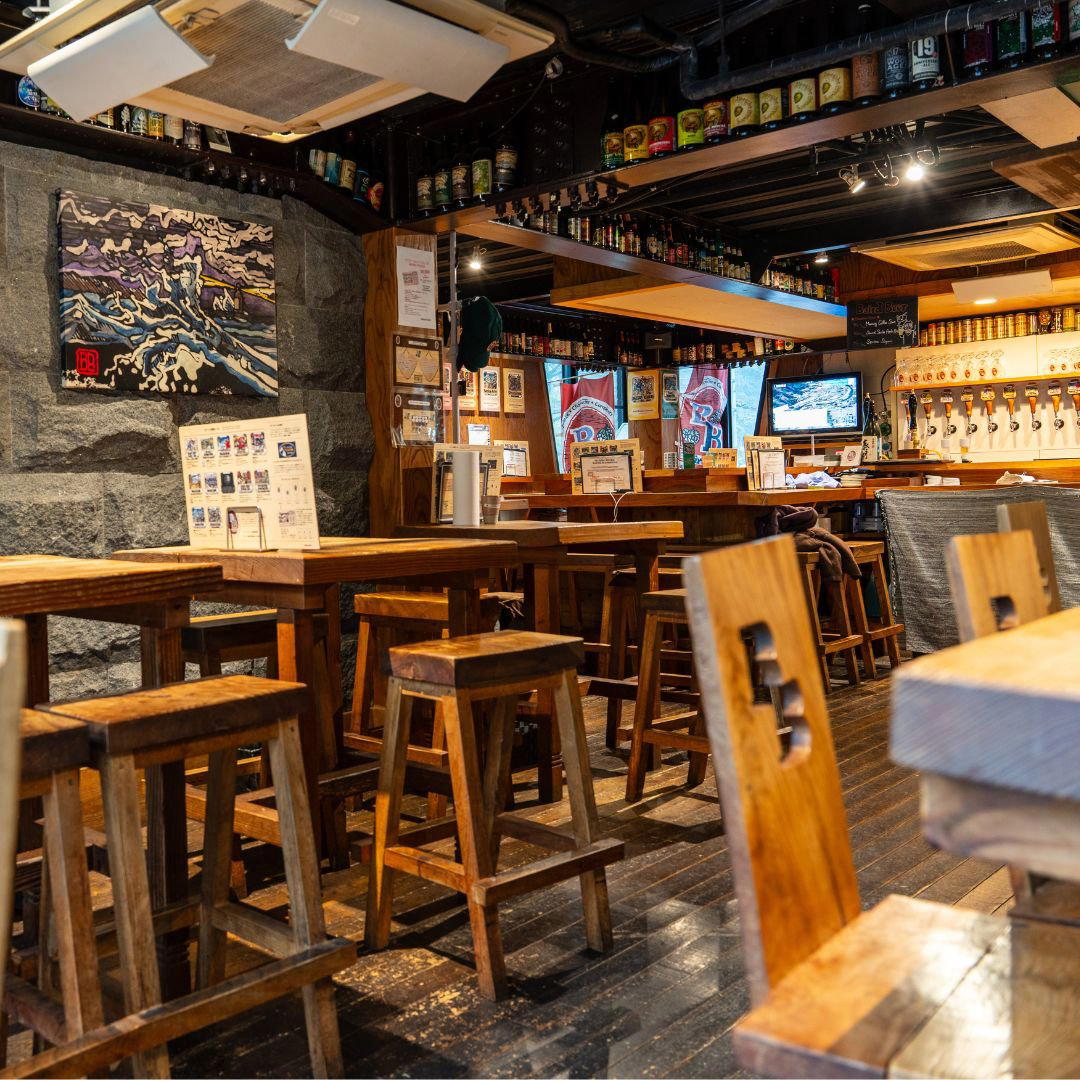
Where Craft Beer Found Its Footing in Tokyo
Harajuku occupies a strange position in Tokyo's drinking geography. The neighbourhood is better known for fashion-forward retail and weekend crowds along Takeshita Street than for serious drinking culture, yet the streets flanking Omotesando have quietly accumulated a range of venues that reward the visitor who looks past the shopfronts. Baird Beer's taproom sits on the second floor of a building in Jingumae, a short walk from the main boulevard, and its positioning says something useful about how Tokyo's craft beer movement has developed: not concentrated in one district, but dispersed across the city's more walkable residential and semi-commercial pockets.
Craft brewing in Japan has followed a particular arc. The late-1990s deregulation that lowered the minimum production threshold for beer licences opened space for small operators, but the scene remained fragmented and underpowered for years. The decade from roughly 2010 to 2020 changed that. American brewing technique, particularly the hoppy, session-oriented styles that defined the West Coast IPA wave, arrived in Japan alongside a domestic interest in locally sourced ingredients and seasonal brewing rhythms. Baird Beer, founded in Numazu in Shizuoka Prefecture, emerged as one of the operations that took both influences seriously, building a production identity around American craft methods applied to Japanese water, Japanese seasonal fruit, and a calendar that tracks the country's agricultural cycle. The Harajuku taproom is where that identity meets a Tokyo audience.
The Intersection of Imported Method and Local Material
The editorial angle worth pressing on here is not the brewery's origin story but what its approach represents within the broader pattern of Japanese craft production. Japan has a documented tradition of taking external frameworks and adapting them with obsessive precision to local conditions. In brewing terms, this means that the American hop-forward IPA format, when it arrives in a Japanese craft context, often gets filtered through an attention to ingredient sourcing and seasonal logic that the originating American scene rarely applied with the same consistency.
Baird's brewing programme has worked with ingredients including yuzu, wasanbon sugar, and seasonal fruits tied to Japan's agricultural calendar. These are not novelty additions but a function of a production philosophy that treats the brewing year like a kitchen calendar: what is available and at what quality determines what goes into the tank. The taproom format allows that seasonal rotation to reach drinkers directly, with the tap list reflecting what the brewery is currently producing rather than a static permanent lineup. For anyone tracking the intersection of imported technique and indigenous product across Japan's food and drink categories, this is a more coherent expression of that theme than many venues that claim it rhetorically.
The cocktail bars of Ginza, including operations like Bar Benfiddich, Bar High Five, and Bar Orchard Ginza, have accumulated international recognition and draw visitors specifically for their technical programmes. The craft beer taproom occupies a different register: lower formality, higher turnover, and an audience that skews toward regulars and curious walk-ins rather than destination seekers. That is not a disadvantage. It is a different kind of hospitality, and the Harajuku location benefits from foot traffic that Ginza's more purpose-driven bar strip does not generate in the same way.
The Setting and What to Expect
Second-floor venues in Tokyo often signal a particular kind of deliberateness. Street-level spaces carry foot-traffic logic; climbing a flight of stairs suggests you came with some intention. The Jingumae address places the taproom within easy reach of the Meiji Jingu-mae metro station and the broader Harajuku and Omotesando grid, which means access is not difficult but arrival feels chosen. The neighbourhood demographic on any given evening runs from Harajuku regulars and local office workers to tourists who have done enough research to know there is more to this part of the city than the fashion arcade.
The taproom format here mirrors what Baird operates at its other Tokyo locations and at the Numazu flagship: a rotating selection of draught beers, no elaborate food programme to compete with the drinks, and a physical setting that prioritises the social function of a neighbourhood bar over design spectacle. For drinkers who have spent time at Bar Libre or at the more studied cocktail environments of the city, this register will feel deliberately relaxed. That contrast is part of the appeal.
The seasonal dimension matters here. Baird releases beers tied to specific points in the Japanese calendar, from spring offerings aligned with cherry blossom season to autumn releases using harvest ingredients. Visiting during one of these windows means the tap list reflects a moment in the brewing year rather than a generic permanent selection. The brewery's broader output includes year-round flagships alongside limited seasonal production, so any visit has a stable foundation, but timing around the seasonal releases adds a layer of specificity that suits the taproom format well.
How This Fits into a Tokyo Drinking Itinerary
Tokyo rewards itinerary construction that moves between registers. A night that includes a set at one of Ginza's serious cocktail counters and an earlier hour at a craft taproom is a more honest account of the city's drinking culture than a programme built entirely around formal bar destinations. The Harajuku taproom works as an early evening stop before dinner in the surrounding neighbourhood, or as a destination in its own right for anyone whose primary interest is tracking Japanese craft beer's evolution.
Bar Nayuta in Osaka, Bee's Knees in Kyoto, and Lamp Bar in Nara each represent distinct regional expressions of Japanese bar culture, while Yakoboku in Kumamoto and anchovy butter in Osaka show how the country's secondary cities have developed their own drinking identities. The Kyoto Tower Sando venue in Kyoto adds another node to that network, as does Bar Leather Apron in Honolulu for those whose itinerary extends into the Pacific.
For the Harajuku taproom specifically, the practical approach is direct: it is walk-in friendly, the Jingumae address is walkable from several major stations in the area, and the second-floor location means the venue is quieter than street-level alternatives nearby. Arriving before the evening peak gives you the tap list at its most navigable and the space at its most social without the weekend crowd compression that Harajuku's proximity to major transit routes can produce.
Peers in This Market
Comparable venues nearby, for context on price, style, and recognition.
| Venue | Cuisine | Price | Notes |
|---|---|---|---|
| Baird Beer Harajuku TaproomThis venue — the venue you are viewing | beer_bar | $$ | Not listed |
| ウォッカトニック WODKA TONIC | cocktail_bar | $$ | Minato |
| Bar TRAM | speakeasy | $$ | Shibuya |
| Île de Colline | wine_bar | $$ | Ōta |
| Bar Albatross | cocktail_bar | $$ | Shinjuku |
| A10 | speakeasy | $$$ | Shibuya |












At a Glance
- Cozy
- Intimate
- Trendy
- Industrial
- After Work
- Casual Hangout
- Group Outing
- Standalone
- Seated Bar
- Communal Tables
- Counter Only
- Craft Beer
Current opening hours
- Monday
- 5–11 PM
- Tuesday
- 5–11 PM
- Wednesday
- 5–11 PM
- Thursday
- 5–11 PM
- Friday
- 5–11 PM
- Saturday
- 12–11 PM
- Sunday
- 12–10 PM
Hours can change for holidays and private events. Last verified .
Warm izakaya-style with low ceilings, wood craftsmanship, intimate communal feel, and counter seating around the bar.