A10 occupies a basement address in Ebisu-nishi, Shibuya, placing it within Tokyo's quieter, neighbourhood-bar circuit rather than the high-profile Ginza corridor. The venue draws those who know Tokyo's bar scene well enough to look beyond the obvious postcodes.

Pearl is the En Primeur Club membership app, where members save venues, book tables and use the concierge.
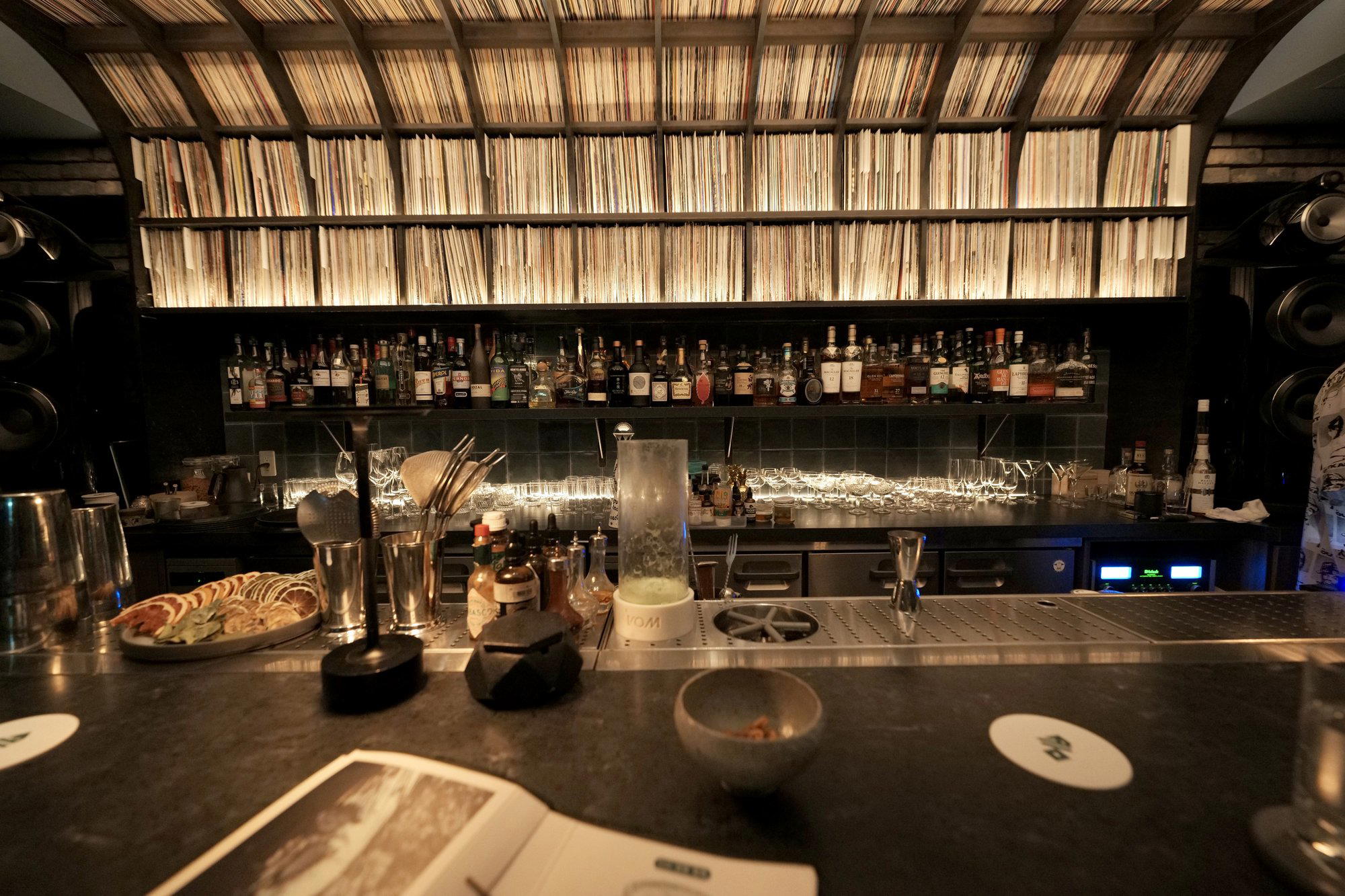
Descending into Ebisu-nishi: What the Address Signals
Tokyo's serious bar culture has always maintained a distinction between venues that perform for international attention and those that operate almost entirely for a local, knowing clientele. The basement floors of Shibuya's quieter residential-commercial fringe, particularly the streets around Ebisu-nishi, tend to house the latter. A10 sits in exactly this register: a sublevel space inside Biosビル on 1-chome, removed from the tourist-bar circuits of Shinjuku or the luxury-signalling addresses of Ginza, and closer in spirit to the considered bar tradition that defines how many Tokyoites actually drink.
That geographic positioning is not incidental. In Tokyo, the neighbourhood a bar chooses is itself an editorial statement. Ebisu and its westward neighbour Daikanyama have long attracted a particular kind of resident and visitor: design-literate, quieter in ambition, more interested in quality of experience than in being seen. A basement bar in this pocket operates on different assumptions than a high-floor lounge in Roppongi Hills. The ritual of arrival, walking into a sublevel space, adjusting your eyes, reading the room, says something about what is expected of you as a guest.
The Grammar of a Tokyo Bar Visit
Understanding what makes a bar like A10 worth seeking out requires some literacy in how Japanese bar culture structures the experience itself. The dining and drinking ritual in Tokyo's serious bar tier is built on a different tempo than most Western equivalents. Conversation happens at a register that does not compete with the room. Orders are considered rather than spontaneous. The bartender is not a performer for the whole floor but an interlocutor for whoever sits directly in front of them.
This is a tradition with deep roots. The Japanese bar canon, particularly the craft-cocktail lineage that runs through Ginza institutions and their offshoots, has always placed technique in the service of restraint rather than spectacle. Ice-cutting, dilution control, the deliberate selection of base spirits, these are the grammar of the form. Venues in the Ebisu-nishi neighbourhood operate within this grammar without the ceremonial overlay of the most formal Ginza counters. The experience is quieter, more approachable, but the underlying seriousness is the same.
For context on how Tokyo's bar scene distributes itself across the city, from the technical-precision counters of Ginza to the neighbourhood-register venues of Shibuya's quieter fringes, the broader picture is easy to trace.
Where A10 Sits in the Tokyo Bar Conversation
Tokyo's cocktail bar scene is now well-documented internationally, but the international conversation tends to cluster around a handful of venues. Bar Benfiddich in Shinjuku, with its foraged and pharmaceutical approach to spirits, sits at one extreme of the craft conversation. Bar High Five in Ginza, under Hidetsugu Ueno, represents the formal counter tradition at its most calibrated. Bar Orchard Ginza works the fruit-forward, seasonal register that Ginza has historically done well. Bar Libre takes a different approach again.
A10 in Ebisu-nishi operates at a remove from this visibility cluster. That positioning has implications for the experience. Venues that are not part of the international bar press conversation tend to be more consistent in their attention to the guest in front of them, precisely because there is no performance directed outward. The address and format suggest a bar that is building its reputation through return clientele rather than first-time tourism.
Japan's bar culture extends well beyond Tokyo, and travellers moving through the country will find analogous neighbourhood-register venues in other cities. Bar Nayuta in Osaka and Bee's Knees in Kyoto both operate within the same serious-but-accessible register. Lamp Bar in Nara has built a strong reputation in a city where the bar scene is thin but serious. Further afield, Yakoboku in Kumamoto demonstrates how the Japanese craft bar tradition replicates itself at a regional level.
What the Format Suggests About Pacing
Basement bars in Tokyo, particularly those on smaller footprints, tend to enforce a certain pacing on the visit. There is rarely ambient noise loud enough to fill silence, so conversation and the act of watching the bartender work become the event. The format rewards guests who arrive with time rather than a schedule. A single drink, ordered carefully and consumed with attention, carries more weight than a sequence of rounds. This is a structural feature of the form, not a house rule specific to any one venue.
In practical terms: arriving early in an evening session tends to allow more direct engagement with the bar staff. Later in the week, particularly Thursday through Saturday, Tokyo's basement bars attract a more consistent crowd, and the counter dynamic shifts accordingly. These rhythms apply broadly across the Ebisu-nishi and Daikanyama bar circuit.
For those who travel beyond Japan for comparison, Bar Leather Apron in Honolulu operates in a related tradition, Japanese technique applied in a different Pacific context, and offers a useful reference point for how this style of service travels.
Practical Notes for a First Visit
A10's address places it in the basement level of Biosビル at 1-12-11 Ebisu-nishi, Shibuya, Tokyo. The nearest station is Ebisu, a short walk from either the JR or Tokyu Toyoko line exits. Phone contact details and website information are not part of the available details. Confirming current hours before visiting is recommended.
The bar is in the mid-price range. The basement address and neighbourhood positioning suggest a counter-format bar with limited covers, which is the standard configuration for this tier of Tokyo bar. Expect pricing to align with the craft-bar mid-tier.
For those building a broader itinerary across the Kansai region, venues like anchovy butter in Osaka and Kyoto Tower Sando in Kyoto represent the more casual end of the Japanese bar and food spectrum, useful counterpoints to the formality of a dedicated craft cocktail bar visit.
- HINOKI
- Olive Highball
- Tropical Espresso Martini
- The Apple Forest
- Feels Like Cinema
- Buttery Dog
Category Peers
Comparable venues nearby, for context on price, style, and recognition.
| Venue | Cuisine | Price | Awards | Notes |
|---|---|---|---|---|
| A10This venue (the venue you are viewing) | speakeasy | $30–50 | Not listed | Not listed |
| La Nuit Blanche | wine_bar | Not listed | Star Wine List | Chūō |
| Ant 'n Bee | beer_bar | Not listed | Not listed | Minato |
| Studio Mule | wine_bar | $50–100 | Not listed | Shibuya |
| Kinfolk Lounge | cocktail_bar | Not listed | Not listed | Meguro |
| ウォッカトニック WODKA TONIC | cocktail_bar | $30–50 | Not listed | Minato |
Continue exploring
More in Tokyo
Bars in Tokyo
All bars in Tokyo →

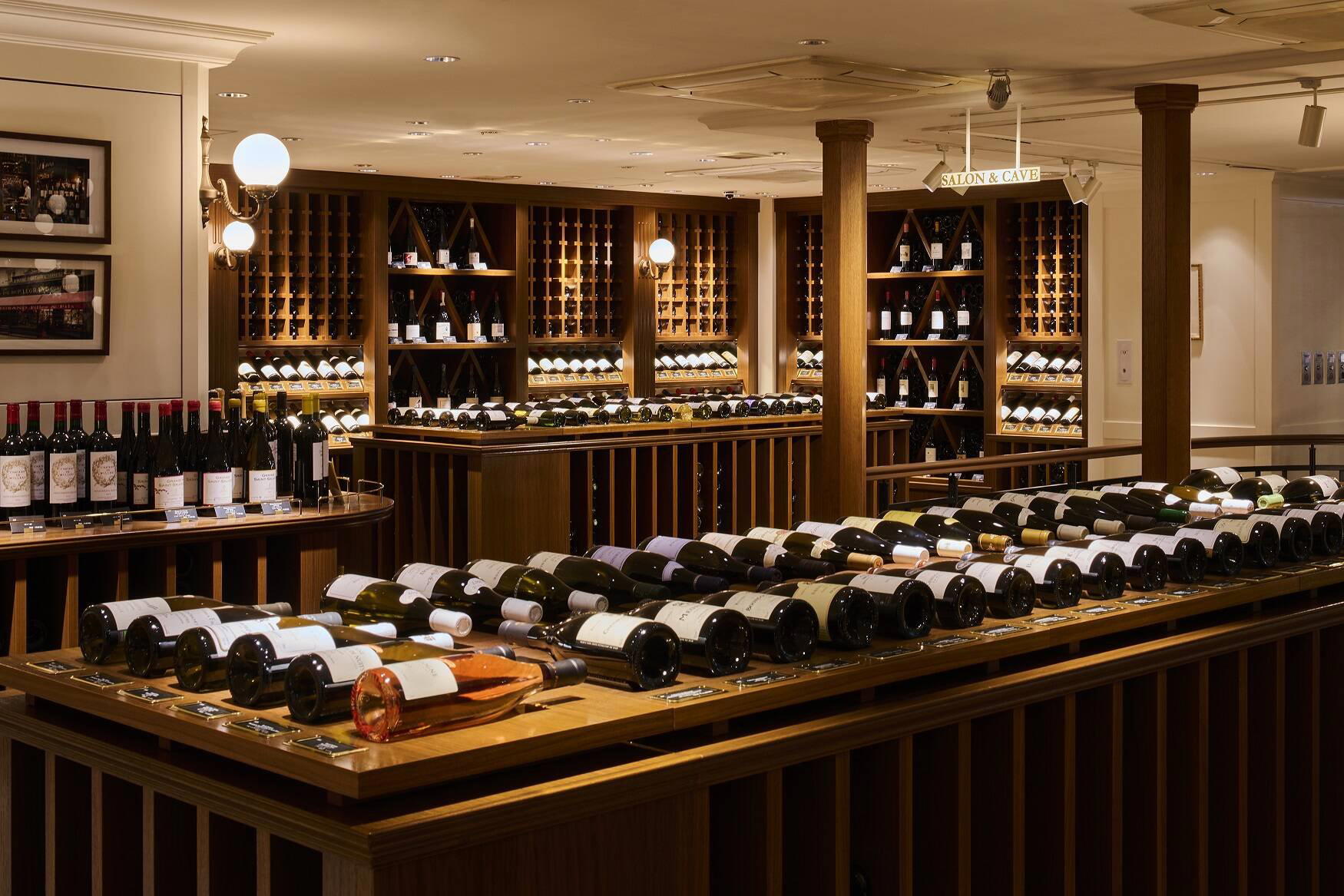


Restaurants in Tokyo
All restaurants in Tokyo →





A10
The drinks
- Craft cocktails
- Classic cocktails
Signature drinks: HINOKI, Olive Highball, Tropical Espresso Martini, The Apple Forest, Feels Like Cinema, Buttery Dog.
Details
- Intimate
- Sophisticated
- Trendy
- Elegant
- Date Night
- Special Occasion
- Speakeasy
- Counter Only
- Craft Cocktails
- Classic Cocktails
Current opening hours
- Monday
- 7 PM–3 AM
- Tuesday
- 7 PM–3 AM
- Wednesday
- 7 PM–3 AM
- Thursday
- 7 PM–3 AM
- Friday
- 7 PM–3 AM
- Saturday
- 7 PM–3 AM
- Sunday
- 7 PM–3 AM
Hours can change for holidays and private events. Last verified .
Dark lighting with an elegant, immersive atmosphere focused on high-quality music and sophisticated cocktails.