In Shibuya's Udagawacho district, 君のハンバーグを食べたい is a second-floor hambagu specialist that draws a loyal local following for its focused approach to Japan's beloved Western-influenced beef patty tradition. The lunch counter and evening service occupy different registers entirely, making it a useful reference point for understanding how Tokyo's casual dining scene calibrates itself across the day.

Pearl is the En Primeur Club membership app — saves, bookings, and concierge access live there. Same editors, same standards.
- Address
- Japan, 〒150-0042 Tokyo, Shibuya, Udagawacho, 13−16 Kokusai Bldg. A, 2F
- Phone
- +81 3 6416 0103
- Hours
- Daily 11 AM–10 PM
- Website
- dream-on-company.com
- Directions
- Get directions
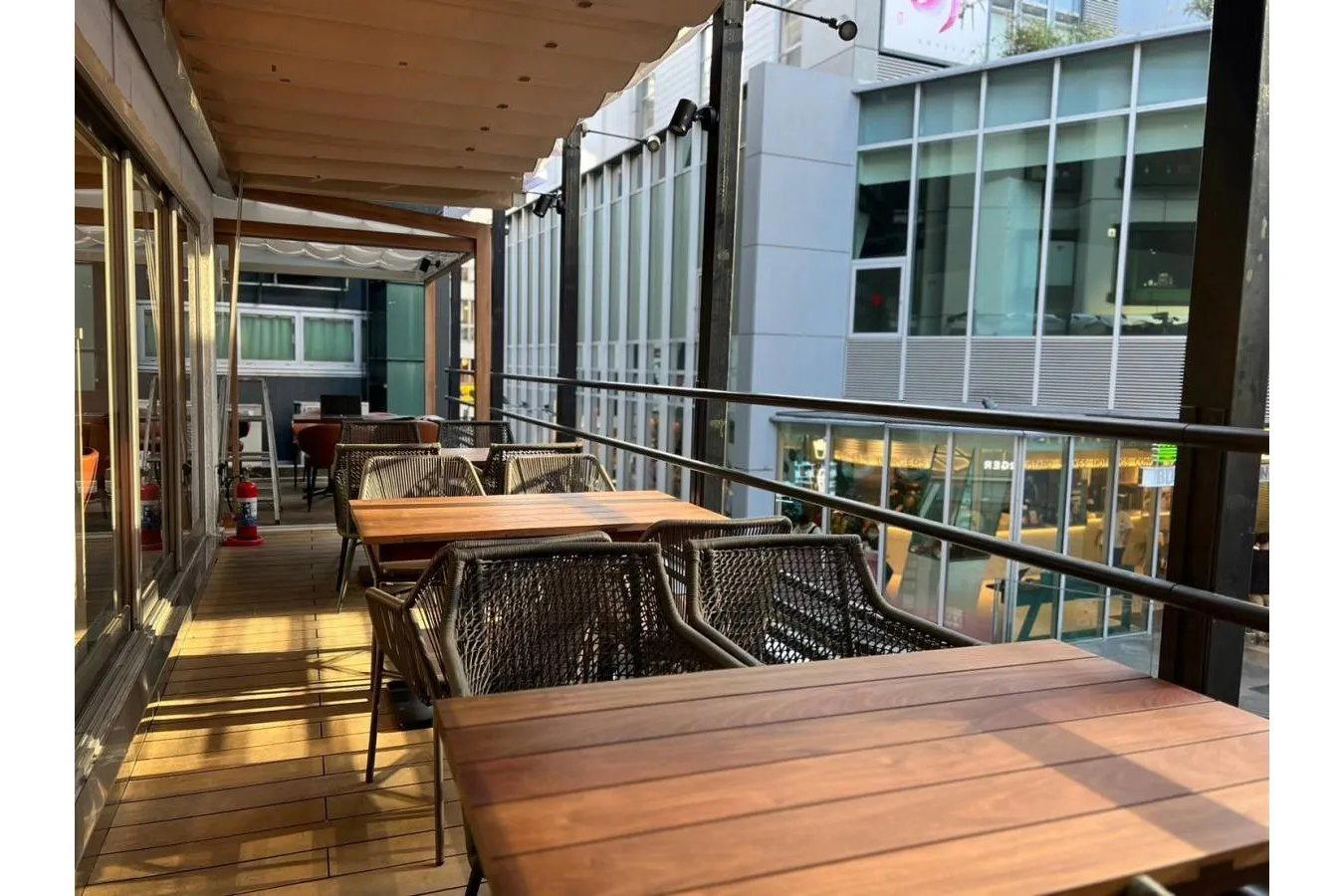
Shibuya's Hambagu Tradition, Upstairs on Udagawacho
Tokyo's casual dining scene has long operated on a principle of extreme specialisation. Where a Western city might offer a generalist bistro, Tokyo tends to produce a restaurant that does one thing with the depth and focus typically associated with far more expensive formats. The hambagu — Japan's adaptation of the Western hamburger steak, served without a bun, typically with demi-glace or Japanese-style sauce, and calibrated for the kind of careful execution that characterises the country's approach to borrowed food traditions — sits comfortably in this pattern. It is neither fast food nor fine dining. It occupies a middle register that Tokyo has refined over decades into a distinct genre.
君のハンバーグを食べたい (roughly translatable as "I Want to Eat Your Hambagu") operates from the second floor of the Kokusai Building in Shibuya's Udagawacho neighbourhood, placing it within one of Tokyo's most commercially layered districts. Udagawacho sits west of Shibuya station, away from the main scramble-crossing tourist circuit, in a zone that mixes streetwear retailers, music venues, and the kind of upper-floor dining spots that locals find and tourists frequently miss. The second-floor position is itself a signal: street-level Shibuya is high-traffic, high-rent, and high-turnover. Restaurants that climb a floor tend to have a more settled, repeat-customer orientation.
The Lunch and Dinner Divide
In Tokyo's hambagu category, the gap between lunch service and evening service often tells you more about a restaurant's character than any single dish. Lunchtime hambagu spots in this price bracket typically run efficient, single-plate formats: the patty, a sauce choice, rice or bread, and perhaps a small salad. The logic is economic and rhythmic, office workers and local residents moving through a reliable midday option. The room tends to be louder, the pace faster, and the expectation of lingering minimal.
Evening service in a specialist hambagu context shifts the frame. The crowd skews younger, the meal becomes a social occasion rather than a functional one, and the kitchen typically has more latitude to run specials or secondary dishes. For a second-floor Shibuya address, the evening draw is likely to include Shibuya's considerable after-work population as well as groups moving between the neighbourhood's bars and restaurants. The name itself, with its conversational, almost intimate tone, suggests the evening register more than the lunch one. It reads like something you'd say to a friend, not a lunchtime instruction.
This lunch-versus-dinner divide matters for planning. If you are visiting Shibuya earlier in the day with limited time, the lunch format at this type of specialist offers efficiency alongside quality. If the evening is your window, expect a slower pace and a room that functions more as a destination than a throughput operation.
Where Hambagu Sits in Tokyo's Casual Premium Tier
The hambagu genre has undergone a quiet repositioning in Tokyo over the past decade. What was once firmly in the inexpensive comfort-food bracket now spans a wider range, with specialist counters using aged domestic beef, house-made demi-glace reductions aged over multiple days, and table-side sauce service that mirrors the ceremony of higher-end steakhouses at a fraction of the price. The category has attracted serious operators without abandoning its accessible origins.
Within Shibuya specifically, the hambagu offer competes not just against other hambagu restaurants but against the district's broader casual dining ecosystem: ramen, yakiniku, tonkatsu, and the mid-range Italian and French-inflected bistros that dot the backstreets. A specialist hambagu address on the second floor of an office building makes a different kind of bet, that name recognition built on a clear concept will sustain repeat visits more effectively than format diversity. The name alone functions as a positioning statement in a city where restaurant names are often deliberately evocative.
Visiting Shibuya: Timing and Context
Shibuya's dining rhythm follows its commercial calendar closely. Weekday lunches draw the district's substantial office population. Weekend afternoons bring a younger crowd from the surrounding residential areas and those making their way through the shopping zones. Evenings from Thursday through Saturday operate at higher intensity. For a second-floor restaurant in Udagawacho, the practical implication is that walk-in availability will be more reliable at off-peak hours, mid-week lunches or early evening arrivals before the post-work rush consolidates.
Udagawacho is accessible on foot from Shibuya station's Hachiko exit in under ten minutes, though the backstreet orientation of the Kokusai Building means first-time visitors should confirm the address carefully before arriving. Second-floor venues in this part of Tokyo can be easy to miss at street level.
For a broader picture of where this type of casual specialist fits within Tokyo's dining geography, our full Tokyo restaurants guide maps the city's categories across neighbourhoods and price points.
Drinking in and Around Shibuya
The bar scene that surrounds a Shibuya dinner engagement is worth thinking through in advance. Tokyo's cocktail culture has developed a distinct tier of technically serious, low-capacity bars that operate on a different axis from the neighbourhood's larger venues. Further afield but relevant for context, Bar Benfiddich in Shinjuku represents one end of this spectrum, known for herb-forward drinks made from cultivated botanicals. Bar High Five and Bar Libre offer Ginza's more classical cocktail register, while Bar Orchard Ginza takes a fruit-forward approach that has built a distinct following.
Across Japan, the same principle of specialist cocktail bars operating at low capacity and high technical focus applies: Bar Nayuta in Osaka, Bee's Knees in Kyoto, Lamp Bar in Nara, and Yakoboku in Kumamoto each represent the regional expression of a national bar culture that prizes precision and restraint. For visitors extending beyond Tokyo, anchovy butter in Osaka and Kyoto Tower Sando in Kyoto offer contrast in format. Internationally, Bar Leather Apron in Honolulu draws on Japanese bartending lineage as a direct point of comparison for what that tradition exports.
Know Before You Go
- Address: 2F Kokusai Building A, 13-16 Udagawacho, Shibuya, Tokyo 〒150-0042
- Access: On foot from Shibuya Station (Hachiko Exit), approximately 8-10 minutes west through Udagawacho
- Format: Specialist hambagu restaurant, second floor
- Booking: Contact details not publicly listed at time of writing; walk-in likely required
- Leading timing: Mid-week lunch for lower footfall; early evening for a more settled dinner experience
- Note: Second-floor entrance; confirm building location before arriving
Peers You’d Cross-Shop
| Venue | Cuisine | Price | Awards |
|---|---|---|---|
| 君のハンバーグを食べたい 渋谷店This venue — the venue you are viewing | This venue | $10–20 | Not listed |
| Bar Benfiddich | Not listed | $20–30 | World's 50 Best #62 · Tatler Listed in Best Bars Asia-Pacific |
| Bulgari Ginza Bar | Not listed | $50–100 | World's 50 Best #86 · Forbes Travel Guide Hotel Star Bar |
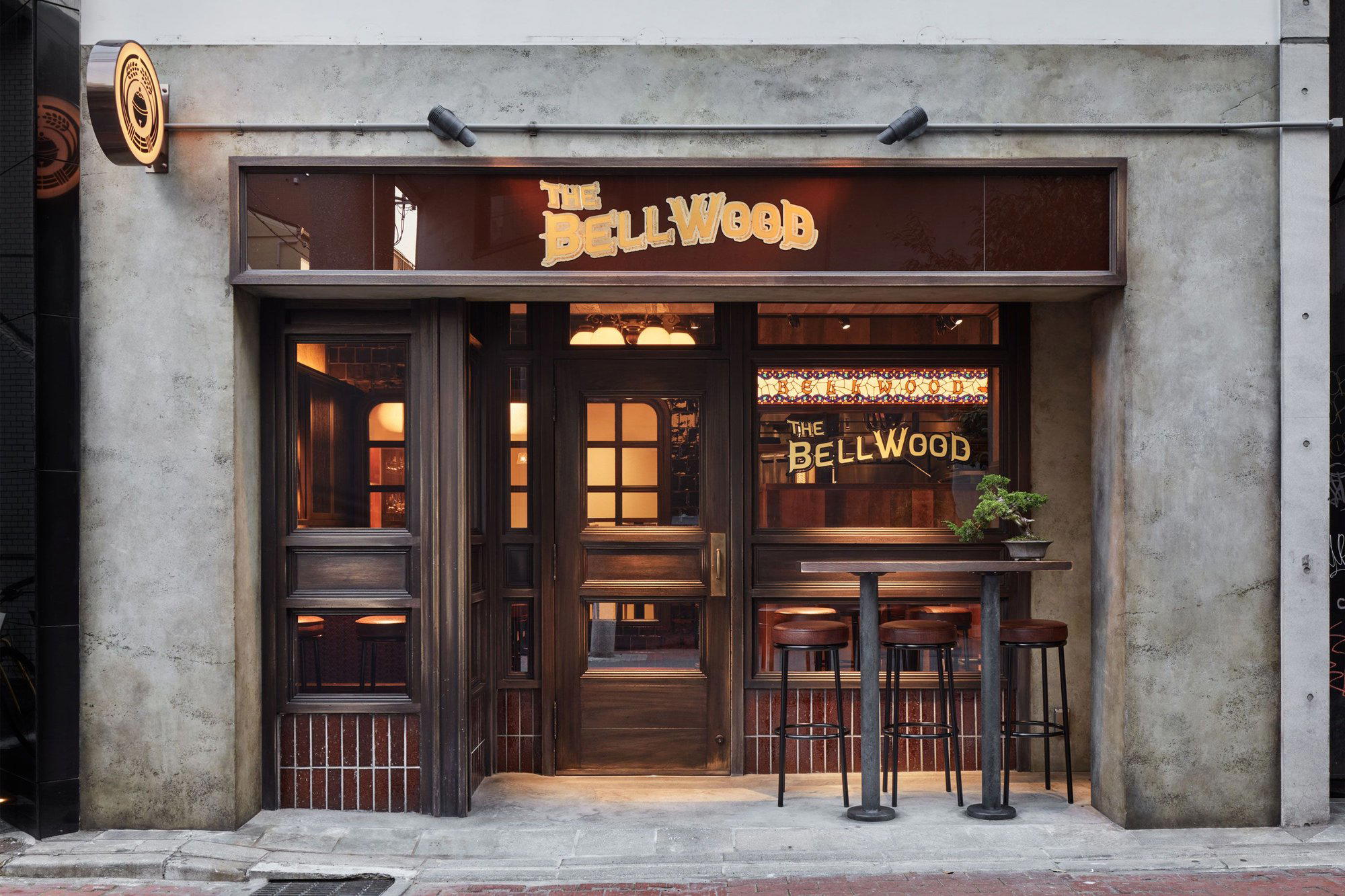
| The Bellwood | Sushi | $50–100 | World's 50 Best #79 · Tatler Listed in Best Bars Asia-Pacific |
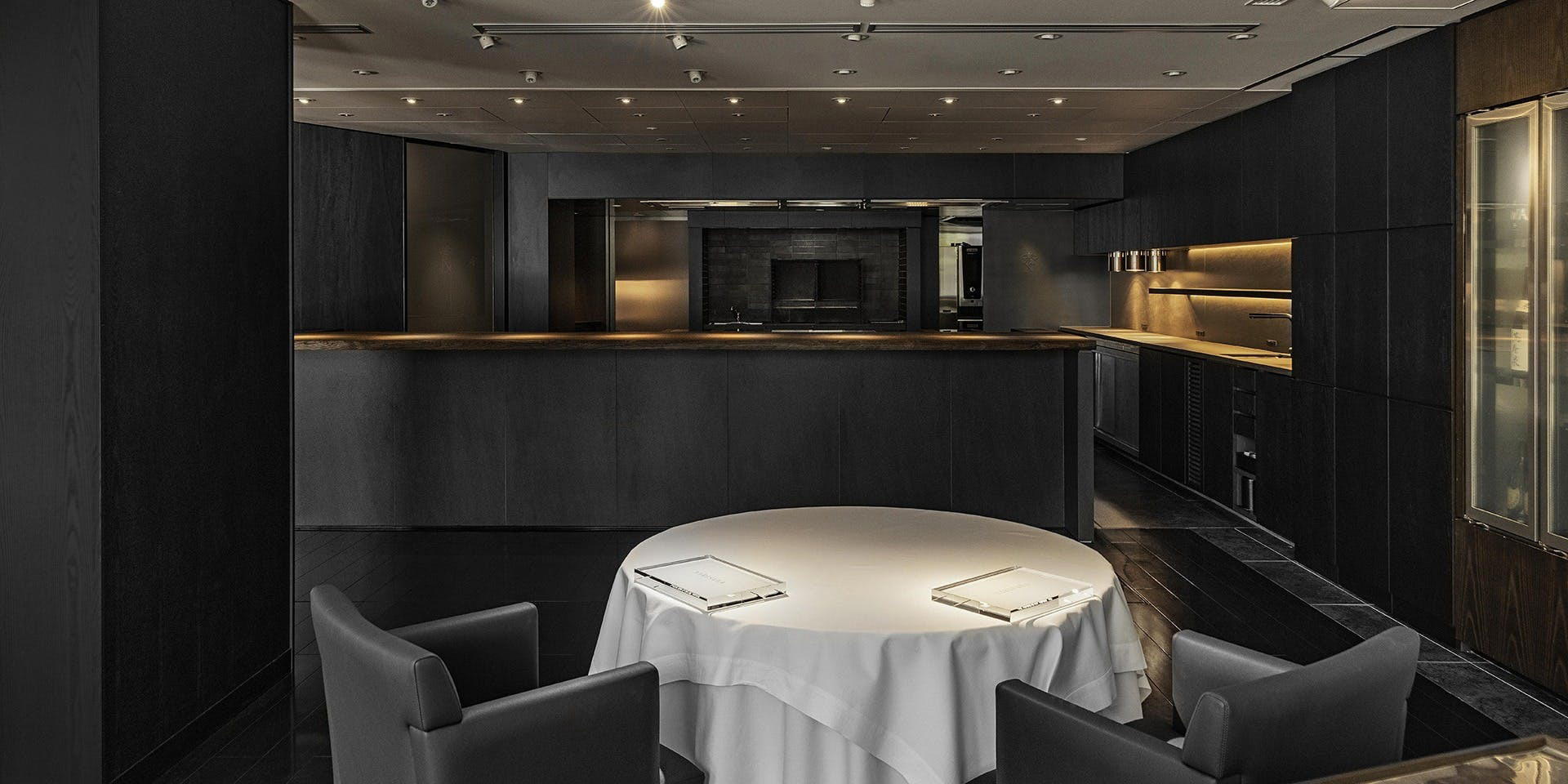
| Tender Bar | Not listed | $50–100 | Not listed |












Details
- Cozy
- Trendy
- Casual Hangout
- Seated Bar
Current opening hours
- Monday
- 11 AM–10 PM
- Tuesday
- 11 AM–10 PM
- Wednesday
- 11 AM–10 PM
- Thursday
- 11 AM–10 PM
- Friday
- 11 AM–10 PM
- Saturday
- 11 AM–10 PM
- Sunday
- 11 AM–10 PM
Hours can change for holidays and private events. Last verified .
Woody interior with warm lighting creating an at-home, cozy洋食屋 atmosphere.