Fuglen Asakusa brings the Oslo coffee-bar model to one of Tokyo's oldest shitamachi districts, operating with the sustainability ethic and waste-conscious sourcing that distinguishes the Fuglen brand from the capital's more conventional specialty coffee scene. Where Ginza and Shibuya host the city's slicker café formats, Asakusa provides a slower, more neighbourhood-oriented context for Fuglen's approach to coffee and natural materials.

Pearl is the En Primeur Club membership app, where members save venues, book tables and use the concierge.
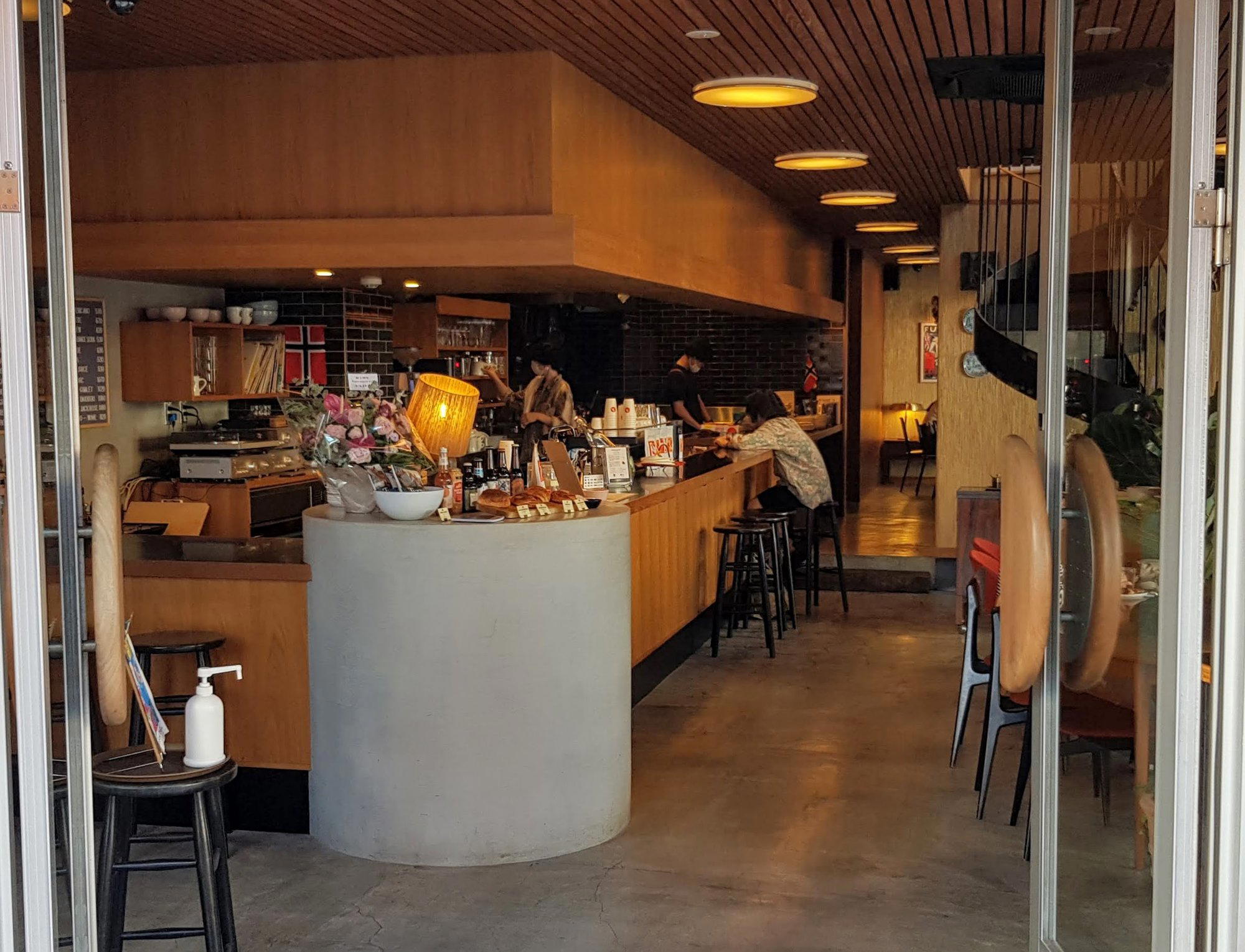
A Norwegian Model in Tokyo's Oldest Neighbourhood
Asakusa operates on a different tempo from the rest of central Tokyo. The district's low-rise streetscape, the pull of Senso-ji's gate at any hour, and the persistence of small family-run businesses along its backstreets place it closer to the shitamachi tradition of working-class Edo than to the commercial energy of Shibuya or the polished density of Ginza. Into this context, Fuglen Asakusa fits with more logic than the Oslo-to-Tokyo provenance might suggest: the brand's ethos of restraint, considered sourcing, and stripped-back interiors reads naturally in a neighbourhood that has always resisted the reflex to renovate.
Fuglen, founded in Oslo in 1963 as a coffee and travel goods shop, re-entered modern hospitality through a specialty coffee revival before opening in Tokyo's Tomigaya neighbourhood in 2012. The Asakusa outpost extends that presence further east, embedding the brand's Scandinavian sustainability framework into a district that draws both international visitors and a loyal local population navigating the area on foot.
Sourcing Logic and the Sustainability Framework
The broader specialty coffee movement in Tokyo has sorted itself into camps over the past decade. One group competes on precision and technical spectacle, dialling roast profiles to fractions of a degree, presenting extraction as performance. Another, smaller group has moved toward relationship sourcing: direct trade with specific farms, attention to growing conditions, and a commitment to minimising what gets wasted in the chain between harvest and cup. Fuglen belongs firmly to the latter. The Oslo operation built its reputation on traceable, ethically sourced coffee long before transparency became a standard marketing claim in the category, and that sourcing discipline carries into the Tokyo locations.
In practical terms, this means the beans served at Fuglen Asakusa arrive with documented origin relationships rather than anonymous commodity certifications. The roasting is handled through Fuglen's own programme, which prioritises highlight the inherent character of each origin rather than pushing a house roast profile that flattens variation. This approach to sourcing aligns with a wider shift visible across quality-conscious venues in Japan: producers matter, and traceability is the floor, not a differentiator. For a visitor familiar with Tokyo's more technically-oriented specialty cafés, Fuglen's register feels quieter and more considered.
The interior language reinforces the same ethic. Fuglen's design across its properties consistently favours natural materials, vintage furniture, and spaces that age well rather than chase seasonally updated aesthetics. In Asakusa, where the surrounding architecture already carries decades of visible use, that approach feels less like a design statement and more like an honest conversation with the neighbourhood.
Where Fuglen Sits in Tokyo's Coffee and Bar Scene
Tokyo's specialty coffee scene has deepened considerably since the early 2010s, when a handful of imported third-wave concepts occupied most of the critical attention. The city now has domestic roasters operating at a level that rivals imported brands on sourcing rigour and technical execution. Fuglen's position in this more crowded field is not primarily competitive on espresso technique alone, it holds ground through the coherence of its full programme, which in Oslo and Tokyo has historically included a bar function alongside coffee, with natural wines and simple cocktails available in evening hours.
That dual-use model distinguishes Fuglen from the cafés that run a single service arc. Tokyo's bar culture, centred historically on the precision cocktail bars of Ginza and Shinjuku, venues like Bar High Five and Bar Benfiddich, which operate with exacting craft-forward programmes, represents one pole of how the city thinks about drinking. Fuglen operates at a different register: the approachable, wine-and-coffee bar format that functions as a neighbourhood anchor rather than a destination cocktail experience. Within Asakusa, that positions it as a morning-to-evening presence rather than a late-night specialist. Visitors looking for the latter might consider Bar Libre or Bar Orchard Ginza for more focused cocktail programming.
Across Japan, the pattern of Western brands embedding into heritage districts while maintaining a sustainability-led identity appears in several forms. Bee's Knees in Kyoto operates with a similar neighbourhood logic, and Lamp Bar in Nara demonstrates how bar culture can root itself in historically resonant settings. Further afield, Bar Nayuta in Osaka and anchovy butter in Osaka Shi reflect how Japan's secondary cities have developed their own distinct hospitality registers. For those extending travel beyond Japan, Bar Leather Apron in Honolulu offers a Pacific counterpart to the considered, craft-led bar model. And Kyoto Tower Sando and Yakoboku in Kumamoto round out a picture of how Japan's bar and café culture disperses across geography and format. Our full Tokyo restaurants and bars guide maps this scene more comprehensively.
Visiting Fuglen Asakusa
Asakusa is accessible via the Tokyo Metro Ginza Line and the Asakusa Line, making it direct to reach from central Tokyo without a taxi. The neighbourhood is most navigable on foot once you arrive: the grid of streets around Senso-ji accommodates walking between Fuglen, the market streets, and the river with ease. Morning visits align naturally with the slower pace of Asakusa before tour groups arrive at the temple; the coffee programme is the draw in those hours. As the day moves into late afternoon and evening, the dual coffee-and-drinks model comes into its own.
Because Fuglen's format is café-bar rather than reservation-led dining, advance booking is not typically the operative question. Capacity at Fuglen locations across its properties tends toward the intimate, so peak tourist hours on weekends may mean a wait or limited seating. Visiting on a weekday morning or arriving outside the midday rush generally provides a more settled experience.
| Venue | Cuisine | Price | Awards |
|---|---|---|---|
| FUGLEN ASAKUSAThis venue (the venue you are viewing) | Not listed | $10–20 | Not listed |
| Bar Benfiddich | Not listed | $20–30 | World's 50 Best #62 · Tatler Listed in Best Bars Asia-Pacific |
| Bulgari Ginza Bar | Not listed | $50–100 | World's 50 Best #86 · Forbes Travel Guide Hotel Star Bar |
| The Bellwood | Sushi | $50–100 | World's 50 Best #79 · Tatler Listed in Best Bars Asia-Pacific |
| Tender Bar | Not listed | $50–100 | Not listed |
Continue exploring
More in Tokyo
Bars in Tokyo
All bars in Tokyo →


Restaurants in Tokyo
All restaurants in Tokyo →


Details
- Cozy
- Modern
- Minimalist
- Trendy
- Casual Hangout
- After Work
- Date Night
- Design Destination
- Seated Bar
- Lounge Seating
- Outdoor Terrace
- Craft Cocktails
Current opening hours
- Monday
- 8 AM–9 PM
- Tuesday
- 8 AM–9 PM
- Wednesday
- 8 AM–9 PM
- Thursday
- 8 AM–9 PM
- Friday
- 8 AM–11 PM
- Saturday
- 8 AM–11 PM
- Sunday
- 8 AM–11 PM
Hours can change for holidays and private events. Hours as of .
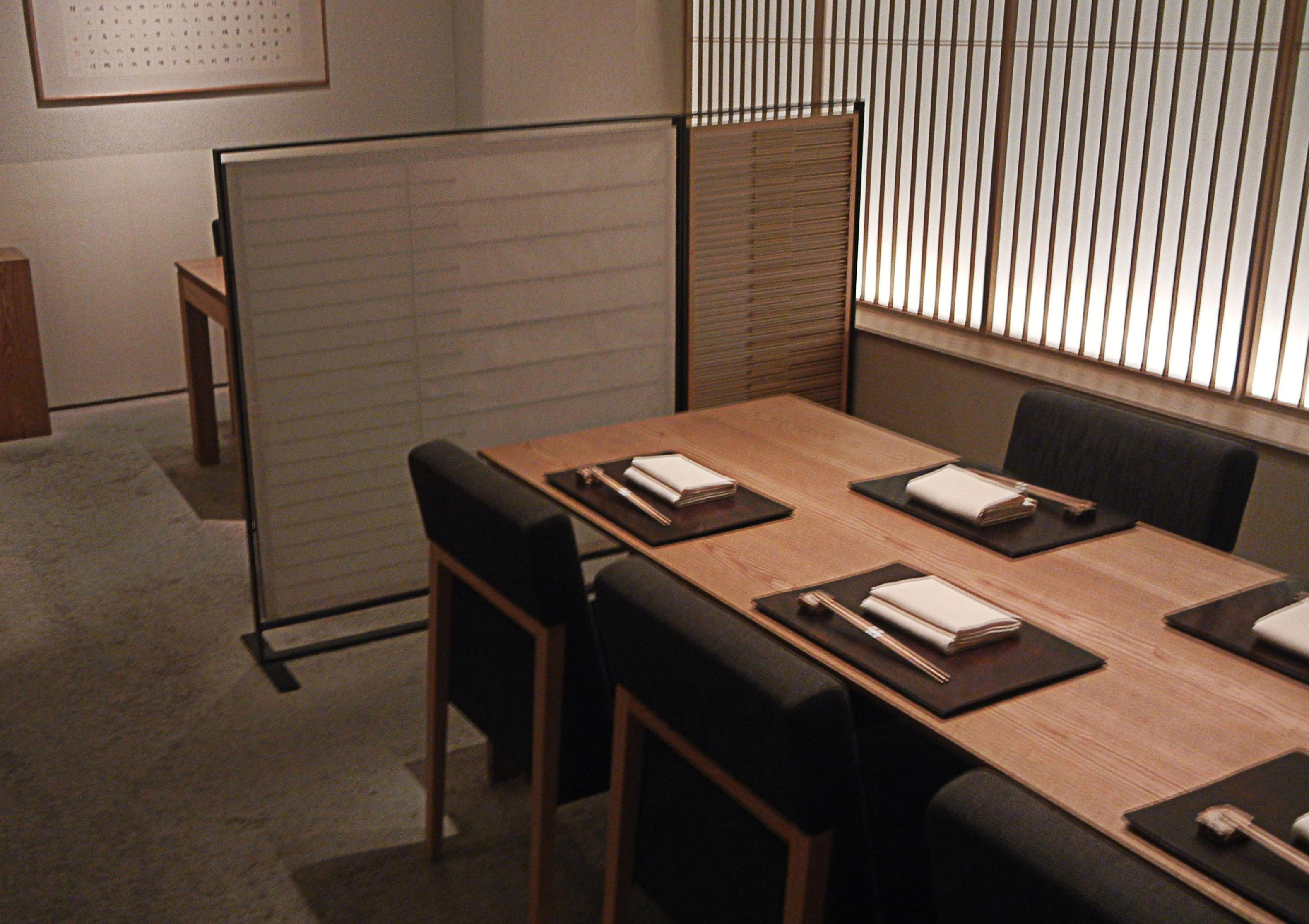
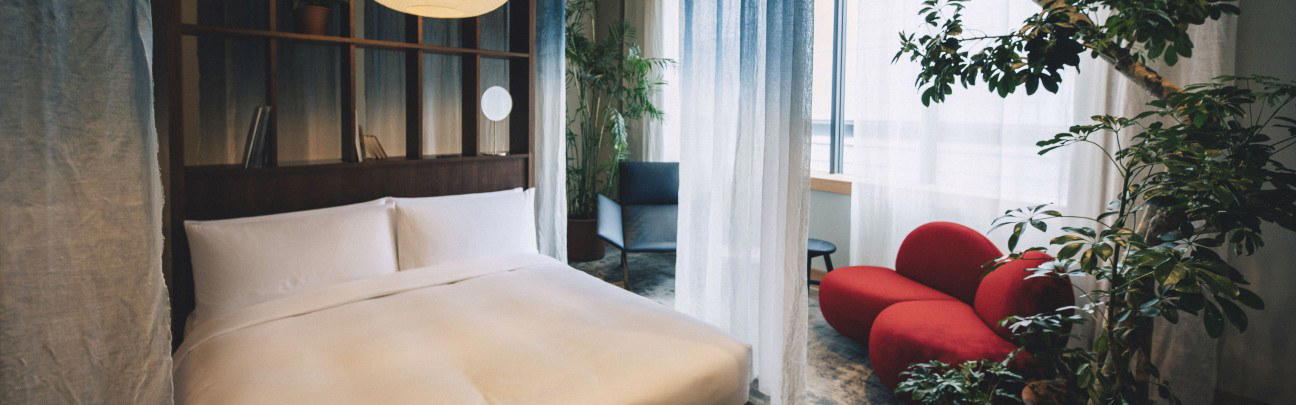
Cozy and atmospheric with mid-century Scandinavian furniture, warm woods, minimalist decor, and natural elements.