
Falstaff Winery - 4 Stars
The address on Heidelberger Strasse places it squarely within one of Baden's quieter but increasingly recognised wine corridors, away from the Kaiserstuhl's high-profile competition.

Pearl is the En Primeur Club membership app — saves, bookings, and concierge access live there. Same editors, same standards.
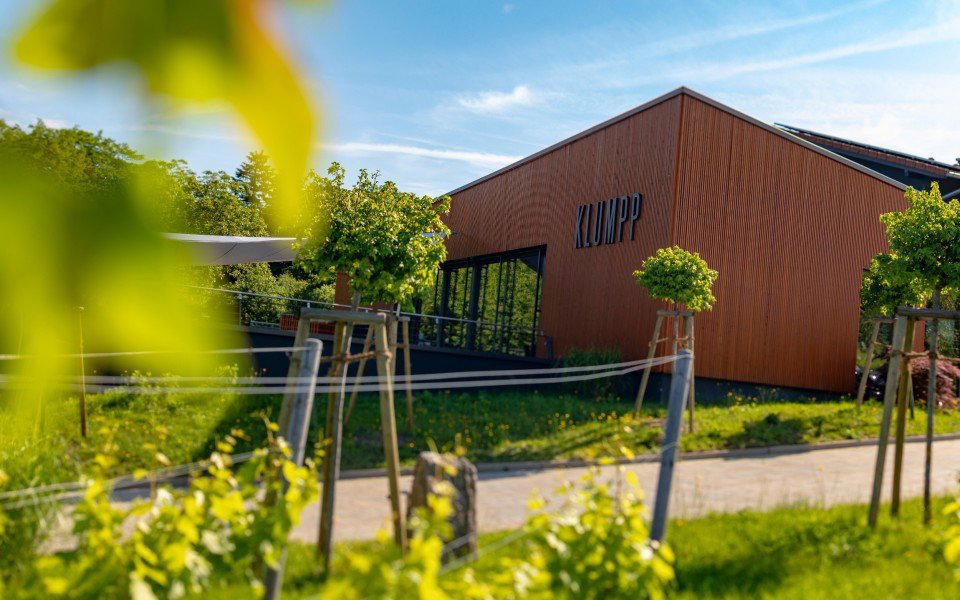
That combination, documented quality with lower-profile location, is what gives the estate its particular interest for serious wine travellers.
Soil, Climate, and the Case for the Kraichgau
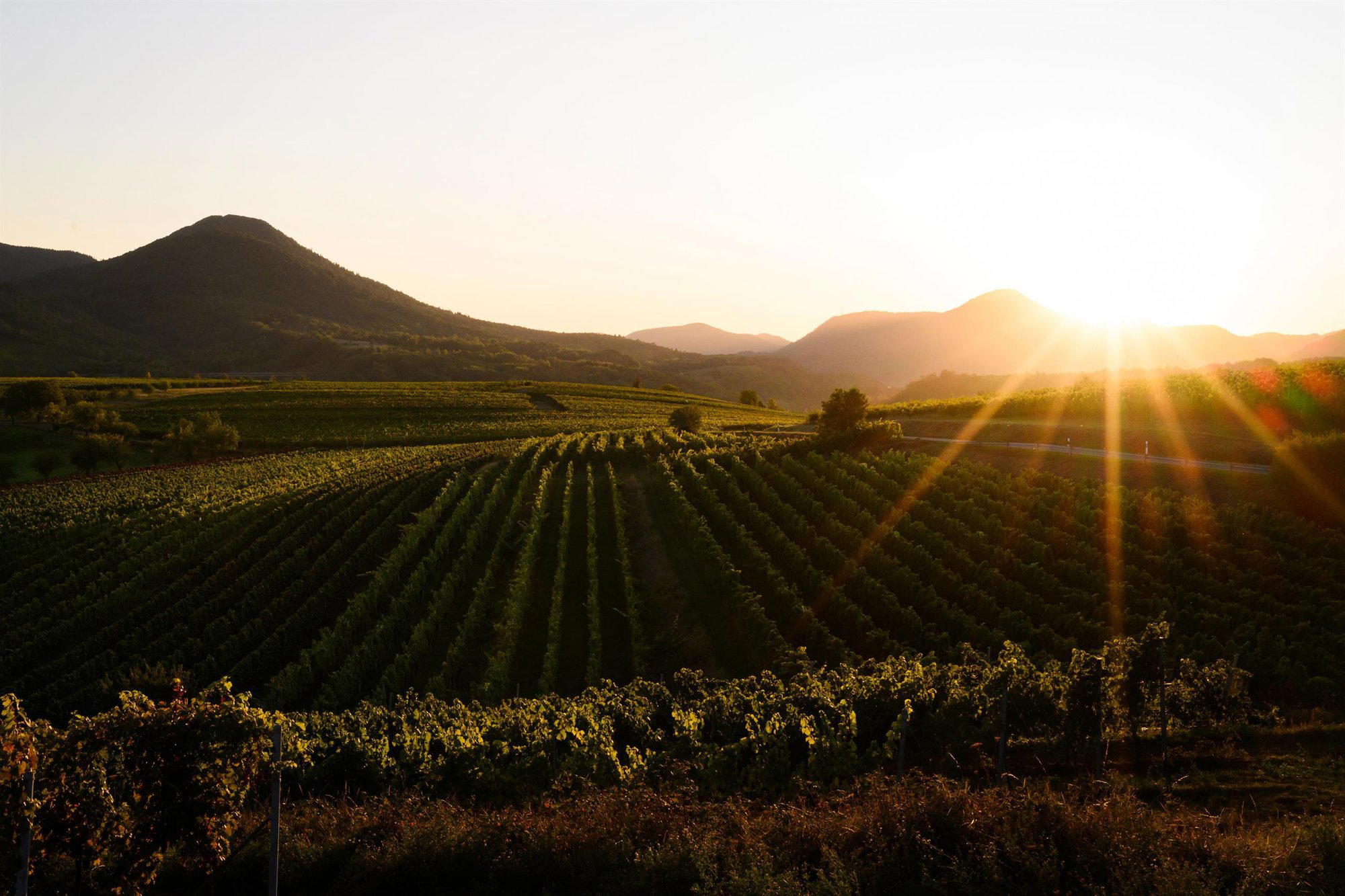
Understanding what Weingut Klumpp produces requires understanding what the Kraichgau asks of its vines. Loess deposits laid down during the last ice age sit above layers of limestone and clay, giving the vines a combination of water retention, mineral access, and moderate fertility. The result in the glass tends toward wines with structural finesse rather than sheer concentration, where acidity plays a supporting role rather than an intrusive one. Grapes ripen fully but do not sacrifice freshness. This is the kind of climate where Burgundian varieties in particular find a congenial home, and Baden has built a significant share of its premium identity on Spätburgunder, Germany's Pinot Noir. The Kraichgau's limestone-influenced soils lend that variety a precision that distinguishes it from the richer, rounder expressions more common on the Kaiserstuhl's warmer, iron-rich basalt. Estates in this zone sit in a comparative peer group that includes Weingut A. Christmann in Neustadt an der Weinstraße, operating under different regional conditions but sharing a commitment to terroir-driven precision, and Weingut Battenfeld-Spanier in Hohen-Sülzen, whose limestone-influenced Rheinhessen work offers a useful stylistic point of reference.
A Regional Tier That Rewards Attention
Germany's wine geography rewards those who look beyond the headline appellations. The Mosel's Weingut Fritz Haag in Brauneberg and Weingut Grans-Fassian in Leiwen occupy a category defined by steep slate slopes and Riesling's mineral clarity. The Rheingau's Kloster Eberbach in Eltville and Weingut Georg Breuer in Rüdesheim am Rhein bring centuries of institutional weight. Further south in the Pfalz, Weingut Bassermann-Jordan in Deidesheim and Weingut Dr. Bürklin-Wolf in Wachenheim an der Weinstraße define the warm Pfalz style. Baden's Kraichgau sits outside these better-mapped circuits, which means its quality producers often operate at a price-to-recognition ratio that favours the buyer.
That dynamic is shifting. The comparison extends to Mosel estates like Weingut Heymann-Löwenstein in Winningen and Weingut Clemens Busch in Pünderich, both of which built reputations on terroir-specific precision in regions that were undervalued before critical consensus caught up with them.
No current booking contact details are published in available data, so prospective visitors should plan to research current estate opening hours and tasting availability before travelling. German wine estates at this tier typically receive visitors by appointment rather than open-door walk-in, particularly outside of the harvest season from September through November. Spring and early summer visits, when vines are in active growth, offer a different kind of engagement with the landscape than autumn, when the relationship between the ripening fruit and the estate's terrain becomes most legible.enprimeurclub. The Weingut Bürgerspital zum Heiligen Geist in Würzburg and Weingut Allendorf in Oestrich-Winkel offer northern and western counterpoints for multi-region German wine itineraries.
Fast Comparison
Comparable venues nearby, for context on price, style, and recognition.
| Venue | Cuisine | Price | Awards | Notes |
|---|---|---|---|---|
| Weingut KlumppThis venue (the venue you are viewing) | Pinot Noir, Grauburgunder | Not listed | Falstaff Winery - 4 Stars | Not listed |
| Bethel Heights Vineyard | Pinot Noir, Chardonnay | Not listed | Not listed | Eola-Amity Hills |
| Weingut Juliusspital | Silvaner, Riesling | $20–30 | Falstaff Winery - 4 Stars | Würzburg center |
| Weingut Josef Spreitzer | Riesling, Pinot Noir | $20–30 | Falstaff Winery - 4 Stars | Oestrich-Winkel |
| Weingut Dautel | Riesling, Spätburgunder | $20–30 | Falstaff Winery - 5 Stars | Bönnigheim |
| Weingut Reinhold Haart | Riesling | Not listed | Falstaff Winery - Listed | Piesport |
Recognition history
Dated appearances from independent guides and award organizations, with the underlying list record or original source where available.
Falstaff Winery - 4 Stars
Falstaff
Continue exploring
More in Bruchsal
Wineries in Bruchsal
All wineries in Bruchsal →

Bars in Bruchsal
Browse all →
Restaurants in Bruchsal
Browse all →
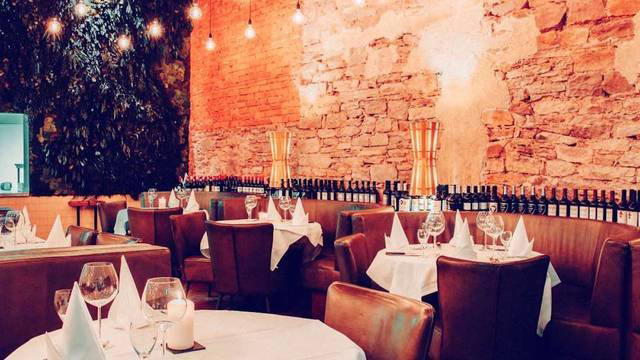
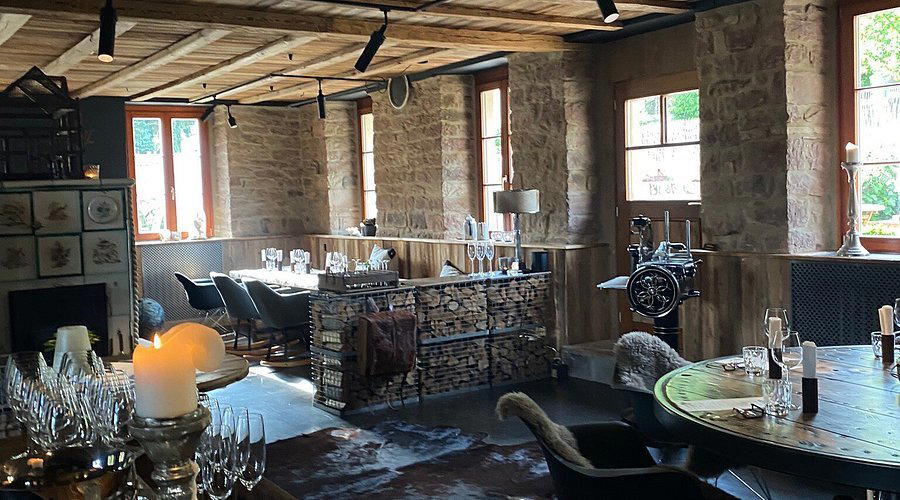
Details
- Rustic
- Classic
- Scenic
- Wine Education
- Solo Exploration
- Vineyard Tour
- Estate Grounds
- Organic
- Vineyard
- Pinot Noir
- Grauburgunder
- Riesling
- Weißburgunder
- St. Laurent
- Lemberger
- Pinot Blanc
- Chardonnay
- Auxerrois
- Still Red
- Still White
- Cave Tasting
- German
Classic winery atmosphere focused on quality organic production in a rural setting.