
Weingut Thörle operates from Saulheim in the Rheinhessen, Germany's largest wine region by area and one still finding its critical footing among international audiences.
Pearl is the En Primeur Club membership app — saves, bookings, and concierge access live there. Same editors, same standards.
- Address
- Am Norenberg 0, 55291 Saulheim
- Phone
- +49 6732 5443
- Website
- thoerle-wein.de
- Directions
- Get directions
 Saves & bookings on Pearl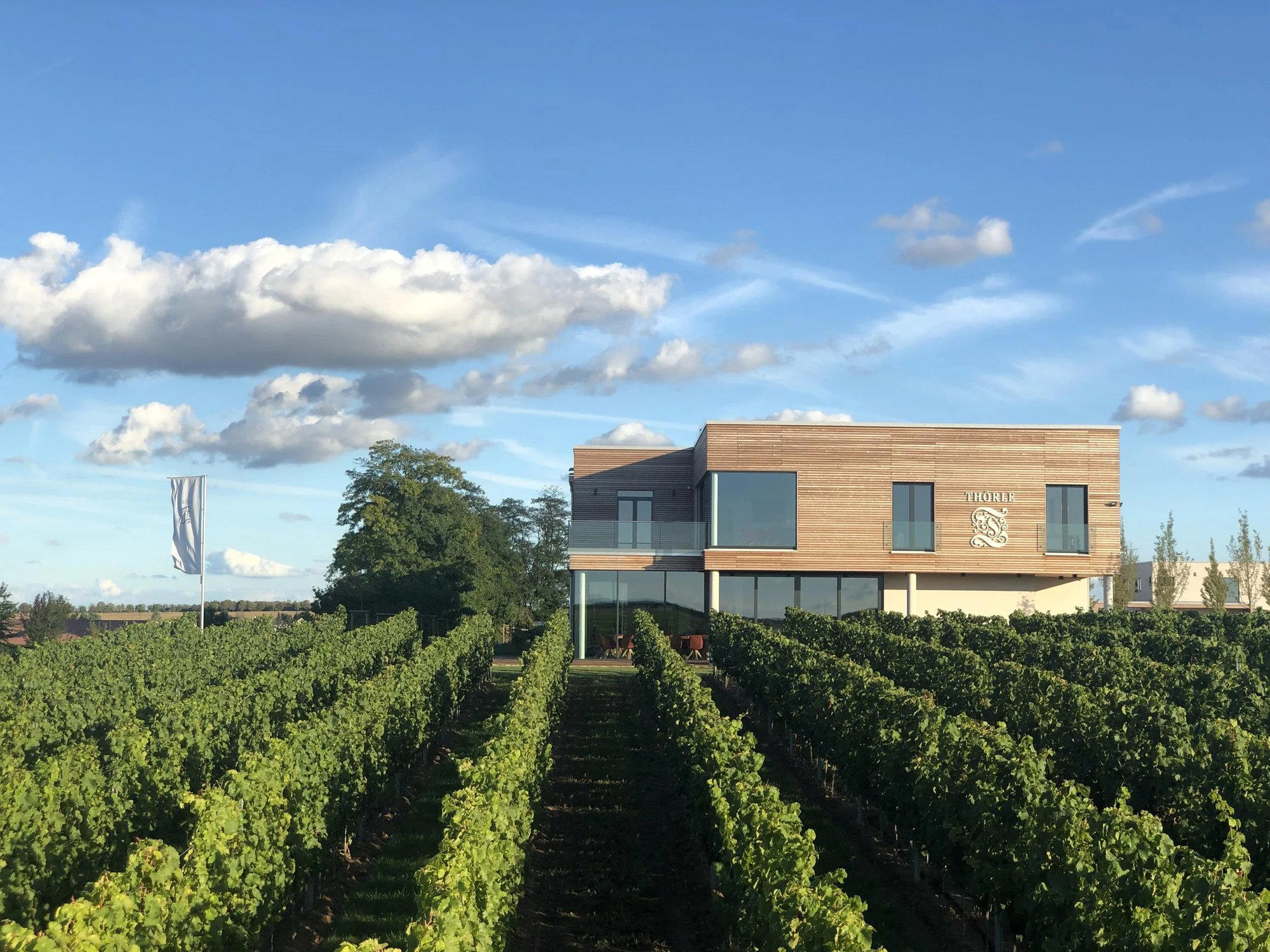
Rheinhessen's Quiet Interior, Revisited
Drive inland from the Rhine's western bank and the landscape shifts quickly. The tourist infrastructure of Rüdesheim and the poster-well-suited bends of the Mosel give way to something less theatrical: rolling loess plateaus, open skies, and villages where wine has always been made but rarely celebrated outside Germany. Saulheim sits in this interior, a commune in the southern Rheinhessen whose soils carry limestone and clay in proportions that have attracted serious winemaking attention as the region's reputation has moved decisively upward. This is where Weingut Thörle has its address, at Am Norenberg in the 55291 postcode, working with terrain that rewards patience over showmanship.
Rheinhessen covers more vineyard hectares than any other German wine region, a fact that historically obscured its quality ceiling. For decades, volume production defined how the outside world understood the area. The shift began with a generation of producers who looked at the region's calcareous soils, its Silvaner heritage, and its capacity for mineral-driven Riesling, and decided the benchmark should be set elsewhere.
What the Soil Actually Says
The editorial angle on Rheinhessen's better producers almost always returns to terroir, and for good reason. The region's interior contains some of Germany's most geologically varied vineyard land: limestone marl, shell limestone known locally as Muschelkalk, and deep loess deposits that drain differently and ripen differently depending on aspect and altitude. Saulheim's position in the southern Rheinhessen places it within reach of the limestone-heavy sites that have consistently produced the area's most age-worthy whites. Where regions like the Nahe or the Rheingau built their identities around single-variety narratives, Riesling above all else, Rheinhessen's stronger producers have had to argue for specificity of place rather than specificity of grape. That argument is more demanding, and estates that make it successfully tend to communicate something coherent about their particular patch of ground.
Producers working this part of southern Rheinhessen are increasingly in conversation with peers elsewhere in Germany who have staked similar claims. Weingut Battenfeld-Spanier in Hohen-Sülzen, situated in the same southern sub-region, has become a reference point for how Rheinhessen limestone can express itself in dry, mineral-framed wines. Further afield in the Rheingau, Weingut Georg Breuer in Rüdesheim am Rhein and Weingut Allendorf in Oestrich-Winkel represent the established benchmark side of Rhine-adjacent German winemaking. In the Pfalz, Weingut A. Christmann in Neustadt an der Weinstraße, Weingut Bassermann-Jordan in Deidesheim, and Weingut Dr. Bürklin-Wolf in Wachenheim an der Weinstraße have long defined a more southerly model of German white wine precision. Thörle occupies a comparable set that spans these zones, estates where the wine's argument is ultimately about a specific piece of German earth.
Prestige Recognition in 2025
These designations function less as simple quality stamps and more as coordinates within the competitive range of German winemaking, signalling to buyers and collectors that an estate's output meets criteria of consistency, site expression, and production discipline. At the 2 Star Prestige level, the implication is that this is a producer whose wines deserve considered attention rather than casual discovery. For Rheinhessen, where the range between ordinary cooperative production and serious estate winemaking remains wide, a designation at this level carries proportionally more weight than it might in a region where the baseline quality floor sits higher.
For context, the Mosel offers its own roster of prestige producers who have shaped how German wine is read internationally. Weingut Fritz Haag in Brauneberg, Weingut Clemens Busch in Pünderich, and Weingut Grans-Fassian in Leiwen each represent a different facet of Mosel slate expression, while Weingut Heymann-Löwenstein in Winningen anchors the Terrassenmosel's more volcanic reading of the same grape. The point is not to pit these regions against each other but to note that Germany's premium wine map now covers far more than Mosel Riesling, and Rheinhessen producers with Thörle's recognition level are part of that expanded map.
Saulheim as a Starting Point
Visiting Saulheim works well as part of a wider Rheinhessen itinerary rather than a single-destination trip. The village itself is a working agricultural commune, not a wine tourism hub, which means the experience here is oriented around the wines rather than the infrastructure around them. That lack of spectacle is not a weakness, it's a reasonable filter. Visitors who arrive with a serious interest in what southern Rheinhessen limestone can produce will find the context legible. Those seeking a curated tasting-room experience with retail shelves and gift packaging may find the scale modest by comparison to the region's more visitor-oriented estates.
Mainz, the Rheinhessen capital and a city with its own considerable cultural and gastronomic appeal, sits within practical distance and provides accommodation, transport connections, and dining infrastructure that Saulheim itself does not offer at scale. For those extending into neighbouring wine regions, the northern Pfalz and the Nahe are each accessible within an hour, and the historic monastery winery at Kloster Eberbach in Eltville offers a contrasting scale of wine history across the Rhine in the Rheingau. Wiesbaden provides the nearest major transport hub for those arriving by rail from Frankfurt or continuing west.
Further afield, Germany's wine culture extends to Franconia, where Weingut Bürgerspital zum Heiligen Geist in Würzburg anchors a tradition of Silvaner production that shares some of Rheinhessen's structural ambitions if not its soils. The comparison is useful because it maps how different German regions have independently arrived at a shared argument: that the country's wine identity extends well beyond the steep slate vineyards of the Mosel.
Planning a Visit
Weingut Thörle's address at Am Norenberg in Saulheim provides the routing anchor, and the estate is reachable by car from Mainz in under thirty minutes via the B420 corridor. Opening hours and booking requirements are not published here, and direct contact with the estate before arrival is advisable, particularly for groups or visits oriented around tasting appointments rather than casual cellar sales. Spring and early autumn tend to be the more active periods for German estate visits, with harvest season bringing its own operational pressures that can affect visitor access. As with most serious German estates operating outside organised wine tourism circuits, appointment-based visits are the norm rather than the exception.
Fast Comparison
Comparable venues nearby, for context on price, style, and recognition.
| Venue | Cuisine | Price | Notes |
|---|---|---|---|
| Weingut ThörleThis venue — the venue you are viewing | Riesling, Silvaner | $$ | Not listed |
| Weingut Peter Jakob Kühn | Riesling, Spätburgunder | $$ | Oestrich-Winkel |
| Evening Land Vineyards | Winery | Not listed | Salem |
| Weingut Balthasar Ress | Riesling, Pinot Noir | $$ | Hattenheim |
| Weingut Graf Neipperg | Lemberger, Riesling | $$ | Schwaigern |
| Kloster Eberbach | Riesling, Pinot Noir | $$$ | Eltville am Rhein |
Recognition history
Dated appearances from independent guides and award organizations, with the underlying list record or original source where available.
Falstaff Winery - 4 Stars
Falstaff
Continue exploring
More in Saulheim
Wineries in Saulheim
Browse all →
Bars in Saulheim
Browse all →

Restaurants in Saulheim
Browse all →
At a Glance
- Modern
- Elegant
- Scenic
- Wine Education
- Solo Exploration
- Special Occasion
- Estate Grounds
- Panoramic View
- Historic Building
- Organic
- Vineyard
- Rheinhessen Nierstein
- Riesling
- Silvaner
- Spätburgunder
- Pinot Gris
- Pinot Blanc
- Chardonnay
- Still White
- Still Red
- Still Rosé
- Sparkling
- Cave Tasting
- Barrel Room
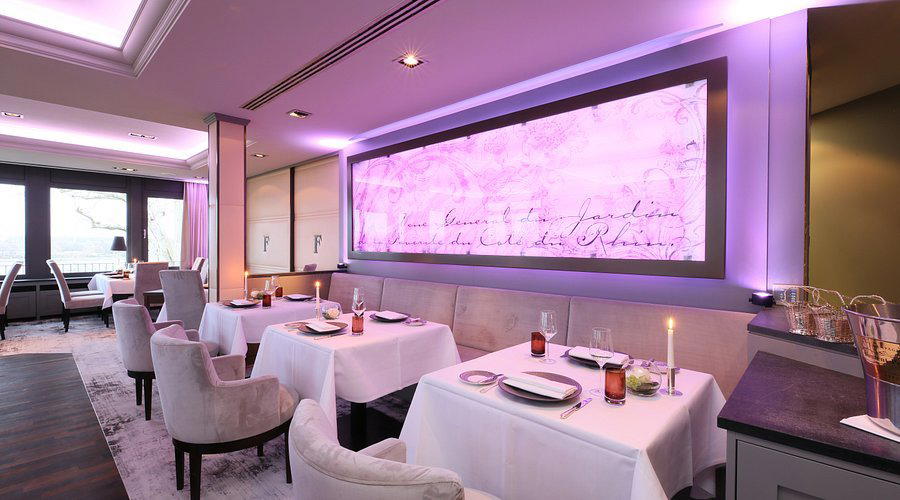
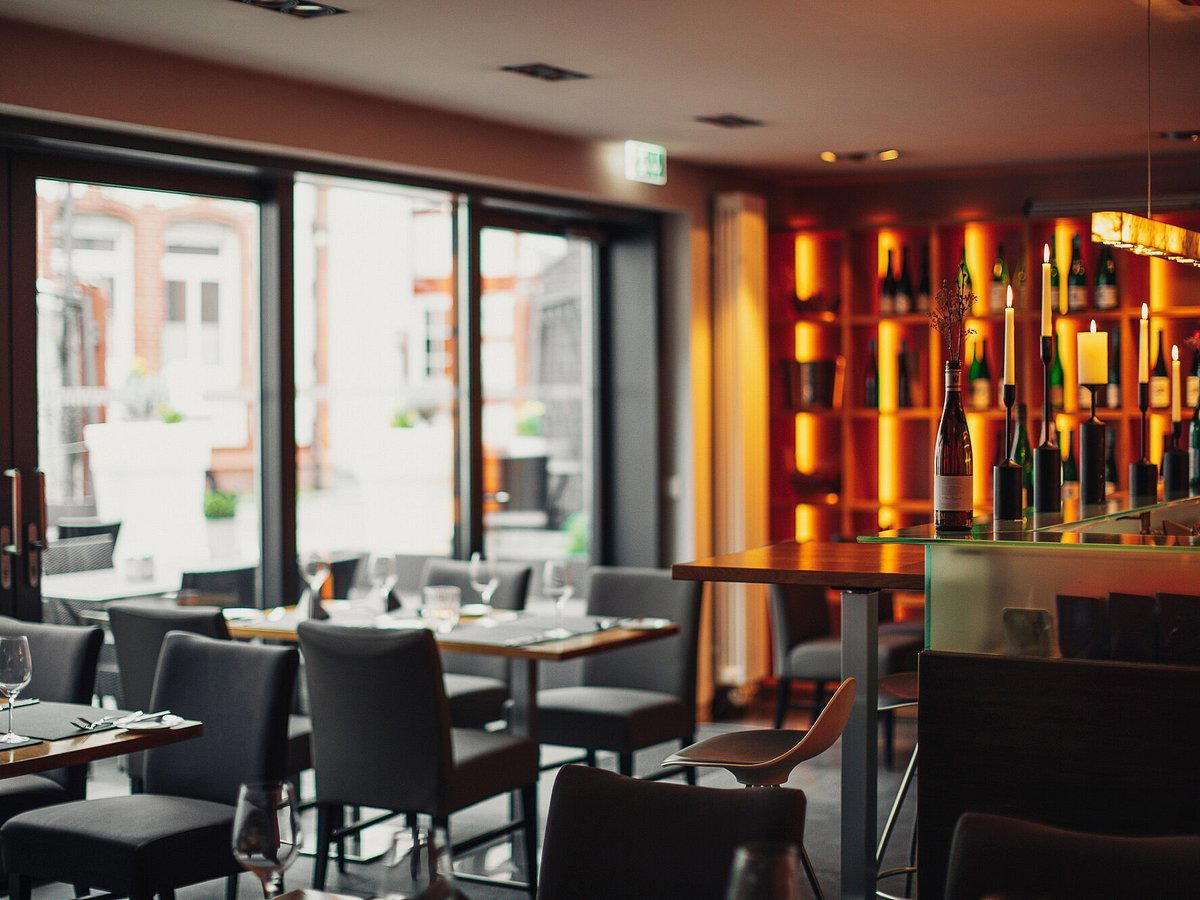
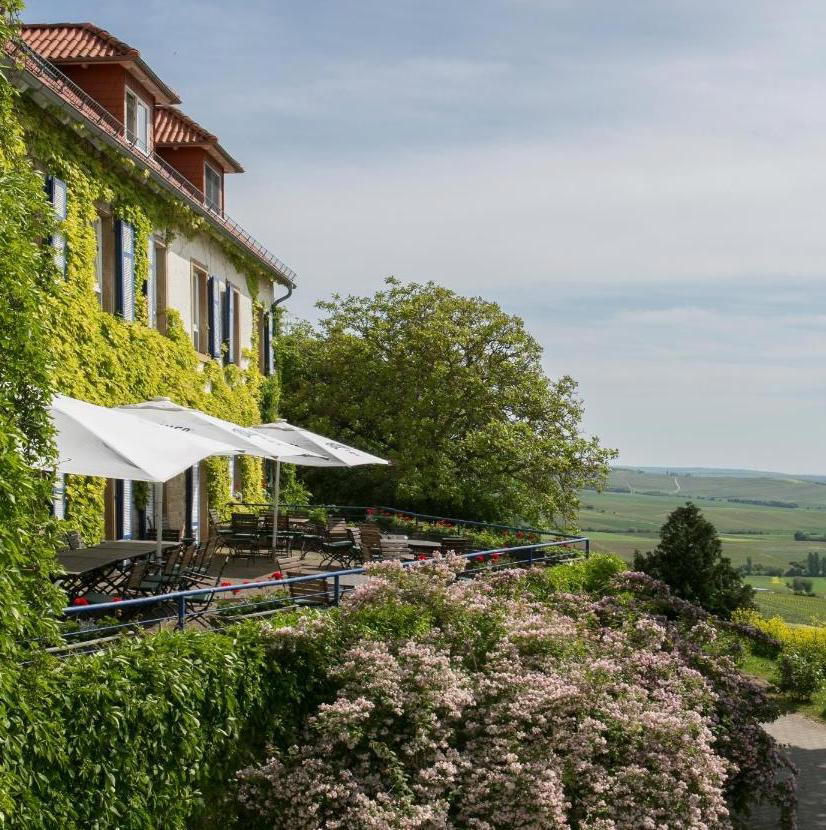
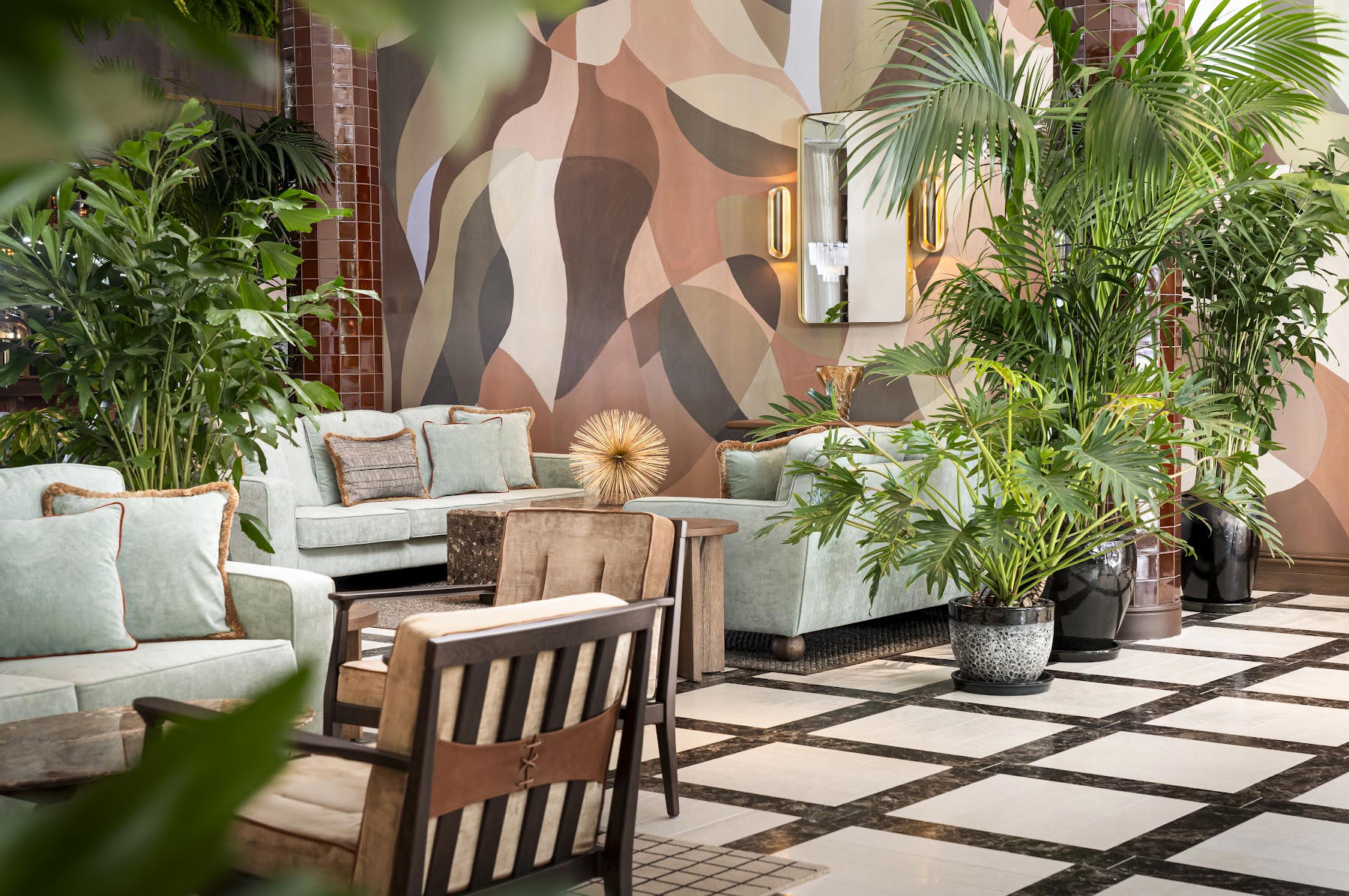
Stylish modern pleasure rooms with large glass fronts offering sweeping vineyard views, limestone masonry, and elegant tasting bar.