


1 Michelin Key · Mr & Mrs Smith Seal of Approval · Small Luxury Hotels of the World Member
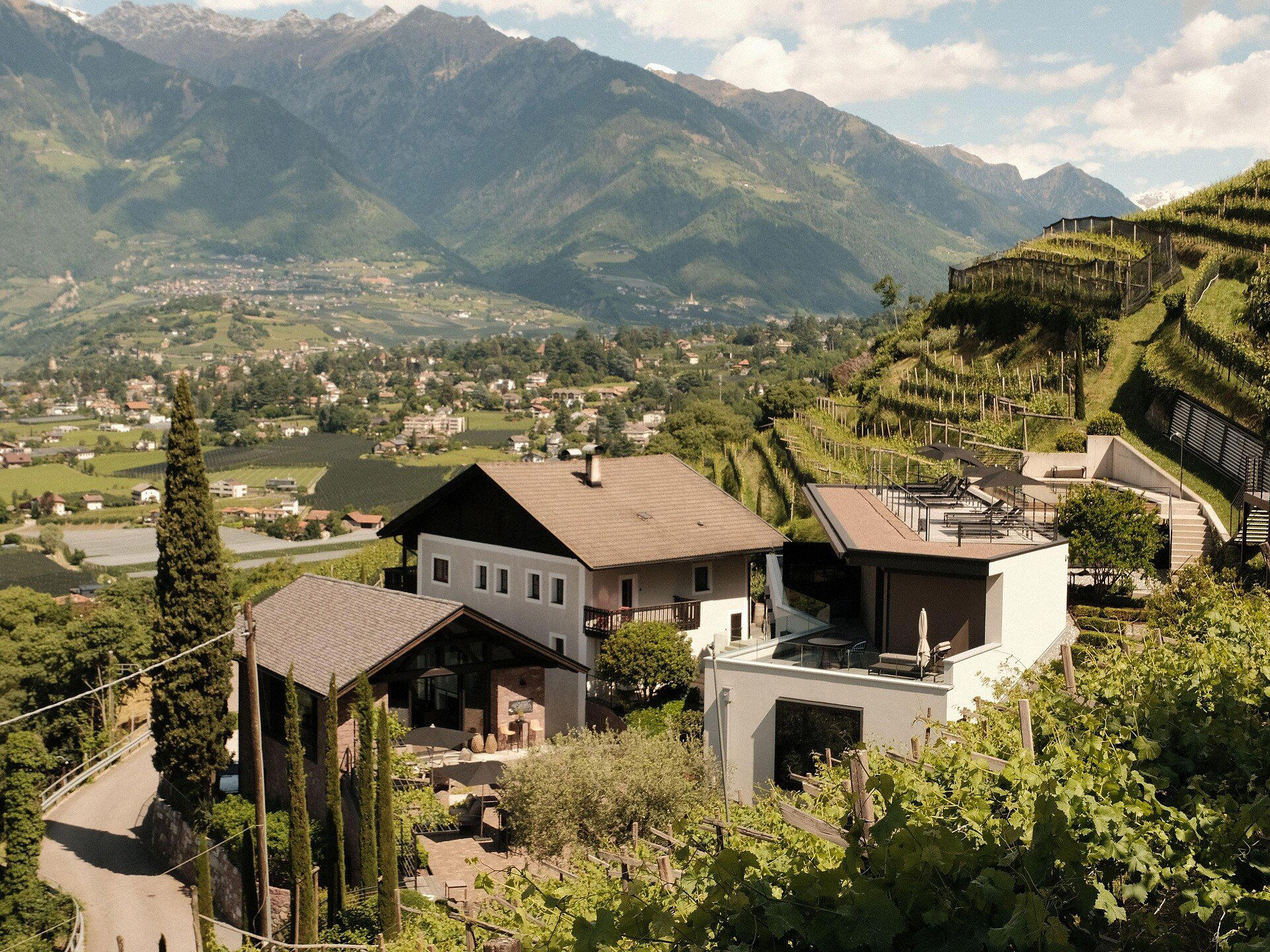
A Michelin Key-awarded mountain retreat in the Senales Valley, Goldene Rose Karthaus occupies a corner of South Tyrol where Alpine architecture meets Italian hospitality sensibility. Twenty-nine rooms balance knotted pine and understated design across a property framed by the Ötztal Alps, with a spa complex, open-air sauna, and a restaurant drawing on both Alpine and Mediterranean traditions. The Dolomite trail network begins, essentially, at the door.

Pearl is the En Primeur Club membership app — saves, bookings, and concierge access live there. Same editors, same standards.
- Address
- Località Certosa, 29, 39020 Senales BZ
- Phone
- +39 0473 679130
- Website
- goldenerose.it
- Directions
- Get directions
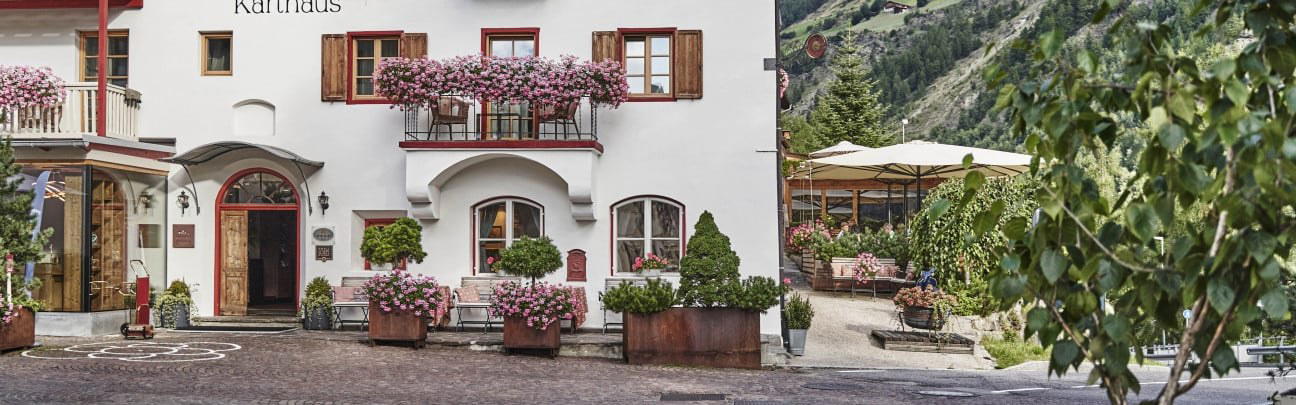
Where the Alps Speak Italian — and German, and Neither Entirely
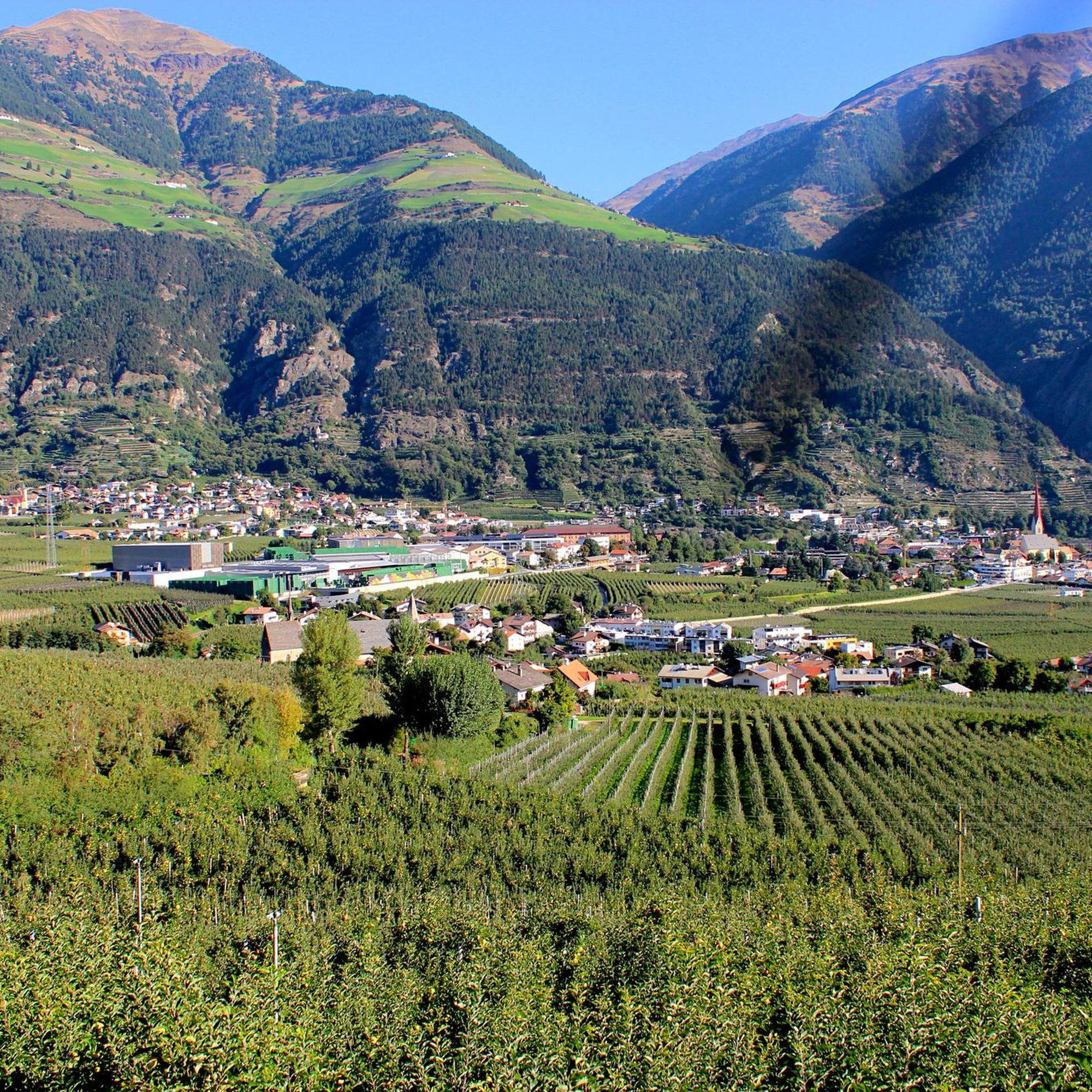
South Tyrol operates under its own cultural logic. A province of Italy that spent centuries under Habsburg rule, it speaks German as a first language, builds in Tyrolean vernacular, and eats at the intersection of two culinary traditions. The Senales Valley, which cuts deep into the Ötztal Alps toward the Austrian border, sits at the far end of that equation: remote enough that the village of Certosa — known in German as Karthaus, feels genuinely isolated from both national identities, answering primarily to the mountains that surround it. This is the context in which Goldene Rose Karthaus should be understood: not as a hotel that happens to be in the mountains, but as a property shaped by a specific cultural and geographic borderland that Italy's more celebrated travel destinations rarely replicate.
The Senales Valley draws a particular kind of traveller. More than 300 kilometres of marked hiking trails run through the surrounding terrain, and the altitude and topography attract serious outdoor visitors rather than the spa-weekend crowd that populates lower-elevation Alpine resorts. The property holds 29 rooms.
The Architecture of Coexistence: Tyrolean Form, Italian Finish
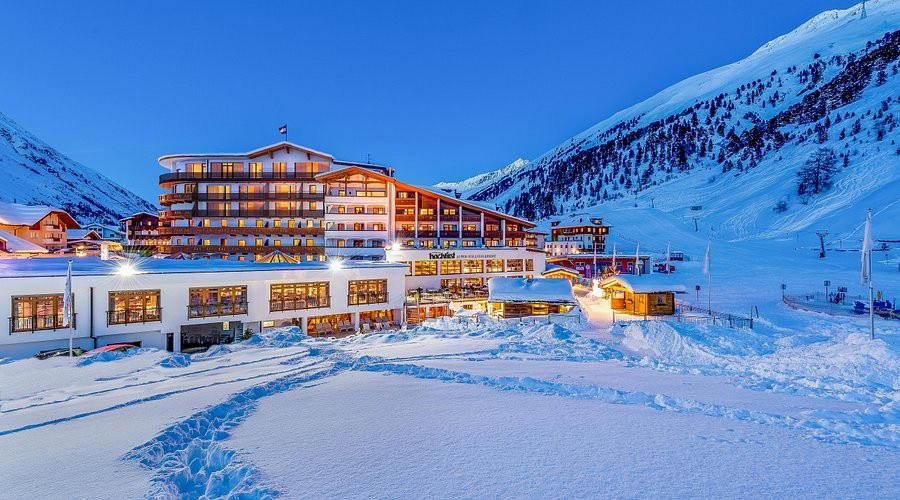
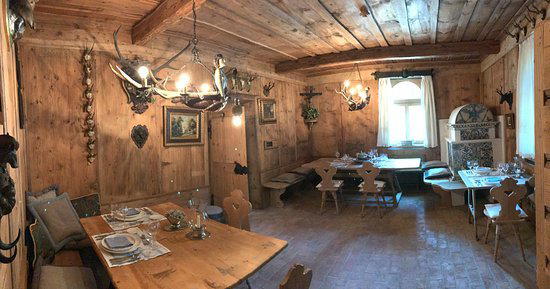
The design approach at Goldene Rose Karthaus reflects the same cultural negotiation that defines the surrounding region. South Tyrolean Alpine lodges are built to a recognisable formula: pitched roofs, carved woodwork, deep eaves, the structural logic of a building designed to shed heavy snow and conserve heat across long winters. The exterior of Goldene Rose Karthaus reads within that tradition, presenting as the kind of immaculately maintained Tyrolean inn that would have anchored this valley community for generations.
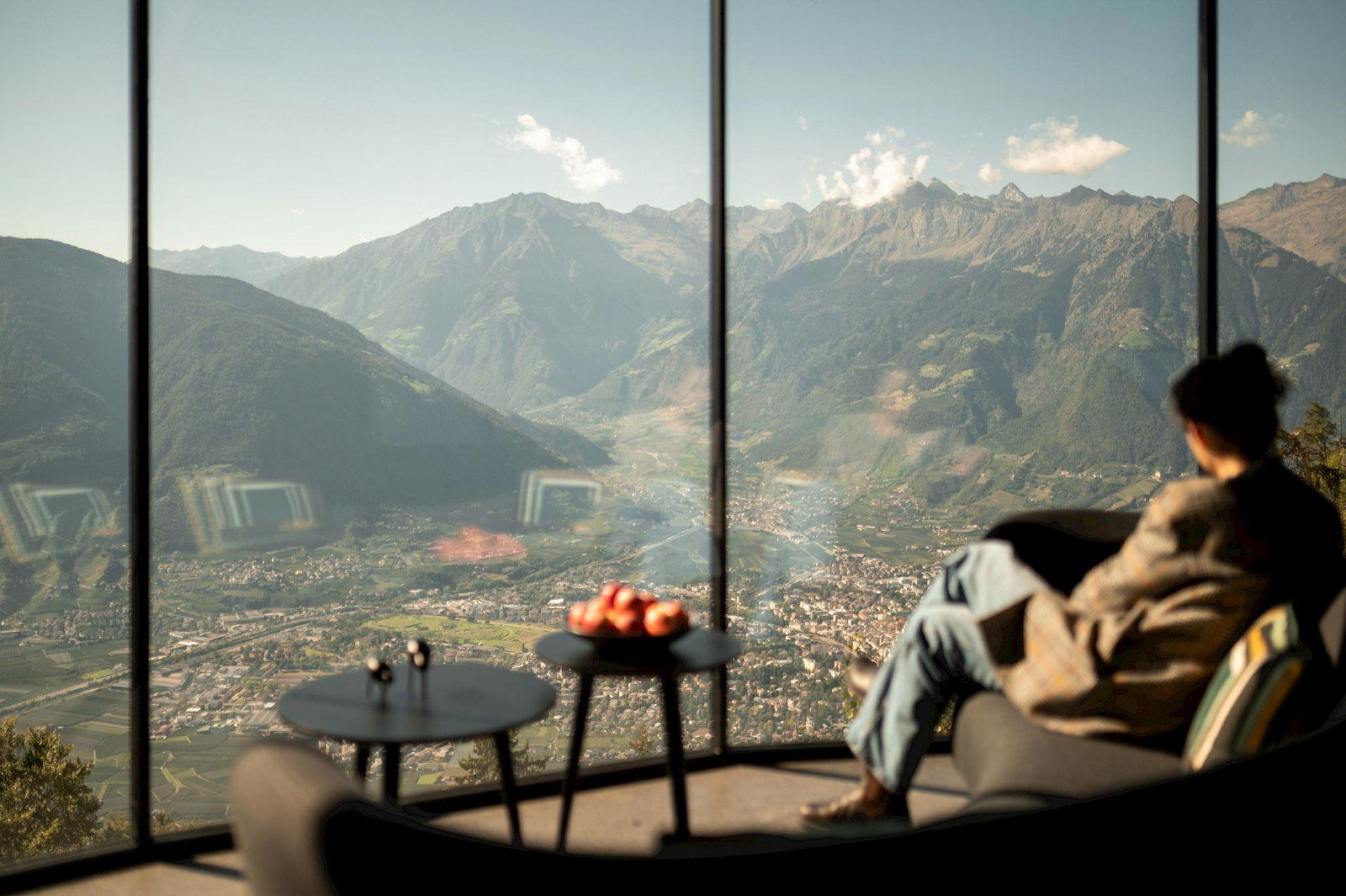
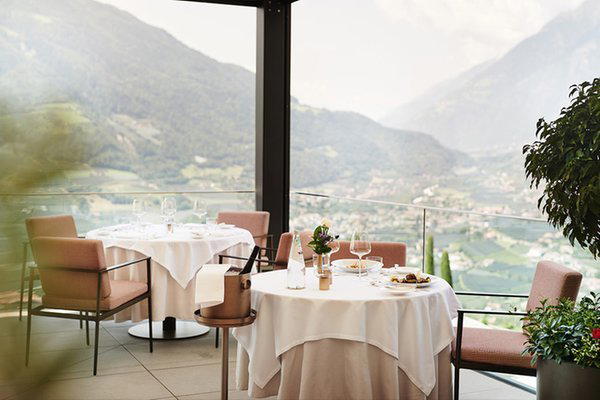
Inside, the formula shifts. The knotted pine panelling that defines the bones of the building serves as backdrop for furnishings and textiles drawn from a more restrained, Italian design sensibility. The result avoids the two failure modes common to Alpine hotel interiors: neither the aggressively themed rustic lodge that traps guests in a museum of regional kitsch, nor the design-forward property that has scrubbed out all local character in favour of generic contemporary luxury. The natural lighting reads as generous for a mountain property, where small windows are often a structural default, and the clean lines work against any feeling of enclosure. This is a deliberate set of choices in a building type not always known for spatial generosity.
Some rooms extend the experience to private terraces, giving direct access to the valley views without the formality of common areas. The penthouse and junior suites add in-room saunas, a feature that in an Alpine context is less an amenity upgrade than a functional tool for recovery after days on the trail. Properties across this price tier in the South Tyrolean Alps, including Forestis Dolomites in Plose and Castel Fragsburg in Merano, have made wellness integration central to their design proposition, and Goldene Rose Karthaus operates in that same framework without the architectural spectacle some of those properties employ.
Wellness Infrastructure: The Glacisse Spa and Open-Air Sauna Complex
Mountain hotels in the premium tier of South Tyrol have converged on wellness as a core offering, and the reasoning is direct: guests arriving after serious physical activity in high-altitude terrain need recovery infrastructure, not just comfortable beds. The Glacisse spa at Goldene Rose Karthaus provides the enclosed, temperature-controlled version of that offering, while the Karthauser Bad open-air sauna complex extends it into the landscape itself. Open-air sauna culture in the Alpine context is a different proposition from the heated-room tradition familiar from Scandinavian models; the interplay between the heat of the structure and the cold of mountain air at altitude produces a specific physical experience that is difficult to replicate in lower-elevation or urban spa settings.
Access to both facilities is available to all guests rather than tiered by room category, which is not universal among comparable properties. Some Italian mountain hotels in this tier gate wellness amenities behind suite bookings or premium packages. The inclusive approach here reflects the inn-scale size of the property, where the guest count stays low enough to make shared access manageable without crowding.
The Table: Alpine-Mediterranean in Practice
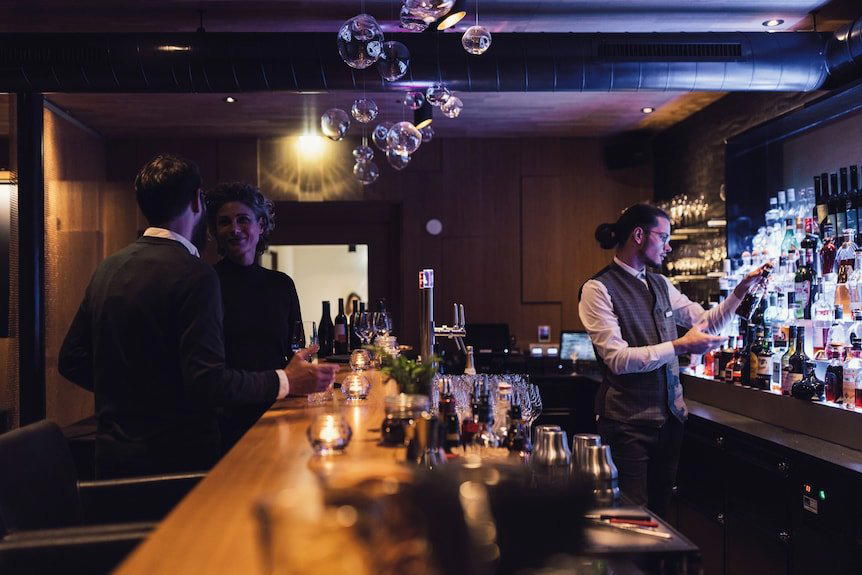
South Tyrolean restaurant cooking occupies a genuine crossroads position in Italian regional cuisine. The province's Germanic culinary traditions, built around cured meats, rye breads, dumplings and dairy, sit alongside the Italian instinct for wine-driven meals and Mediterranean produce that arrives along trading routes from the south. Restaurants in the region that handle this tension well tend to produce menus that neither flatten the contrast nor strain to dramatise it. The kitchen at Goldene Rose Karthaus works within this framework, drawing on both Alpine and Mediterranean influences across a food and wine programme that connects directly to the physical context of the hotel: fuel for exertion, restoration after it.
The wine list's range across both northern Italian and Austrian-adjacent traditions matches what the broader regional identity would suggest. South Tyrol produces some of Italy's most precise white wines, Alto Adige DOC bottlings particularly, and a list built to reflect the location should cover that ground.
The Valley in Context: Planning a Stay
The Senales Valley is not the easiest destination to reach, which is part of the point. Guests arriving by car from Merano, the nearest city of scale, follow the valley road deep into increasingly narrow terrain. The 300-plus kilometres of hiking trails that radiate from the area mean the property earns its value most fully for guests who plan to spend meaningful time in the landscape rather than use it as a base for day trips to other South Tyrolean towns. Summer and autumn offer the most settled conditions for trail use; winter access is more variable and shaped by snow conditions at altitude.
At 29 rooms, availability during peak summer and autumn hiking seasons requires advance planning. The Michelin Key recognition awarded in 2024 has placed the property on a wider hospitality radar than its valley location might otherwise generate, and that attention compounds demand at a property that was never built for volume.
For travellers building a longer Italian itinerary, South Tyrol's mountain character places it in a different register from properties like Aman Venice in Venice, Casa Maria Luigia in Modena, or Borgo Santandrea in Amalfi Coast. Those properties deliver Italy's coastal, urban, and agricultural faces. Goldene Rose Karthaus delivers something geographically and culturally distinct: a hotel at a national border where the country's categories loosen, and the mountains impose their own order on what hospitality means. See our full Schnals restaurants guide for broader context on the area's dining scene. Comparable mountain-context properties worth considering for contrast include Rosewood Castiglion Del Bosco in Montalcino, Castello di Reschio in Lisciano Niccone, and Four Seasons Hotel Firenze in Florence for those sequencing a broader Italian trip from north to south.
Comparable Venues
Comparable venues nearby, for context on price, style, and recognition.
| Venue | Cuisine | Price | Awards | Notes |
|---|---|---|---|---|
| Goldene Rose KarthausThis venue — the venue you are viewing | Contemporary Tyrolean inn blending Alpine tradition with Italian hospitality design | Not listed | 1 Michelin Key · Mr & Mrs Smith Seal of Approval | Not listed |
| Metropole Taormina Maison D'Hotes | Historic boutique maison d'hôtes blending 18th-century architecture with contemporary luxury | Not listed | Michelin Selected | Taormina City Centre |
| Excelsior Pesaro | 5-star boutique hotel with whispered charm and nautical references | $100–200 | Michelin Selected · Preferred Hotels Member | Lungomare Nazario Sauro |
| Eight Venezia | Historic Venetian palazzo transformed into a luxury boutique hotel | Not listed | Michelin Selected | Castello |
| Hilton Turin Centre | Urban 5-star flagship Hilton in a restored historic building with full-service spa and extensive meetings and events facilities in central Turin. | $200–300 | Not listed | Centro |
| Palazzo Tirso Cagliari - MGallery | Historic Art Nouveau palazzo with contemporary luxury renovations | Not listed | Michelin Selected | harborfront |
Recognition history
Dated appearances from independent guides and award organizations, with the underlying list record or original source where available.
Michelin 1 Key
Michelin
Mr & Mrs Smith Seal of Approval
Mr & Mrs Smith
Small Luxury Hotels of the World Member
Small Luxury Hotels of the World
Full recognition history (5 entries)
Michelin 1 Key
Michelin
Michelin 1 Key
Michelin
Continue exploring
More in Schnals
Hotels in Schnals
Browse all →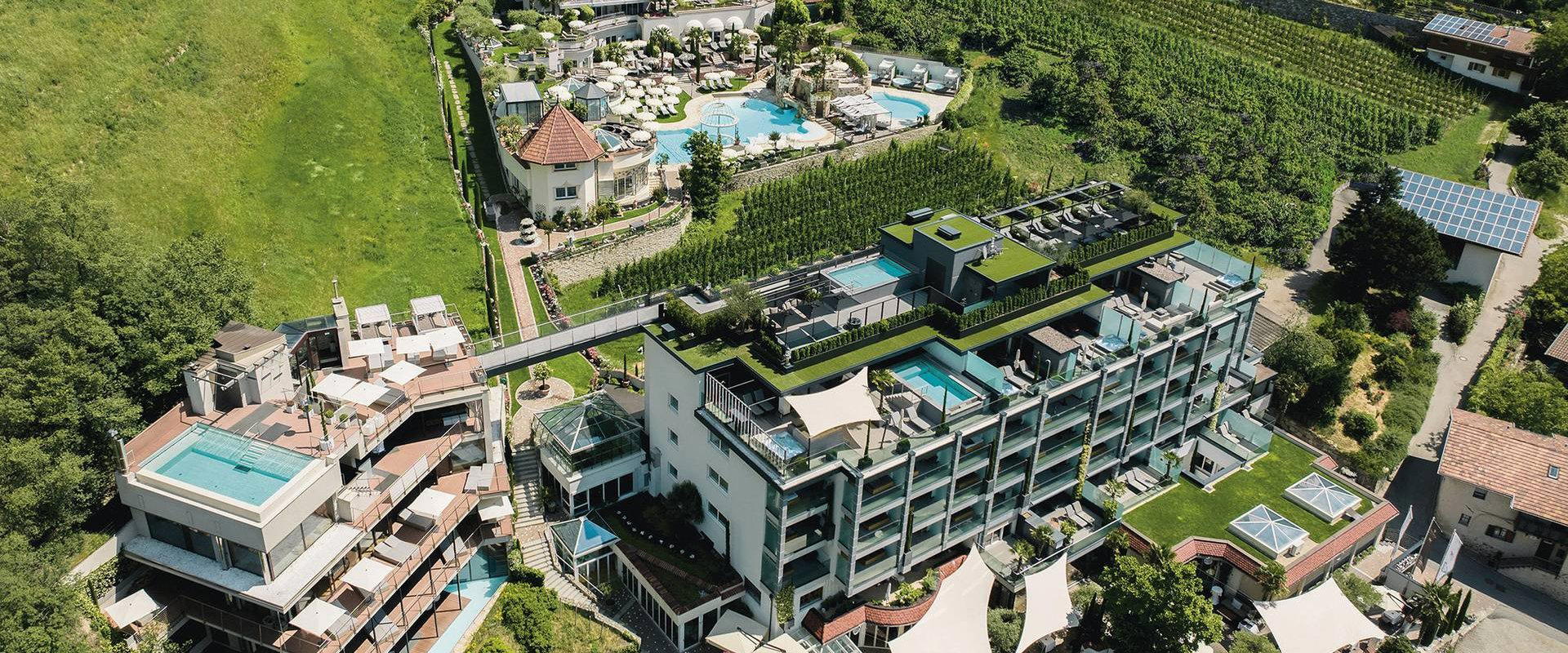
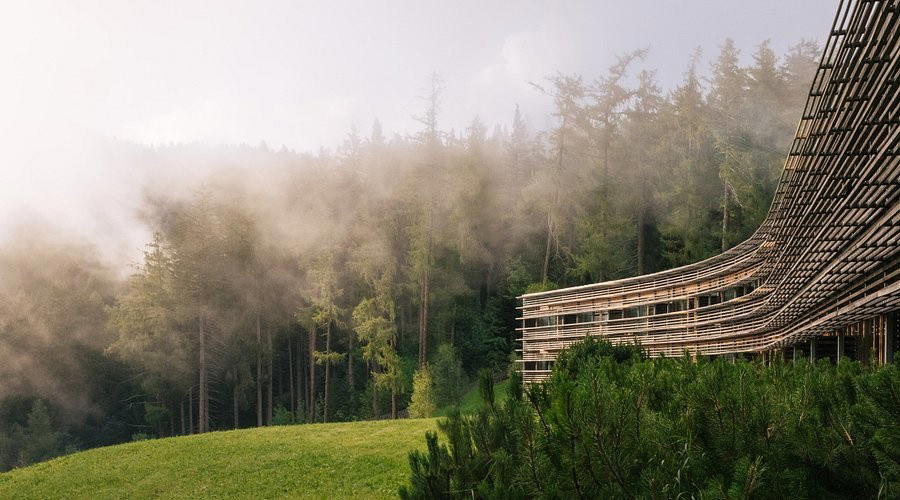
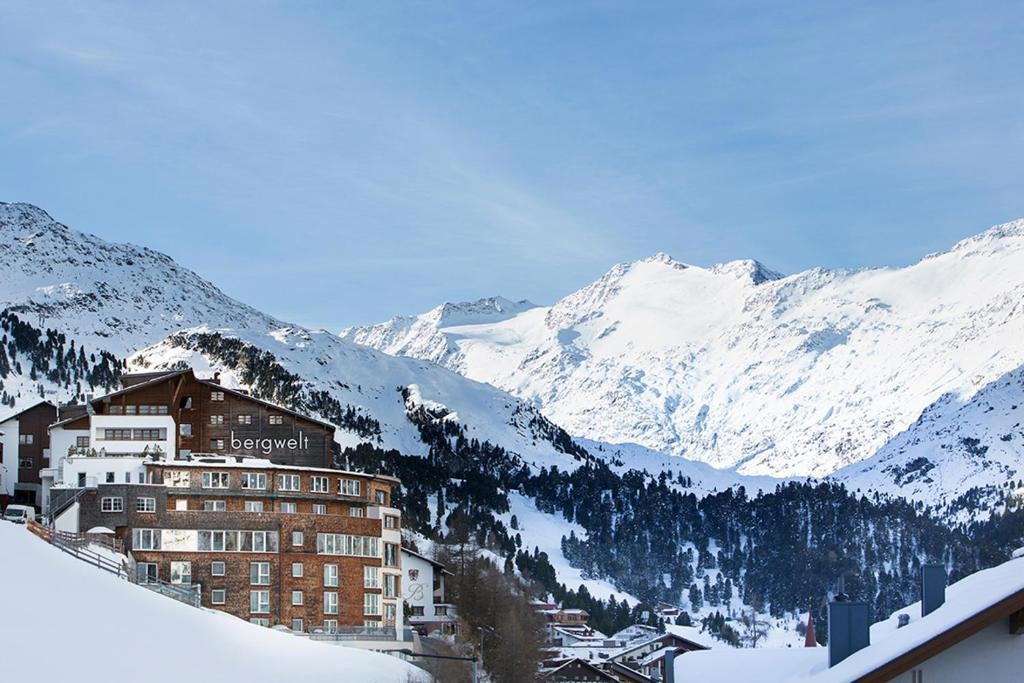
Bars in Schnals
Browse all →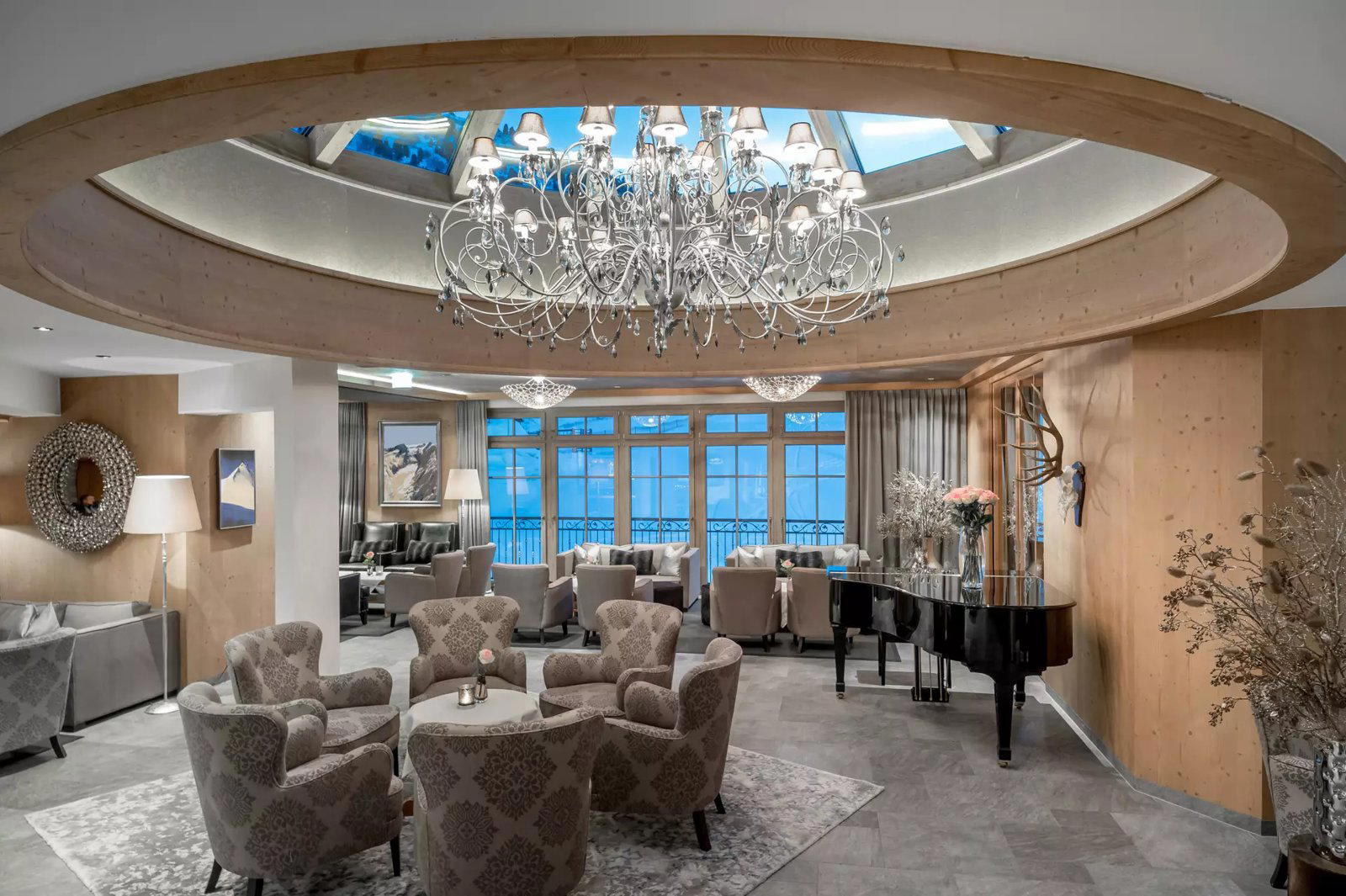

Restaurants in Schnals
Browse all →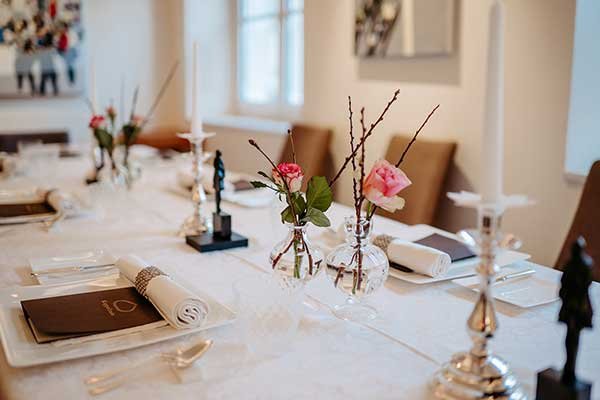
Details
- Cozy
- Rustic
- Scenic
- Elegant
- Classic
- Romantic Getaway
- Wellness Retreat
- Weekend Escape
- Panoramic View
- Terrace
- Historic Building
- Wi Fi
- Pool
- Spa
- Sauna
- Outdoor Pool
- Room Service
- Concierge
- Restaurant
- Mountain
- Garden
- Step Free Entrance
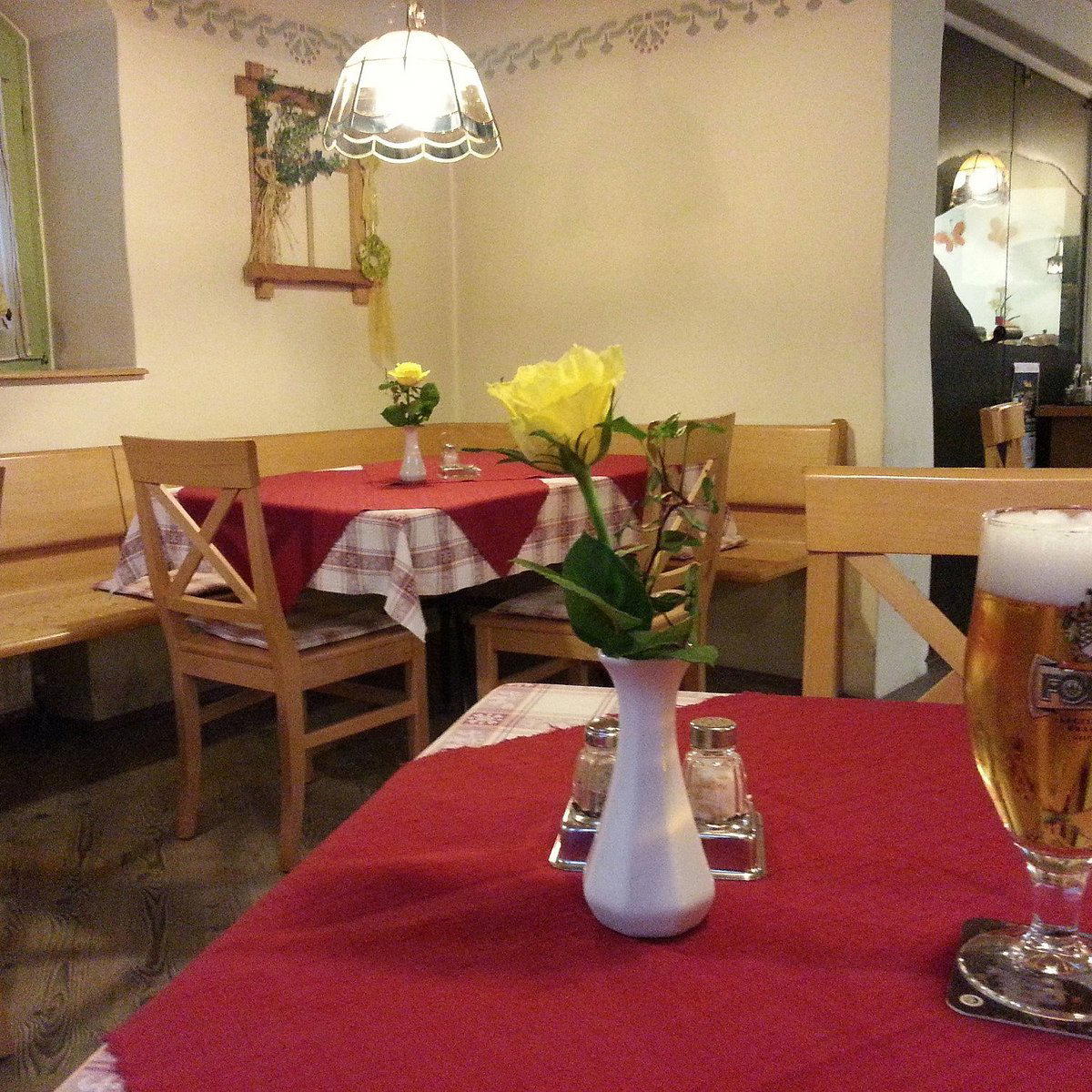
Cozy Alpine lodge atmosphere with knotted pine wood, chic furnishings, muted textiles, plentiful natural light, and clean lines for a balanced, non-claustrophobic feel.