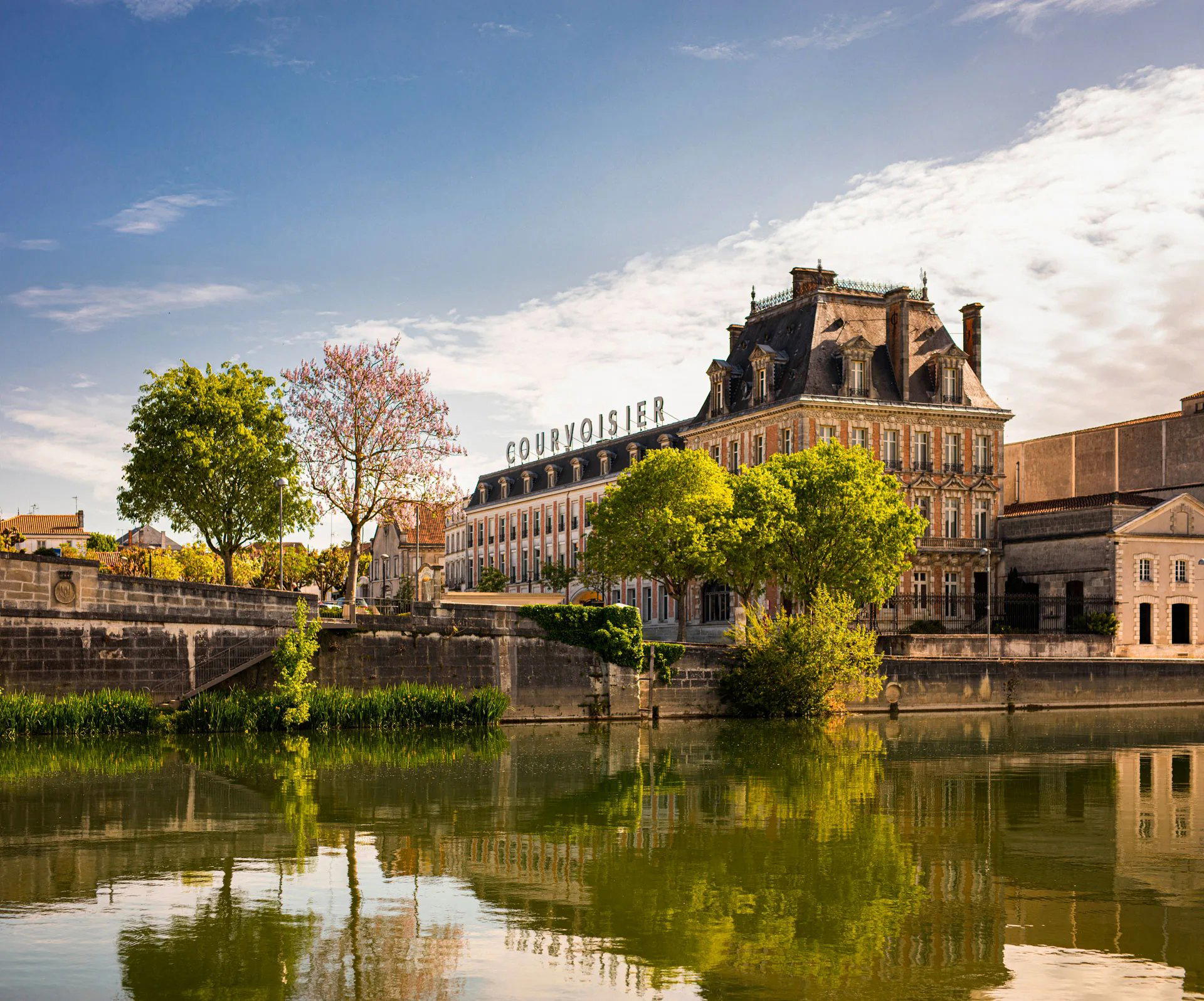
One of Cognac's most recognised maisons, Rémy Martin operates from its historic address on Rue de la Société Vinicole in the heart of the appellation..
Pearl is the En Primeur Club membership app — saves, bookings, and concierge access live there. Same editors, same standards.
- Address
- 20 Rue de la Société Vinicole, 16100 Cognac
- Phone
- +33 5 45 35 76 66
- Website
- visitesremymartin.com
- Directions
- Get directions
 Saves & bookings on Pearl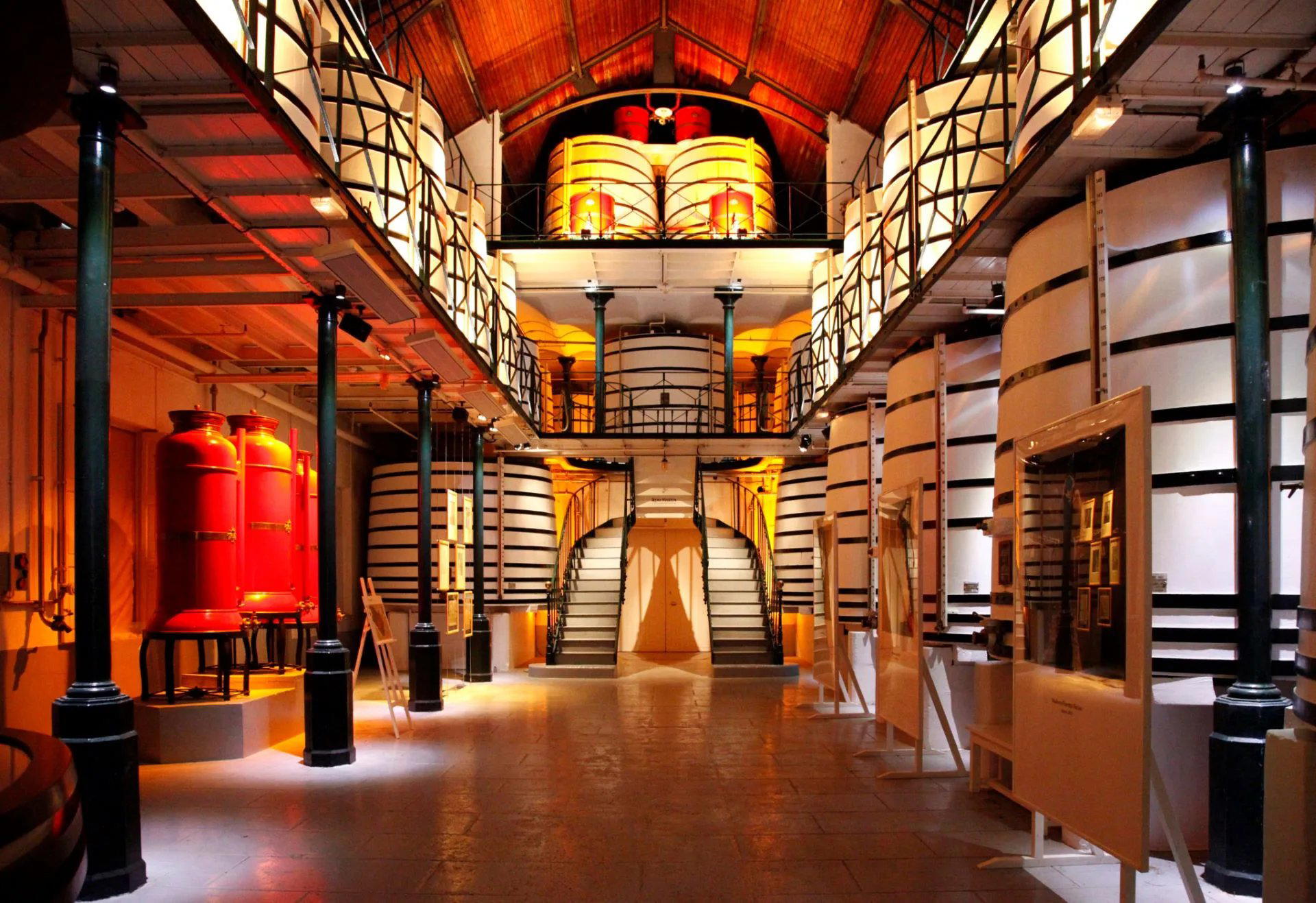
Where the Charente Defines the Spirit
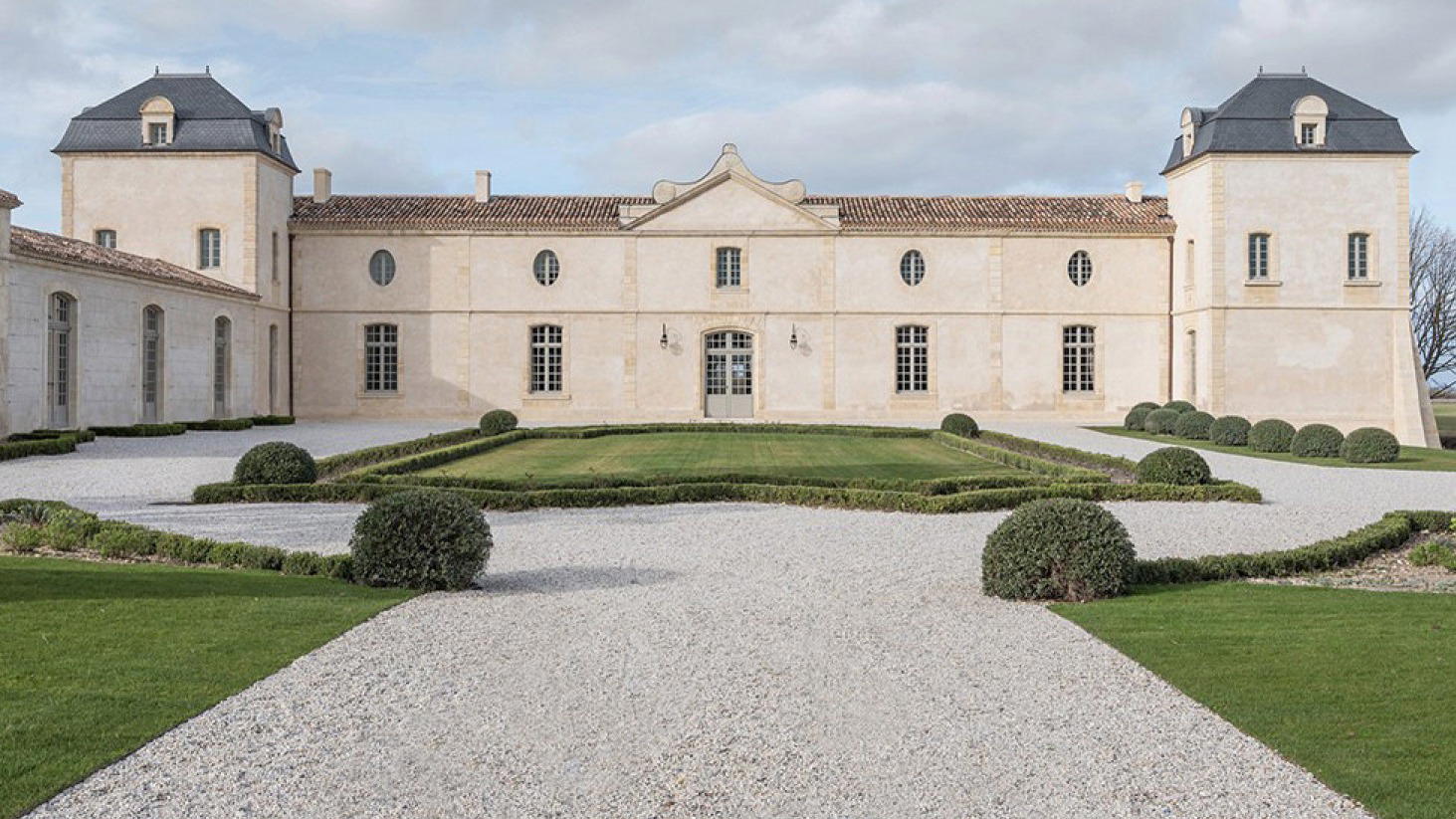
The town of Cognac sits on a limestone plateau above the Charente river, and the geography is not incidental, it is the argument. The chalky soils of Grande Champagne and Petite Champagne that fan out from this town produce eaux-de-vie with a particular finesse and aging capacity that no other French appellation replicates. Arriving at Rémy Martin's address on Rue de la Société Vinicole, you are stepping into the operational centre of one of the maisons that has built its entire identity around those two premier crus. The building sits within the commercial core of Cognac, but the real estate that matters is the vineyard land it sources from, stretching through particularly coveted chalk-and-clay parcels in the Charente basin.
The physical approach to the estate reflects what Cognac does as a region better than most wine appellations manage: the industrial and the artisanal occupy the same geography. Warehouses that hold tens of thousands of barrels age spirits under the same skies as family growers selling their harvest to the maisons. Rémy Martin operates at a scale that puts it in a direct peer conversation with Hennessy and Martell, the other houses that anchor Cognac's global identity, while maintaining a production philosophy anchored firmly in Fine Champagne, the controlled blend of Grande and Petite Champagne fruit that the house has championed for generations.
The Landscape Behind the Liquid
Understanding the terroir context is not optional when visiting Cognac; it is the entire interpretive framework. The six crus of the Cognac appellation are defined by soil composition, and the hierarchy runs from Grande Champagne at the apex down through Petite Champagne, Borderies, Fins Bois, Bons Bois, and Bois Ordinaires. Rémy Martin's commitment to Grande and Petite Champagne sourcing means the visitor experience here is shaped by the logic of chalk: its drainage properties, its effect on vine stress, and the resulting concentration that makes long-barrel aging commercially and aromatically worthwhile.
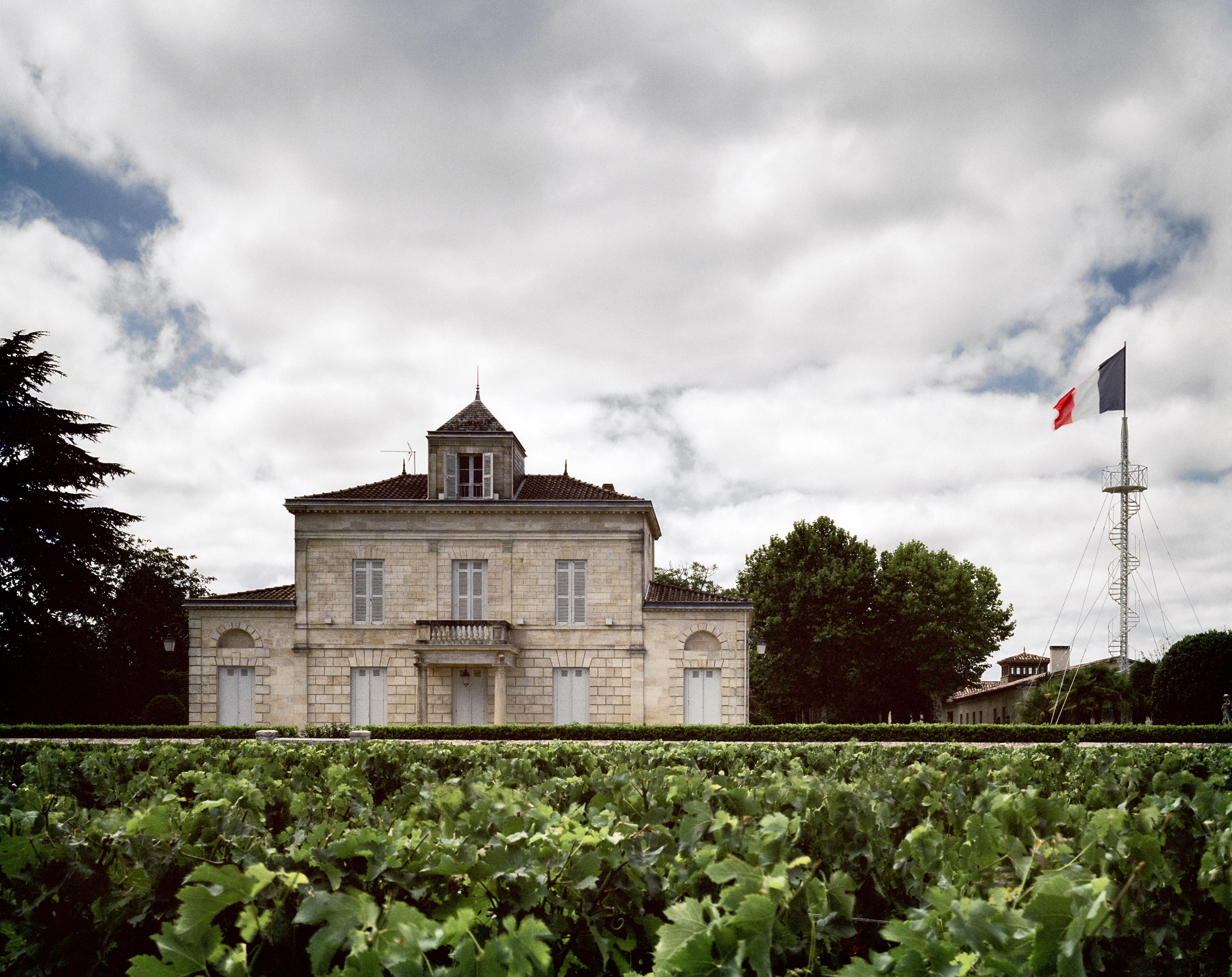
When you walk the vineyards or look out from the estate toward the rolling cereal fields and vine rows that define this stretch of the Charente, the scale of the agricultural commitment becomes legible. This is not a decorative landscape backdrop, it is the supply chain. The terraces and gentle slopes hold vines that feed a production cycle measured not in months but in decades, since Fine Champagne cognac requires minimum aging and the prestige tiers run considerably longer. Camus Cognac operates a different sourcing model, with stronger emphasis on Borderies fruit, which provides a useful contrast for visitors trying to read how terroir translates into house style across the appellation.
Production Scale and the Visitor Framework
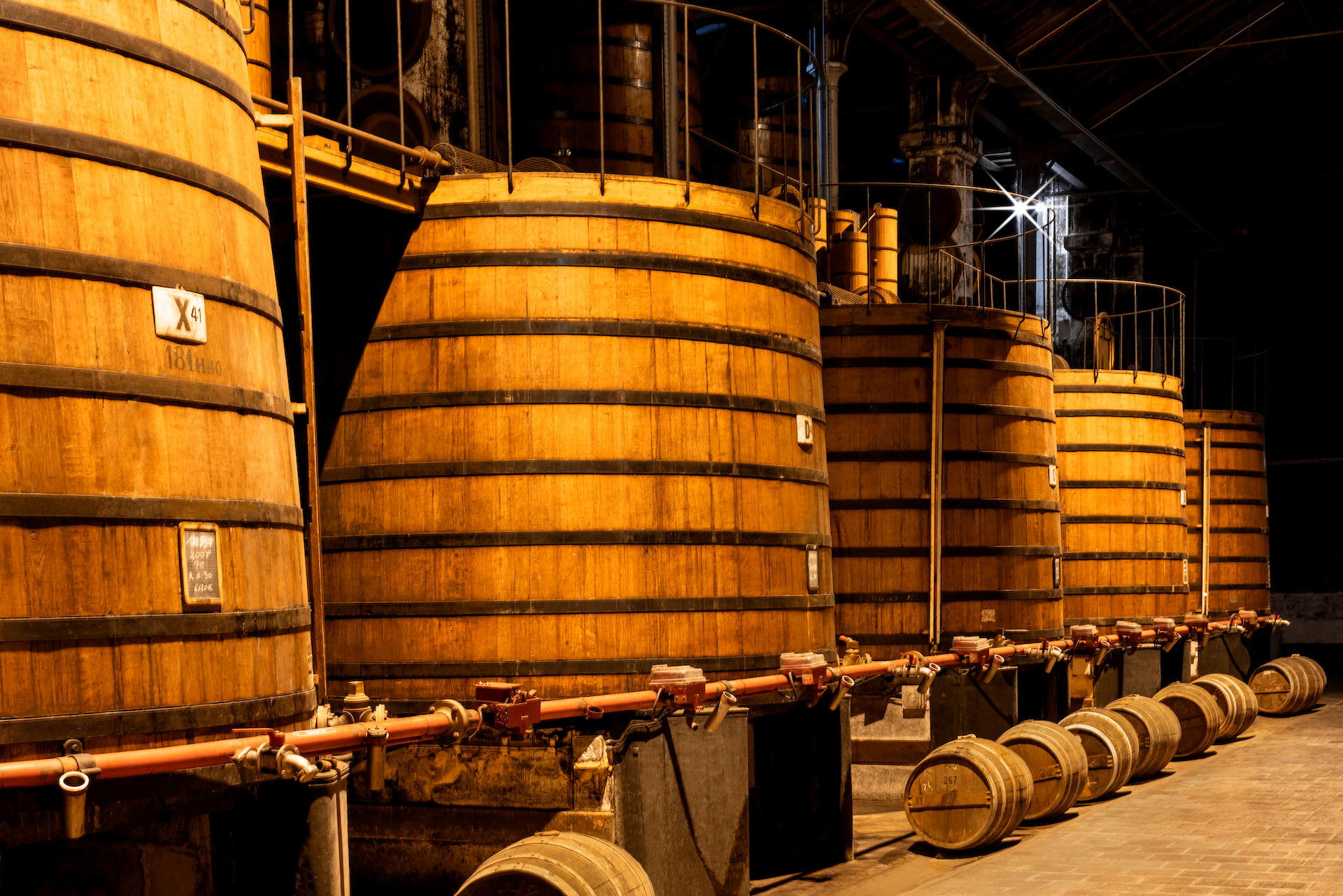
Cognac maisons at this tier have invested heavily in visitor infrastructure over the past decade, responding to increased demand from travellers who want direct producer access rather than retail shelf encounters. The category sits somewhere between distillery tourism, as practiced by Scotch whisky producers like Aberlour in Aberlour, and the estate visit format familiar from Bordeaux châteaux such as Château Batailley in Pauillac or Château Branaire Ducru in St-Julien. What Cognac adds specifically is the aging warehouse walk, where the interaction between wood, spirit, and the so-called angels' share, the roughly two percent of volume lost annually to evaporation, becomes a physical sensory reality rather than a marketing talking point.
For context, that tier sits alongside highly regarded estate experiences at properties like Château Bélair-Monange in Saint-Emilion and Château Clinet in Pomerol, where visitor access is structured to reflect the prestige of the production rather than simply facilitate retail.
Cognac in Season: When to Visit
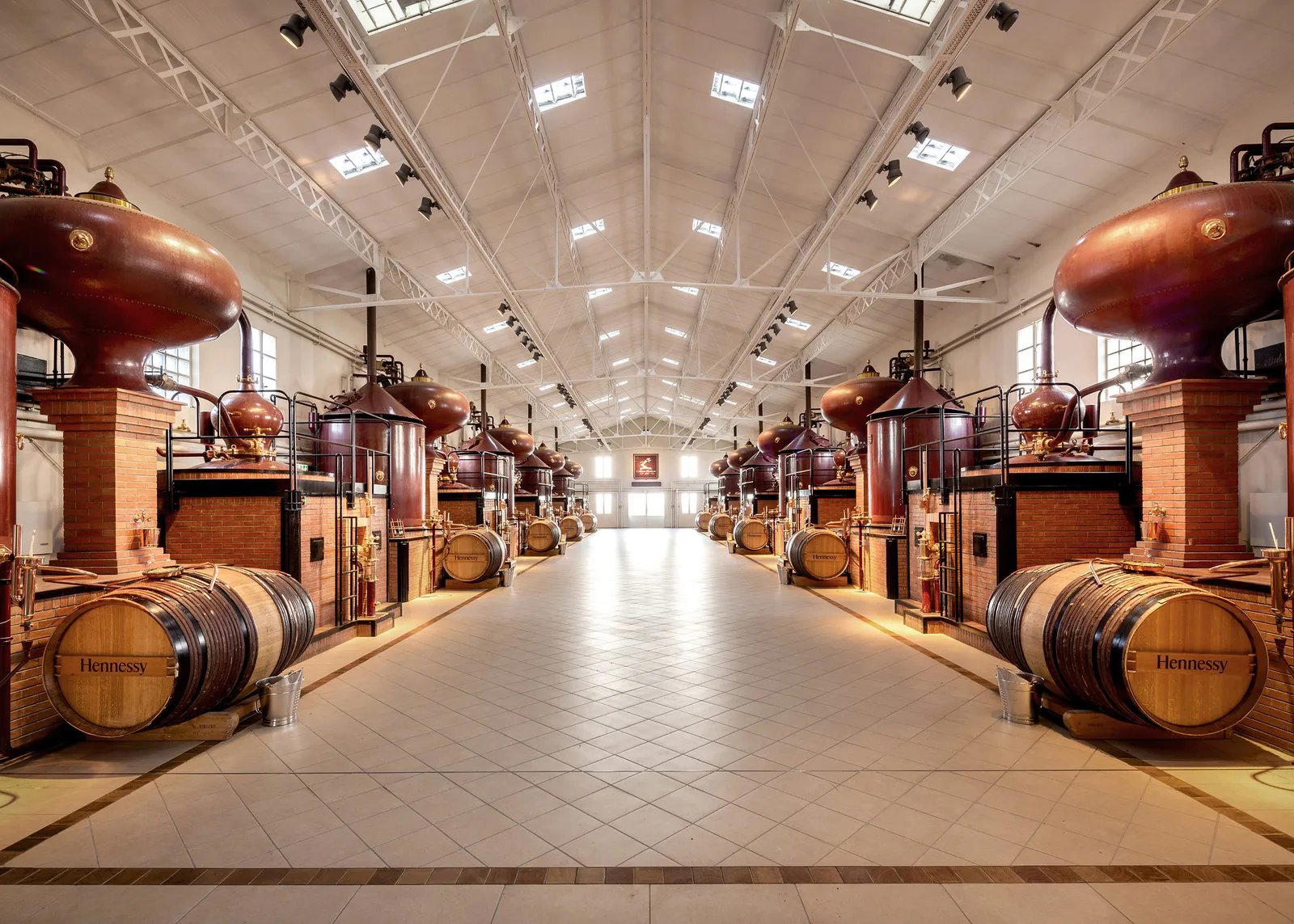
The Charente is agricultural country, and the calendar matters. Harvest typically falls in October, when the ugni blanc grapes, the almost universally planted variety across the appellation, are picked before distillation begins. Distillation in Cognac is legally required to finish by March 31 of the year following harvest, giving the region a defined production season that makes autumn and winter visits particularly instructive. The stills are operating, the warehouses are receiving new spirit, and the production sequence is at its most visible.
Summer visits offer different rewards: the vineyards are in full growth, the town is more active with visitors, and the combination of estate visits and the wider Charente region, including the medieval architecture of Cognac's old town, makes a two-day itinerary practical. The our full Cognac restaurants guide covers the dining options in the town, which run to solid regional French cooking with the kind of local focus that suits a region not yet heavily touristed at the scale of Bordeaux or Burgundy.
Placing Rémy Martin in the Appellation Hierarchy
The maison tier of Cognac production, houses that blend, age, and bottle at scale, differs structurally from the independent récoltant model, where growers distil and sometimes bottle their own production. At the maison level, the conversation is about blending expertise and age stock depth: houses carry reserves of aged eaux-de-vie that allow consistency across product lines despite annual vintage variation. This is the operational logic that separates Cognac from most wine appellations, where vintage variation is often treated as a selling point rather than a complication to be managed.
Among the grande marques, each has carved a distinct identity: Hennessy leads on volume and Fins Bois blending depth; Martell draws heavily on Borderies, which produces a nuttier, more floral profile; the winery anchors itself to Fine Champagne, which is a legally defined designation requiring at least 50 percent Grande Champagne with the remainder from Petite Champagne. That specificity is meaningful: it limits sourcing flexibility but produces a house style built on the appellation's most prestigious soils. For visitors comparing houses across a Cognac itinerary, those sourcing commitments are one instructive lens to apply.
Elsewhere in the French spirits world, the combination of terroir commitment and visitor infrastructure is increasingly a marker of category ambition. Chartreuse in Voiron has taken a similar approach within the liqueur category, building a visitor programme around production transparency. Within still wine, estates like Albert Boxler in Niedermorschwihr and Château Boyd-Cantenac in Cantenac demonstrate how direct producer engagement sharpens a visitor's reading of what terroir actually means, separate from the language used on back labels. Properties like Château Bastor-Lamontagne in Preignac, Château Cantemerle in Haut-Médoc, and Accendo Cellars in St. Helena share that same principle of place-forward storytelling across different appellations.
Planning Your Visit
The winery's estate sits at 20 Rue de la Société Vinicole in Cognac, within direct reach of the town centre. Cognac itself is accessible by train from Bordeaux, with journey times typically under two hours, making it a viable day trip or short extension from a broader Bordeaux-Charente itinerary. Booking in advance is recommended, particularly in summer and during harvest season when demand peaks. The estate sits within a working production environment, so scheduled tours are the practical framework for access.
At a Glance
Comparable venues nearby, for context on price, style, and recognition.
| Venue | Cuisine | Price | Notes |
|---|---|---|---|
| Rémy MartinThis venue — the venue you are viewing | Cognac, ugni blanc | $$$$ | Not listed |
| Martell | Cognac, Cognac | $$$ | Not listed |
| Hennessy | Not listed | $$$$ | Cognac, ugni_blanc |
| Camus Cognac | Cognac, Borderies | $$$ | Not listed |
| Château Haut-Bages-Libéral | Pauillac, Cabernet Sauvignon, Merlot | $$$$ | Not listed |
| Château Batailley | Pauillac, Cabernet Sauvignon, Merlot | $$$$ | Not listed |
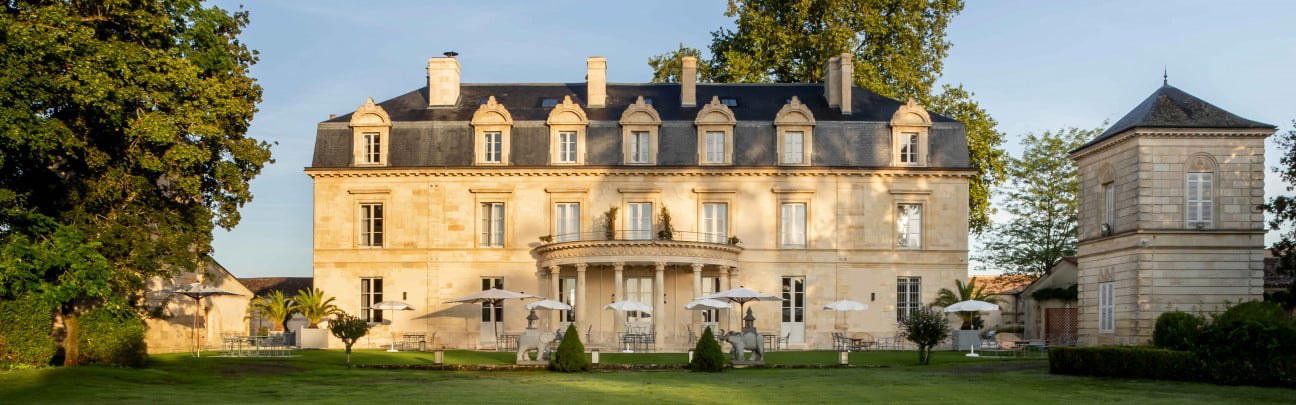
At a Glance
- Elegant
- Sophisticated
- Classic
- Well Known
- Wine Education
- Special Occasion
- Barrel Room
- Historic Building
- Vineyard
- Cognac Fine Champagne
- Ugni Blanc
- Fortified
- Guided Tasting
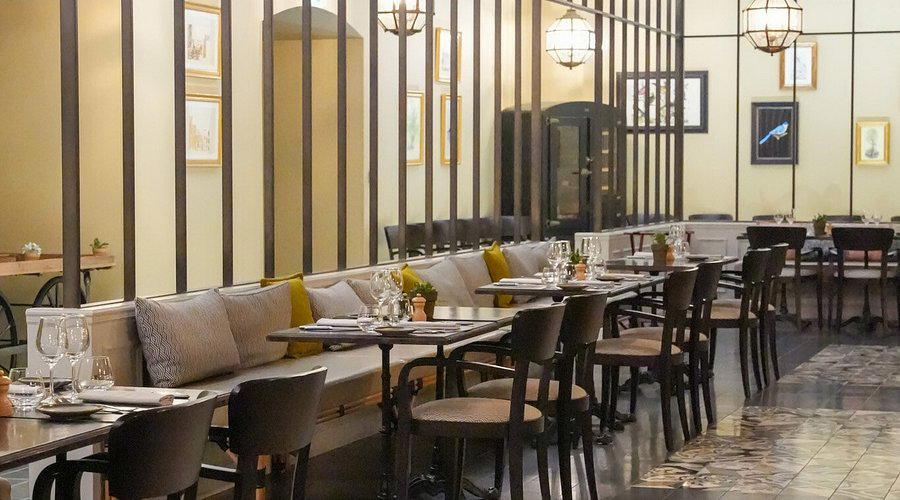
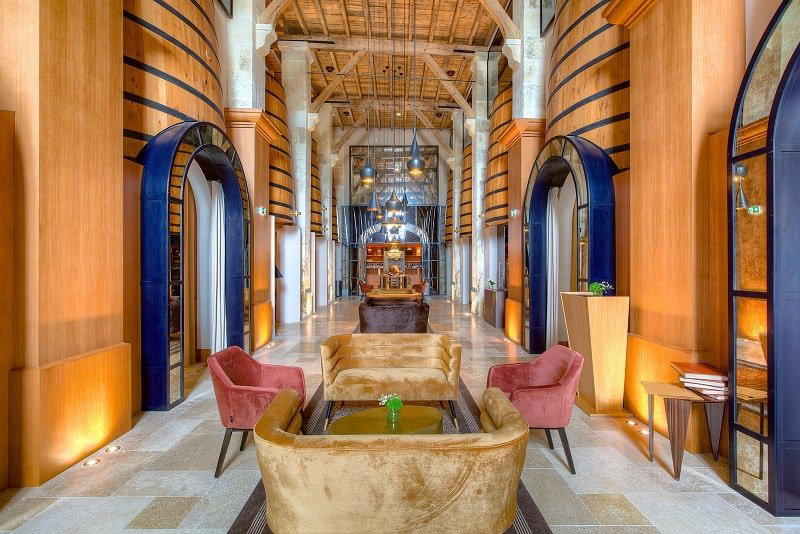
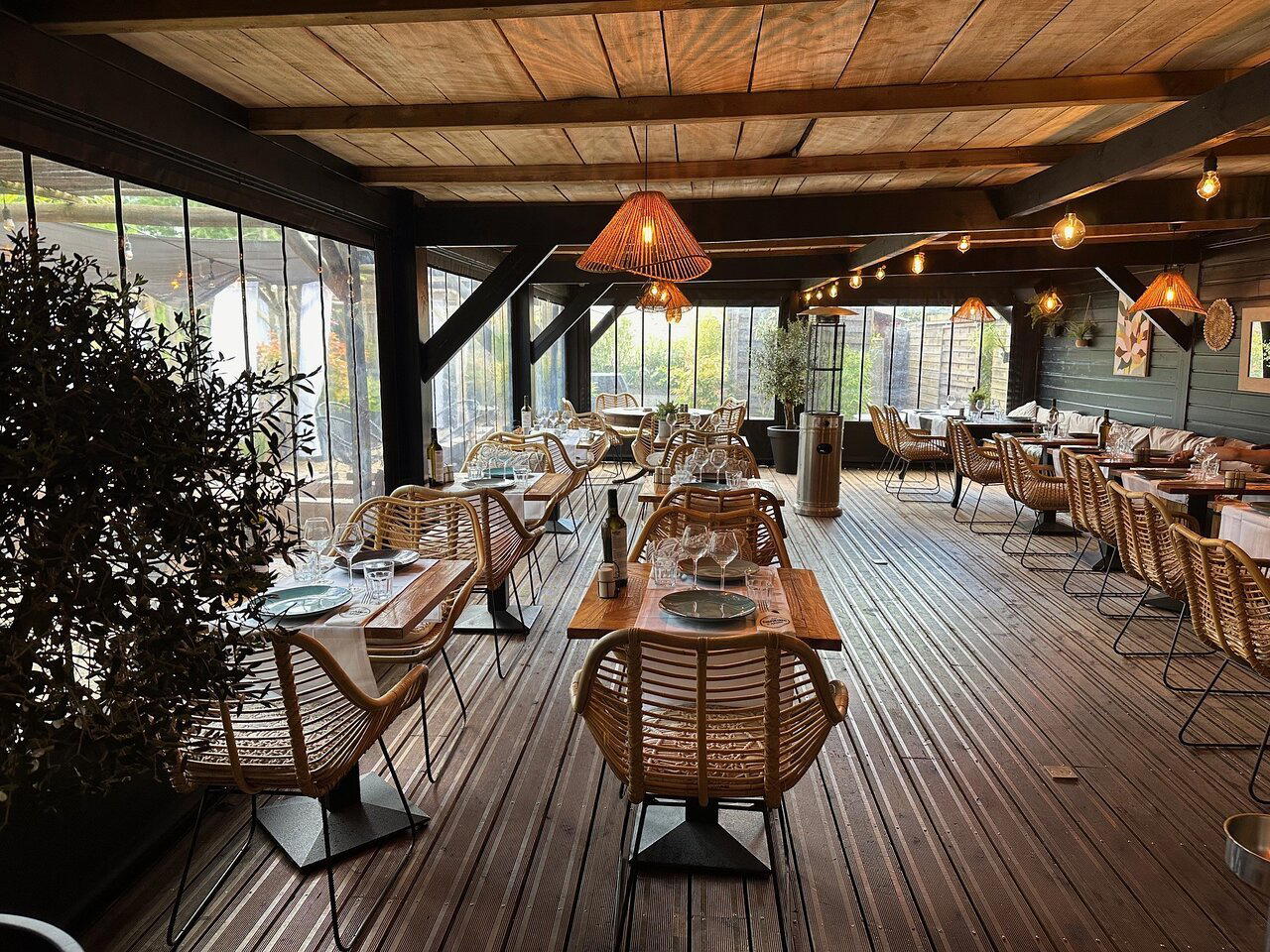
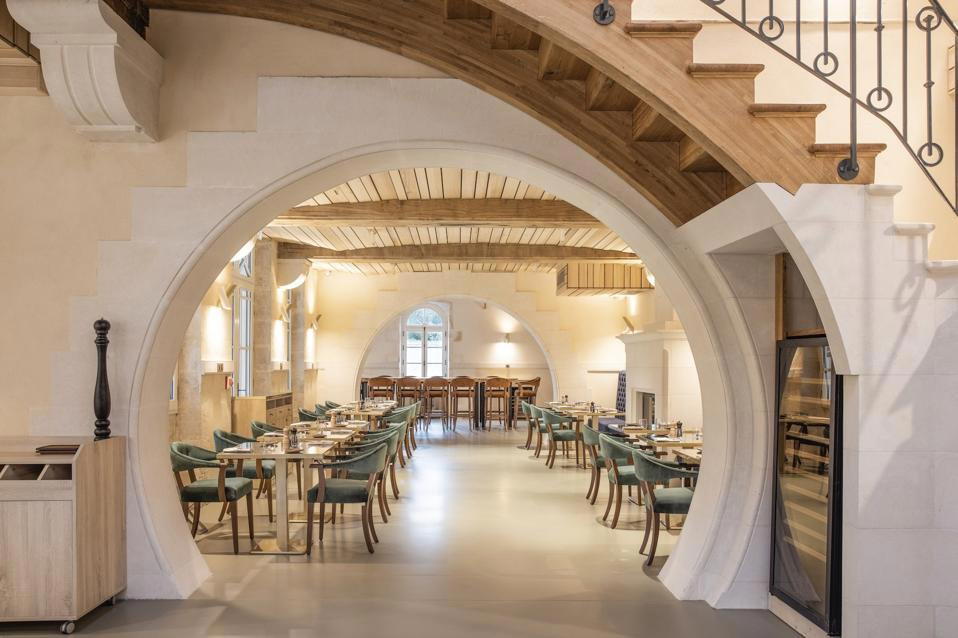
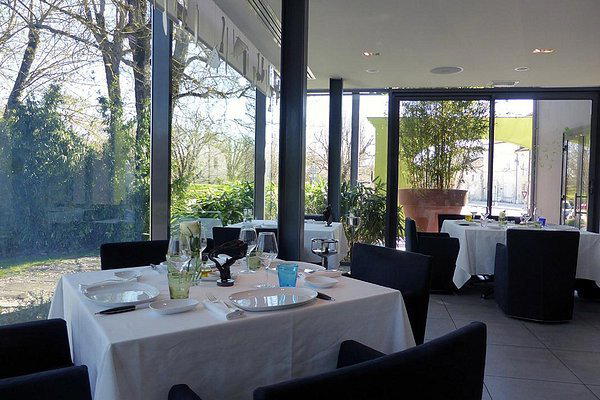
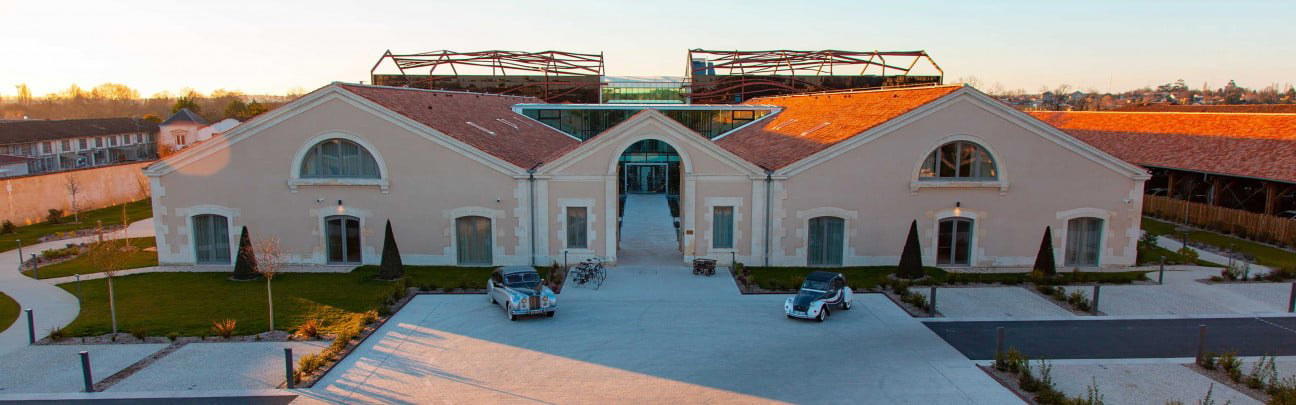
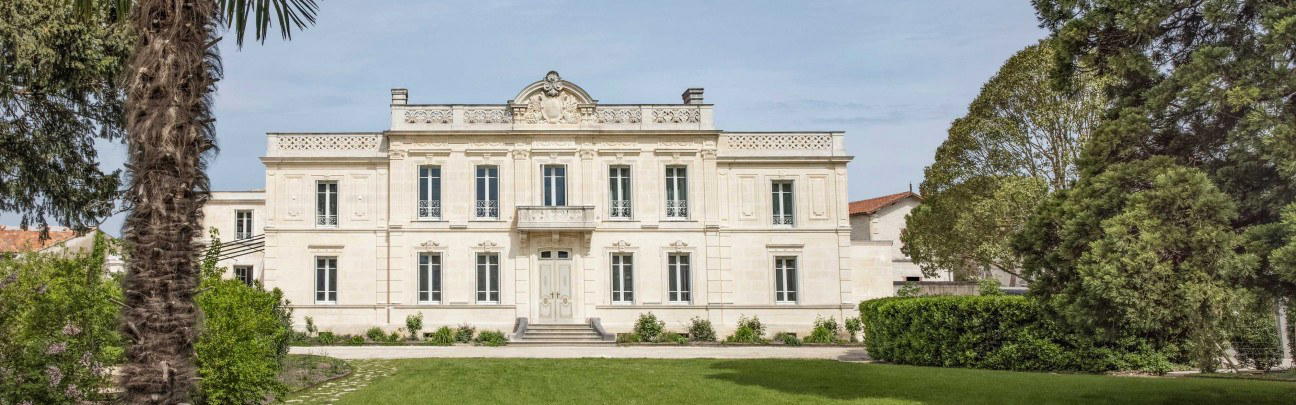
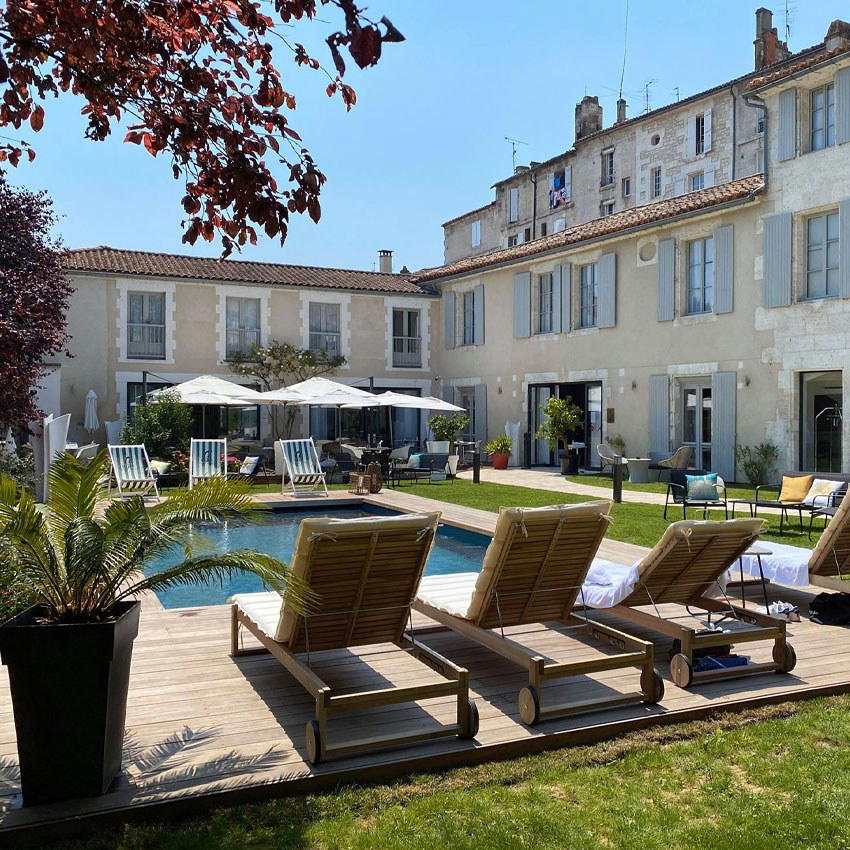
Elegant French hospitality with refined staging, charming professional guides, and a sophisticated atmosphere blending historic cellars with modern media.