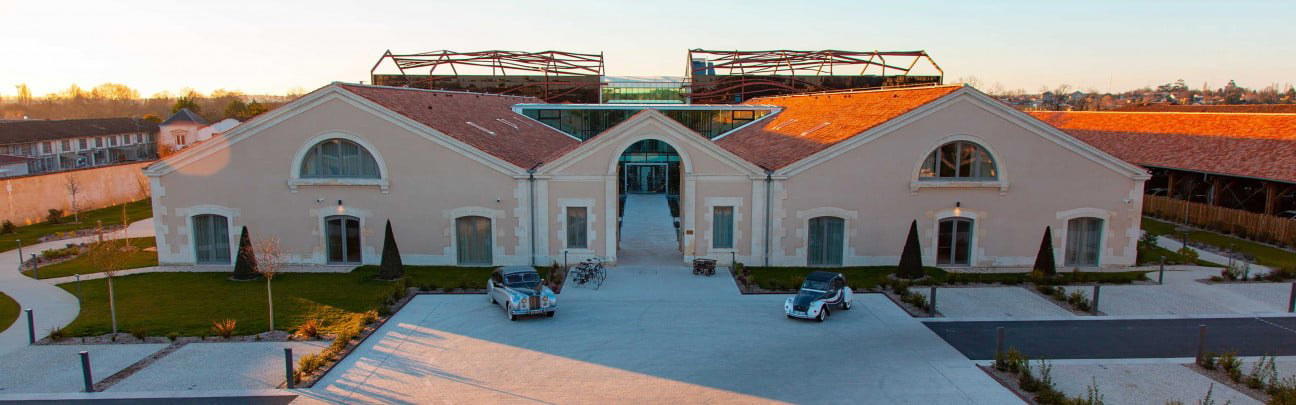
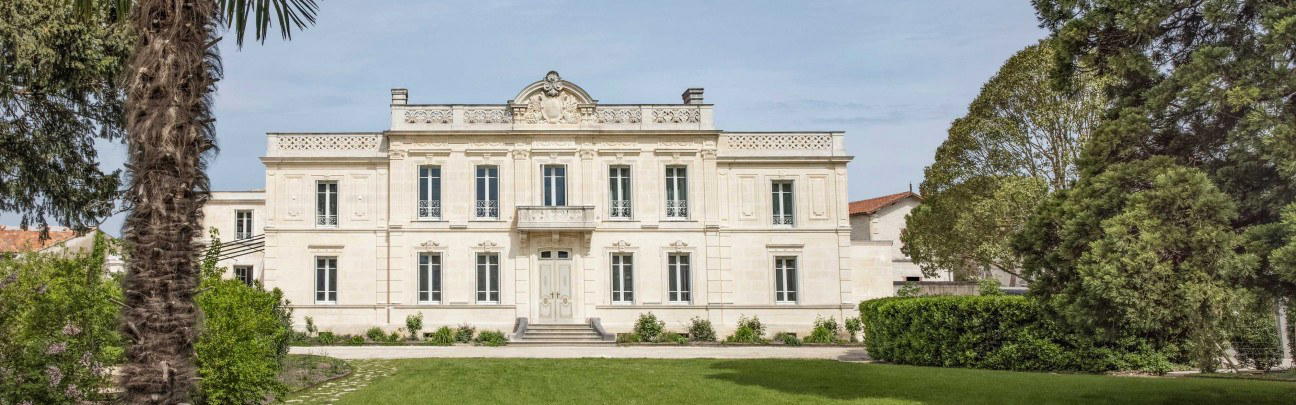
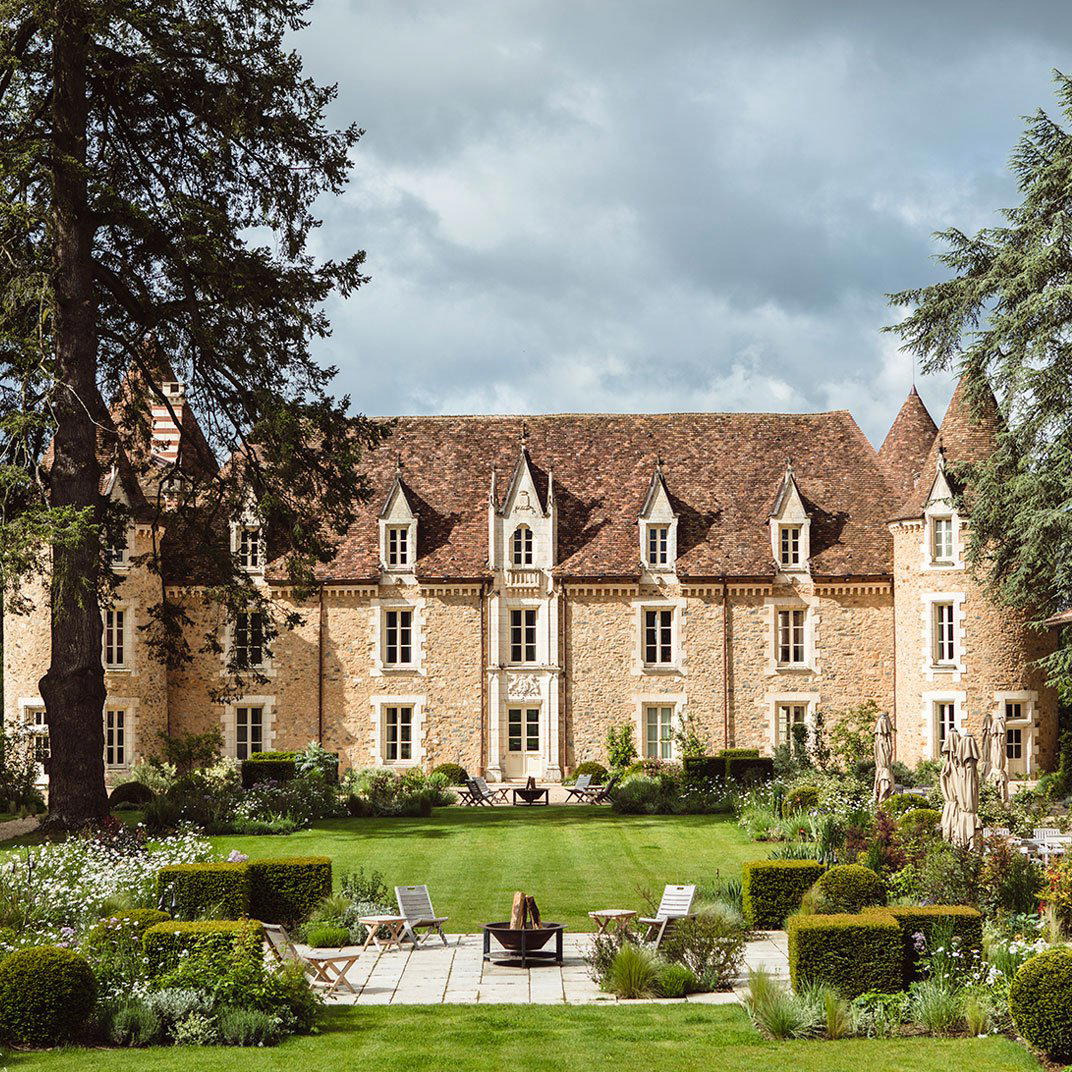
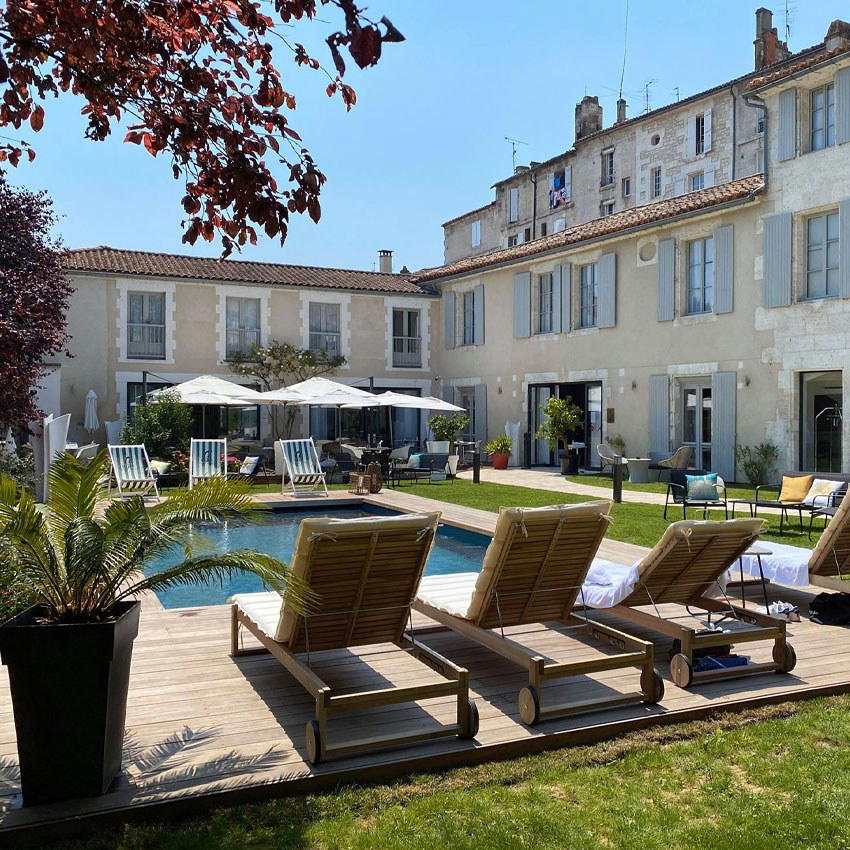
Hennessy sits on the Quai Richard Hennessy in Cognac, one of the founding addresses of the French spirits trade. Visits here anchor any serious tour of the Charente.

Pearl is the En Primeur Club membership app — saves, bookings, and concierge access live there. Same editors, same standards.
- Address
- Quai Richard Hennessy, 16100 Cognac
- Phone
- +33 5 45 35 06 44
- Website
- hennessy.com
- Directions
- Get directions
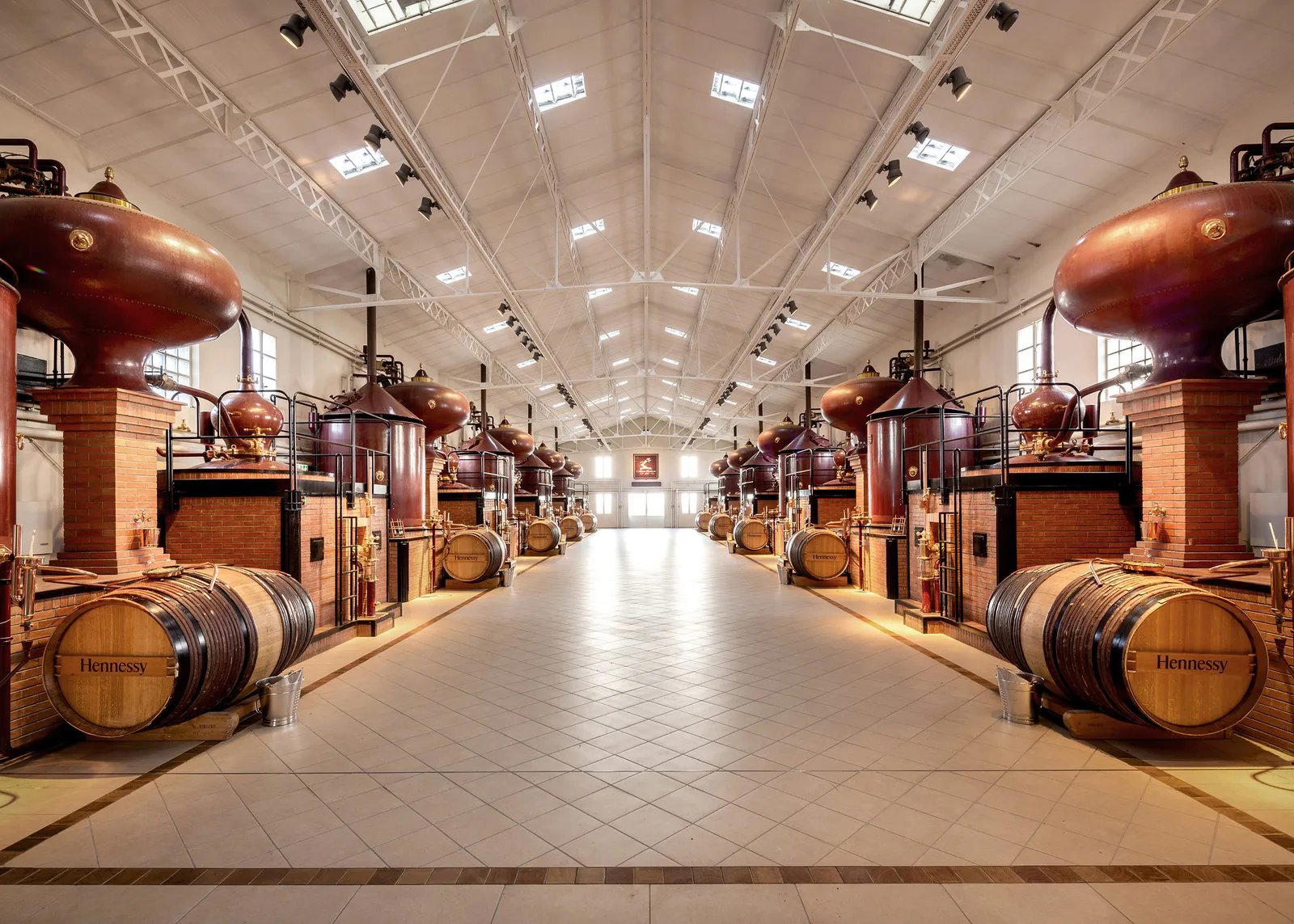
The Weight of the Quai
Standing on the banks of the Charente in the town of Cognac, the address at Quai Richard Hennessy carries a different kind of gravity than most spirits destinations. The river here is not decorative. For centuries it was the artery through which barrels moved from the cellars of the Charente to the ports of western France and onward to Britain, Ireland, and the Americas. The maison that now occupies this quayside position was founded in the eighteenth century by an Irish officer turned Cognac merchant, and the address has remained the same as the institution grew from a regional trading house into the largest Cognac producer by volume in the world.
That scale matters editorially. Hennessy is not a boutique producer making small-batch eaux-de-vie for a specialist audience. It is the measure of the appellation itself — the house whose blending philosophy, sourcing relationships, and international distribution shaped what the world understands Cognac to be. Any serious engagement with the Charente's spirits culture passes through this address at some point, whether as a point of reference, a comparative benchmark, or a destination in its own right.
Blending as Doctrine
The editorial angle that makes Hennessy most interesting to a serious visitor is not production volume or commercial reach — it is the house's long commitment to blending as a philosophically distinct craft. Where single-estate and single-vintage spirits have grown in prestige across whisky and Armagnac, Cognac's great houses built their reputations on the opposite principle: that consistency, complexity, and character come from the assembly of many eaux-de-vie across crus, vintages, and ages.
Hennessy's cellar masters have operated under a hereditary model for generations, with knowledge of the reserve stocks, the house style, and the progression of individual barrels passed down within a small group of tasters. This is not marketing language, it is a production constraint. The reserve stocks that enable consistent blending across decades require capital, cellar space, and institutional memory that most producers cannot sustain. The result is a house style that remains traceable across expressions separated by years of production.
This philosophy places Hennessy in direct dialogue with the Cognac appellation's larger structural argument: that the controlled designation of Grande Champagne, Petite Champagne, Borderies, Fins Bois, and their combinations is not simply a geographic map but a flavour vocabulary. The Grande Champagne cru, with its chalky soils and slow-ripening Ugni Blanc grapes, provides the eaux-de-vie that age longest and develop the most linear, floral aromatic profile. The Borderies, smaller and clay-rich, contributes rounder, nuttier character. A master blender working across these crus is assembling a flavour argument with each expression.
Visitors who arrive with a working knowledge of the appellation's cru structure will read the experience differently from those who come for the spectacle of the historic cellars. Both are legitimate approaches to the visit, but the former gets substantially more out of the comparative tasting formats on offer.
Cognac's Competitive Geography
The town of Cognac functions as a rare example of a French appellation built almost entirely around a single category of production. Unlike Bordeaux or Burgundy, where a visitor can spend weeks moving between châteaux and domaines across a dispersed geography, Cognac concentrates its principal maisons within a few kilometres of each other along the Charente. Martell, founded in 1715 and the oldest of the major houses, sits close to Hennessy on the quayside. Rémy Martin anchors its identity to Fine Champagne, a blend of Grande and Petite Champagne, and occupies a distinct position in the category's hierarchy. Camus operates as the largest family-owned house and has increasingly used single-estate and single-cru releases to differentiate itself from the blending-dominant houses.
These four producers represent the shape of a focused itinerary through Cognac. Each makes a distinct argument about what the appellation is for, and visiting them in sequence produces a genuine comparative education rather than a series of interchangeable cellar tours. Hennessy, as the volume and style reference point, is logically the anchor of that sequence, either the opening visit that calibrates expectations, or the closing one that contextualises what came before. The full Cognac guide covers sequencing recommendations across the town's major addresses.
The broader French spirits and wine world provides further comparative context. The blending philosophy central to Cognac finds equivalents in other traditions: the perpetual-reserve systems used at Chartreuse in Voiron, the Alsatian grand cru approach documented at Albert Boxler in Niedermorschwihr, and the age-statement hierarchy familiar from Aberlour in Aberlour all illuminate different aspects of how producers communicate provenance and age through a product. Bordeaux châteaux, from Batailley in Pauillac to Cantemerle in Haut-Médoc and Branaire-Ducru in Saint-Julien, operate on an annual-vintage logic that is structurally opposite to Cognac's reserve-blending model, making the contrast instructive for visitors whose primary reference is fine wine.
The Visit in Practice
Quai Richard Hennessy is accessible on foot from the centre of Cognac, which is a small enough town that most of the principal maisons are reachable without a vehicle. Visit formats at Hennessy range from guided cellar tours to more intensive tasting sessions, and booking in advance is advisable particularly during the warmer months when the town attracts significant visitor volume. The experience skews toward those who have done some preparatory reading: understanding the VSOP, XO, and Paradis designations before arriving allows the tasting component to function as confirmation and refinement of existing knowledge rather than a primer.
Cognac the town has limited luxury accommodation relative to its visitor numbers, so many serious visitors base themselves in Bordeaux and make Cognac a day trip, a journey of roughly 120 kilometres by road. This is a reasonable approach and aligns with the logic of visiting multiple maisons in a single day before returning to a city with more dining and hotel options.
For those building a broader Bordeaux wine region itinerary around the Cognac visit, the Charente sits at the northern edge of a large area that includes the appellations of Saint-Émilion, Pomerol, Margaux and Cantenac, and the sweet wine estates of Preignac in Sauternes. Napa Valley parallels, including allocation-model producers like Accendo Cellars in St. Helena, share with Hennessy a preoccupation with house style as the primary identity signal rather than vintage variation, a useful frame for North American visitors approaching French spirits culture for the first time.
What the Rating Means
This is not a house that requires a critic's endorsement to validate its standing, its position at the top of the Cognac category by volume, influence, and institutional history is structural. The rating confirms that the visitor experience itself meets the standard expected of a prestige address: that the access, the tasting format, and the depth of engagement with the house's production philosophy justify the visit on experiential terms, not just reputational ones.
For the visitor planning a serious spirits itinerary through southwest France, the question is not whether to include Hennessy but how to sequence it relative to the town's other producers and the broader regional context. The quayside address, the river, and the reserve cellars are the physical evidence of why Cognac became Cognac, and Hennessy is, more than any other single address, the reason that argument still holds.
Pricing, Compared
Comparable venues nearby, for context on price, style, and recognition.
| Venue | Cuisine | Price | Awards |
|---|---|---|---|
| HennessyThis venue — the venue you are viewing | Not listed | $50–100 | Not listed |
| Rémy Martin | Cognac, ugni blanc | Not listed | Not listed |
| Martell | Cognac, Cognac | $20–30 | Not listed |
| Château Duhart-Milon | Pauillac, Cabernet Sauvignon, Merlot | $50–100 | Michelin Main Selection · Falstaff Winery - Listed |
| Chateau Leoville Las Cases | Saint-Julien, Cabernet Sauvignon, Merlot | Not listed | Michelin 3 Grapes · Falstaff Winery - 3 Stars |
Continue exploring
More in Cognac
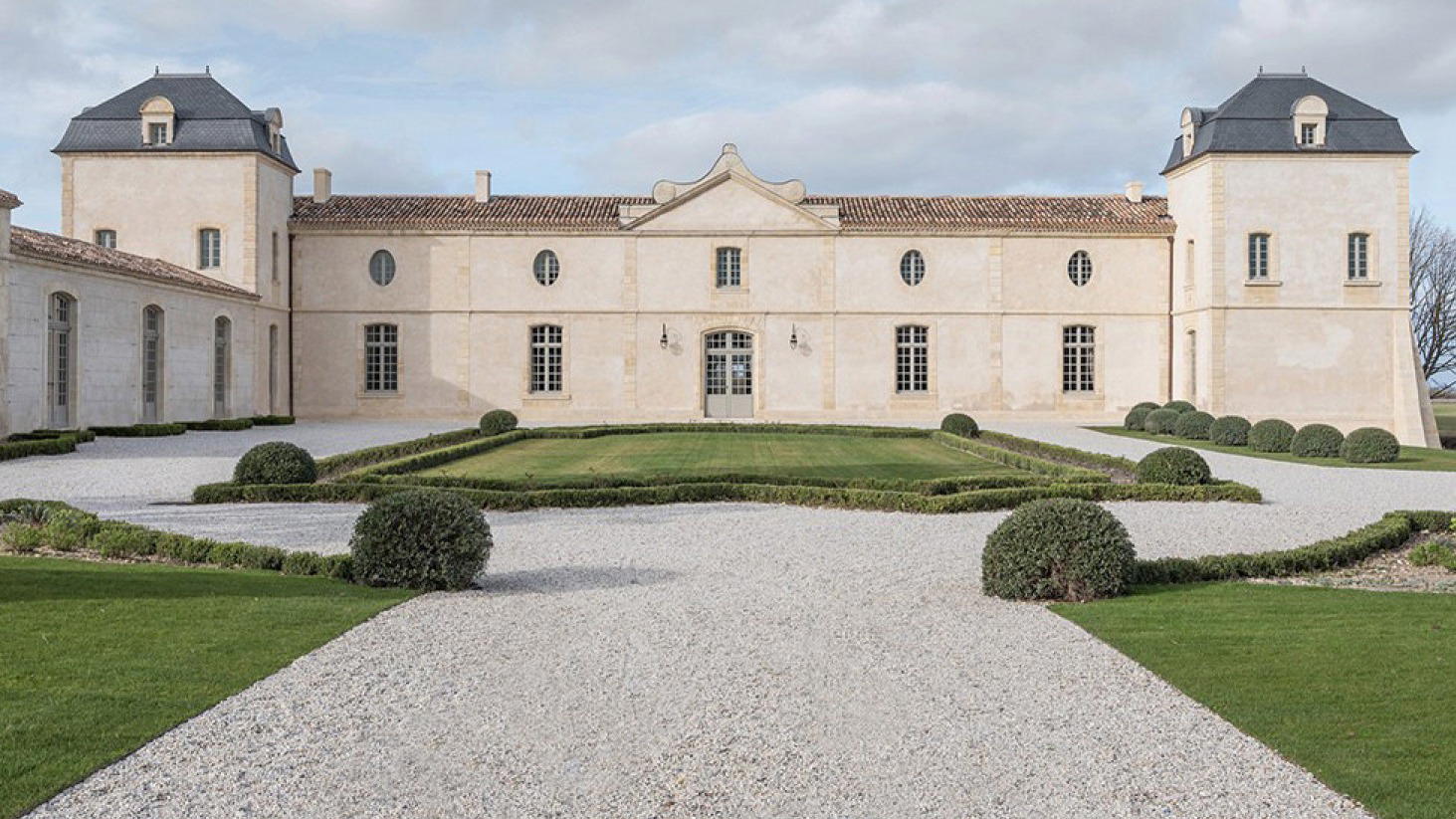
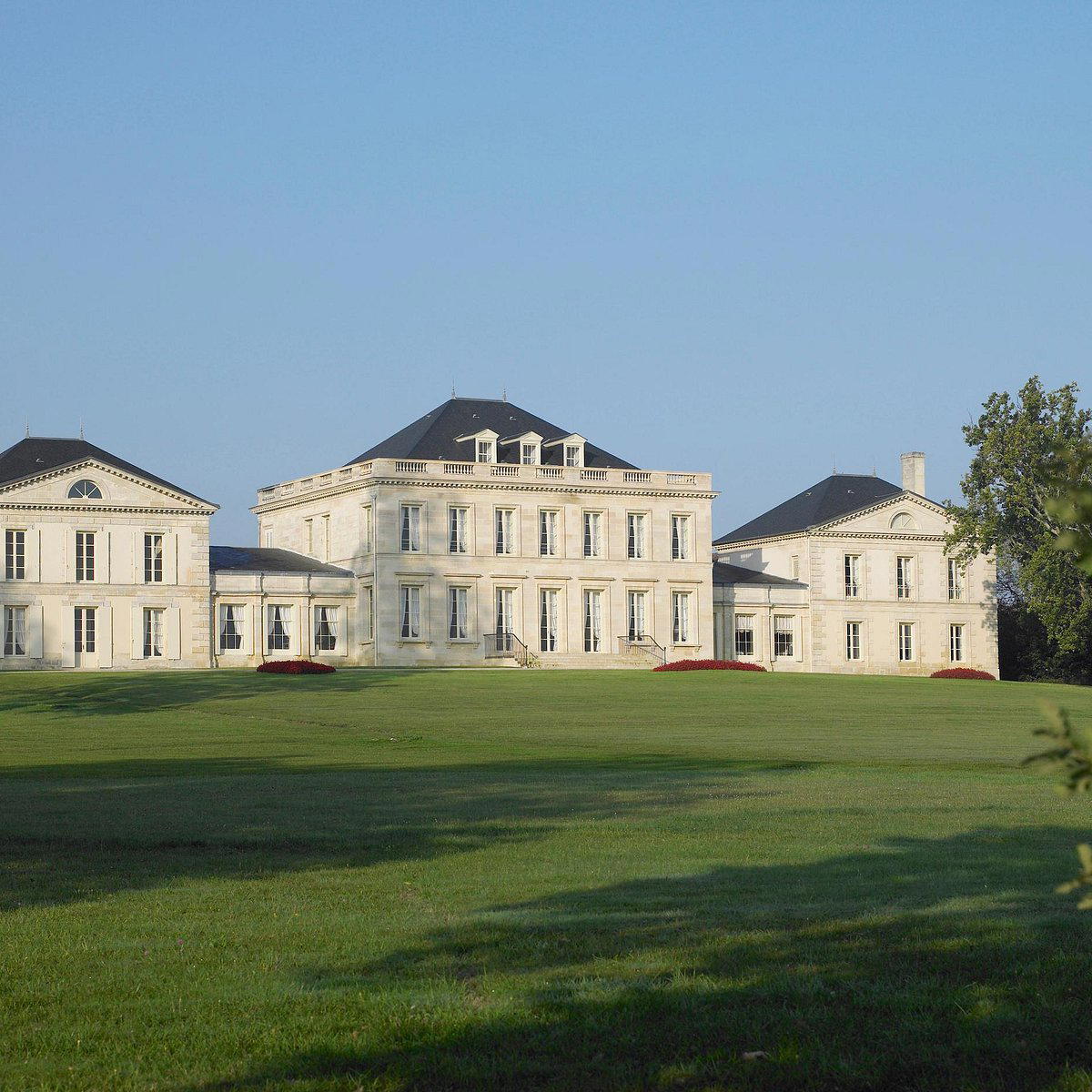
Wineries in Cognac
Browse all →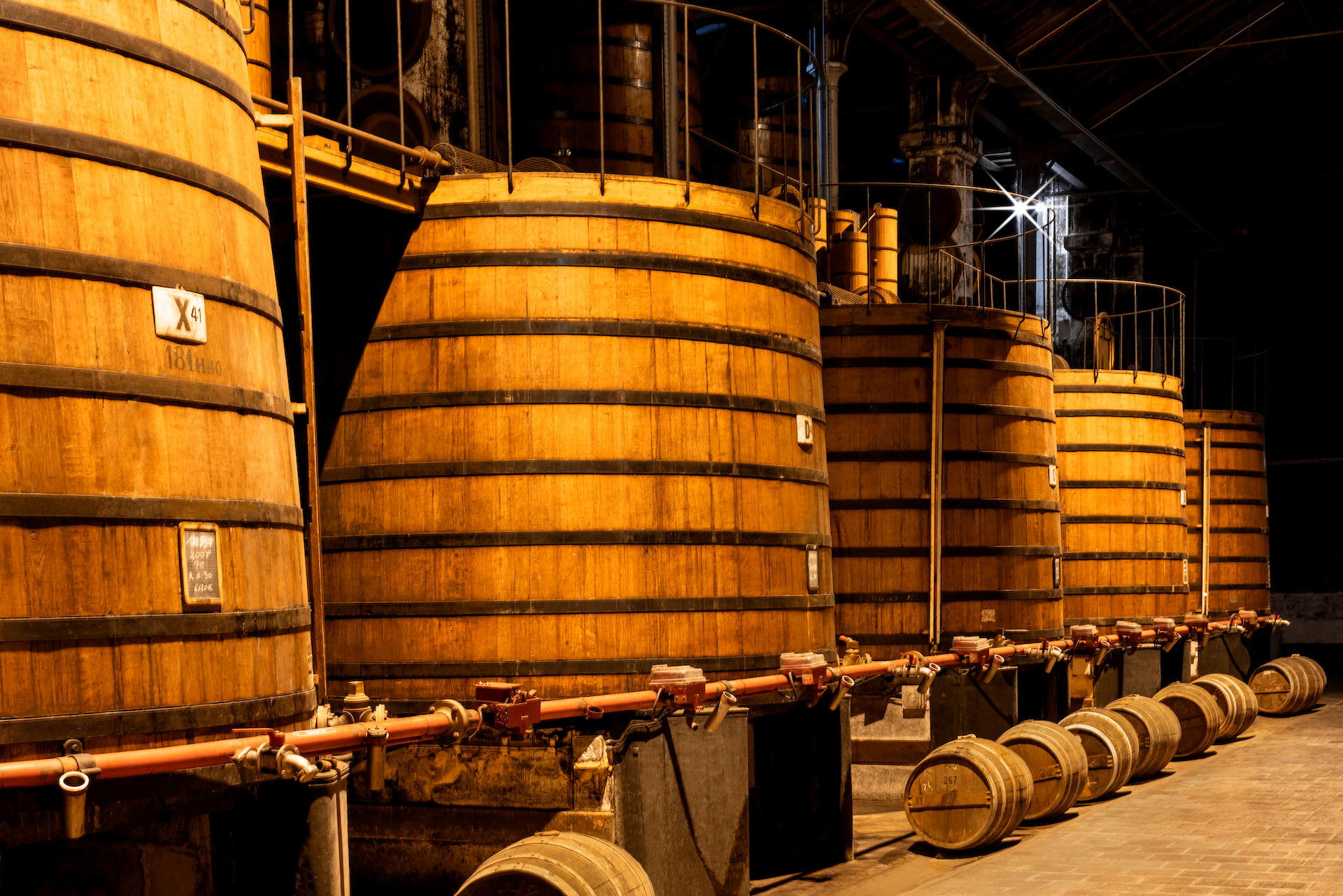
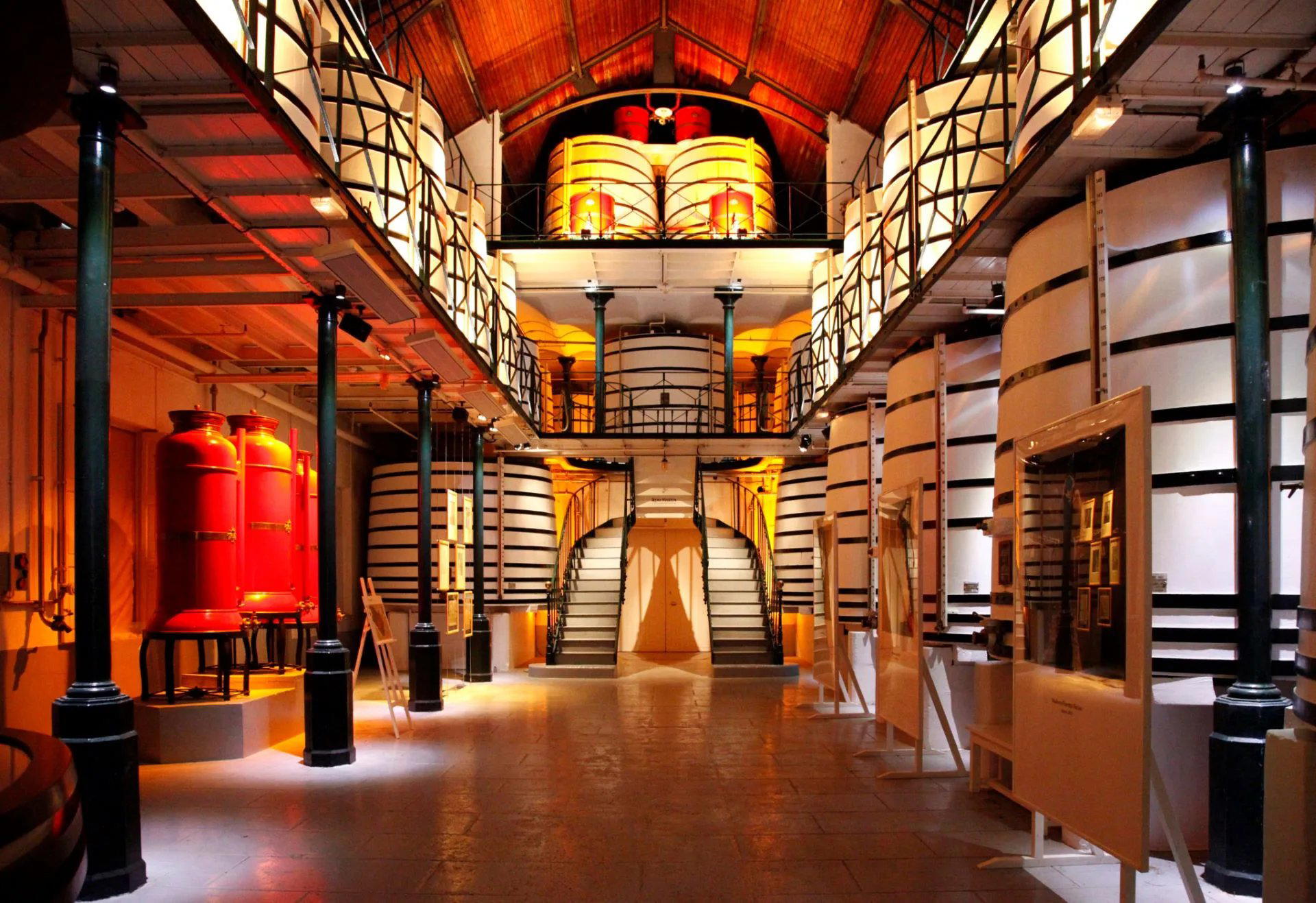
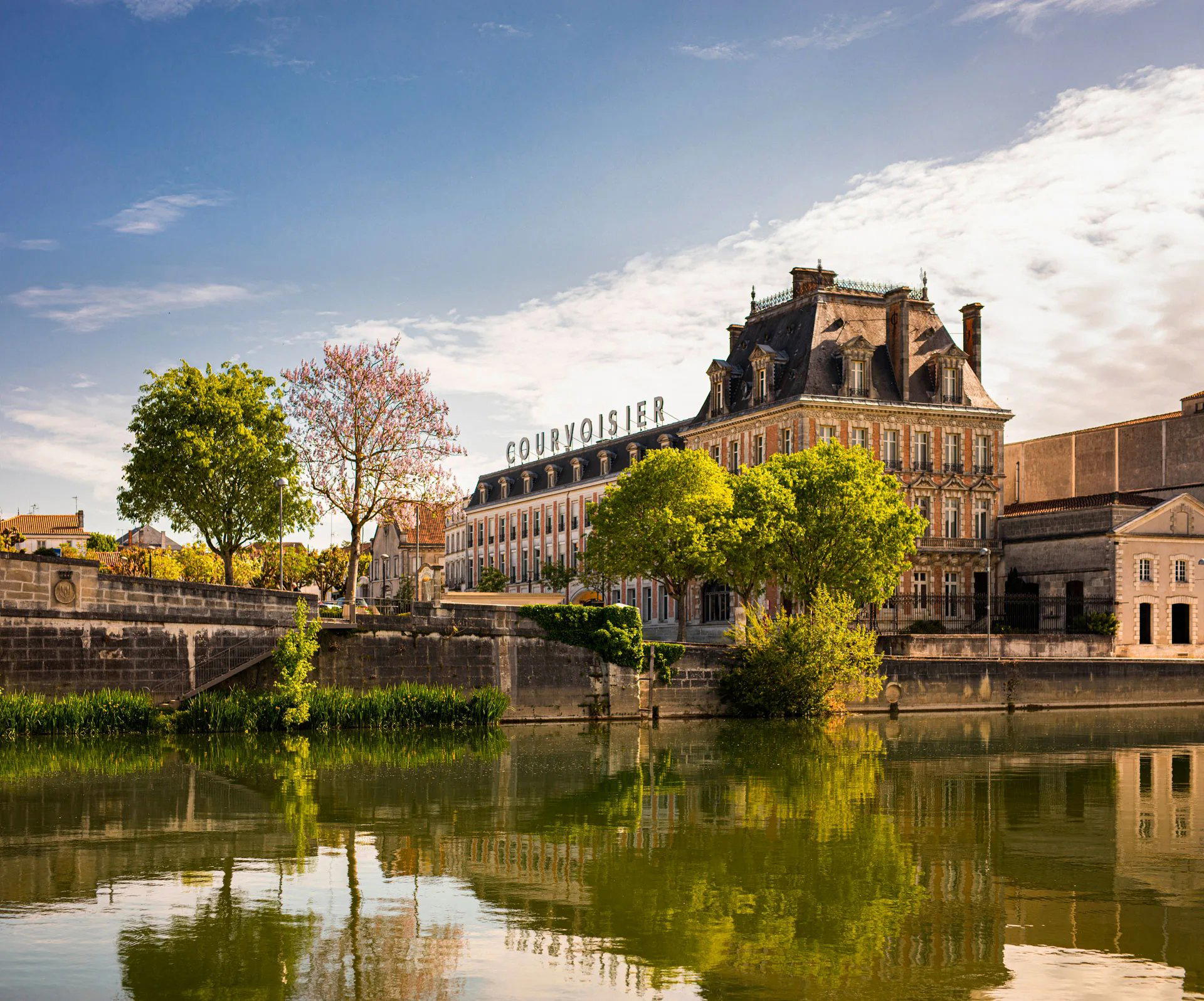
Bars in Cognac
Browse all →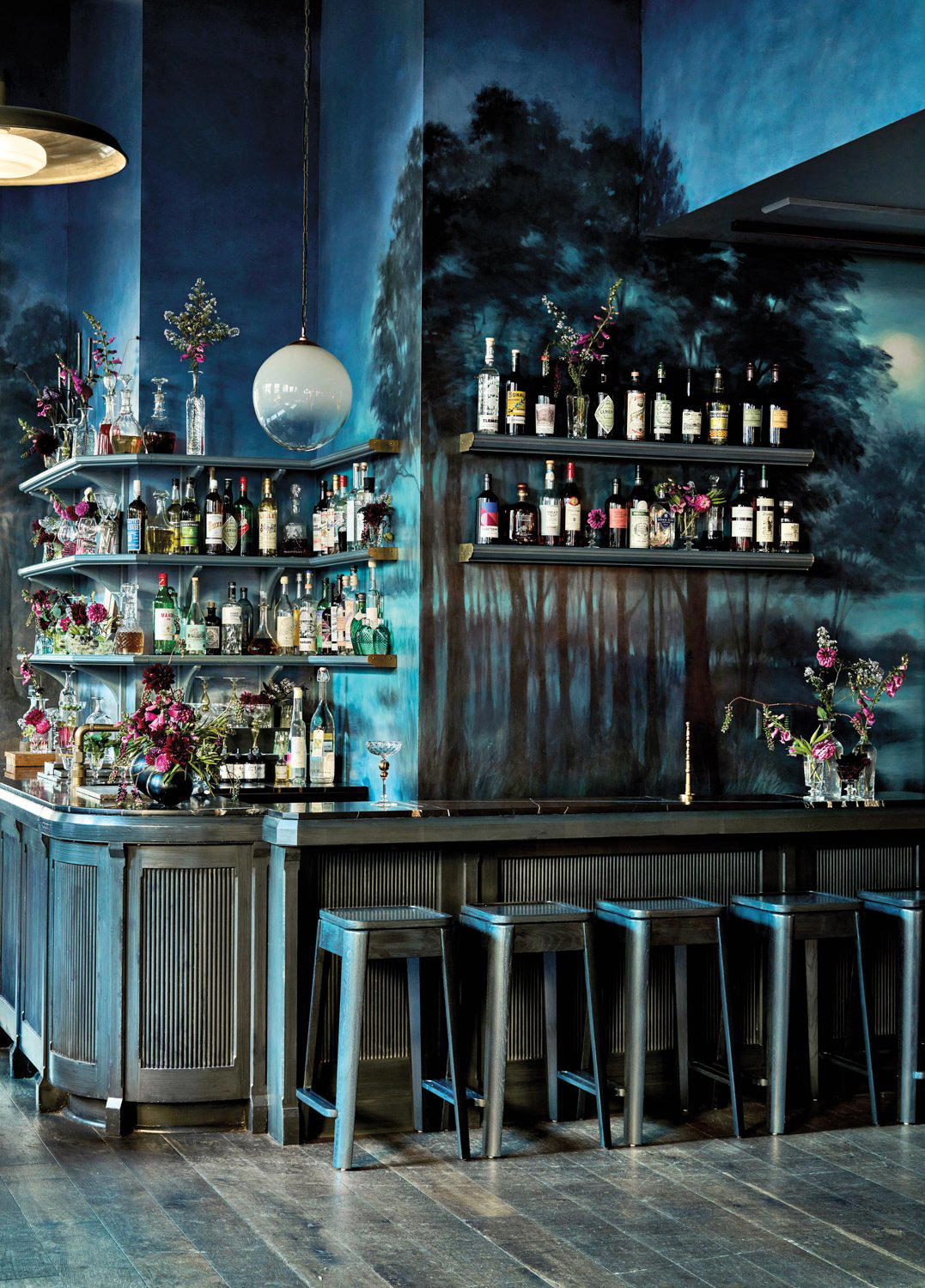
Restaurants in Cognac
Browse all →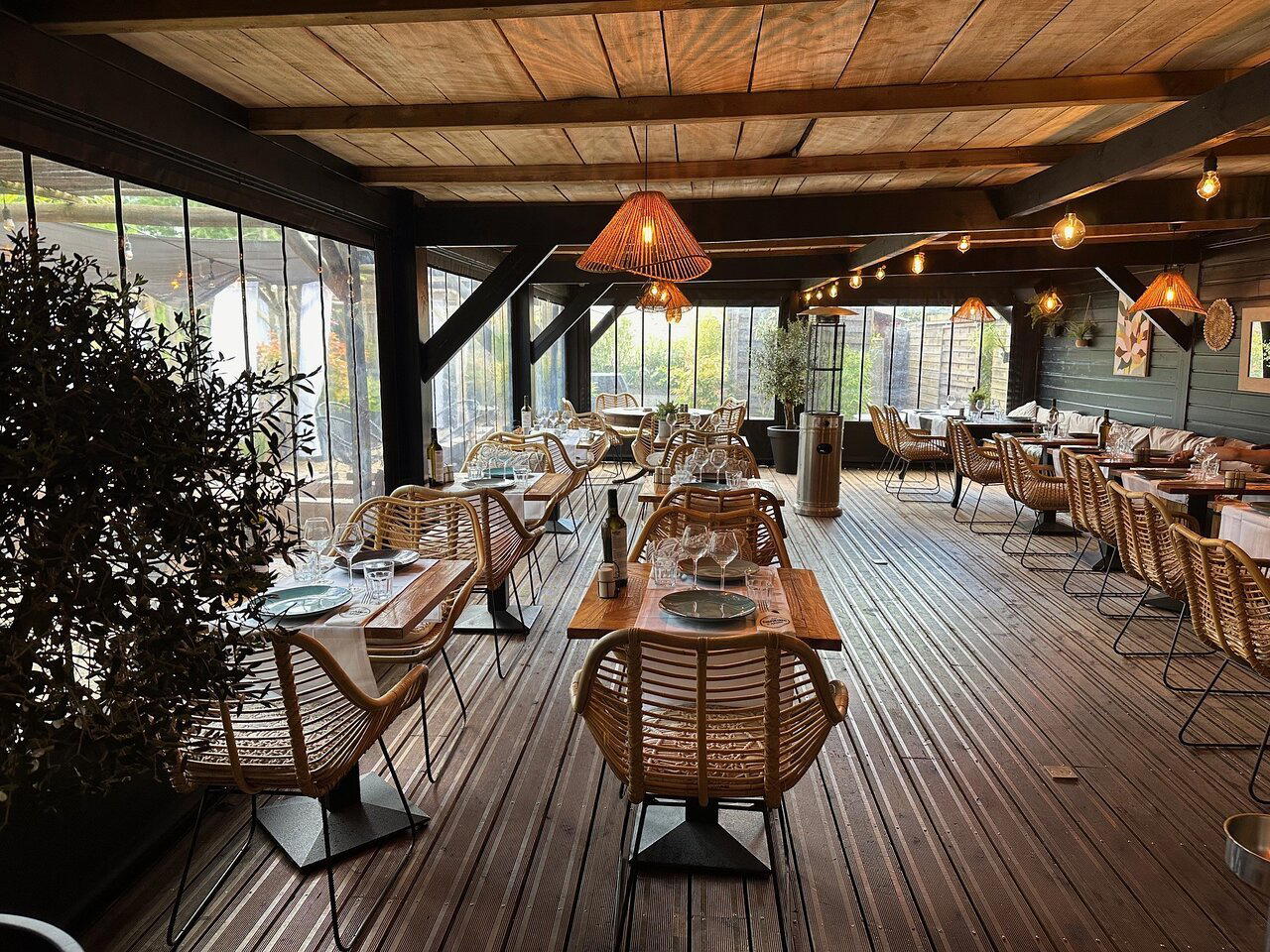
Details
- Well Known
- Elegant
- Sophisticated
- Historic
- Wine Education
- Special Occasion
- Group Outing
- Historic Building
- Private Tasting
- Barrel Room
- Ugni Blanc
- Fortified
- Guided Tasting
- Cognac Tasting
- English
- French
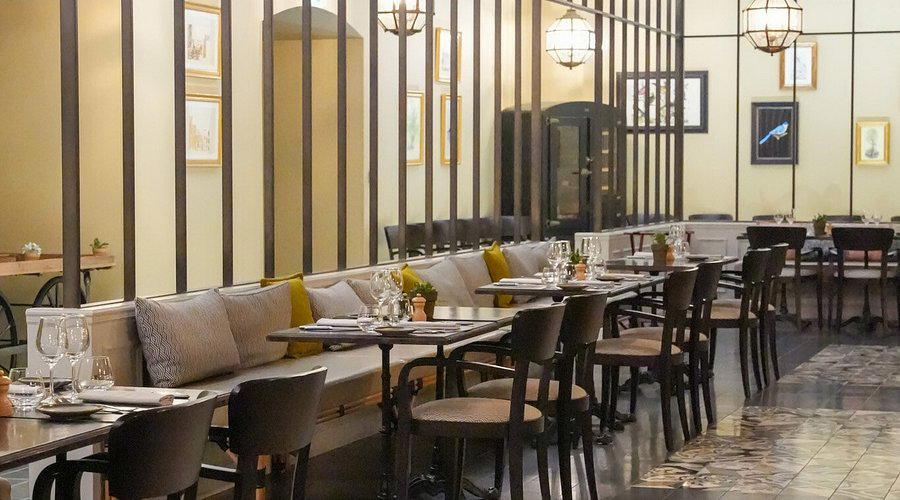
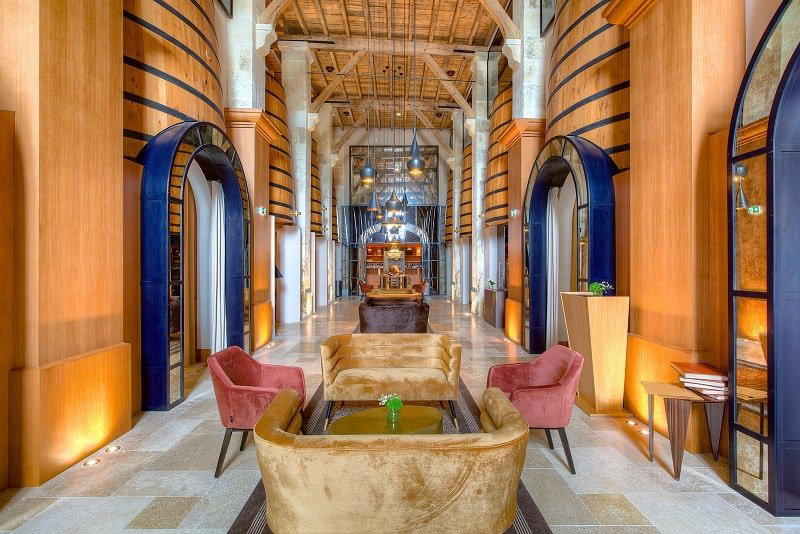
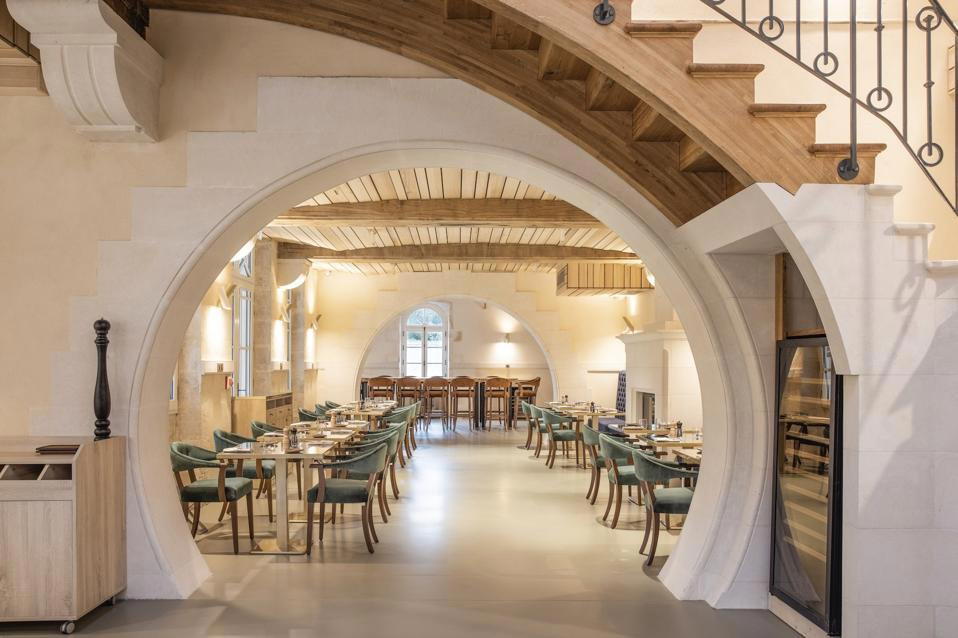
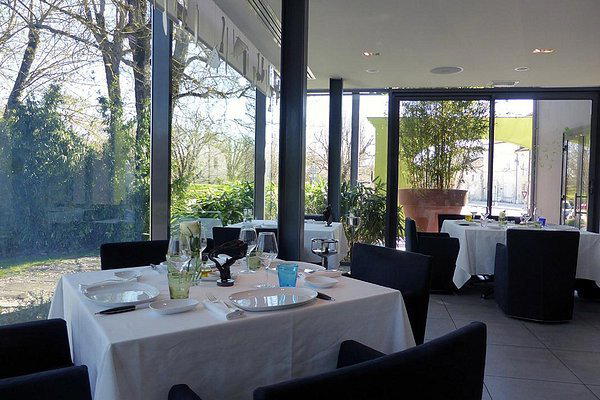
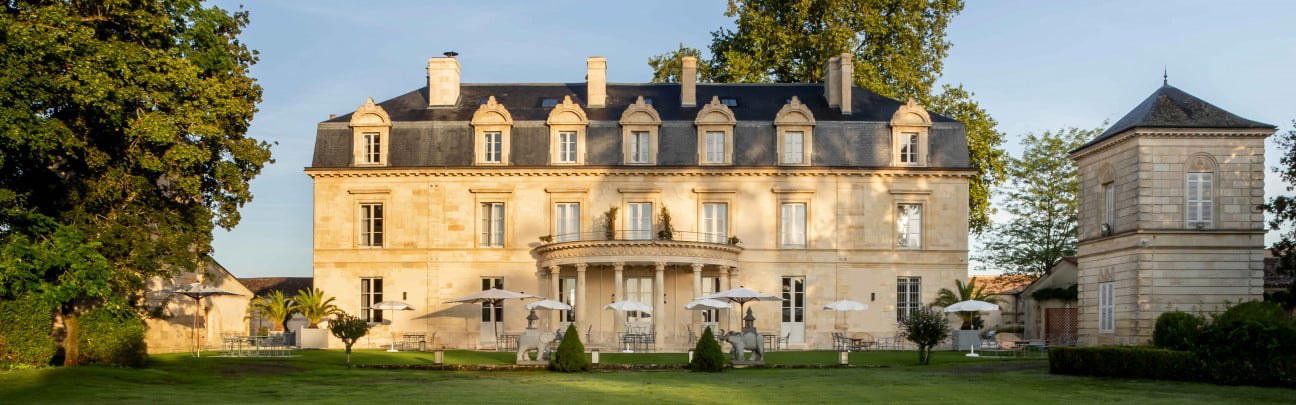
Elegant and sophisticated with modern audio-visual presentations, atmospheric cellars, and professional tastings in a luxurious visitor center.