
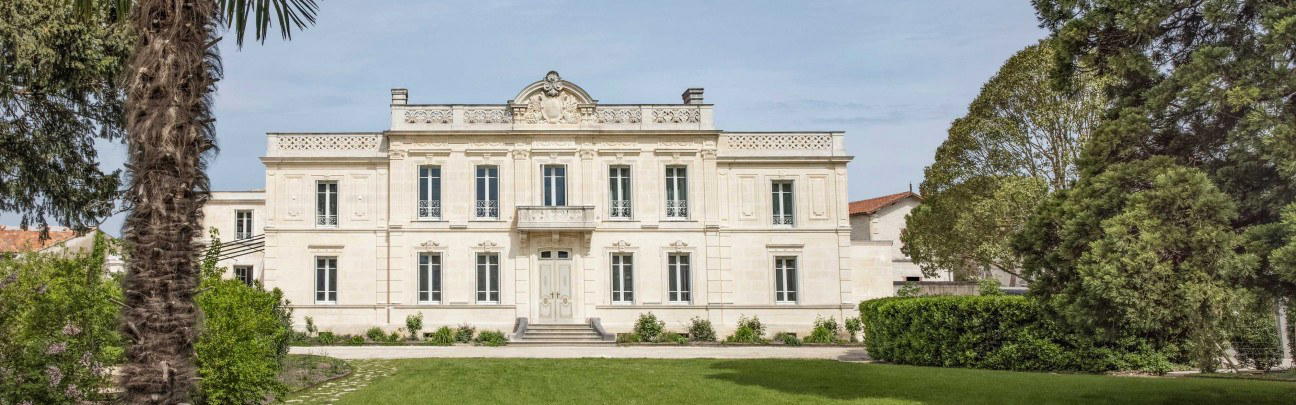
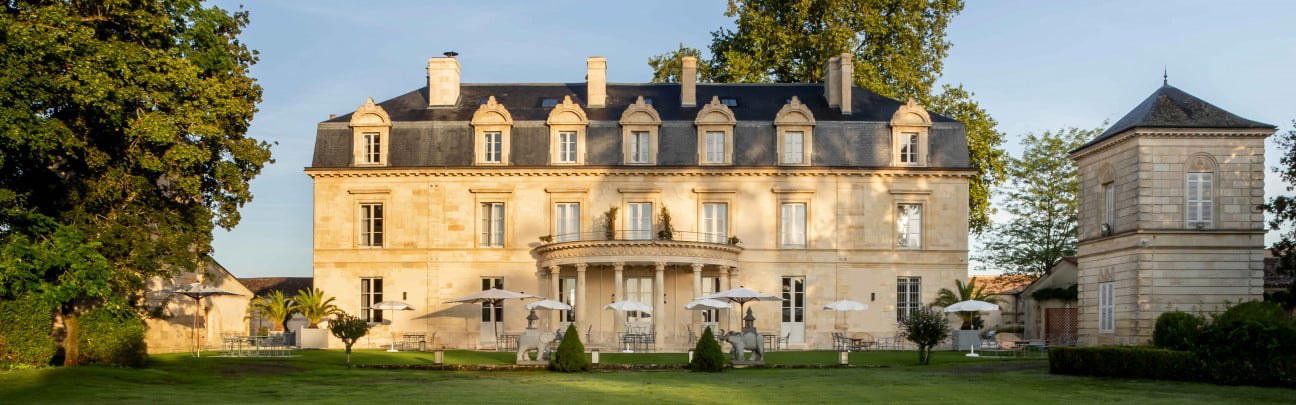
The oldest family-owned cognac house still operating in the town that gave the spirit its name, Camus sits at 29 Rue Marguerite de Navarre with a 2025 Pearl 2 Star Prestige award to its name. For visitors drawn to the Charente's distilling tradition, it represents a counterpoint to the major négociant houses, a producer where family continuity and estate ownership shape what ends up in the bottle.
Pearl is the En Primeur Club membership app — saves, bookings, and concierge access live there. Same editors, same standards.
- Address
- 29 Rue Marguerite de Navarre, 16100 Cognac
- Phone
- +33 5 45 32 28 28
- Website
- camus.fr
 Saves & bookings on Pearl
Where the Charente Makes Itself Known
Walk through the centre of Cognac on a cool morning and the air does something distinctive: a faint sweetness, faintly woody, hovers at street level. Locals call it la part des anges, the angels' share, the vapour that escapes from the thousands of barrels ageing in the town's stone warehouses. It is an olfactory argument for terroir that no tasting note can replicate. At 29 Rue Marguerite de Navarre, Camus Cognac occupies a position inside that sensory world rather than at a remove from it. The address is not peripheral; it sits within the town's historic core, where the cognac trade has organised itself around the Charente river since the 17th century.
The broader cognac appellation is one of the most geographically specific spirits designations in France, legally tied to six growing crus within the Charente and Charente-Maritime departments. The Grande Champagne and Petite Champagne zones, named for their chalky soils rather than any connection to northern France's sparkling wine region, produce eaux-de-vie with the longest ageing potential. Borderies, the smallest cru, delivers earlier-maturing spirits with a rounder, nuttier profile. Understanding which crus a house draws from is the single most useful piece of information a visitor can carry into any tasting.
Family Ownership in a Trade Dominated by Conglomerates
The cognac category is unusual among premium French spirits in that four houses, Hennessy, Martell, Rémy Martin, and Courvoisier, account for the overwhelming majority of global volume. Each is now owned by a multinational luxury or spirits group. Camus operates in a different register: it is the largest family-owned cognac house that remains independent, which in a trade this consolidated is a structural distinction rather than a marketing claim. Independence matters in spirits production because it affects sourcing decisions, ageing timelines, and the degree to which short-term commercial pressure shapes what reaches the bottle.
That independence places Camus in a comparable set alongside smaller, allocation-driven producers rather than alongside the four major houses, despite occupying a middle tier in terms of production scale. Its 2025 Pearl 2 Star Prestige award from EP Club confirms that positioning at the premium end of the independent cohort, the kind of recognition that signals consistent quality rather than occasional outlier bottles.
Terroir Expression in Cognac: What the Soil Actually Does
Cognac's terroir argument is older and better documented than the new-world spirits terroir discourse that has emerged over the past decade. The Ugni Blanc grape, high-acid, low-alcohol, barely drinkable as a table wine, is the principal variety across the appellation, and its character shifts measurably depending on the chalk content beneath it. Grande Champagne soils are thin, friable, and calcium-rich; they stress the vine into producing concentrated juice that, after double distillation in Charentais pot stills and years in Limousin or Tronçais oak, acquires the floral, slow-developing complexity the region prizes most. Borderies clay-chalk soils produce something earthier and faster to round out.
For a house like Camus, with estate vineyards across multiple crus, the sourcing map is a creative instrument as much as a logistical one. The proportion of Grande Champagne to Fins Bois to Borderies in any given blend determines the ageing trajectory and the eventual sensory profile. This is the same logic that governs how Burgundy houses think about village versus premier cru sourcing, except that in cognac, the transformation of the base material through distillation and long wood contact adds further variables that a winemaker in the Côte d'Or never has to account for. The comparison is useful because it frames cognac not as a category separate from the fine wine world but as a tradition that has always shared the same foundational respect for place. Producers like Albert Boxler in Niedermorschwihr or Château Bastor-Lamontagne in Preignac operate inside the same logic, land character expressed through a production process that amplifies rather than erases it.
The Town as Context
Cognac the town is modest in scale and serious in purpose. Unlike Bordeaux, which has built a significant wine tourism infrastructure around its châteaux and the our full Cognac restaurants guide points to the surrounding region's food culture, Cognac itself is compact enough to cover in two days. The major houses cluster along and near the Charente, and most offer cellar visits or heritage tours. What distinguishes a visit to Camus from a tour of one of the larger houses is largely a matter of scale: smaller operations typically allow more direct contact with production spaces and a less choreographed experience overall.
Visiting during the autumn harvest period, roughly September through October, puts you inside the production calendar in a way that a mid-summer visit cannot. The distillation season runs from November through March by French law, which means a November visit coincides with active stills, a different atmosphere entirely from the cellar-only tours available outside that window. Chartreuse in Voiron operates on a similarly seasonal production calendar, and the principle holds across French spirits houses: timing a visit around active production yields a different depth of experience than a warm-weather tasting-room appointment.
Placing Camus in the Broader French Spirits Context
Premium French spirits production has diversified considerably over the past two decades, with Armagnac, Calvados, and regional eau-de-vie producers all drawing increased international attention. Cognac maintains its position as the highest-volume premium category, but within that the quality signal has become more granular. Houses that hold verified awards, like Camus's 2025 Pearl 2 Star Prestige, occupy a clearer position in the market than those that rely solely on age statements or house reputation. The award structure functions as a reference point that buyers and visitors can use to calibrate expectations before they arrive.
The independent family-ownership model also invites comparison to properties like Château Bélair-Monange in Saint-Emilion or Château Clinet in Pomerol, estates where continuity of ownership is itself an argument for the consistency of the product over time. In the Médoc, that logic extends to properties like Château Boyd-Cantenac in Cantenac and Château Cantemerle in Haut-Médoc. Across categories, long-held family ownership tends to correlate with slower commercial decision-making and, in spirits particularly, with a willingness to hold stock longer before release. For visitors with interest in whisky as well as cognac, that same patience-driven production philosophy runs through other spirit houses, where extended cask maturation often defines the house style.
Planning a Visit
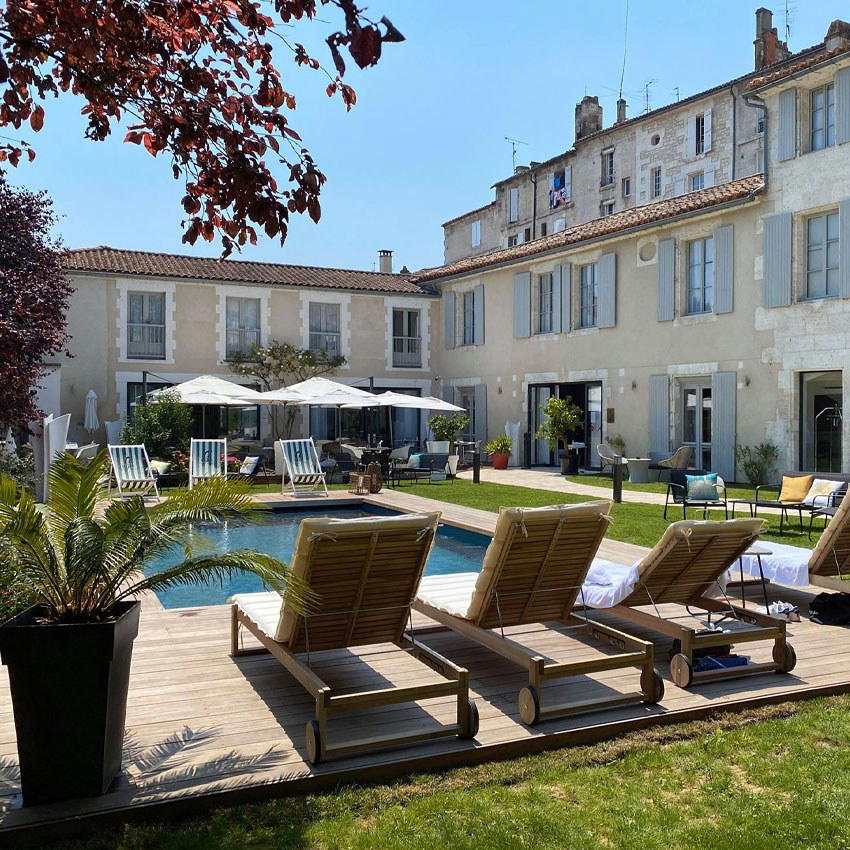
Camus Cognac is located at 29 Rue Marguerite de Navarre in central Cognac. For the most direct information on visit formats and tasting appointments, the address puts it within walking distance of the town's other major house visits, making it easy to combine in a single itinerary. Given the seasonal nature of cognac production, contacting the house ahead of travel will clarify what is accessible. An overnight stay gives more time to move between the town's producers without feeling pressed for time.
In Context: Similar Options
Comparable venues nearby, for context on price, style, and recognition.
| Venue | Cuisine | Price | Notes |
|---|---|---|---|
| Camus CognacThis venue — the venue you are viewing | Borderies | $$$ | |
| Hennessy | ugni_blanc | $$$$ | Cognac |
| Rémy Martin | ugni blanc | $$$$ | Cognac |
| Martell | Cognac | $$$ | |
| Château Canon-la-Gaffeliere | Merlot, Cabernet Franc | $$$ | Saint-Émilion |
| Château Gloria | Cabernet Sauvignon, Merlot | $$$ | Saint-Julien-Beychevelle |
At a Glance
- Elegant
- Classic
- Sophisticated
- Intimate
- Wine Education
- Special Occasion
- Private Tasting
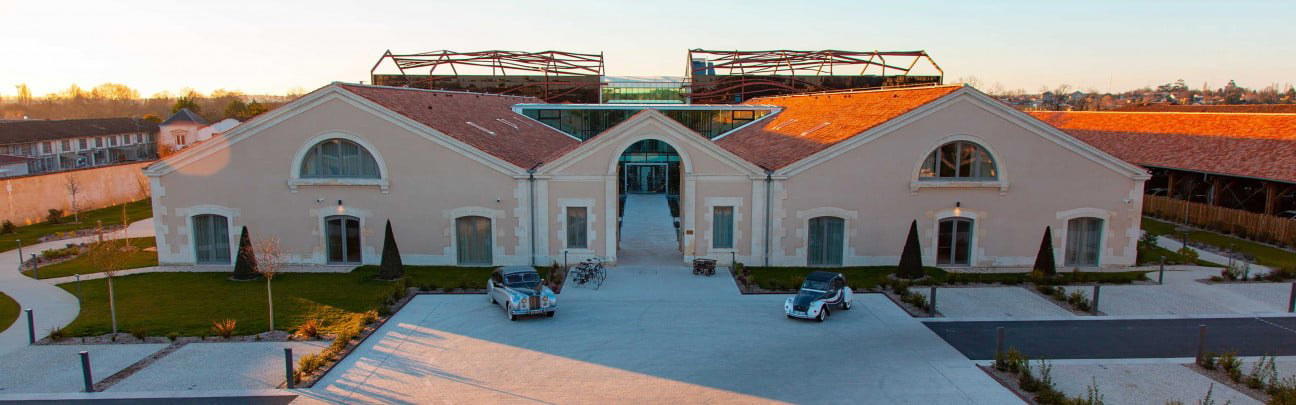
- Historic Building
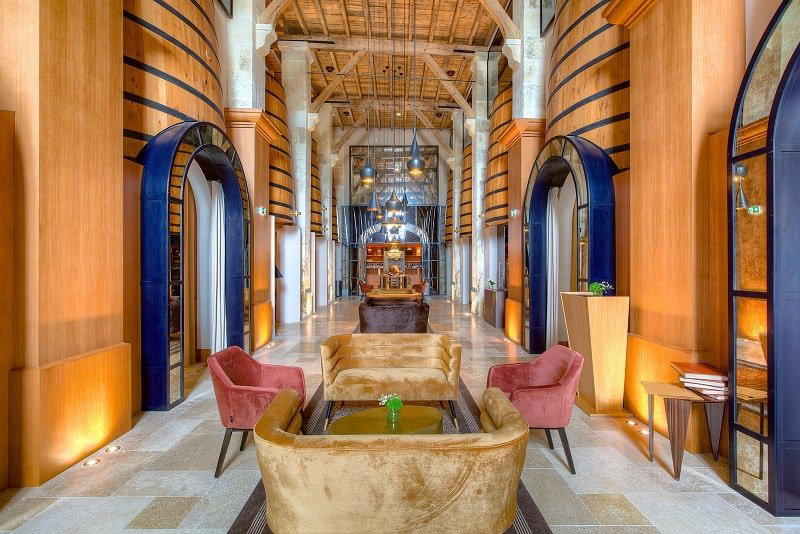
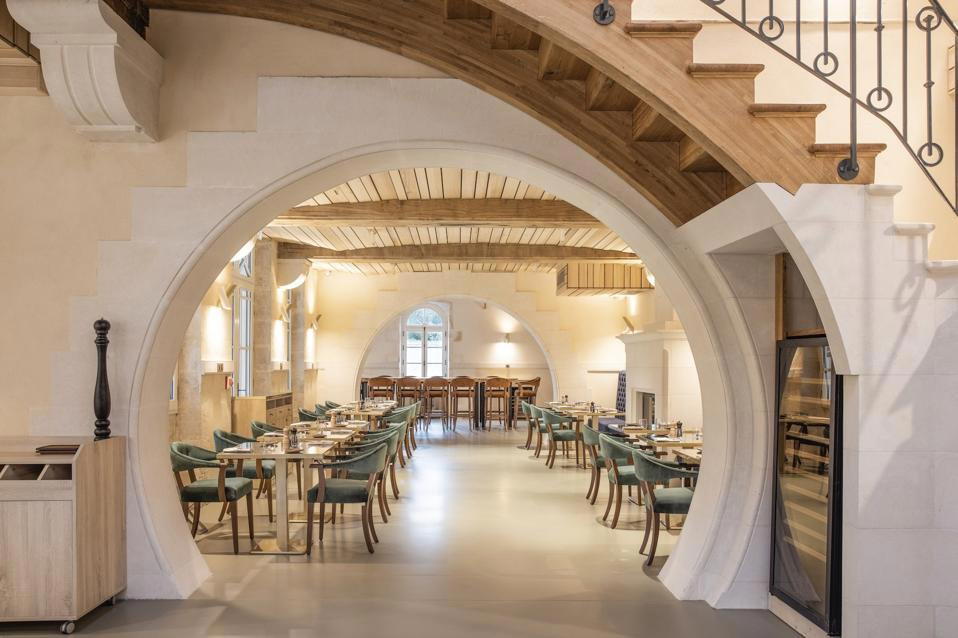
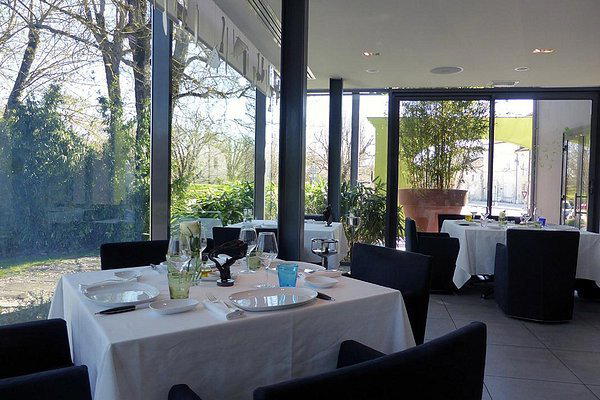
Well-decorated and comfortable tasting room with knowledgeable staff providing an elegant and informative atmosphere.