
Falstaff Winery - 5 Stars
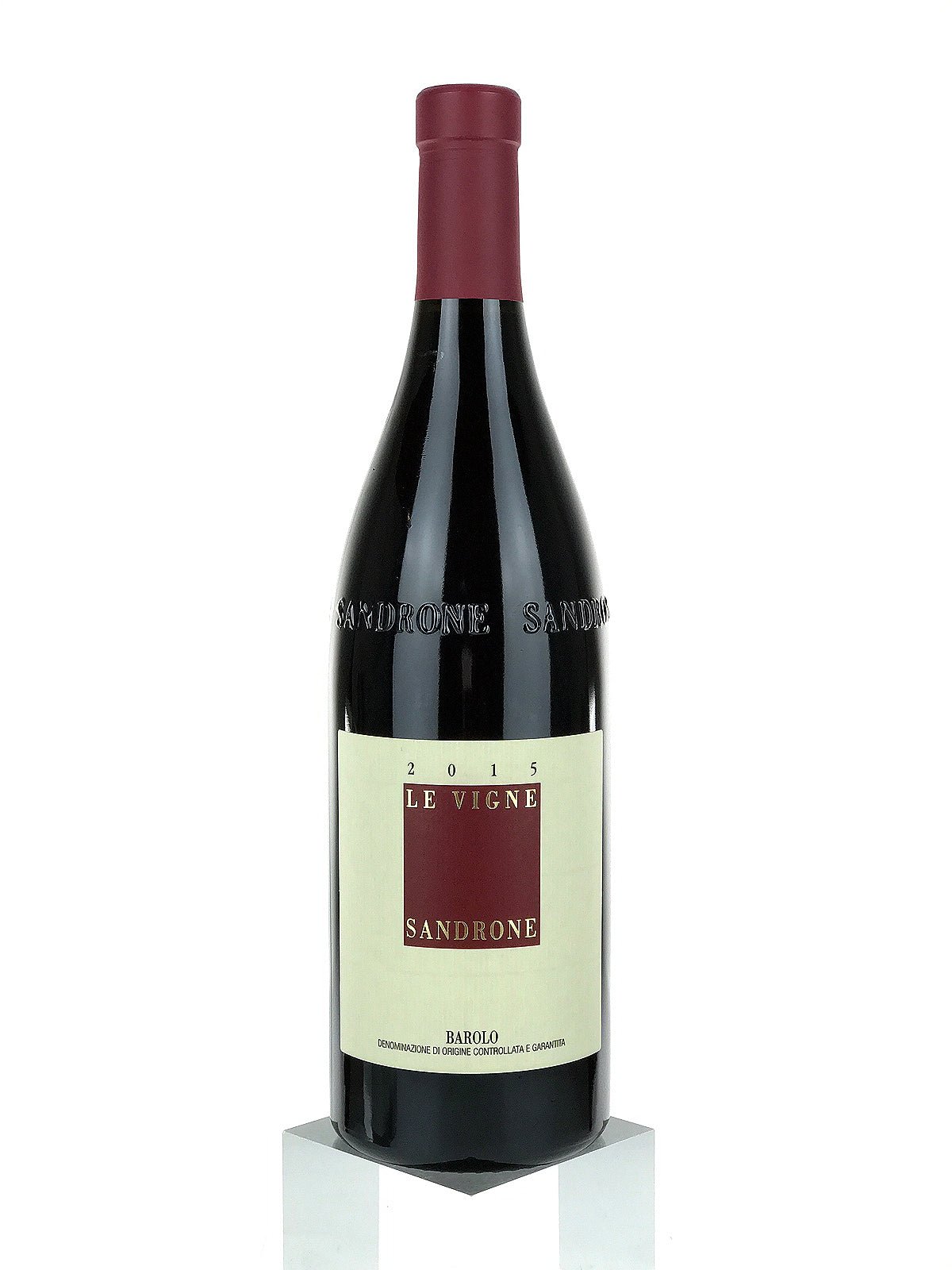
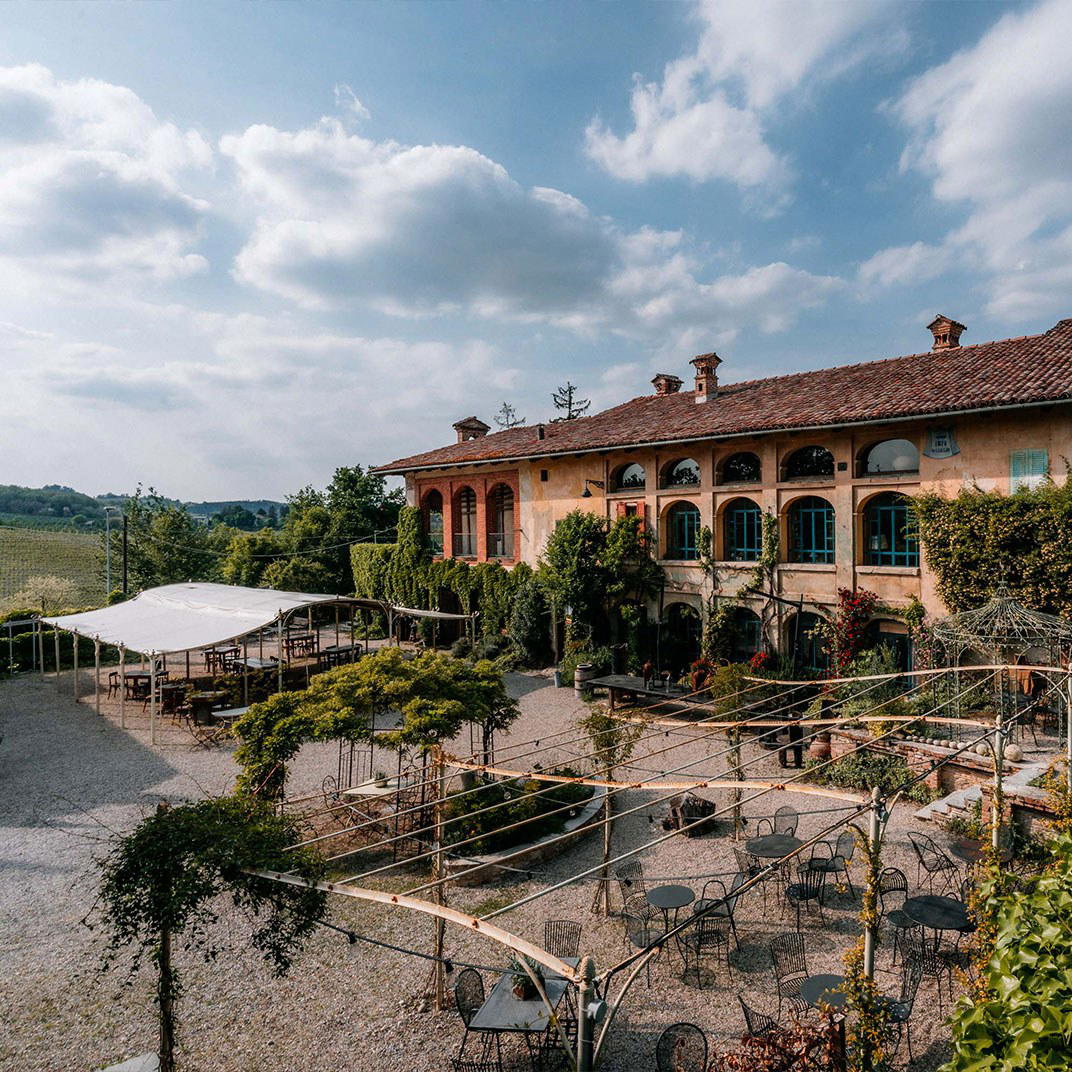
Luciano Sandrone sits at Via Pugnane, 4 in the village of Barolo. The winery occupies one of Nebbiolo's most demanding appellations, where Cannubi and Vite Talin vineyard sites translate limestone-clay geology into wines of structural precision. For those visiting the Barolo wine zone, it represents a direct encounter with the appellation's terroir-driven upper tier.

Pearl is the En Primeur Club membership app — saves, bookings, and concierge access live there. Same editors, same standards.
- Address
- Via Pugnane, 4, 12060 Barolo CN
- Phone
- +39 0173 560023
- Website
- sandroneluciano.com
- Directions
- Get directions
Where the Hillside Speaks Before the Wine Does
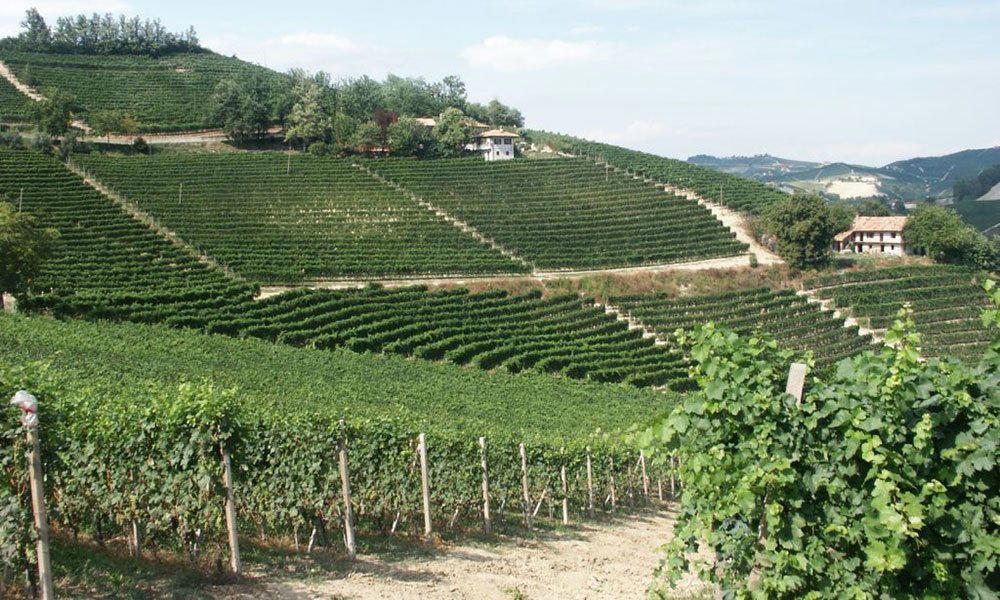
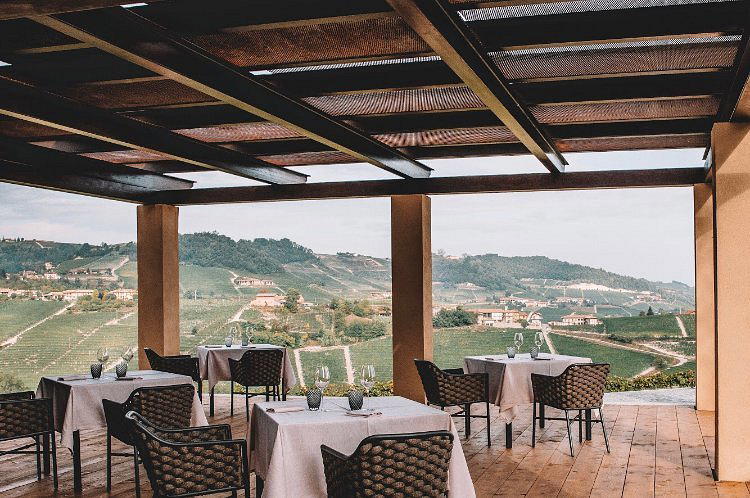
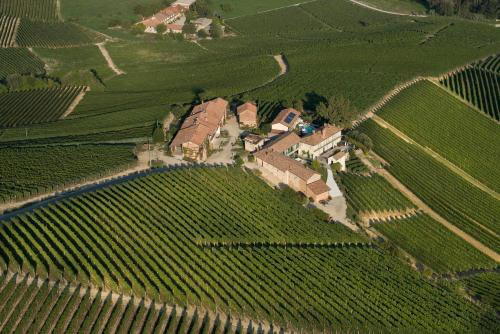
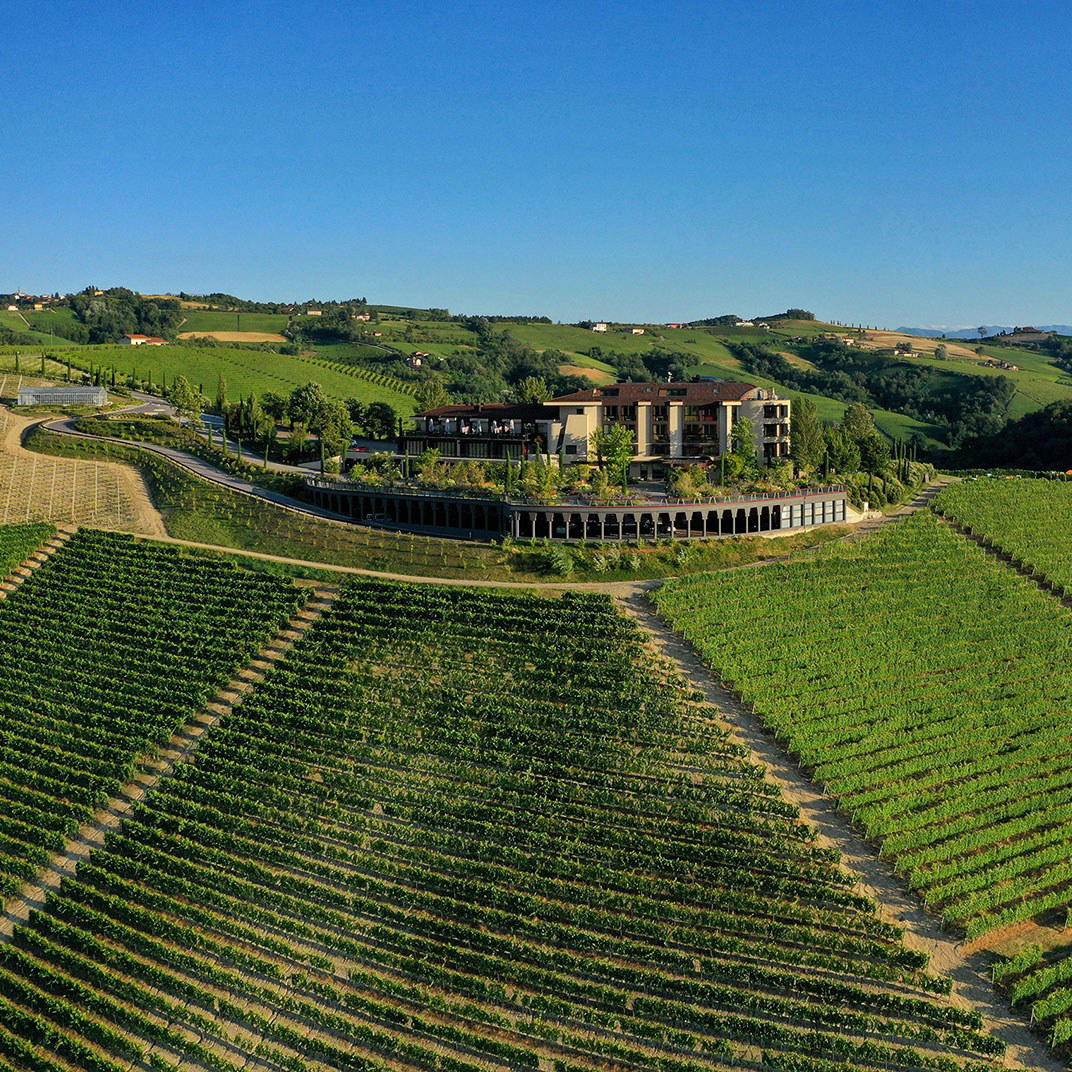
The approach to Barolo village along the ridge road from La Morra prepares you for something before you arrive anywhere in particular. The Langhe hills fold and re-fold, each south- and southwest-facing slope catching afternoon light at a slightly different angle, the clay-limestone soils visible in pale cuts along the roadside. By the time you reach Via Pugnane, you have already absorbed the argument the land is making: that place, not producer, is the primary author of what ends up in the glass. Luciano Sandrone, addressed at Via Pugnane, 4, makes wines that accept that premise without apology.
That recognition sits alongside a broader truth about the Barolo appellation: recognition at this level tends to follow producers who have committed to specific vineyard sites over decades and allow those sites to determine the wine's architecture rather than the other way around.
The Geology Behind the Glass
Barolo's internal diversity is one of the most discussed and least resolved debates in Italian wine. The appellation spans roughly 1,800 hectares across eleven communes, but the soil composition shifts markedly across even short distances. The western communes, including Barolo village itself, sit on Tortonian soils: older, more compact limestone-clay (locally called Helvetian), which produce wines with tighter structure and finer tannins that typically need more time to open. The eastern communes, centred on Serralunga d'Alba, rest on Helvetian-era soils with higher calcium and sand content, giving wines with even more vertical tension and slower evolution.
Luciano Sandrone draws from Cannubi Boschis, now classified under the broader Cannubi MGA (Menzione Geografica Aggiuntiva), and from the Vite Talin vineyard in Novello. Cannubi is among the most debated sites in the appellation: its gentle slope, central position, and mixed Tortonian geology have made it a reference point for Barolo's house style for well over a century. Wines from that specific parcel carry a mid-weight density and aromatic precision that distinguishes them from the larger-scale, more austere expressions that emerge from steeper Helvetian sites. The point is not hierarchy but difference — Cannubi produces a particular kind of argument about terroir, and Sandrone's sourcing from it positions the winery directly inside that argument.
Across the Langhe and the broader world of Italian fine wine, the move toward vineyard-specific bottlings has accelerated since the MGA classification system was formalised. Producers from Aldo Conterno in Monforte d'Alba to addresses in Montalcino such as L'Enoteca Banfi and Poggio Antico in Monte San Vito have increasingly centred their identity on discrete parcels rather than blended estate-wide cuvées. The logic in each case is the same: if the site is genuinely distinctive, the clearest expression of that distinctiveness is through wines that do not dilute it with fruit from adjacent but different ground.
Nebbiolo as the Appellation's Instrument
Nebbiolo is one of the most site-sensitive grape varieties cultivated anywhere. Unlike Sangiovese, which retains a recognisable fruit character across the diverse soils of Chianti Classico (where producers like Castello di Volpaia in Radda in Chianti operate) and Montalcino, Nebbiolo's aromatic and structural profile shifts substantially with aspect, altitude, and soil composition. The same variety produces wines of high-toned floral intensity and medium weight on Tortonian ground, and wines of deeper colour, more pronounced tar and iron notes, and denser tannin frames on Helvetian sites. This sensitivity is why Barolo's appellation-level debate is really a soil debate conducted through the medium of Nebbiolo.
Extended maceration and ageing in large Slavonian oak remain the traditional production framework for Barolo, though the duration and vessel choices have been sources of producer-level divergence since the 1980s. The so-called modernist producers shortened maceration and moved to smaller French barriques; the traditionalists held to long skin contact and large botti. Sandrone's approach, broadly documented in Italian wine journalism, has sat between those poles: shorter maceration than the strict traditionalists, but large-format oak rather than barrique, producing wines with fruit accessibility at a younger age than Serralunga's most austere expressions while retaining the structural depth needed for medium-to-long ageing.
That positioning matters for the visitor planning a cellar visit. Barolo at its most tannic and compressed — the kind that rewards twelve to fifteen years of patience, is a different tasting proposition from the same appellation's more approachable expressions. Knowing where a producer sits on that axis shapes what you should expect to encounter at the tasting table.
Placing Sandrone in the Barolo Tier
Within Barolo village's own commune, the reference points are well established: Marchesi di Barolo, one of the appellation's most historically grounded houses, operates from the same village and represents the large-estate end of the spectrum.
Across Italian fine wine more broadly, the 2025 EP Club prestige tier includes producers whose recognition reflects both vineyard specificity and production discipline. Lungarotti in Torgiano represents the Umbrian end of that conversation, while Planeta in Menfi anchors Sicily's claim to premium status. The shared thread is not grape variety or region but a commitment to place-specific production that gives critics and collectors a coherent point of reference.
For the visitor choosing between Barolo's producers during a Langhe itinerary, Sandrone's profile suggests a visit well suited to those already oriented toward vineyard-level terroir discussion rather than a broad appellation overview. The wines are a specific argument about Cannubi and Novello ground; the tasting experience follows from that premise.
Planning a Visit to Via Pugnane
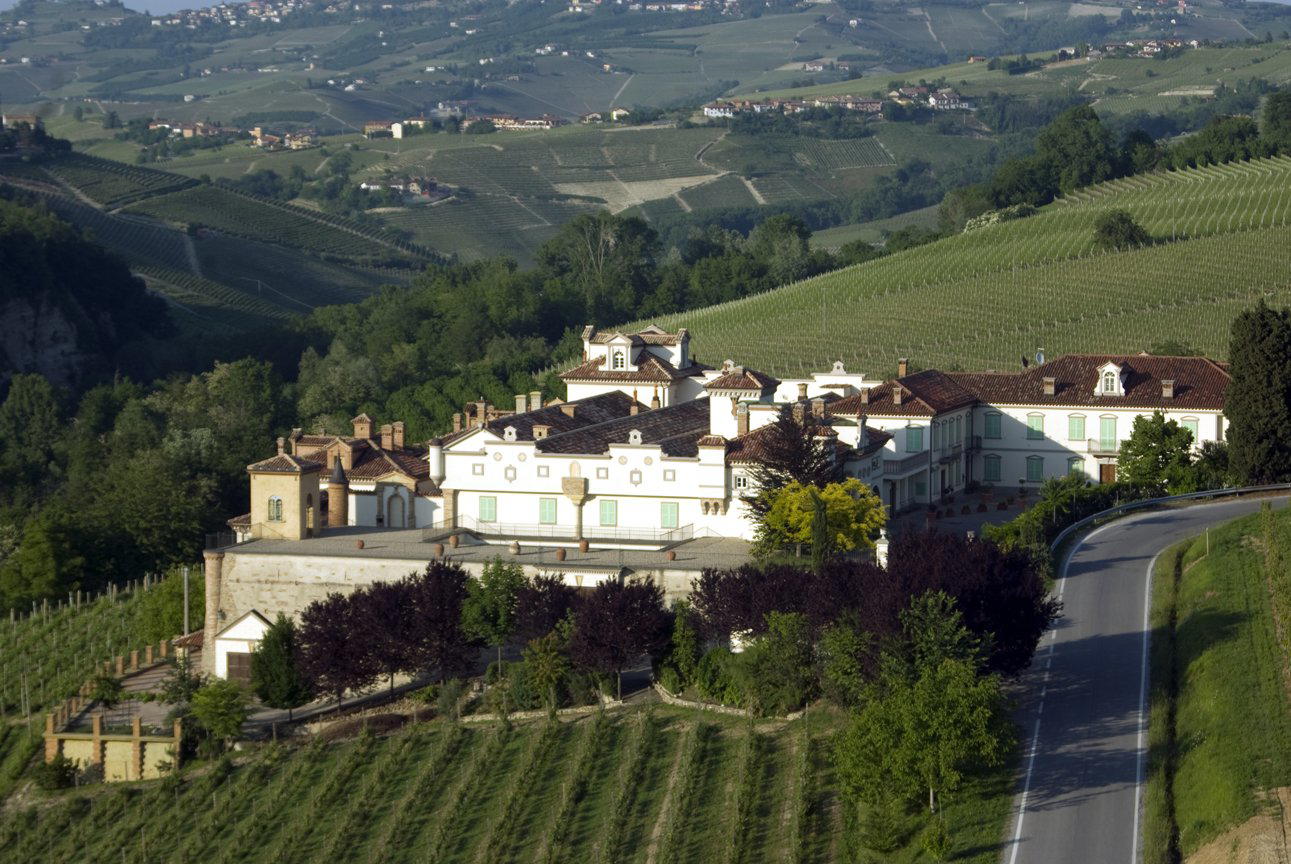
Barolo village sits in the southern Langhe, roughly forty kilometres southeast of Turin and accessible by car from Alba in under twenty minutes. The village has no rail connection; a hire car from Alba or Cuneo airport is the standard approach. Via Pugnane runs along the western edge of the village, within walking distance of the central Piazza Colbert and the regional Enoteca Regionale del Barolo, which offers a broader appellation survey useful either before or after a producer visit.
Given the winery's recognition level and the Langhe's position as one of Italy's most-visited wine zones, particularly between September harvest and November truffle season, advance contact before arriving is advisable. The October and November window aligns cellar visits with the white truffle markets in Alba, making the logistics of a multi-producer itinerary worth planning several months ahead.
Those building a wider Italian fine wine itinerary around the Sandrone visit might consider pairing it with a stop at one of Italy's northern spirits producers. Nonino Distillery in Pavia di Udine and Distilleria Marzadro in Nogaredo represent grappa's artisan upper tier, while Distilleria Romano Levi in Neive operates from the Langhe itself, making it a logical addition to a Barolo-centred programme. For those extending to Franciacorta, Ca' del Bosco in Erbusco anchors the northern Italian sparkling wine conversation at the quality end. Further afield in California's wine country, Accendo Cellars in St. Helena draws a comparable line between Napa terroir and restraint-led production. For more on what to do and taste in the Langhe, see our full Barolo restaurants guide.
Comparable Spots, Quickly
Comparable venues nearby, for context on price, style, and recognition.
| Venue | Cuisine | Awards | Notes |
|---|---|---|---|
| Luciano SandroneThis venue — the venue you are viewing | Nebbiolo, Barbera | Falstaff Winery - 5 Stars | Not listed |
| Marchesi di Barolo | Nebbiolo, Arneis | World's 50 Best #80 · Falstaff Winery - 3 Stars | Barolo |
| Cavallotto | Nebbiolo, Barbera | Falstaff Winery - 5 Stars | Castiglione Falletto |
| Distilleria Romano Levi | Nebbiolo, Barbera | Not listed | Neive |
| Brovia | Nebbiolo, Dolcetto | Falstaff Winery - 4 Stars | Castiglione Falletto |
| Giacomo Conterno | Nebbiolo, Barbera | Falstaff Winery - 5 Stars | Serralunga d'Alba |
Recognition history
Dated appearances from independent guides and award organizations, with the underlying list record or original source where available.
Falstaff Winery - 5 Stars
Falstaff
Continue exploring
More in Barolo
Wineries in Barolo
Browse all →
Bars in Barolo
Browse all →
Restaurants in Barolo
Browse all →
Details
- Elegant
- Rustic
- Classic
- Intimate
- Wine Education
- Special Occasion
- Vineyard Tour
- Cave Tasting
- Sustainable
- Vineyard
- Nebbiolo
- Barbera
- Dolcetto
- Still Red
- Estate Tasting