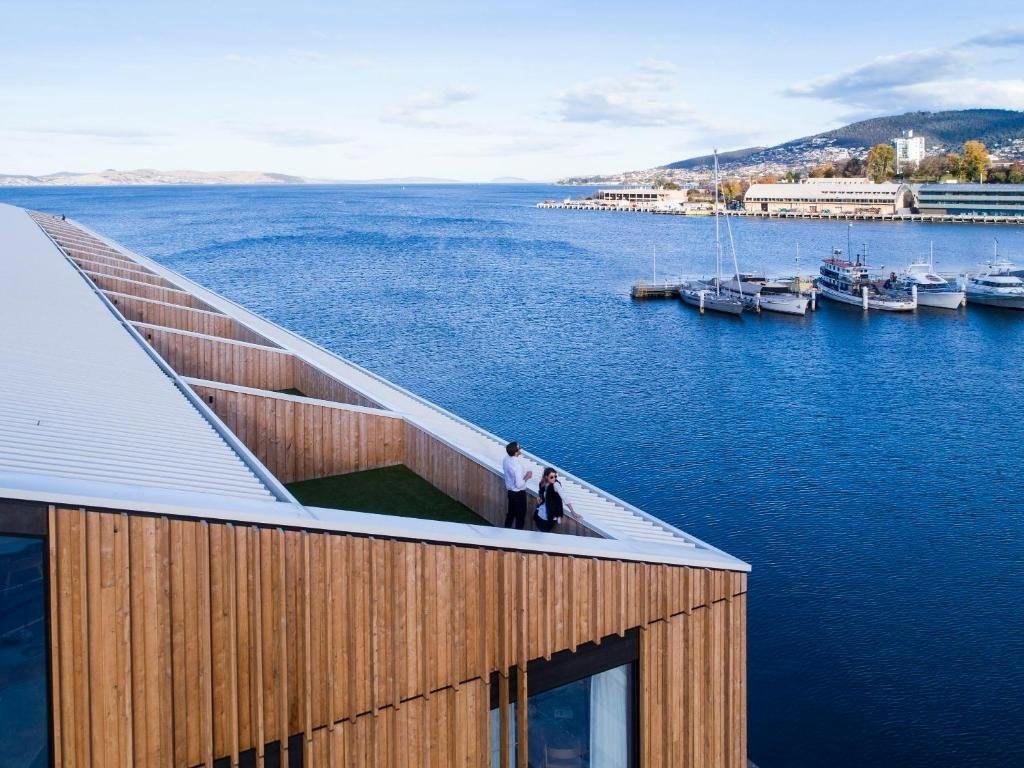
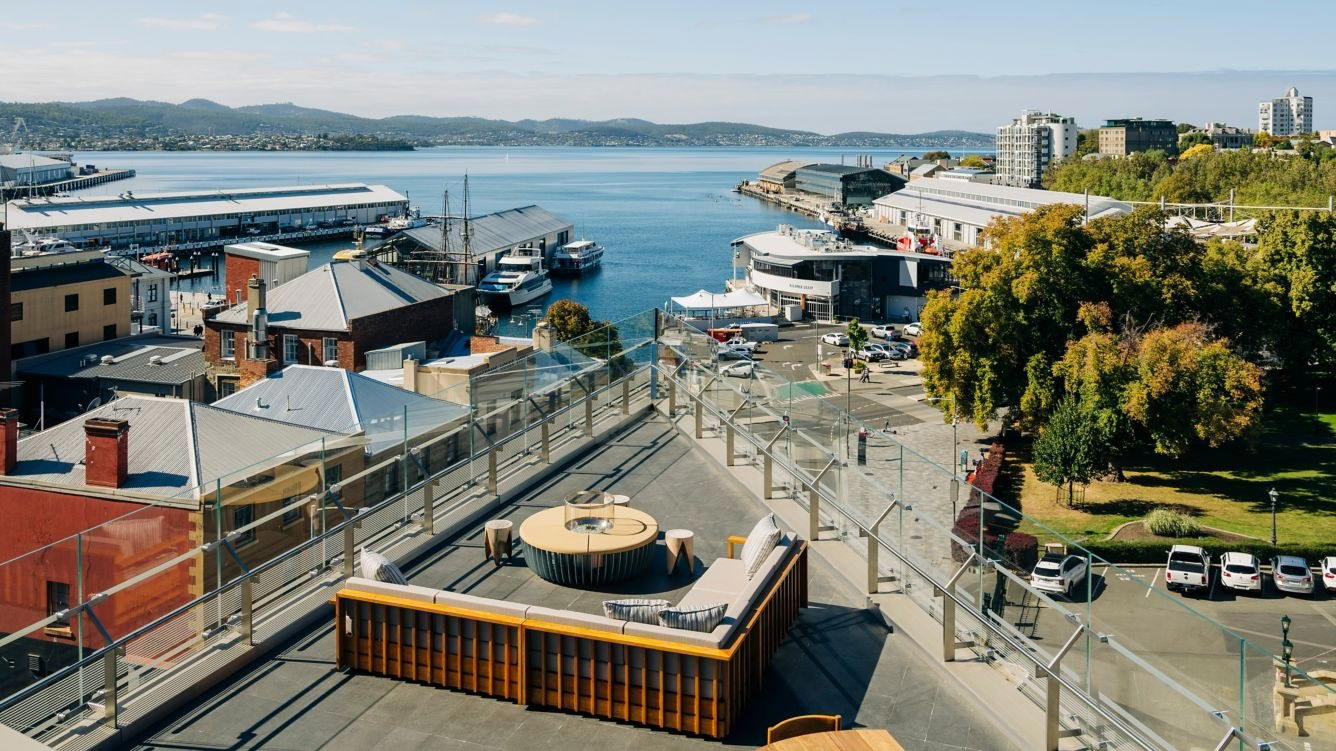
Lark sits in Pontville, Tasmania. Tasmania's cool-climate conditions shape everything here, from the pace of ripening to the intensity of the finished product. For travellers prepared to make the drive south of Hobart, the address at 76 Shene Rd rewards the effort.
About
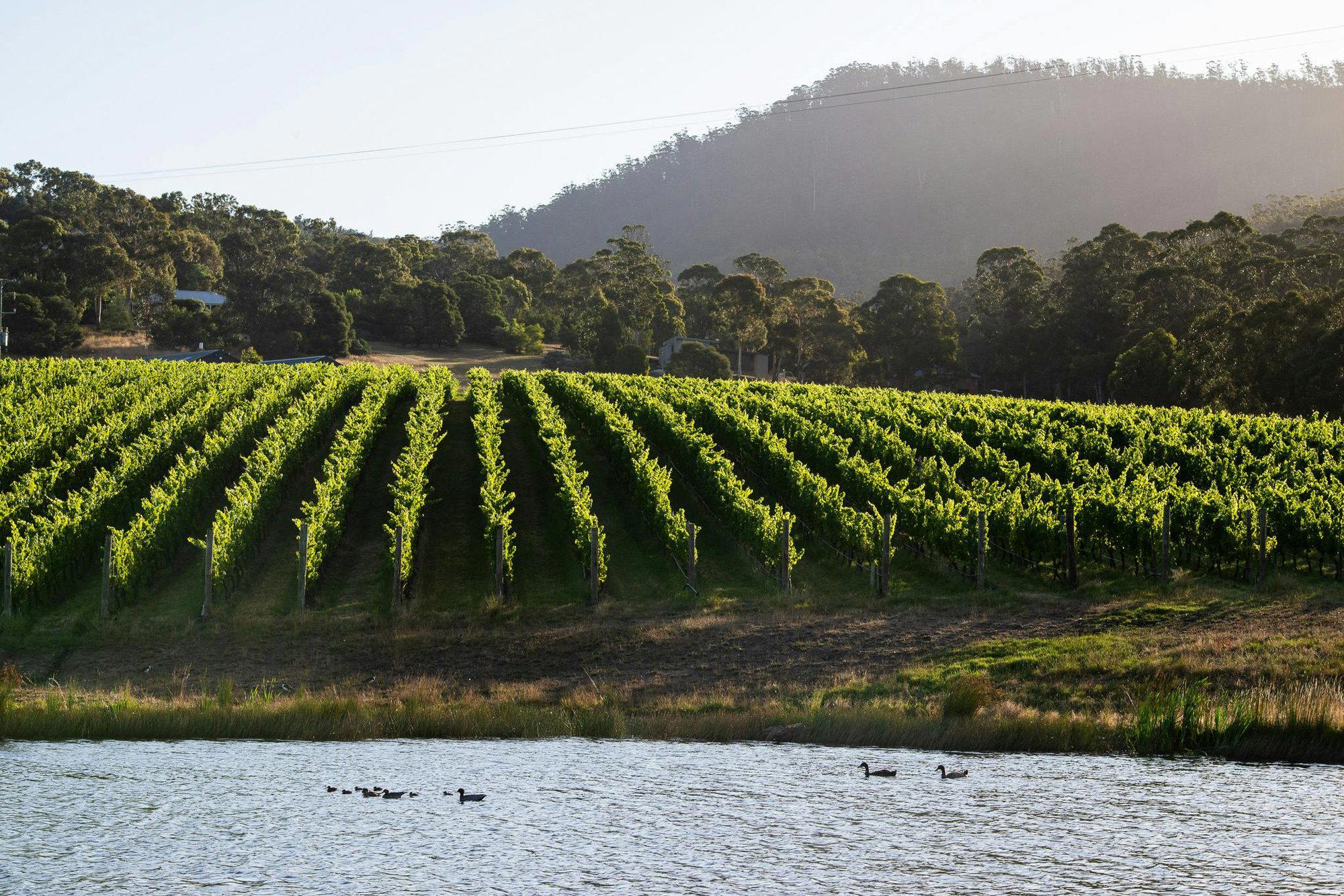
The road into Pontville moves through a particular kind of Tasmanian quiet. The Midlands corridor runs flat and wide, with dolerite hills framing the distance and a light that, on overcast days, turns the grassland a silvery olive. It is not dramatic country in the way that coastal Tasmania can be, but it is specific, the kind of place where conditions accumulate slowly and express themselves with unusual clarity. That specificity matters when assessing what a producer at 76 Shene Rd is actually working with.
Australia's wine and spirits conversation has long been dominated by warmer mainland regions. Brown Brothers in King Valley and Brokenwood in Hunter Valley operate in climates where ripening is relatively reliable and yields can be managed at scale. Tasmania sits in a different register entirely. The island's latitude, the southernmost wine and spirits producing region in Australia, means shorter growing windows, cooler average temperatures, and a diurnal range that preserves acidity in ways that warmer regions cannot replicate through technique alone.
That retention of acidity and the slower accumulation of sugar are not just technical footnotes. They are the structural reasons why Tasmanian products tend toward precision rather than weight, toward length on the palate rather than immediate fruit density. Producers in this environment are not compensating for their geography; they are amplifying it. The challenge, and the opportunity, is that cool-climate expression requires patience at every stage, from canopy management to maturation, and patience is expensive at small scale.
The Midlands subregion, where Pontville sits, adds another layer. It is drier than the eastern and southern coastal pockets of Tasmania, with a continental influence that moderates the maritime cool without eliminating it. The result is a growing environment that sits between the island's wettest and most sheltered pockets, producing conditions suited to producers who want structure without austerity.
Australia's premium producer tier has fragmented considerably over the past two decades. At the top of the national recognition hierarchy, properties like Leading's Wines in Great Western and Henschke hold position through decades of consistent critical recognition and documented vineyard history. At the other end, high-volume producers such as Casella Family in Griffith operate at a scale and price point that places them in a categorically different competitive set.
For comparison, producers in this rating tier across Australia tend to share a common profile: limited output, a clear regional identity, and recognition that has accumulated through specialist channels rather than broad retail distribution.
In Tasmania specifically, that tier is occupied by a small number of operations whose profiles are shaped by the island's isolation and the cost structure of small-scale cool-climate production.
Pontville and the Shene Road Address
Pontville is not a destination in the way that the Tamar Valley or Coal River Valley have become for wine tourism. It does not have the visitor infrastructure that supports easy drop-in tastings, and the Midlands corridor is more commonly traversed than explored. That relative anonymity is partly structural, the region lacks the density of cellar doors that drives tourism to more established Tasmanian wine zones, and partly a function of where Lark sits within the broader Tasmanian spirits and wine scene.
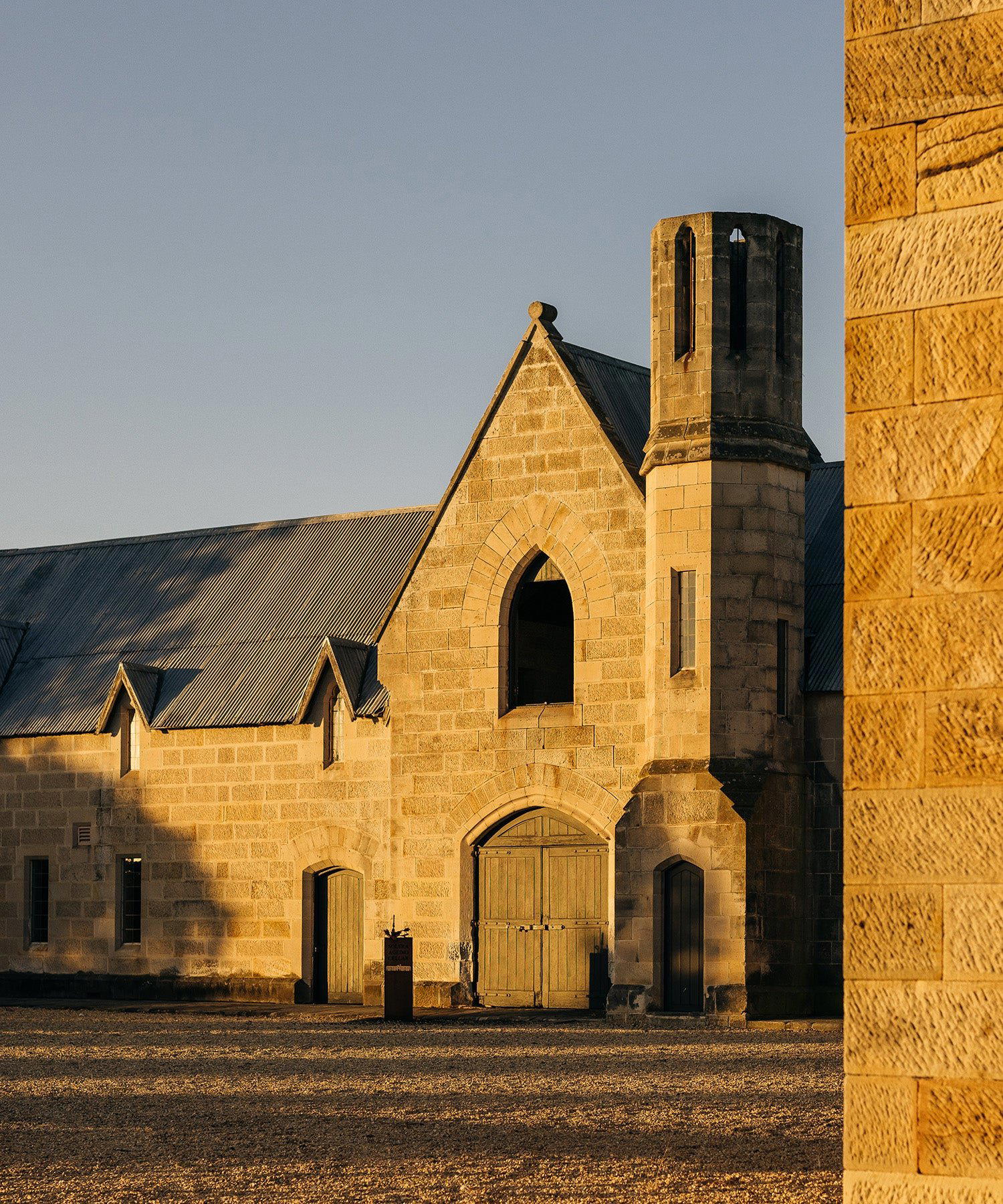
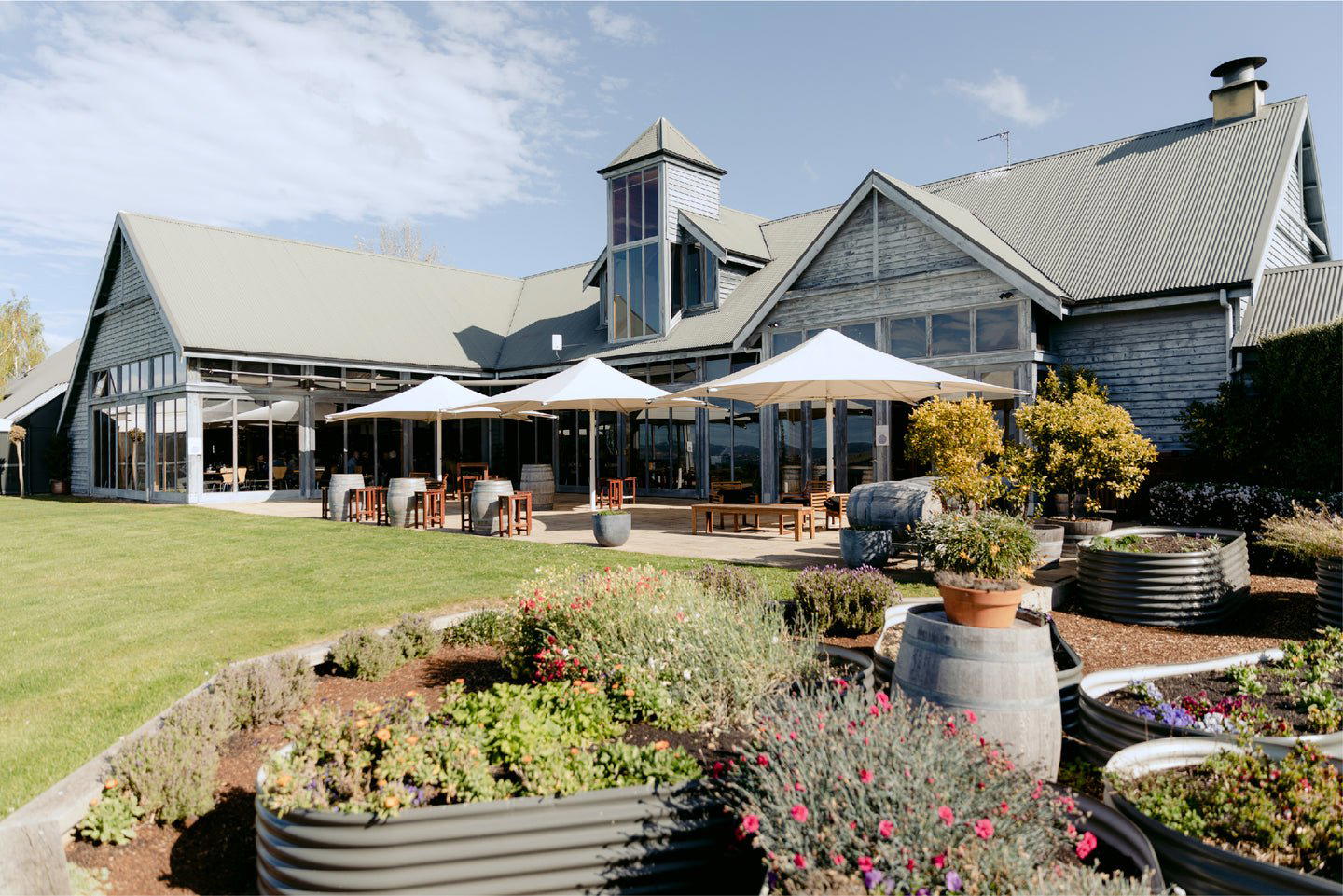
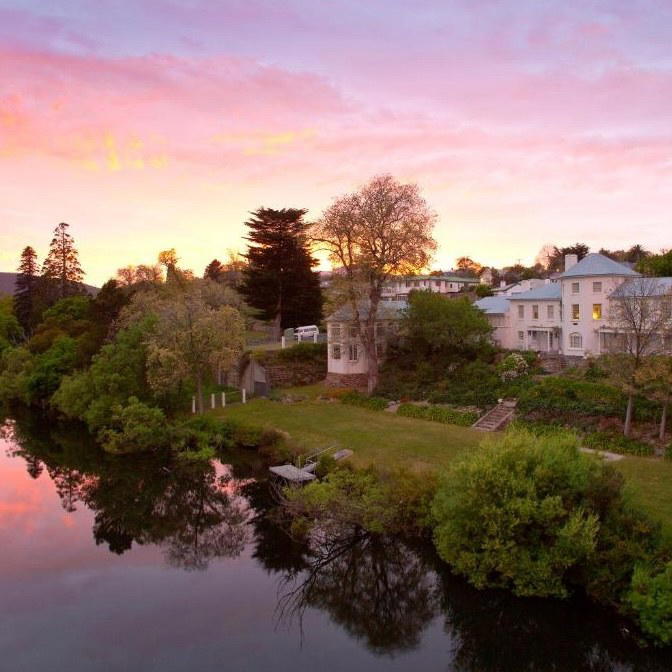
The Shene Rd address places Lark adjacent to the Shene Estate property, one of the more historically layered sites in the Tasmanian Midlands, with heritage buildings dating to the convict era and a landscape that reads as agricultural rather than touristic. This is not polished wine-country scenery designed for Instagram; it is working country with a long history of production, and the character of the surroundings feeds directly into the product's identity.
Getting there from Hobart requires approximately 25 to 30 minutes north along the Midland Highway, making Pontville a viable day-trip destination when combined with other Midlands visits. The drive itself is worth treating as part of the experience, the landscape transition from Hobart's suburban fringe to the open plateau of the Midlands is abrupt and clarifying.
Reading Lark Against the Broader Australian Craft Scene
The emergence of craft distilling as a serious category in Australia has redistributed attention away from the major wine states and toward regions with strong water sources, agricultural raw material access, and the kind of producer culture that supports experimentation. Archie Rose in Sydney and Bundaberg Rum Distillery in Bundaberg represent opposite ends of the craft-to-industrial spectrum, and each illustrates how geography and intention shape the product category.
Tasmania sits apart from both. The island's barley, its water, and its climate create maturation conditions that differ from mainland operations in ways that are not merely marketing language, temperature variance across seasons, the character of the air, the pace at which spirit interacts with barrel, these are real variables with measurable effects on the finished product. Lark operates within that specific environment, and its recognition reflects a consistent capacity to translate those conditions into product quality that holds up under critical review.
For international reference points on how climate and barrel selection intersect at the prestige tier, Aberlour in Speyside and Accendo Cellars in St. Helena illustrate how the same underlying logic, that the environment is an active ingredient, plays out in Scotch whisky and Napa Cabernet respectively.
Planning a Visit
Visitors approaching Lark should treat the Pontville trip as a planned excursion rather than a casual detour. The 76 Shene Rd address sits outside the town centre, and the wider Midlands area rewards those who build an itinerary around multiple stops rather than arriving without a plan. Given the venue's prestige-tier recognition, contacting directly in advance of travel is advisable; operations at this level of craft production typically run limited-hours experiences rather than open-door cellar door formats.
The Midlands is at its most accessible between late spring and early autumn, when the plateau roads are clear and the light on the dolerite country is at its most readable. Winter visits are possible but require flexibility around conditions on the Midland Highway. For those building a broader Tasmanian producer itinerary, the Pontville stop pairs logically with Coal River Valley properties to the southeast and the Derwent Valley corridor heading north, making Lark a natural centrepiece in a half-day circuit out of Hobart.
Frequently asked questions
Is Lark more low-key or high-energy?
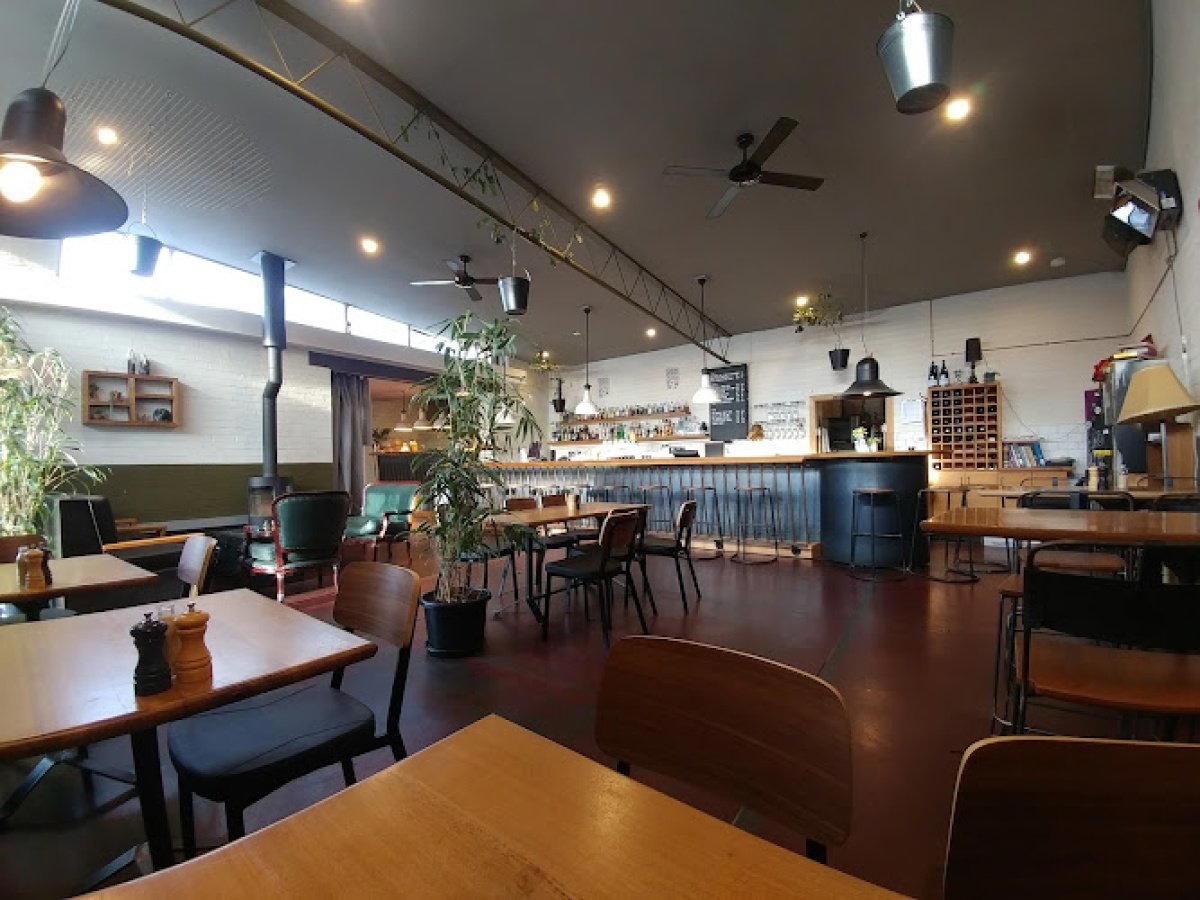
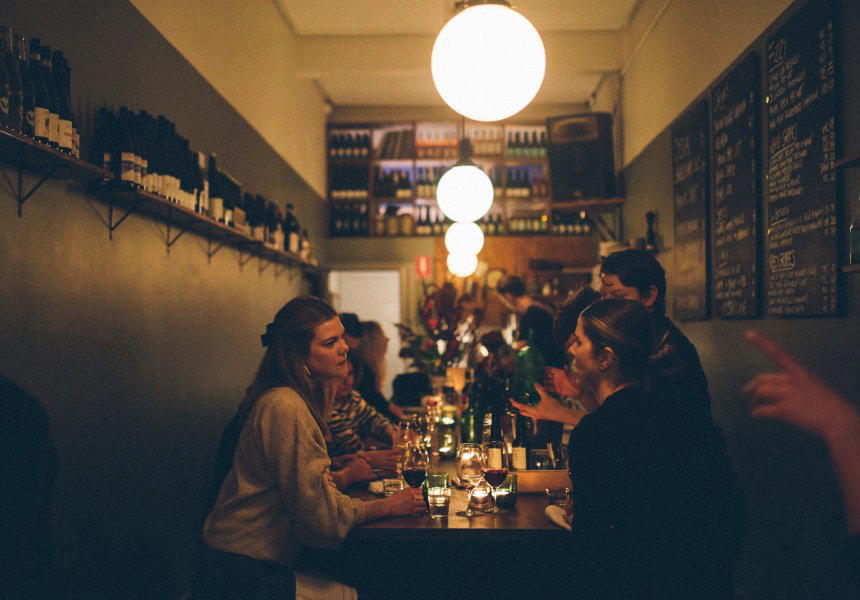
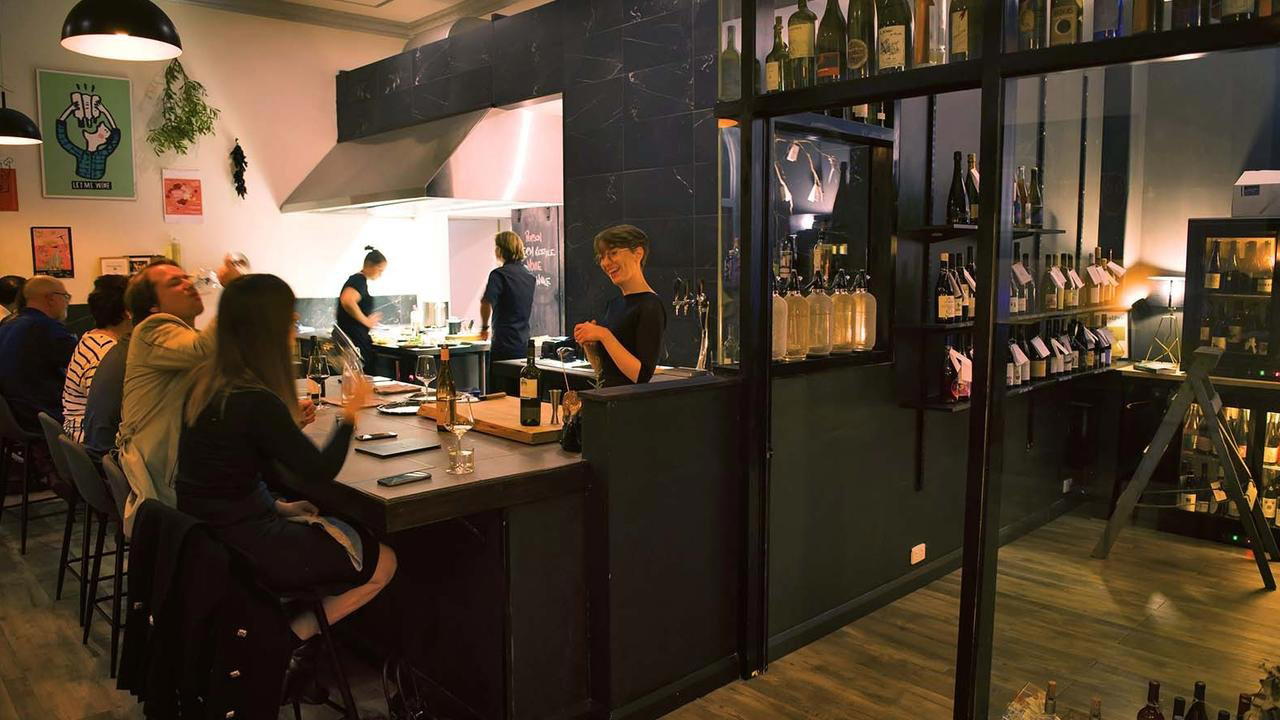
The Shene Road address in Pontville points toward a producer-focused operation rather than a high-footfall hospitality venue. Pontville itself lacks the developed tourism infrastructure of the Tamar Valley, which means visitors who make the trip tend to be purposeful rather than passing through. That shapes the atmosphere considerably.
What do visitors recommend trying at Lark?
Specific current releases and tasting availability are best confirmed directly before your trip, as production ranges at this tier tend to rotate. The Pontville site at 76 Shene Rd is the reference point for planning.
Where do I go for Lark?
Lark is located at 76 Shene Rd, Pontville TAS 7030, Pontville.
Comparable Spots, Quickly
Comparable venues nearby, for context on price, style, and recognition.