Devil's Corner

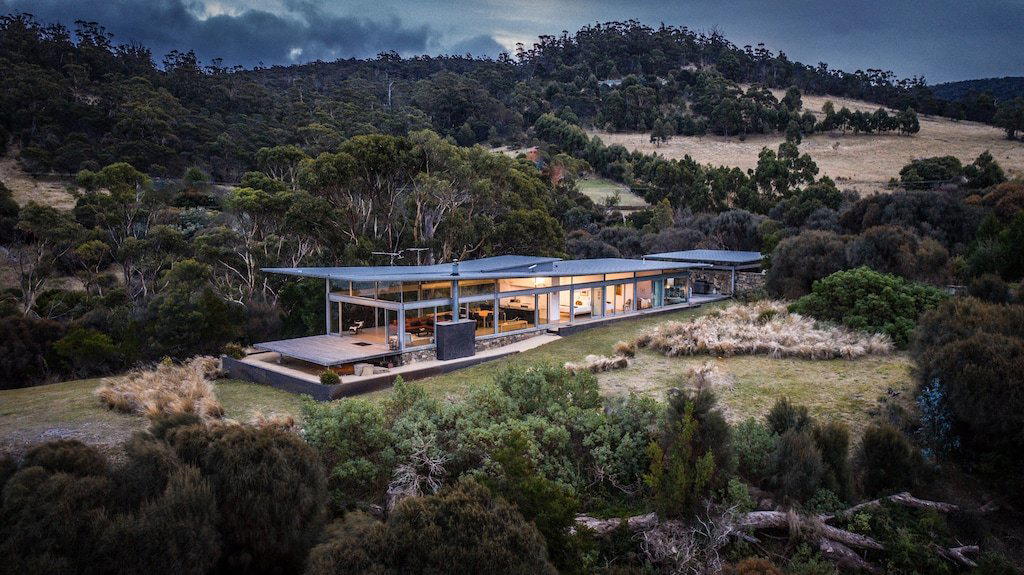
The cellar door at Apslawn sits above Moulting Lagoon, where maritime air and dolerite soils define the house style as much as any winemaking decision.
Pearl is the En Primeur Club membership app — saves, bookings, and concierge access live there. Same editors, same standards.
- Address
- 1/1 Sherbourne Rd, Apslawn TAS 7190
- Phone
- +61 448 521 412
- Website
- devilscorner.com.au
- Directions
- Get directions
 Saves & bookings on Pearl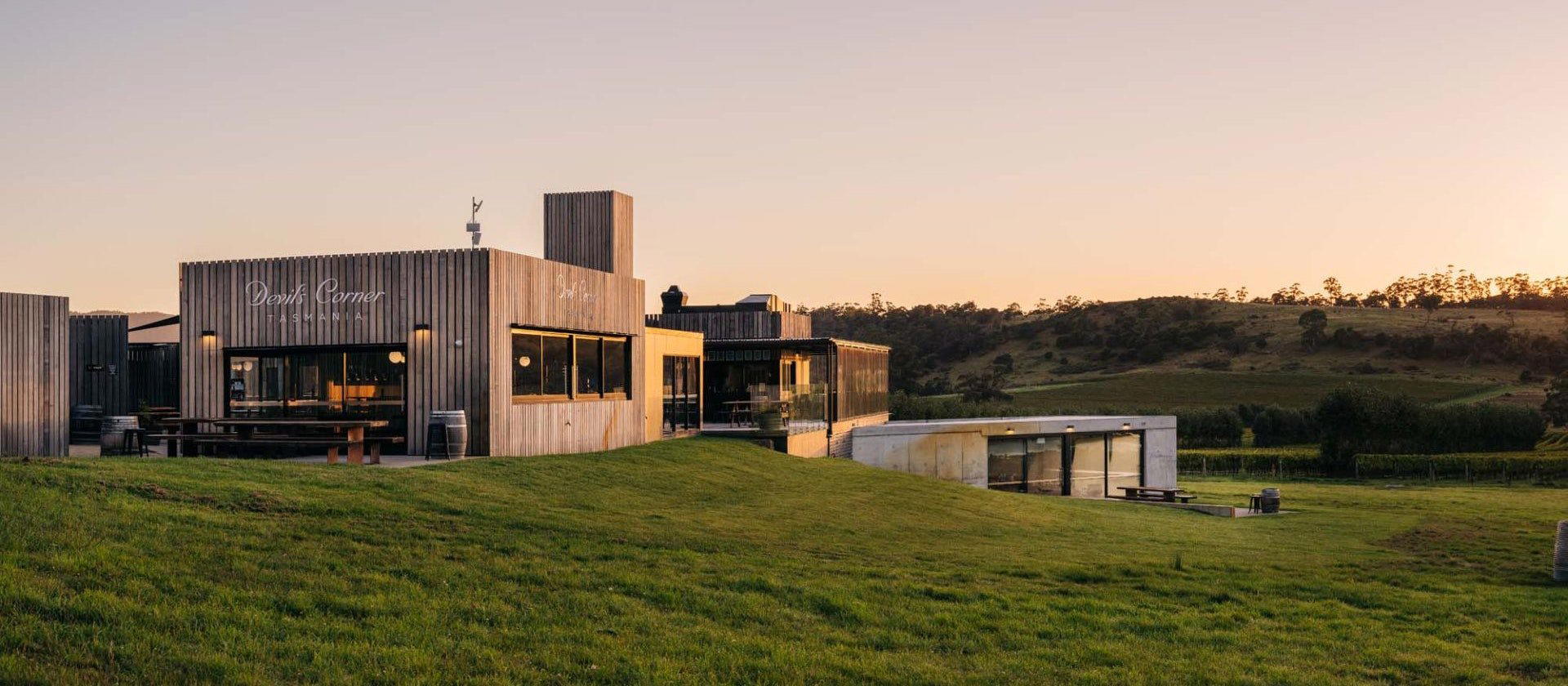
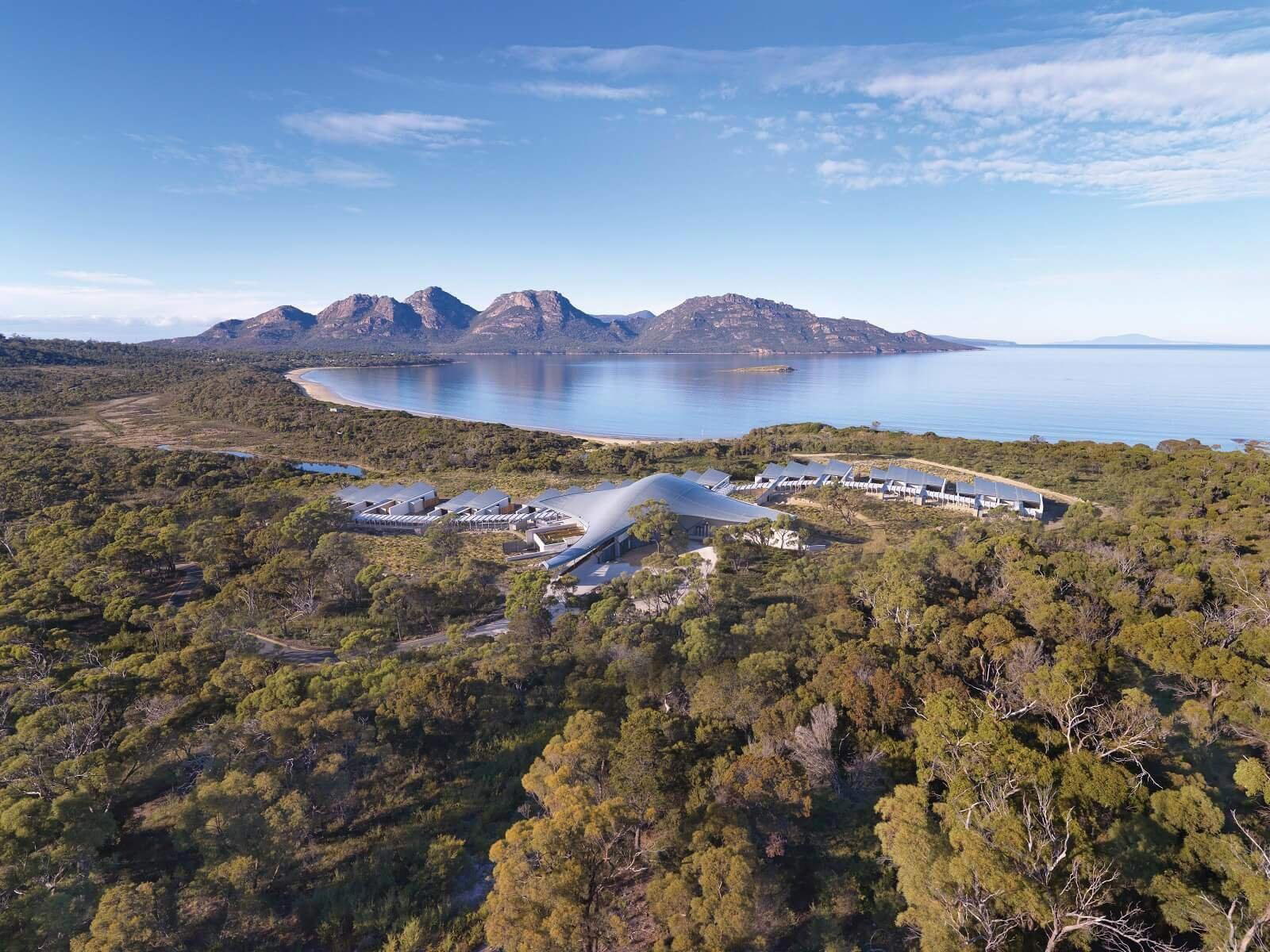
Drive the Tasman Highway north from Bicheno and the land starts to feel exposed in a way that most Australian wine country does not. The East Coast of Tasmania faces the Tasman Sea without the buffer of mountain ranges or continental mass, and the effect on viticulture is tangible: longer hang time, higher natural acidity, and a growing season that stretches into autumn while temperatures rarely climb to the levels found on the mainland. Devil's Corner, at Sherbourne Road in Apslawn, sits within this environment rather than despite it. The cellar door looks across Moulting Lagoon, a Ramsar-listed wetland that anchors the property's sense of place as firmly as the dolerite soils beneath the vines.
A Region That Earns Its Reputation Through Geography
Tasmania's East Coast has developed a distinct identity within the broader Tasmanian wine story. Where the Coal River Valley southeast of Hobart is sheltered and relatively warm by island standards, and the Tamar Valley in the north carries its own microclimate logic, the East Coast occupies a cooler, more exposed corridor. Rainfall is moderate, sea breezes are persistent, and the diurnal temperature variation across the growing season is wide enough to preserve aromatic intensity in white varieties and build genuine structure in reds without forcing alcohol levels upward. For producers working with Pinot Noir, Riesling, and Chardonnay, the varieties that have defined Tasmania's international reputation, this translates into wines that read differently from their mainland counterparts even at equivalent ripeness levels.
That recognition matters in a category context: the 2 Star Prestige tier is not awarded on volume or brand history but on what ends up in the glass measured against a comparable set that includes some of the country's most closely scrutinised producers. For a property on Tasmania's East Coast, where the logistics of viticulture are complicated by climate variability and geographic remoteness, that standing reflects genuine winemaking discipline.
What the Land Puts in the Glass
The terroir argument for Tasmania's East Coast is not abstract. Dolerite is the dominant geological substrate across much of the island, a fine-grained igneous rock that drains well, retains heat modestly, and contributes a minerality that shows up in the wines as tension rather than flavour. When you combine that soil profile with the maritime influence from the Tasman Sea and the relatively low yields that cooler climates tend to produce, you get wines built on precision rather than generosity. High natural acidity is the structural signature: it makes the whites age-worthy and gives the Pinot Noirs a spine that warmer-climate examples often lack.
This is the frame in which Devil's Corner's output should be understood. The property is not making wines in spite of its location's difficulty; it is translating that difficulty into the kind of tension that distinguishes serious cool-climate production from wines that merely advertise their geography. Among Australian producers working at this level, the peer group is small. Bass Phillip in Gippsland operates with a similar cool-climate logic in its Pinot Noir focus, though the Victorian site and soil differ substantially. The comparison is useful less as a quality hierarchy than as a category map: both producers are working at the serious end of Australian cool-climate viticulture, where site matters more than style decisions made in the winery.
The Cellar Door at Apslawn
The address at 1/1 Sherbourne Road, Apslawn places the cellar door off the main highway, which is consistent with the broader character of East Coast tourism: unhurried, landscape-oriented, and oriented toward visitors who have made a deliberate detour rather than a passing stop. The Moulting Lagoon backdrop gives the property an atmospheric weight that few Australian cellar doors can match, a protected wetland system that shifts colour and light across the day and reinforces the sense that this wine is made at the edge of something, where managed land meets open water and tidal influence.
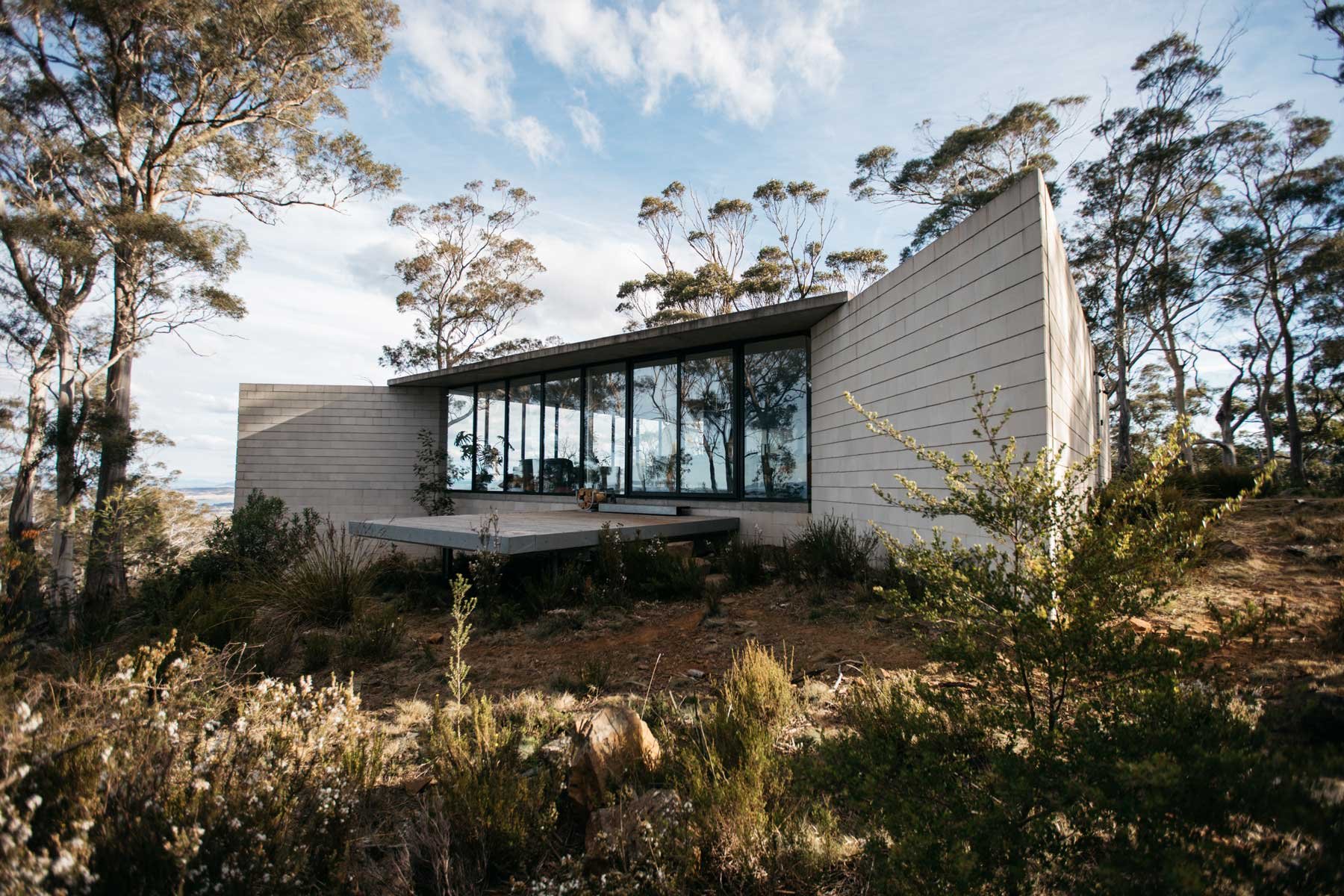
The experience here sits in the casual-to-relaxed register rather than the formal end of cellar door culture. Tasmania's East Coast does not trade in white-tablecloth ceremony; the aesthetic runs more toward honest engagement with the landscape and the wines, which suits a producer whose identity is built on terroir expression rather than hospitality theatre. For visitors travelling the East Coast from Hobart northward, planning the visit as part of a broader regional loop makes practical sense. The highway between Hobart and St Helens passes through Swansea before reaching Apslawn, and the drive itself is worth treating as part of the itinerary rather than transit time.
For context on other producers working with comparable regional seriousness elsewhere in Australia, the range runs from Henschke in Eden Valley at the prestige end of the South Australian spectrum to Cape Mentelle in Margaret River for a different expression of cool-to-moderate coastal terroir. The Bird in Hand in Adelaide Hills and Brokenwood in Hunter Valley represent further points on the map of Australian producers recognised at the prestige tier. None of them share Devil's Corner's specific combination of dolerite geology, Tasman Sea exposure, and wetland adjacency, which is precisely the point: terroir-driven producers earn their identities through difference, not replication.
Planning a Visit to the East Coast
The East Coast of Tasmania is most accessible between November and April, when road conditions are reliable and daylight hours extend well into the evening. The cellar door at Apslawn is reachable via the Tasman Highway, and the broader East Coast circuit from Hobart to St Helens takes a full day at minimum if you engage seriously with the stops rather than passing through. Booking ahead is sensible during the peak summer months of December through February, when the East Coast draws significant visitor numbers from the mainland and accommodation in the corridor books out.
For producers in other Australian regions carrying comparable prestige recognition, All Saints Estate in Rutherglen, Angove Family Winemakers in Renmark, Leading's Wines in Great Western, Blue Pyrenees Estate in the Pyrenees, and Brown Brothers in King Valley each offer a distinct regional lens on what Australian viticulture looks like at the serious end of the market.
Further afield, Archie Rose Distilling Co in Sydney, Casella Family in Griffith, Bundaberg Rum Distillery, and international references like Aberlour in Aberlour and Accendo Cellars in St. Helena map the range of prestige-tier beverage producers operating across different climate and geological contexts, against which Tasmania's particular cool-climate identity reads clearly.
Fast Comparison
Comparable venues nearby, for context on price, style, and recognition.
| Venue | Cuisine | Price | Notes |
|---|---|---|---|
| Devil's CornerThis venue — the venue you are viewing | Pinot Noir, Chardonnay | $$ | Not listed |
| Belgrove Distillery | rye, oat | $$ | Kempton |
| Callington Mill Distillery | Tasmania | $$ | Oatlands |
| House of Arras | Chardonnay, Pinot Noir | $$ | Pipers River |
| Sullivans Cove Distillery | Tasmania | $$$ | Cambridge |
| Garagiste | Chardonnay, Pinot Noir | $$$ | Mornington Peninsula |
Recognition history
Dated appearances from independent guides and award organizations, with the underlying list record or original source where available.
Falstaff Winery - Listed
Falstaff
Continue exploring
More in East Coast TAS
Bars in East Coast TAS
Browse all →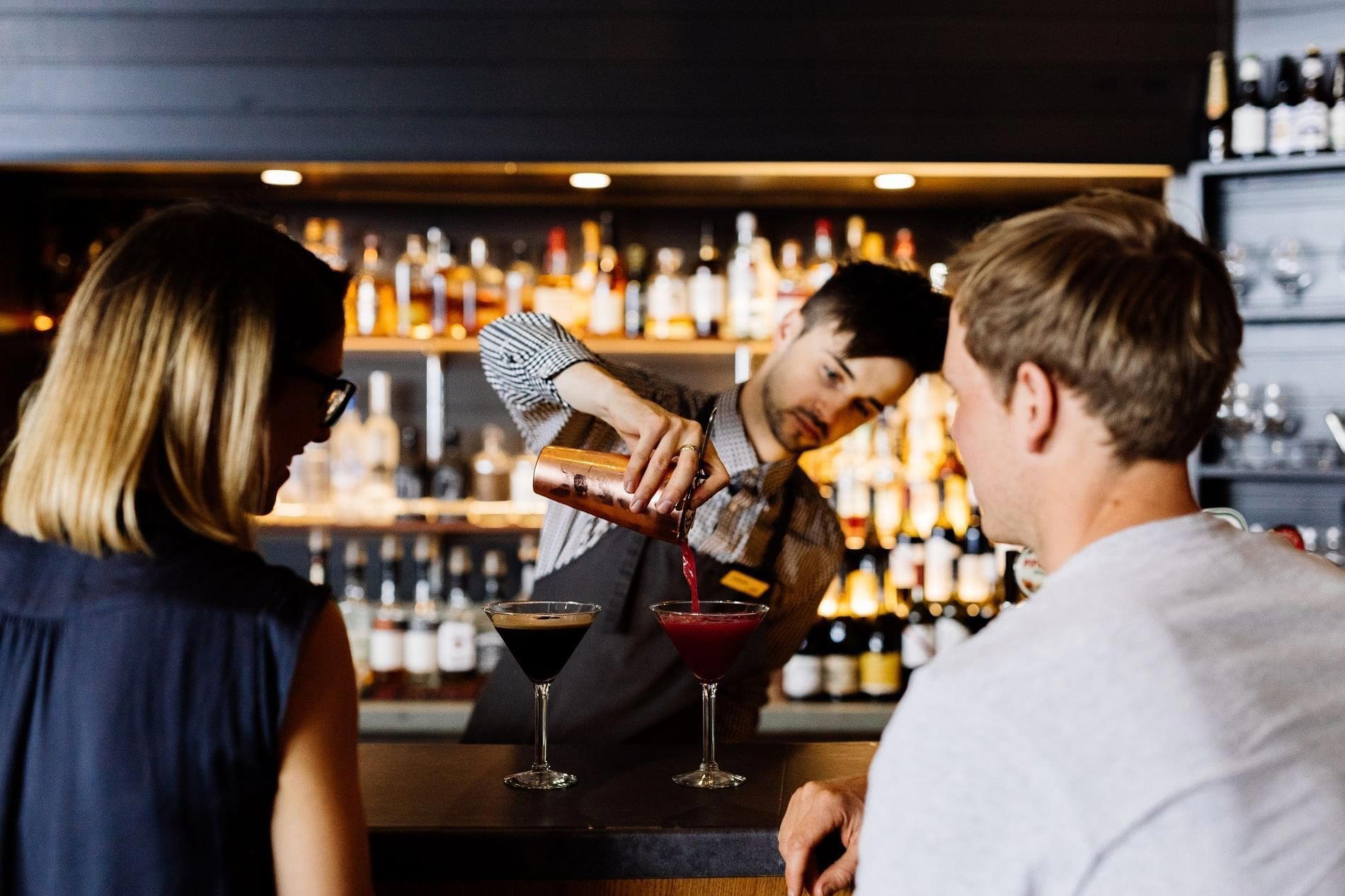
Restaurants in East Coast TAS
Browse all →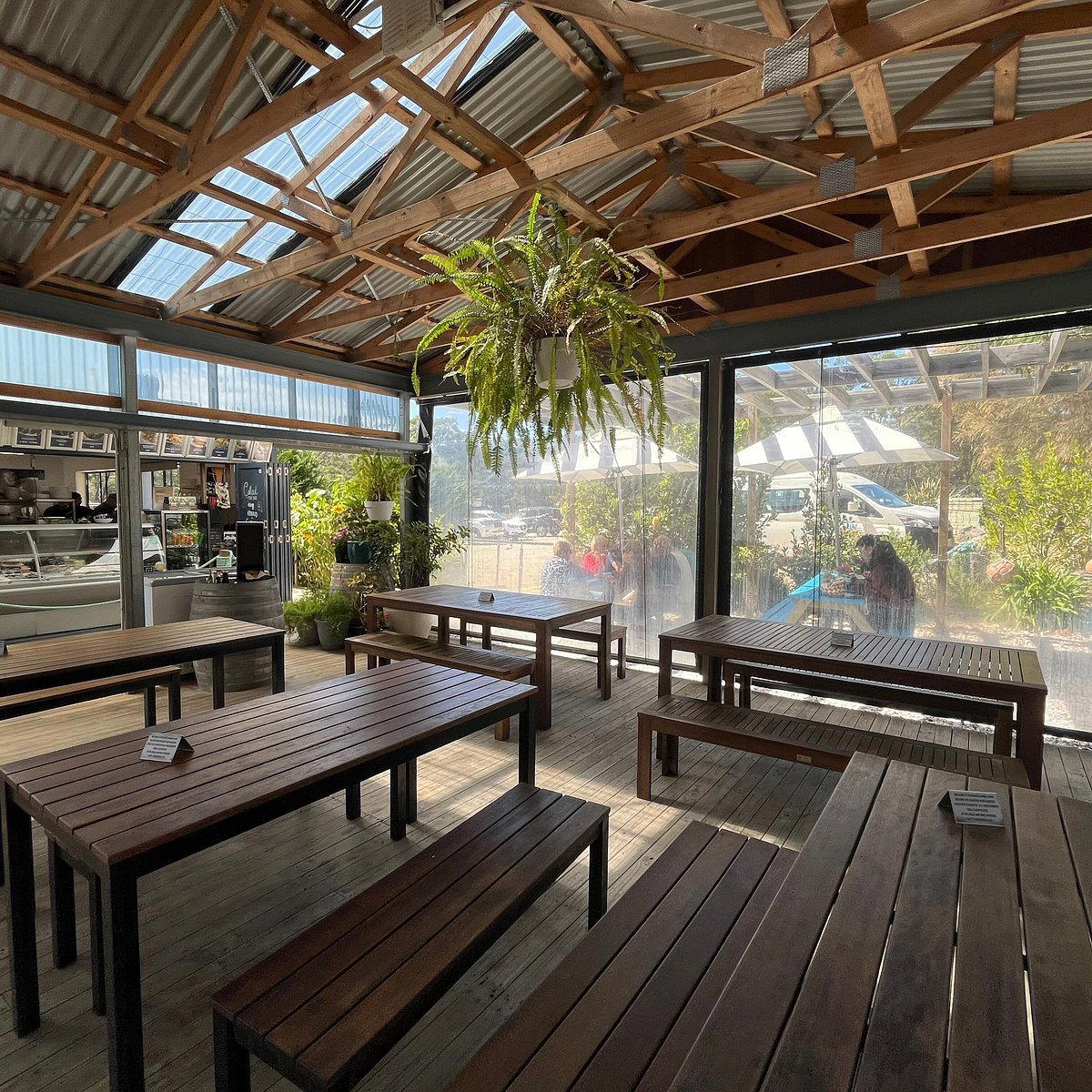
At a Glance
- Scenic
- Rustic
- Modern
- Group Outing
- Celebration
- Wine Education
- Vineyard Tour
- Terrace
- Panoramic View
- Picnic Area
- Vineyard
- Mountain
- Waterfront
- East Coast Tasmania
- Pinot Noir
- Chardonnay
- Riesling
- Syrah
- Still White
- Still Red
- Sparkling
- Still Rosé
- Guided Tasting
- Premium Tasting
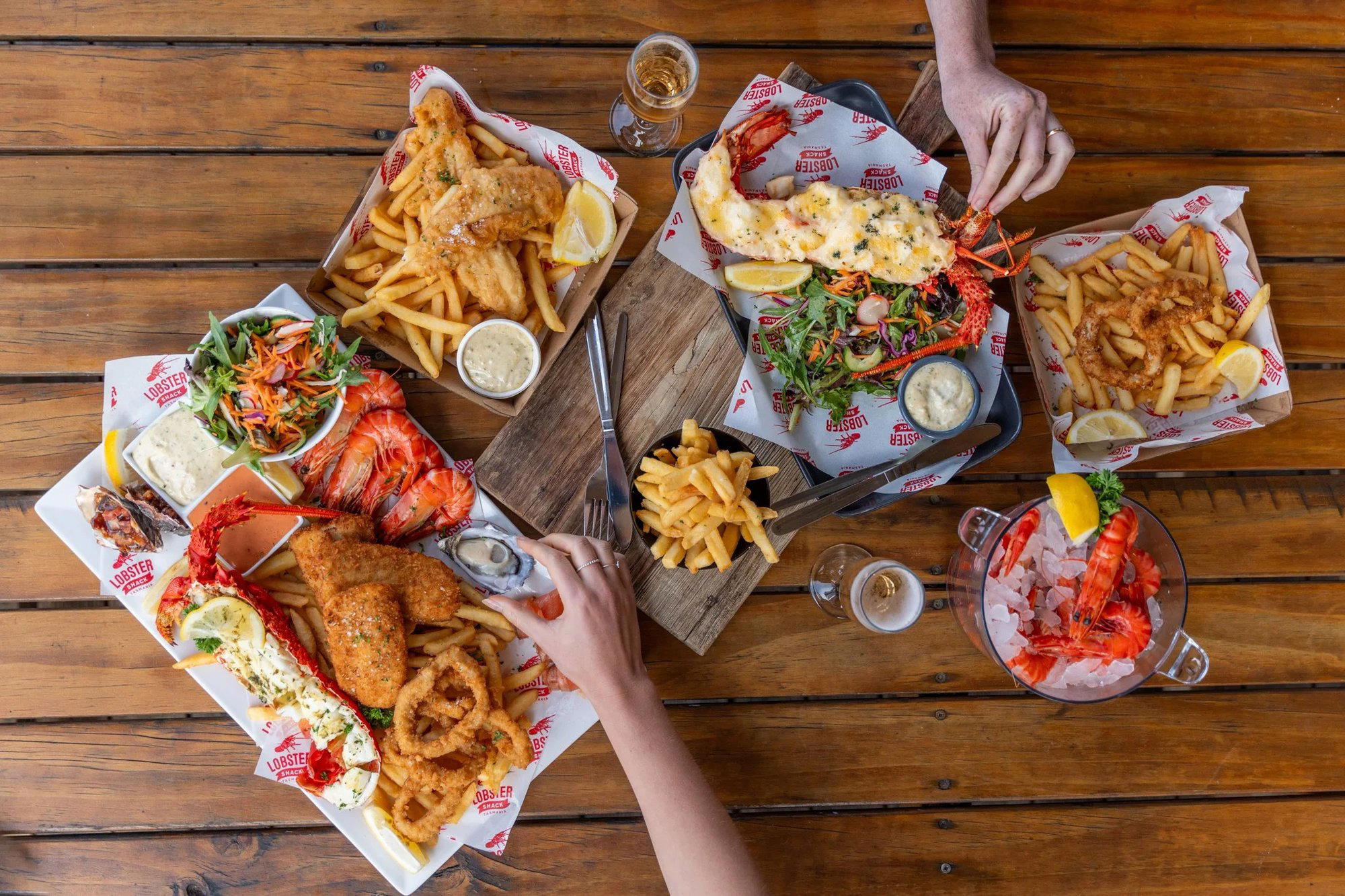
Relaxed and scenic with sun-drenched decks, lush lawns, atmospheric underground cellar, and dramatic sea and mountain vistas.