The Story Wines puts Moorabbin into a different wine conversation: not vineyard tourism, but an urban tasting-room format where regional bottles and bar snacks do the work. In a suburb better known for light industry, breweries, and casual eating, it gives visitors a compact way to read Australian terroir without committing to a full country cellar-door itinerary.

Pearl is the En Primeur Club membership app — saves, bookings, and concierge access live there. Same editors, same standards.
- Address
- Moorabbin, Australia
- Directions
- Get directions
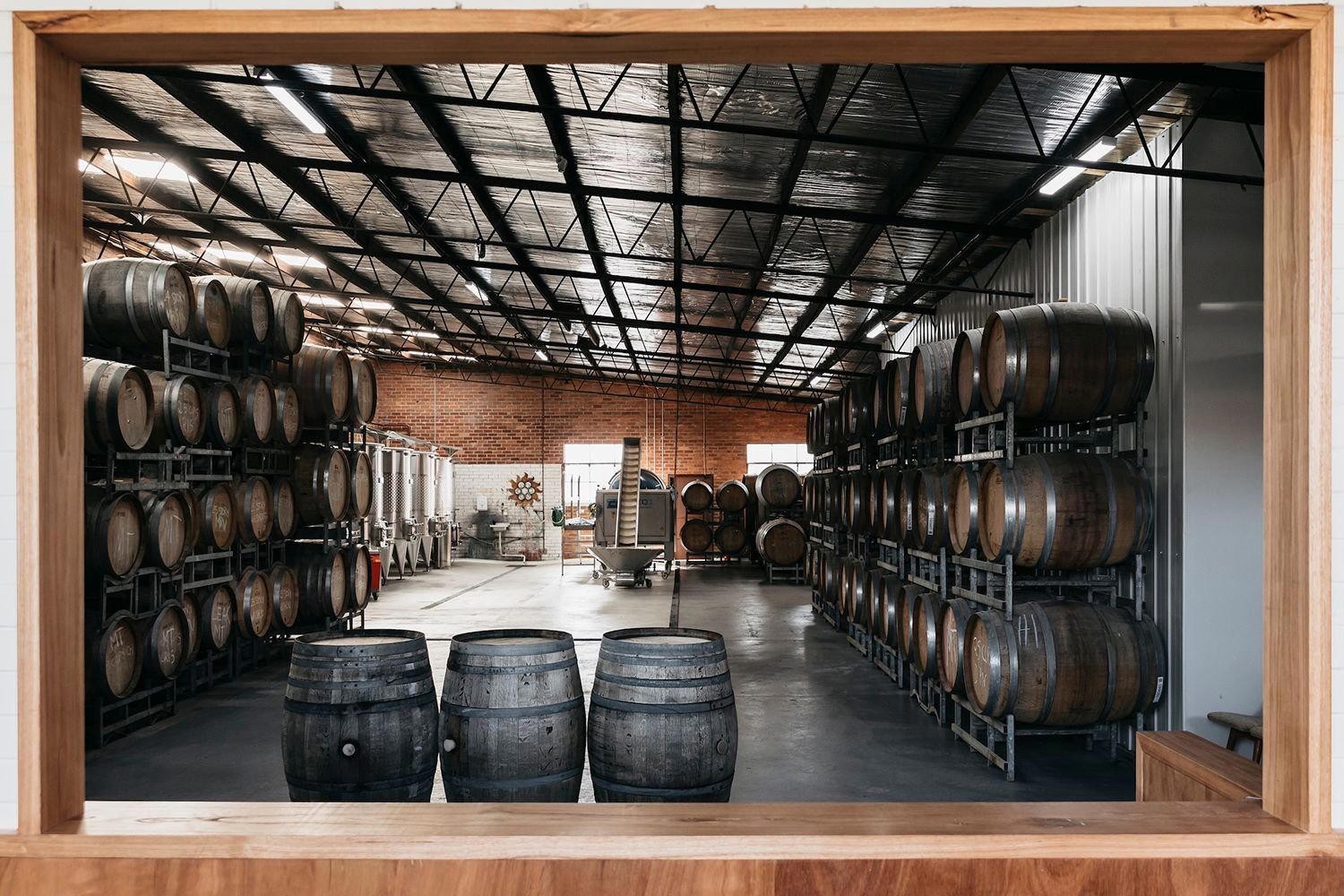
Where Moorabbin's industrial edge meets the glass
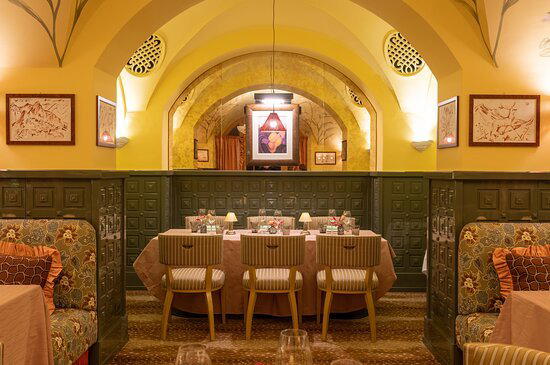
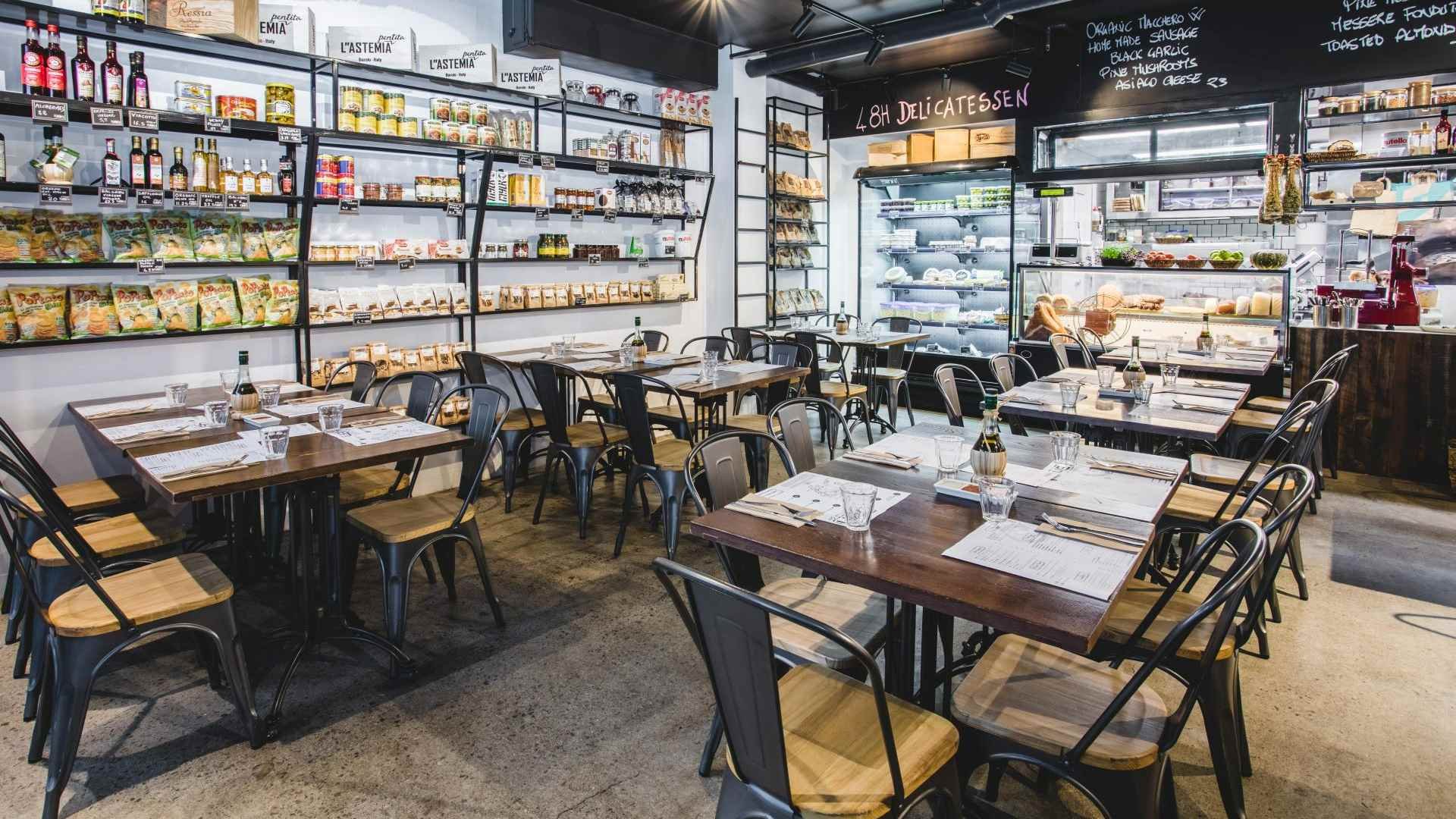
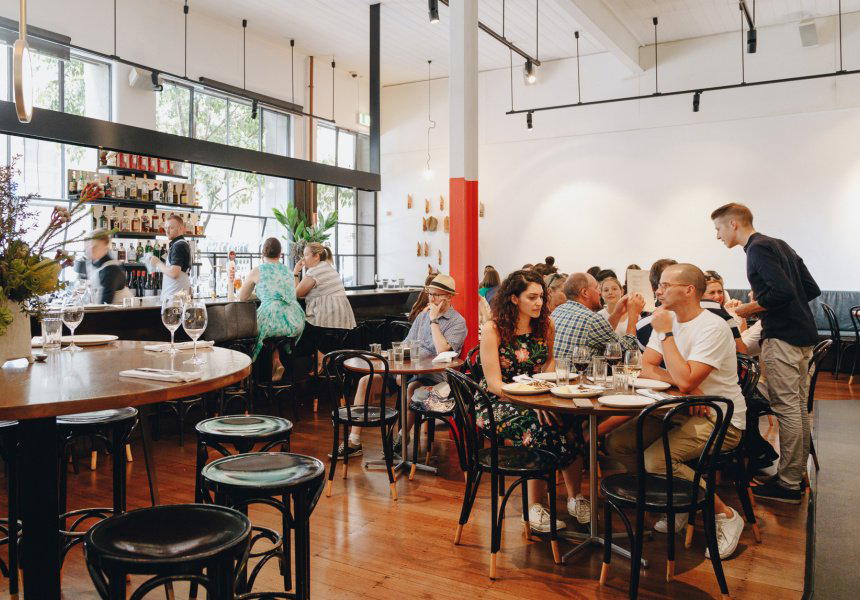
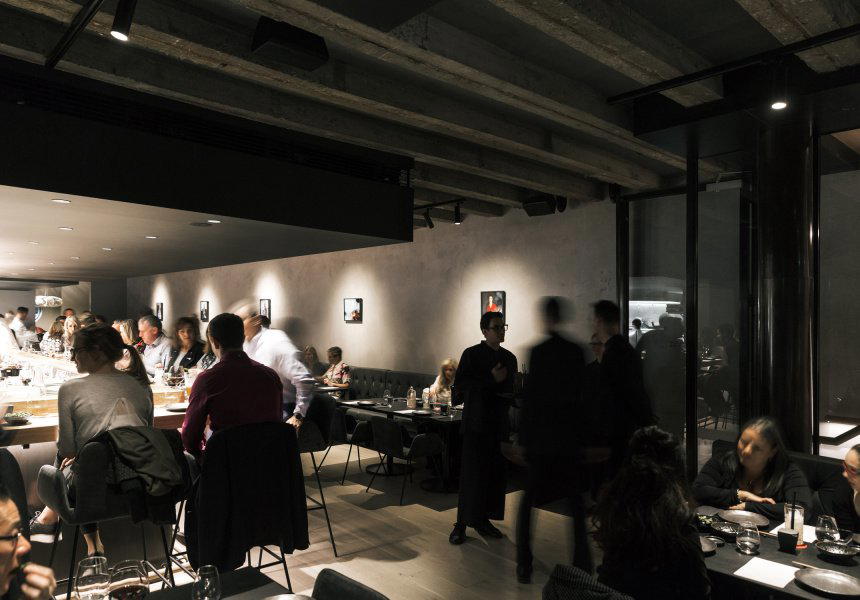
Approaching a tasting room in Moorabbin is not the same ritual as driving through vine rows in the Yarra Valley or pulling up to a sandstone cellar door in the Barossa. The setting is suburban, functional, and close to Melbourne’s south-eastern rhythm: workshops, warehouses, arterial roads, weekend sports traffic, and a growing cluster of food and drink operators that treat industrial space as an advantage rather than a compromise. That context matters. The Story Wines belongs to a category that has become increasingly useful in Australian wine culture: the urban tasting room, where the land is interpreted away from the vineyard and the bottle has to carry the argument.
That makes the experience less about postcard scenery and more about listening for origin. In a conventional cellar-door visit, the surrounding landscape does half the talking. Soil, slope, wind exposure, vine age, and regional light are all visible before the first pour. In Moorabbin, the cues are different. A wine bar and tasting room has to translate those factors through structure, acidity, texture, and the ordering of the flight. The absence of a vineyard view can sharpen attention, because there is nothing decorative to lean on. The glass becomes the map.
No public address, hours, phone, website, price tier, awards, winemaker, wine region, or first vintage are supplied here, so the page should be read as an editorial frame rather than a booking sheet. The useful point is the format itself. Urban wine rooms in greater Melbourne have become a bridge between restaurant drinking and regional travel, especially for visitors who want to compare place-driven Australian bottles without losing a day to logistics.
Terroir without the vineyard theatre
Australian wine is often introduced through regions first: Margaret River for maritime Cabernet and Chardonnay, Barossa for old-vine Shiraz, Yarra Valley for cooler-climate Pinot Noir and Chardonnay, Adelaide Hills for altitude and freshness, and Pemberton for the forested, cooler edge of Western Australian viticulture. A Moorabbin tasting room does not erase those distinctions. It changes the medium. Instead of reading terroir through an estate visit, visitors read it through curation, sequence, temperature, and comparison.
That is why the bar-snack element matters more than it might appear. Food in a tasting room is not just padding between pours. Salt, fat, smoke, acid, and bread all alter the way tannin, fruit weight, and mineral impression register. With only “bar snacks” listed in the record, no dish should be inferred, but the category itself says something about intent. This is not presented as a formal restaurant format. It sits closer to the wine-bar end of the spectrum: lower ceremony, more conversation, and a drinking pattern built around sampling rather than settling into a multi-course menu.
In terroir-led drinking, the strongest comparisons are often lateral rather than hierarchical. A cool-climate red does not need to defeat a warmer-climate red; it needs to show how climate and picking decisions shape aromatic lift, acidity, tannin, and alcohol. A tasting-room format in Moorabbin can make those comparisons clearer than a single-estate visit, provided the selection is organised with intent. The broader lesson for travellers is simple: vineyard proximity is not the only route to understanding place. In cities and suburbs, good wine rooms function as translators.
The Moorabbin context: practical, suburban, increasingly drink-focused
Moorabbin is not a romantic wine-region name, and that is part of its value. The suburb sits within metropolitan Melbourne rather than a designated vineyard district, which means its hospitality character is shaped by access, rent, production spaces, and local repeat custom. Compared with inner-city wine bars, venues in suburbs such as Moorabbin tend to operate with a different pressure system. They do not always need the same visual theatre or late-night density; they need a reason for locals to return and for travellers to add the area to a south-side itinerary.
For visitors planning around food and drink rather than a single venue, the useful comparison is not with a grand estate cellar door. It is with Melbourne’s smaller drinking rooms, brewery taprooms, and bottle-shop bars, where the line between retail, tasting, and casual dining has blurred. The Story Wines enters that conversation through wine and snacks, and the Moorabbin setting places it closer to an everyday specialist stop than a rural excursion. That distinction is helpful for timing: this is the kind of format to pair with other south-side plans, not necessarily a stand-alone day trip unless the visitor has a particular interest in Australian wine.
EP Club’s city guides can help build that wider circuit. For dining around the suburb, use Our full Moorabbin restaurants guide. For overnight planning, especially if the visit is part of a Melbourne south-east stay rather than a quick drink, see Our full Moorabbin hotels guide. Drinking options beyond wine are mapped in Our full Moorabbin bars guide, while winery-focused readers should compare the local format with Our full Moorabbin wineries guide. For cultural and activity-led planning in the same area, Our full Moorabbin experiences guide gives the broader neighbourhood frame.
How to read an urban tasting room
The first decision in a room like this is not what to drink first, but what kind of comparison the visit should answer. Some visitors will want a regional sweep: cooler versus warmer climate, coastal versus inland, young-vine brightness versus older-vine concentration. Others will be more interested in style: leaner whites, structured reds, skin-contact bottlings, or sparkling wines. The Story Wines is identified in the record as a wine tasting room rather than a restaurant or full cellar-door estate, so the sensible approach is to treat the visit as an exercise in orientation.
That orientation can be more useful than a scenic cellar-door stop for travellers who are early in their Australian wine education. At a single estate, the guest learns one producer’s range. In a city or suburban tasting-room setting, the guest can place styles side by side and notice the role of climate. High natural acidity often points toward cooler sites or earlier picking. Broader fruit weight can suggest warmer conditions, later harvest, or a house preference for generosity. Tannin profile, oak presence, and alcohol level all give clues, but they should be read together rather than as isolated signals.
This is where terroir expression becomes practical rather than abstract. Soil does not taste like a literal ingredient, despite the way wine language sometimes overreaches. Its influence arrives through vine stress, water availability, root depth, ripening pattern, and the timing of harvest decisions. Climate is easier for drinkers to detect: acidity, fruit spectrum, alcohol, and phenolic ripeness tend to speak more directly. A tasting room that encourages comparison can make those patterns legible without requiring a technical seminar.
Australian reference points for comparison
To understand what a Moorabbin wine room contributes, it helps to compare it with estate-based Australian names in different regions. Yering Station in Yarra Valley sits in a cool-climate zone within reach of Melbourne, where Pinot Noir and Chardonnay often carry the regional conversation. That is a different proposition from Moorabbin’s urban format, but it provides a useful nearby benchmark for how cool conditions can shape line, perfume, and acidity.
In South Australia, Angove Family Winemakers in Renmark points toward the Riverland’s scale, sunshine, and production history, while Charles Melton Wines in Barossa Valley sits inside a warmer-climate red-wine tradition associated with depth, ripeness, and long regional memory. Those comparisons matter because Australian wine is not a single style. The country’s drinking culture is built on contrasts between heat and altitude, maritime influence and inland sun, old-vine concentration and newer cool-climate precision.
Western Australia adds another axis. Moss Wood in Margaret River belongs to a coastal region where Cabernet Sauvignon and Chardonnay occupy a serious place in the national hierarchy of fine wine. Further south, Picardy Wines in Pemberton reflects a cooler, forest-influenced zone with a different register of fruit and acidity. A Moorabbin tasting room can sit in dialogue with all of these references, not by replicating a vineyard visit, but by giving the drinker a room in which to compare regional logic.
Victoria also offers inland contrast. Dalwhinnie in Pyrenees gives another way to think about altitude, continental conditions, and structured reds within the state. In the Adelaide Hills, Bird in Hand in Adelaide Hills points toward altitude and freshness in a region where temperature swings and site selection matter sharply. These reference points are not substitutes for the Moorabbin visit; they are the comparative grammar that makes the tasting room more rewarding.
Beyond wine country: why format changes expectation
Not every producer-led or drink-led experience is about vineyards. Bundaberg Rum Distillery in Bundaberg shows how Australian drinks tourism can be organised around production, brand history, and distillation rather than terroir in the vineyard sense. International comparisons widen the frame further. Haute Cabrière in Franschhoek places wine inside a South African valley where scenery, food, and cellar architecture shape the visitor experience. Pommery in Reims belongs to the Champagne model, where chalk cellars, house history, and appellation rules create a different kind of authority.
Set against those examples, Moorabbin’s value is its restraint of format. That may sound modest, but modest formats can be serious when they clarify what the drinker is there to learn. For travellers, the question is not whether the room can compete with Champagne caves or Margaret River estates. It is whether it offers a clear, low-friction way to taste through place-driven wines while staying within Melbourne’s suburban orbit.
Planning the visit
Confirm current hours and access through a reliable direct source before travelling, especially if coming from central Melbourne or building a south-side itinerary around the stop. Treat the format as casual-specialist rather than formal dining: the listed offer is wines, tasting room, and bar snacks, so visitors looking for a full meal should pair it with nearby restaurants rather than assume a complete dinner structure.
The absence of award data also affects expectation. Awards can be useful shorthand, but they are not the only trust signal in a wine-room context. Here, the trust signal is categorical and local: a dedicated tasting room in Moorabbin gives wine-focused travellers a more specific option than a general bar, and the bar-snack listing suggests a drinking format built around staying for more than a single pour. The editorial recommendation is to use it as part of a comparative day or evening, especially for travellers who want to understand how Australian regional character can be presented outside vineyard country.
How It Compares
Comparable venues nearby, for context on price, style, and recognition.
| Venue | Cuisine | Price | Notes |
|---|---|---|---|
| The Story WinesThis venue — the venue you are viewing | Syrah, Shiraz | Not listed | Not listed |
| Craiglee | Shiraz, Chardonnay | Not listed | Sunbury |
| Wildflower Distillery | Winery | Not listed | Varsity Lakes |
| Jacob's Creek | Shiraz, Cabernet Sauvignon | $50–100 | Rowland Flat |
| Hoochery Distillery | Ord River Valley | Not listed | Kununurra |
| The Gospel Distillers | rye | $50–100 | Brunswick |
Continue exploring
More in Moorabbin
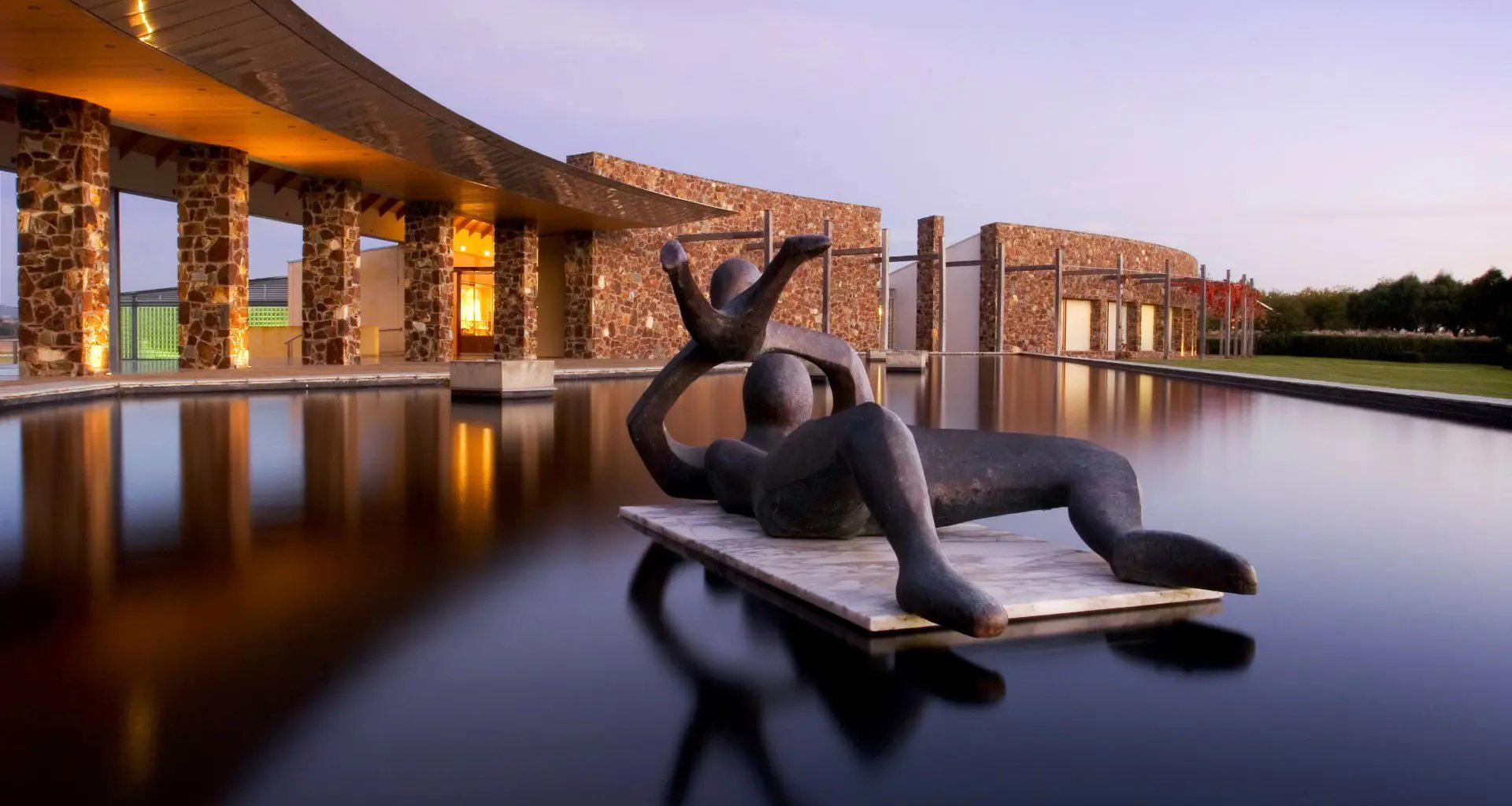
Wineries in Moorabbin
Browse all →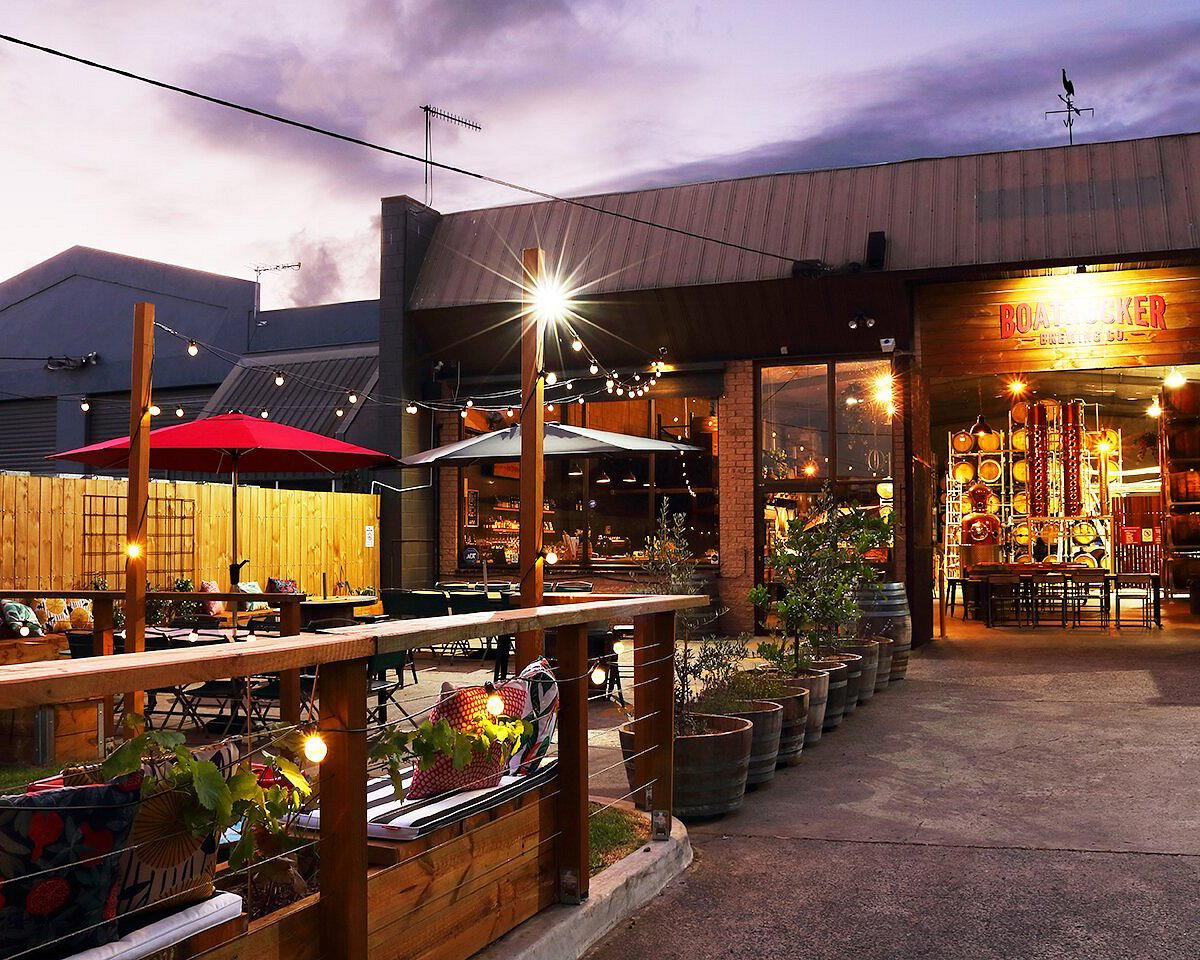
Bars in Moorabbin
Browse all →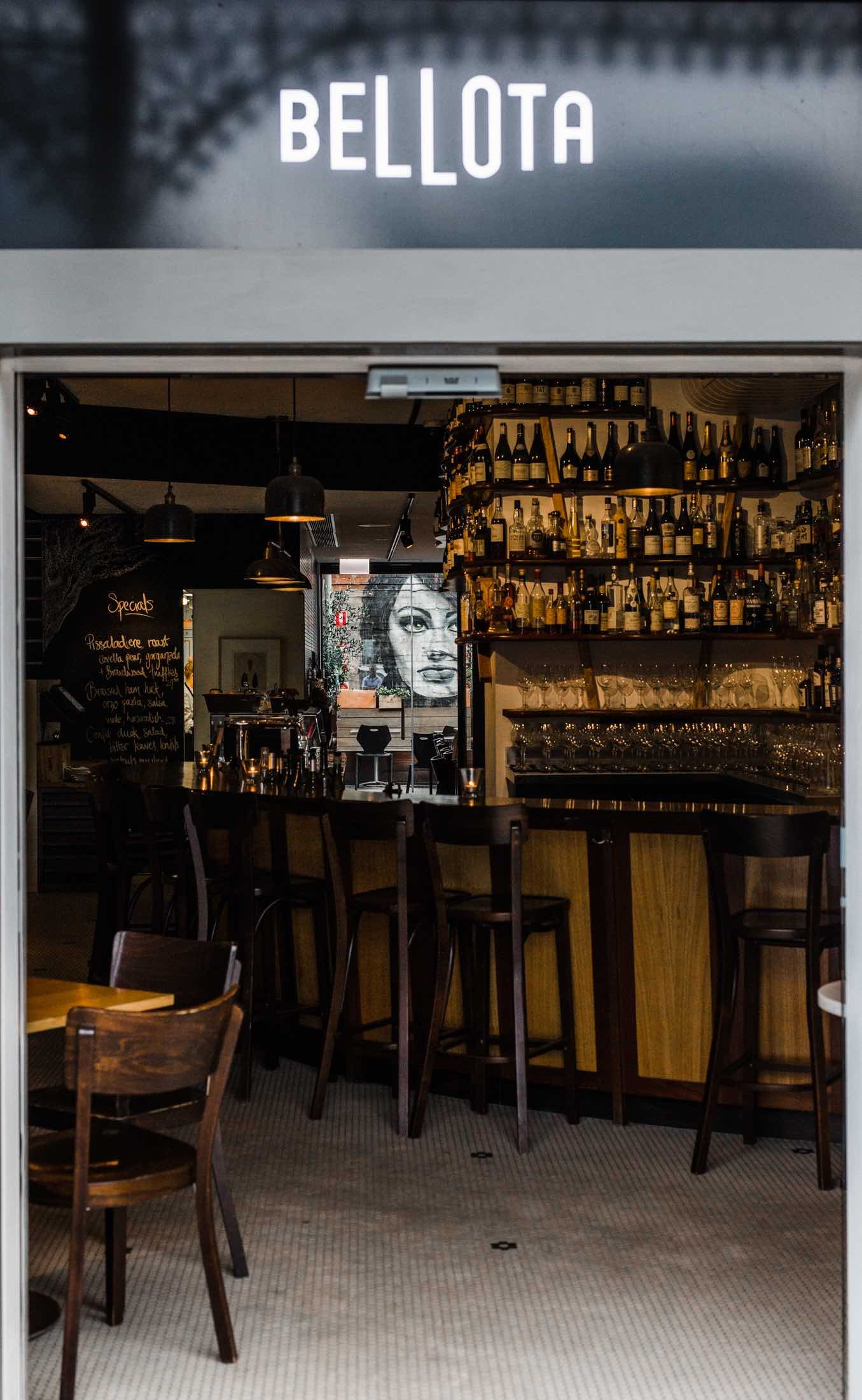
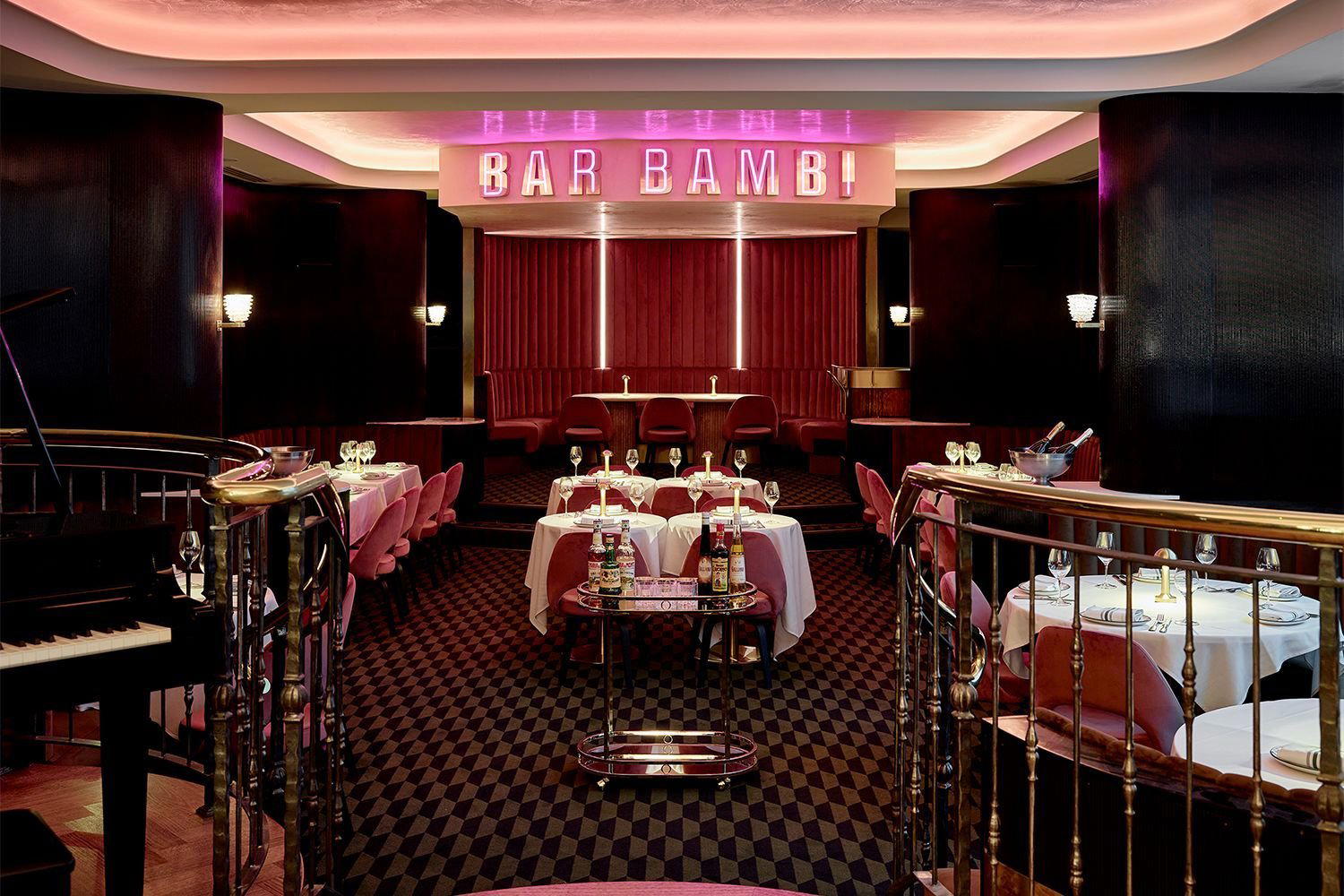
Restaurants in Moorabbin
Browse all →
Details
- Industrial
- Intimate
- Trendy
- Wine Education
- Group Outing
- Solo Exploration
- Special Occasion
- Celebration
- Corporate Event
- Barrel Room
- Private Tasting
- Design Destination
- Syrah
- Shiraz
- Riesling
- Prosecco
- Pinot Noir
- Still Red
- Still White
- Sparkling
- Pet Nat
- Walk In Tasting
- Tasting Flights
- Guided Tasting
- Tour And Tasting
- English