The result is a drinking experience shaped more by the land around it than by any urban bar program.

Pearl is the En Primeur Club membership app, where members save venues, book tables and use the concierge.
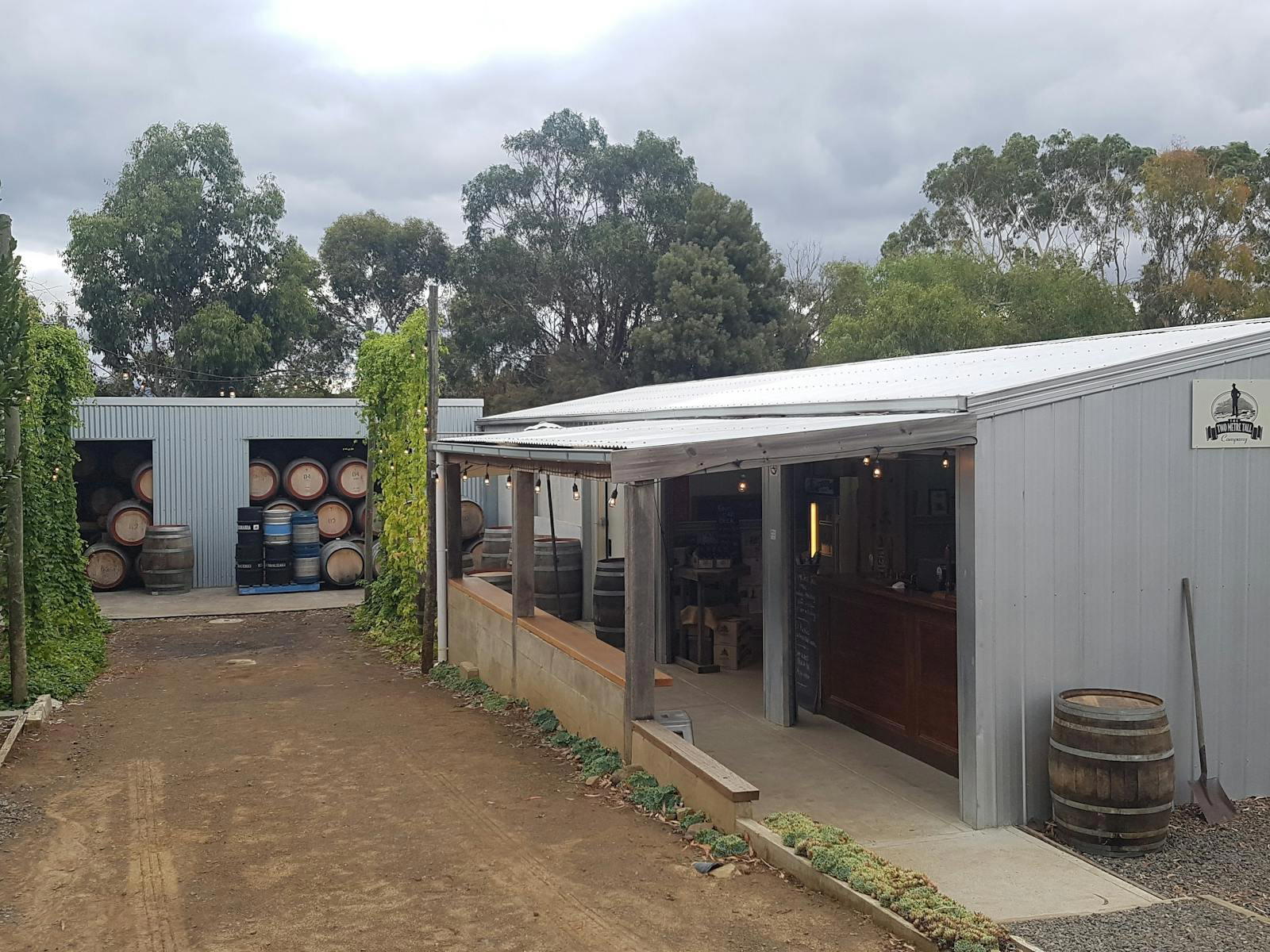
What Farm-to-Glass Means Here
The phrase "farm-to-glass" has been diluted by overuse in urban bar programs where it often means little more than a local ingredient on a cocktail menu. At operations like Two Metre Tall, the concept has structural weight. Growing your own barley for ale, or your own apples for cider, means that the fermentation character is shaped by decisions made months or years before the liquid enters a vessel, soil management, variety selection, harvest timing. The resulting drinks tend to carry a specificity that purchased-ingredient production cannot replicate, and that specificity is the editorial point here rather than any single product. Most producers, even respected ones, buy their malt from commercial maltsters and source fruit from independent orchards. The subset that grows its own sits in a different category of seriousness. Internationally, the closest parallel is the farmhouse ale tradition of Belgium and northern France, where the brasserie was historically embedded in the agricultural cycle. Two Metre Tall occupies that same conceptual space, translated to a Tasmanian valley context where the cool-climate growing conditions produce different base ingredients but a similar philosophy of land-connected brewing.
The Drinking Experience in Context
The editorial angle on any estate producer is always partly about what you are not getting as much as what you are. You are not getting the technical precision of an urban cocktail program, the kind of clarified, temperature-controlled, ingredient-sourced-from-twelve-suppliers approach that places like 1806 in Melbourne or Cantina OK! in Sydney have refined into a distinct discipline. What you are getting instead is variability that reflects the season and the harvest, character that comes from the soil rather than the technique, and a context, a working farm in a river valley, that changes the way you read the drink in your glass.
That is not a criticism of either approach. Bowery Bar in Brisbane, Fratelli Paradiso in Potts Point, and La Cache à Vín in Spring Hill each operate within a different logic of hospitality, one where the setting is curated and the program is designed for repeatability and consistency. An estate farmhouse producer operates by different rules, and visitors who arrive expecting the former will miss the point of the latter. The relevant comparison set for Two Metre Tall is not the metropolitan bar scene but operations like Devil's Corner Cellar Door in Dolphin Sands, where the drink and the landscape are inseparable parts of the proposition. Whisky led that repositioning internationally, but the island's cool-climate wine, craft beer, and cider sectors have developed alongside it. The conditions that produce good Pinot Noir, long, cool ripening seasons, diurnal temperature variation, clean air, also produce interesting base fruit and grain for fermented drinks.
That historical depth matters editorially because it distinguishes genuine agricultural heritage from newer lifestyle-brand operations. Two Metre Tall operates within that existing agricultural tradition rather than imposing a drinking culture onto an otherwise blank rural setting.enprimeurclub.com/bars/whipper-snapper-distillery-east-perth-bar">Whipper Snapper Distillery in East Perth, Leonards House of Love in South Yarra, or Lucky Chan's Laundry & Noodle Bar in Northbridge represent in their own city contexts, this is the Tasmanian equivalent of a specialist destination with a clear point of view. Visitors should confirm current opening hours directly before travelling, as rural producers at this scale often operate seasonal or restricted schedules that are not reliably reflected in third-party listings. The drive itself passes through landscape that contextualises the visit, river flats, orchard country, and the kind of agricultural working environment that connects the product to its origins in a way that no tasting note can replicate. Given the estate's rural location and the absence of nearby dining alternatives, building the visit around a specific session rather than a spontaneous stop is the practical approach. For those combining this with broader Tasmanian drinking and dining, Blu Bar on 36 in The Rocks and Bar Leather Apron in Honolulu represent the kind of urban counterpoint that sharpens appreciation for what a rural estate producer is doing differently.
Frequently Asked Questions
- Is Two Metre Tall Farmhouse Ale & Cider more formal or casual? There are no awards or price signals that push toward formality, and the agricultural setting defines the tone before you even step inside. Dress for a farm visit rather than a restaurant booking.
- This places it within a small tier of vertically integrated producers whose closest international reference point is the farmhouse brewing tradition of Belgium and northern France.
Comparable Spots, Quickly
| Venue | Price | Awards |
|---|---|---|
| Two Metre Tall Farmhouse Ale & CiderThis venue (the venue you are viewing) | $20–30 | Not listed |
| Black Pearl | $30–50 | World's 50 Best #30 · Top 500 Bars Best Bars #269 |
| Caretaker's Cottage | $20–30 | World's 50 Best #19 · Top 500 Bars Best Bars #47 |
| 1806 | $20–30 | World's 50 Best #34 |
| Above Board | Not listed | World's 50 Best |
| Byrdi | $30–50 | World's 50 Best #91 · Australian Bar Awards Best Bar Food Finalist |
Continue exploring
More in Hayes
Bars in Hayes
All bars in Hayes →
Restaurants in Hayes
Browse all →
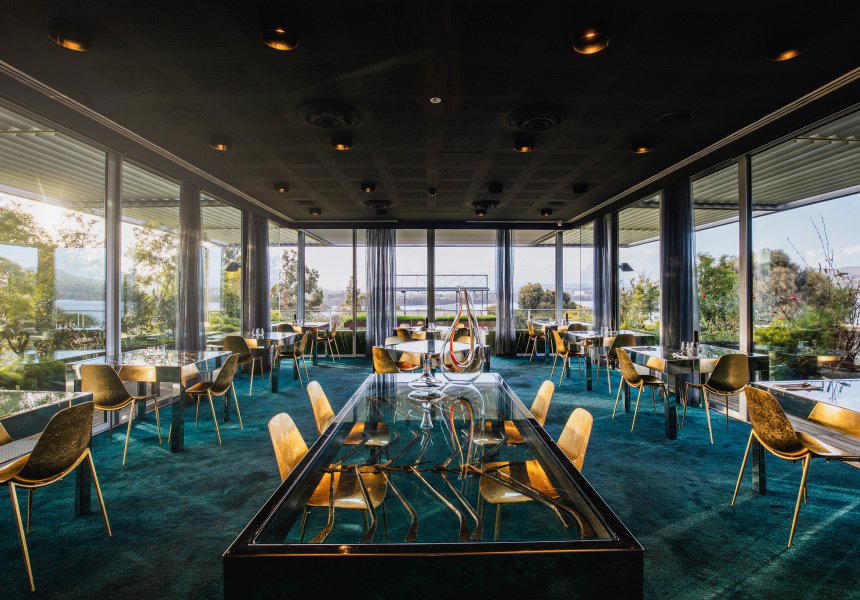
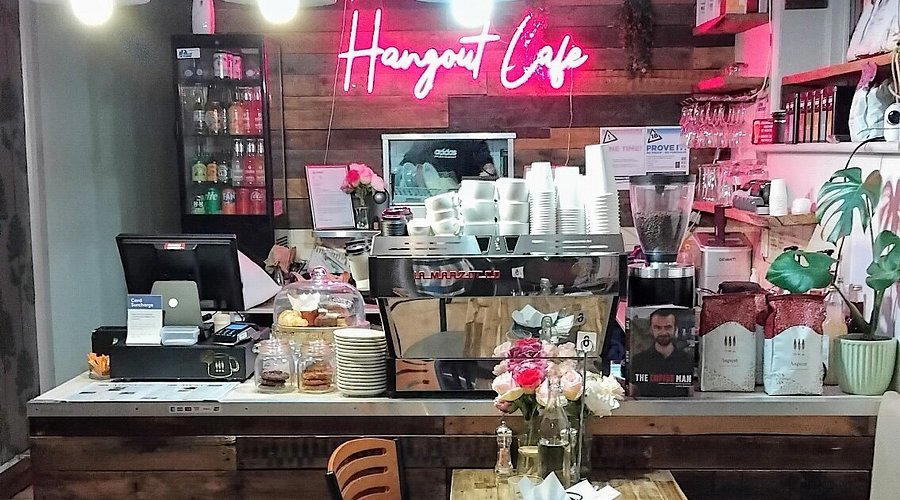
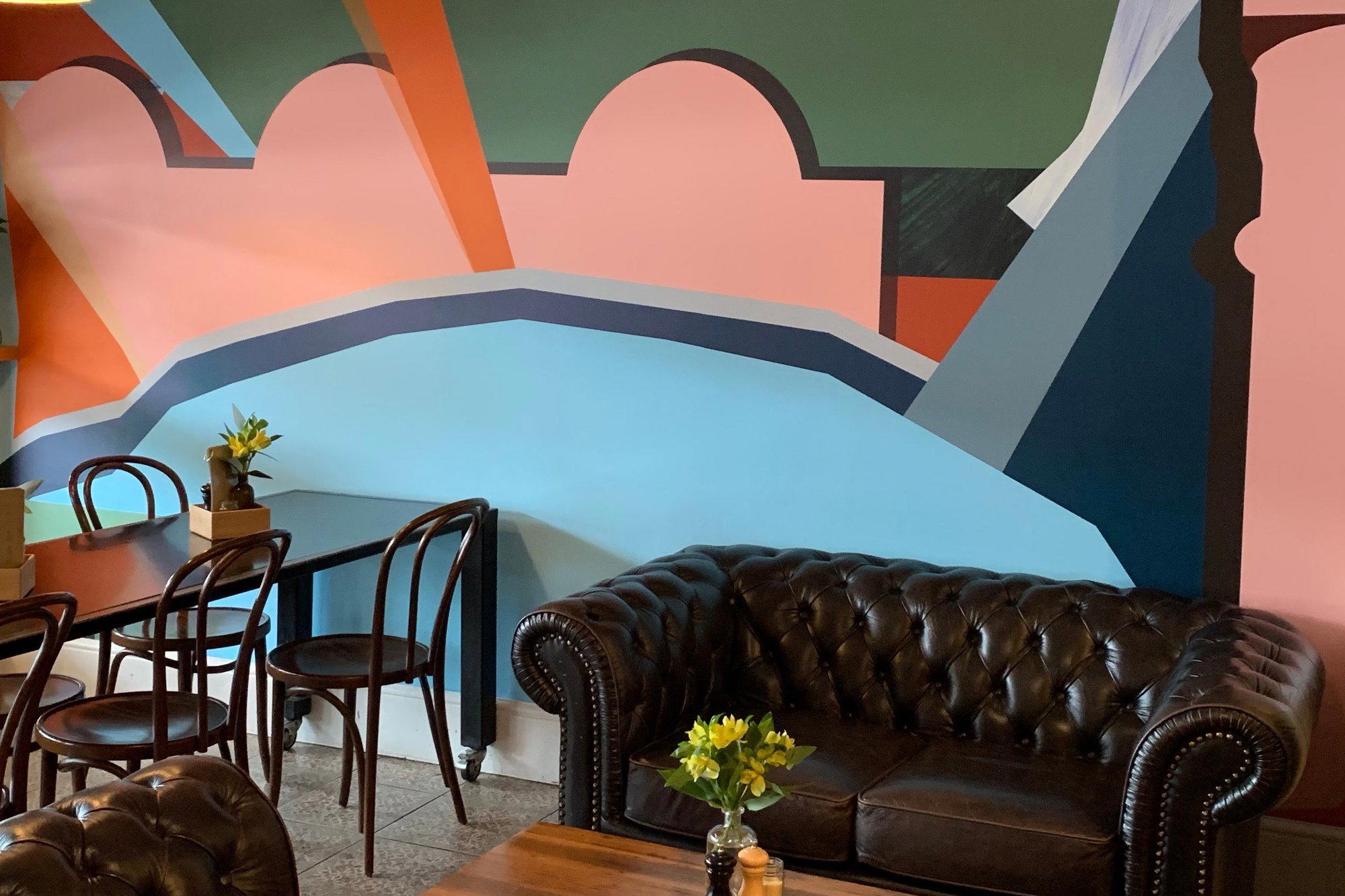
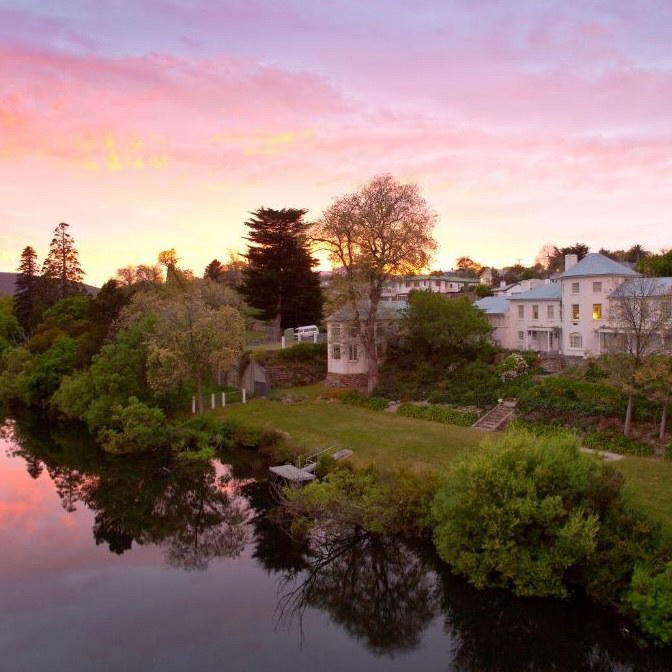
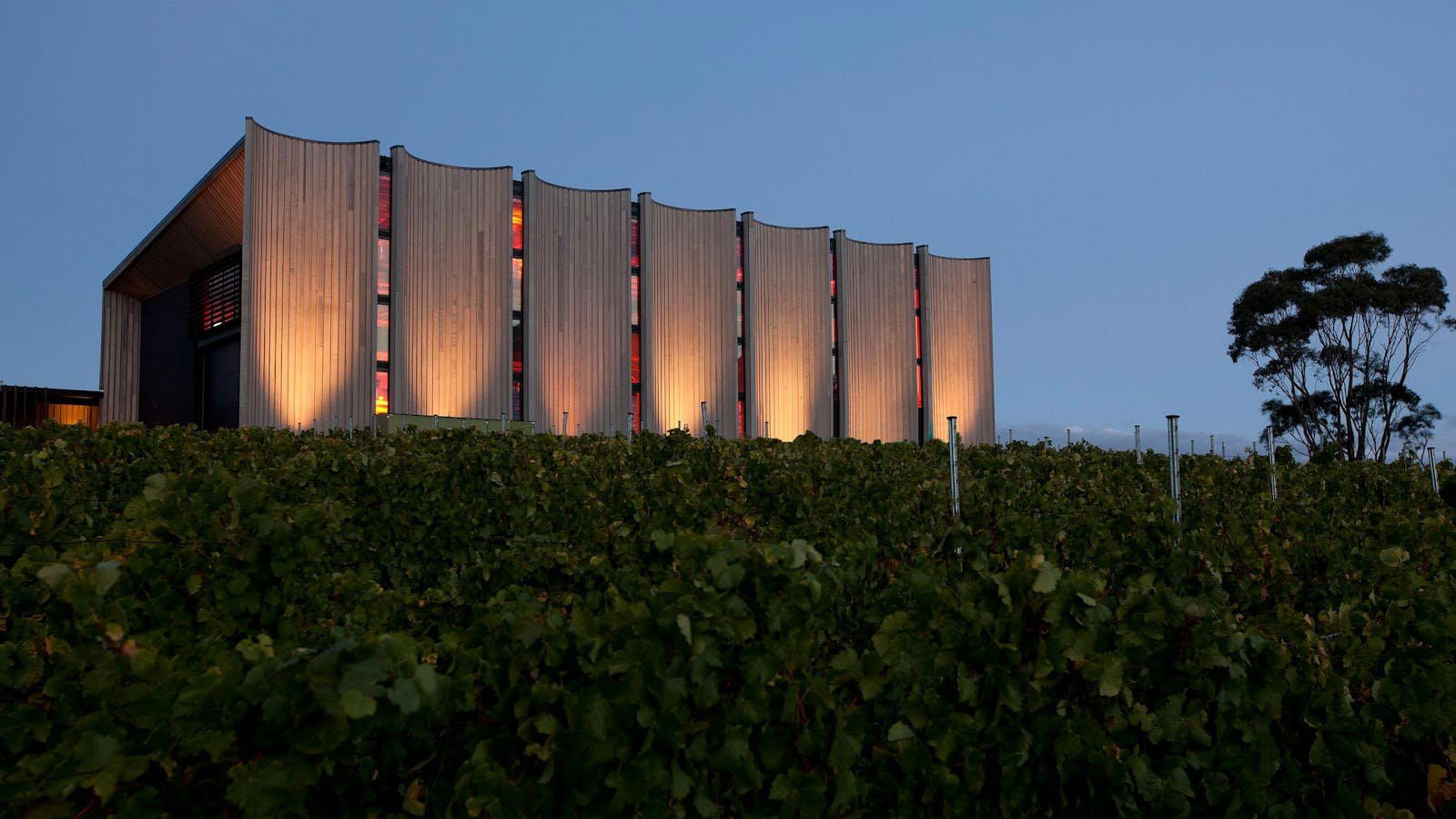
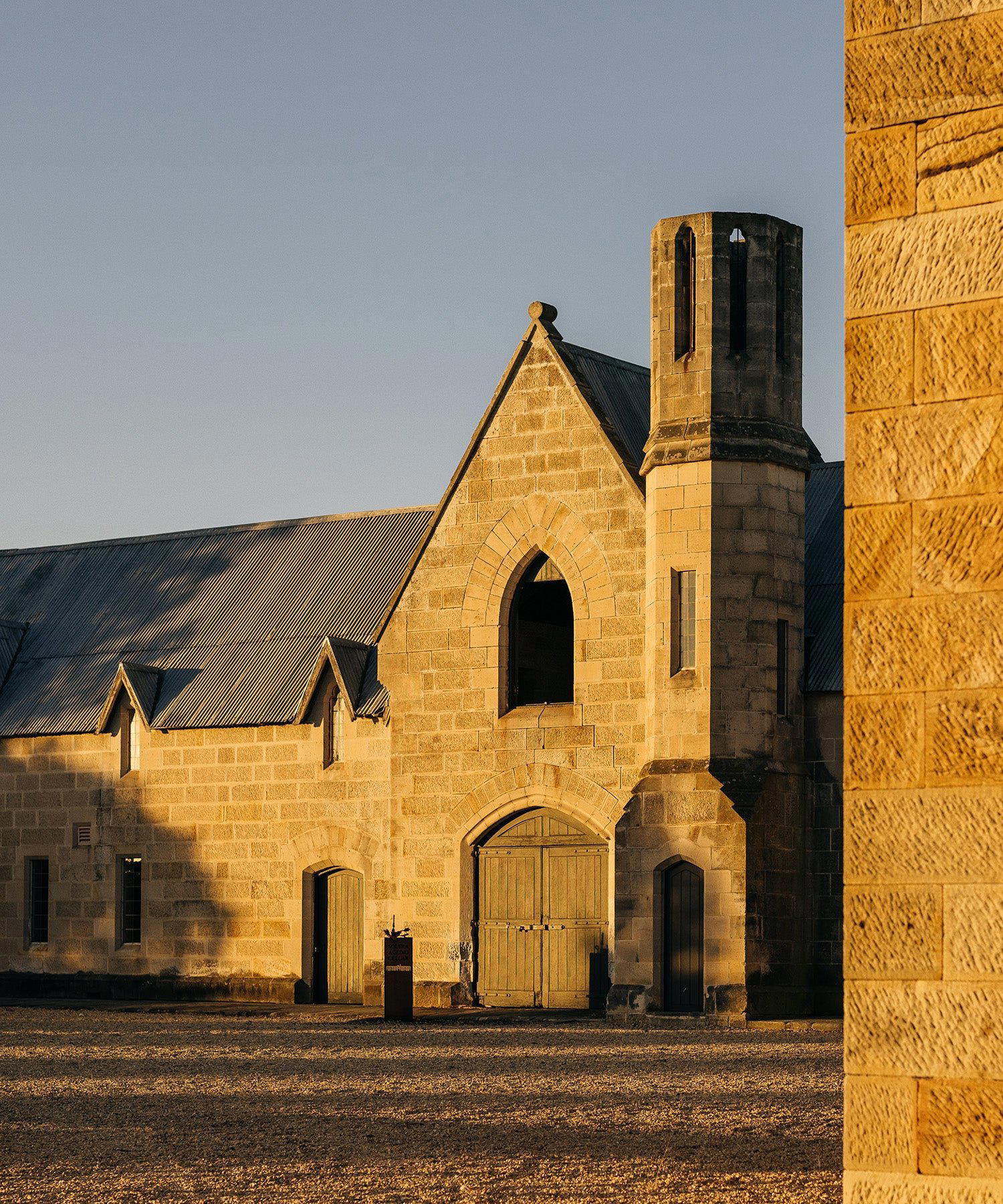

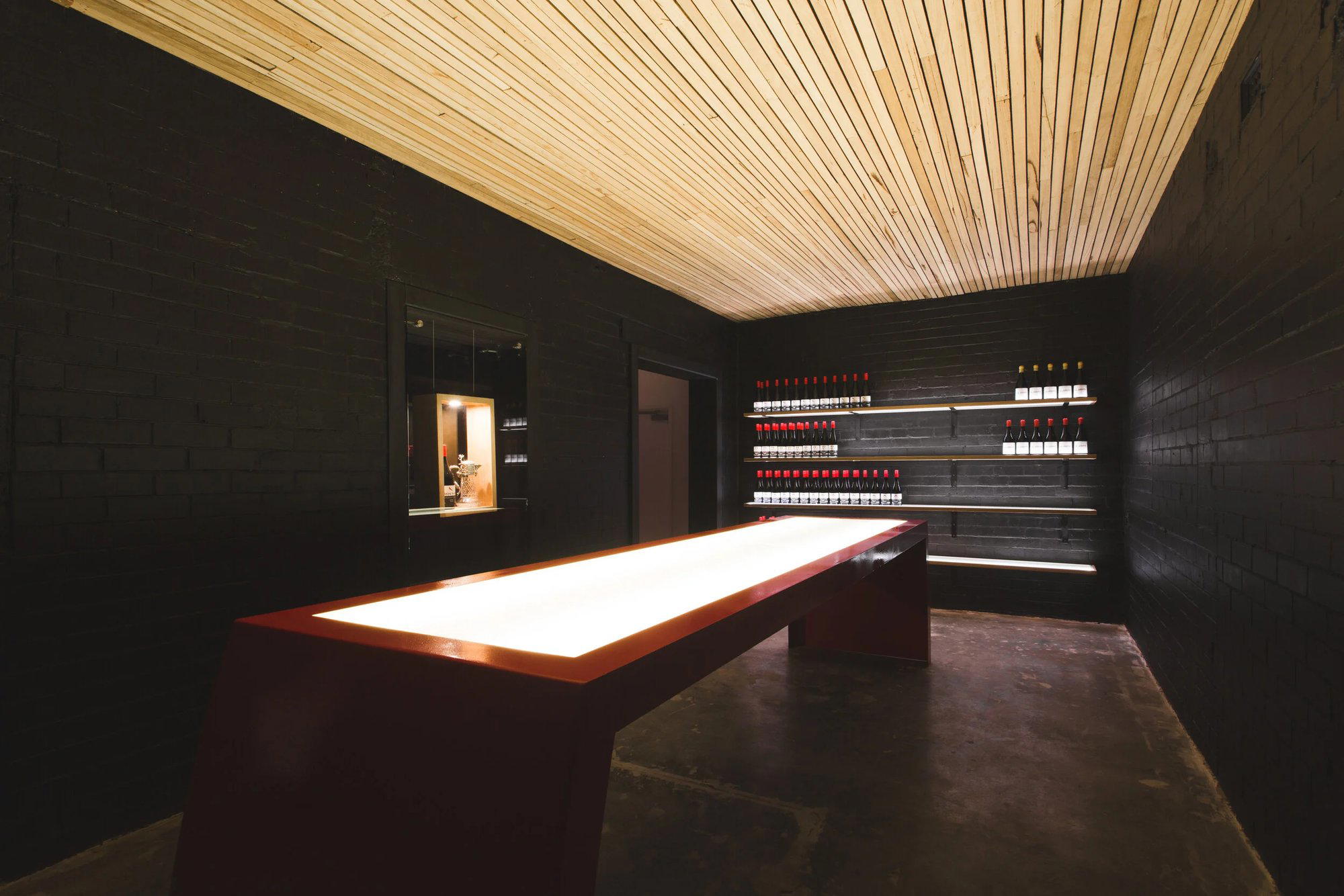
Two Metre Tall Farmhouse Ale & Cider
The drinks
- Craft beer
Signature drinks: Cleansing Ale, Huon Farmhouse Dry Cider.
Details
- Rustic
- Scenic
- Cozy
- Casual Hangout
- Garden
- Seated Bar
- Outdoor Terrace
- Craft Beer
- Waterfront
- Garden
Current opening hours
- Monday
- Closed
- Tuesday
- Closed
- Wednesday
- Closed
- Thursday
- 12–4:30 PM
- Friday
- 12–4:30 PM
- Saturday
- 12–4:30 PM
- Sunday
- 12–4:30 PM
Hours can change for holidays and private events. Hours as of .
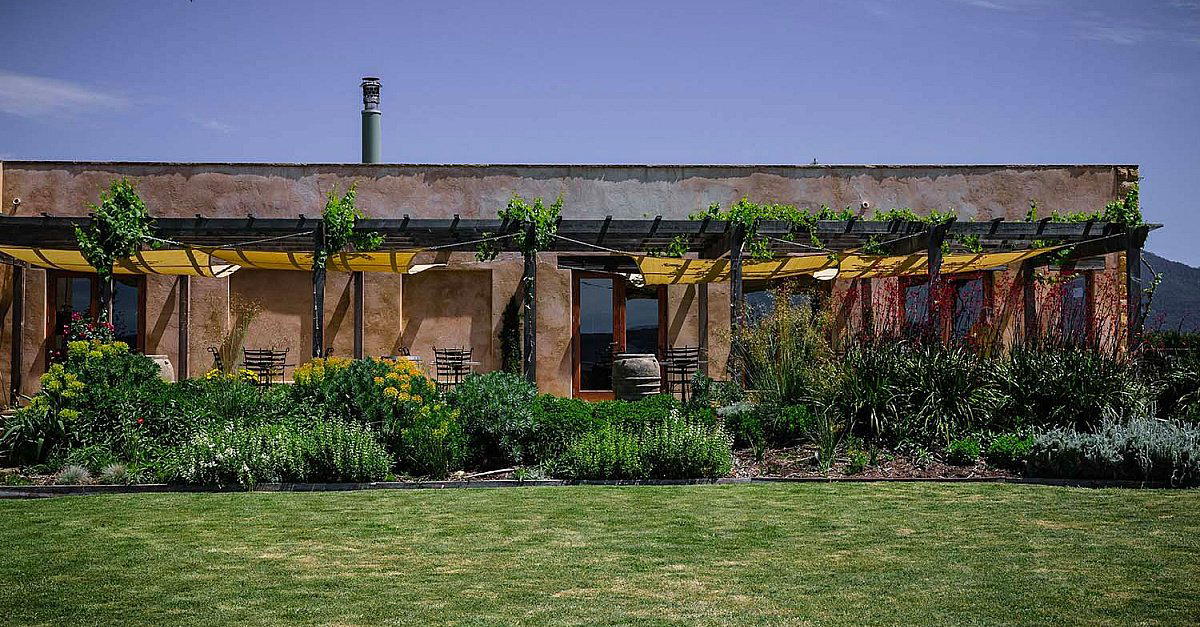
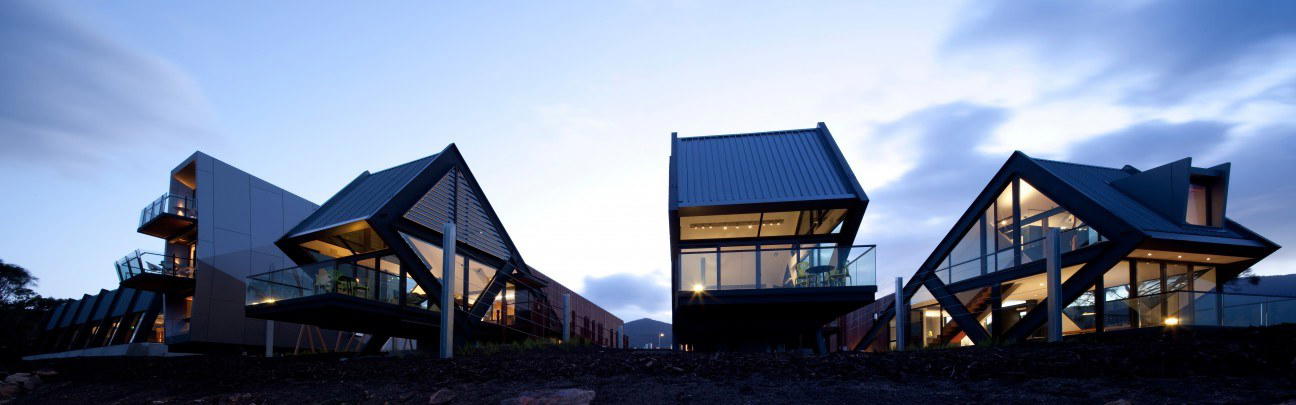
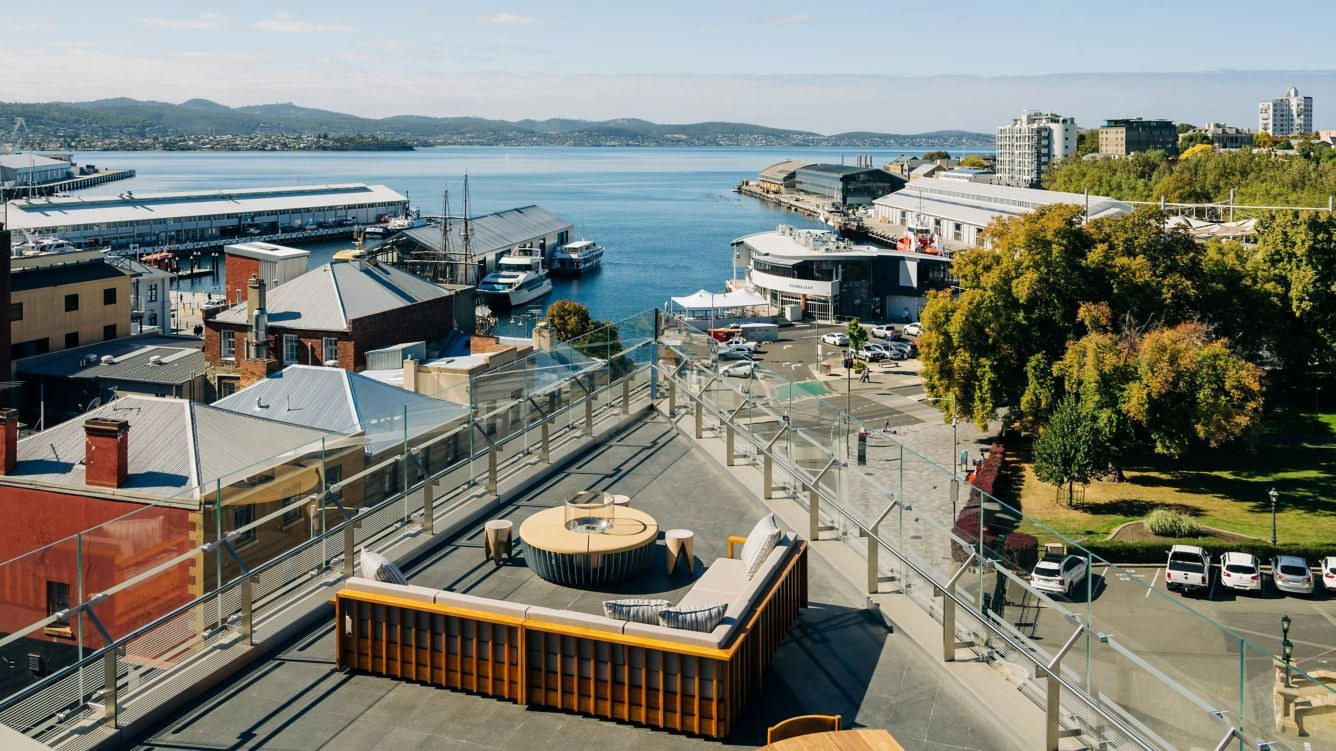
rustic farmhouse setting on lush farmland by the Derwent River with a welcoming farm bar serving tastings amid natural wilderness.