
Kagoshima’s shaved-ice culture has a local anchor in Tenmonkan Mujaki Amyu puraza ten, a station-mall offshoot of the city’s shirokuma tradition with cafe, kakigori and okonomiyaki formats under one roof. Its Tabelog 100 Cafe WEST 2025 selection places it in a credible regional cafe tier rather than a tourist-snack category.
Pearl is the En Primeur Club membership app — saves, bookings, and concierge access live there. Same editors, same standards.
- Address
- 鹿児島県鹿児島市中央町1-1 アミュプラザ鹿児島 B1F
- Phone
- +81992564690
- Website
- mujyaki.co.jp
 Saves & bookings on Pearl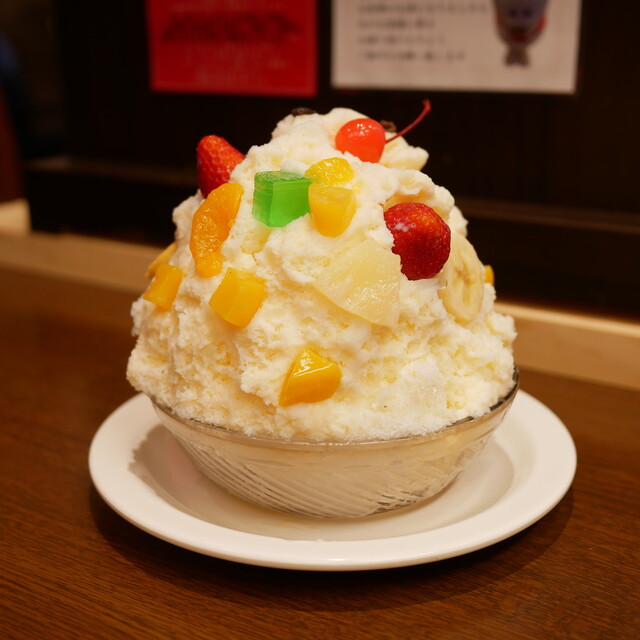
The basement level of a major Kagoshima rail complex is not where Japanese dessert culture usually asks to be taken seriously. That is the point. Kagoshima’s shirokuma tradition belongs as much to everyday city life as to destination eating: shaved ice, dairy sweetness, fruit and beans, served without the ceremony of Kyoto tea sweets or Tokyo patisserie counters. Tenmonkan Mujaki Amyu puraza ten puts that tradition in a high-traffic urban setting, where a regional specialty must work for families, solo diners, shoppers and travellers moving through the city.
Kagoshima’s food identity is often read through pork, chicken, shochu and market fish, but its cafe culture has a colder, sweeter register. Shirokuma, the city’s best-known shaved-ice style, matters because it turns local heat and appetite into a dish with civic recognition. In a country where kakigori has split between minimalist ice specialists and elaborate dessert rooms, Kagoshima keeps a populist line: generous portions, familiar sweetness, and no tasting-menu budget or long reservation horizon.
Kagoshima shaved ice in a station-city format
The ingredient story is less about luxury sourcing than regional habit. Shaved ice depends on texture, syrup balance and toppings, but in Kagoshima its cultural weight comes from shirokuma’s place in the city’s daily rhythm. The format is casual, inexpensive and broad enough to sit beside okonomiyaki and cafe staples, which says something useful about local dining: dessert is not separated from meal culture as neatly as in larger Japanese cities.
That makes the venue useful for travellers trying to understand Kagoshima beyond a single formal dinner. A counter seat or table in a 30-seat cafe tells a different story from a high-budget kappo room. The city’s premium end can run far higher, as with Toriya Yamaguchi and Karen Kagoshima ten in the JPY 10,000 to JPY 14,999 dinner bracket, while mid-priced local staples such as Aji no Tonkatsu Maruichi or Washoku Tei occupy a more meal-driven lane. This cafe sits below those tiers in spend, but not in local relevance.
The 2025 Tabelog 100 Cafe WEST selection is the trust signal that changes the reading. In Japan, cafe recognition can scatter across patisserie, kissaten, kakigori and coffee formats; a Kagoshima shaved-ice address in that regional list places the city’s dessert tradition inside a wider western Japan cafe conversation. It is not a fine-dining claim. It is evidence that a casual local form can carry editorial weight when executed consistently enough to be noticed beyond its immediate neighbourhood.
Why shirokuma belongs beside pork cutlets, market fish and shochu
Kagoshima dining rewards range. One itinerary can move from tonkatsu to charcoal-grilled chicken, from market canteens to late-night bars, and the better reading of the city accepts those contrasts rather than forcing every meal into a premium frame. For a broader local map, Our full Kagoshima restaurants guide gives the restaurant spread, while Our full Kagoshima bars guide is the more useful follow-on for shochu and cocktail drinking.
Within that range, shaved ice plays the role that gelato plays in parts of Italy or halo-halo in the Philippines: a climate-aware sweet and civic marker. The comparison is not only technical; it is about when a dish becomes shorthand for a place. Kagoshima’s summers make cold dessert practical, but shirokuma endures through accessibility, family appeal and its fit between train travel, shopping and casual meals.
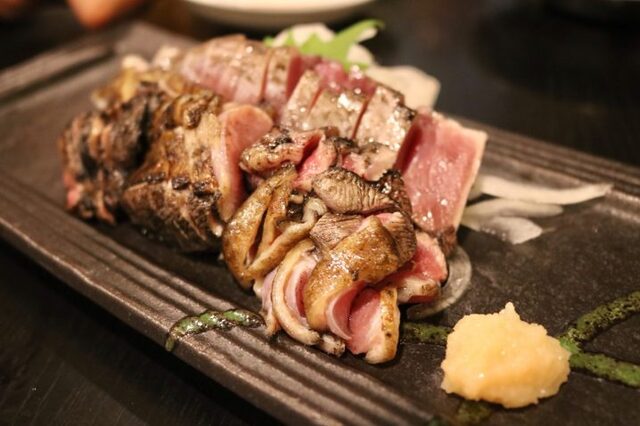
That is why the surrounding itinerary matters. Pair the cafe with heavier local eating rather than treating it as a standalone pilgrimage. Akadori Sumiyaki Daiyasu gives a chicken-and-charcoal counterpoint; Ichiba Shokudo Jounan ten points toward market dining; Charcoal-grilled Fish & Clay Pot-cooked Rice Ochawan, Japanese Set Meal Diner sits in the teishoku lane; and BAR STINGER shifts the day toward Kagoshima after dark. The shaved-ice stop is clearest when it breaks up a city itinerary rather than competing with dinner.
There is also a practical editorial distinction between a dessert specialist and a cafe that absorbs multiple local needs. The category listing covers cafe, kakigori and okonomiyaki, with take-out available and children welcome. That mixed format may look less severe than a single-product counter, but it reflects how regional Japanese station dining often works: speed, familiarity and reliable comfort are part of the craft. No private rooms and counter seating point to a casual, open setting rather than a destination room built around lingering service.
How to fit it into a Kagoshima itinerary
Tenmonkan Mujaki Amyu puraza ten works strongest as a daylight stop around central Kagoshima movement, especially for travellers arriving by rail or building a food day without repeated cross-city trips. The AMU Plaza address connects the cafe to a transport-and-shopping rhythm, exactly where shirokuma makes sense. It is not for quiet ceremony; it shows how a local sweet becomes everyday infrastructure.
For travellers building beyond restaurants, the city works better as a layered plan than a single dining checklist. Our full Kagoshima hotels guide helps anchor the stay, Our full Kagoshima experiences guide frames the cultural side, and Our full Kagoshima wineries guide covers the drinks-adjacent angle where relevant. Kagoshima does not need every meal to be expensive; the better strategy is to alternate regional staples, casual sweets and focused drinking.
Readers comparing Japanese casual formats across the country can place this cafe beside everyday-specialist addresses: -Grilled beef Sukiyaki- KAMAKURA TANUKIAN 鎌倉 たぬき庵 in Kamakura,. 鮪と炭火焼き うお炭 秋葉原店 in Tokyo,.cafe in Osaka,.know in Kumamoto, (Shoku) Vietnam in Kawasaki, and [Curry Senmon Ten] Maruyama Kyoju. in Sapporo. For trans-Pacific casual Japanese reference points, Jōdo Saké Bar in Los Angeles and Onigiri Time in Pasadena show how focused formats read differently once removed from their home context.
The critical reason to go is not novelty. It is calibration. A traveller who only eats Kagoshima through expensive meat, polished counters or hotel dining misses how the city cools itself down, feeds families and turns a sweet into a local calling card. This small-format cafe has a larger job: making Kagoshima’s dessert culture legible in the middle of the city’s daily flow.
How It Stacks Up
Comparable venues by cuisine and price in the same metro.
| Venue | Cuisine | Price | Awards | Notes |
|---|---|---|---|---|
| Tenmonkan Mujaki Amyu puraza tenThis venue — the venue you are viewing | Japanese cafe & shaved ice (Shirokuma) | $ | , | |
| Ichiba Shokudo Jounan ten | Japanese market cafeteria with sushi and seafood set meals | $ | , | Jounan, Kagoshima City |
| Charcoal-grilled Fish & Clay Pot-cooked Rice Ochawan, Japanese Set Meal Diner | Charcoal-grilled fish & clay pot-cooked rice Japanese breakfast teishoku | $$ | , | Tenmonkan |
| Kawakyu (とんかつ川久) | 鹿児島黒豚とんかつ | $$ | , | 鹿児島中央 |
| Yushoku Tonsai Ichiniisan Kagoshima honten | Kagoshima black pork shabu-shabu & regional Japanese | $$ | , | Shimoarata |
| Tenjin Boumarushin | Traditional handmade soba | $$ | , | Tenmonkan / Tenmonkandori |
Continue exploring
More in Kagoshima
Restaurants in Kagoshima
Browse all →

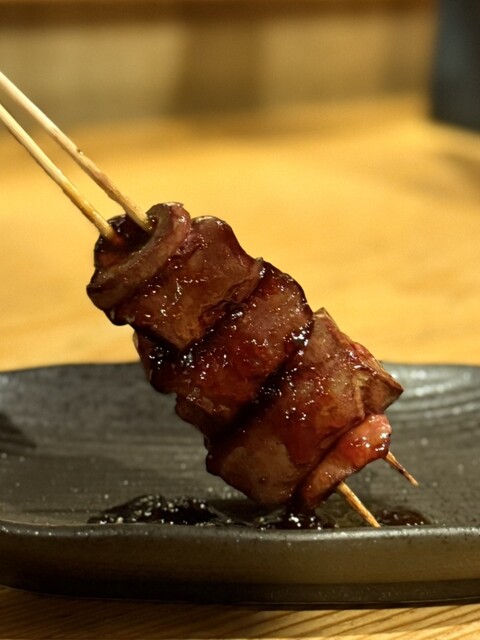
Hotels in Kagoshima
Browse all →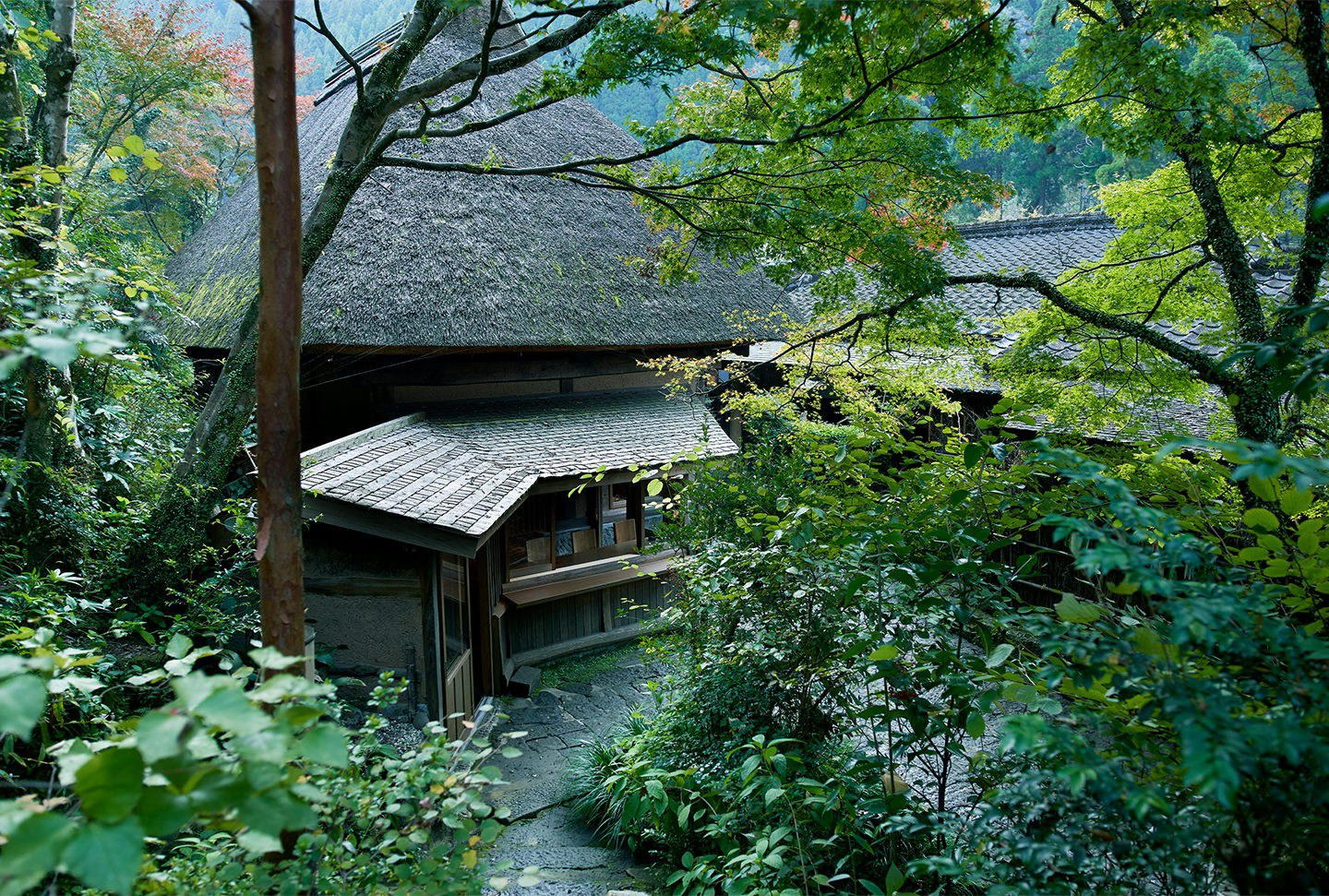
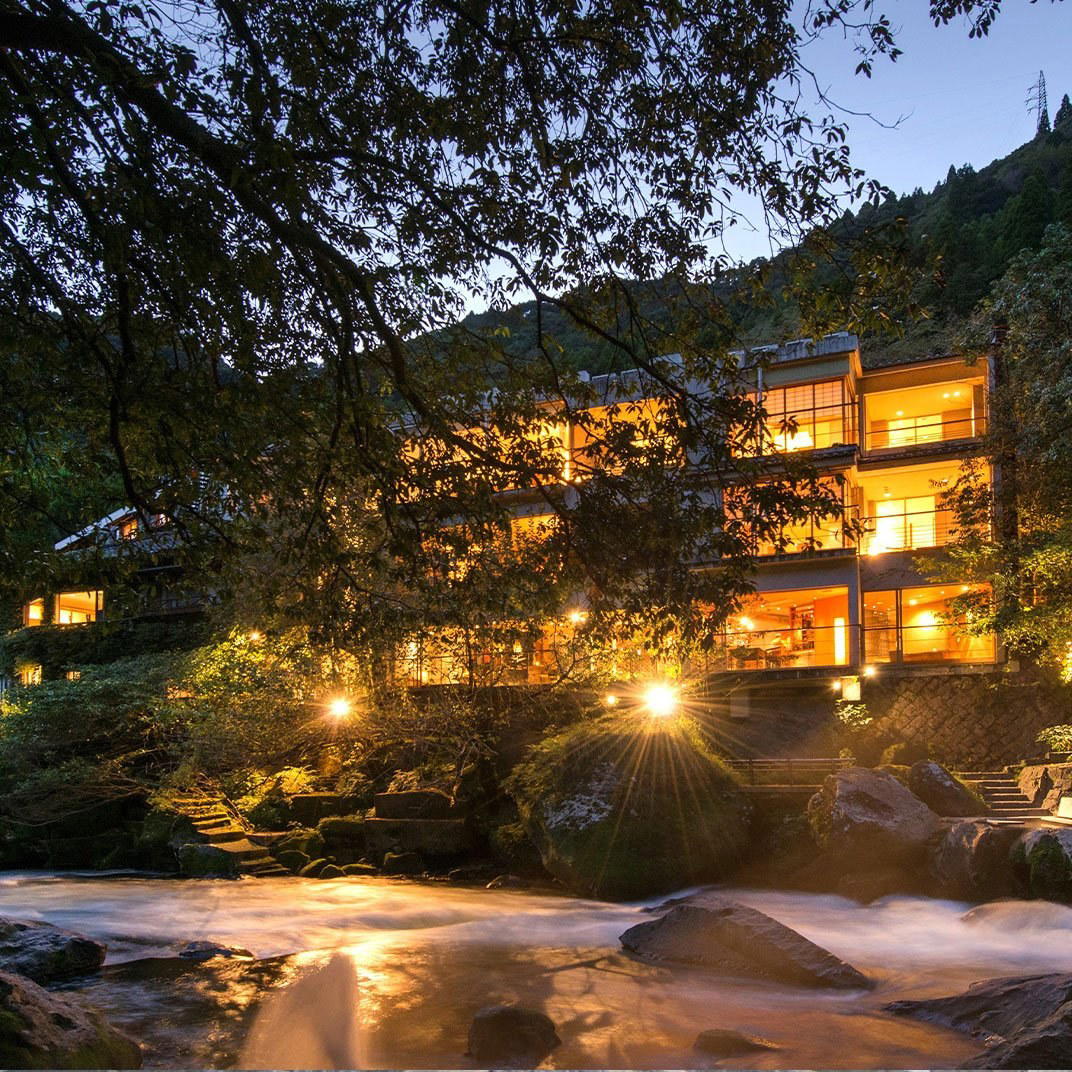
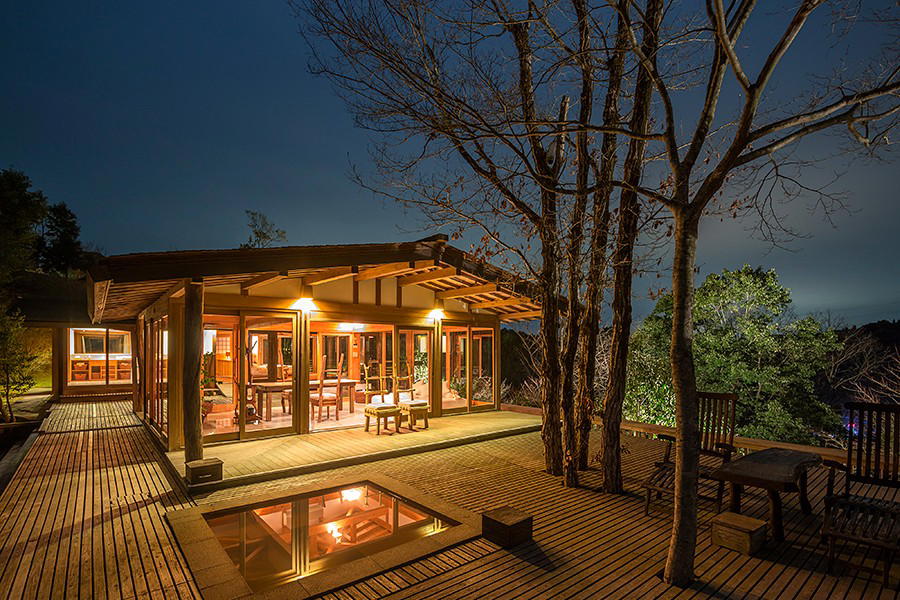
Wineries in Kagoshima
Browse all →
At a Glance
- Casual
- Classic
- Lively
- Solo
- Family
- Casual Hangout
- Late Night
- After Work
- Standalone
Bright, bustling basement-station cafe inside Amu Plaza with simple table and counter seating; atmosphere is informal and busy with shoppers and travelers dropping in for quick kakigori and light meals rather than lingering dining.