Distilleria Giovi operates from Fondachello in the Valdina hills of northeastern Sicily. The distillery sits within one of Italy's most geologically distinct production zones, where volcanic soils and coastal proximity shape the raw materials that feed the still. For those tracing Italian artisan distillation beyond the northern benchmarks, this is a Sicilian address worth understanding.
Pearl is the En Primeur Club membership app — saves, bookings, and concierge access live there. Same editors, same standards.
- Address
- Via Valdina, 30, 98040 Fondachello ME
- Phone
- +39 090 994 2256
- Website
- distilleriagiovi.it
- Directions
- Get directions
 Saves & bookings on Pearl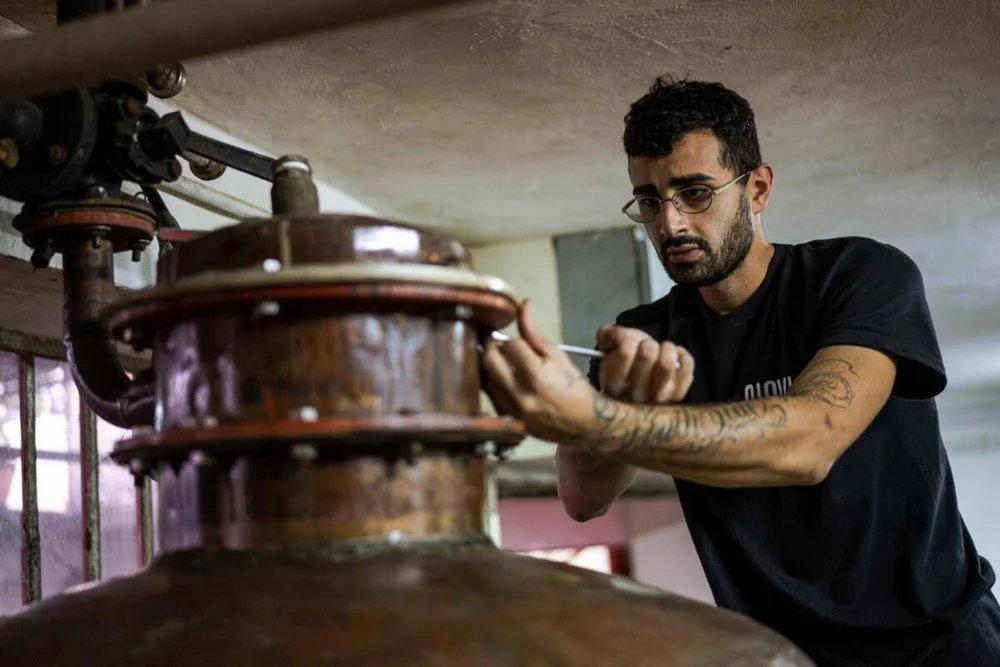
Where Volcanic Sicily Meets the Still
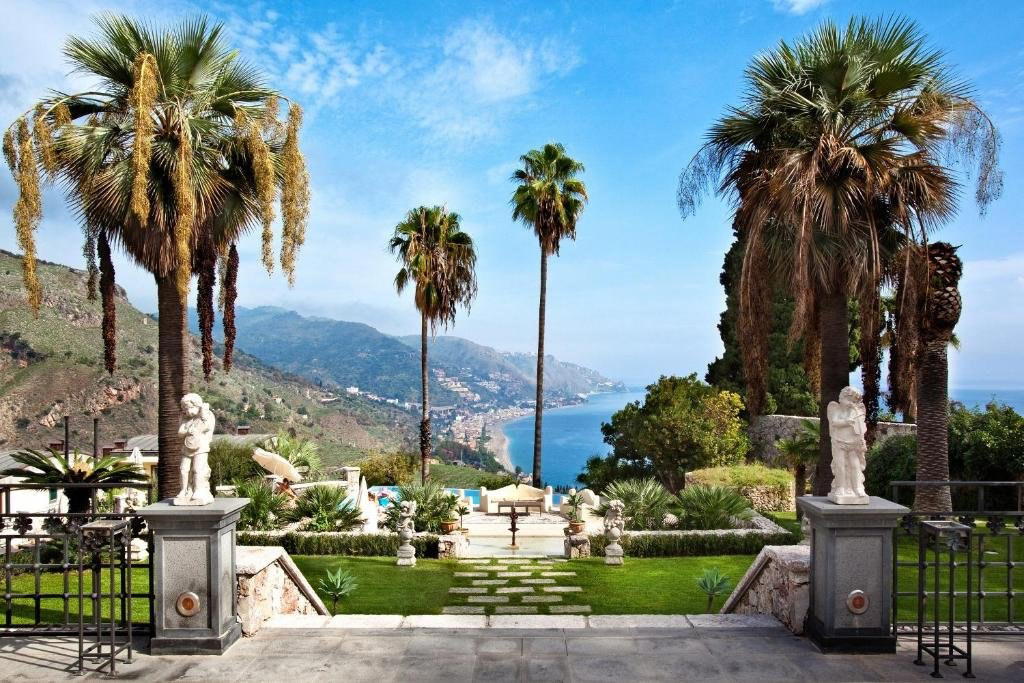
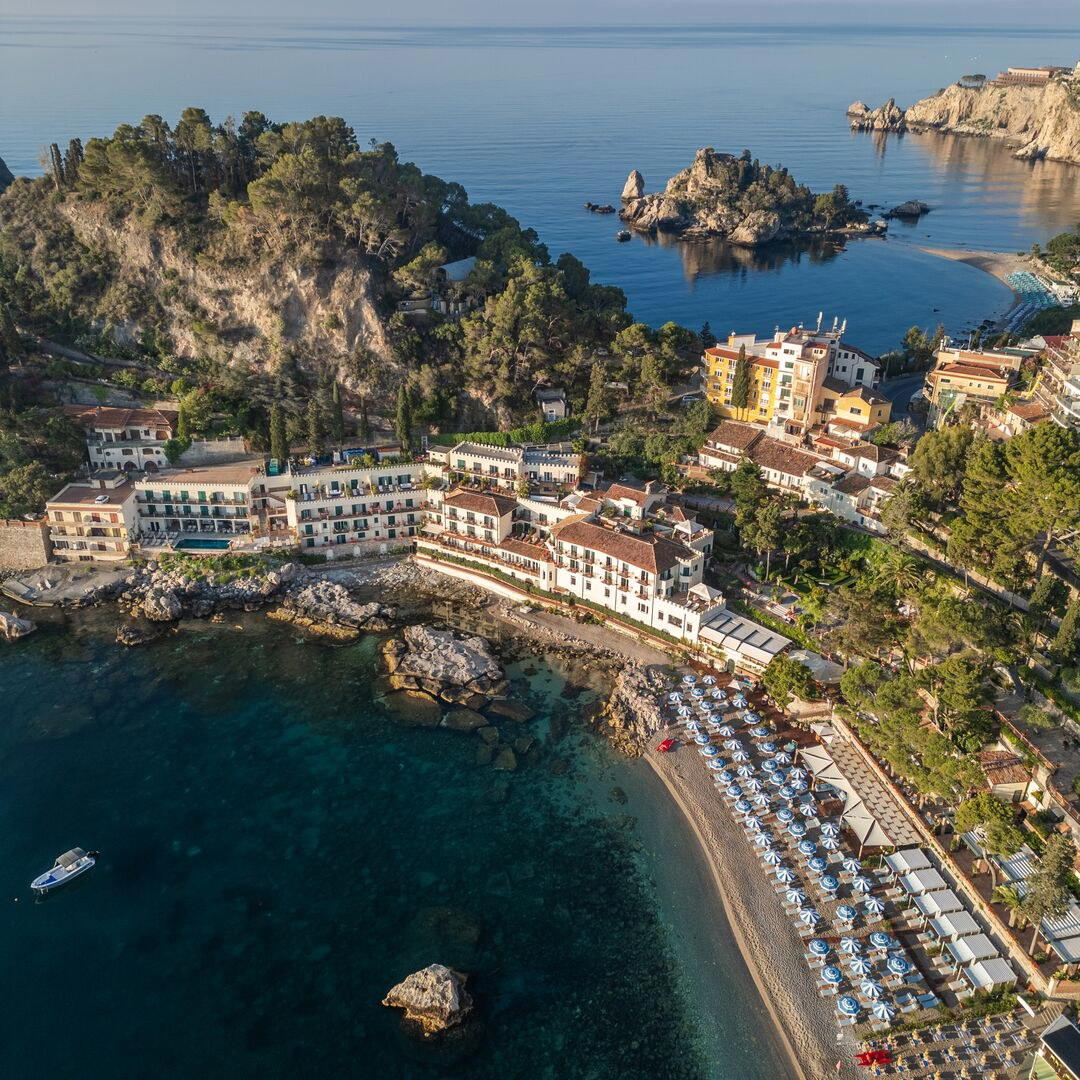
The northeastern tip of Sicily occupies a category of its own among Italian terroir. The Peloritani mountains descend steeply toward the Tyrrhenian coast, and the soils here carry the fingerprint of millennia of volcanic and tectonic activity, mineral-dense, fast-draining, and unlike the alluvial plains that define so much of southern Italian agriculture. It is in this environment, along Via Valdina in the commune of Fondachello, that Distilleria Giovi has established its production.
The distinction between a distillery shaped by its land and one that simply sources commodity spirit is not always obvious from the outside. But in northeastern Sicily, where raw agricultural material, whether grape pomace, citrus, or local botanicals, carries the chemical imprint of the soil and climate it grew in, the connection between terroir and what ends up in the bottle is measurable rather than rhetorical. Giovi works within that logic.
The Peloritani Production Context
Italian artisan distillation has, for decades, been narrated almost entirely through a northern lens. The grappa tradition runs from Piedmont through Veneto and into Friuli, with houses like Distilleria Romano Levi in Neive, Nonino Distillery in Pavia di Udine, Distilleria Marzadro in Nogaredo, and Poli Distillerie in Schiavon forming the reference cluster most collectors and critics default to. Sicily's contribution to Italian distillation has been systematically underread, even as its wine industry, through producers like Planeta in Menfi, demonstrated that the island's viticulture was capable of producing material of serious quality.
What the Messinese hills specifically offer is a growing environment that is neither the hot, arid south of Agrigento and Ragusa nor the intensely volcanic terroir of Etna's upper elevations. The Valdina and Fondachello zone sits at an intermediate altitude, where maritime influence from the Strait of Messina moderates summer heat, slowing ripening and preserving acidity in the grapes and other botanicals that producers here draw on. For a distillery, this translates into pomace or base material with more aromatic complexity and less sugar saturation than you would expect from flatter, hotter Sicilian zones.
What a 2025 Prestige Recognition Means in This Category
It places the distillery within a tiered recognition structure that tracks quality signals across Italian producers, and a two-star result at the Prestige level indicates performance that goes beyond local or regional visibility. In the Italian distillation category, where the northern benchmarks have accumulated decades of press and critical infrastructure, recognition for a Sicilian producer carries additional weight precisely because it runs against the default critical geography.
For context on what peer recognition looks like across Italian producer categories: wine estates like Aldo Conterno in Monforte d'Alba, Lungarotti in Torgiano, and Castello di Volpaia in Radda in Chianti have built recognition over multiple decades. A distillery earning a two-star Prestige result in 2025 is operating on a different timeline but landing inside a competitive quality conversation. That matters for how to read Giovi's current position: early in public critical profile, but already at a tier that invites comparison with established Italian producers rather than being filed under emerging or regional-interest-only.
Internationally, the distillation category runs from heritage Scotch houses like Aberlour in Aberlour to industrial spirits groups like Campari in Milan. Giovi's positioning is closer to the artisan, terroir-driven end of that spectrum, where production decisions are governed by what the raw material from a specific place can express, rather than by blending for consistency at volume.
Sicilian Distillation and the Terroir Argument
The concept of terroir has been applied to wine for so long that it risks becoming imprecise. In distillation, the argument is both simpler and more contested. Simpler, because the connection between raw material quality and the character of the final spirit is relatively direct, what grows in a particular soil under a particular climate produces specific aromatic and structural profiles that survive the still if the distiller works with care. More contested, because distillation by its nature strips and concentrates, and critics have argued that geographic origin becomes harder to trace in the finished product.
The northeastern Sicilian case is worth taking seriously on its own terms. The soils around the Peloritani, classified broadly as metamorphic and volcanic in origin, produce agricultural material with mineral profiles that are measurably different from those of the Pianura Padana or Friuli's Collio.
For a broader map of how Italian wine and spirits producers are working with terroir across the peninsula, the range runs from the volcanic specificity of Etna to the limestone-driven character of Barolo's La Morra and Serralunga, and extends into the central Italian clay-and-galestro soils that define estates covered in our guide to L'Enoteca Banfi in Montalcino and Poggio Antico in Monte San Vito. Sicilian distillation sits at the southern edge of that conversation, with Giovi now representing a documented entry point.
Ca' del Bosco and the Sparkling Parallel
A useful structural comparison for understanding what it means for a production site in an underread Italian region to achieve serious critical recognition comes from Franciacorta. Ca' del Bosco in Erbusco is the clearest example of a producer that repositioned an entire regional category through consistent quality signalling. When Franciacorta was still regarded as a secondary Italian sparkling alternative to Prosecco or imported Champagne, Ca' del Bosco's technical investment and critical profile-building helped shift the category's ceiling upward. Giovi's position in Sicilian distillation is at an earlier stage of a comparable trajectory, a 2025 recognition rather than decades of accumulated press, but the structural logic is similar.
Planning a Visit to Fondachello
Distilleria Giovi is addressed at Via Valdina 30, in the Fondachello locality of the Messina province, in the 98040 postal zone. The nearest city infrastructure is Messina, which sits approximately 20 kilometres to the northeast and connects to the Italian rail network and to the mainland via the Stretto ferry crossing. The Reggio Calabria airport on the Calabrian side is a viable arrival point; Catania's Fontanarossa airport to the south provides broader international connectivity and is typically a 90-minute drive along the A18 autostrada. For those building a broader northeastern Sicily itinerary, the Valdina hills connect naturally to the viticultural zones of Faro DOC and to the coastal communities along the Tyrrhenian side of the Messina province. Visitors should verify opening arrangements and visit formats before travelling.
For readers building an itinerary that tracks Italian distillation more broadly, the contrast between Giovi's Sicilian volcanic context and the alpine and pre-alpine environments of northern grappa producers is instructive, not just as geography, but as an argument about what Italian spirits can express when the raw material comes from somewhere genuinely different.
Comparable Spots, Quickly
Comparable venues nearby, for context on price, style, and recognition.
| Venue | Cuisine | Price | Notes |
|---|---|---|---|
| Distilleria GioviThis venue — the venue you are viewing | Nerello Mascalese, Carricante | Not listed | Not listed |
| Lamoreaux Landing Wine Cellars | Winery | Not listed | Lodi |
| Amaro Santa Maria al Monte | Winery | Not listed | Chiavari |
| Averna (Fratelli Averna) | Sicily | $$ | Caltanissetta |
| Strega Alberti | Aglianico, Falanghina | Not listed | Benevento |
| Gruppo Montenegro | Winery | Not listed | Bologna |
Continue exploring
More in Valdina
Wineries in Valdina
Browse all →
Bars in Valdina
Browse all →
Restaurants in Valdina
Browse all →
At a Glance
- Rustic
- Intimate
- Wine Education
- Estate Grounds
- Sustainable
- Organic
- Mountain
- Etna
- Nerello Mascalese
- Carricante
- Catarratto
- Nero D’avola
- Still Red
Traditional family-run distillery with a focus on artisanal craftsmanship and natural production methods.