Distilleria F.lli Russo
Based in Santa Venerina on the volcano's eastern flank, the operation works within a tradition of Etna-grown raw materials that shapes the character of what ends up in the bottle.
Pearl is the En Primeur Club membership app — saves, bookings, and concierge access live there. Same editors, same standards.
- Address
- Via Duccio Galimberti, 68, 95010 Santa Venerina CT
- Phone
- +39 095 953321
- Website
- russo.it
- Directions
- Get directions
 Saves & bookings on Pearl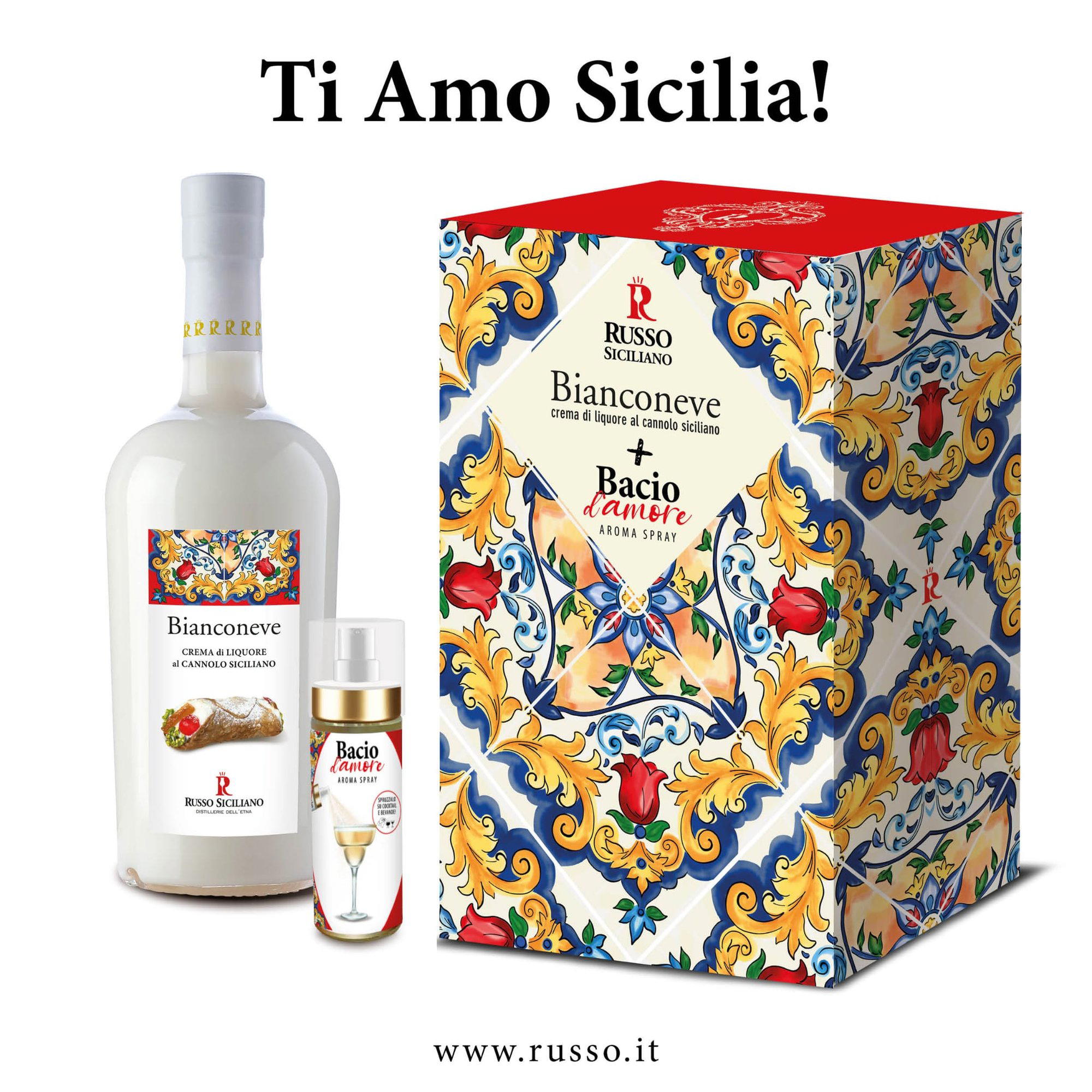
Distilling at the Foot of a Volcano
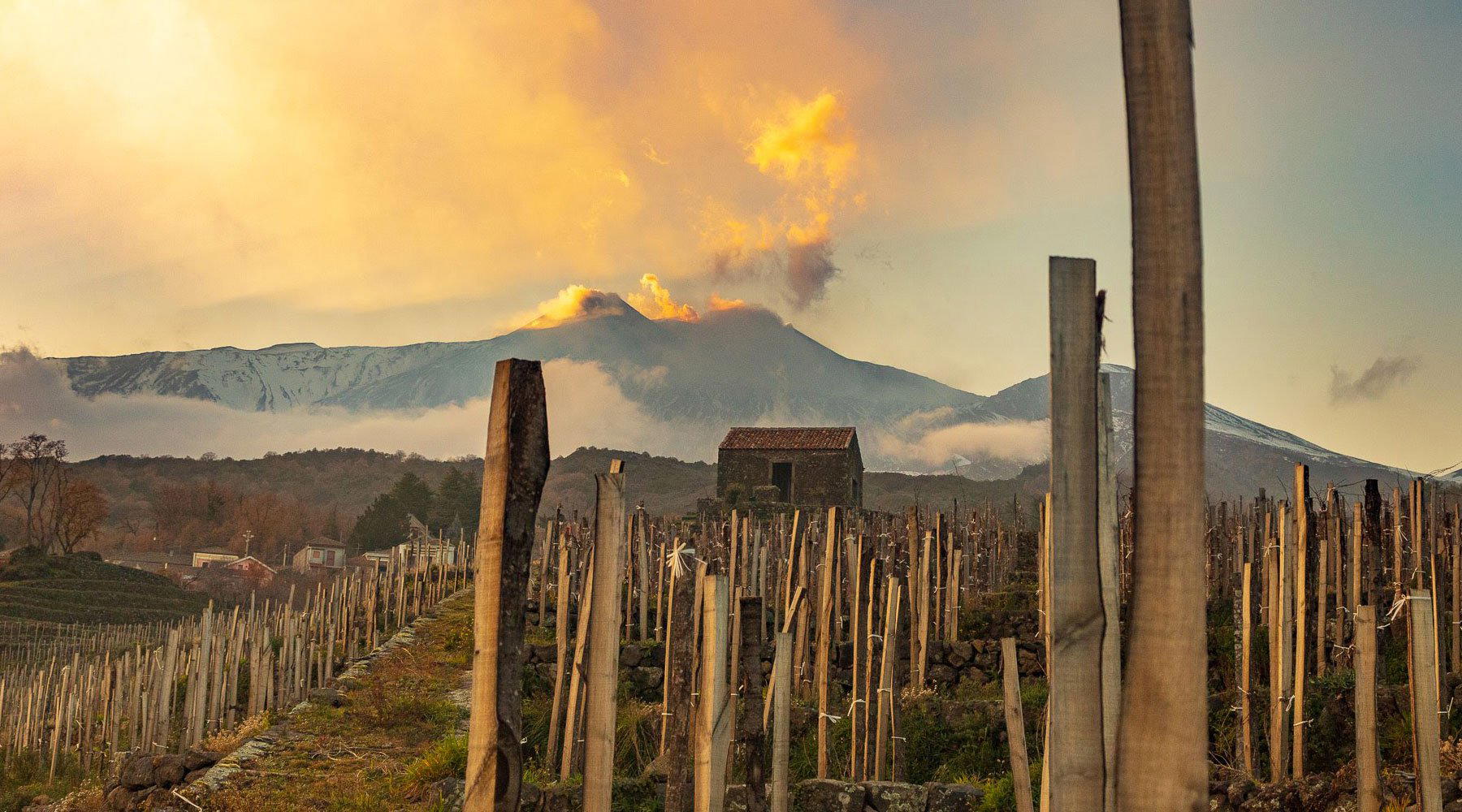
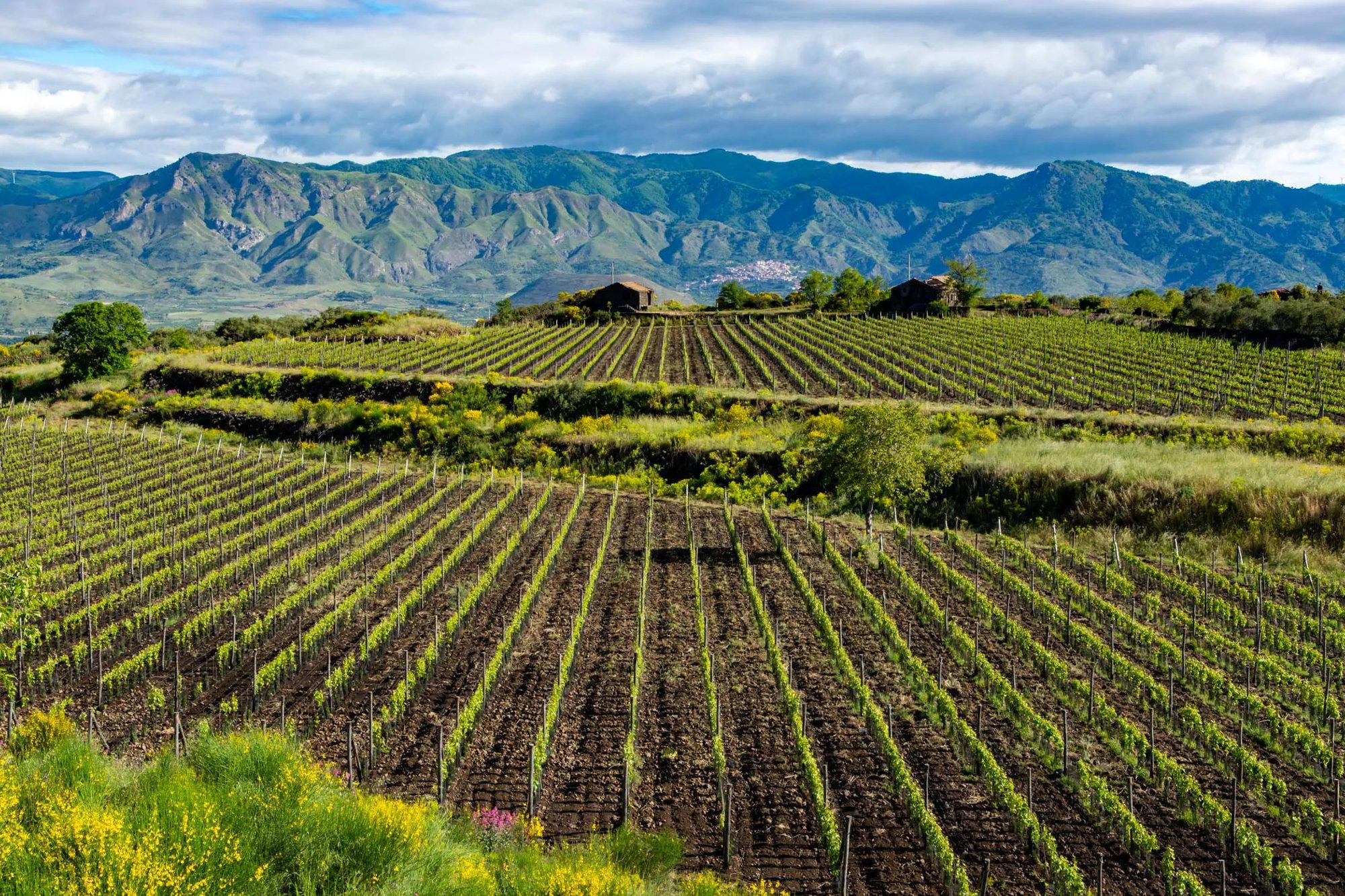
Distilleria F.lli Russo is a winery in Santa Venerina, Sicily, at Via Duccio Galimberti, 68, 95010 Santa Venerina CT. The wine estates draw the crowds further south and west, and the island's distillery culture has long operated in the shadow of its viticulture. But in the comuni that ring the volcano, Santa Venerina among them, a different kind of producer has been at work, translating the same volcanic terroir that defines Etna Rosso and Etna Bianco into distilled form. The soil here is black basalt and pumice, porous and mineral-rich, with altitude variations that shift dramatically within a few kilometres. What grows in it carries those conditions.
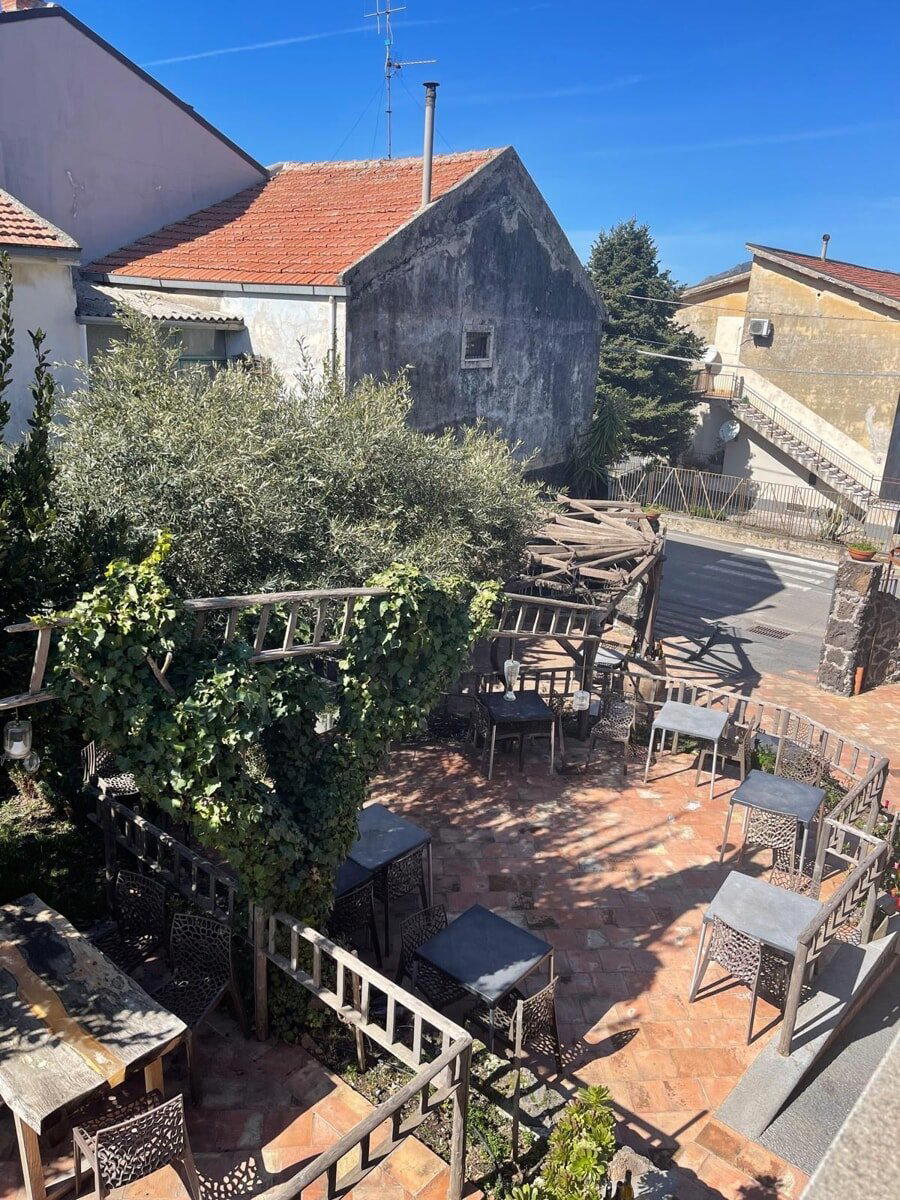
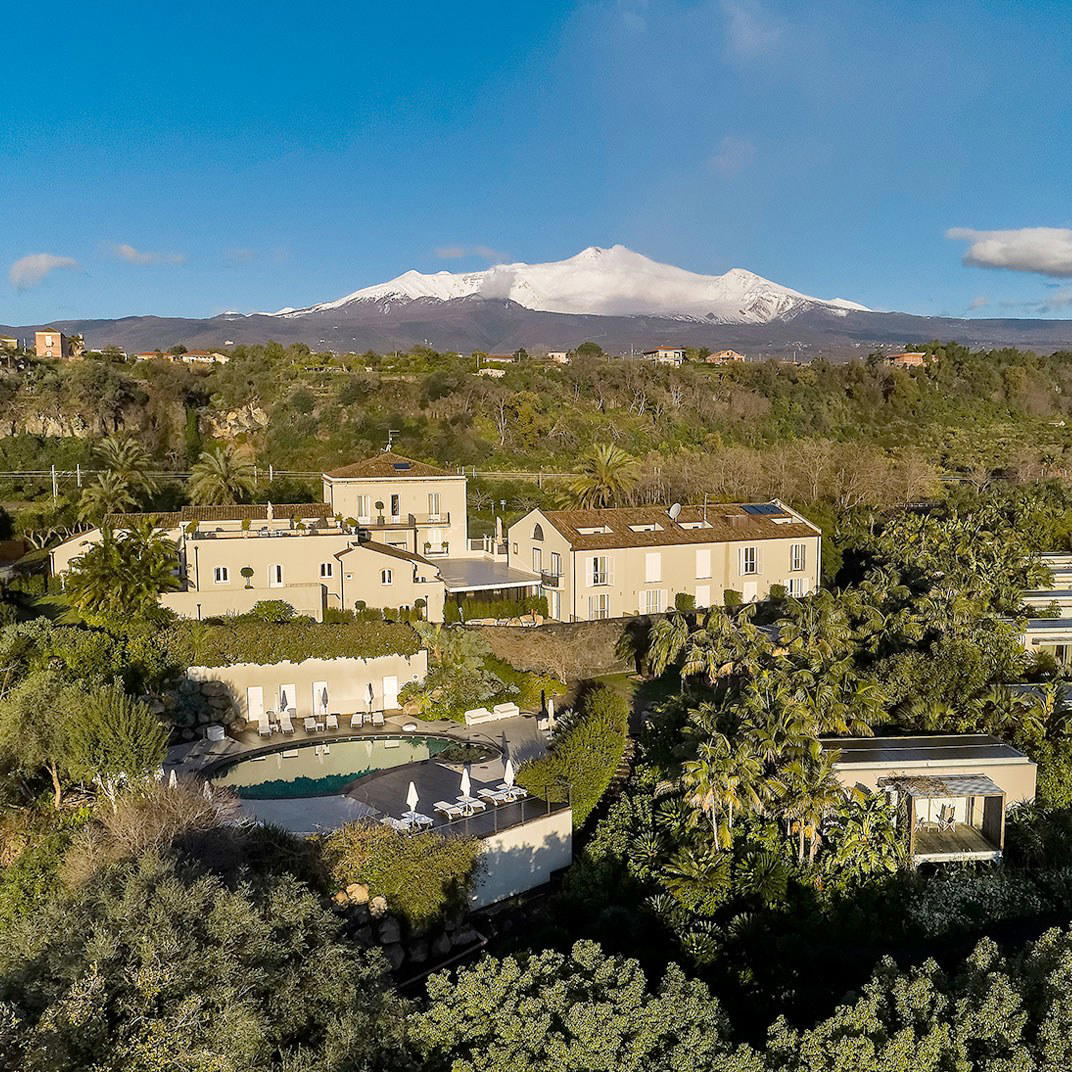
Distilleria F.lli Russo sits on Via Duccio Galimberti in Santa Venerina, a working town in the Catania province that functions as a supply and service hub for the agricultural communities of Etna's lower eastern flank. The setting is functional rather than scenic in the wine-tourism sense, which is part of what defines operations like this one: they are producers first, not destinations engineered for the tasting-room economy.
Italian spirits recognition operates across a range of awards bodies, regional competitions, and trade publications. For context, that tier includes distilleries from across Italy's production regions, from the grappa houses of the northeast to the more varied spirits producers of the south. Earning this recognition from a Sicilian base, and specifically from Etna's eastern slope, signals that the volcanic terroir argument is landing not just in wine but in spirits.
Grappa and distilled spirits from southern Italy have historically sat below Piedmontese and Trentino producers in critical esteem. Operations like Distilleria Romano Levi in Neive and Distilleria Marzadro in Nogaredo have long anchored the north's reputation, while Nonino Distillery in Pavia di Udine and Poli Distillerie in Schiavon have built international profiles that defined the category for decades. The emergence of Etna-based operations earning prestige-tier recognition marks a genuine shift in how the category is being mapped geographically. Russo's 2025 award is one data point in that shift.
Etna as a Distillery Terroir
The terroir argument for Etna wine is well-established by now. Producers like Planeta in Menfi helped refine the broader case for Sicilian viticulture internationally, and the Etna DOC specifically has attracted serious investment and critical attention over the past fifteen years. The volcanic soil, the altitude (vineyards on the slopes run from around 400 to over 1,000 metres), the diurnal temperature swings, and the old-vine Nerello Mascalese and Carricante plantings have all been analysed extensively in the context of wine.
Those same conditions affect the raw materials available to distillers. The pomace from Etna-grown grapes carries the mineral signature of basaltic soil. The citrus and other agricultural products grown on the lower slopes, Santa Venerina sits at a moderate elevation on the volcano's east side and reflects the same volcanic substrate. When a distillery draws on local material, that provenance enters the spirit. Whether you frame this as terroir expression in the wine-country sense or simply as flavour differentiation through raw-material sourcing, the result is a product with geographic specificity that producers from standard agricultural plains cannot replicate.
This is the thread that connects Distilleria F.lli Russo to the broader movement in Italian artisan spirits: the claim is not just craft production in a general sense, but craft production tied to a place with a documented agricultural character.
Situating Russo in the Italian Distillery Conversation
Italian distillation is a category with significant geographic range. The northeast, Friuli, Trentino, Veneto, has dominated prestige grappa production for generations, and names like Romano Levi and Nonino remain reference points for serious collectors. Central Italy's wine estates, such as Castello di Volpaia in Radda in Chianti and Lungarotti in Torgiano, have integrated distillation into broader wine and hospitality operations. In the north, heritage producers like Aldo Conterno in Monforte d'Alba anchor the Piedmontese tradition, while sparkling wine estates such as Ca' del Bosco in Erbusco have extended into spirits as part of a broader premium positioning strategy.
At the commercial scale, brands like Campari in Milan operate in an entirely different register, industrial production with global distribution and brand architecture that has little in common with an Etna hillside distillery. The comparison is useful mainly to illustrate how wide the Italian spirits category actually runs. Russo occupies the artisan, terroir-focused, regionally specific end of that spectrum.
For readers interested in Italian distillery culture, cross-referencing with producers at different geographic and stylistic points is worthwhile. Guides to Distilleria Romano Levi and Nonino Distillery cover the northeast benchmark operations. Beyond Italy, a parallel exists in the Scottish single malt tradition, where producers like Aberlour in Aberlour demonstrate how place-specific raw materials and production methods generate geographic signatures in spirits, much as Etna's volcanic character does at the other end of Europe.
Planning a Visit to Santa Venerina
Santa Venerina is not on the standard Sicilian itinerary, which means arriving here requires deliberate planning rather than spontaneous detour. The town sits on the eastern flank of Etna in the Catania province, accessible from Catania city by road, the A18 motorway and then provincial roads bring you up toward the volcano's base. Catania Fontanarossa airport is the practical arrival point for this part of Sicily, putting the entire eastern Etna zone within reasonable reach. Accommodation at this elevation and on this side of the volcano is limited; most visitors base themselves in Catania or in the wine-tourism towns further north and west, such as Zafferana Etnea or Linguaglossa, and cover the eastern slope as a day or half-day excursion.
Visitors should confirm access directly with the distillery before arrival. This is common practice for smaller Italian producers operating outside the established wine-tourism infrastructure. The address on Via Duccio Galimberti provides a fixed reference point; beyond that, direct contact is the appropriate route.
Side-by-Side Snapshot
Comparable venues nearby, for context on price, style, and recognition.
| Venue | Cuisine | Price | Notes |
|---|---|---|---|
| Distilleria F.lli RussoThis venue — the venue you are viewing | Etna | Not listed | Not listed |
| Gruppo Campari | Winery | Not listed | Milan |
| Stock Spirits (Stock 84) | Winery | Not listed | Trieste |
| Distilleria Caffo | Calabria | $$ | Limbadi |
| Antoniotti Odilio | Nebbiolo, Croatina | $$ | Casa del Bosco (Sostegno) |
| Tenuta Brancalupo | Sagrantino, Trebbiano Spoletino | $$$ | Montefalco |
Continue exploring
More in Santa Venerina
Wineries in Santa Venerina
Browse all →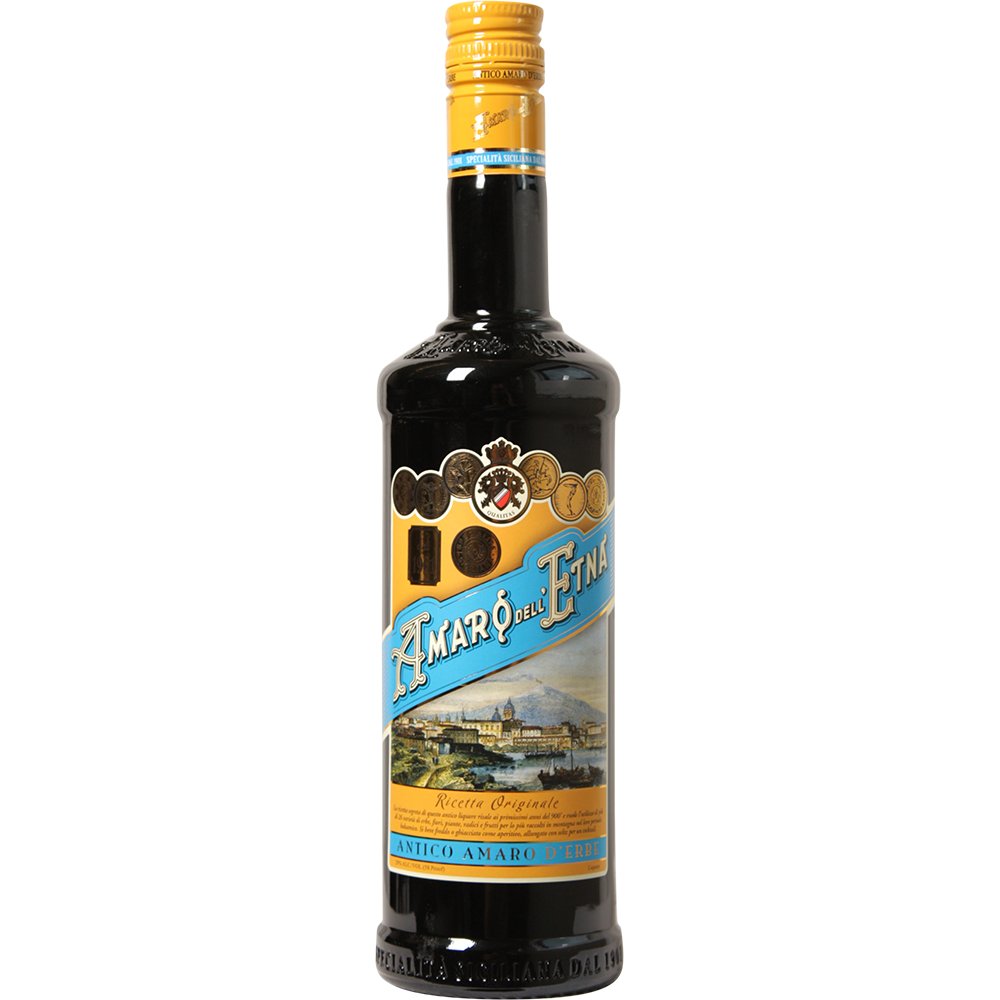
Bars in Santa Venerina
Browse all →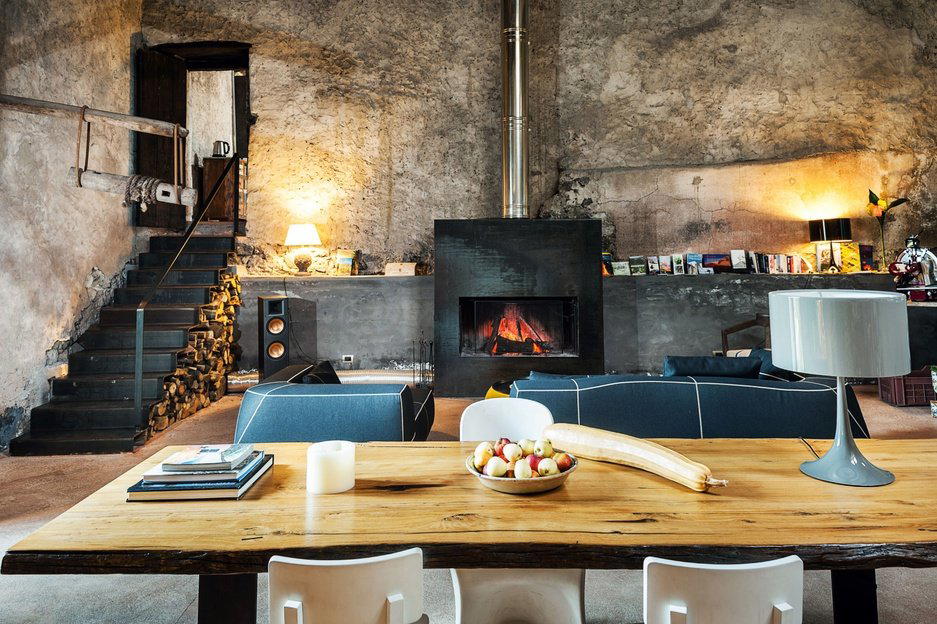
Restaurants in Santa Venerina
Browse all →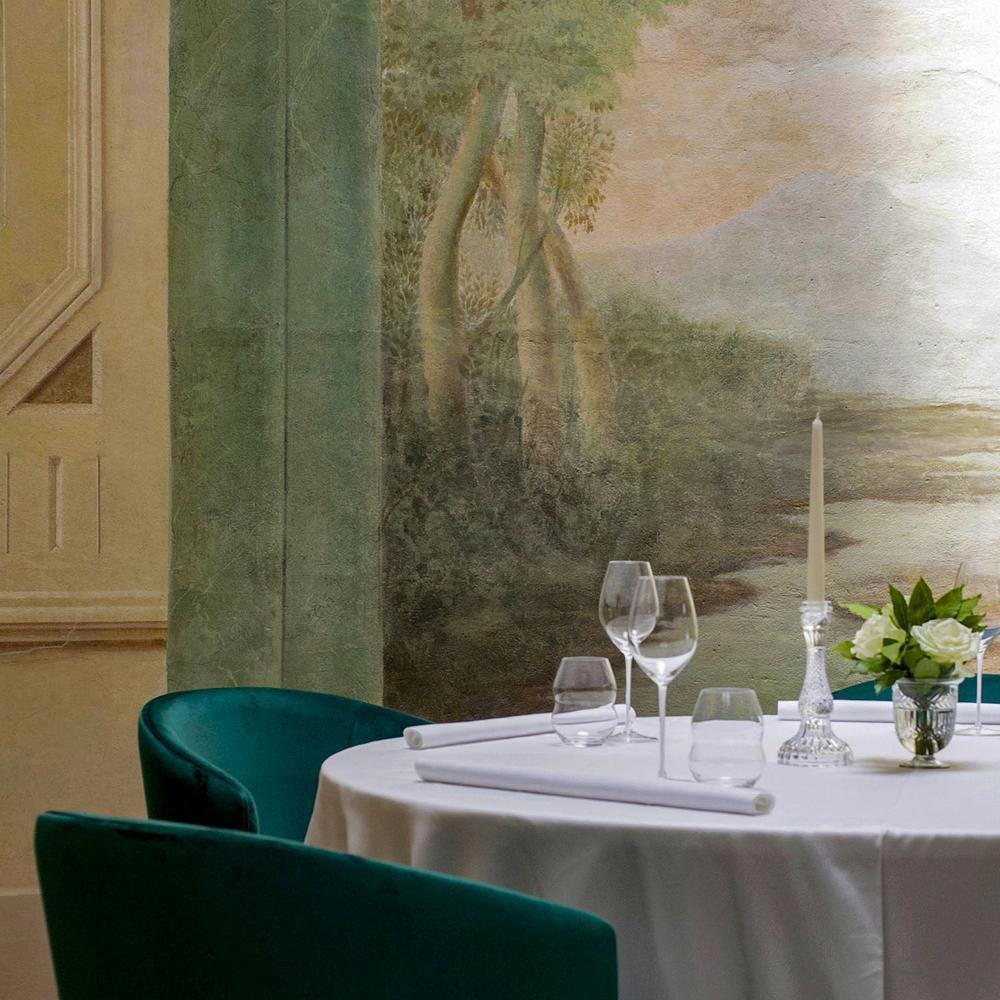



At a Glance
- Rustic
- Classic
- Wine Education
- Estate Grounds
- Vineyard
- Etna
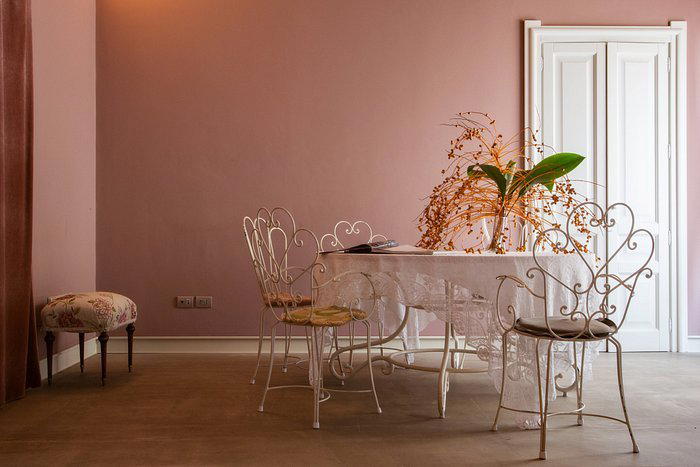
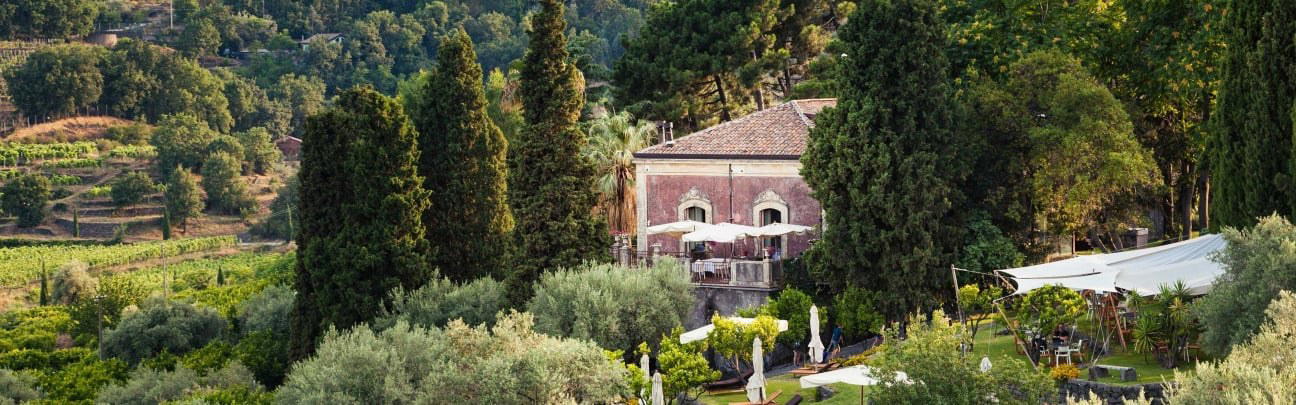
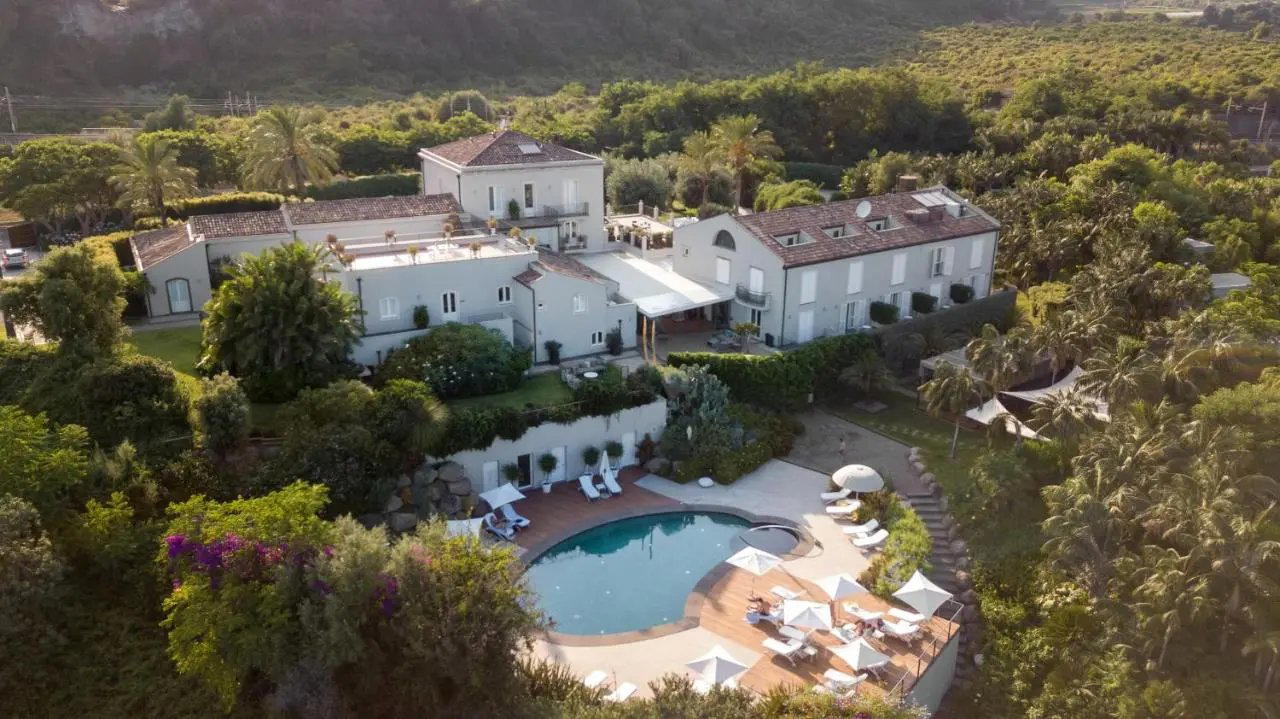
Traditional and heritage-focused with an artisanal, rustic atmosphere preserving Sicilian distillation craft.