The address places it inside a production and tasting culture shaped entirely by altitude, lava soil, and mineral intensity. For those tracing Sicily's most characterful liquid expressions, this is a serious point of reference.

Pearl is the En Primeur Club membership app, where members save venues, book tables and use the concierge.
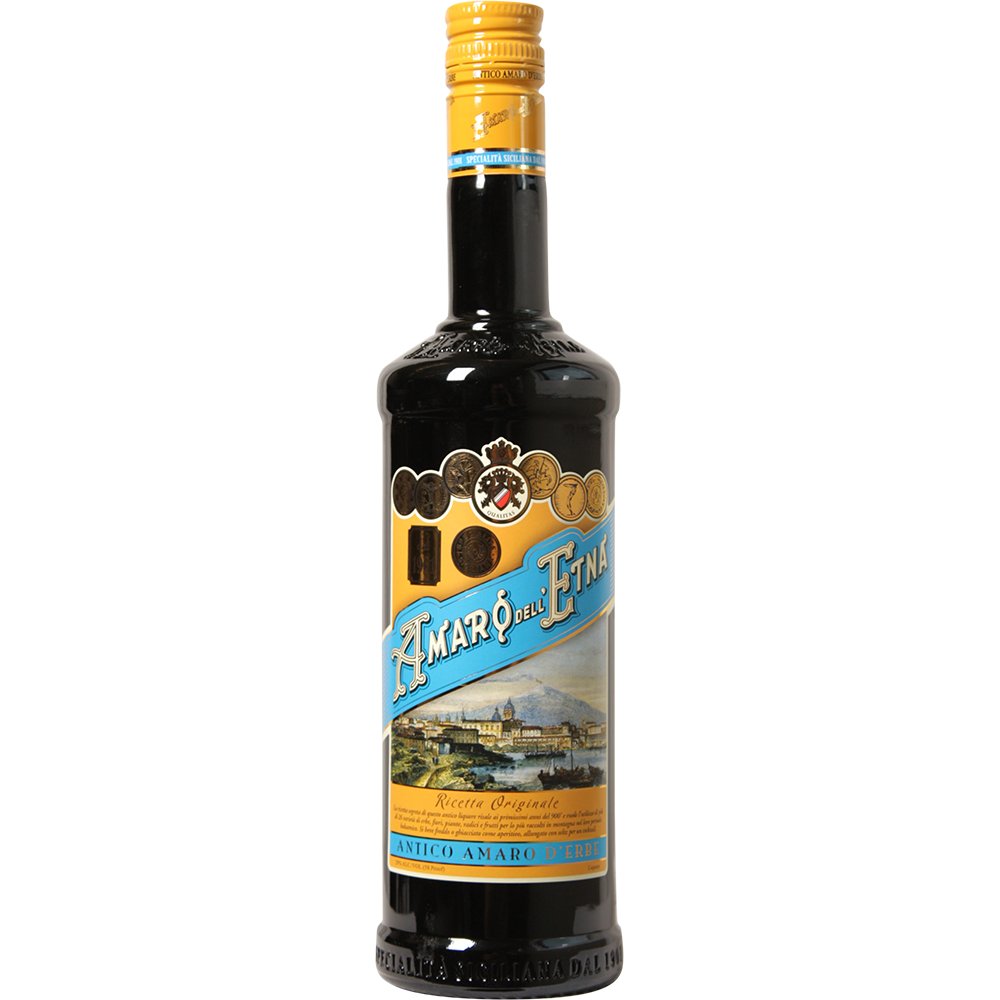
Where the Volcano Becomes the Product
Mount Etna is not a backdrop. For the producers who work its slopes, the volcano is the raw material itself: its altitude range, its basalt and ash soils, its sharp diurnal temperature swings, and the mineral charge it forces into everything grown or distilled in its shadow. Amaro dell'Etna, based in Santa Venerina on the mountain's eastern flank, operates inside this logic.
Santa Venerina sits at the mid-altitude band of Etna's eastern slopes, a zone that combines proximity to the sea with enough elevation to slow ripening and preserve aromatic complexity. It is a different proposition from the higher, cooler northern contrade that have absorbed most of the international critical attention in the last decade, but the eastern side has its own expression: a slightly broader texture, less severe tannin where fruit is involved, and a mineral streak that reads more saline than strictly volcanic. Understanding where Amaro dell'Etna sits geographically is the first step to understanding what it produces.
Etna's Production Tradition in Context
Etna has become one of the most discussed wine and spirits territories in Europe over the past fifteen years, a shift driven partly by the arrival of outside investment and partly by a generation of local producers who recognised that the mountain's pre-phylloxera massal-selection vineyards represented something irreplaceable. The broader Etna DOC, established in 1968 but transformed in the 2000s, now anchors a production culture that spans everything from high-altitude Nerello Mascalese to Carricante whites to amari and distillates that draw on the island's long botanical and spirits tradition.
Sicily's amaro tradition runs parallel to, but distinct from, the northern Italian amaro culture associated with producers like Campari in Milan. Where northern amari often rely on proprietary alpine botanical blends developed in the industrial era, Sicilian amaro production tends to draw on local citrus, carob, wild herbs, and volcanic mineral water. The bitterness profile is different: less aggressively herbal, more structured around citrus pith and mineral salinity. Amaro dell'Etna works within that southern Italian amaro logic, using the specific botanical and agricultural resources of Etna's slopes.
For comparison, the grappa and distillate tradition of northern Italy, represented by producers such as Nonino Distillery in Pavia di Udine, Distilleria Marzadro in Nogaredo, and Distilleria Romano Levi in Neive, relies on pomace and grain from a very different agricultural base. Sicilian production is geographically and botanically removed from that tradition, even where the craft production values overlap.
How Terroir Shapes the Liquid
The Etna DOC's growing conditions are among the most extreme in Italian viticulture. Vineyards can sit anywhere from 400 to above 1,000 metres, on soils that are geologically young by European wine standards, with a mineral composition dominated by basalt, pumice, and volcanic ash. Water retention is low, forcing root systems deep, and the orientation of each contrada relative to the summit affects everything from wind exposure to sun angle. These conditions produce ingredients, whether fruit, herbs, or botanicals, with a concentration and mineral structure that translates into finished spirits and liqueurs differently from flatland production.
For Amaro dell'Etna specifically, the eastern slope context means the botanicals and any locally sourced base components carry the saline, citrus-forward character associated with that side of the mountain. The blood orange and bergamot grown in the lower Etna and Ionian coastal belt contribute differently to a bitter liqueur than the alpine botanicals of northern Italian amaro production. These are not abstract distinctions; they are the reason the product category carries a geographic name rather than a generic one.
Producers elsewhere in Sicily have used the same logic of geographic specificity as a quality argument. Planeta in Menfi built much of its reputation on demonstrating that different Sicilian appellations produced measurably different results across the same grape varieties. The Etna zone has developed its own version of that argument, and amaro production on the mountain is now part of the same conversation.
The Award Signal and What It Implies
Prestige-tier recognition in the Italian fine drinks space typically accounts for production integrity, geographic specificity, and the consistency of the producer's argument across their range. Receiving this level of recognition places the producer in a meaningful competitive set when viewed alongside other awarded Italian producers, including those at wine estates like Lungarotti in Torgiano, Castello di Volpaia in Radda in Chianti, or Aldo Conterno in Monforte d'Alba.
Those are wine producers rather than distillate or amaro producers, and the comparison is not about liquid type. It is about the level of seriousness with which the production approach is being assessed. For a small Etna-based amaro producer, that context matters.
For reference on how craft spirits recognition operates in the Italian context, producers like Poli Distillerie in Schiavon and Ca' del Bosco in Erbusco have demonstrated how a clear regional identity can drive international recognition for Italian producers across wine and spirits categories. Amaro dell'Etna is building a version of that argument from a Sicilian volcanic base.
Planning a Visit to Santa Venerina
Santa Venerina is a small comune on Etna's eastern slope, accessible from Catania by the Ferrovia Circumetnea railway, which runs around the mountain's base, or by road via the A18 motorway. From central Catania, the eastern slope zone takes roughly 30 to 40 minutes by car. The area sits within reach of the Etna wine route, which means visits can be combined with other producers and estates in the Etna DOC zone. Given the absence of published contact details, direct engagement with Amaro dell'Etna requires research through local tourism channels or the Catania regional food and drink trade network. Booking or visit arrangements are not confirmed to be standard, and independent confirmation before travel is strongly advised. For the broader context of where Amaro dell'Etna sits within Catania's drinks and hospitality scene, our full Catania restaurants guide covers the city's range of food and drink options across neighbourhoods and categories.
For visitors tracking the full spectrum of Italian wine and spirits production, the Etna zone sits within a reasonable drive of other Sicilian producers and, for those extending to the mainland, connects to the northern Italian distillate tradition through producers such as Accendo Cellars and those covered across the EP Club portfolio.
Quick Comparison
Comparable venues nearby, for context on price, style, and recognition.
| Venue | Cuisine | Price | Awards | Notes |
|---|---|---|---|---|
| Amaro dell'EtnaThis venue (the venue you are viewing) | Etna | Not listed | Not listed | Not listed |
| Distilleria F.lli Russo | Etna | Not listed | Not listed | Santa Venerina |
| Lamoreaux Landing Wine Cellars | Winery | $10–20 | Not listed | Lodi |
| Averna (Fratelli Averna) | Sicily | Not listed | Not listed | Caltanissetta |
| Antoniotti Odilio | Nebbiolo, Croatina | Not listed | Not listed | Casa del Bosco (Sostegno) |
| Cusumano | Nero d'Avola, Insolia | Not listed | Falstaff Winery - 4 Stars | Partinico |
Continue exploring
More in Catania
Wineries in Catania
All wineries in Catania →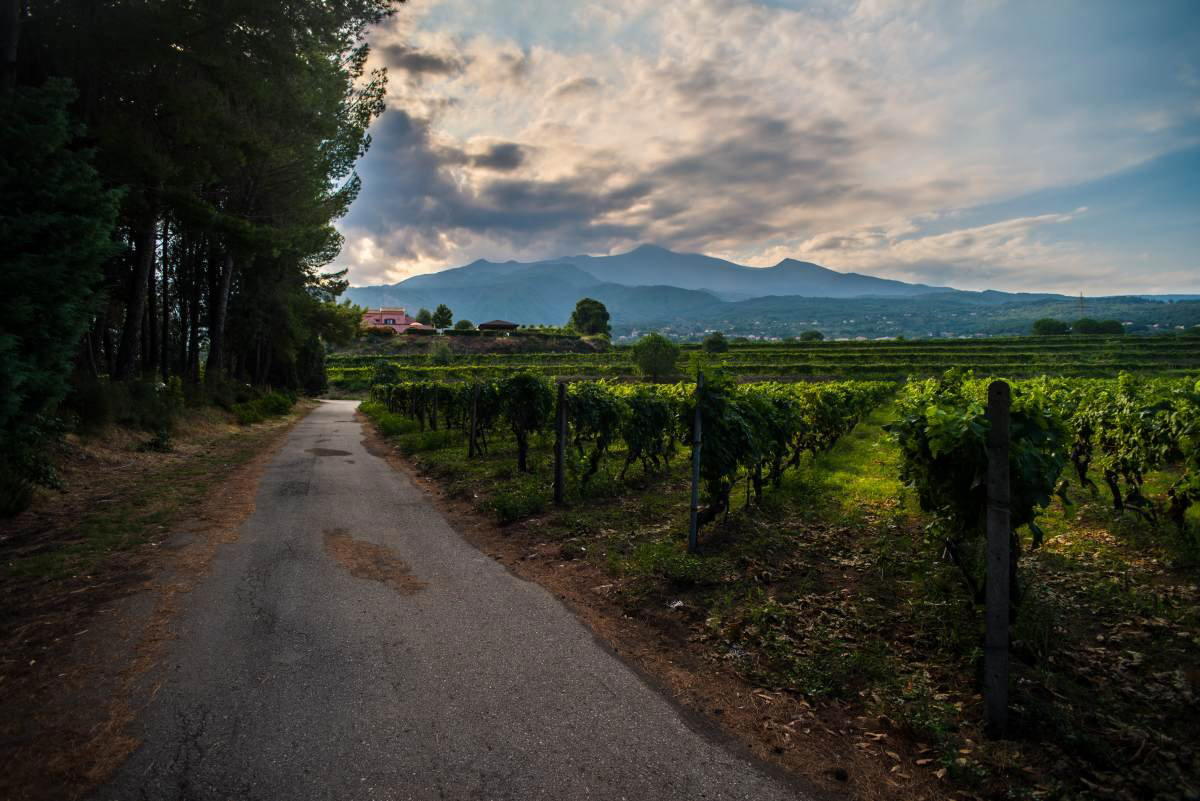
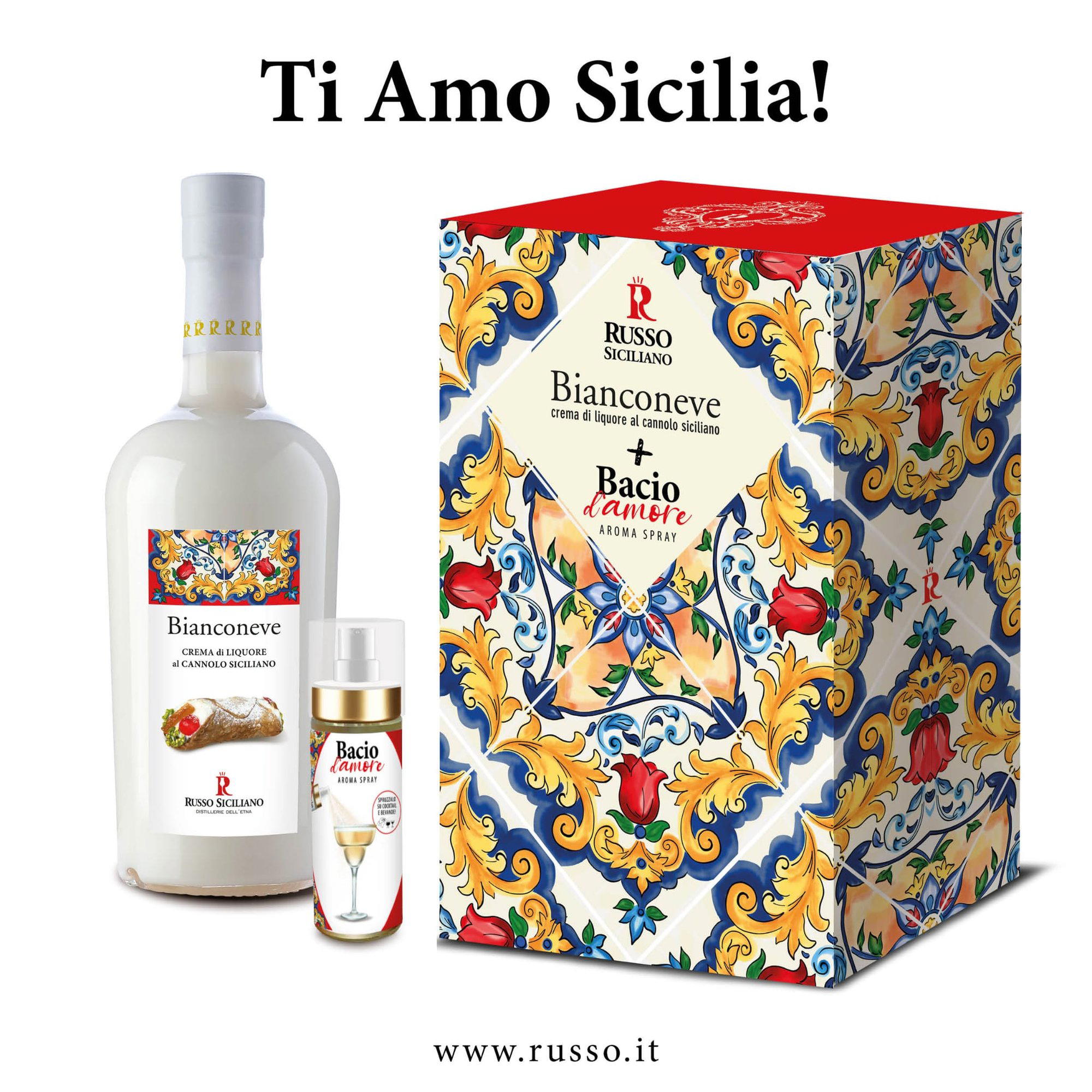

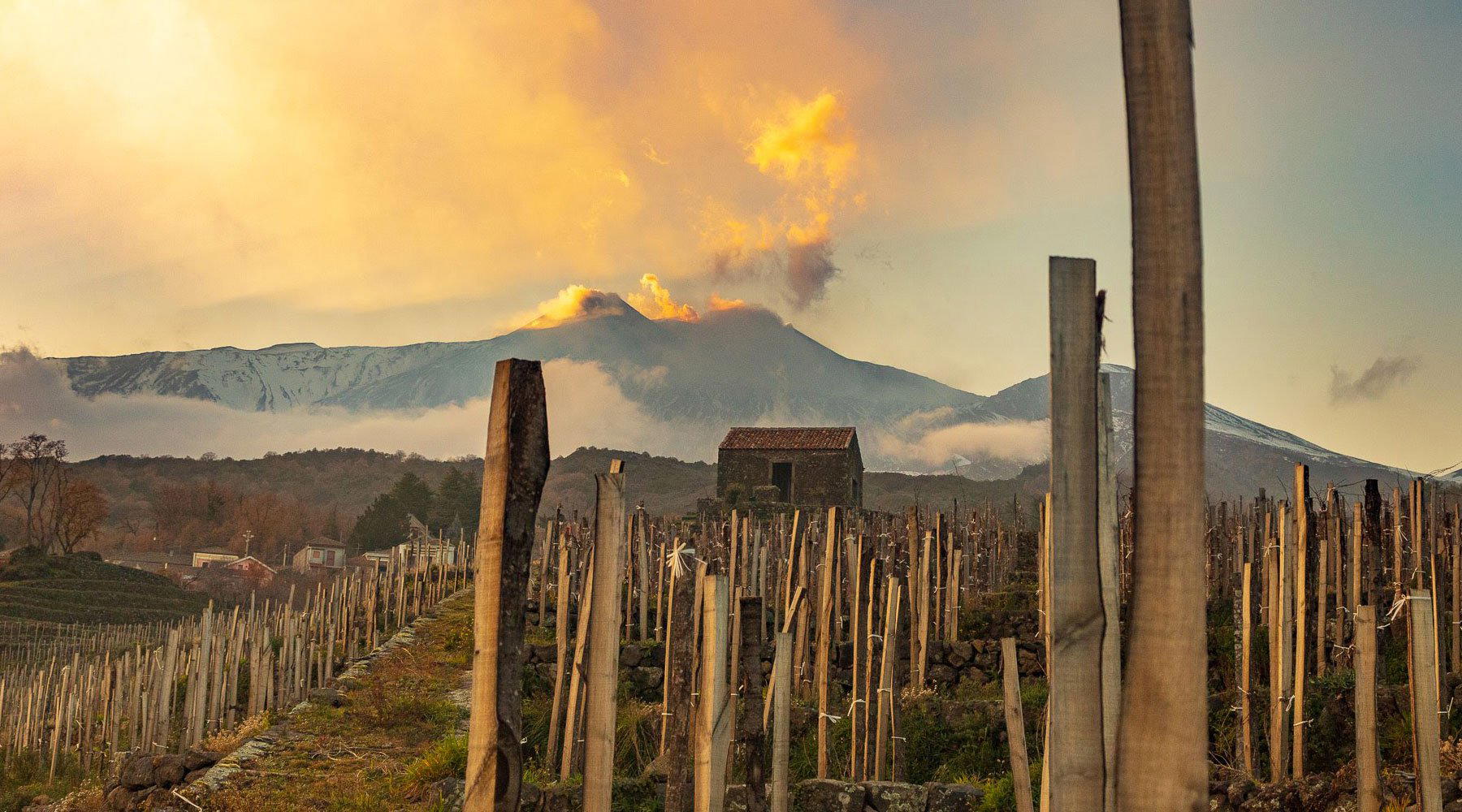

Bars in Catania
Browse all →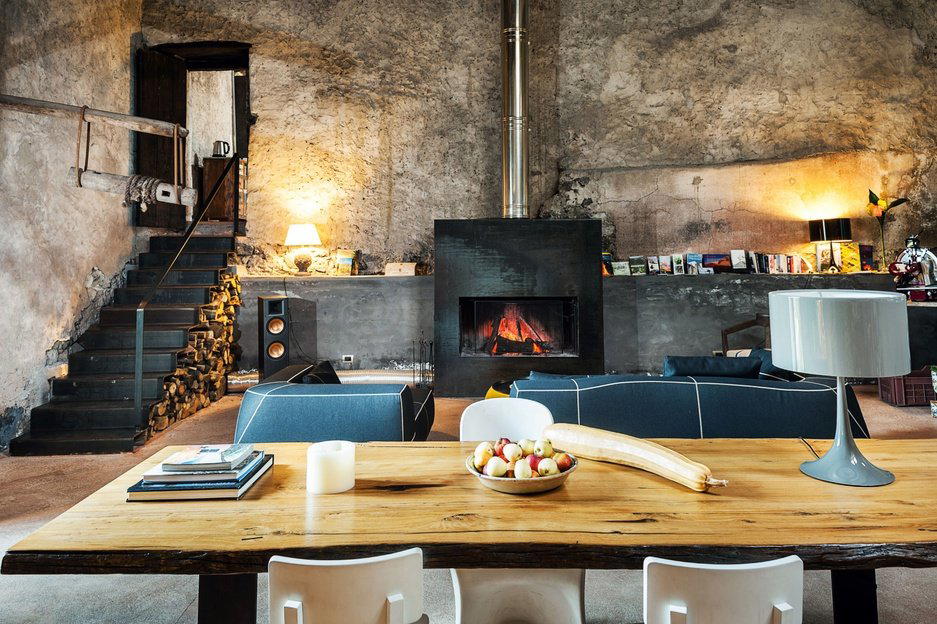
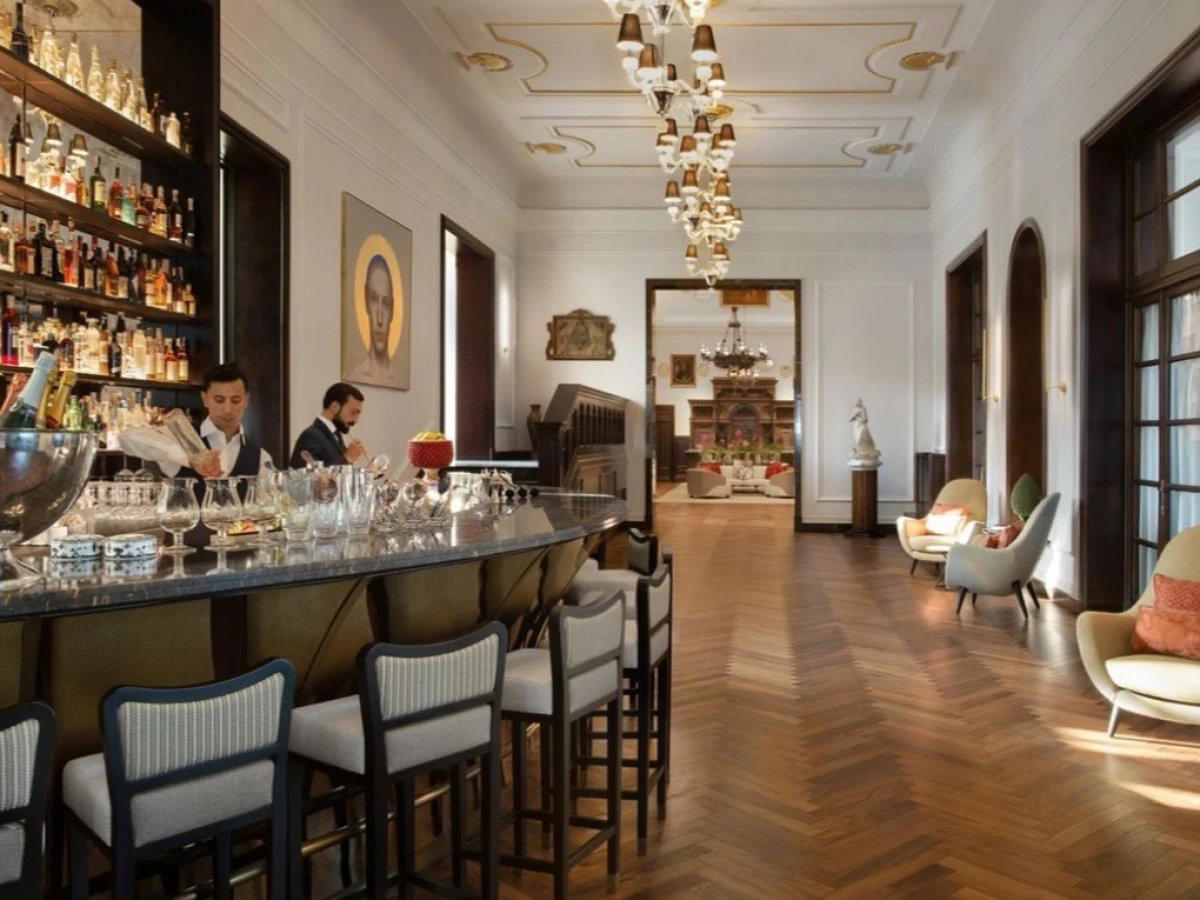
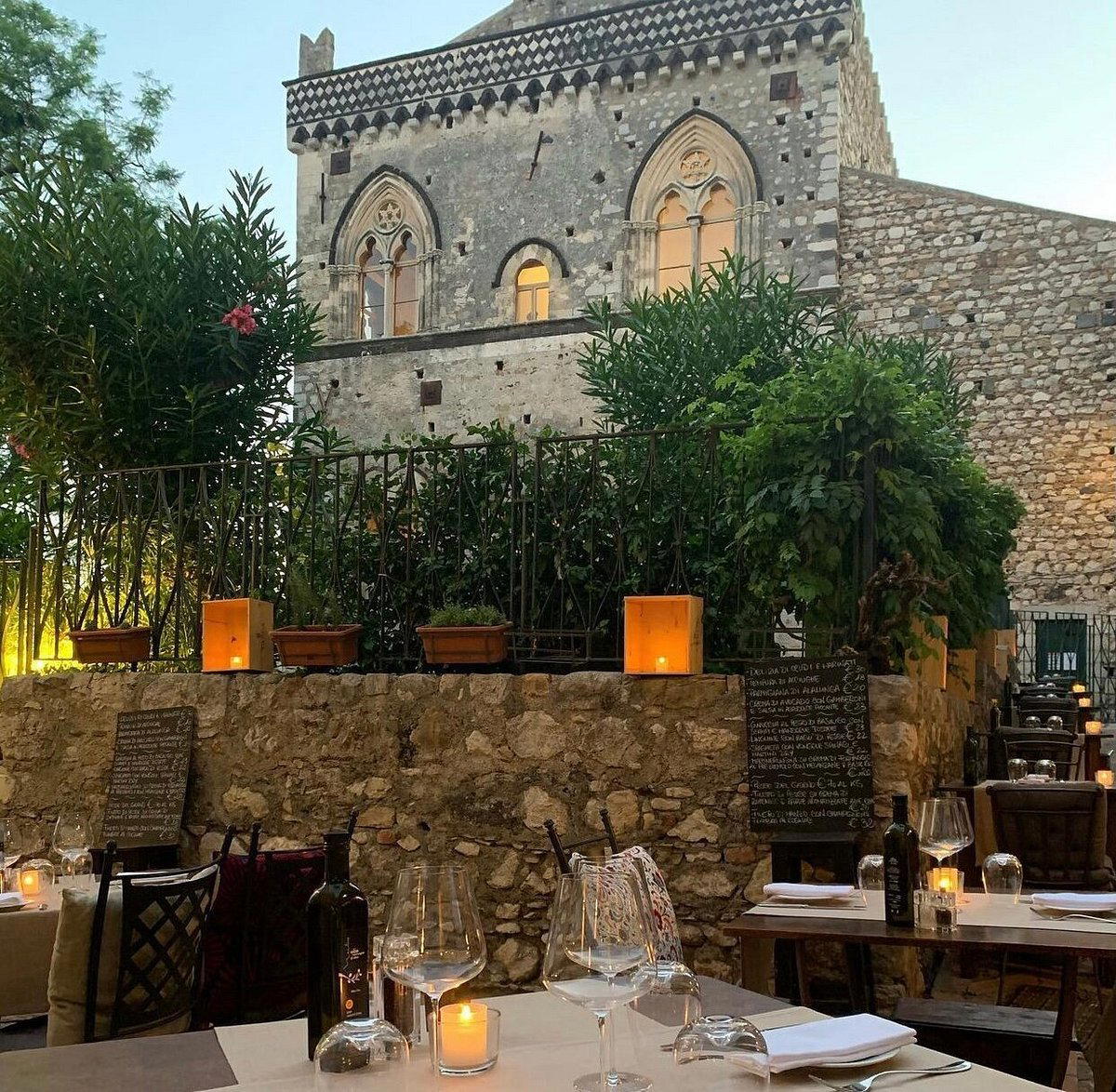
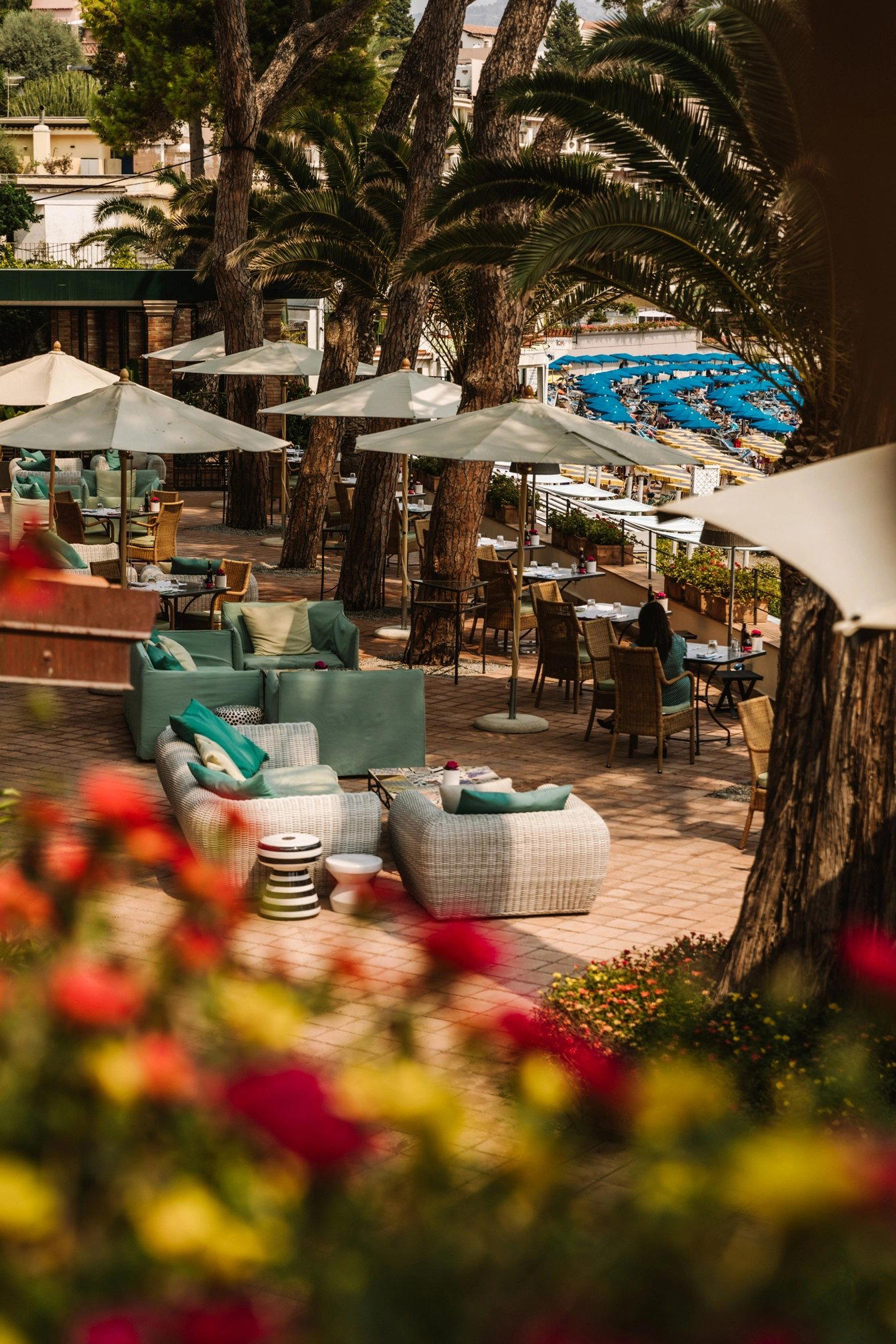
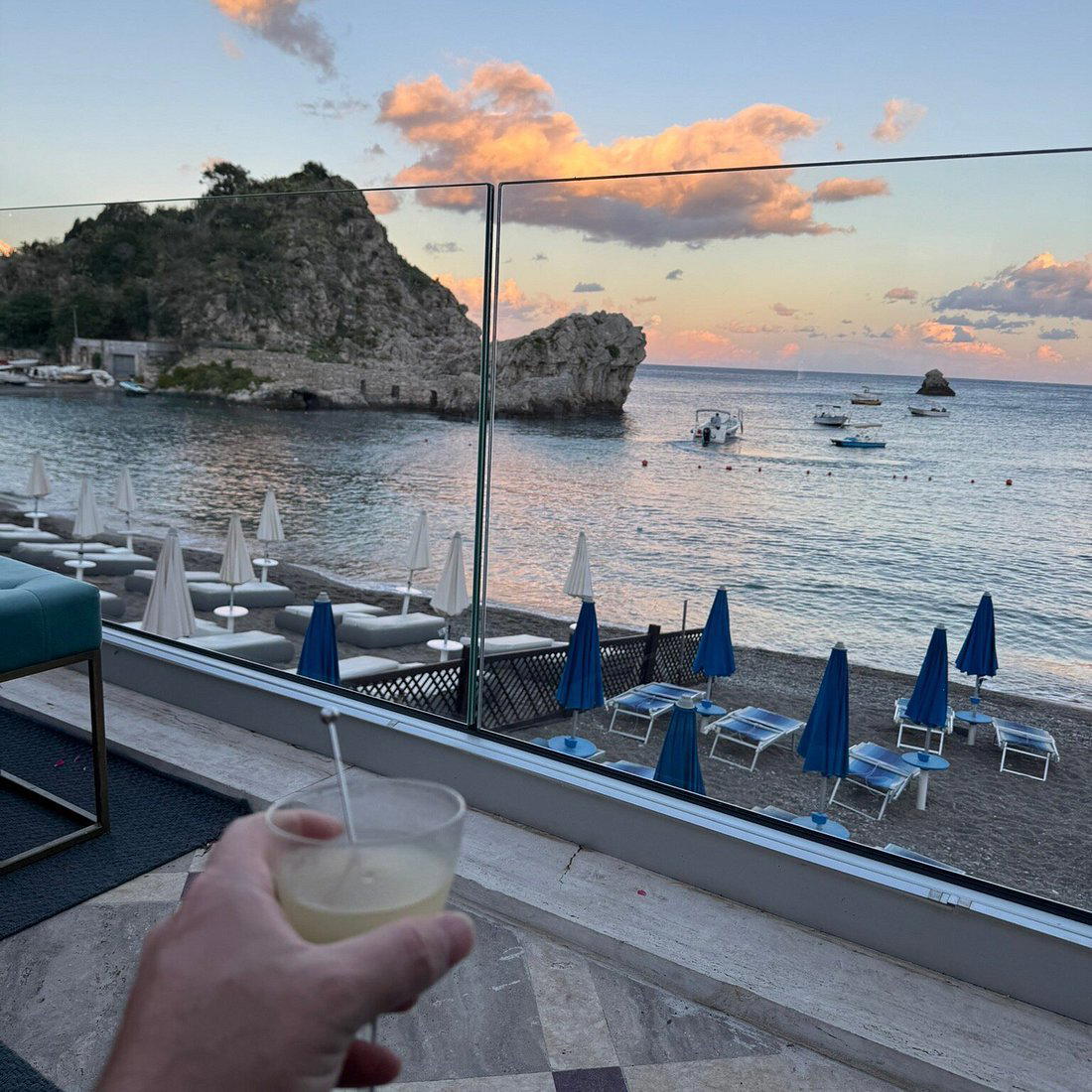
Restaurants in Catania
All restaurants in Catania →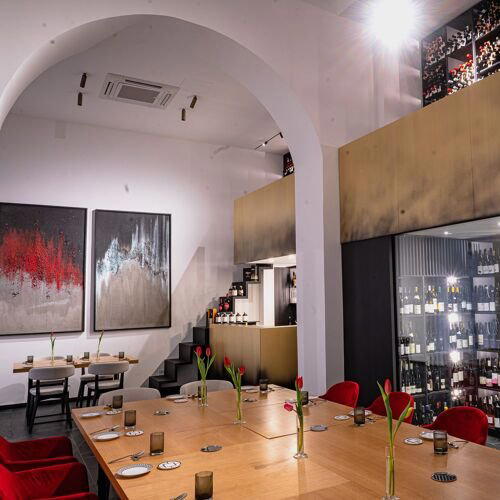
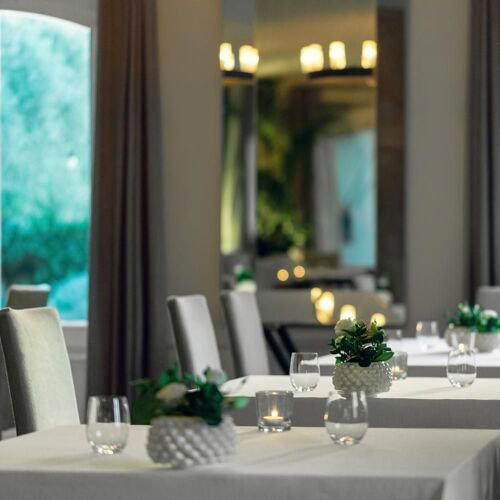
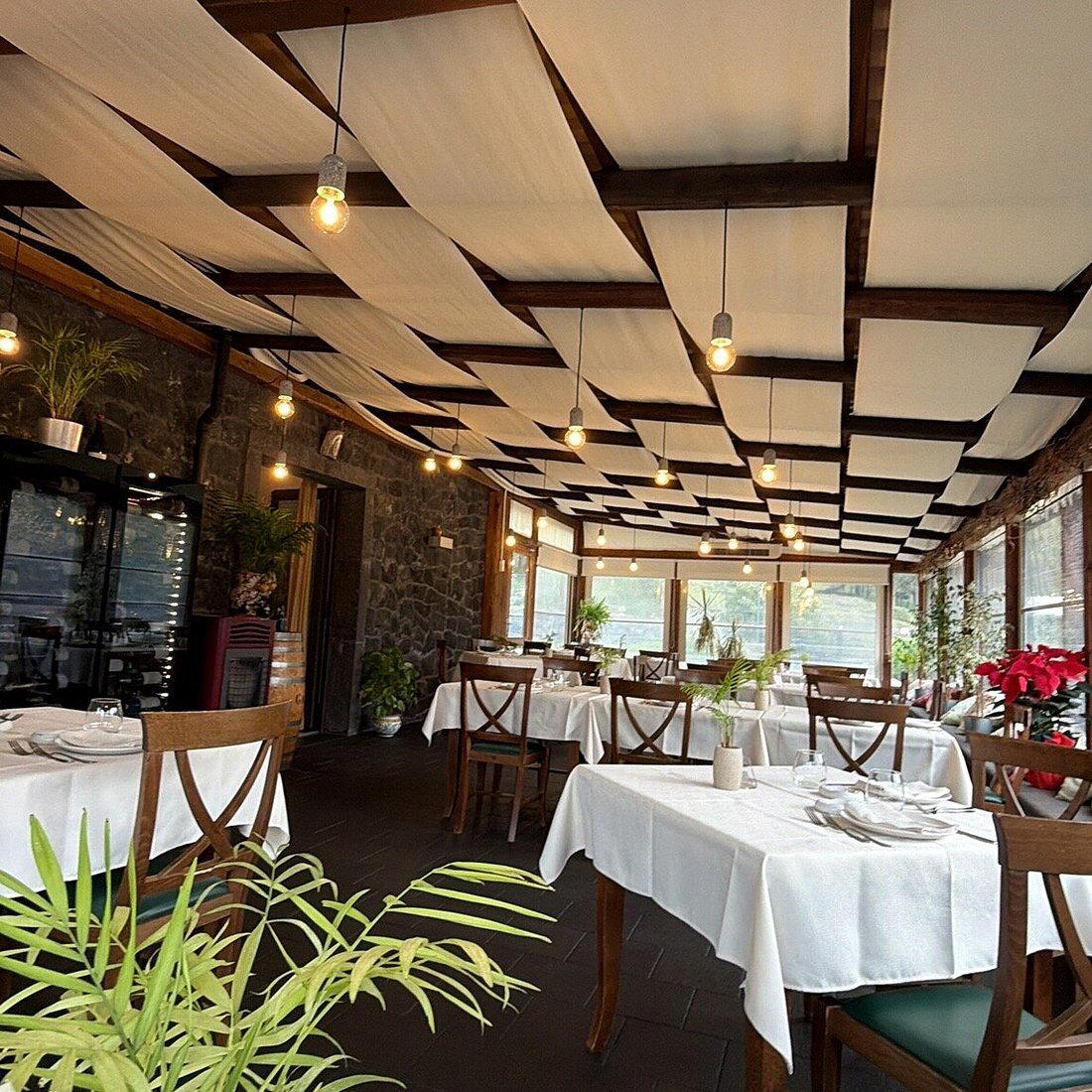
Details
- Rustic
- Historic
- Wine Education
- Historic Building
- Mountain
- Vineyard
- Tasting
Current opening hours
- Monday
- 8:30 AM–1 PM, 2–7 PM
- Tuesday
- 8:30 AM–1 PM, 2–7 PM
- Wednesday
- 8:30 AM–1 PM, 2–7 PM
- Thursday
- 8:30 AM–1 PM, 2–7 PM
- Friday
- 8:30 AM–1 PM, 2–7 PM
- Saturday
- 8:30 AM–1 PM, 4–7 PM
- Sunday
- Closed
Hours can change for holidays and private events. Hours as of .
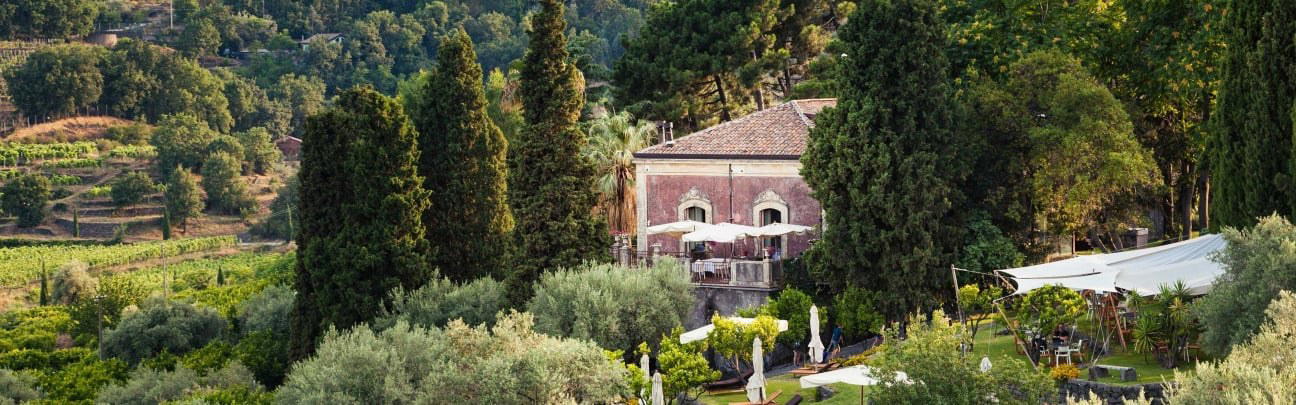
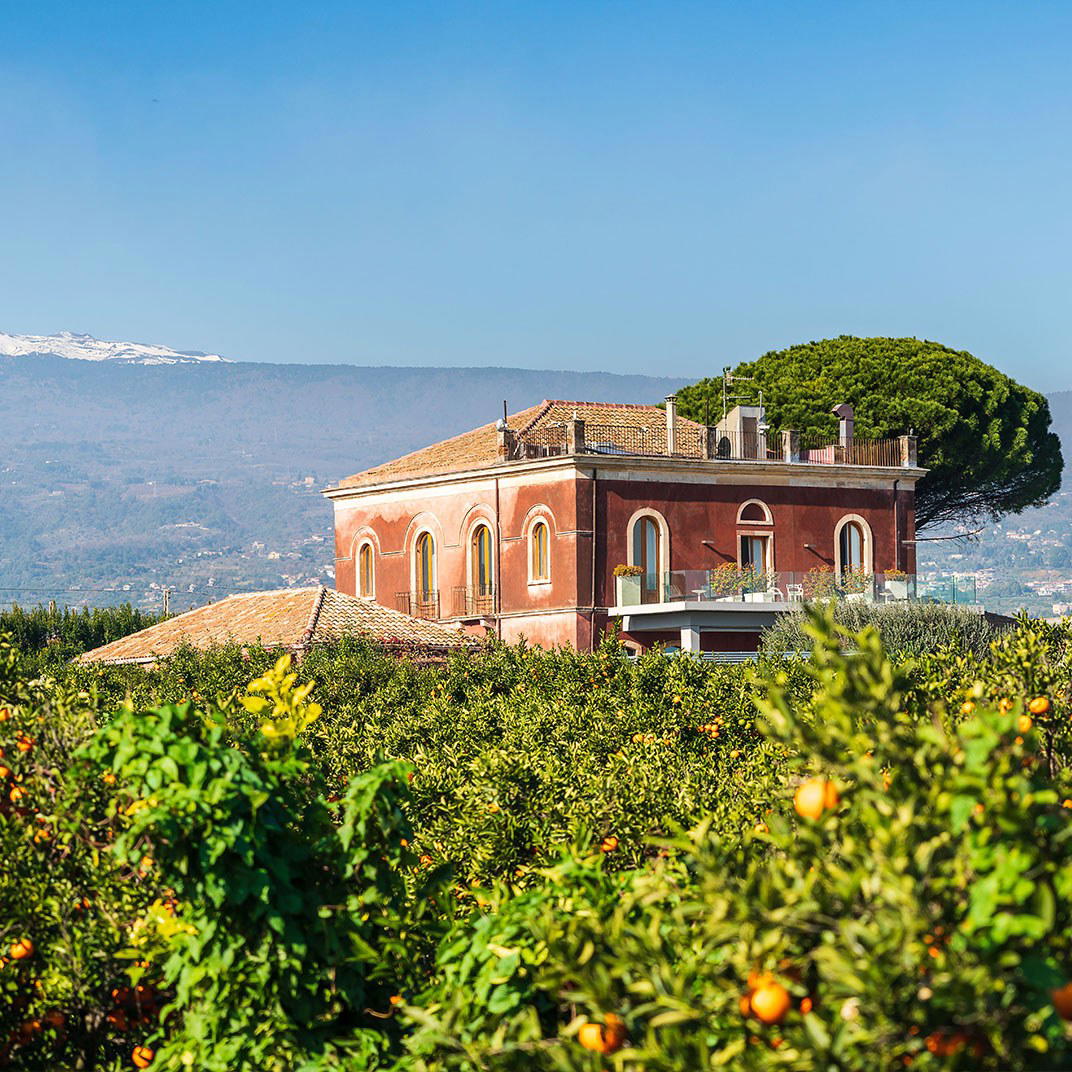
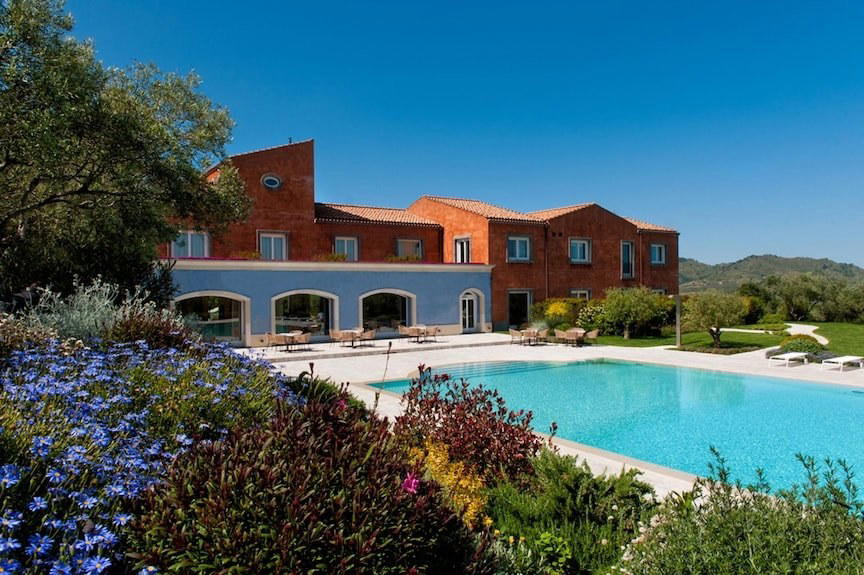
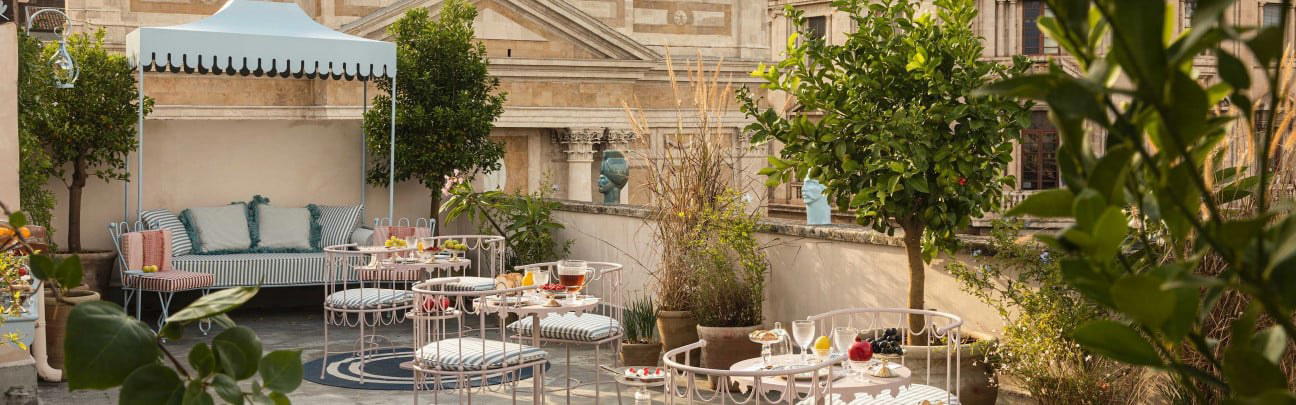
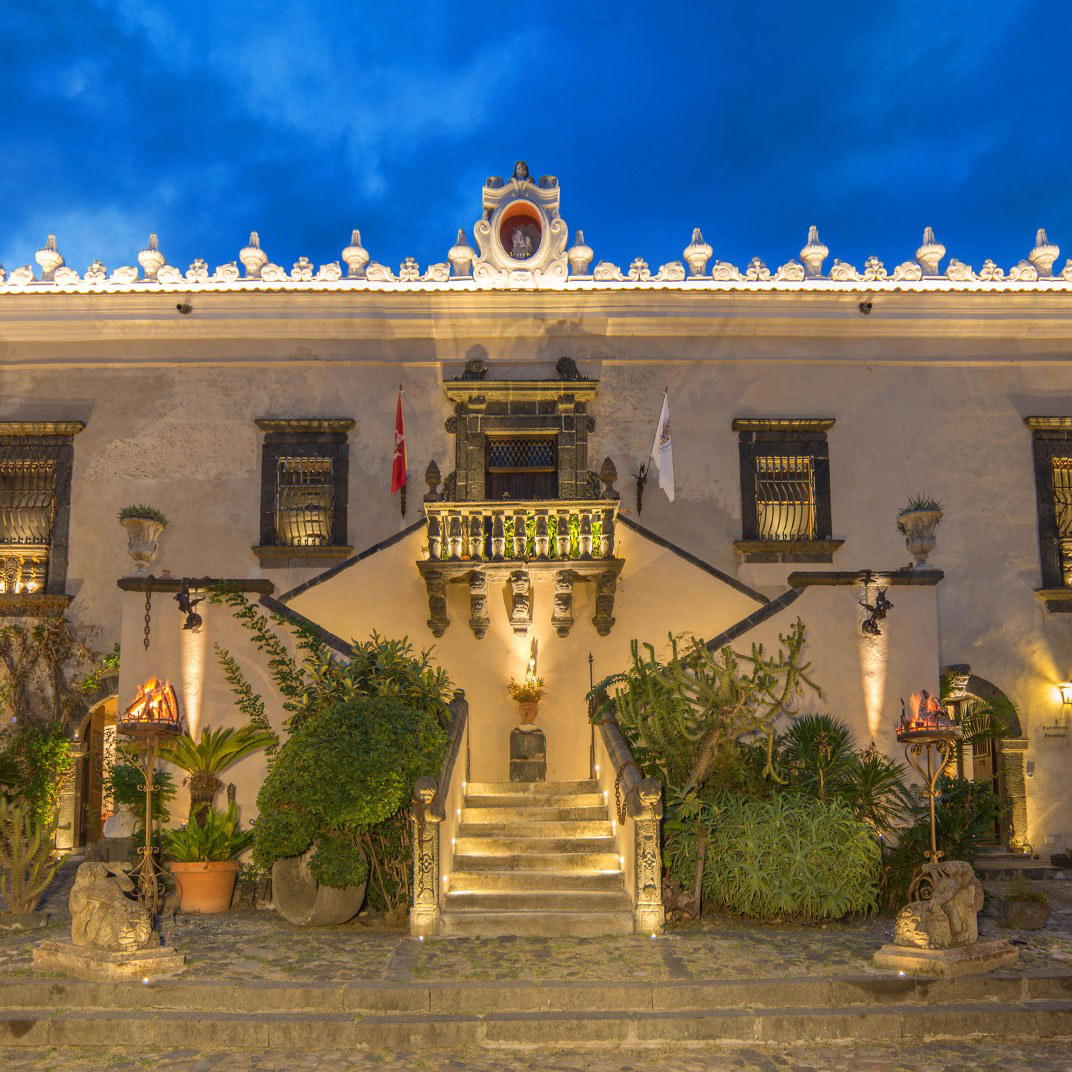
Cozy and traditional atmosphere evoking Sicily's distilling heritage amid volcanic landscapes and orange groves.