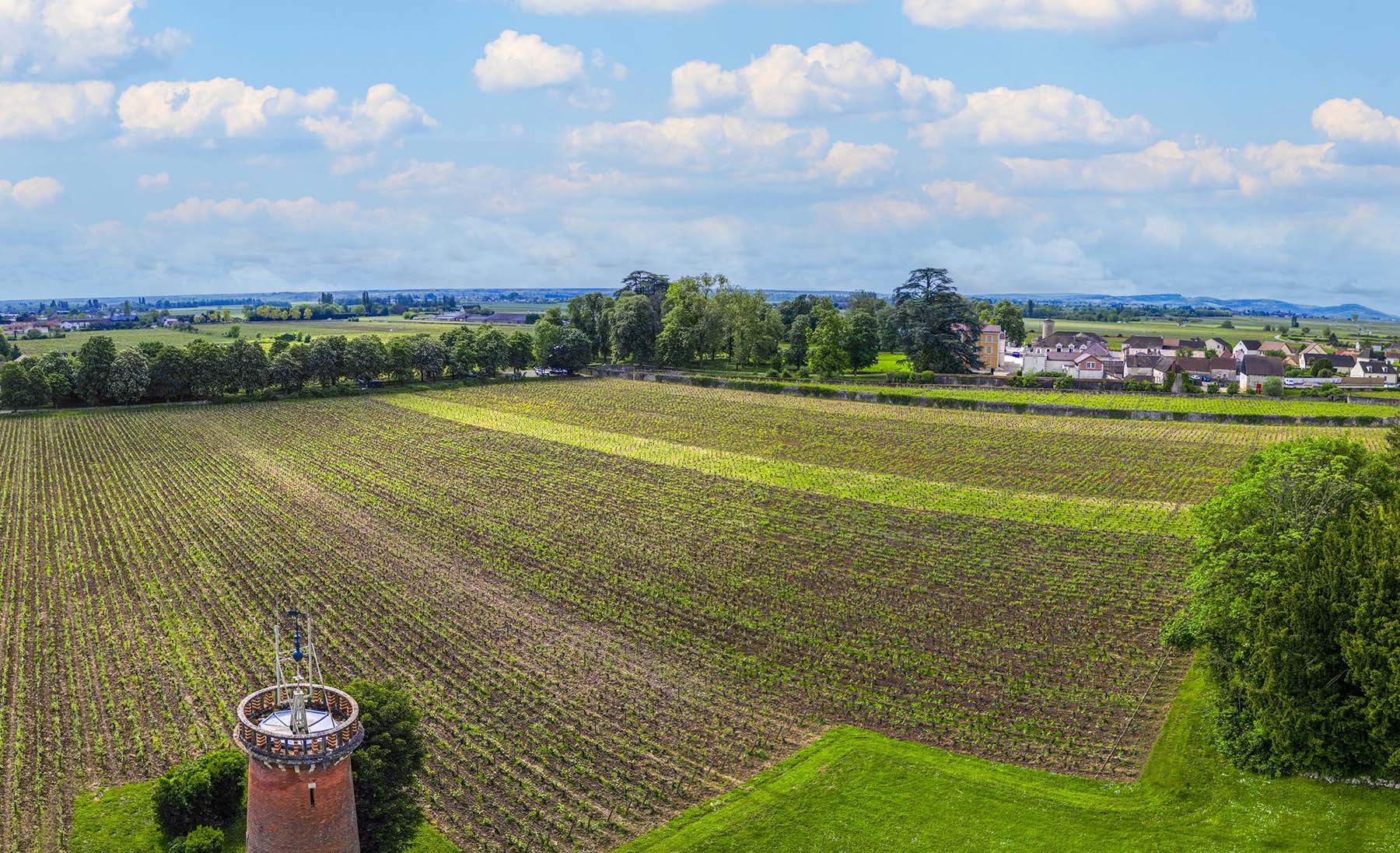
Domaine Parent occupies a quiet address on Rue de la Métairie in Pommard, a village where the limestone-clay soils of the Côte de Beaune have anchored serious Pinot Noir production for centuries.
Pearl is the En Primeur Club membership app — saves, bookings, and concierge access live there. Same editors, same standards.
- Address
- 3 Rue de la Métairie, 21630 Pommard
- Phone
- +33 3 80 22 15 08
- Website
- domaine-parent.com
- Directions
- Get directions
 Saves & bookings on Pearl
Pommard and the Question of What the Vines Owe the Soil
The village of Pommard sits between Beaune and Volnay along the D974, and its name has carried commercial weight in Burgundy for so long that it became, in some decades, almost too recognizable. Premier cru bottlings from this appellation moved easily in export markets, and that demand shaped how some producers managed their land: high-yielding, conventionally farmed, extractive. The shift happening now across Pommard's better addresses runs in the opposite direction. Producers increasingly treat the parcels as living systems rather than production units, and the wines that result have a transparency and tension that the old, heavily worked style rarely achieved.
Arriving at Rue de la Métairie
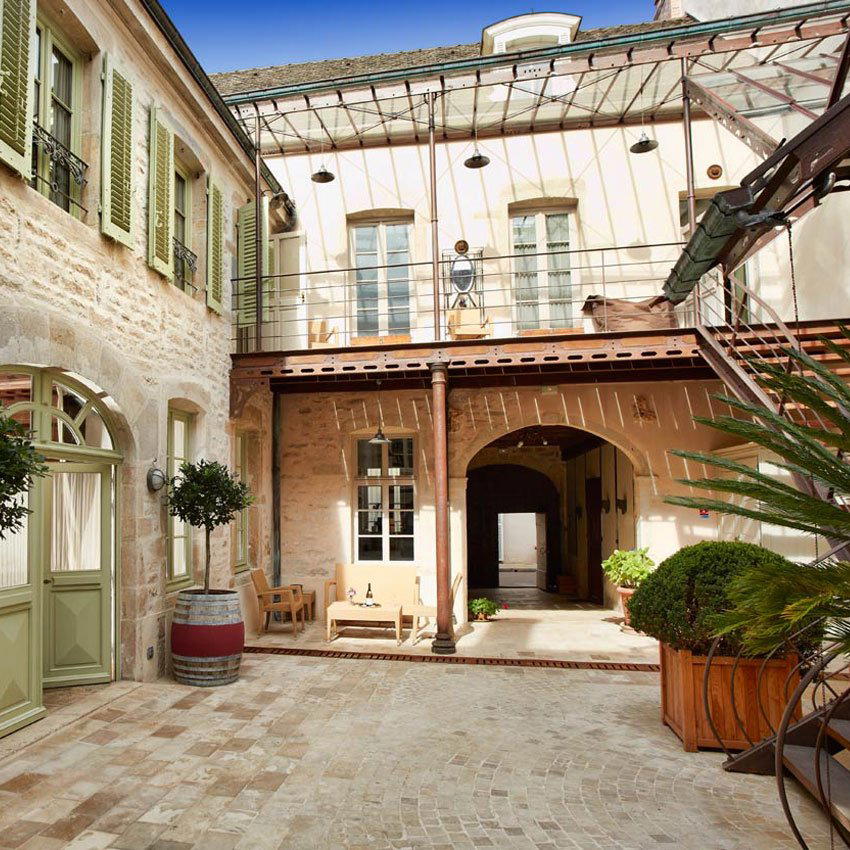
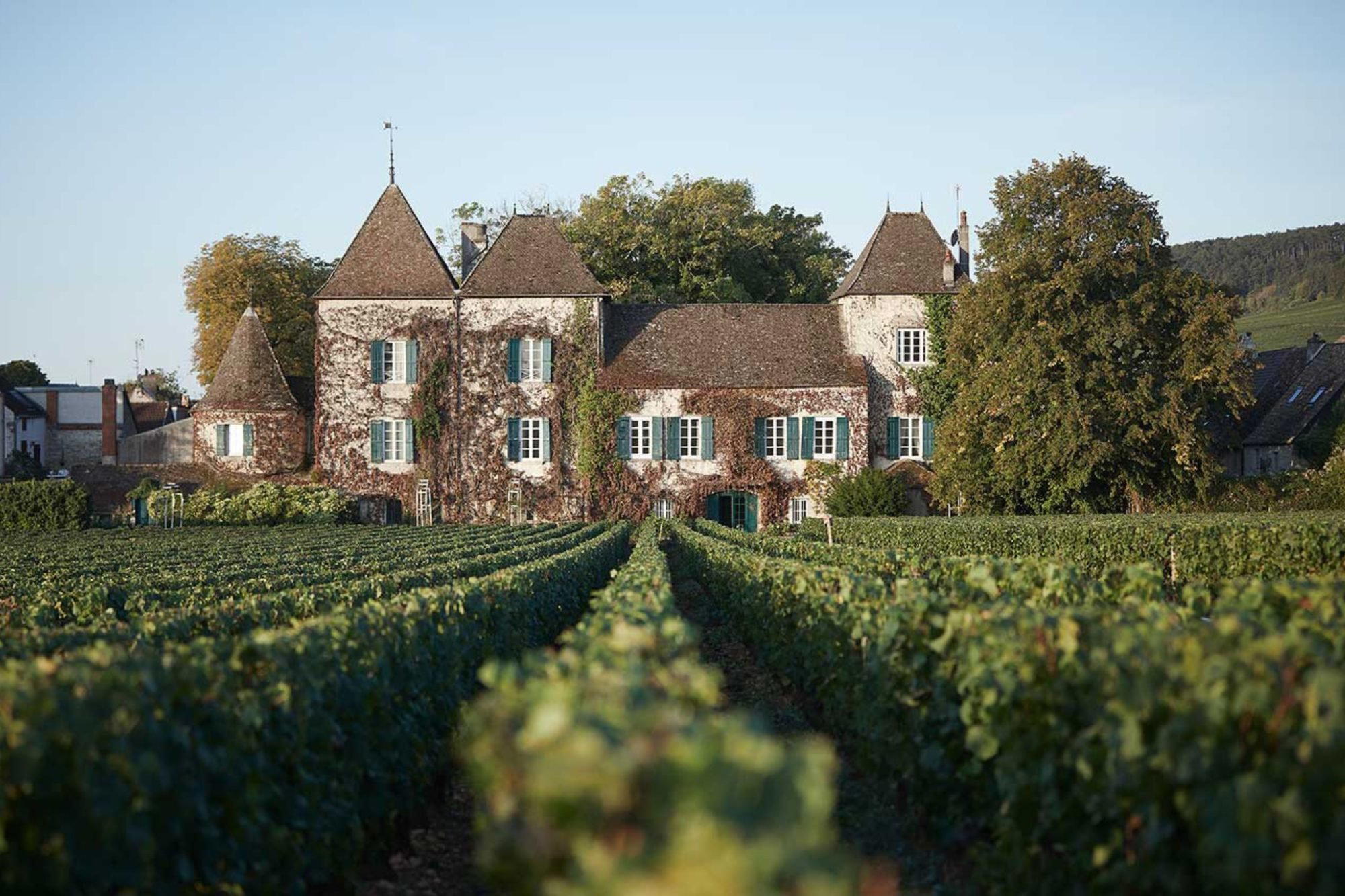
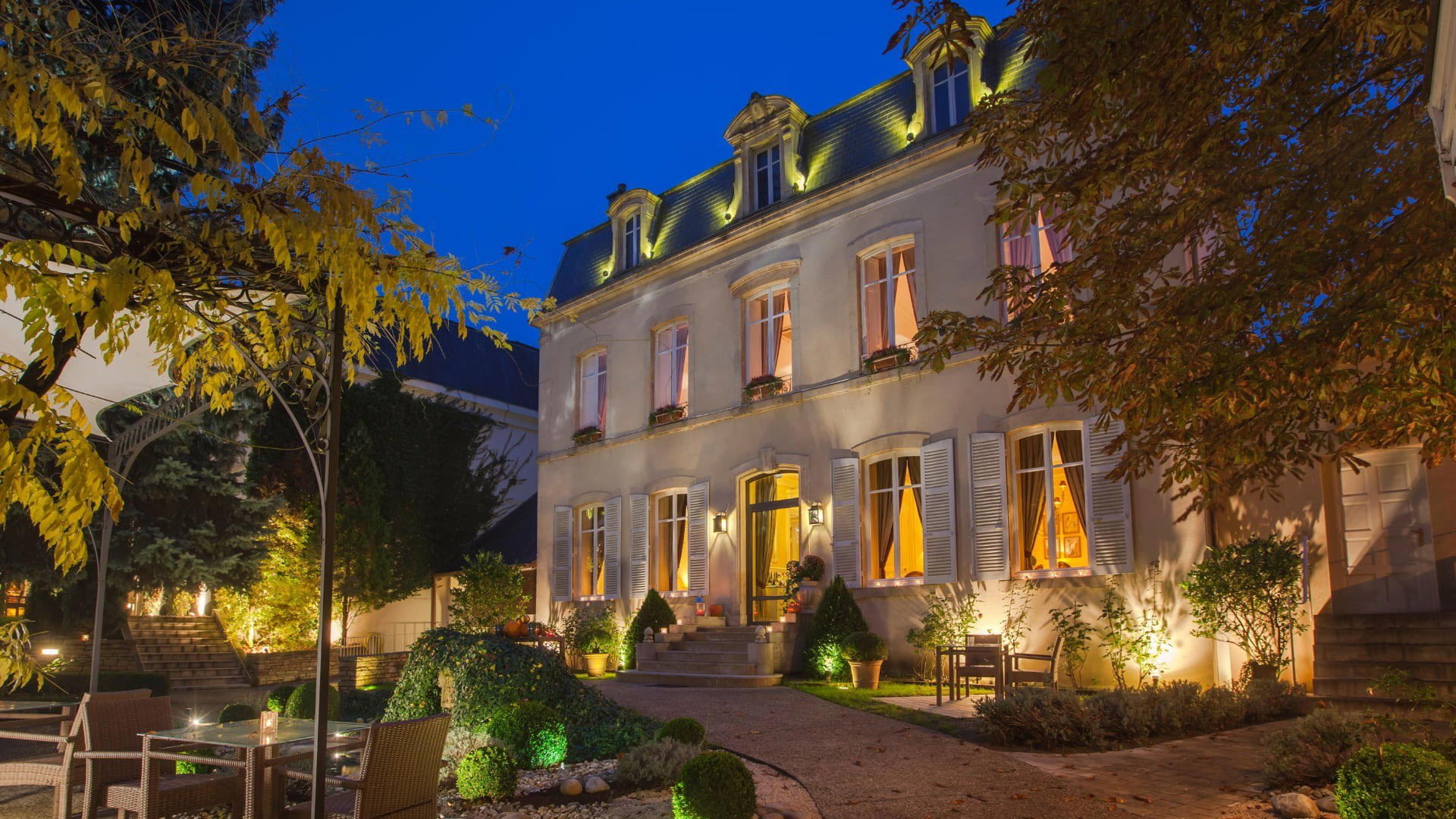
Pommard's village core is compact enough that most of its major domaines are within a short walk of one another. Rue de la Métairie runs off the village's quieter margins, away from the through-traffic of the main route. The approach to a domaine like this in Burgundy follows a familiar pattern: a stone gateway, a courtyard, vat rooms and barrel cellars below or adjacent. What distinguishes the experience here is less the architecture than the orientation of the property toward its vineyards. Pommard's premier cru map wraps around the village in a way that makes the relationship between cellar and parcel unusually legible. Visiting in the morning, when the light comes flat across the slope, makes the topography of the appellation easier to read. Planning a visit here fits naturally into a broader day across the village: Domaine Comte Armand, Domaine de Courcel, and Château de Pommard are all within the same tight geography, as is Domaine Anne-Françoise Gros, whose approach to viticulture has drawn sustained international attention.
The Viticulture Argument That Is Reshaping the Appellation
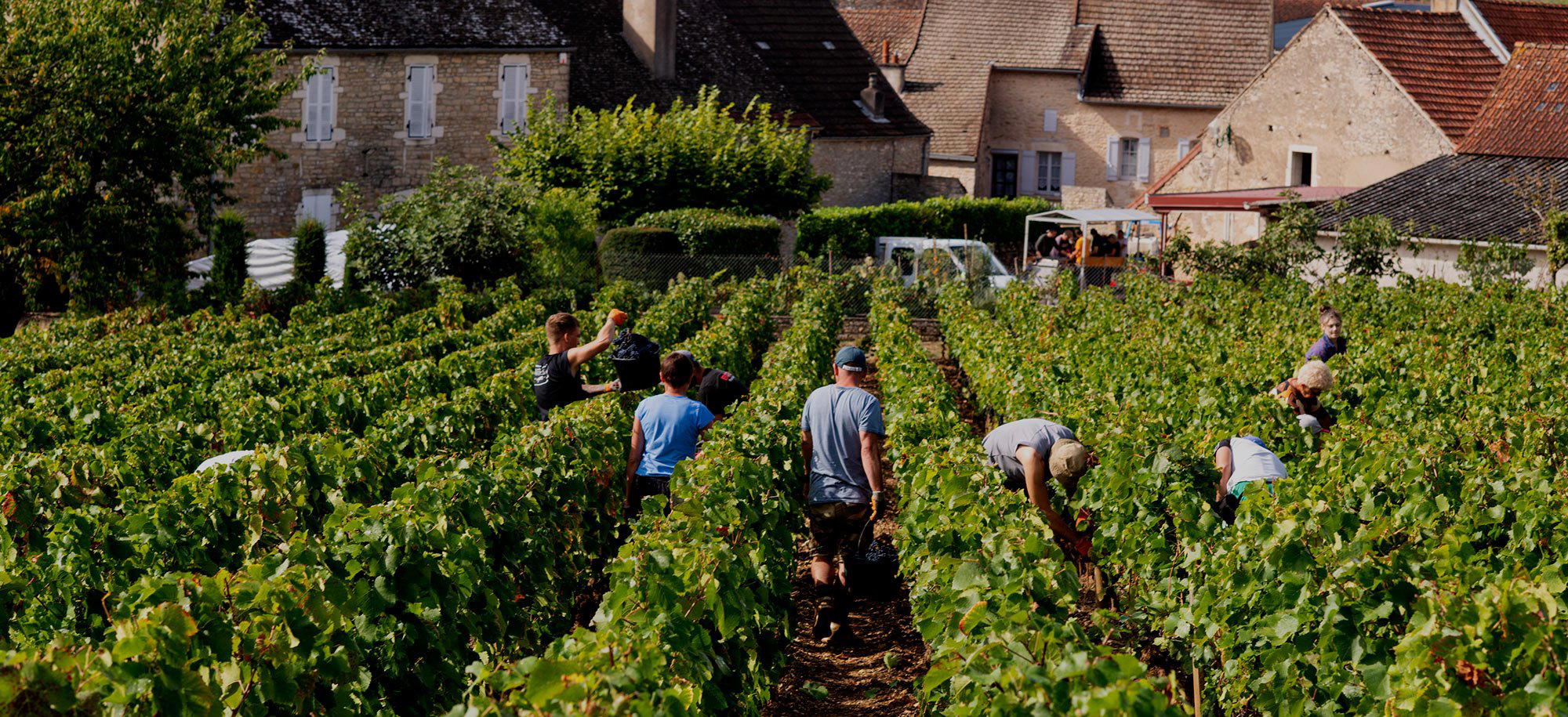
Across Burgundy's most contested appellations, the conversation about farming practice has moved from fringe concern to central credibility marker. In Pommard specifically, the argument matters because the terroir is less forgiving of intervention than some might assume. The appellation's clay-limestone soils are fertile enough to reward chemical input with volume, but volume in Pommard's premier crus tends to blunt the structure that makes the wines worth the price. Producers who have moved to organic or biodynamic certification, or who practice what is sometimes described loosely as lutte raisonnée, typically report better vine stress regulation and more consistent expression across vintages. The relationship between canopy management, soil biology, and the resulting wine's acidity profile is not theoretical at this level; it shows up in the glass.
Domaine Parent's standing in the 2025 ratings aligns it with Pommard producers for whom land stewardship is a recognized part of the value proposition. Across the Côte de Beaune, the producers earning sustained recognition from serious buyers are disproportionately those who have reduced or eliminated synthetic inputs over the past decade, a shift that also affects the secondary market for their wines. Collectors who track provenance increasingly want to know how a vineyard was farmed in the years before they open a bottle.
Pommard's Premier Cru Hierarchy and Where Domaine Parent Sits
Pommard has no grand crus, a fact that sometimes surprises visitors who encounter the appellation's prices for the first time. Its twenty-eight premier crus carry significant variation in quality and reputation, with Les Rugiens and Les Épenots consistently cited as the appellation's reference points. Producers who hold parcels in these two sites occupy a different tier from those working lesser-classified land, and their pricing reflects that position. Across the Côte de Nuits and Côte de Beaune, the broader Burgundy producer landscape has seen prices in leading premier cru parcels compress toward grand cru equivalents in neighboring appellations, driven partly by allocation scarcity and partly by the sustained critical attention Pommard has received from the major wine press over the past decade.
For context, that tier also includes producers like Domaine Comte Armand, whose single-vineyard focus on Clos des Épeneaux has long served as a reference for what the appellation can achieve at its most concentrated. Outside Pommard, comparable prestige-tier recognition across the Côte de Beaune can be found at addresses like Domaine Anne-Françoise Gros. The the guide framework also tracks similarly rated producers across entirely different French wine regions: Albert Boxler in Niedermorschwihr holds comparable recognition in Alsace, while Château Bastor-Lamontagne in Preignac and Château Batailley in Pauillac represent the prestige tier in Bordeaux's classified landscape.
Reading Pommard Through Its Wine Style
Pommard Pinot Noir sits at a specific point on the Côte de Beaune stylistic spectrum. Where Volnay, just to the south, tends toward floral lift and lighter structure, Pommard wines are typically denser in color and build, with tannins that require bottle age to integrate fully. That tannic framework is partly a function of the clay content in the soils, partly a reflection of how producers manage extraction during fermentation. The leading examples balance that structure against genuinely precise fruit and the kind of mid-palate tension that makes red Burgundy worth the investment of patience. They are not, in youth, wines that announce themselves easily. Pommard from a serious address in a good vintage typically needs seven to twelve years before the structure and fruit reach equilibrium.
The shift toward lower-intervention viticulture across the appellation has, in the view of many buyers and critics, made this structural framework more refined. Wines from biodynamically farmed parcels in particular tend to show finer-grained tannins and a more precise aromatic profile than heavily worked equivalents, even when the underlying terroir is the same. This is the argument being made in practice, vintage by vintage, at addresses including Domaine Parent.
Planning a Visit to Pommard
Pommard sits roughly five kilometres south of Beaune along the D974, making it accessible by car from Beaune's train connections in under fifteen minutes. The village itself warrants a half-day at minimum if you are visiting more than one domaine. For context on the full range of Pommard's producers and practical logistics, Visits to Domaine Parent are at 3 Rue de la Métairie; Visits are by appointment only.
For collectors building broader context across French appellations, the guide also tracks high-prestige addresses at Château Bélair-Monange in Saint-Emilion, Château Boyd-Cantenac in Cantenac, Château Branaire Ducru in St-Julien, and Château Cantemerle in Haut-Médoc. Beyond France, Accendo Cellars in St. Helena represents the California prestige tier, while Chartreuse in Voiron and Aberlour in Aberlour offer parallel prestige-tier experiences in spirits production.
Standing Among Peers
Comparable venues nearby, for context on price, style, and recognition.
| Venue | Cuisine | Price | Notes |
|---|---|---|---|
| Domaine ParentThis venue — the venue you are viewing | Pinot Noir, Chardonnay | $$$ | Not listed |
| Domaine Comte Armand | Pinot Noir, Chardonnay | $$$ | Pommard |
| Château de Pommard | Pinot Noir, Chardonnay | $$$ | Pommard |
| Domaine Anne-Françoise Gros | Pinot Noir | $$$$ | Pommard |
| Domaine de Courcel | Pinot Noir, Chardonnay | $$$ | Pommard |
| Domaine Louis Jadot | Pinot Noir, Chardonnay | $$$ | Côte d'Or |
Continue exploring
More in Pommard
Wineries in Pommard
Browse all →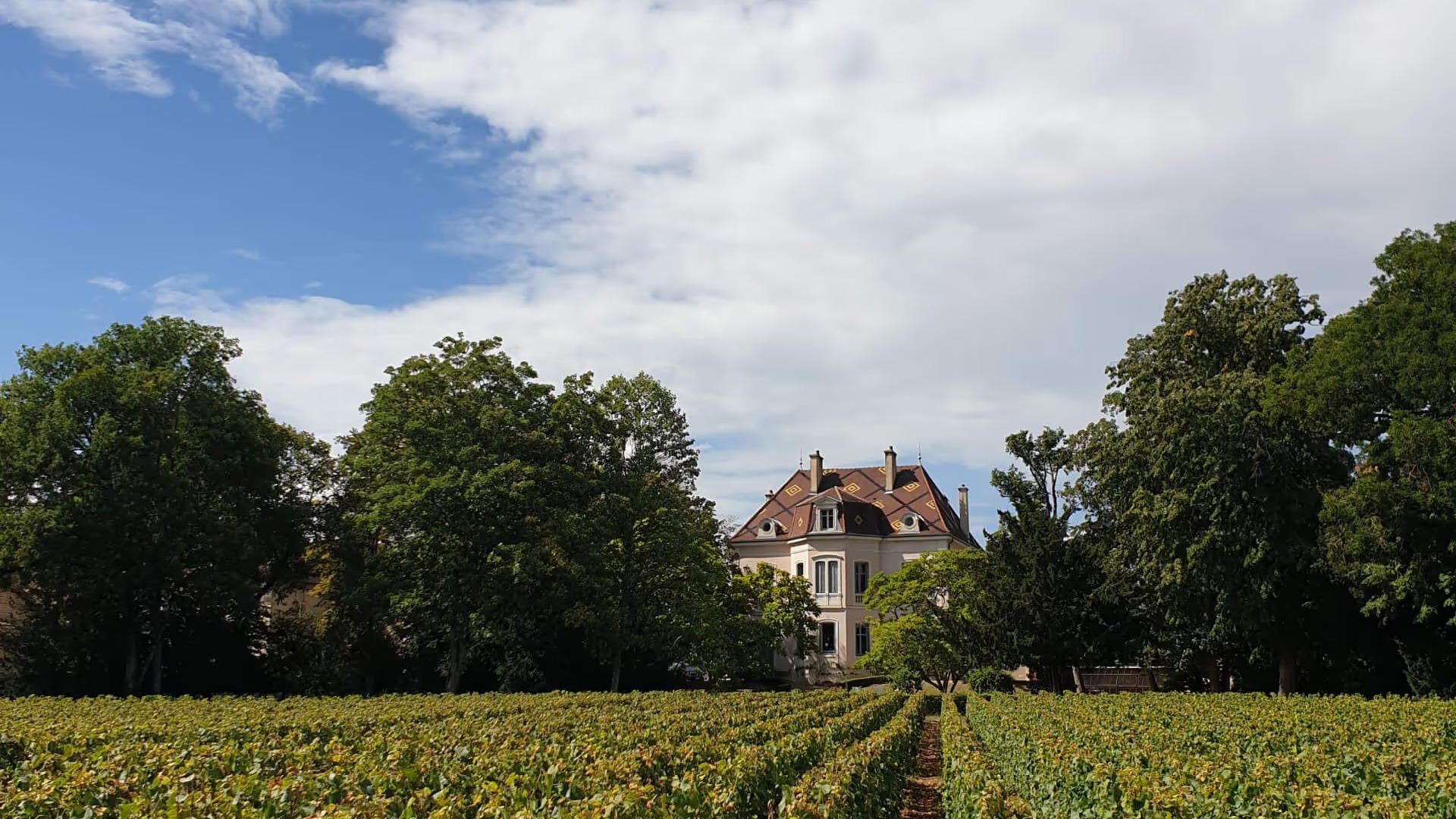
Bars in Pommard
Browse all →
Restaurants in Pommard
Browse all →
At a Glance
- Classic
- Elegant
- Rustic
- Sophisticated
- Wine Education
- Solo Exploration
- Special Occasion
- Vineyard Tour
- Cave Tasting
- Estate Grounds
- Organic
- Biodynamic
- Vineyard
- Pommard AOC
- Pinot Noir
- Chardonnay
- Still Red
- Cave Tasting
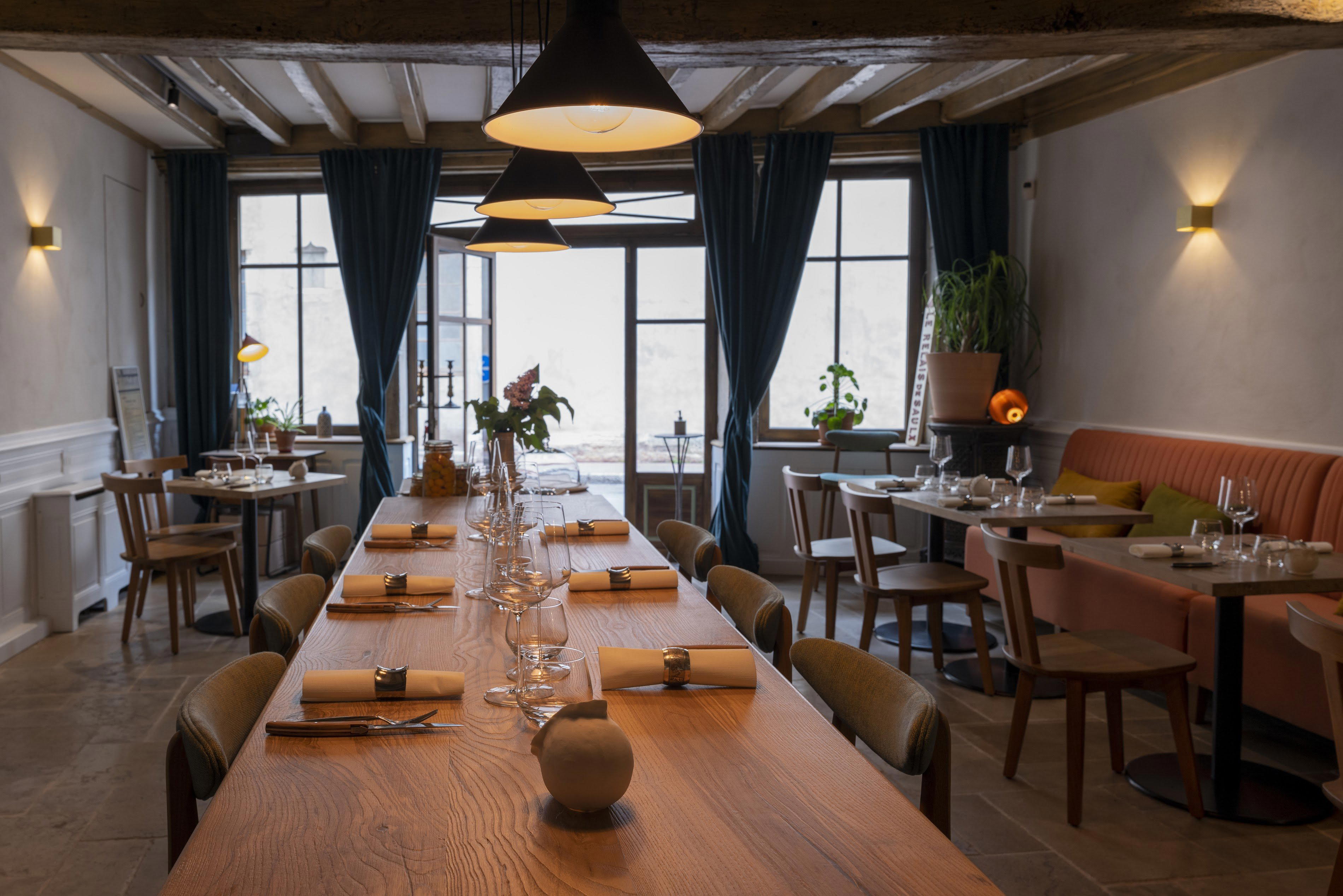
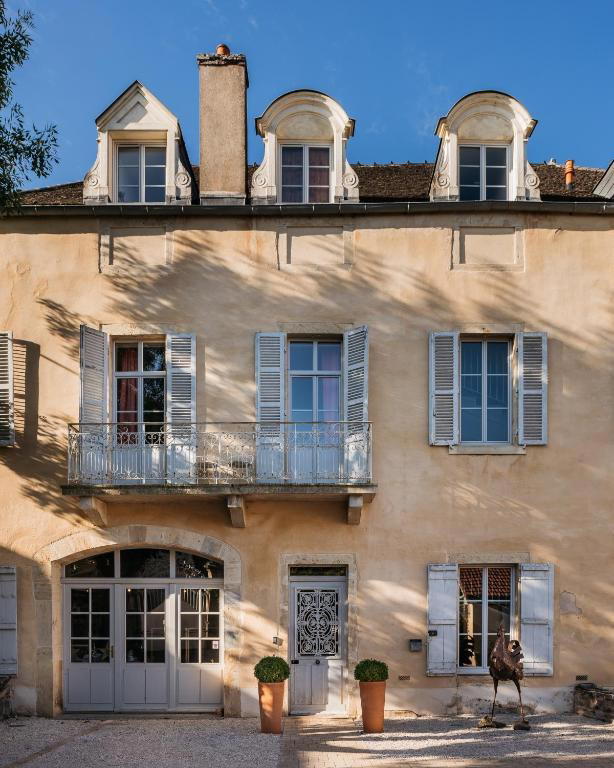
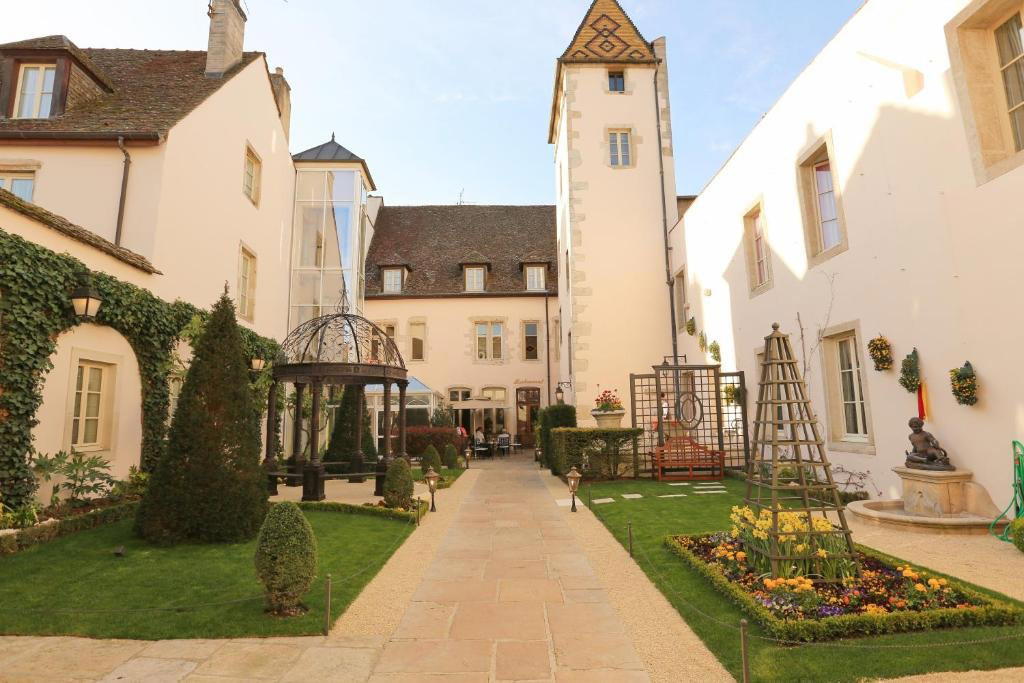
Classic and elegant with a refined, sophisticated atmosphere rooted in Burgundian tradition and meticulous vineyard stewardship.