
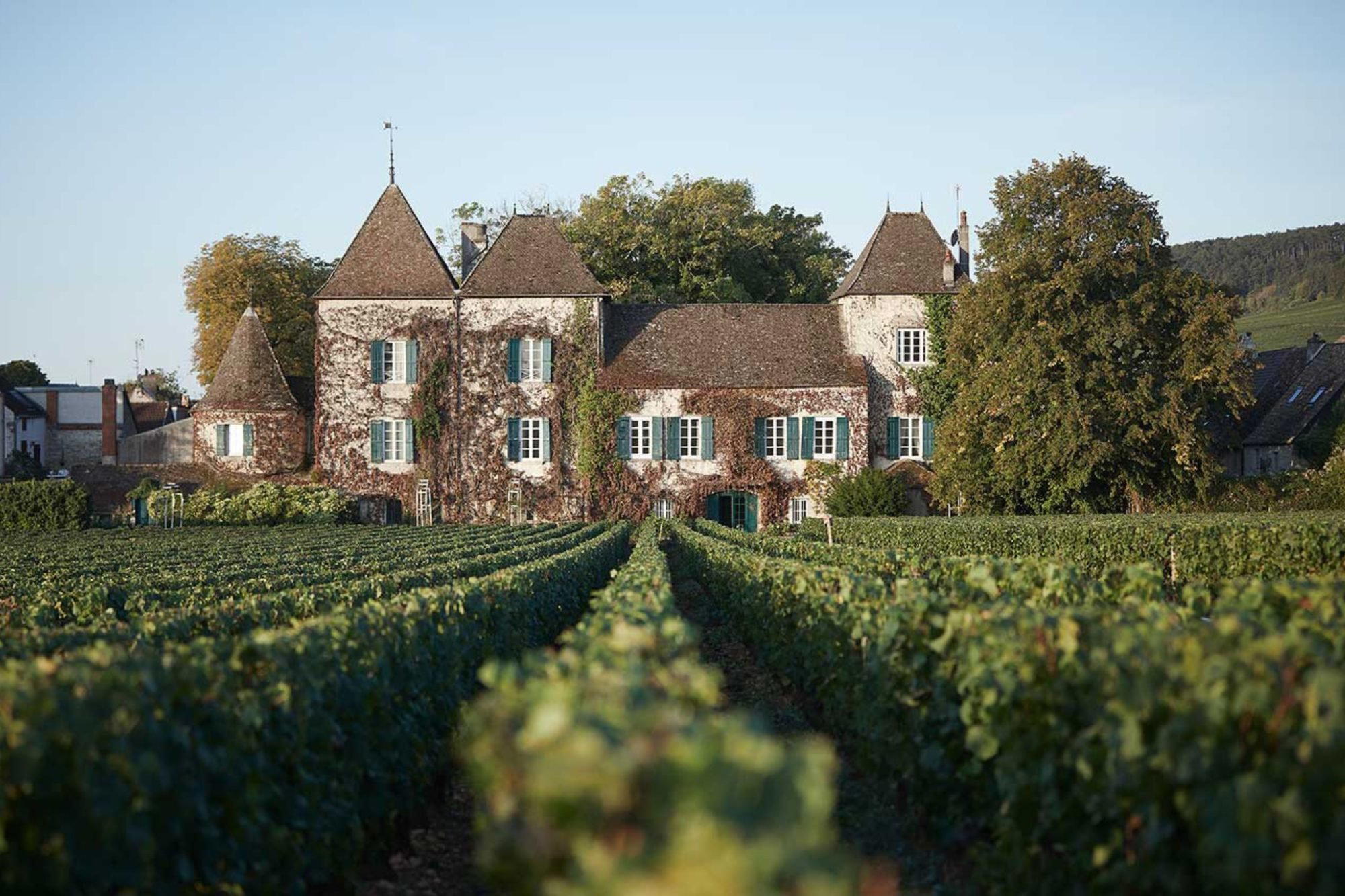
Domaine Comte Armand sits at the centre of Pommard's most-watched addresses. The domaine works from its base on the Rue de la Mairie, where Clos des Epeneaux, its monopole premier cru, anchors a range that positions it firmly in Burgundy's allocation-tier conversation. For those tracing the Côte de Beaune's top producers, this is a reference stop.
Pearl is the En Primeur Club membership app — saves, bookings, and concierge access live there. Same editors, same standards.
- Address
- 7 Rue de la Mairie, 21630 Pommard
- Phone
- +33 3 80 24 70 50
- Website
- domaine-comte-armand.com
- Directions
- Get directions
 Saves & bookings on Pearl
Where Pommard's Character Concentrates
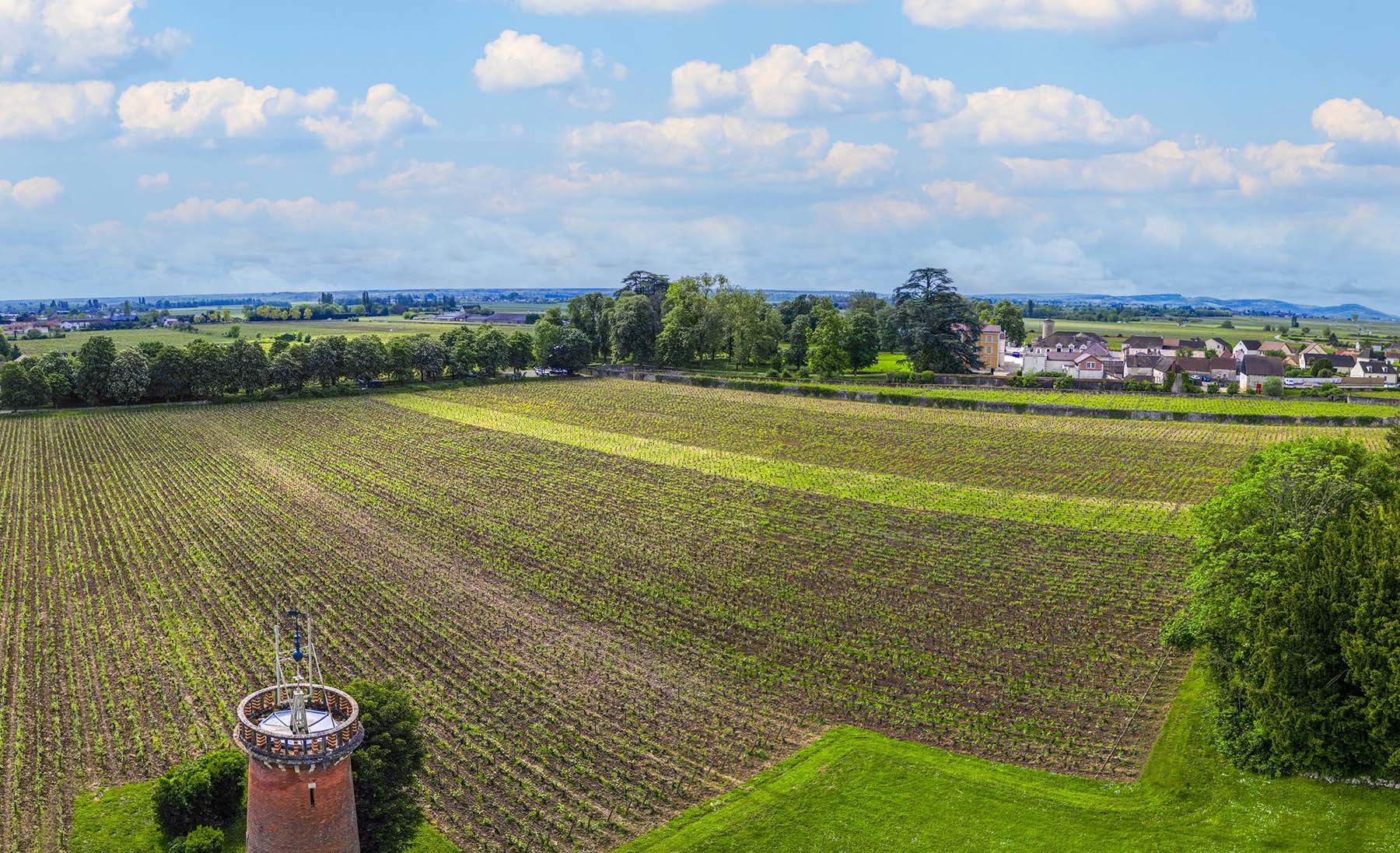
The village of Pommard sits roughly three kilometres south of Beaune on the D974, and the approach on foot or by car tells you something useful before you taste a drop. The stone walls here are lower than in Gevrey, the vineyards closer to the road, and the scale compressed enough that a single premier cru parcel can define a producer's entire identity. That compression is precisely what makes certain domaines in Pommard legible in a way that larger appellations rarely allow. When one lieu-dit occupies the centre of a producer's output, every decision, harvest timing, élevage length, extraction weight, becomes visible in the glass in ways that a multi-parcel range can obscure.
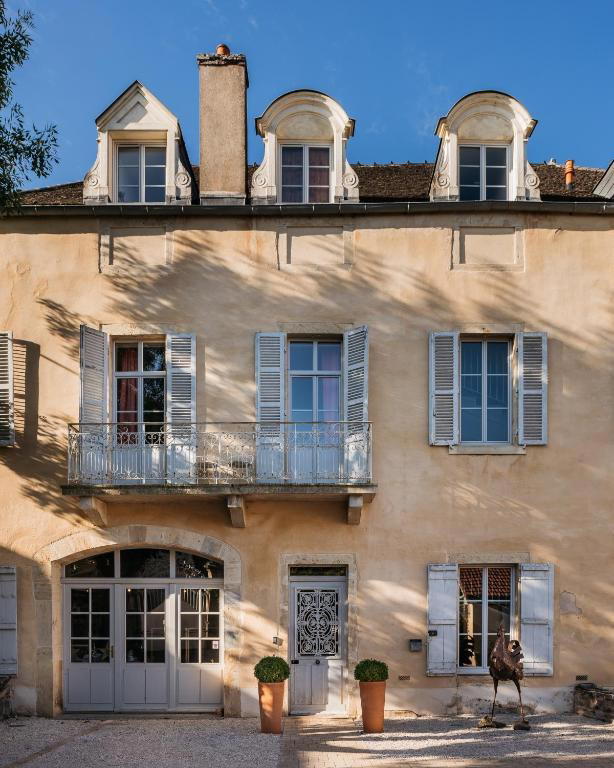
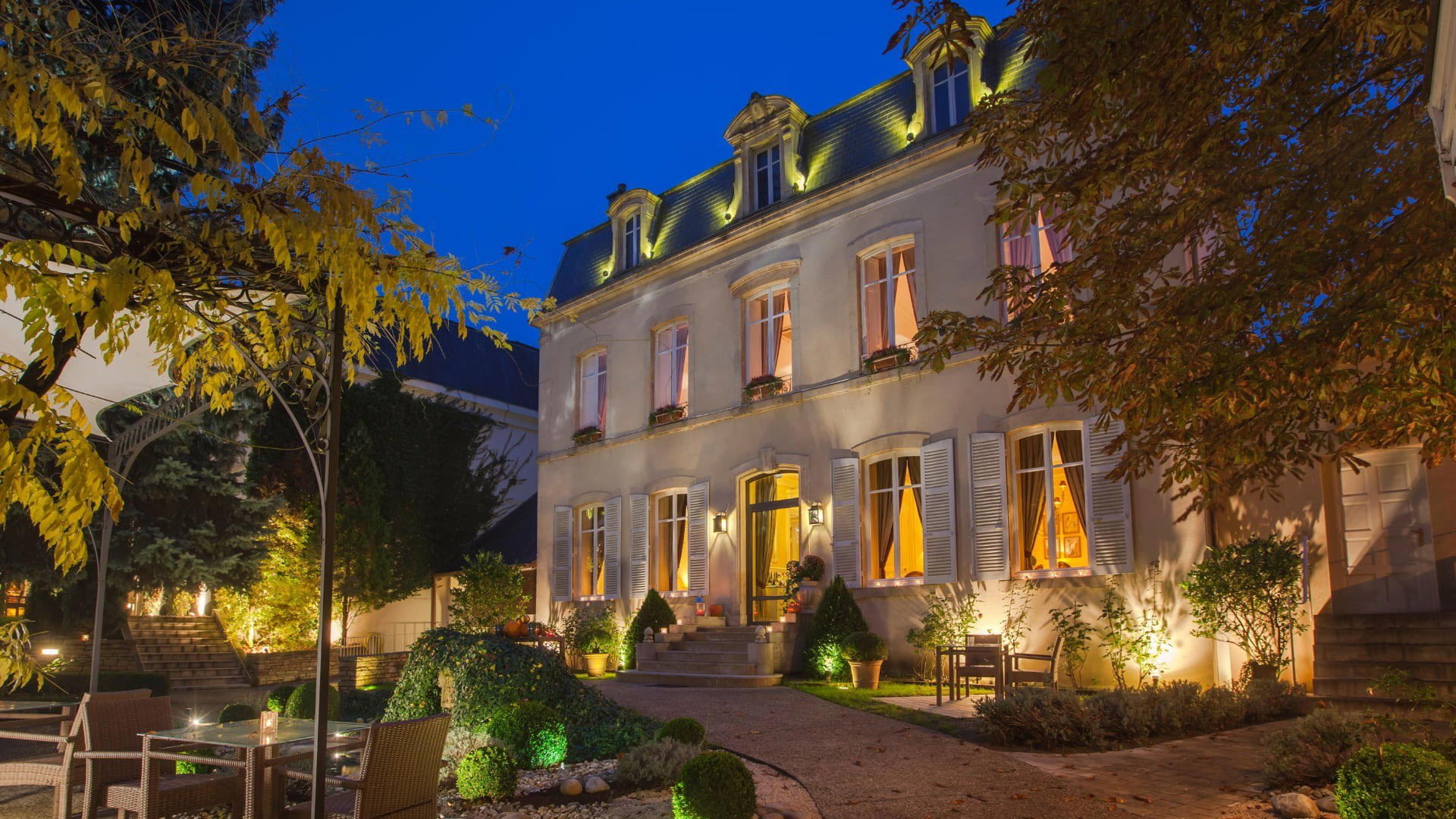
Domaine Comte Armand works from an address on the Rue de la Mairie, which runs through the quiet administrative heart of the village. The setting is understated in the way that serious Burgundy producers tend to be: no branded signage competing for attention, no tasting-room theatre arranged for passing trade. The physical environment signals that visits here are purposeful rather than casual, which has practical implications covered below. Within a village where Château de Pommard operates a large-scale visitor programme and Domaine Anne-Françoise Gros represents a family-scale alternative, Domaine Comte Armand occupies a different position: a monopole-centred estate whose recognition rests on a single appellation argument carried out over decades.
The Clos des Epeneaux Argument
Burgundy's monopole vineyards carry a particular authority because they cannot be cross-referenced against neighbouring interpretations. There is no comparative tasting from the parcel next door to complicate the picture. The Clos des Epeneaux, a walled premier cru within the Les Epeneaux climat, is Domaine Comte Armand's defining asset, and the entire range is understood in relation to it. This kind of monopole structure is more common in Vougeot or Chambolle, where grand cru walls have long defined prestige, but it operates with equal force at premier cru level in Pommard when the producer's track record is consistent enough to hold the argument.
In the broader Pommard peer group, monopole ownership at this level places the winery in a narrow sub-tier. Domaine de Courcel and Domaine Parent each hold significant premier cru holdings, but neither works from the single-climat concentration that defines Comte Armand's identity. That distinction matters when positioning bottles in the allocation and secondary market context.
The Tasting Format and What to Expect
The tasting experience at Pommard's serious domaines differs structurally from the Côte de Nuits approach, where grand cru climax notes and prestige pricing do much of the storytelling work. In Pommard, premier cru is the ceiling for most producers, and the conversation is necessarily more granular: how a specific parcel expresses the appellation's characteristic iron-tinged depth, how élevage length shapes the tannin architecture, and how a given vintage sits relative to the domaine's own reference points rather than a regional grand cru baseline.
At the winery, the format is appointment-led rather than drop-in. This is consistent with how Burgundy's allocation-tier estates operate across the Côte de Beaune: availability is not assumed, and the visit functions as a working relationship rather than a retail transaction. Visitors planning around this should build scheduling into their Burgundy itinerary in advance, ideally contacting the domaine directly before arriving in the region. The address at 7 Rue de la Mairie, Pommard is the starting point for any such outreach, and written contact through available channels is the practical approach.
Within the tasting itself, the range typically anchors around the Clos des Epeneaux across multiple vintages, with village-level Pommard and occasionally Auxey-Duresses providing contextual reference. This format, where a monopole anchor is tasted against broader appellation expressions, is standard for estates with this kind of concentrated holding, and it allows visitors to locate the premier cru within the domaine's full argument rather than presenting it in isolation. The comparative structure is educationally efficient, particularly for visitors building a mental map of how premier cru Pommard differs from village Pommard across producers.
Pommard's Position and How Comte Armand Fits
Pommard sits in a specific commercial position within Burgundy. It is one of the Côte de Beaune's most recognised village names among international buyers, in part because the appellation name has historically appeared on labels without the hyphenated premier cru specification that marks out finer addresses. This has created a two-speed market: one segment driven by appellation recognition at accessible price points, and a smaller upper tier defined by specific premier cru climates with documented producer track records. The winery sits firmly in that upper tier, where the Clos des Epeneaux designation functions as its own reference signal independent of the broader Pommard name.
For comparison within adjacent categories, estates like Château Bélair-Monange in Saint-Emilion or Château Branaire-Ducru in St-Julien operate within similarly defined prestige tiers in their own appellations, where address and historic classification carry as much weight as vintage variation.
Planning a Visit
Pommard is most practically accessed from Beaune, which sits approximately three kilometres to the north and serves as the logistical base for most Côte de Beaune itineraries. The village itself is compact enough to cover on foot once you arrive, and the Rue de la Mairie is central. For those building a full day in the appellation, pairing a visit to the winery with stops at neighbouring producers such as Château de Pommard or Domaine de Courcel creates a coherent comparative programme across Pommard's different production scales and styles.
Given the appointment-based format, autumn (harvest period, late September through October) tends to restrict tasting access at working domaines across Burgundy, and scheduling outside that window is consistently more productive. Spring and early summer offer reliable appointment availability, and the vineyards are in active growth in ways that make the landscape legible alongside the tasting. Serious collectors regularly structure Burgundy trips around specific domaine access rather than the reverse, and for a monopole estate of Comte Armand's profile, that discipline is warranted.
What It’s Closest To
Comparable venues nearby, for context on price, style, and recognition.
| Venue | Cuisine | Price | Notes |
|---|---|---|---|
| Domaine Comte ArmandThis venue — the venue you are viewing | Pinot Noir, Chardonnay | $$$ | Not listed |
| Domaine Parent | Pinot Noir, Chardonnay | $$$ | Pommard |
| Château de Pommard | Pinot Noir, Chardonnay | $$$ | Pommard |
| Domaine de Courcel | Pinot Noir, Chardonnay | $$$ | Pommard |
| Domaine Anne-Françoise Gros | Pinot Noir | $$$$ | Pommard |
| Domaine Hubert Lamy | Chardonnay, Pinot Noir | $$$ | Saint-Aubin |
Recognition history
Dated appearances from independent guides and award organizations, with the underlying list record or original source where available.
Falstaff Winery - Listed
Falstaff
Continue exploring
More in Pommard
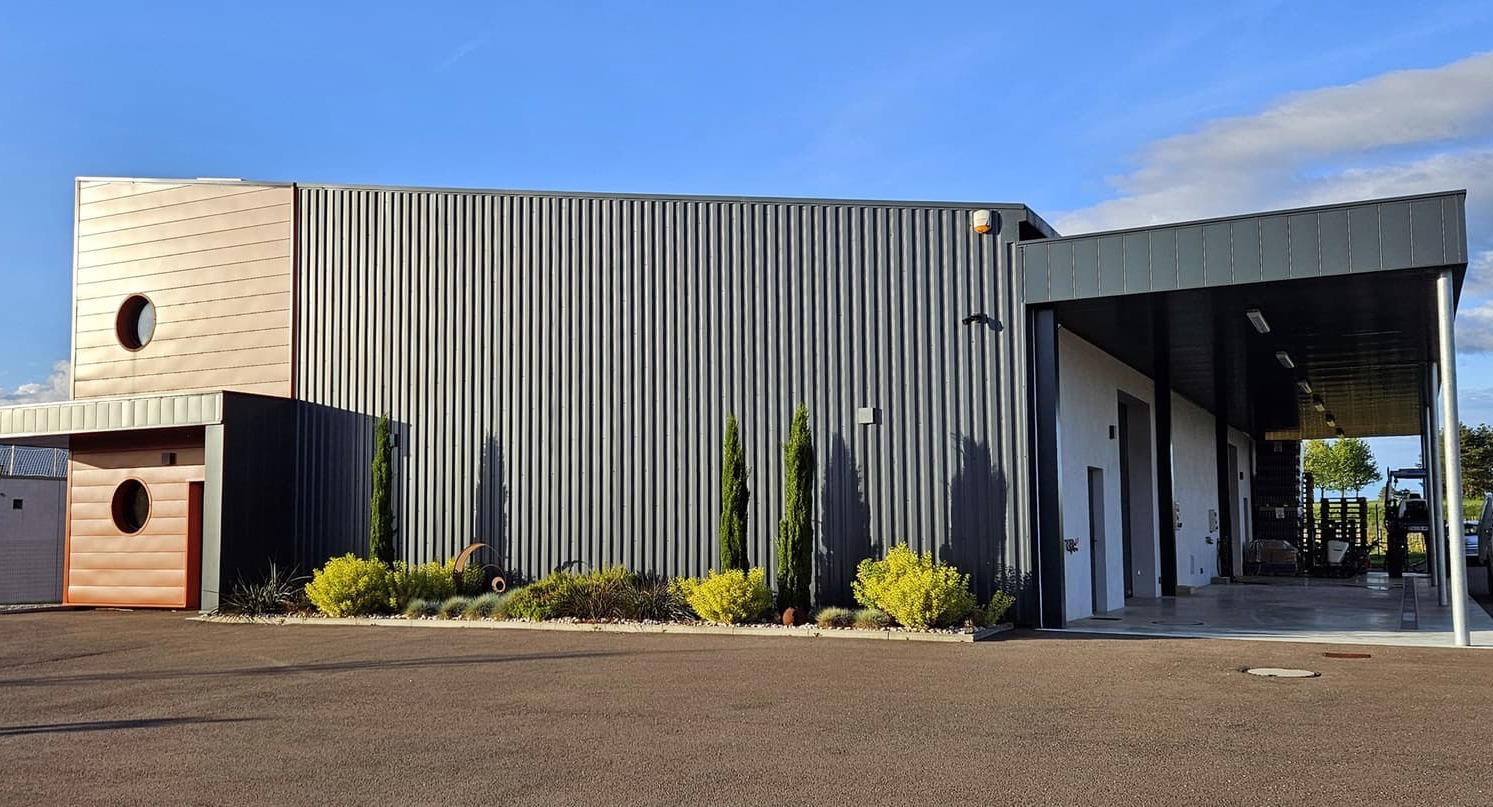
Wineries in Pommard
Browse all →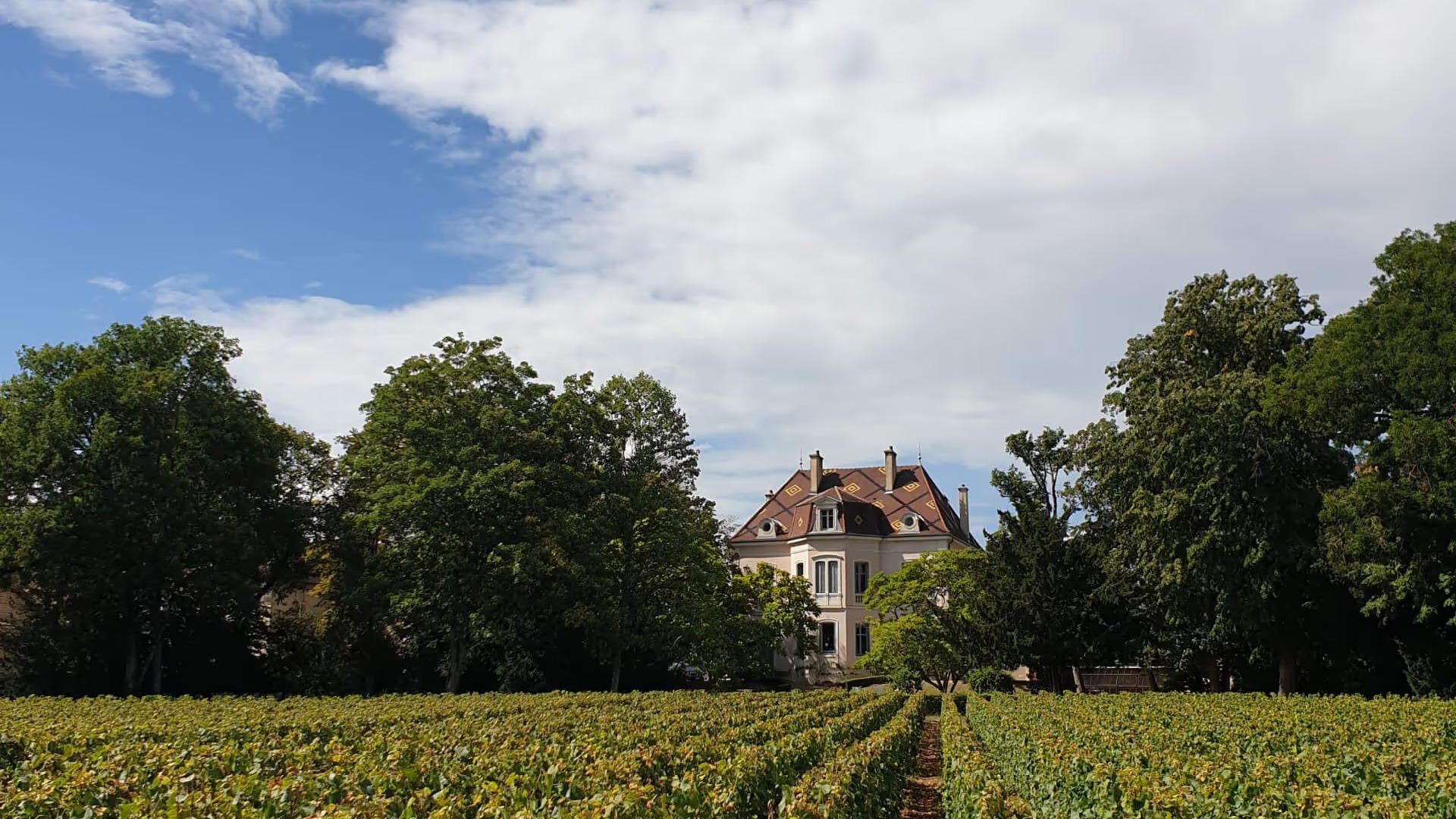
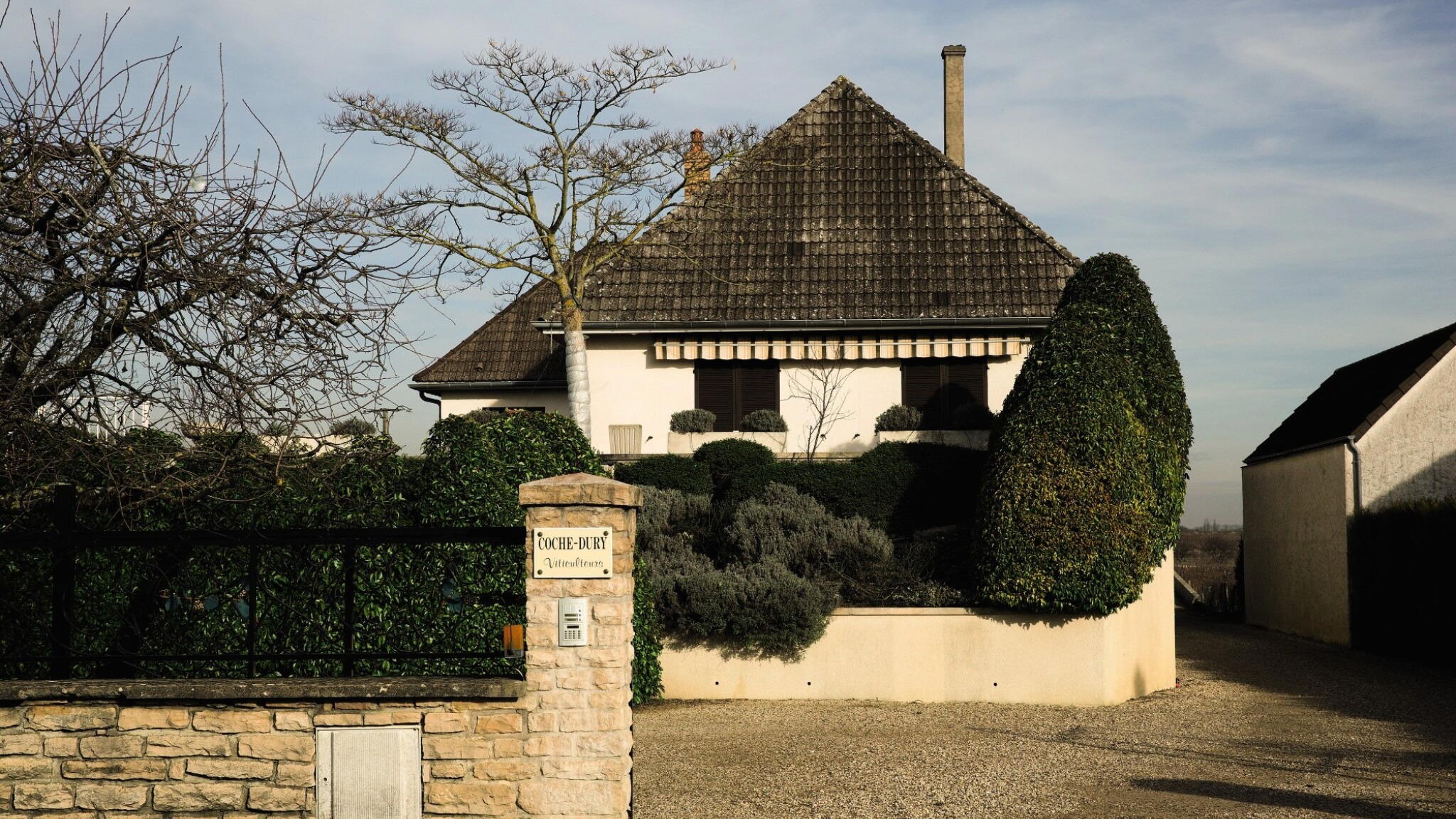
Bars in Pommard
Browse all →
Restaurants in Pommard
Browse all →
At a Glance
- Elegant
- Classic
- Sophisticated
- Scenic
- Wine Education
- Romantic Getaway
- Special Occasion
- Vineyard Tour
- Estate Grounds
- Barrel Room
- Cave Tasting
- Historic Building
- Biodynamic
- Organic
- Sustainable
- Vineyard
- Pommard AOC
- Pinot Noir
- Chardonnay
- Still Red
- Still White
- Cave Tasting
- Vineyard Tour
- Barrel Room Tasting
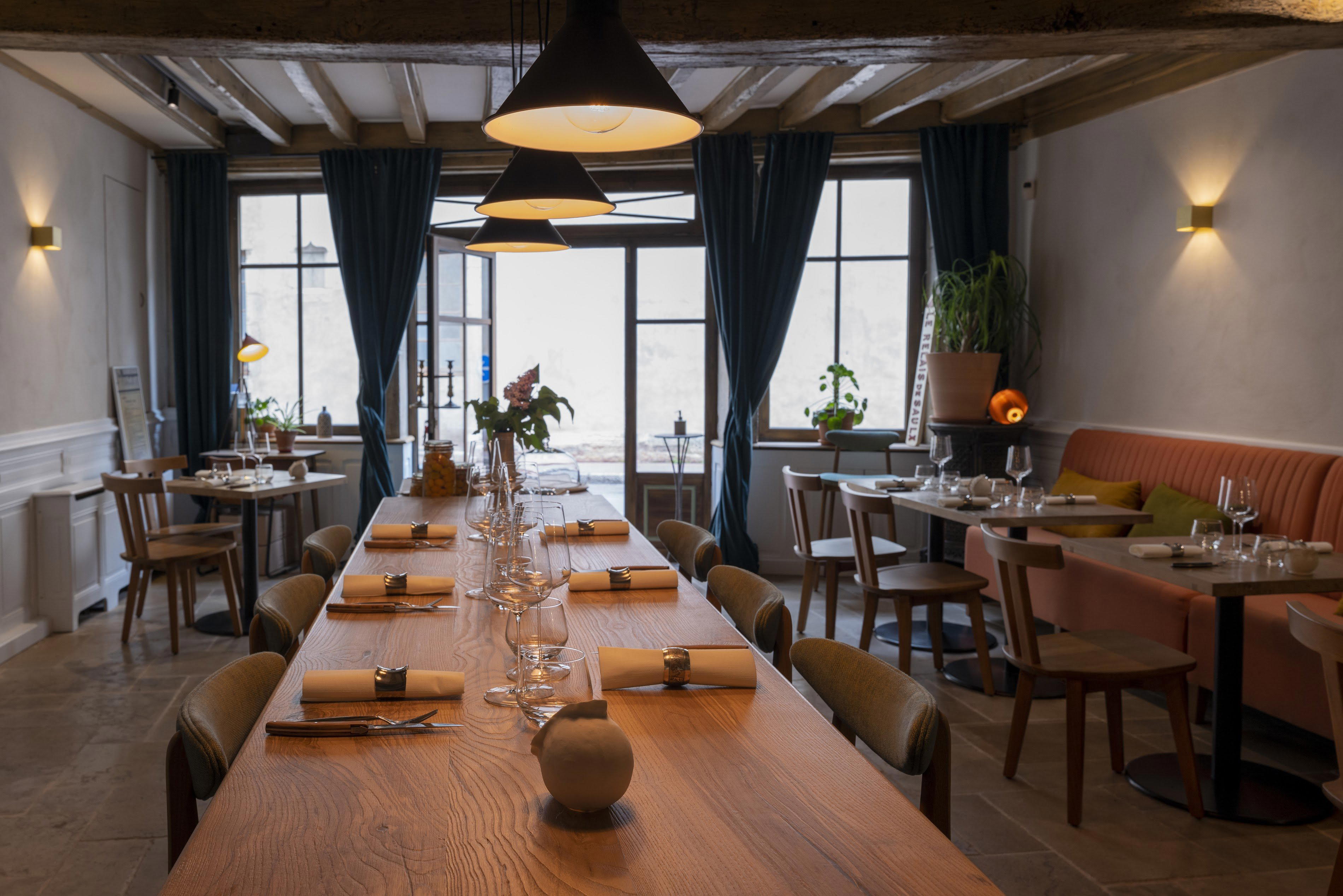
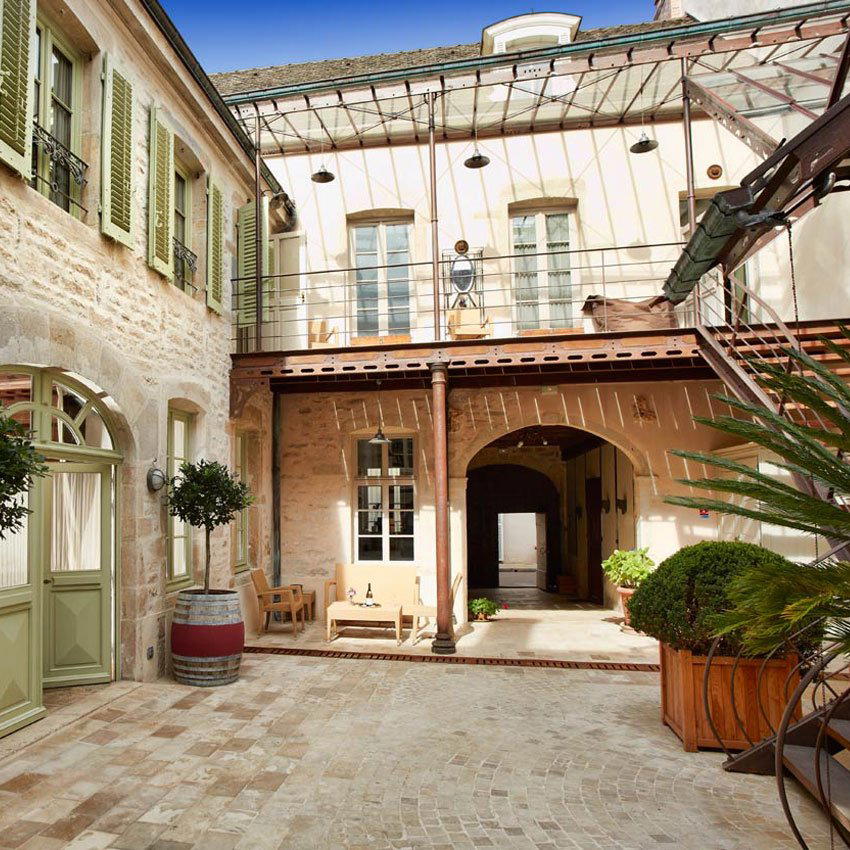
Intimate, refined atmosphere in a historic 18th-century estate setting with traditional Burgundian charm and meticulous attention to terroir-driven winemaking.