
Falstaff Winery - Listed
Château de Pommard sits at the heart of one of Burgundy's most celebrated appellations, where the village's iron-rich soils and continental climate translate directly into the structure of its Pinot Noir..

Pearl is the En Primeur Club membership app — saves, bookings, and concierge access live there. Same editors, same standards.
- Address
- 15 Rue Marey Monge, 21630 Pommard
- Phone
- +33 3 80 22 07 99
- Website
- chateaudepommard.com
- Directions
- Get directions
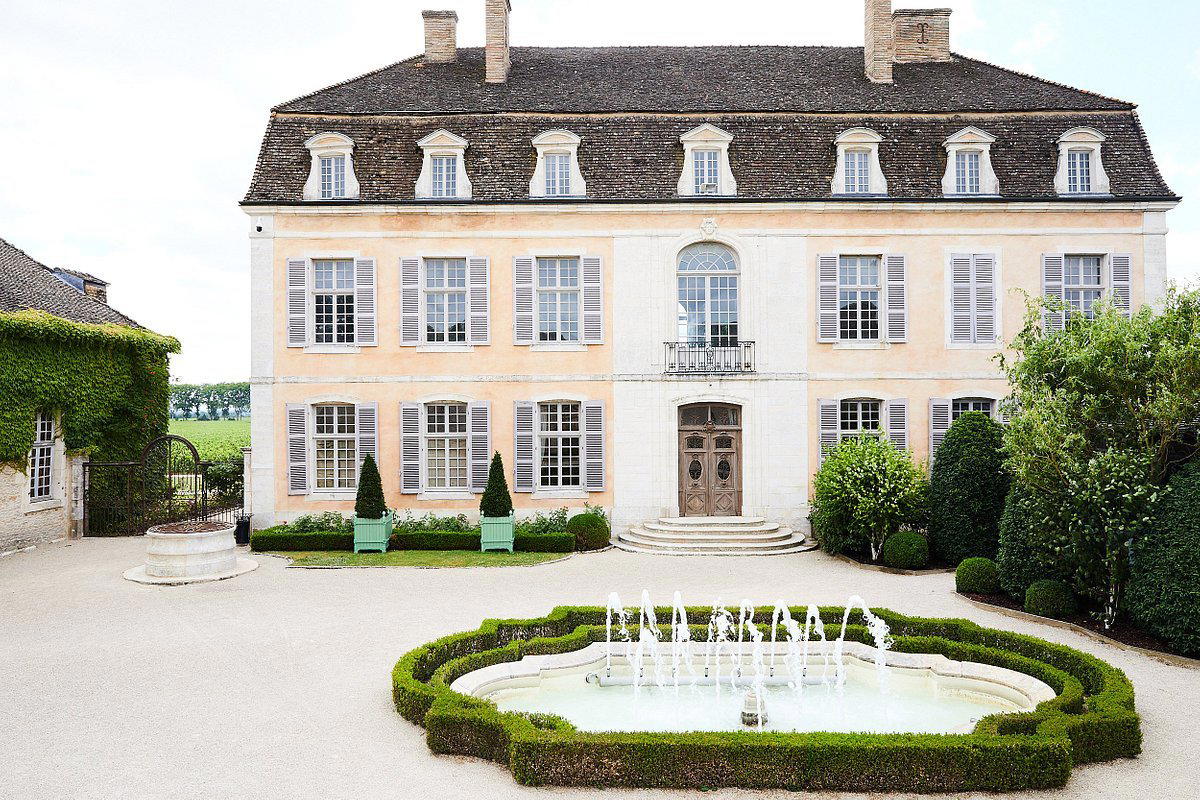
Where the Soil Speaks First
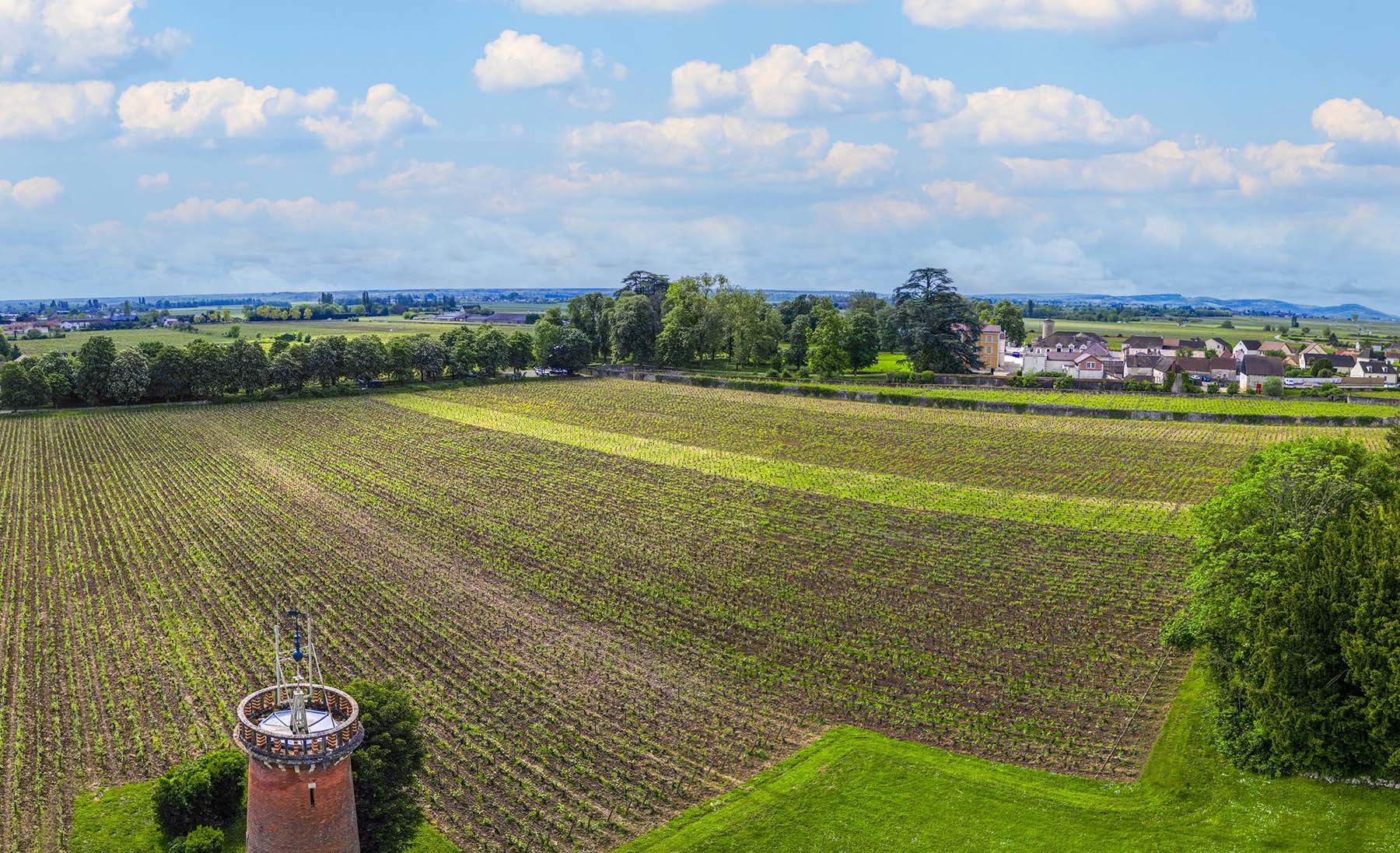
Approaching the village of Pommard from the D974 between Beaune and Volnay, the terrain announces itself before any cellar door does. The slope pitches gently eastward, the topsoil thins to a few centimetres over iron-dense limestone and marl, and the vines press their roots into a substructure that has been producing structured, age-worthy Pinot Noir for centuries. This is Burgundy's Côte de Beaune at its most grippy and terrestrial, a strip of appellation that has always traded on tannin and longevity rather than the silkier register of its neighbours in Volnay or the weightier opulence of Gevrey-Chambertin further north.
Pommard the appellation produces no Premier Cru more referenced than Les Rugiens and Les Epenots, two sites whose geological differences — deeper alluvial soils in Les Epenots, the russet iron-oxide clay of Les Rugiens — underpin the stylistic debate that serious collectors have about the village's identity. Château de Pommard, addressed at 15 Rue Marey Monge in the village centre, sits within this contested and celebrated ground.
Pommard's Place in the Côte de Beaune Hierarchy
Burgundy's quality hierarchy is unusually transparent by global wine standards. That absence of Grand Cru status has historically kept Pommard's ceiling prices below those of Gevrey-Chambertin or Vosne-Romanée, but it has also preserved a tier of serious Premier Cru producers who are priced below their qualitative peers in better-known communes.
Domaine Comte Armand anchors one end of the quality spectrum with its monopole holding of Clos des Epeneaux. Domaine de Courcel consistently draws critical attention for its Rugiens bottlings. Domaine Anne-Françoise Gros and Domaine Parent each represent the village's broader range of premier holdings.
Terroir as Argument: What Pommard's Geology Produces
The editorial argument for Pommard has always rested on specificity of place. The village's soils differ meaningfully from those in adjacent Volnay, which sits on more limestone-dominant terrain and produces wines that read as lighter-framed and floral. Pommard's eastward-facing vineyards, particularly those on the upper slopes toward Les Rugiens Hauts, carry a higher proportion of iron and clay that gives the wines a characteristic density in mid-palate and tannin that requires time to resolve. This is not a stylistic choice imposed by the cellar; it is what the site does left to its own logic.
Understanding this geological argument matters for how you approach the estate's wines. Collectors buying Pommard Premier Cru from any address in the village, including Château de Pommard, should calibrate their expectations around a minimum five-year cellaring horizon for village-level wines and a longer window for Premier Cru bottlings from sites like Les Rugiens. The wines reward patience in a way that the lighter communes of the Côte de Nuits sometimes do not require. Burgundy's more iron-inflected terroirs, Pommard, Gevrey's Mazis, parts of Nuits-Saint-Georges, share this characteristic, and buyers who understand this tend to be more satisfied with the long-term arc of their purchases.
For broader context on how French appellations express terroir in distinctive ways, the comparison extends beyond Burgundy. Estates in regions as different as Albert Boxler in Niedermorschwihr and Château Bélair-Monange in Saint-Emilion make cases for site specificity within their own appellations. Pommard's argument is among the more geologically legible in France: the colour of the soil, the weight of the wine, and the structure in the glass form a consistent chain of evidence.
Visiting the Estate
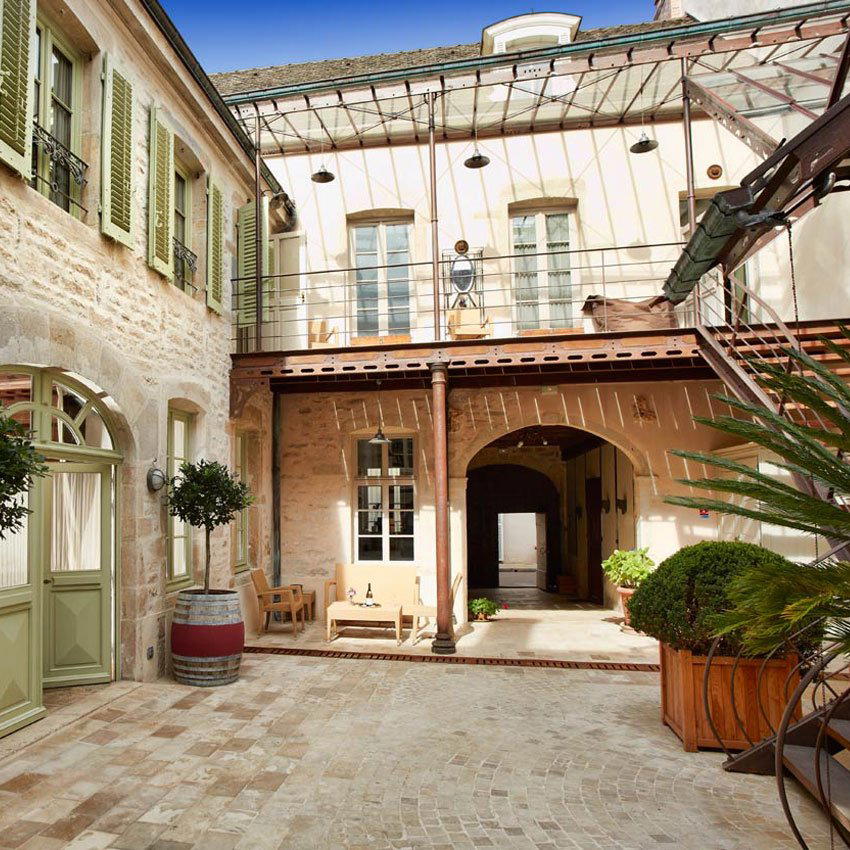
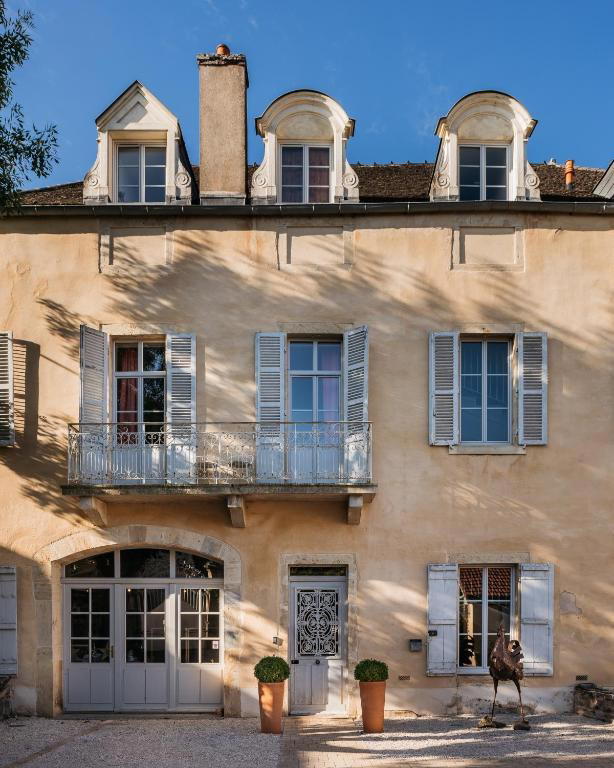
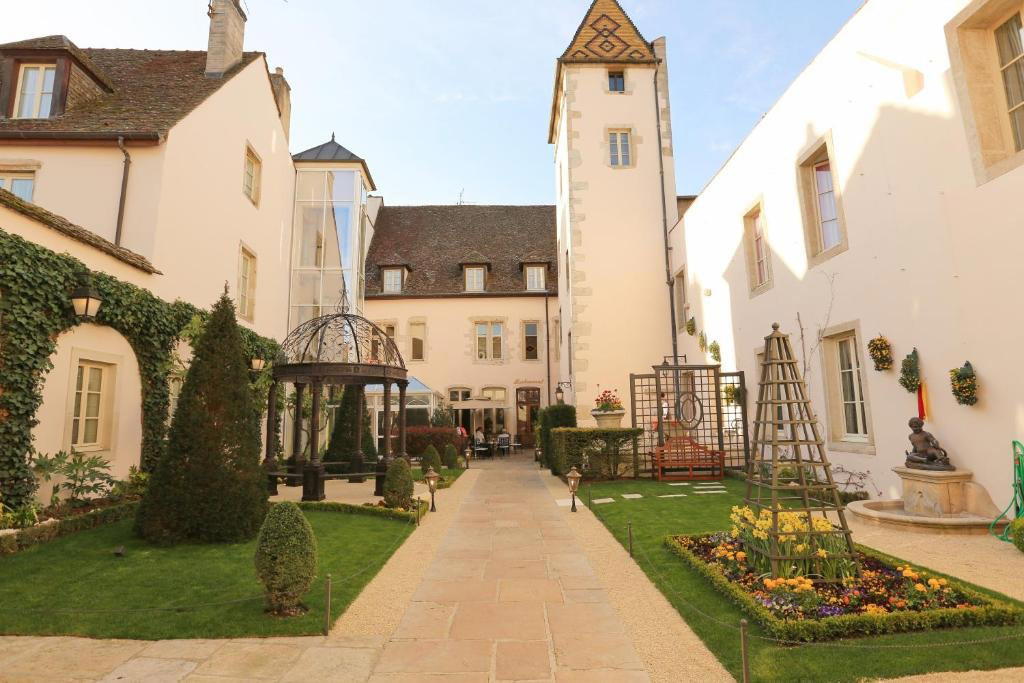
Pommard sits approximately five kilometres south of Beaune along the Route des Grands Crus, making it logistically accessible from Beaune's hotels and transport connections. The village is compact enough that most of its significant addresses are reachable on foot from a central parking point, and the Château de Pommard at 15 Rue Marey Monge is among the more prominently positioned estates in the village, set behind a walled courtyard typical of the larger Burgundian domaine format. Visitors approaching from Beaune will find Pommard well-signposted, and the estate sits within a short walk of the village church and the D974 corridor.
For those building a Côte de Beaune itinerary, Pommard is most productively visited alongside its southern neighbour Volnay, which provides a direct stylistic counterpoint, and the appellation of Meursault for white wines. The combination of Pommard's structured reds and Meursault's mineral-driven Chardonnay is among Burgundy's more instructive horizontal comparisons for visitors arriving from outside the region. The full context of the village's position within the broader appellation picture is covered in our full Pommard restaurants guide.
The 2025 Recognition in Context
As Côte de Nuits prices have increased to levels that price out many serious collectors, attention has shifted southward toward the Côte de Beaune's Premier Cru addresses. Estates that have maintained consistent quality across multiple vintages now find themselves re-evaluated, and awards like the Pearl Prestige series track this reappraisal. The 3 Star tier within that system places Château de Pommard alongside a cohort of regionally significant producers rather than a broader hospitality recognition, which is a meaningful distinction for buyers making allocation decisions.
For comparison across other acclaimed French estates receiving similar levels of recognition, Château Bastor-Lamontagne in Preignac, Château Batailley in Pauillac, Château Boyd-Cantenac in Cantenac, Château Branaire Ducru in St-Julien, and Château Cantemerle in Haut-Médoc each represent the kind of appellation-embedded quality that awards at this level are designed to track. Beyond France, estates such as Accendo Cellars in St. Helena illustrate how similar quality signals operate in Napa's premium tier. For something further afield in the world of aged and complex spirits, Chartreuse in Voiron and Aberlour in Aberlour represent how production heritage translates into sustained critical standing in their own categories.
Planning Your Visit
The estate is located at 15 Rue Marey Monge, 21630 Pommard, in the heart of the village. Visitors arriving by car from Beaune should allow under fifteen minutes on the D974. Beaune itself is the most practical base for a Côte de Beaune visit, with rail connections to Dijon and Lyon. Booking ahead for any domaine visit in Burgundy is advisable, particularly from April through October when wine tourism in the region is at its most concentrated. Specific hours, tasting formats, and booking availability for Château de Pommard are best confirmed directly with the estate.
A Quick Peer Check
Comparable venues nearby, for context on price, style, and recognition.
| Venue | Cuisine | Price | Awards | Notes |
|---|---|---|---|---|
| Château de PommardThis venue — the venue you are viewing | Pinot Noir, Chardonnay | $50–100 | Falstaff Winery - Listed | Not listed |
| Domaine de Courcel | Pinot Noir, Chardonnay | Not listed | Falstaff Winery - Listed | Pommard |
| Domaine Comte Armand | Pinot Noir, Chardonnay | $50–100 | Falstaff Winery - Listed | Pommard |
| Domaine Anne-Françoise Gros | Pinot Noir | Not listed | Not listed | Pommard |
| Domaine Parent | Pinot Noir, Chardonnay | Not listed | Not listed | Pommard |
| Domaine Pierre Morey | Chardonnay, Pinot Noir | Not listed | Michelin Main Selection · Falstaff Winery - Listed | Meursault |
Recognition history
Dated appearances from independent guides and award organizations, with the underlying list record or original source where available.
Falstaff Winery - Listed
Falstaff
Continue exploring
More in Pommard
Wineries in Pommard
Browse all →
Bars in Pommard
Browse all →

Restaurants in Pommard
Browse all →
Details
- Elegant
- Romantic
- Classic
- Scenic
- Wine Education
- Romantic Getaway
- Special Occasion
- Group Outing
- Cave Tasting
- Vineyard Tour
- Estate Grounds
- Historic Building
- Barrel Room
- Biodynamic
- Sustainable
- Vineyard
- Garden
- Pinot Noir
- Chardonnay
- Still Red
- Still White
- Cave Tasting
- Vineyard Tour
- Comparative Tasting
- English
- French
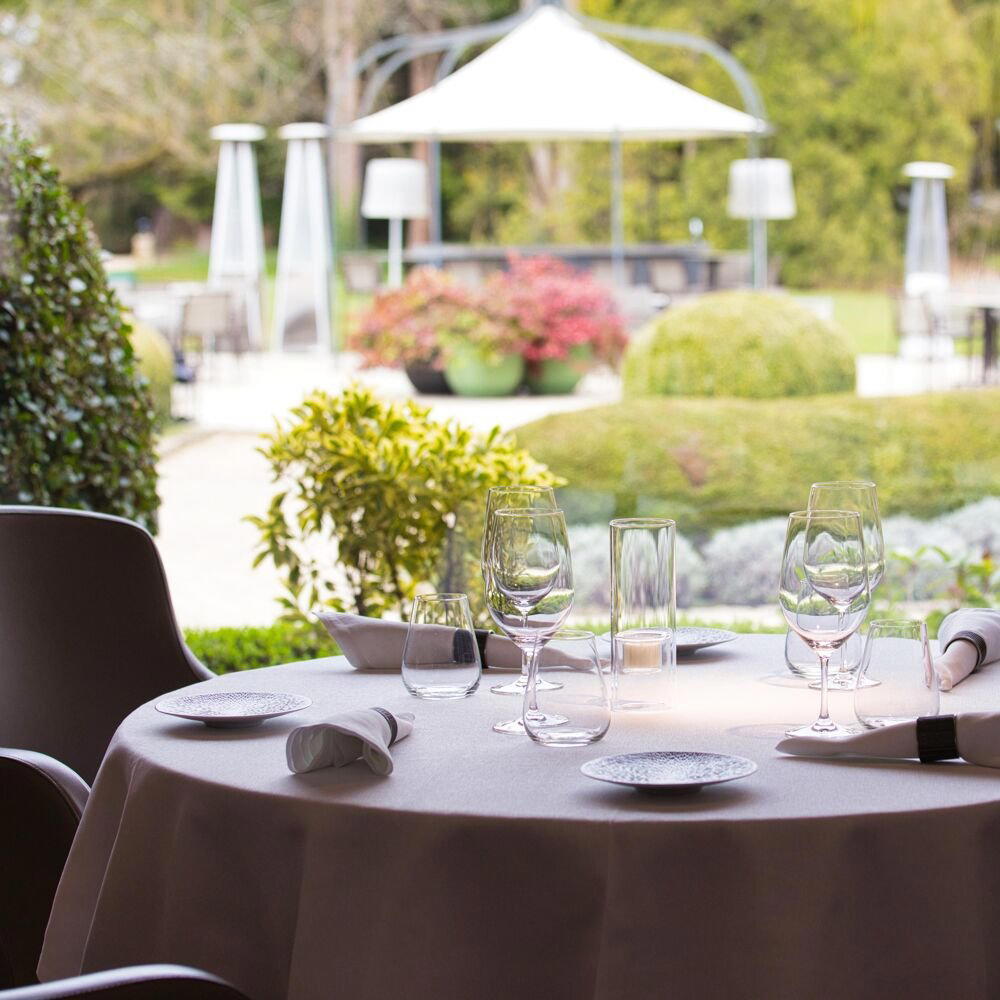
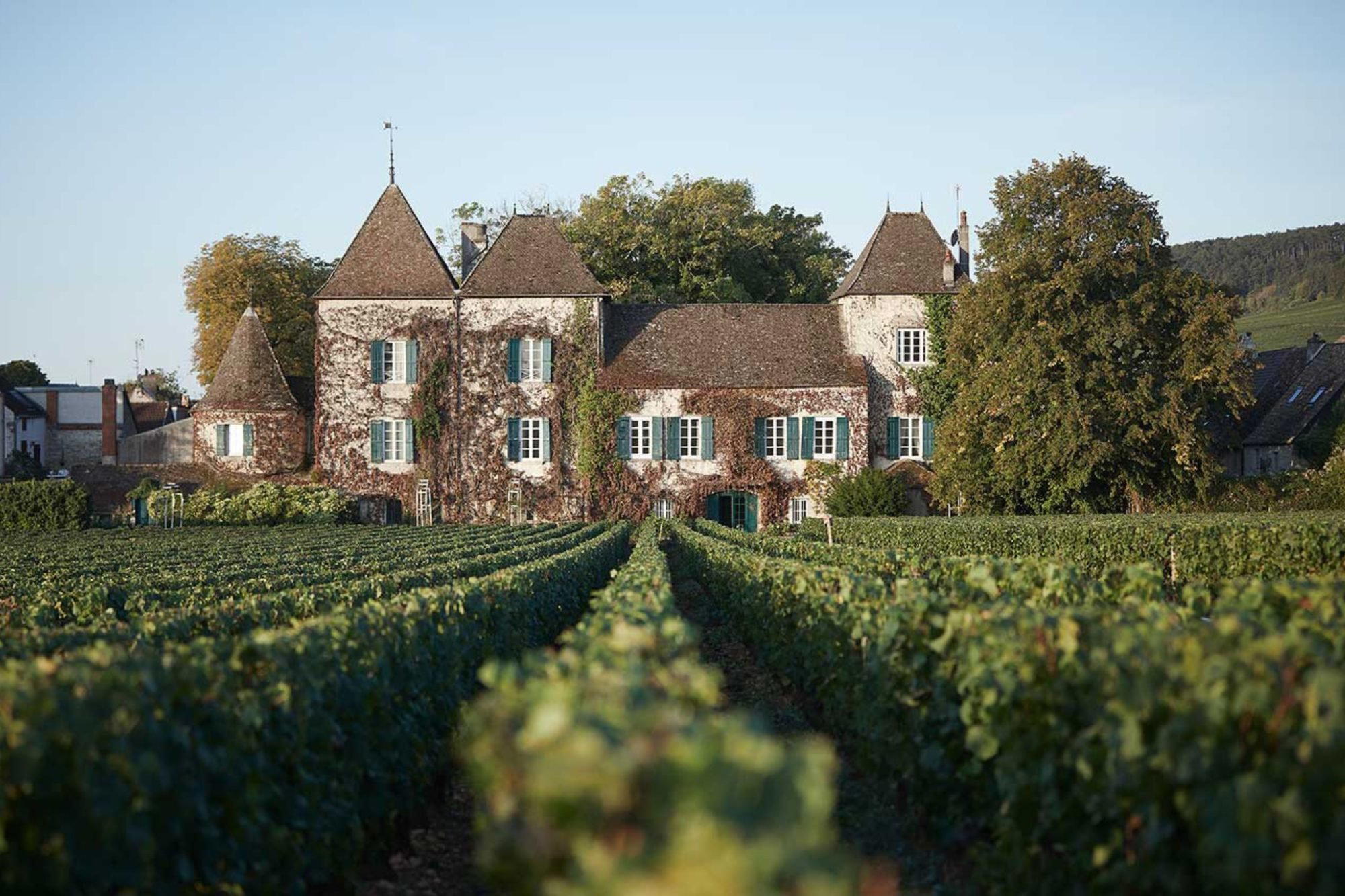
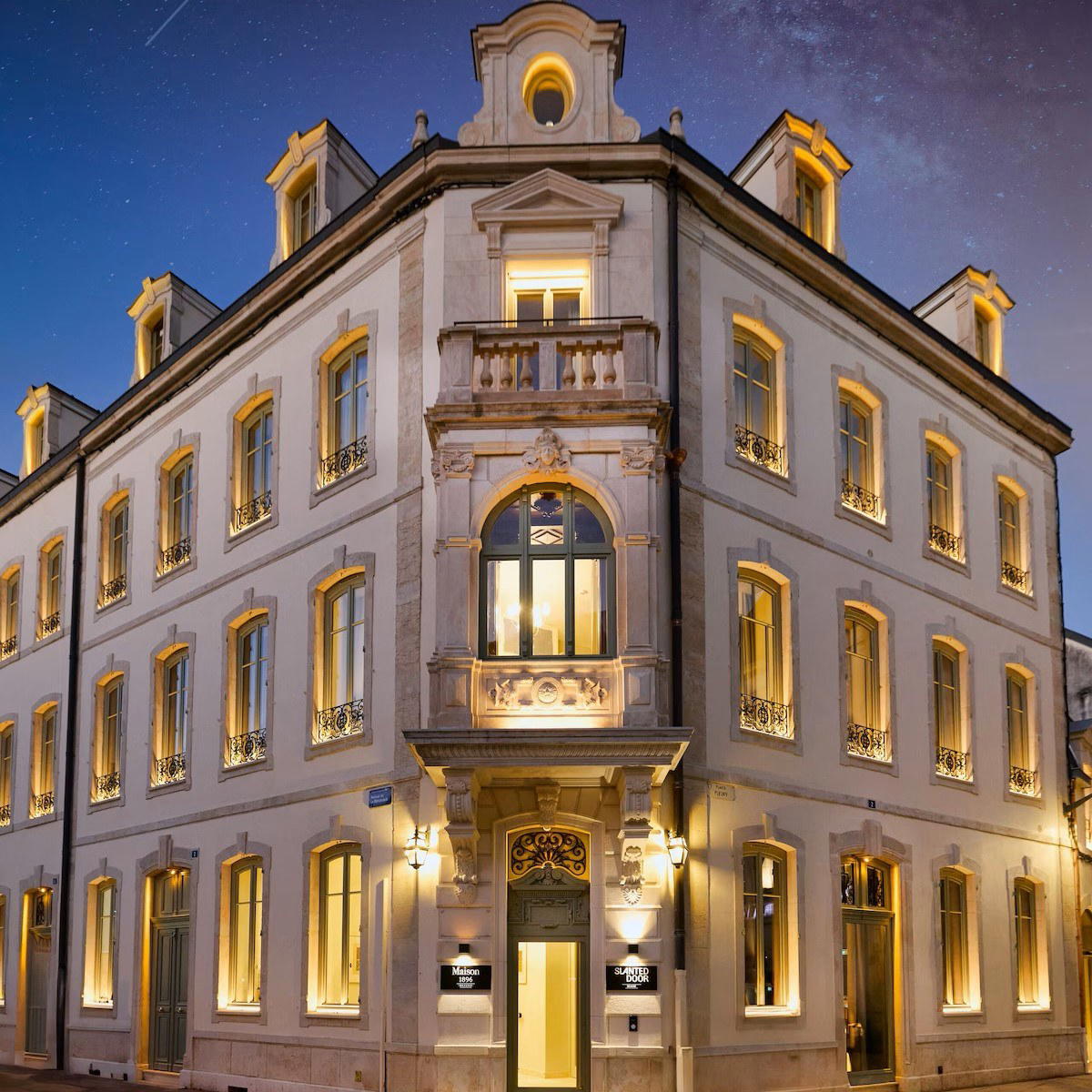
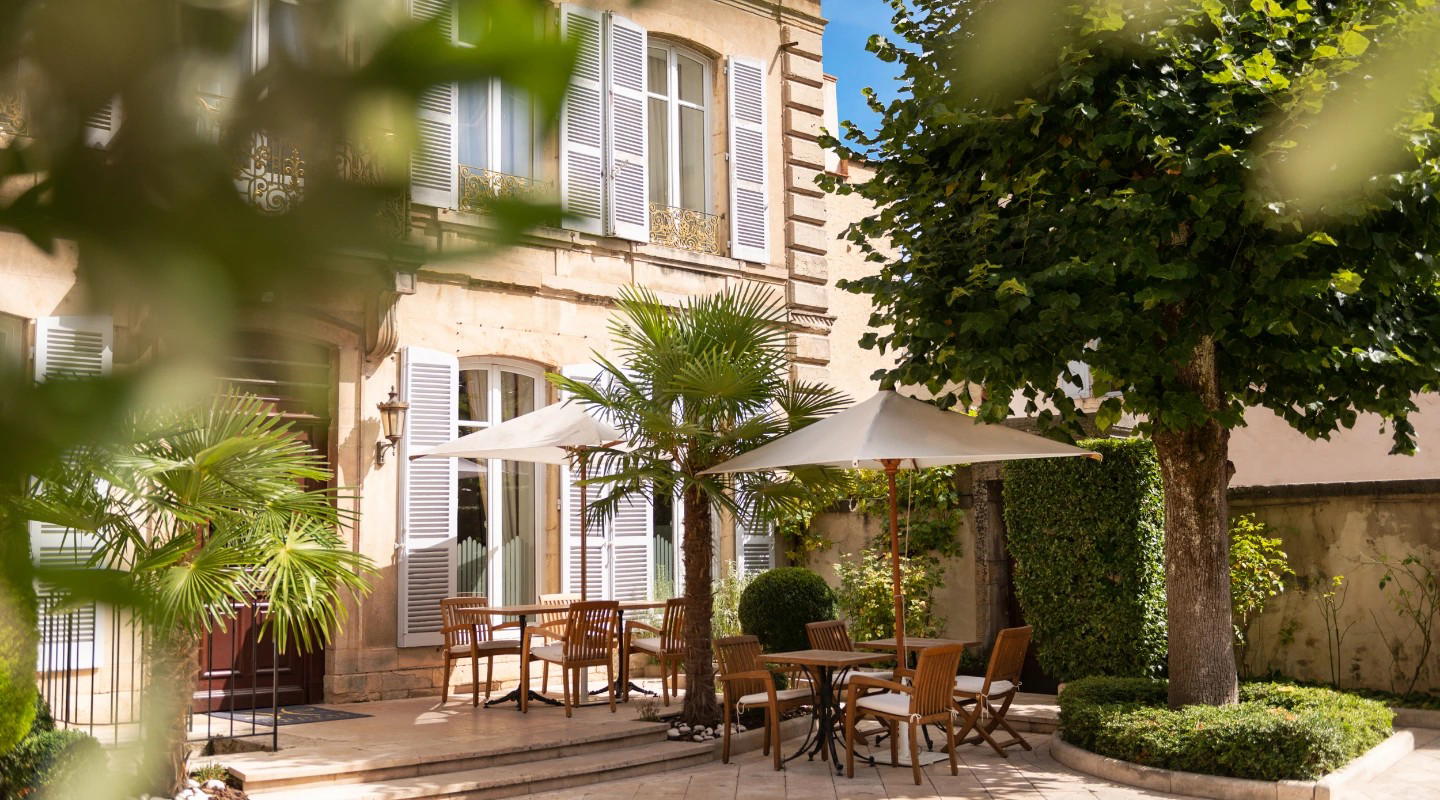
Historic château with old-world charm blended with contemporary winemaking facilities; elegant cellar with oak barrel aging; serene vineyard setting conducive to wine education and contemplation.