The domaine sits within a comparable set defined by terroir-driven Burgundy production and commands attention through the weight of its appellation credentials. A focused visit rewards those with a serious interest in Pinot Noir at the village and premier cru level.
Pearl is the En Primeur Club membership app — saves, bookings, and concierge access live there. Same editors, same standards.
- Address
- 1 Pl. de l'Europe, 21630 Pommard
- Phone
- +33 3 80 22 61 85
- Website
- af-gros.com
- Directions
- Get directions
 Saves & bookings on Pearl
Pommard and the Weight of Its Appellations
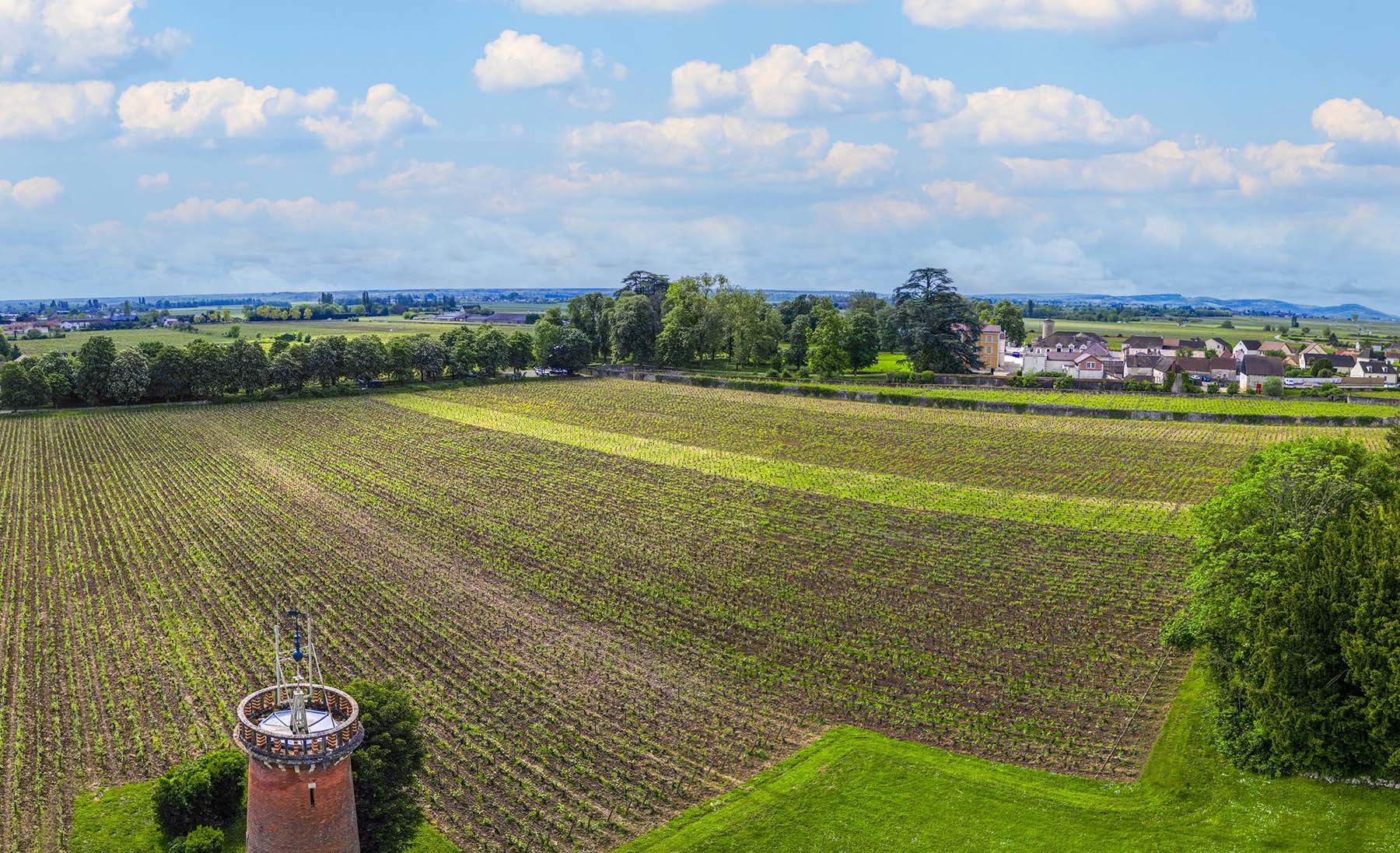
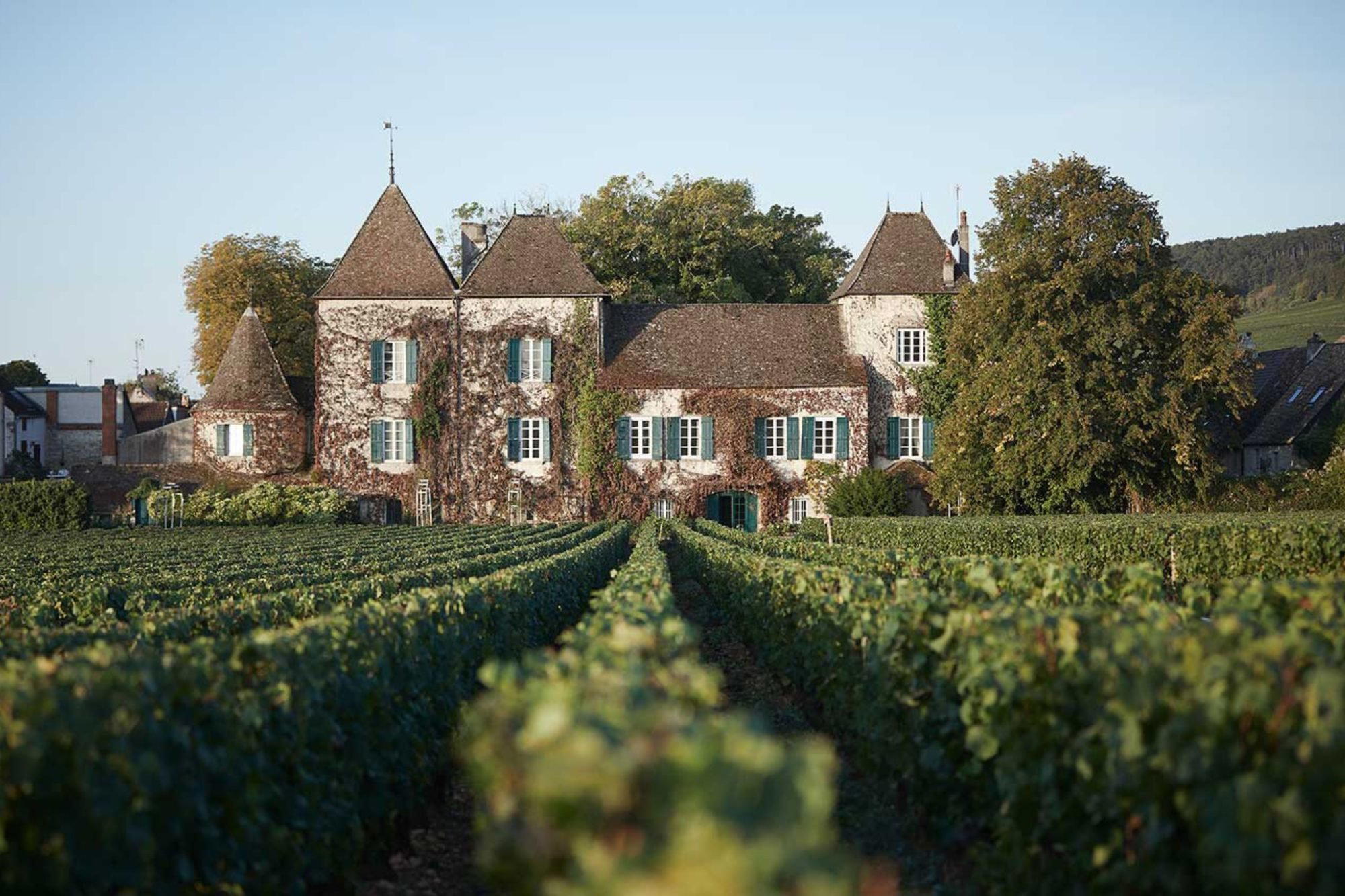
Arriving in Pommard from Beaune, the village announces itself with an abruptness that is distinctly Burgundian. The vineyards press in on both sides of the road, the stone walls low and grey, the rows close-planted and particular. There is no gradual approach; you are either in the appellation or you are not. That precision of geography is not incidental to how producers here think about wine. In Pommard, where premiers crus such as Les Rugiens and Les Epenots carry the full weight of centuries of classification, every address on the village square carries an implicit argument about place.
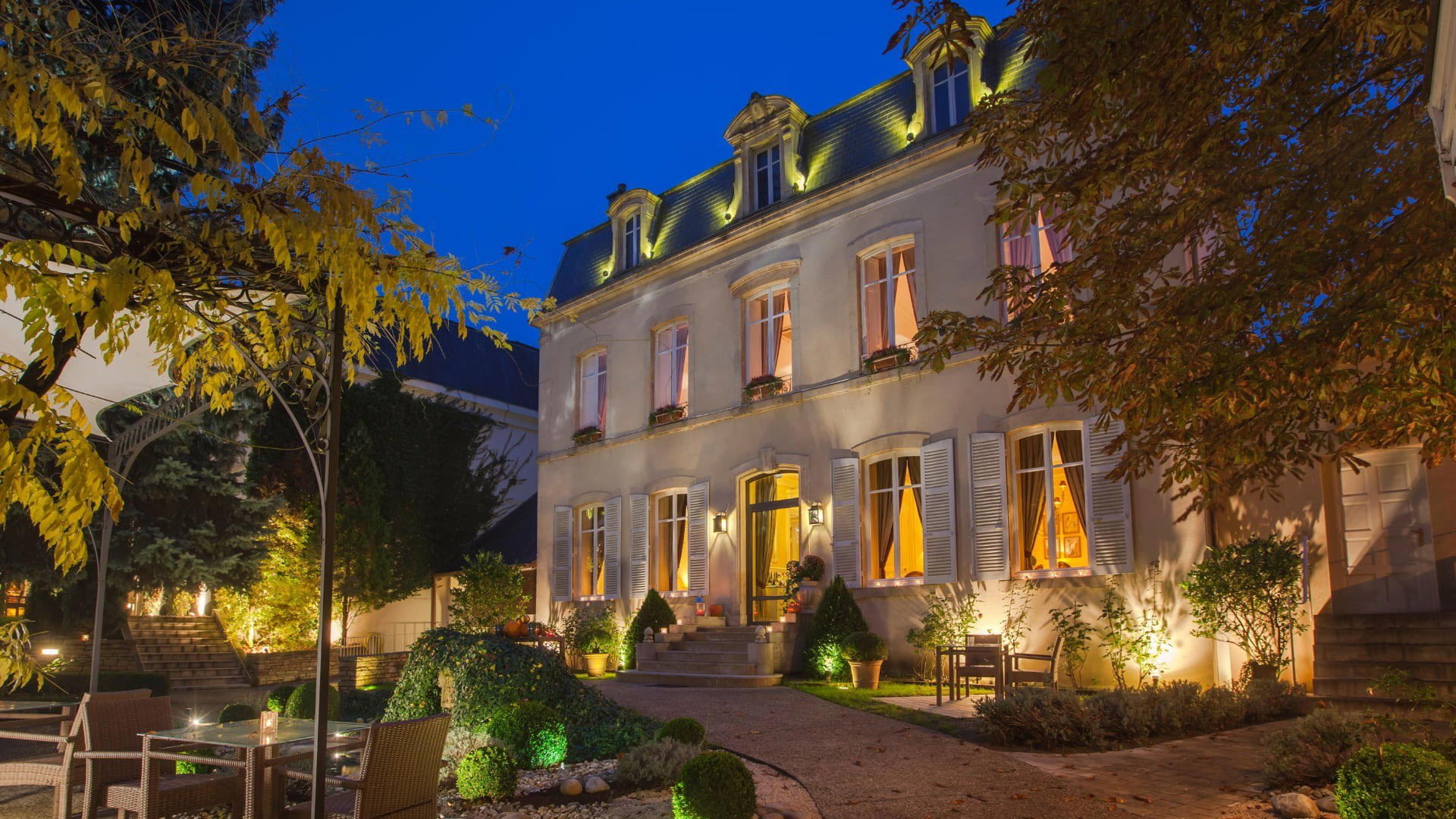
Domaine Anne-Françoise Gros operates from 1 Place de l'Europe, in the centre of that village. To understand its position, it helps to understand the competitive pressure this address implies. Pommard's leading domaines, including Domaine Comte Armand, Domaine de Courcel, Domaine Parent, and the estate-scale Château de Pommard, operate in an environment where proximity to the-classified parcels is the primary commercial and critical argument.
The Gros Family in Burgundy's Hierarchy
The Gros name is one of the more instructive case studies in how Burgundian domaines fracture and reform across generations. What was once a single estate has, over several decades, separated into distinct operations run by different family members, each with its own parcels, its own approach, and its own market position. Anne-Françoise Gros represents one branch of that lineage, building a domaine identity around holdings concentrated in Pommard and Vosne-Romanée, among other appellations.
This kind of family division, common across the Côte d'Or, produces a situation where two bottles bearing similar names can differ considerably in character and classification. For visitors trying to map the Burgundy producer landscape, the Gros constellation requires attention: the name signals Vosne origins and a certain pedigree, but each domaine must be assessed on its own terms.
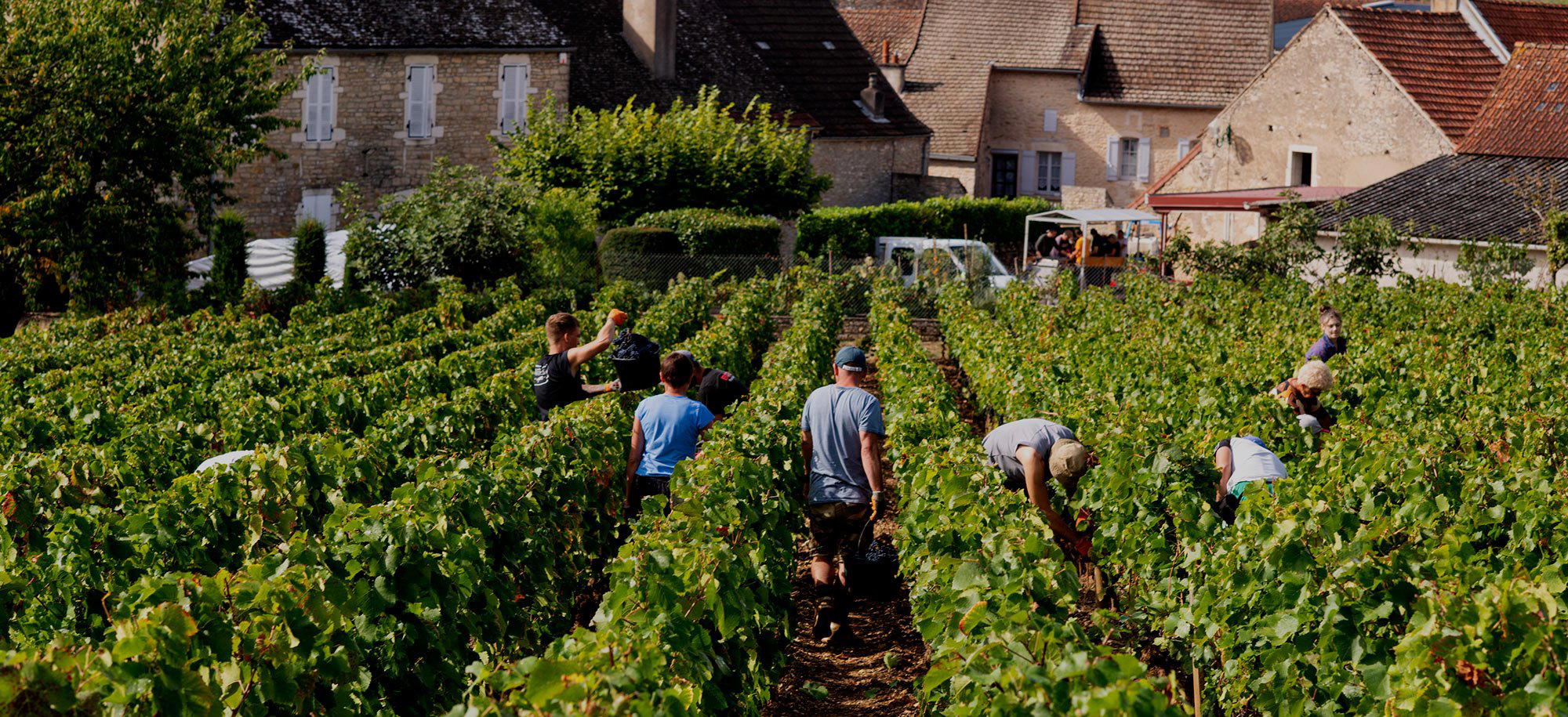
That trajectory connects to a broader pattern in Burgundy, where training through established houses, exposure to the full cycle of vine management and cellar work, and gradual accumulation of well-sited parcels tend to be more reliable indicators of quality than either scale or fame. Domaines in this tier, whether in Pommard, Gevrey-Chambertin, or Chambolle-Musigny, often share an emphasis on low-intervention cellar work: minimal new oak percentages relative to the prestige tier, whole-cluster proportions calibrated to the character of individual parcels, and harvest timing that prioritises phenolic ripeness over accumulated sugar. These are not universal choices across all Burgundy producers, but they define a coherent school of thought that has shaped critical opinion over the past two decades.
What the Pommard Appellation Asks of Its Producers
Pommard occupies a specific position in the Côte de Beaune hierarchy: no grand cru, but a concentration of premiers crus with genuine ageing potential, particularly in the iron-rich soils of Les Rugiens Bas. The wines of the appellation tend toward structure and tannic grip in youth, sometimes described as particularly Côte de Nuits-like of Côte de Beaune reds. Producers here often work against a reputation for rusticity, aiming for wines that retain Pommard's characteristic density while achieving the kind of textural refinement that brings them into conversation with the leading Côte de Nuits examples.
For a domaine like Anne-Françoise Gros, whose holdings span more than one appellation, Pommard represents one pole of a range. The challenge is maintaining a consistent philosophical thread across terroirs that behave quite differently: the power of Pommard on one hand, the more aromatic precision of Vosne-Romanée on the other. That range of holdings, when managed coherently, gives a domaine a breadth of argument that single-village producers cannot make. It is also the kind of portfolio that rewards visiting collectors rather than simply cellar-door buyers, since the full picture of what the producer is doing only emerges across several appellations.
Comparable operations in other parts of France illustrate the same dynamic. Albert Boxler in Niedermorschwihr manages multiple Alsatian terroirs within a single domaine identity; Château Bélair-Monange in Saint-Emilion works within a single appellation but across varied sectors. The underlying question in each case is whether the producer's choices hold across varied raw material, which is ultimately the more interesting test of philosophical coherence than performance in a single, favourable terroir.
Visiting Domaine Anne-Françoise Gros: What to Expect
Pommard sits roughly four kilometres south of Beaune along the D974, a route that passes through particularly concentrated premier cru vineyard land in the world. The village itself is compact, and the domaine address on the central square positions it within walking distance of the main wine road. Visitors should plan contact by appointment.
Visiting is by appointment only. Serious collectors visiting the Côte d'Or often structure their itinerary across the region rather than concentrating on a single village, pairing Pommard visits with producers in Volnay to the south or Beaune and Aloxe-Corton to the north.
For context on the broader Pommard scene, the village's dining and producer landscape is worth exploring in detail. Comparable producer profiles include Château Branaire-Ducru in St-Julien, Château Batailley in Pauillac, Château Cantemerle in Haut-Médoc, Château Boyd-Cantenac in Cantenac, Château Bastor-Lamontagne in Preignac, Accendo Cellars in St. Helena, and Aberlour in Aberlour, offering points of comparison across different producing regions and category formats. The Chartreuse operation in Voiron presents a different model entirely.
Cost and Credentials
Comparable venues nearby, for context on price, style, and recognition.
| Venue | Cuisine | Price |
|---|---|---|
| Domaine Anne-Françoise GrosThis venue — the venue you are viewing | Pommard, Pinot Noir | $$$$ |
| Domaine Parent | Pommard, Pinot Noir, Chardonnay | $$$ |
| Domaine Comte Armand | Pommard, Pinot Noir, Chardonnay | $$$ |
| Domaine de Courcel | Pommard, Pinot Noir, Chardonnay | $$$ |
| Château de Pommard | Pommard, Pinot Noir, Chardonnay | $$$ |
| Domaine Camille & Guillaume Boillot | Meursault, Chardonnay, Pinot Noir | $$$$ |
Continue exploring
More in Pommard
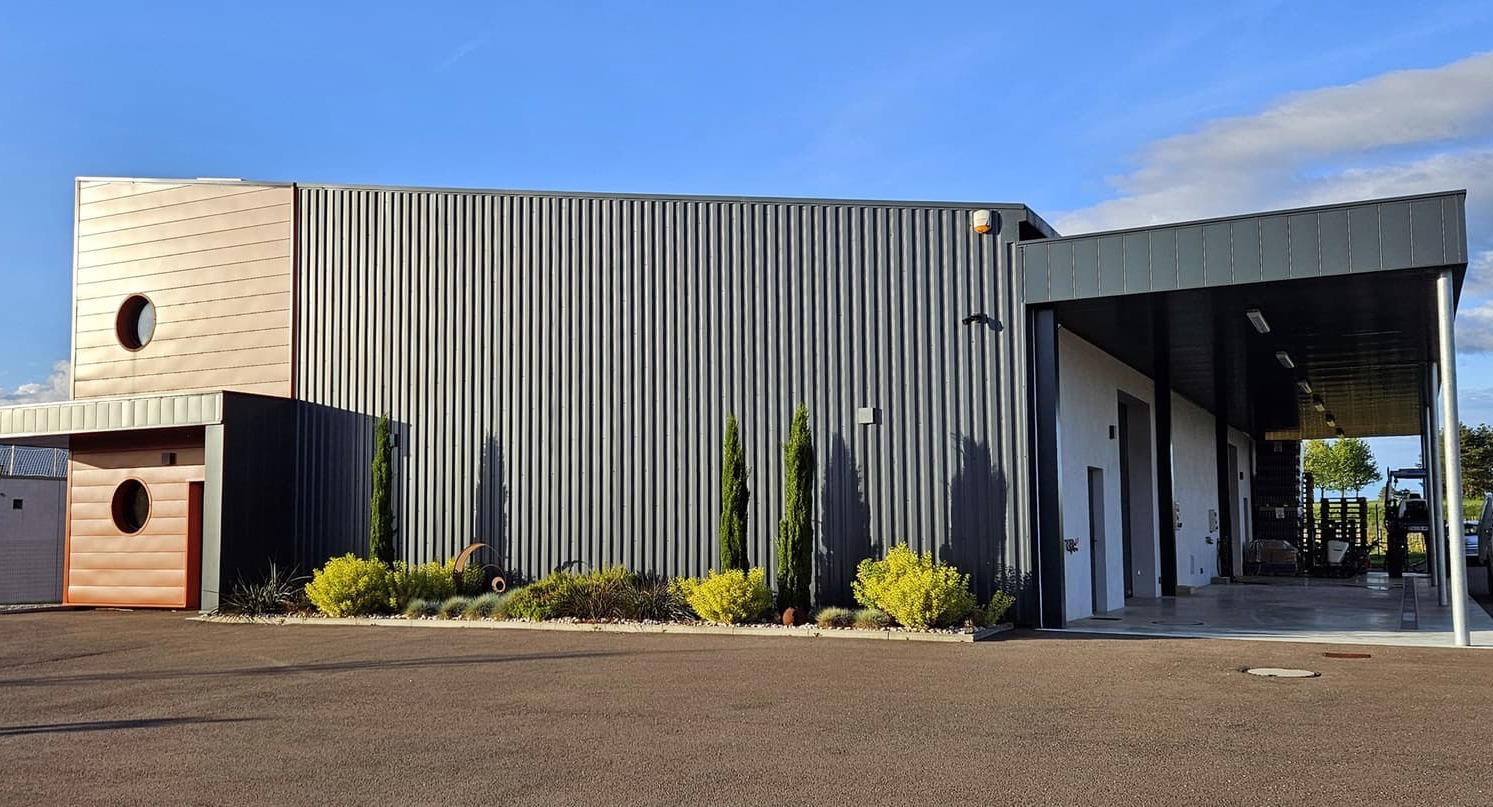
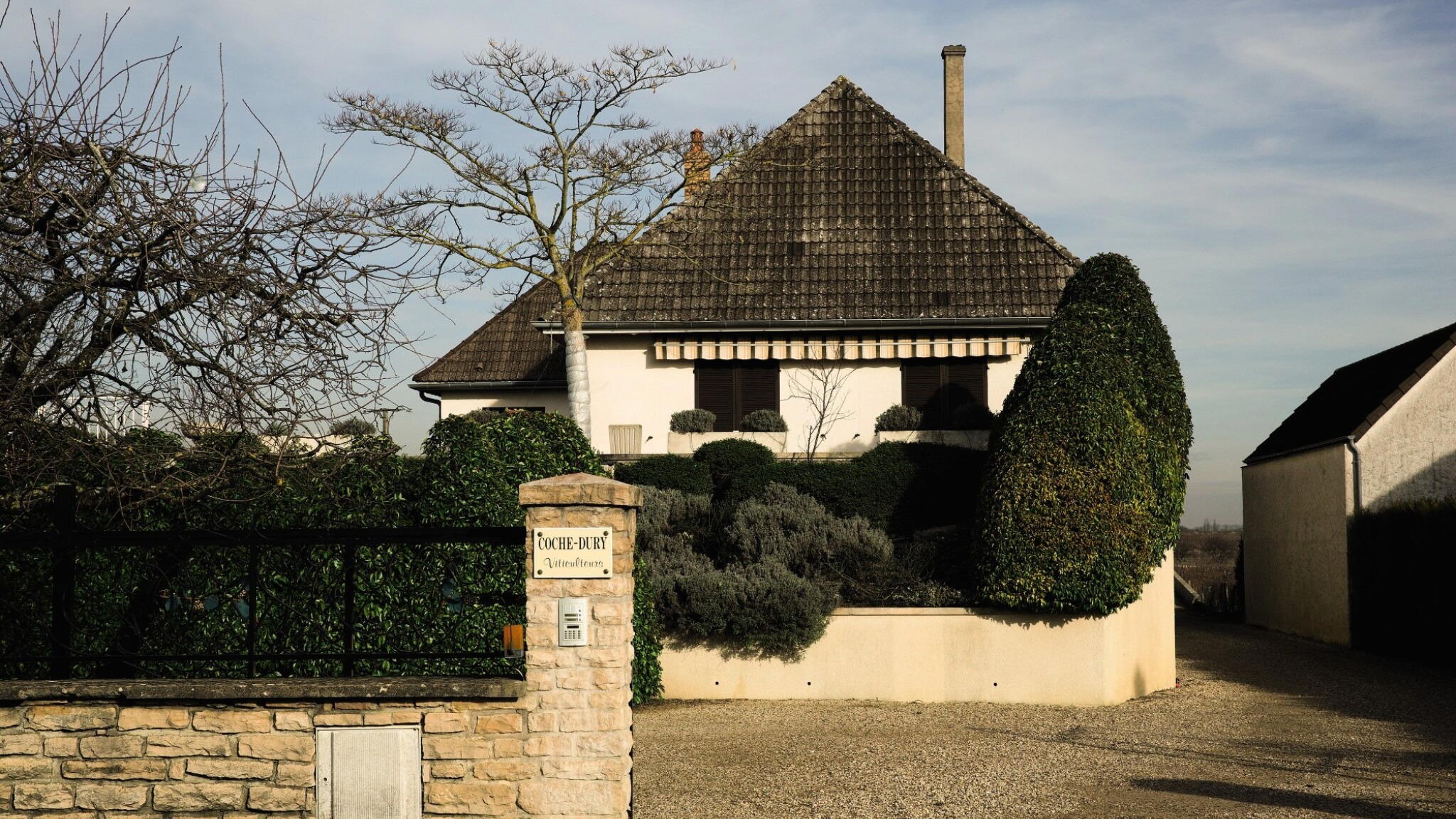
Wineries in Pommard
Browse all →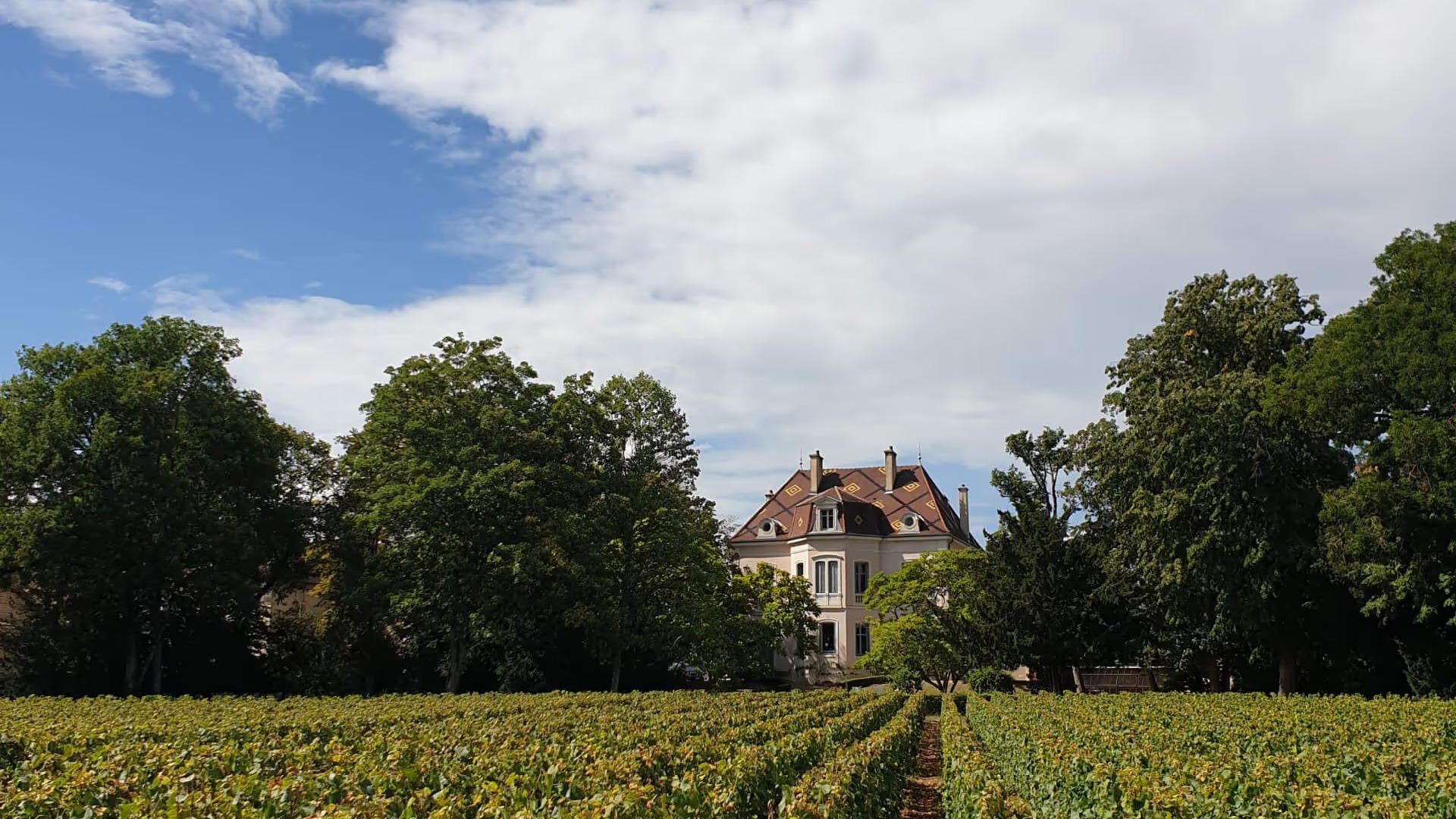
Bars in Pommard
Browse all →
Restaurants in Pommard
Browse all →
At a Glance
- Elegant
- Classic
- Rustic
- Intimate
- Sophisticated
- Wine Education
- Special Occasion
- Solo Exploration
- Cave Tasting
- Vineyard Tour
- Barrel Room
- Sustainable
- Vineyard
- Pommard AOC
- Pinot Noir
- Still Red
- Cave Tasting
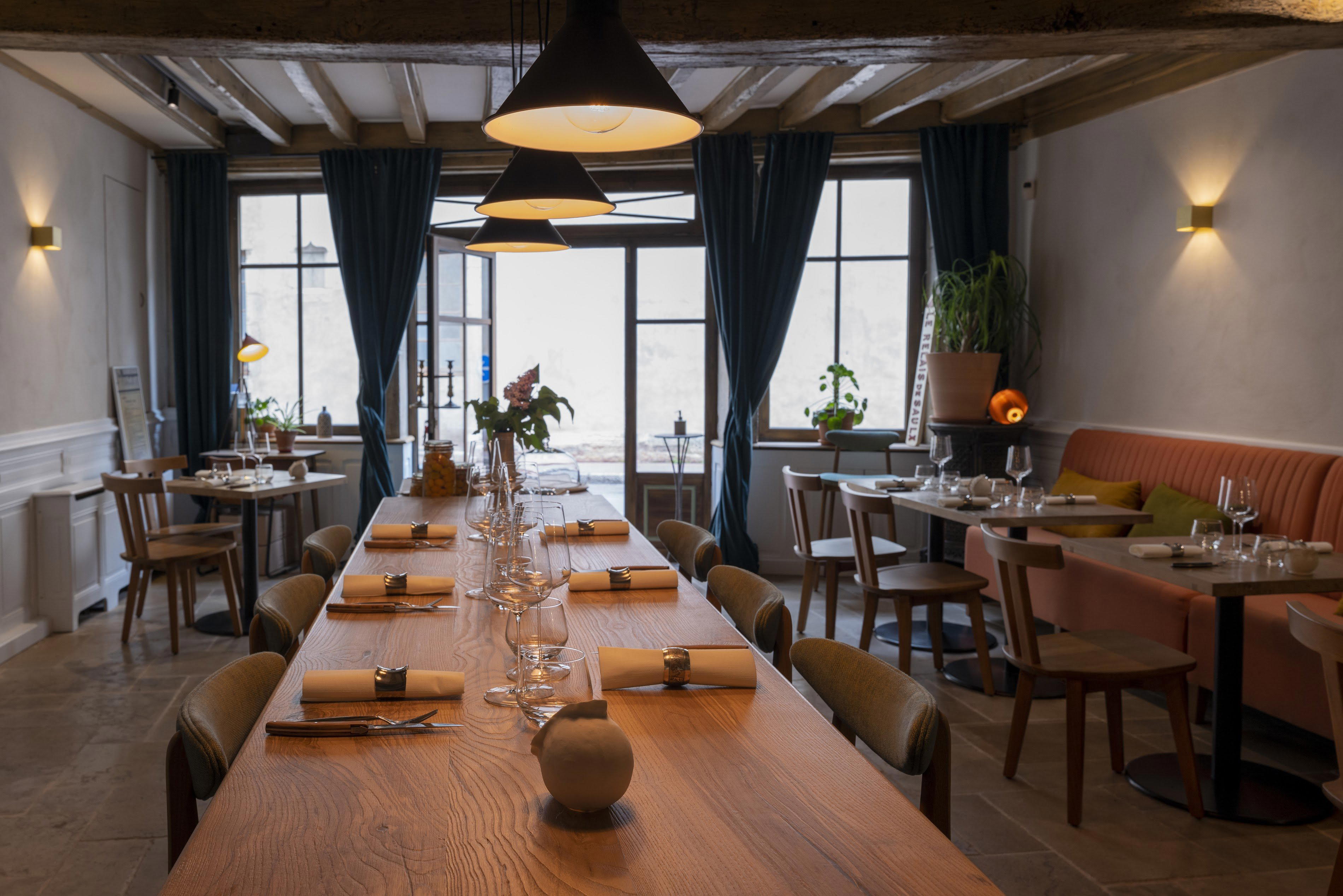
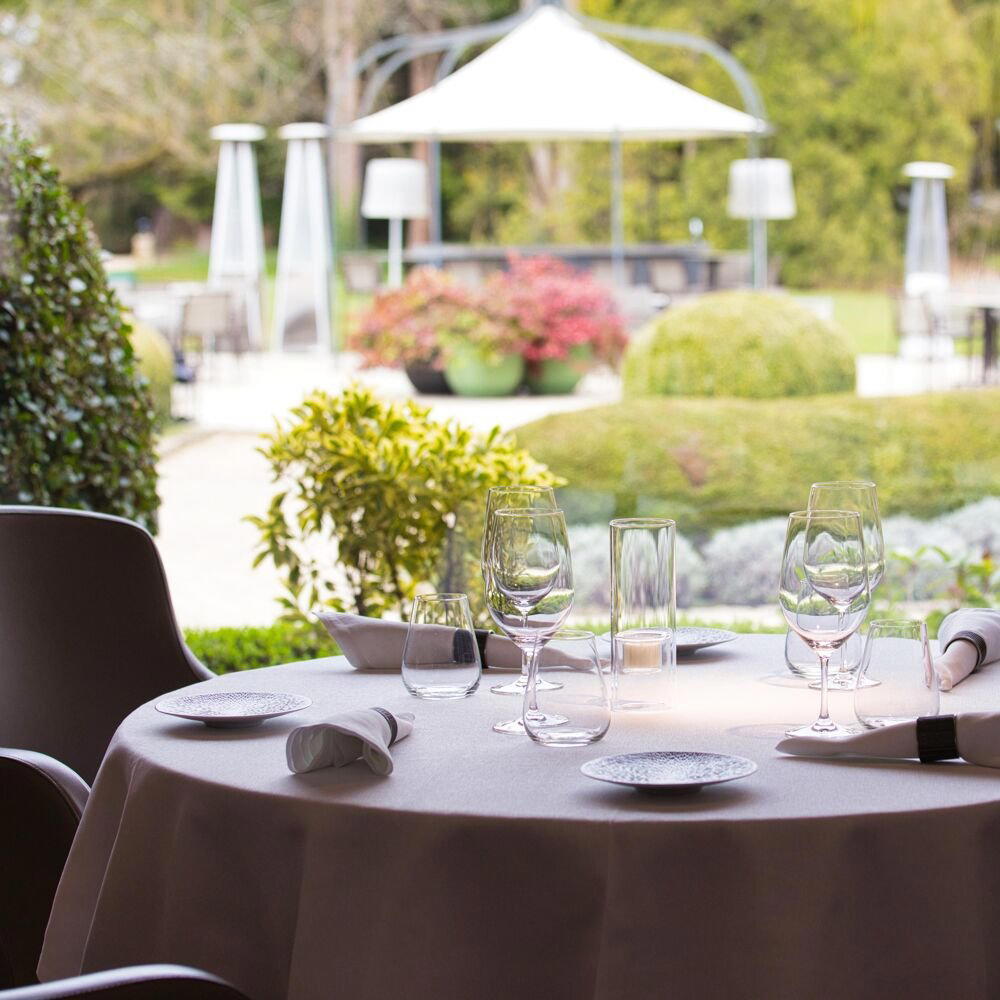
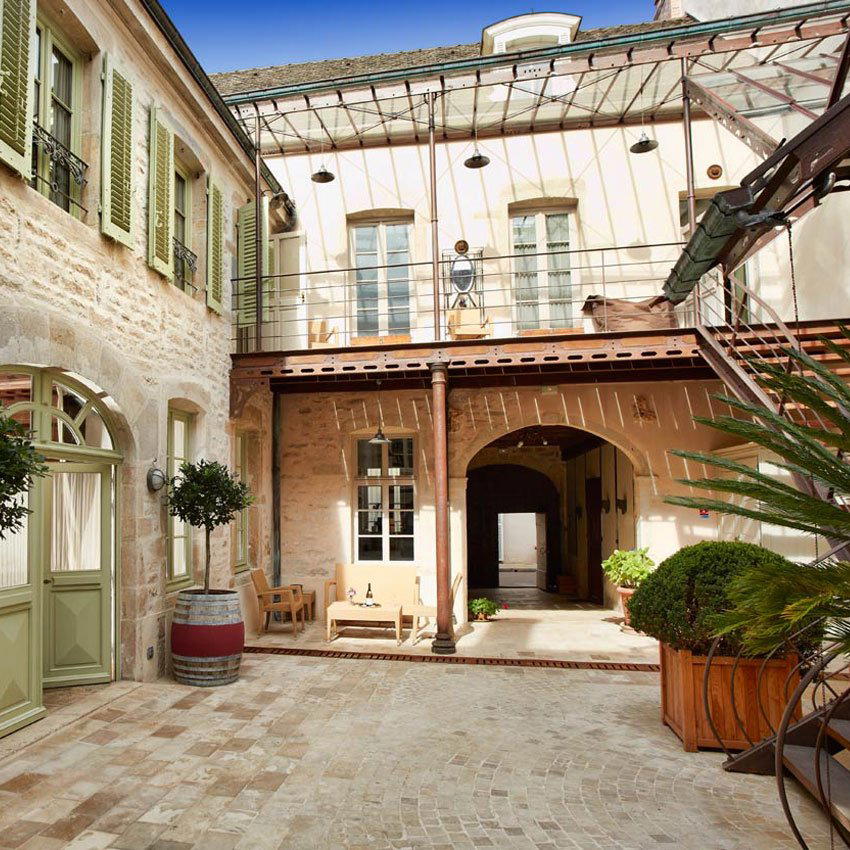
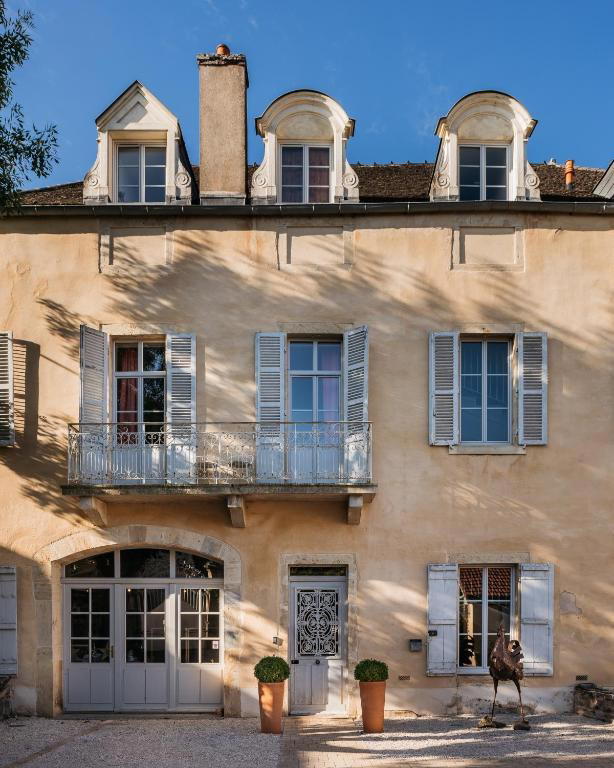
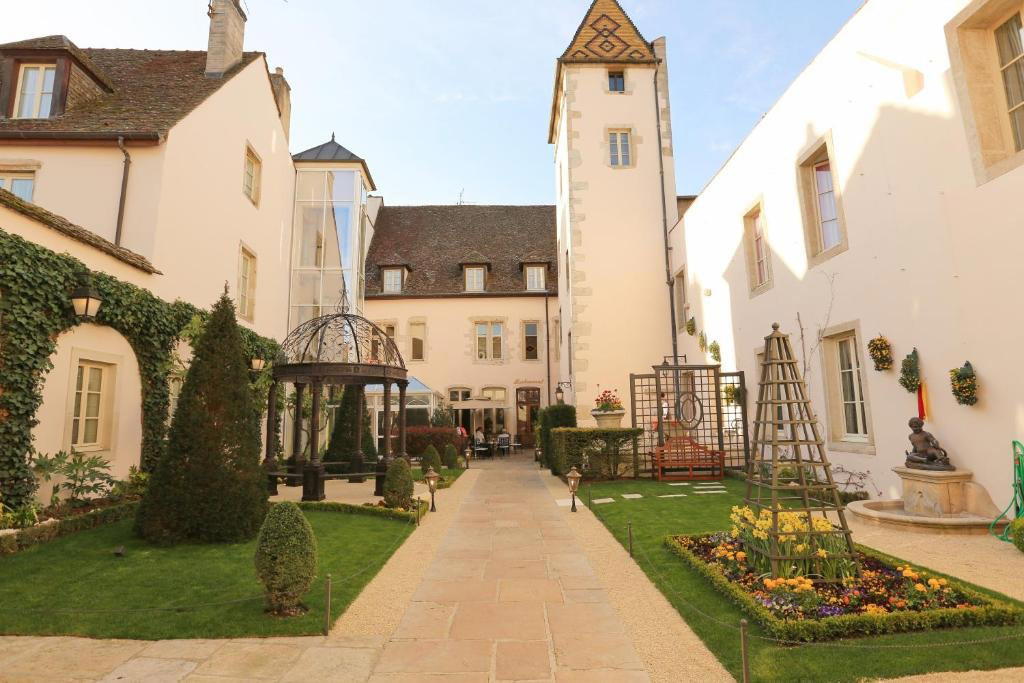
Refined and traditional with an emphasis on terroir expression, offering an intimate, sophisticated atmosphere in a classic Burgundy winery setting.