Domaine Louis Jadot
One of Burgundy's most consequential négociant houses, Domaine Louis Jadot operates from its base in Beaune with a portfolio that spans the Côte d'Or's most scrutinised appellations.

Pearl is the En Primeur Club membership app — saves, bookings, and concierge access live there. Same editors, same standards.
- Address
- 18 Rue du Travail, 21200 Beaune
- Phone
- +33 3 80 22 10 57
- Website
- louisjadot.com
- Directions
- Get directions
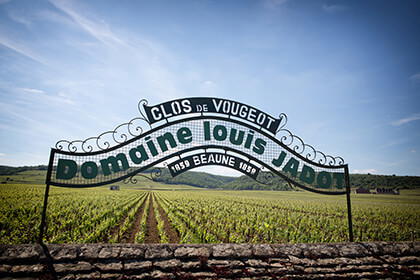
Where Burgundy's Geology Becomes Audible
The town of Beaune sits at the administrative and emotional centre of the Côte d'Or, a narrow limestone ridge that has spent centuries producing wines whose character is inseparable from the specific patch of earth they come from. Domaine Louis Jadot, addressed at 18 Rue du Travail, operates inside this tradition not as a peripheral participant but as one of its most closely watched interpreters. The house functions simultaneously as domaine and négociant, which means it draws from owned vineyards across the Côte while also selecting fruit and wine from growers across Burgundy's appellation hierarchy. That dual structure gives Jadot an unusually wide lens through which to read the region — from village-level Bourgogne to grand cru parcels whose names appear in auction catalogues and collector cellars on every continent.
Burgundy's reputation rests on a geological argument: that the layered Jurassic limestone, marl, and clay beneath the Côte d'Or transmit place-specific flavour signals with a precision that broader wine regions cannot replicate. The narrowness of the ridge, rarely more than a kilometre wide, means that altitude, aspect, and subsoil composition shift dramatically across short distances. Jadot's portfolio, spread across appellations from Chablis in the north to the Mâconnais in the south, is in many ways a systematic survey of how those variables resolve themselves into different wine characters. That breadth is what distinguishes the larger Burgundy maisons from single-domaine producers: the ability to hold the whole geography in one conversation.
Frédéric Barnier and the Editorial Role of the Winemaker
In Burgundy more than almost anywhere else in France, the winemaker's task is interpretive rather than creative. The appellation system is the primary author; the winemaker's job is to not interrupt the conversation between vine, soil, and season. Frédéric Barnier, who holds the winemaking position at Jadot, operates within that tradition. His credentials are relevant not as biography but as context: a winemaker at a house of this scale is responsible for maintaining coherence across dozens of cuvées simultaneously, each with its own terroir logic, its own ageing requirements, and its own place in a collector's ageing timeline.
For comparison within Bordeaux's recognised houses, producers like Château Branaire Ducru in St-Julien and Château Cantemerle in Haut-Médoc operate inside similarly layered classification frameworks that reward consistency across years. Jadot's position in Burgundy mirrors that kind of sustained, reputation-built standing.
The Terroir Argument, Appellation by Appellation
Burgundy's appellation structure is the most granular in France. At the broadest level, regional Bourgogne wines cover the entire AOC area. Village appellations narrow the geography to a commune. Premier cru vineyards are classified plots within those villages. Grand cru sits at the apex: thirty-three vineyards, all in the Côte d'Or, that the classification system has deemed to express terroir at its most distilled. Jadot holds or sources from vineyards across this full hierarchy, which means the house's range is effectively a map of the Côte's stratification.
The Côte de Nuits, running south from Dijon, is the heartland of Burgundy's Pinot Noir expression. The limestone here tends to be more pronounced, the drainage sharper, and the resulting wines often more structured in youth. The Côte de Beaune, which begins just south of Beaune itself, shifts the balance toward its famous white wine villages — Meursault, Puligny-Montrachet, Chassagne-Montrachet, where Chardonnay finds a complexity that no other region reliably reproduces. Jadot's dual-coast presence means the house is consistently working with both expressions. Readers seeking French wine producers with similarly multi-appellation depth might also examine Albert Boxler in Niedermorschwihr, which operates with comparable terroir focus within Alsace, or Château Bélair-Monange in Saint-Emilion for right-bank Bordeaux parallels in appellation-specific expression.
What the Burgundy model insists upon, and what Jadot's scale makes legible, is that vintage variation is not a flaw to be managed but information to be preserved. A cool growing season will produce leaner, higher-acid wines that may need a decade in bottle; a warmer year will soften tannins and accelerate the drinking window. A house managing multiple appellations must hold all of those trajectories in mind simultaneously, which is part of why Burgundy's serious producers are evaluated over multi-vintage arcs rather than single-year snapshots.
Beaune as a Working Base
Beaune's compact historic centre has served as the trade capital of Burgundy for centuries. The Hospices de Beaune auction, held each November, functions as an annual barometer for fine Burgundy pricing and has drawn international attention to the region for generations. That institutional weight means the town is simultaneously a working wine hub and a destination for serious wine travellers. Jadot's address on Rue du Travail places the house within that working infrastructure rather than at any distance from it. Visitors to Beaune who are building a serious Burgundy itinerary will find the town manageable on foot; the concentration of négociant houses, domaines, and wine merchants in the centre means that a focused half-day yields significant depth. For a broader orientation to the region's producers and dining context, see our full Chapelle-Voland restaurants guide.
The November timing of the Hospices auction also functions as a useful seasonal marker for planning. That period coincides with harvest completion across the Côte, meaning caves and domaines are emerging from their most intensive period and often more open to visitors. Spring, when the vines are in early growth, draws fewer crowds and allows more time with producers. Summer brings peak tourist volume to Beaune itself.
Placing Jadot in the French Fine Wine Field
The French fine wine market has bifurcated significantly over the past two decades. Bordeaux's classified châteaux, houses like Château Batailley in Pauillac, Château Boyd-Cantenac in Cantenac, and Château Bastor-Lamontagne, operate within a classification system established in 1855 that has remained largely static. Burgundy's hierarchy, by contrast, is vineyard-based rather than château-based, meaning a producer's standing shifts with the quality and location of its parcels rather than a fixed historical rank. That fluidity makes Burgundy assessment more complex but arguably more responsive to actual quality signals.
For collectors considering how Jadot sits relative to other French prestige producers, the comparison set includes Château Clinet in Pomerol, Château d'Arche in Sauternes, and Château Dauzac in Labarde, each operating at recognised prestige levels within their respective appellations. Beyond France, houses like Accendo Cellars in St. Helena and Château d'Esclans in Courthézon represent the international tier against which Burgundy's major houses are increasingly benchmarked. For a contrast in production tradition, Aberlour in Aberlour and Chartreuse in Voiron illustrate how French artisanal production at prestige level extends well beyond viticulture.
Planning a Visit
Domaine Louis Jadot is based at 18 Rue du Travail, 21200 Beaune. Beaune is accessible by TGV from Paris Gare de Lyon in approximately two hours, with a change at Dijon; direct regional trains from Dijon reach Beaune in around twenty minutes. Visitors planning a tasting or cellar visit should contact the domaine directly to confirm availability, as arrangements for trade and collector visits at Burgundy's major maisons operate on an appointment basis rather than open-door hours. Given the house's scale and the range of cuvées across its appellation portfolio, a visit structured around a specific tier of the range, grand cru, premier cru, or village, will generally yield more focused discussion than an open-ended request.
Quick Comparison
Comparable venues nearby, for context on price, style, and recognition.
| Venue | Cuisine | Awards | Notes |
|---|---|---|---|
| Domaine Louis JadotThis venue — the venue you are viewing | Pinot Noir, Chardonnay | Not listed | Not listed |
| Maison Benjamin Leroux | Pinot Noir, Chardonnay | Michelin 1 Grape · Falstaff Winery - Listed | Beaune |
| Domaine René Bouvier | Pinot Noir, Chardonnay | Not listed | Gevrey-Chambertin |
| Domaine Bernard Bonin | Chardonnay | Michelin 1 Grape | Meursault |
| Château de la Tour | Pinot Noir, Chardonnay | Michelin 1 Grape · Falstaff Winery - Listed | Vougeot |
| Domaine Ghislaine Barthod | Pinot Noir, Chardonnay | Michelin 1 Grape · Falstaff Winery - Listed | Chambolle-Musigny |
Continue exploring
More in Chapelle-Voland
Wineries in Chapelle-Voland
Browse all →
Bars in Chapelle-Voland
Browse all →
Restaurants in Chapelle-Voland
Browse all →
Details
- Classic
- Elegant
- Rustic
- Wine Education
- Special Occasion
- Cave Tasting
- Vineyard Tour
- Barrel Room
- Vineyard
- Pinot Noir
- Chardonnay
- Gamay
- Aligote
- Still Red
- Still White
- Cave Tasting
- Private Tasting
- French
- English
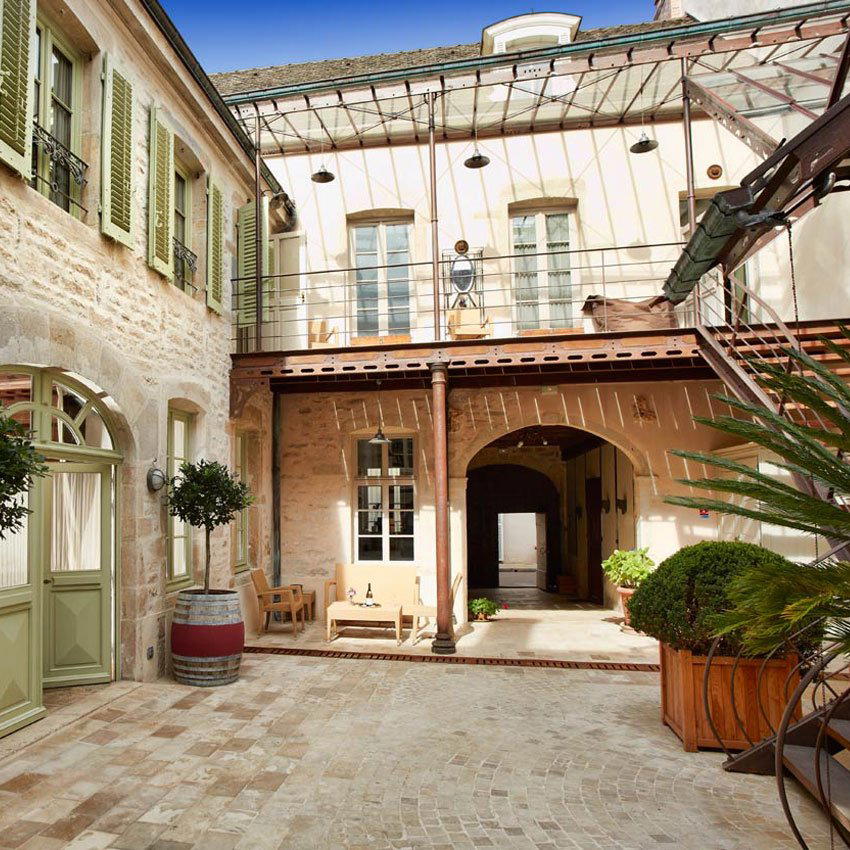
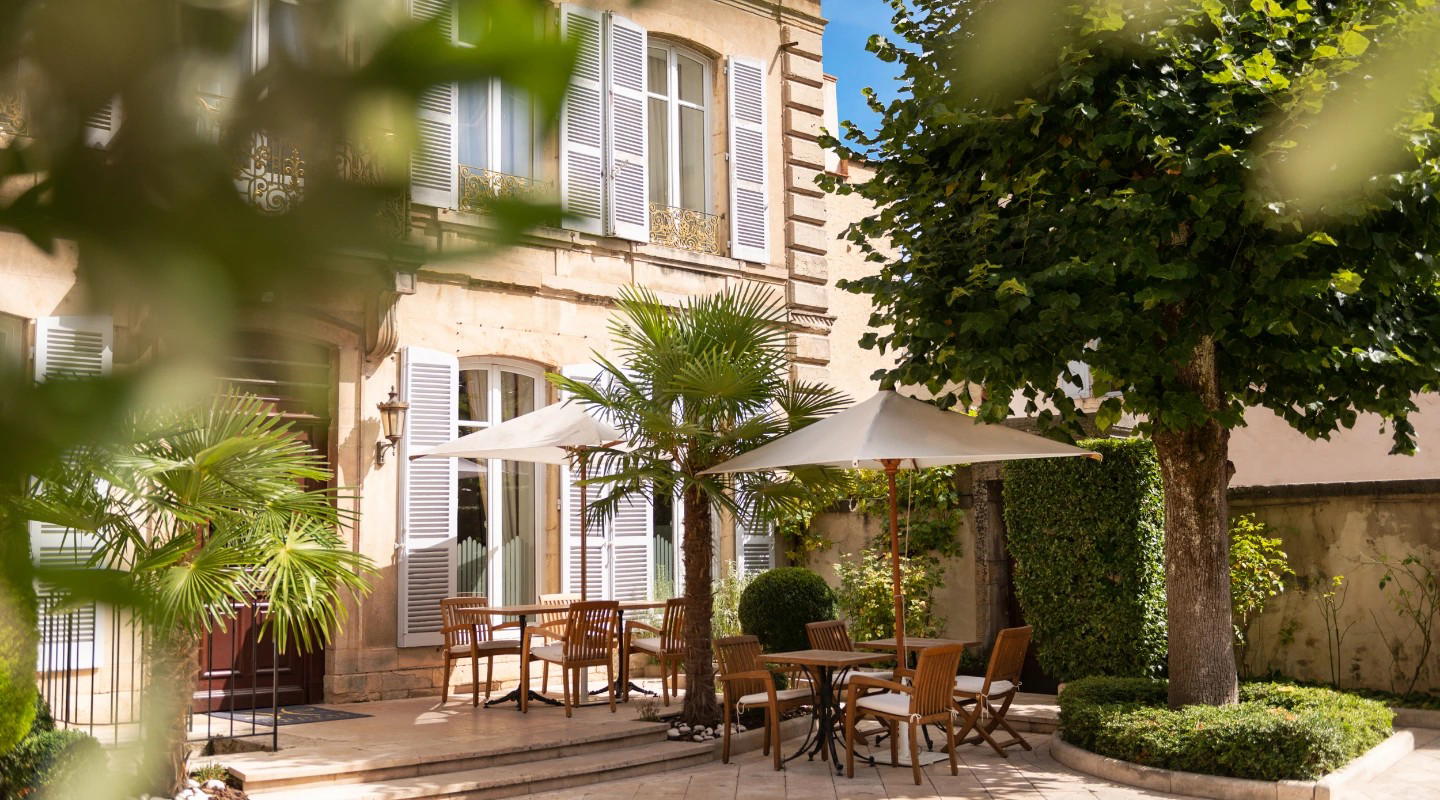
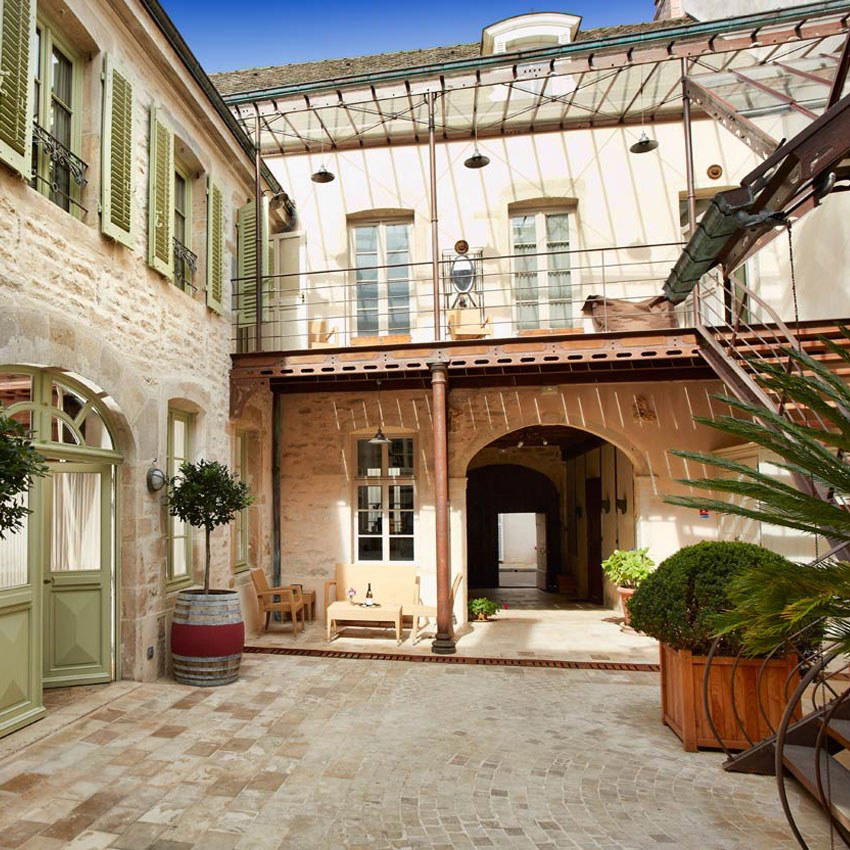
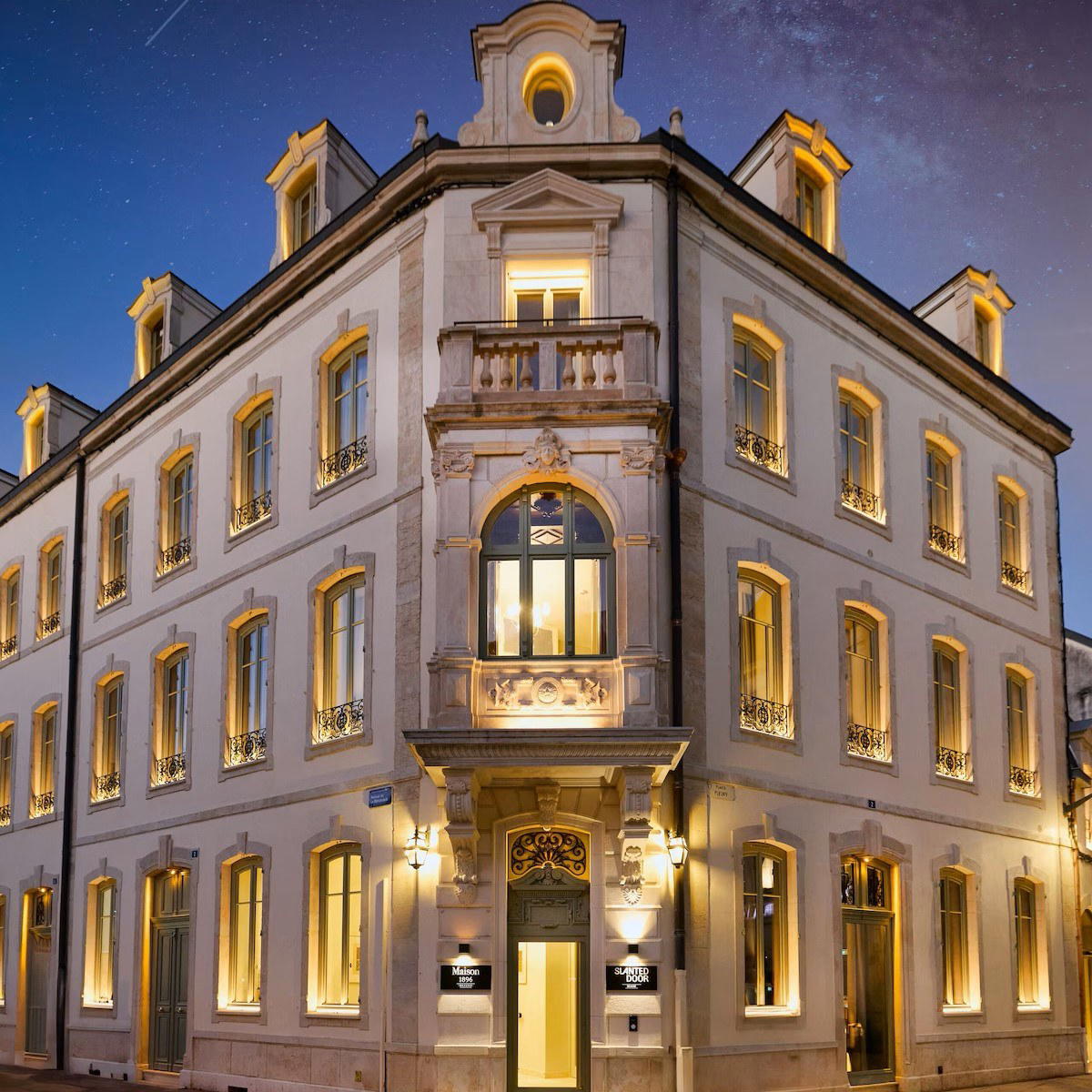
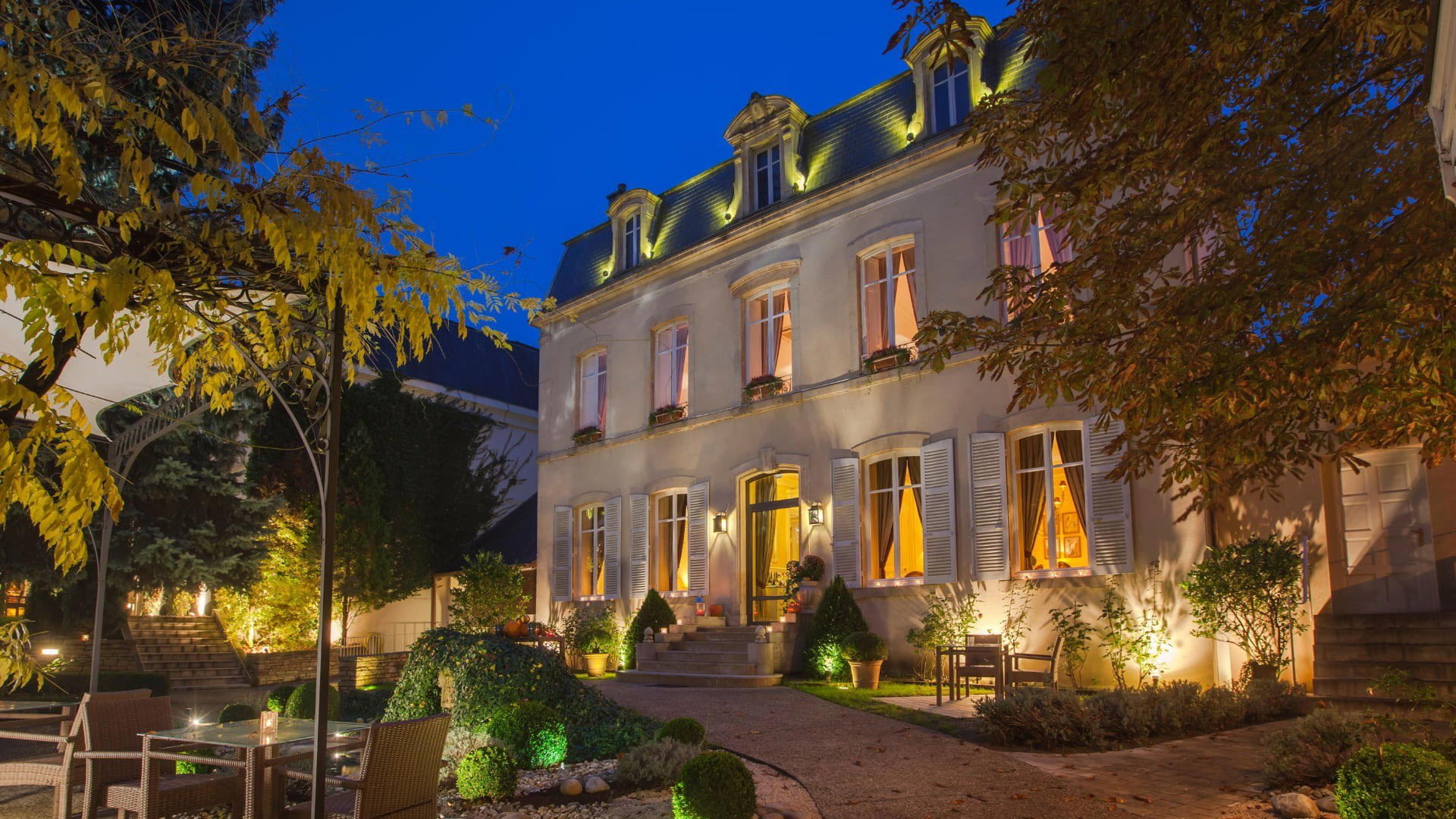
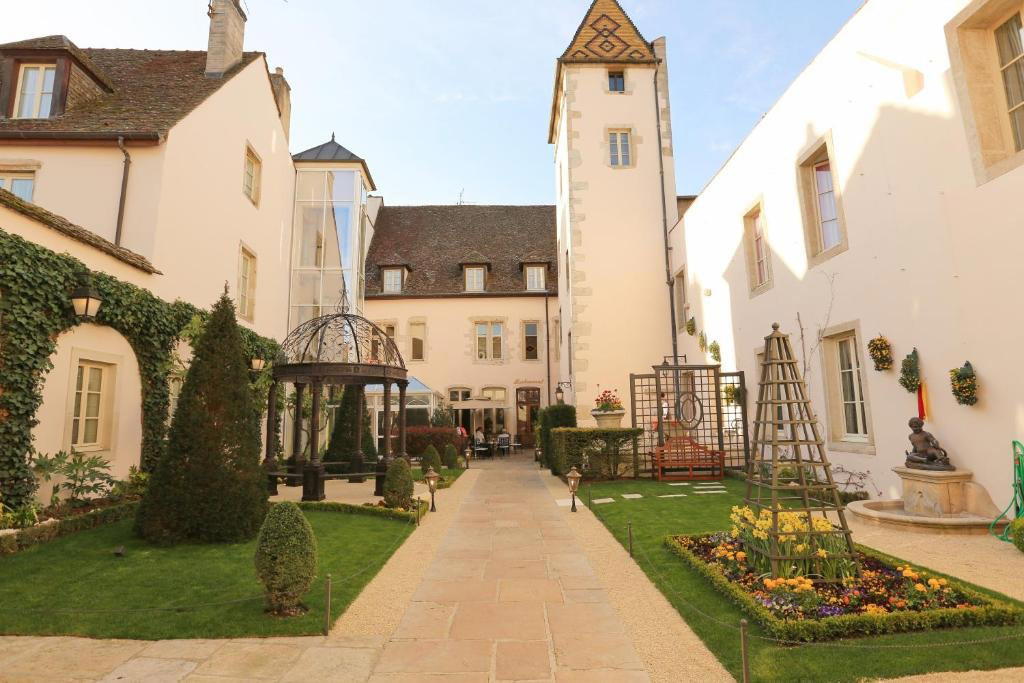
Traditional and sophisticated with balanced lighting in barrel cellars emphasizing the classic elegance of Burgundy winemaking.