
Domaine de la Pousse d'Or occupies a precise position within Volnay's premier cru hierarchy, working holdings across some of Burgundy's most closely watched vineyard sites under winemaker Benoît Landanger. Visitors approaching the village of Volnay find the estate at 8 Rue de la Chapelle, a short walk from the church that defines the village's skyline.
Pearl is the En Primeur Club membership app — saves, bookings, and concierge access live there. Same editors, same standards.
- Address
- 8 Rue de la Chapelle, 21190 Volnay
- Phone
- +33 3 80 21 61 33
- Website
- lapoussedor.fr
- Directions
- Get directions
 Saves & bookings on Pearl
Stone, Slope, and the Logic of Volnay
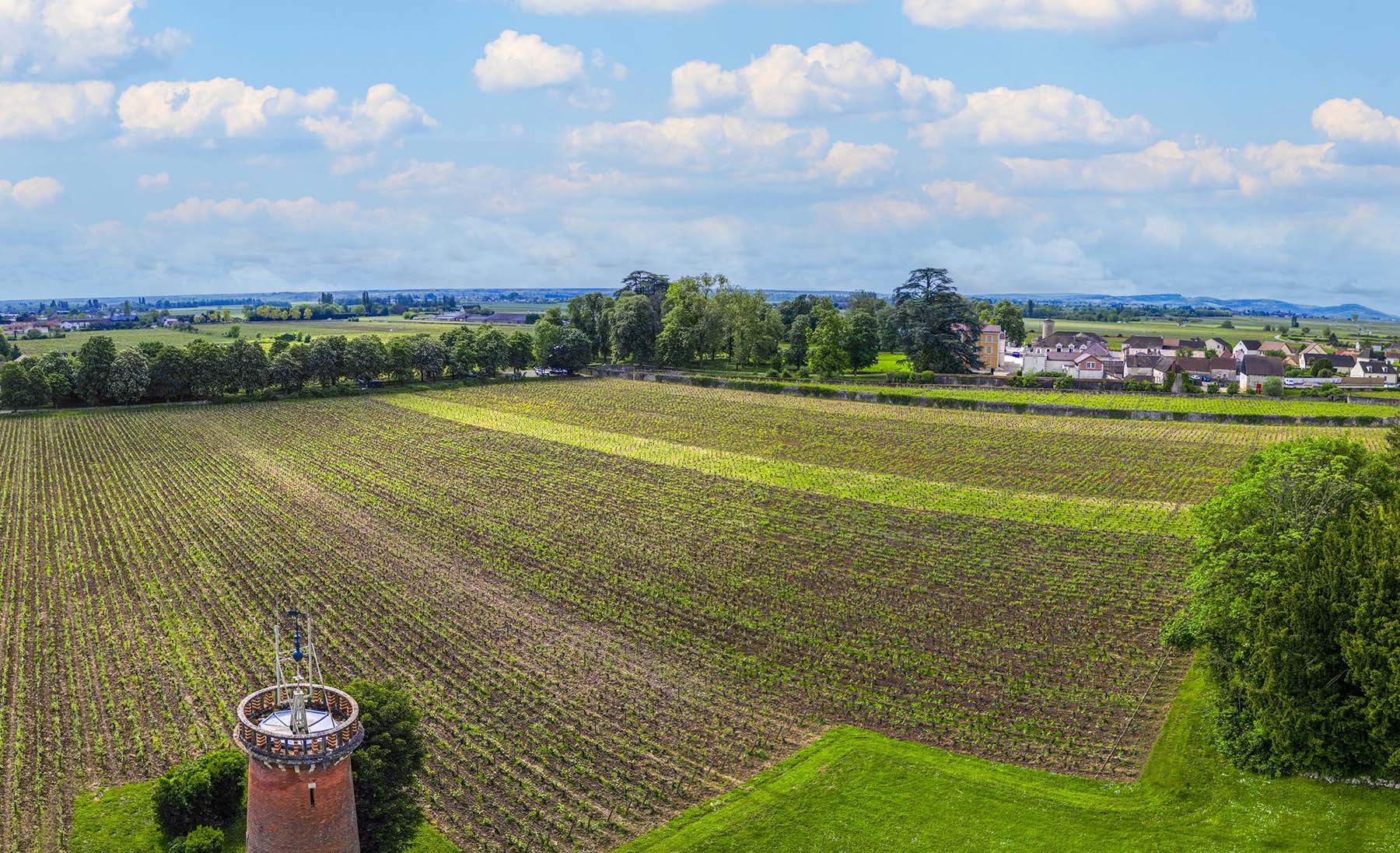
Arrive in Volnay on a clear morning and the geography does most of the explaining. The village sits on a limestone escarpment above the plain of the Saône, and the east-facing slopes below it receive the kind of graduated sunlight that Burgundy's great Pinot sites have depended on for centuries. The soils here shift over short distances, from the iron-rich reddish clay of the upper slopes to the thinner, more calcareous ground lower down, and those transitions are legible in the glass if you know what to look for. Domaine de la Pousse d'Or, at 8 Rue de la Chapelle, sits within this context rather than apart from it. Its address is almost incidental; what matters is which parcels it farms and how that farming translates into the wines.
Volnay's reputation as one of Burgundy's most aromatic appellations for red wine has been consolidated over decades by a cluster of serious producers working the same relatively compact hillside. Domaine Marquis d'Angerville, Domaine de Montille, Domaine Michel Lafarge, and Domaine Thomas Bouley all draw from premier cru plots that have shaped what collectors and critics expect from the village's name on a label.
What Terroir Means Here, in Practice
The editorial shorthand for Volnay is elegance over structure, which is another way of saying that the appellation's soils and aspect tend to produce wines where aromatic definition arrives before weight. The limestone-clay mix on the mid-slope premier cru sites disciplines the vine without starving it, and the result over a long run of vintages is Pinot Noir with more florality and precision than the richer soils of Pommard to the south or the weightier expressions from certain Gevrey-Chambertin premiers crus to the north.
Winemaker Benoît Landanger's role at Pousse d'Or is to interpret parcels that already carry strong directional signals from the land. Burgundy estates of this category tend to work with relatively low yields, careful sorting, and cellar approaches that allow site character to emerge rather than imposing a house style across different vineyard origins. How precisely that translates at Pousse d'Or across different premier cru holdings is something the wines themselves answer rather than any single summary of philosophy.
For buyers arriving with prior experience of the village's other reference estates, the comparison exercise is instructive. Volnay premiers crus vary more than their geographic proximity would suggest. Caillerets, Taillepieds, Clos des Ducs, and the lieu-dit sites each have their own soil profiles and drainage characteristics. Producers who hold multiple premier cru parcels can demonstrate those differences within a single cellar visit, which is part of what makes serious Burgundy estate tastings informative in ways that a retail purchase rarely replicates.
Volnay in Its Regional Frame
The Côte de Beaune is a compact zone, and Volnay's position within it is worth placing accurately. The village sits between Meursault to the south (white wine, limestone-heavy soils) and Pommard to the north (red wine, heavier clay, more tannic structure). This corridor is one of Burgundy's most studied in terms of soil science, and the literature on what drives Volnay's aromatic character, particularly the violet and red-fruit registers, tends to attribute it to iron content in the upper slope soils combined with the drainage efficiency of the steeper gradient sections.
Comparing Pousse d'Or's category standing to estates outside the Côte de Beaune is a useful way to calibrate expectations. The common thread in that grouping is consistent quality with a clear sense of place, rather than the flashpoint recognition that surrounds a small number of hypercollected names. Estates in this tier are where serious buyers tend to find the ratio of price to quality most coherent.
Other estates in the same broad prestige tier that EP Club tracks include Château Bastor-Lamontagne in Preignac, Château Boyd-Cantenac in Cantenac, Château Branaire Ducru in St-Julien, Château Cantemerle in Haut-Médoc, and, across entirely different categories, Chartreuse in Voiron, Aberlour in Aberlour, and Accendo Cellars in St. Helena. Mapping Pousse d'Or against that broader set underlines that its standing is a cross-category credential, not simply a measure relative to a small village appellation.
Visiting Volnay: What the Planning Requires
Volnay is not a destination built around casual walk-in access. The village has a permanent population well under 500, no significant restaurant infrastructure of its own, and estate visits that function by appointment rather than open-door tourism. The nearest practical base is Beaune, roughly ten kilometres to the north, which offers accommodation, restaurants, and wine merchants who can provide context before a dedicated estate visit. For visitors structuring a Côte de Beaune itinerary, Volnay pairs logically with Meursault and Pommard given their proximity and the contrast they offer in style and soil type.
Reaching Pousse d'Or at 8 Rue de la Chapelle means arriving in a village where the main road doubles as a lane between stone walls and cellar entrances. Driving is the practical choice from Beaune; the route through Pommard takes under fifteen minutes. This is standard practice for the appellation's serious producers, where allocation lists and tasting access operate through trade channels rather than public booking systems.
For context on what else to do in and around the village, our full Volnay guide maps the area's other estates, tasting opportunities, and surrounding points of interest across the Côte de Beaune.
The Case for Putting Pousse d'Or on a Côte de Beaune Itinerary
Pousse d'Or sits in that space. Its winemaker Benoît Landanger oversees parcels whose intrinsic quality speaks through the ratings, and the village context provides a tasting frame that is difficult to replicate outside of Burgundy's own geography.
For any collector or traveller building a serious engagement with the Côte de Beaune, the distinction between the major Volnay houses is worth understanding firsthand. The differences between how Landanger interprets his sites and how the teams at d'Angerville, de Montille, Lafarge, or Bouley approach theirs are exactly the kind of precision judgment that a day spent in the village can answer. That exercise is the point of going.
Recognition history
Dated appearances from independent guides and award organizations, with the underlying list record or original source where available.
Falstaff Winery - Listed
Falstaff
Continue exploring
More in Volnay
Wineries in Volnay
Browse all →
Bars in Volnay
Browse all →
Restaurants in Volnay
Browse all →
At a Glance
- Elegant
- Classic
- Rustic
- Sophisticated
- Intimate
- Wine Education
- Special Occasion
- Cave Tasting
- Vineyard Tour
- Historic Building
- Biodynamic
- Organic
- Vineyard
- Volnay
- Pinot Noir
- Chardonnay
- Still Red
- Still White
- Cave Tasting
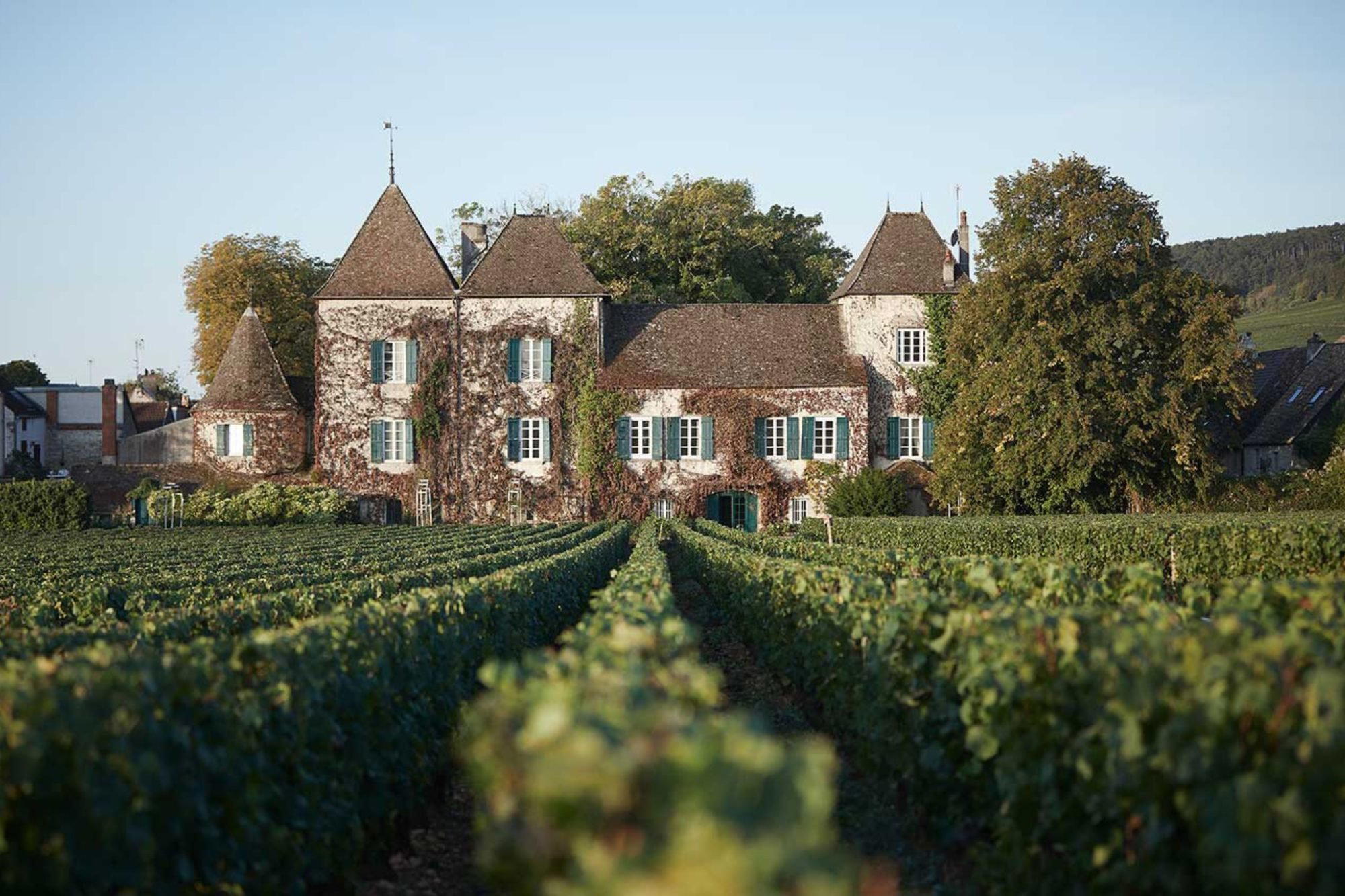
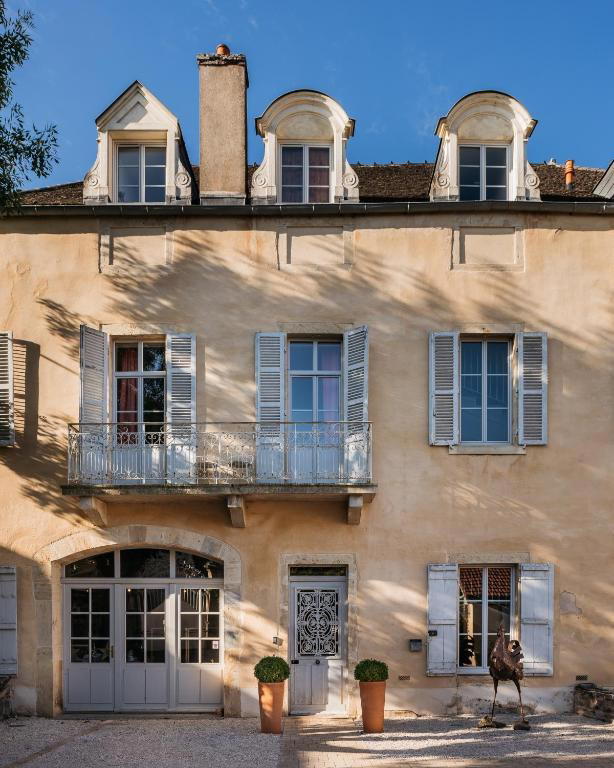
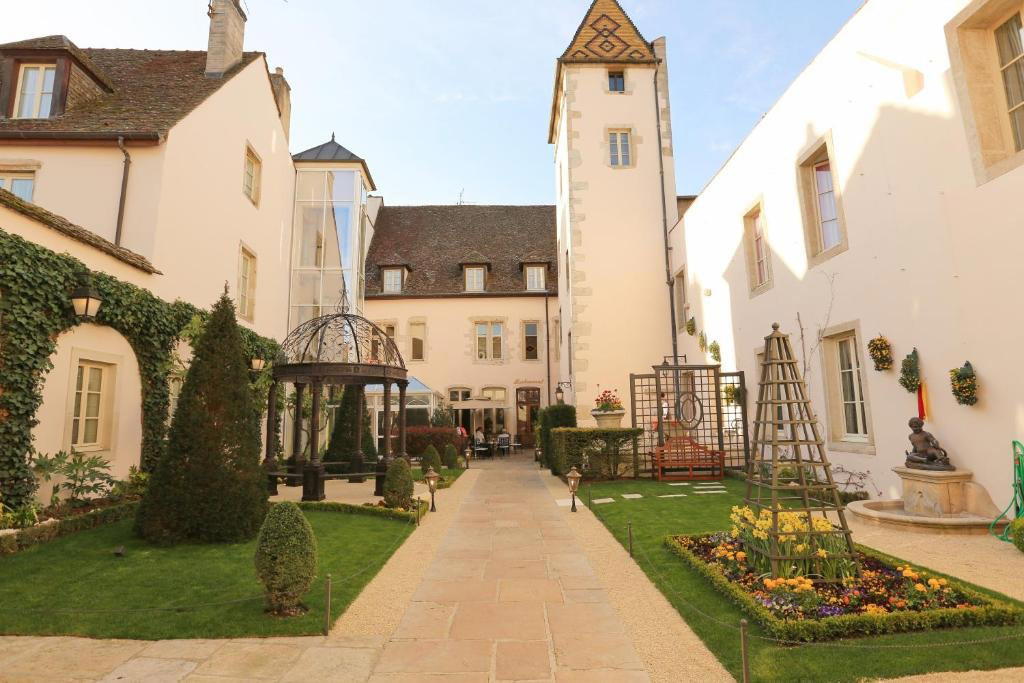
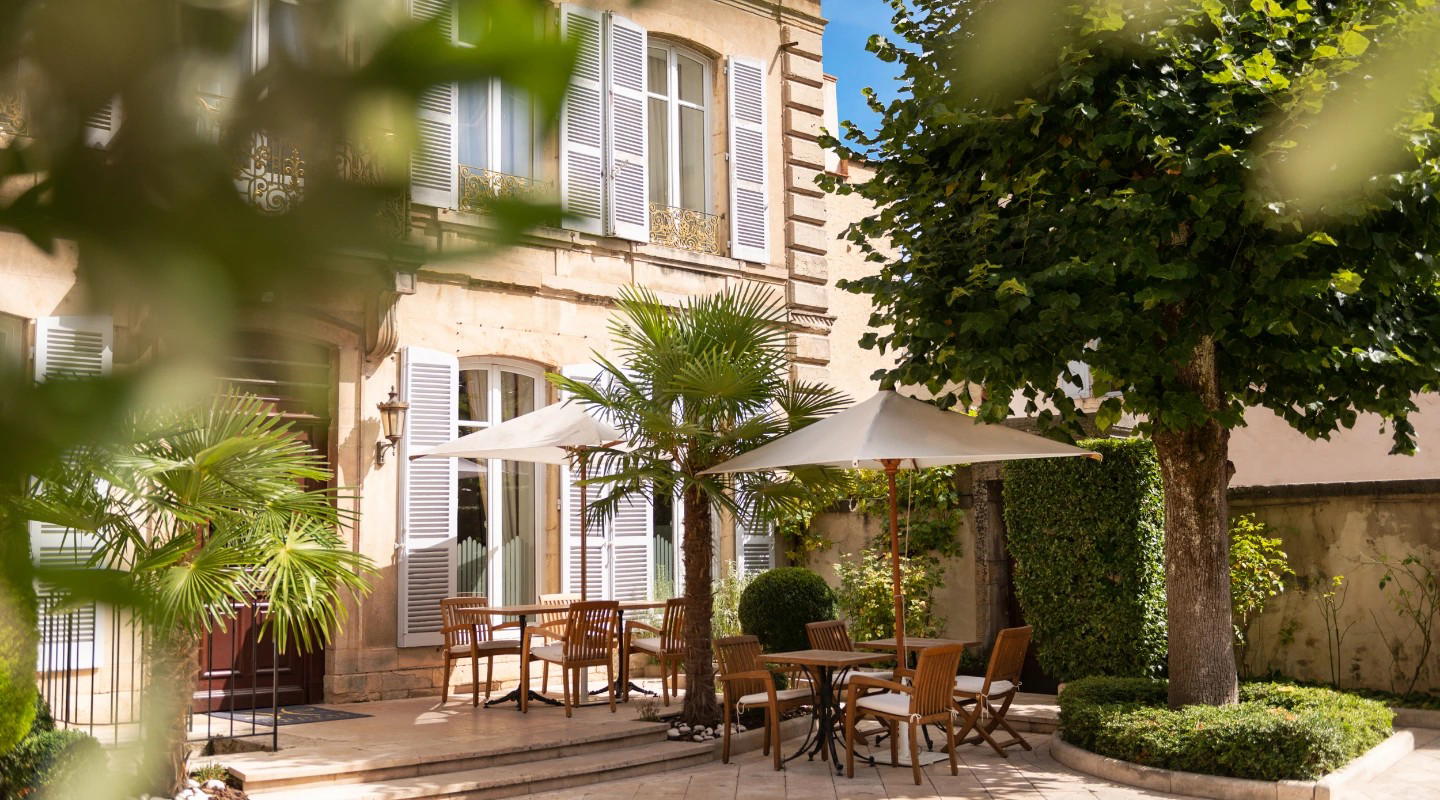
Elegant and refined atmosphere in historic 16th-17th century cellars with Cistercian vaults, emphasizing terroir purity and aging potential.
Know Before You Go
- Getting there
- 8 Rue de la Chapelle, 21190 Volnay