Domaine d'Eugénie

Falstaff Winery - Listed
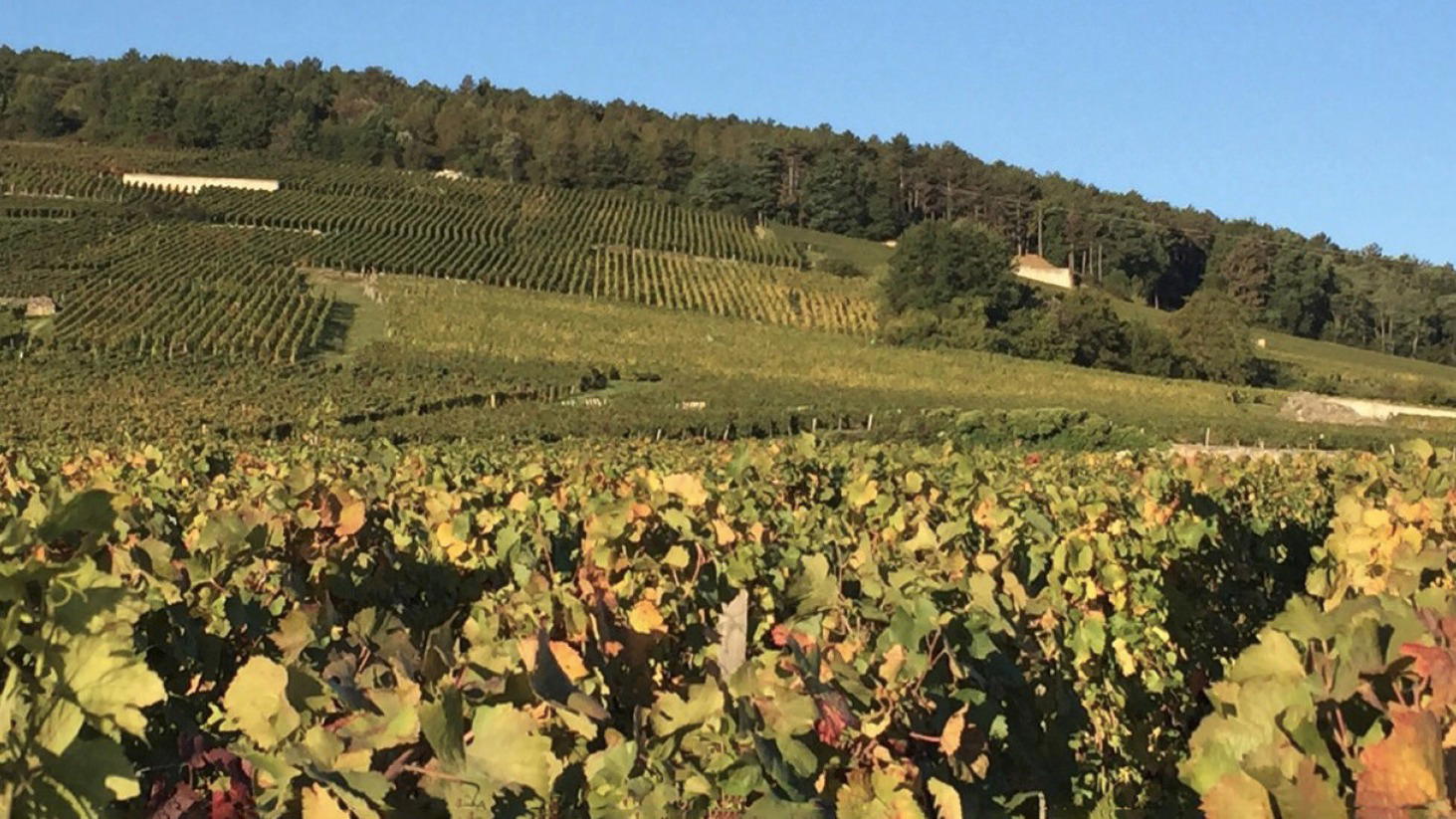
Domaine d'Eugénie sits at the heart of Vosne-Romanée. The domaine's positioning places it among a small cohort of Vosne producers working with exceptional terroir, where viticulture philosophy and parcel selection carry as much weight as cellar technique.

Pearl is the En Primeur Club membership app — saves, bookings, and concierge access live there. Same editors, same standards.
- Address
- 14 Rue de la Goillotte, 21700 Vosne-Romanée
- Phone
- +33 3 80 61 10 54
- Website
- domaine-eugenie.com
- Directions
- Get directions
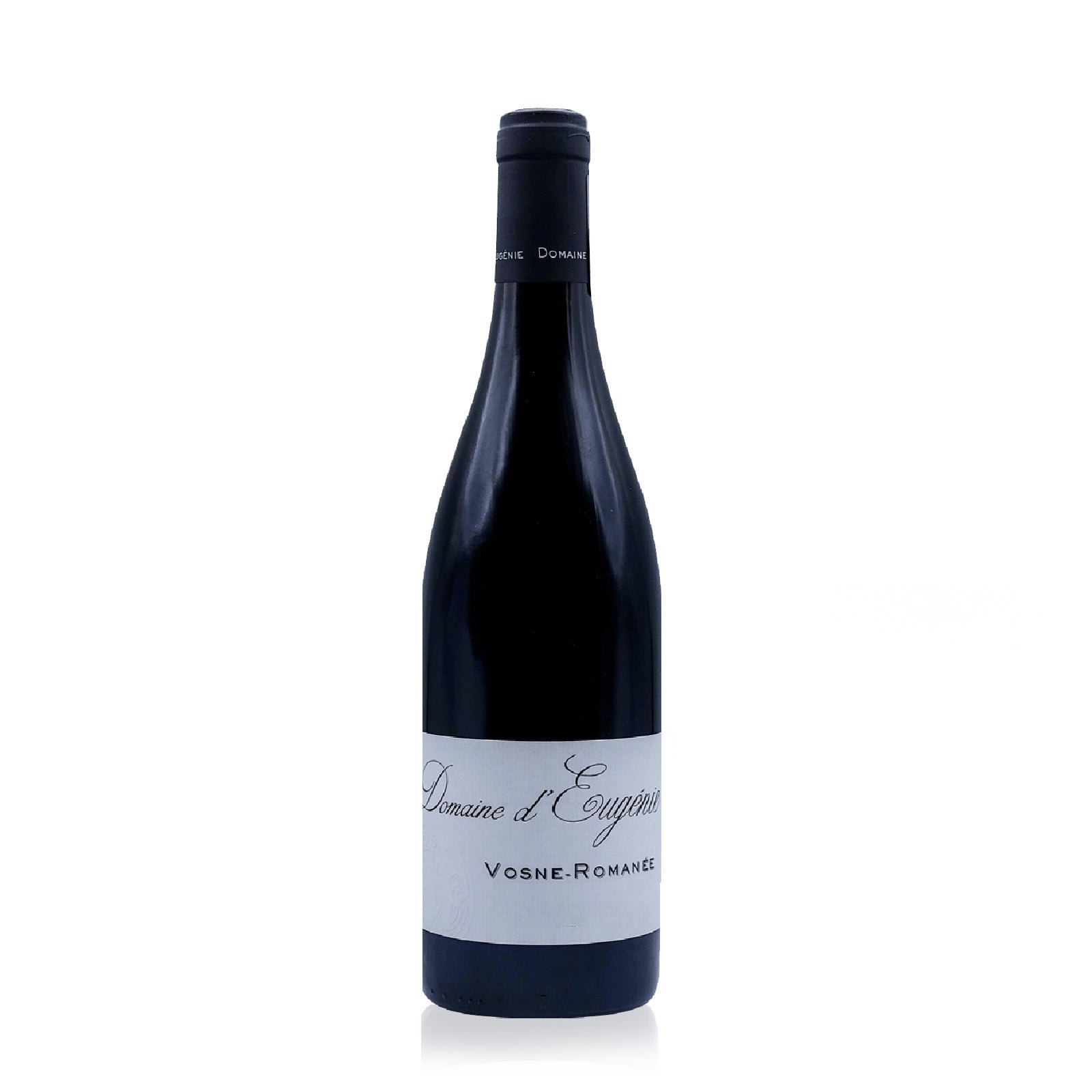
Standing Ground in Vosne-Romanée
The village of Vosne-Romanée announces itself with almost no fanfare. The road narrows between stone walls, vines press close to the tarmac, and the address plaques on low-slung buildings suggest nothing of the concentration of premier and grand cru parcels behind them. At 14 Rue de la Goillotte, Domaine d'Eugénie occupies precisely this kind of understated position: a property set within a village where the soil does the speaking, and where the question of how a producer farms that soil carries more critical weight than almost anywhere else in France.
Vosne-Romanée is the reference point against which all red Burgundy is eventually measured. Its grands crus — Romanée-Conti, La Tâche, Richebourg, Romanée-Saint-Vivant, Grands Échézeaux, Échézeaux — represent the benchmark tier of Pinot Noir globally, and even the village-level AC commands prices and attention that most appellations never approach.
The Viticulture Question in Burgundy's Core
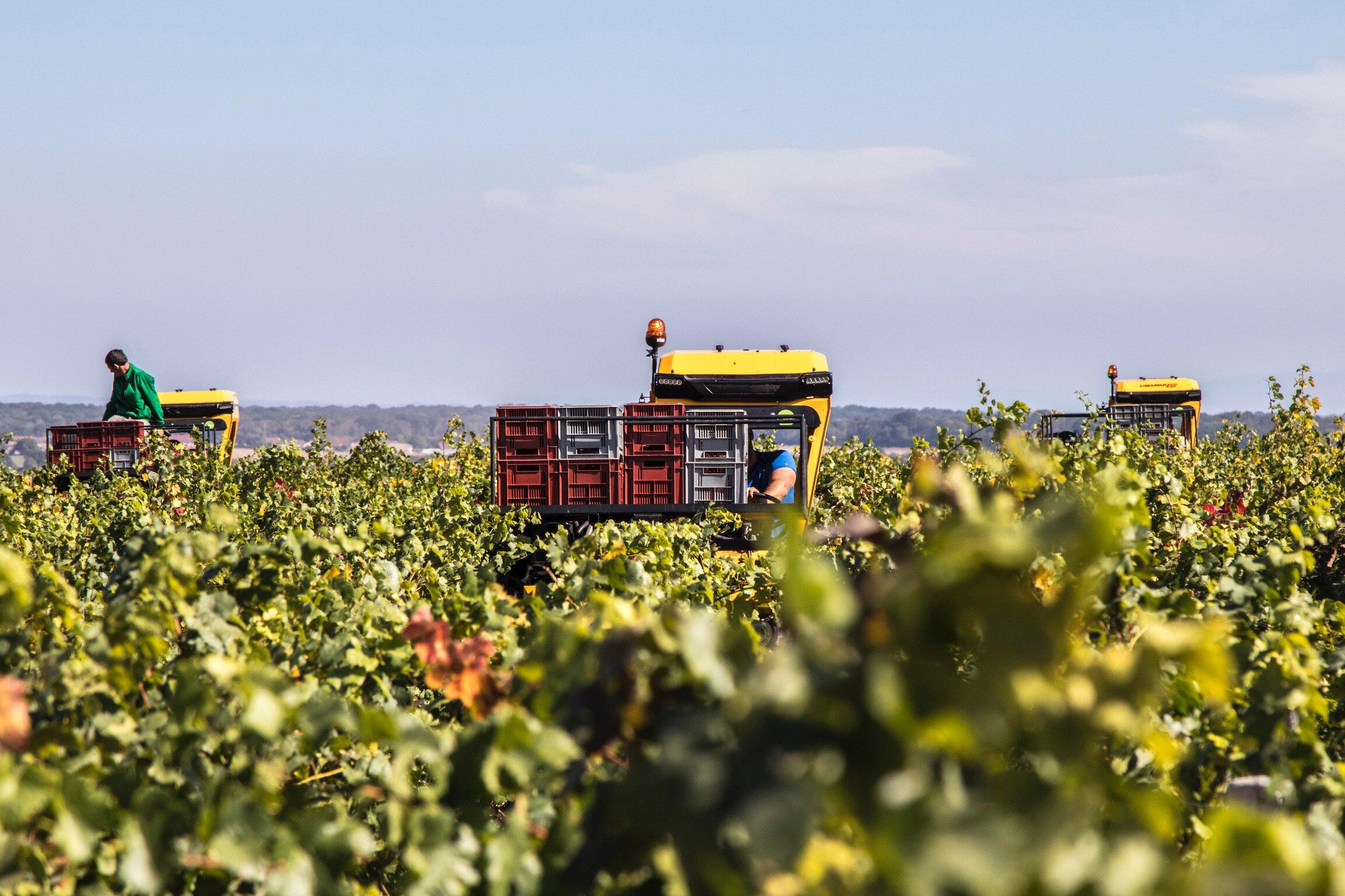
Across Burgundy, the most consequential shift of the past two decades has not happened in the cellar. It has happened in the vineyard. The move toward organic and biodynamic farming among the appellation's leading producers has reshaped how critics and collectors assess a domaine's long-term seriousness. Where conventional viticulture once dominated even the most prestigious addresses, the dominant conversation in Vosne-Romanée now centres on soil health, biodiversity, and the reduction or elimination of synthetic inputs.
This is the context in which Domaine d'Eugénie sits. The broader regional shift toward ecological viticulture reflects an argument about terroir expression itself: that a vine farmed without chemical herbicides, with cover crops maintaining microbial life, and with compost or biodynamic preparations replacing synthetic fertilisers, will transmit the character of its specific parcel more faithfully to the wine. Among the domaines shaping that argument in Vosne-Romanée, neighbours such as Domaine Jean Grivot, Domaine Bizot, and Domaine Cécile Tremblay have all made viticulture philosophy a central part of their public identity and critical reception. Domaine d'Eugénie operates within the same appellation pressures and the same expectations.
The historical weight here matters. Domaine René Engel, the predecessor on which Domaine d'Eugénie's parcel history is partly built, was one of the village's foundational addresses for decades. When ownership and identity shifted and Domaine d'Eugénie emerged, the parcels retained their pedigree. What changed was the farming approach and the cellar philosophy, with a renewed commitment to working the land rather than correcting it chemically. That continuity of terroir combined with a break in method is a pattern Burgundy has seen at several of its most closely watched addresses.
Parcel Prestige and the Allocation Economy
Access to grand cru and premier cru parcels in Vosne-Romanée is functionally fixed. The appellation boundaries have not moved. What changes over time is who farms which parcels, and how. Domaine d'Eugénie holds access to parcels in some of Burgundy's most scrutinised vineyard land, and the allocation structure that governs how its wines reach the market reflects the scarcity that defines this tier of the appellation.
The broader picture across Vosne's leading producers, from Domaine Gros Frère et Sœur to Domaine de la Romanée-Conti, is one of constrained supply and committed buyer lists. Wines from this village at the prestige tier do not sit on retail shelves waiting for casual purchasers. They move through négociant and domaine mailing lists, through specialist importers with their own allocation hierarchies, and increasingly through secondary market channels where prices reflect demand that production volumes cannot satisfy.
For those approaching the domaine from outside France, the logistics require planning. Vosne-Romanée sits roughly midway along the Route des Grands Crus between Nuits-Saint-Georges to the south and Gevrey-Chambertin to the north, accessible from Dijon in under 30 minutes by car. The village itself has no significant tourist infrastructure; visits to domaines at this level operate on appointment terms, and contact should be established well in advance of any travel to the Côte de Nuits.
Where Domaine d'Eugénie Sits in the Regional Picture
Comparing across Burgundy's broader appellation structure helps clarify the tier. Producers in Alsace such as Albert Boxler in Niedermorschwihr operate with a very different sense of scale and regional identity, where varietal range and single-vineyard specificity follow a different logic than Vosne's near-exclusive focus on Pinot Noir. Bordeaux châteaux such as Château Branaire-Ducru in Saint-Julien, Château Batailley in Pauillac, or Château Bélair-Monange in Saint-Émilion work within classification systems and blending traditions structurally unlike the single-parcel, single-varietal logic of Vosne. Even within France, the contrast with a production-scale operation such as Chartreuse in Voiron illustrates how different the craft parameters are at a small Burgundian domaine.
Across the Atlantic, Napa Valley prestige producers such as Accendo Cellars in St. Helena have drawn direct comparison with Burgundy's allocation model and parcel-specific philosophy, while Bordeaux-format properties like Château Bastor-Lamontagne in Preignac or Château Boyd-Cantenac in Cantenac operate within entirely different appellation economies. The point of these comparisons is not hierarchy but context: Vosne-Romanée at the prestige level represents a very specific set of constraints, finite land, single variety, centuries of documented parcel performance, that no other wine region replicates in quite the same configuration.
Scottish whisky production through houses like Aberlour operates on a time logic that superficially resembles Burgundy ageing, but the production scale and distribution model bear no structural resemblance to a small domaine working two or three hectares of grand cru. The comparison is instructive precisely because it shows how narrow the Vosne model actually is.
Planning a Visit and Understanding Access
Visitors serious about engaging with Domaine d'Eugénie should approach the Côte de Nuits with the understanding that the village of Vosne-Romanée functions as a working agricultural community, not a wine tourism circuit. The leading entry point for context and itinerary-building is our full Vosne-Romanée guide, which covers the village's producer landscape, seasonal rhythms, and the practical considerations of timing a visit around harvest and the domaine calendar. For those building a broader Côte de Nuits itinerary, properties including Domaine Jean Grivot and Domaine Cécile Tremblay represent natural companion visits within the same village, each with their own parcel histories and farming commitments that reward comparison.
Engagement with the domaine at this level rewards patience and a clear understanding of the allocation process.
Accolades, Compared
Comparable venues nearby, for context on price, style, and recognition.
| Venue | Cuisine | Awards | Notes |
|---|---|---|---|
| Domaine d'EugénieThis venue — the venue you are viewing | Pinot Noir, Chardonnay | Falstaff Winery - Listed | Not listed |
| Domaine Méo-Camuzet | Pinot Noir, Chardonnay | Michelin 1 Grape · Falstaff Winery - 4 Stars | Vosne-Romanée |
| Domaine Bizot | Pinot Noir, Chardonnay | Not listed | Vosne-Romanée |
| Domaine Sylvain Cathiard | Pinot Noir, Gamay | Michelin 1 Grape | Vosne-Romanée |
| Domaine Georges Mugneret-Gibourg | Pinot Noir | Michelin 2 Grapes | Vosne-Romanée |
| Domaine Jean Grivot | Pinot Noir, Chardonnay | Falstaff Winery - Listed | Vosne-Romanée |
Recognition history
Dated appearances from independent guides and award organizations, with the underlying list record or original source where available.
Falstaff Winery - Listed
Falstaff
Continue exploring
More in Vosne-Romanée
Wineries in Vosne-Romanée
Browse all →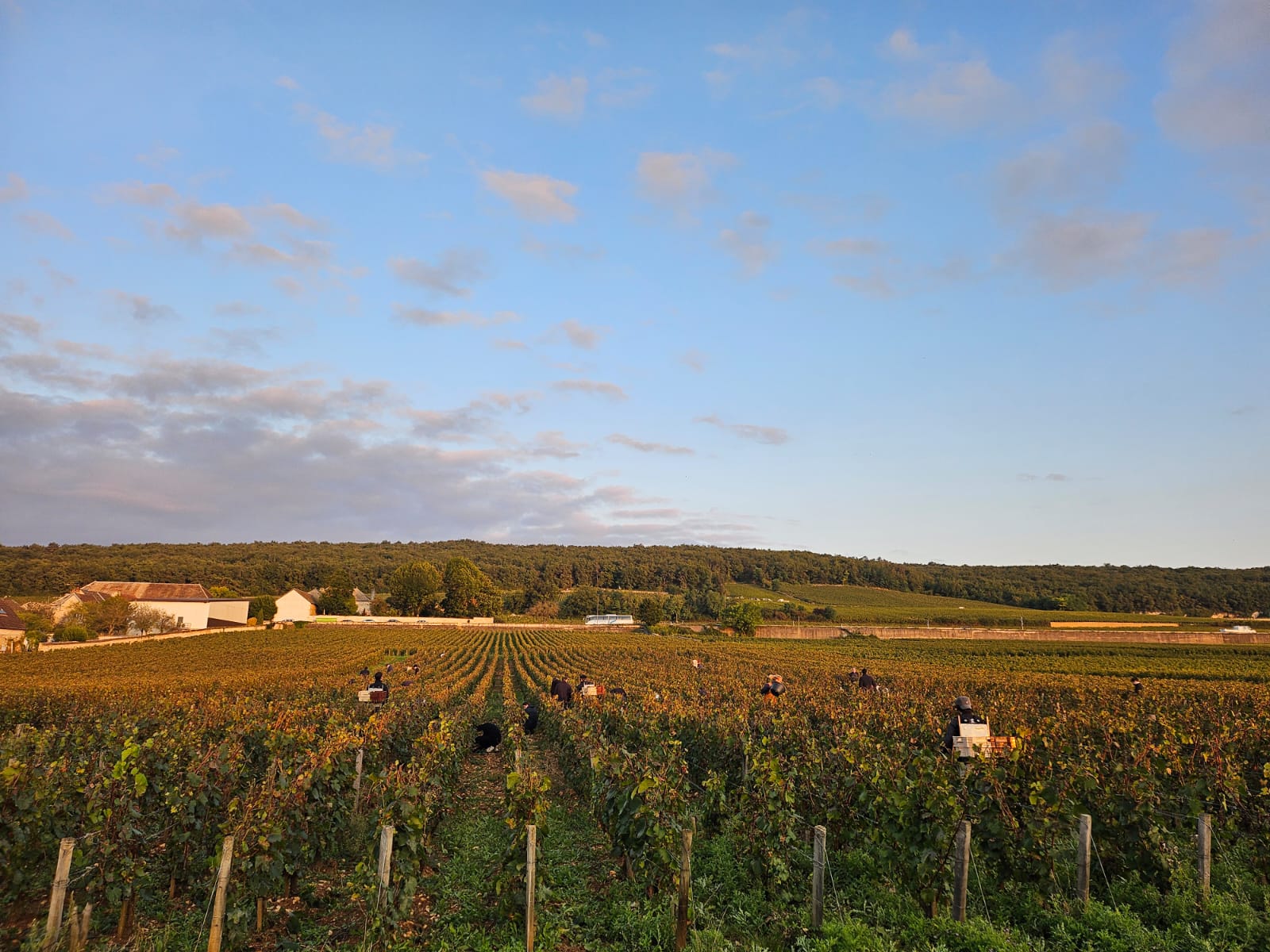
Bars in Vosne-Romanée
Browse all →
Restaurants in Vosne-Romanée
Browse all →
Details
- Elegant
- Sophisticated
- Classic
- Intimate
- Wine Education
- Special Occasion
- Vineyard Tour
- Cave Tasting
- Biodynamic
- Organic
- Vineyard
- Pinot Noir
- Chardonnay
- Still Red
- Private Tasting
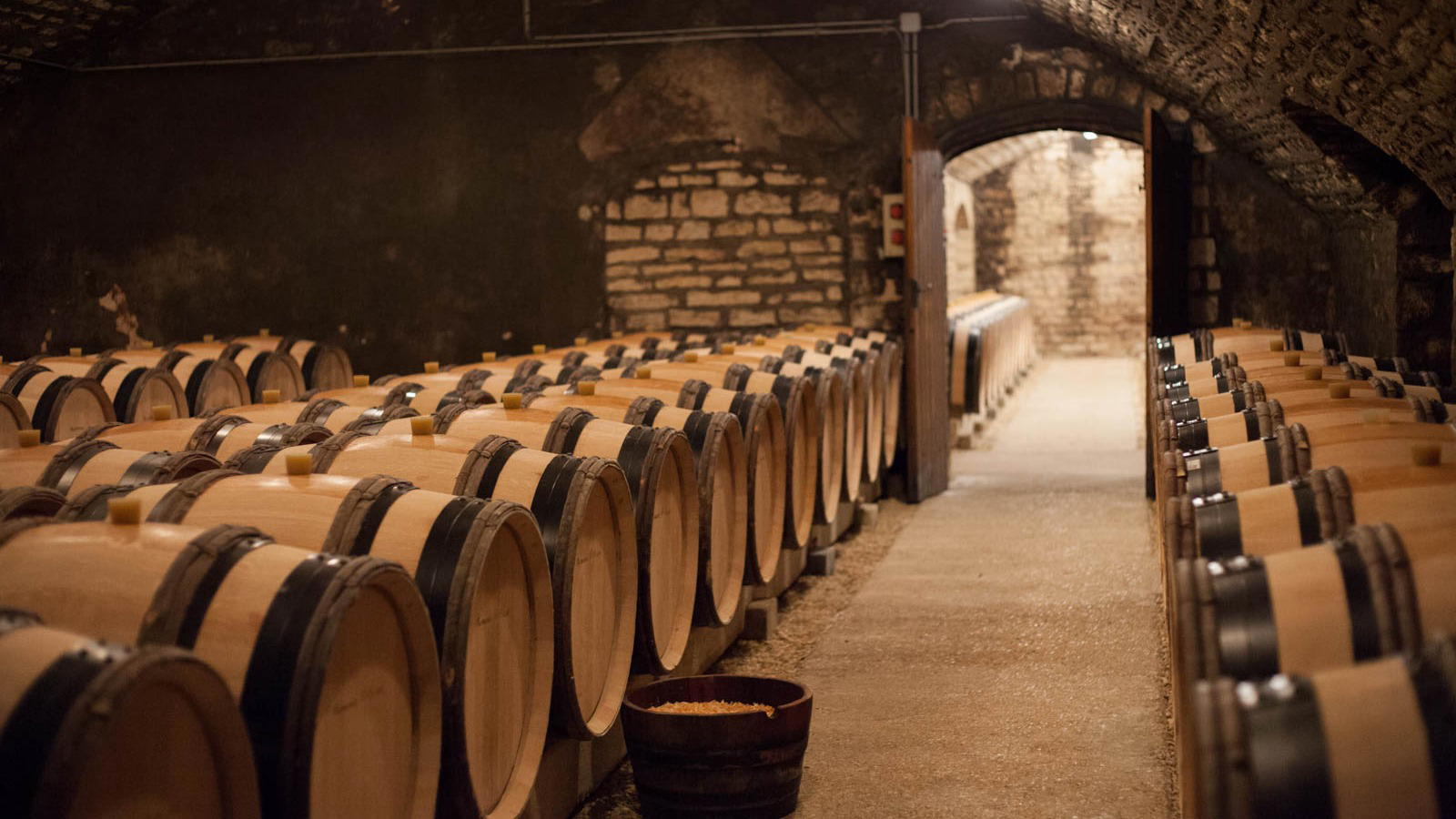
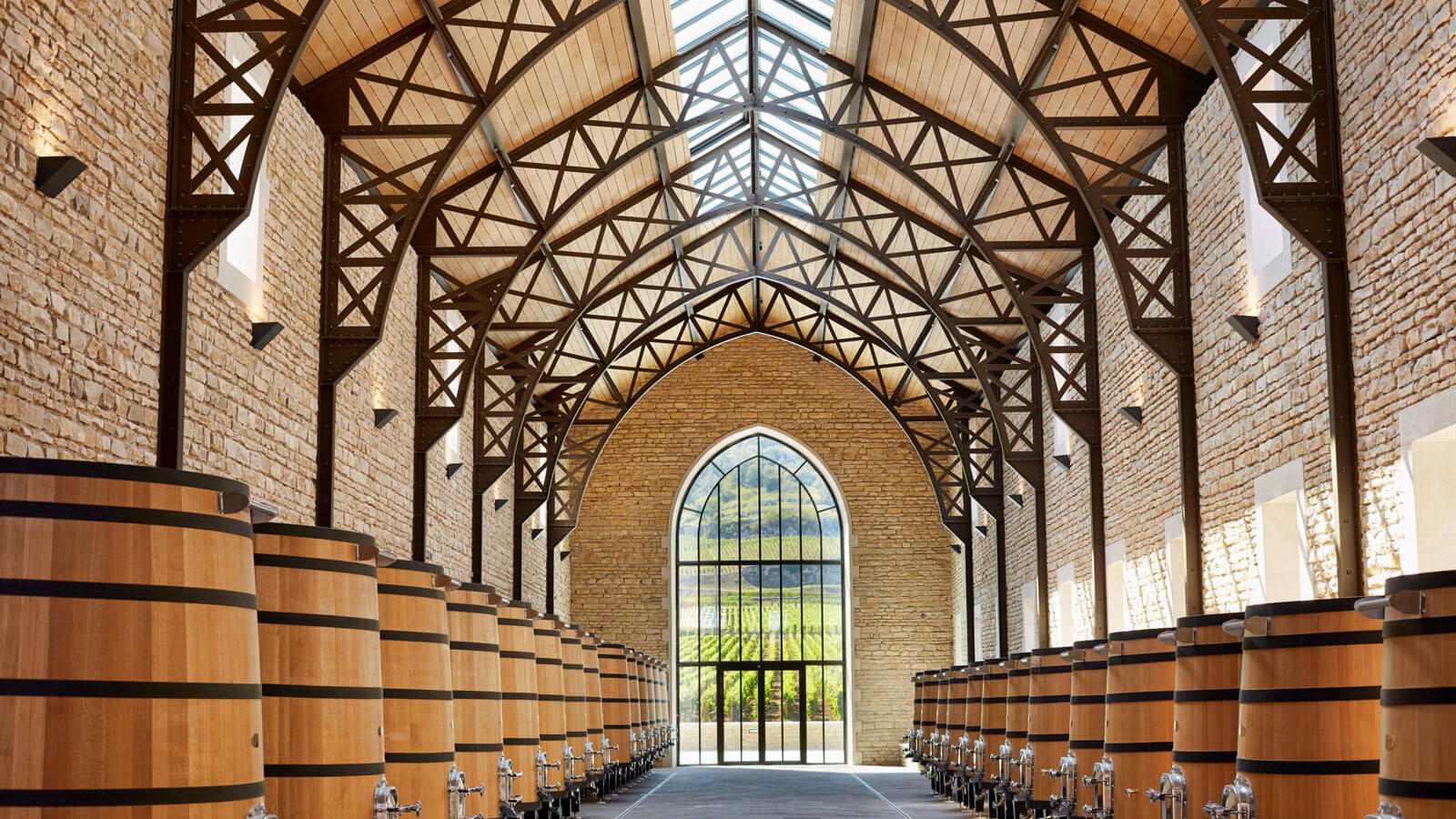
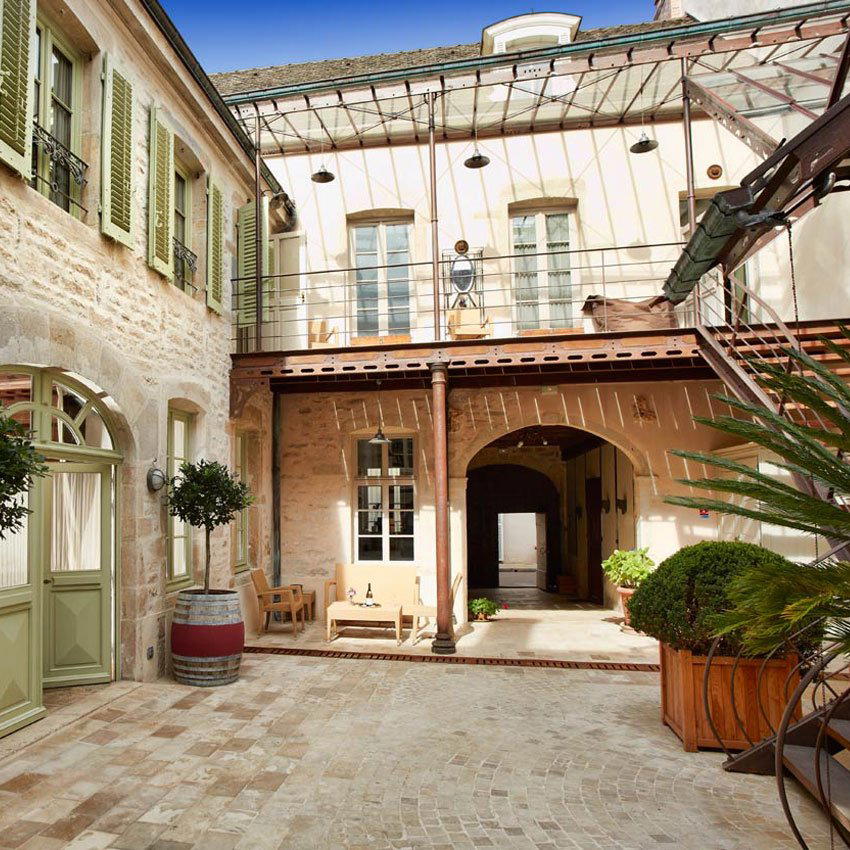
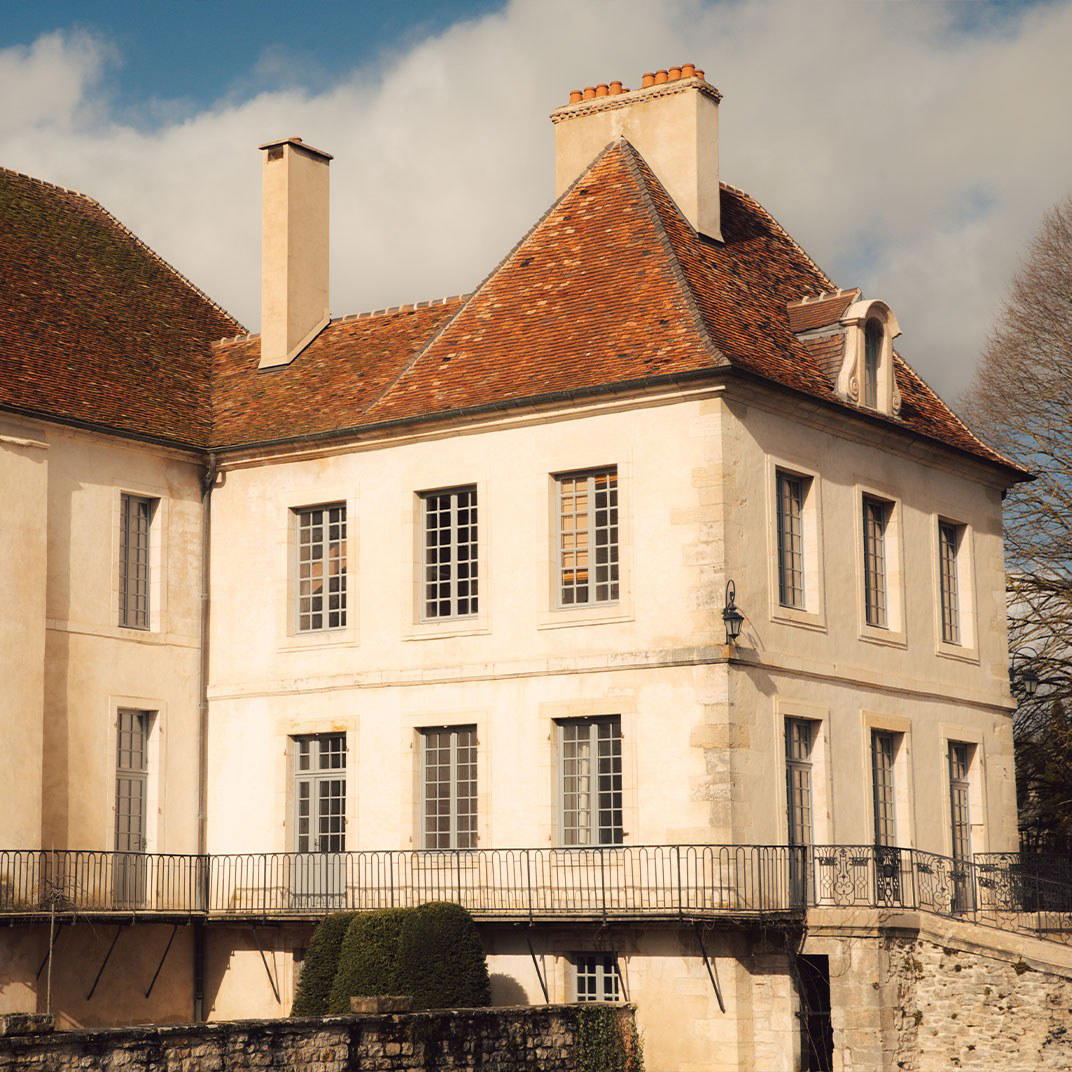
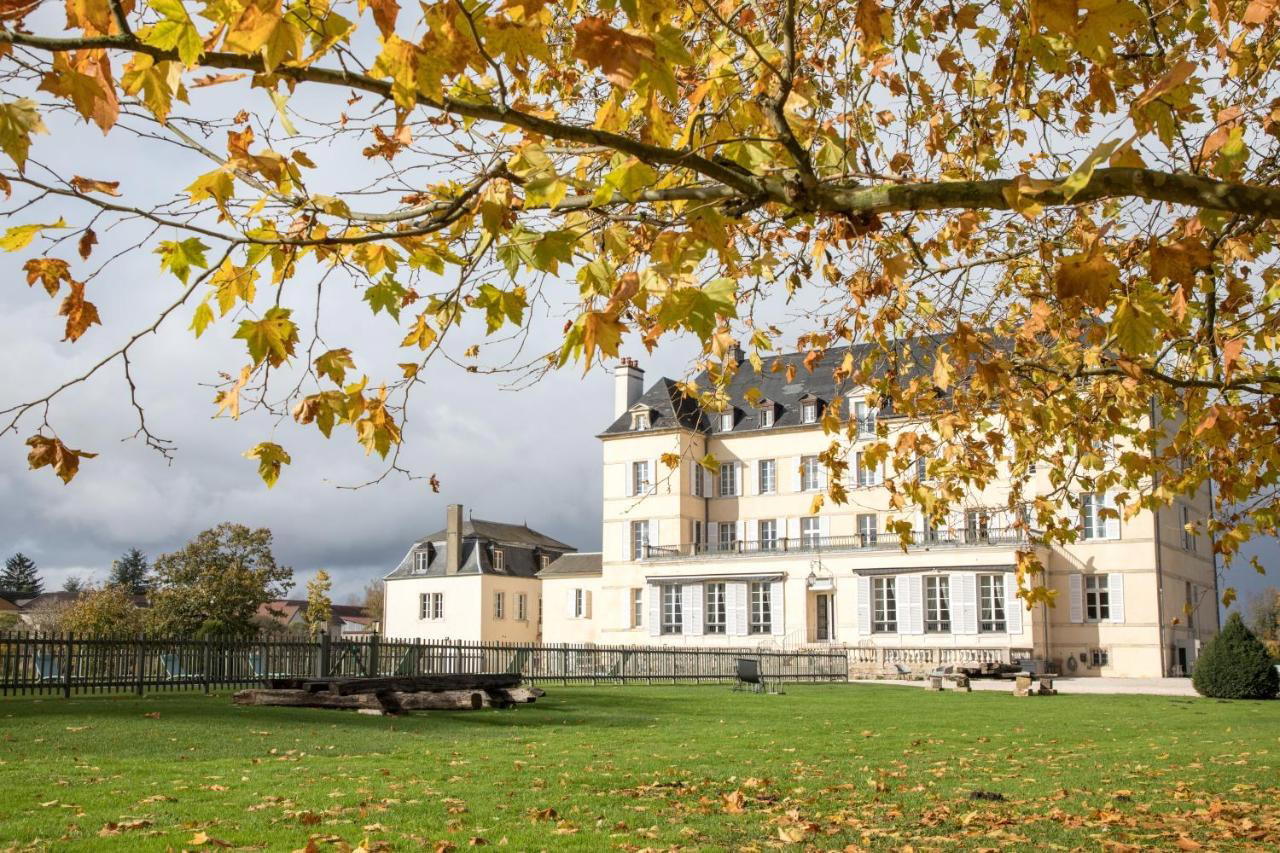
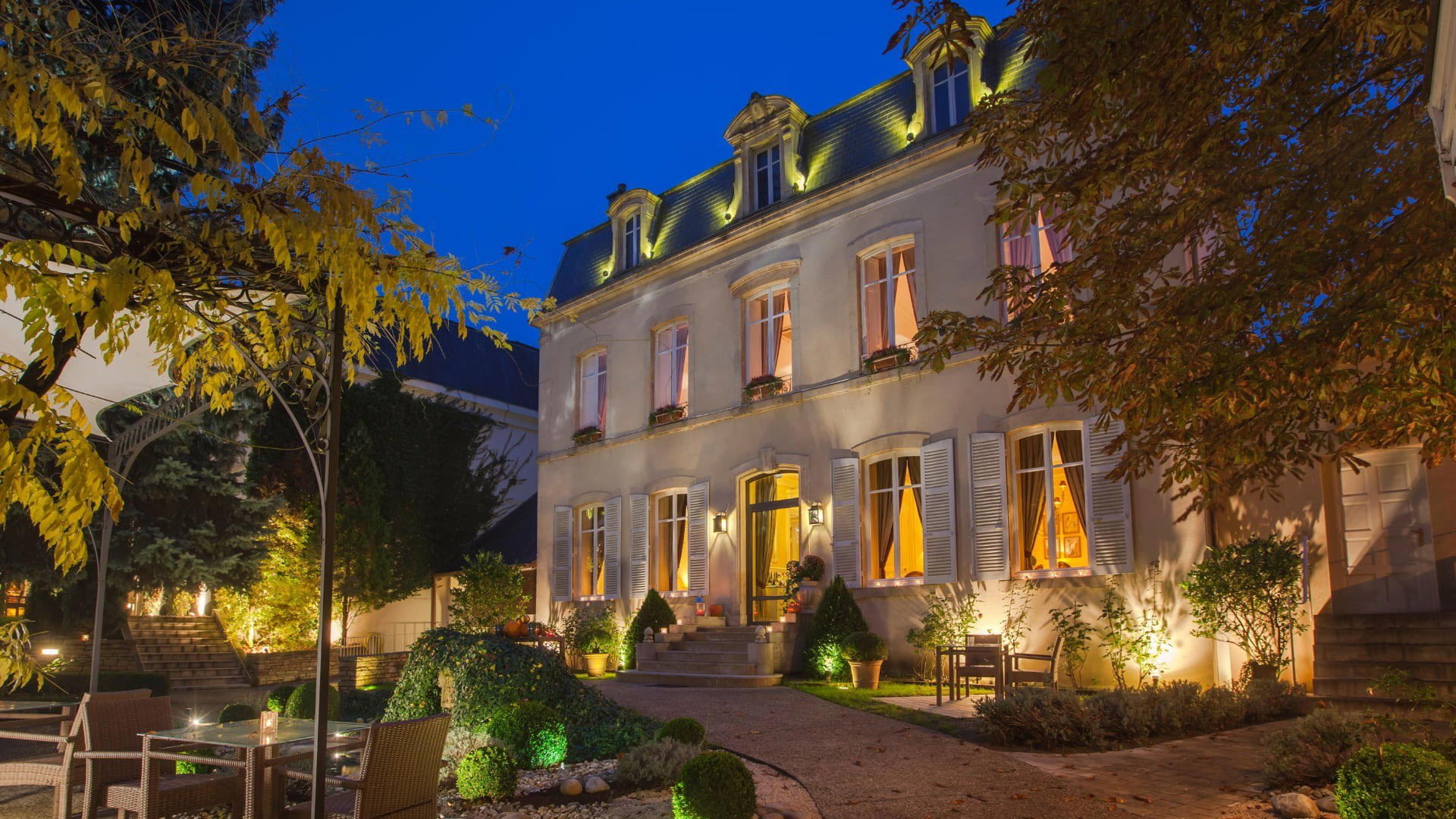
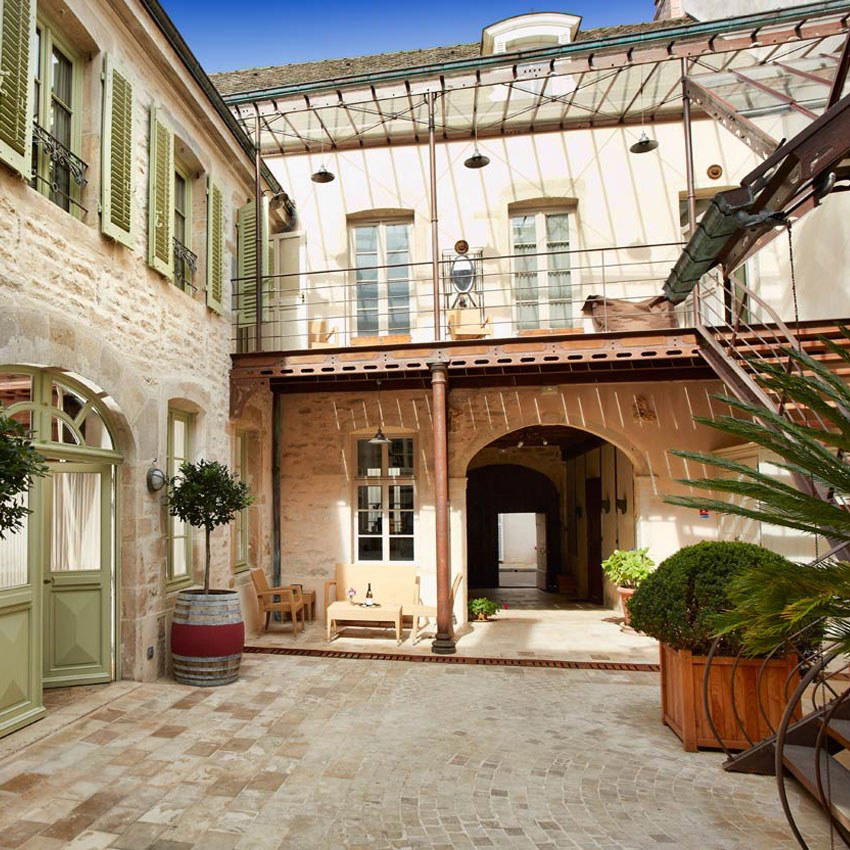
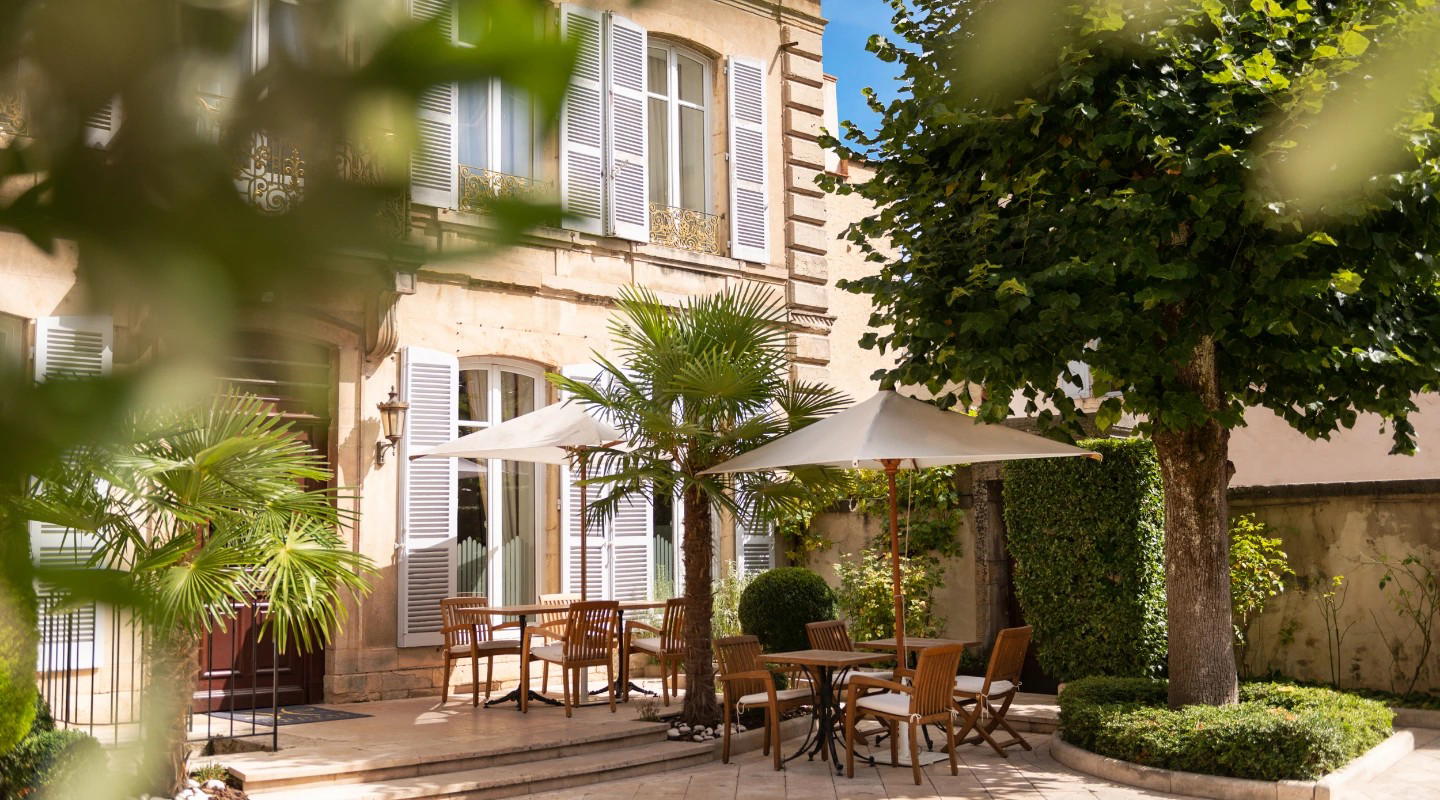
Refined and elegant atmosphere in historic restored buildings with modern winery facilities, emphasizing tradition and terroir expression.