Domaine Jean Grivot

Among the grand cru producers of Vosne-Romanée, Domaine Jean Grivot occupies a position defined by continuity and precision. For collectors and visitors, the address on the Rue de la Croix Rameau is a fixed point on any serious Burgundy itinerary.
Pearl is the En Primeur Club membership app — saves, bookings, and concierge access live there. Same editors, same standards.
- Address
- 6 Rue de la Croix Rameau, 21700 Vosne-Romanée
- Phone
- +33 3 80 61 05 95
- Website
- domainegrivot.fr
- Directions
- Get directions
 Saves & bookings on Pearl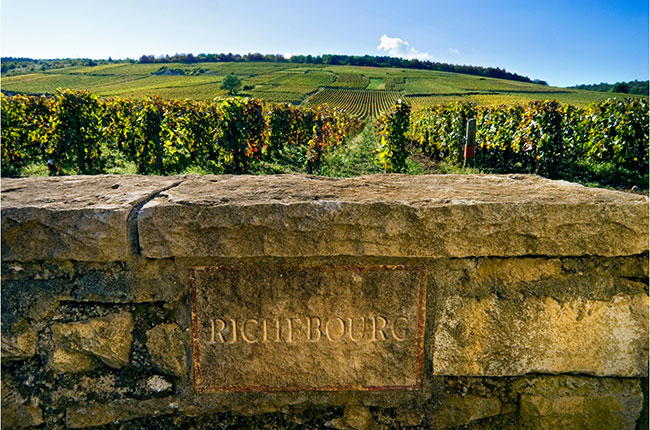
Where Vosne-Romanée Keeps Its Oldest Arguments
The village of Vosne-Romanée sits at the southern end of the Côte de Nuits with a quietness that is almost studied. Stone walls run between parcels. Tractor tracks cross the Route des Grands Crus. The physical scale of the place resists the weight of its reputation: this is one of the smallest appellations in Burgundy capable of producing wine at a price point that rivals anything grown in France. That compression of geography and value is the defining tension of Vosne-Romanée, and it shapes every producer working here, including those whose families have been doing so for three generations or more.
Domaine Jean Grivot, at 6 Rue de la Croix Rameau, is part of that long argument. Its first recorded vintage dates to 1951, placing the domaine among a cohort of family estates whose histories stretch back to the postwar reorganisation of Burgundy's ownership structures. That era, following decades of fragmentation through inheritance laws and wartime disruption, produced the distributed ownership model that still defines how grand cru parcels are held across the Côte de Nuits. Grivot's early presence in that period is part of what places it in a different register than estates assembled more recently, including some neighbouring producers who have built reputations over the past two to three decades rather than seven.
The Cultural Logic of Vosne's Grand Cru Belt
To understand what a Vosne-Romanée producer is doing, it helps to understand what the appellation has always been doing: making a case for Pinot Noir's capacity for site specificity. No other village in the world has as many grand cru vineyards within such a short stretch of slope, and no other appellation has trained collectors to pay as much attention to parcel-level distinctions. The grand crus here, from Richebourg north to Échezeaux south, are not interchangeable. They reward, and in fact demand, a producer who treats each climat as a separate project rather than a component in a blended commercial program.
This cultural inheritance, the idea that Pinot Noir should be transparent to place rather than shaped by the cellar, is what separates the serious family domaines of Vosne-Romanée from négociant production. It is also what connects Grivot to peers such as Domaine Bizot, Domaine Cécile Tremblay, and Domaine d'Eugénie, all of whom operate on a parcel-first philosophy in the same appellation. Each occupies a slightly different position in the collector market, defined by production volume, parcel holdings, and the stylistic choices made in the cellar over successive vintages. Where Domaine Gros Frère et Sœur tends toward a richer, more structured expression, and where the now-absorbed Domaine René Engel represented a prior generation's benchmark before transitioning into Domaine d'Eugénie, Grivot has occupied a middle register: precise, age-worthy, and grounded in a cellar approach that has evolved but not lurched between generations.
Étienne Grivot and the Current Chapter
Winemaker Étienne Grivot has been the decision-maker at the domaine for a sustained period, long enough that the estate's current stylistic character belongs clearly to his tenure. The significance of that continuity in Burgundy is worth noting. In a region where a single generational change can reset a domaine's direction entirely, as happened at several Gevrey-Chambertin and Chambolle-Musigny estates in the 1990s and 2000s, sustained leadership by one winemaker allows the estate's relationship with its parcels to compound over time. Vintages from different climate years accumulate as a record of how specific sites in the Grivot portfolio behave across heat, rain, and frost. That institutional knowledge is not transferable and not replicable quickly by a newer producer, regardless of resources.
Across the Côte de Nuits, this tier is occupied by producers whose consistency across multiple vintages and whose parcel holdings justify a premium allocation structure.
Vosne-Romanée in the Wider Burgundy Picture
The village sits within a Côte de Nuits context that has shifted considerably in the past decade. Prices for premier and grand cru Burgundy have moved beyond the reach of most casual collectors, concentrating demand among a smaller, more international buyer base. That shift has affected how producers structure allocations, how négociants source fruit, and how the secondary market prices back vintages. Vosne-Romanée has been at the centre of that movement, partly because of the dominance of Domaine de la Romanée-Conti as a global reference point, whose presence exerts a gravitational pull on the appellation's identity and pricing expectations for all producers within it.
Producers working in different traditions, from Albert Boxler in Niedermorschwihr to Château Bélair-Monange in Saint-Émilion and Château Branaire-Ducru in St-Julien, occupy entirely different soil types, grape varieties, and market structures. The contrast with Burgundy's climat-obsessed, family-domaine culture is instructive: nowhere else in France is the argument about terroir specificity quite so granular, or quite so consequential for price. Even high-reputation châteaux in Pauillac like Château Batailley or in Cantenac like Château Boyd-Cantenac operate within classification systems that differ fundamentally from Burgundy's parcel-by-parcel logic. Grivot's position is legible only within that distinctly Burgundian framework.
Planning a Visit and Securing the Wines
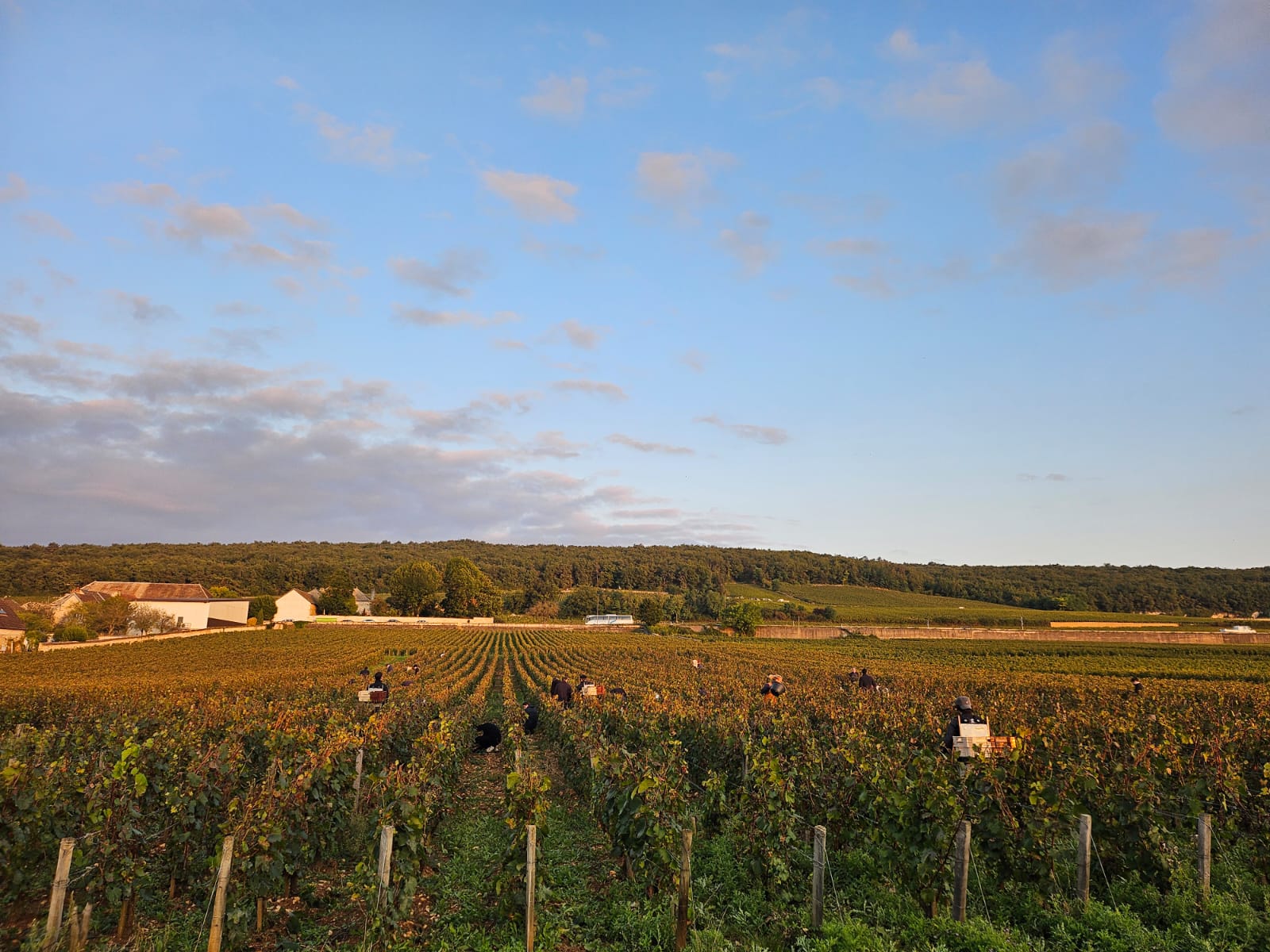
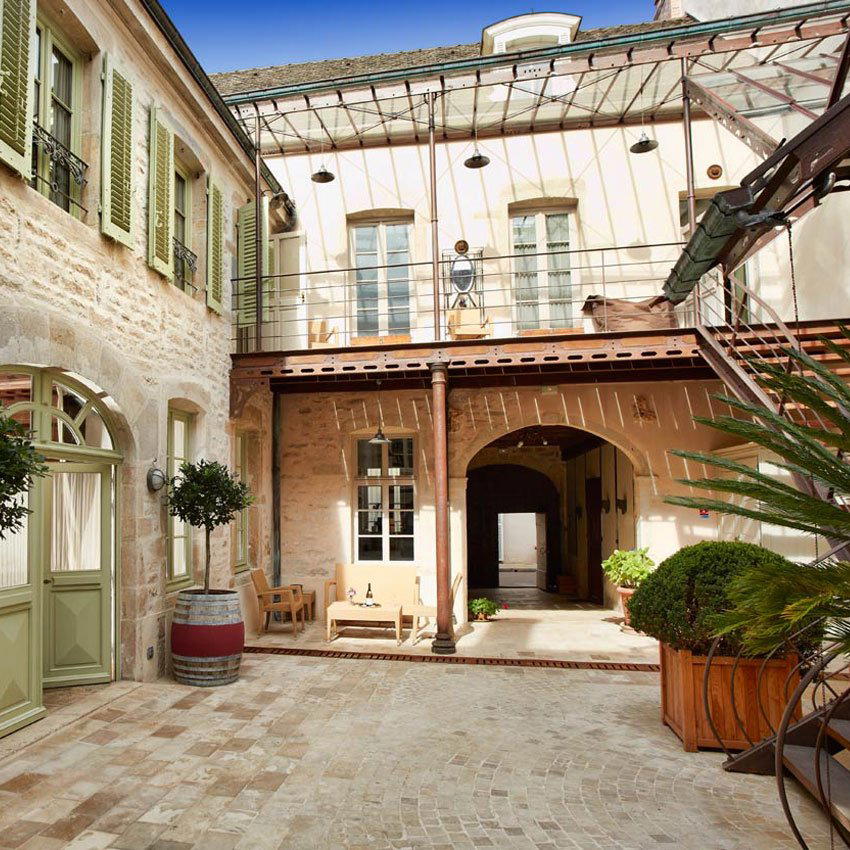
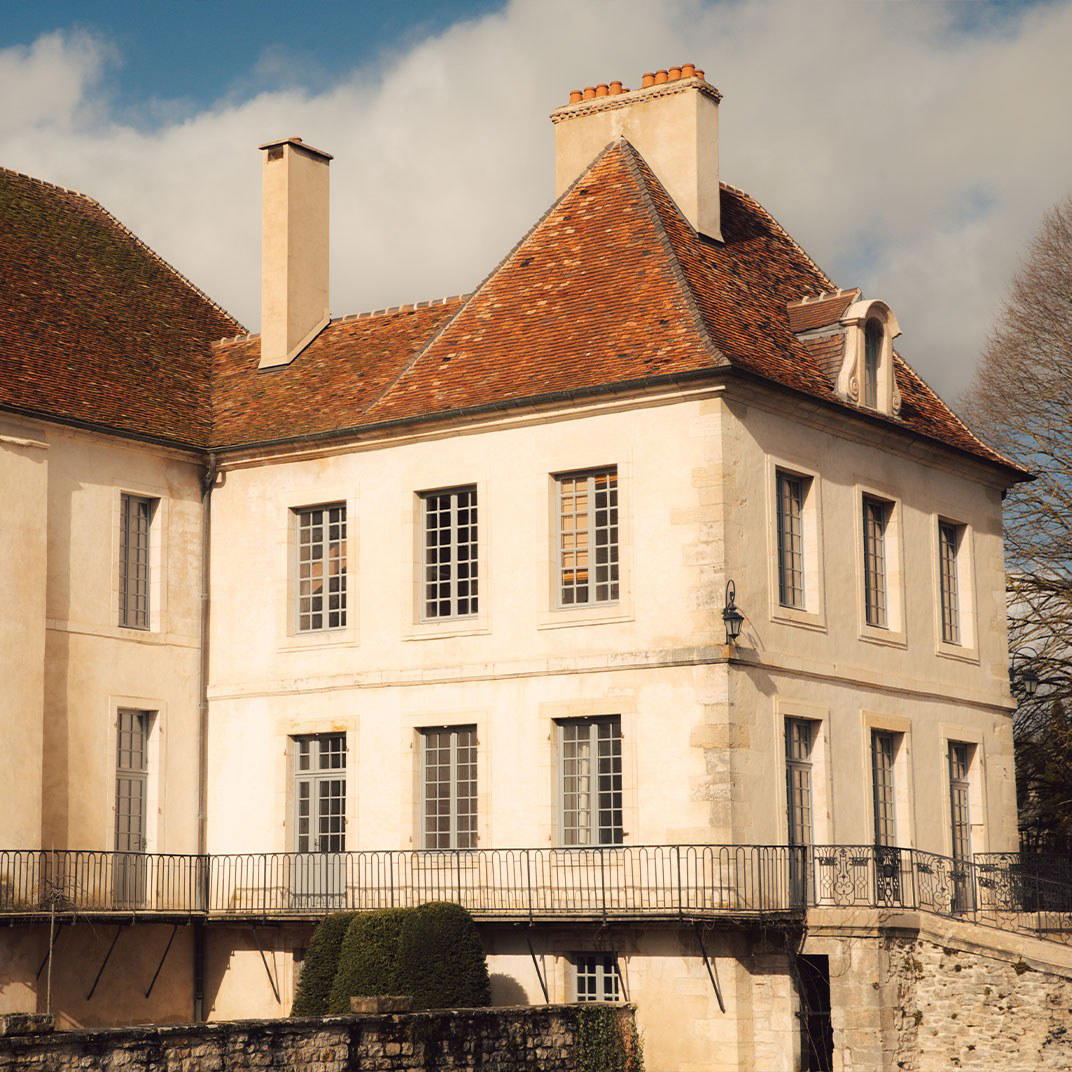
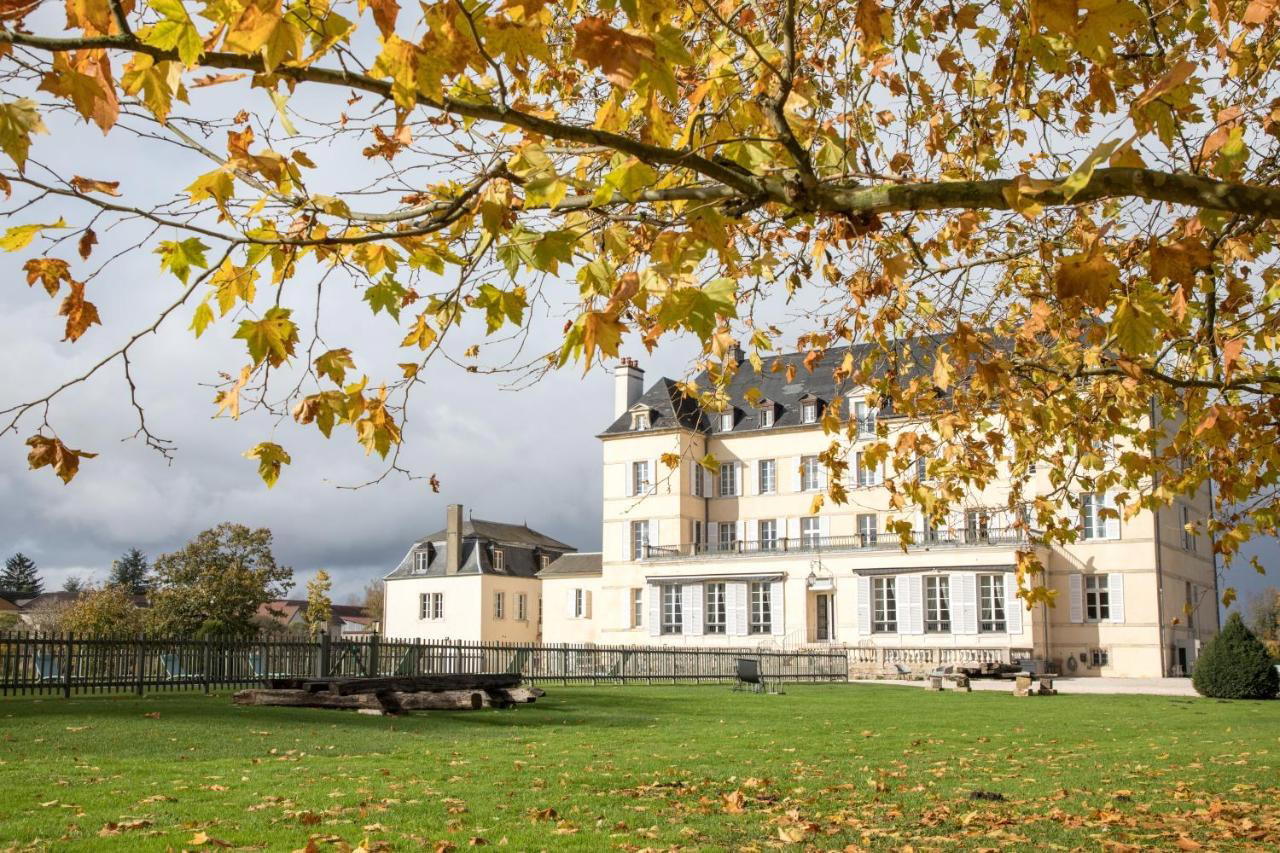
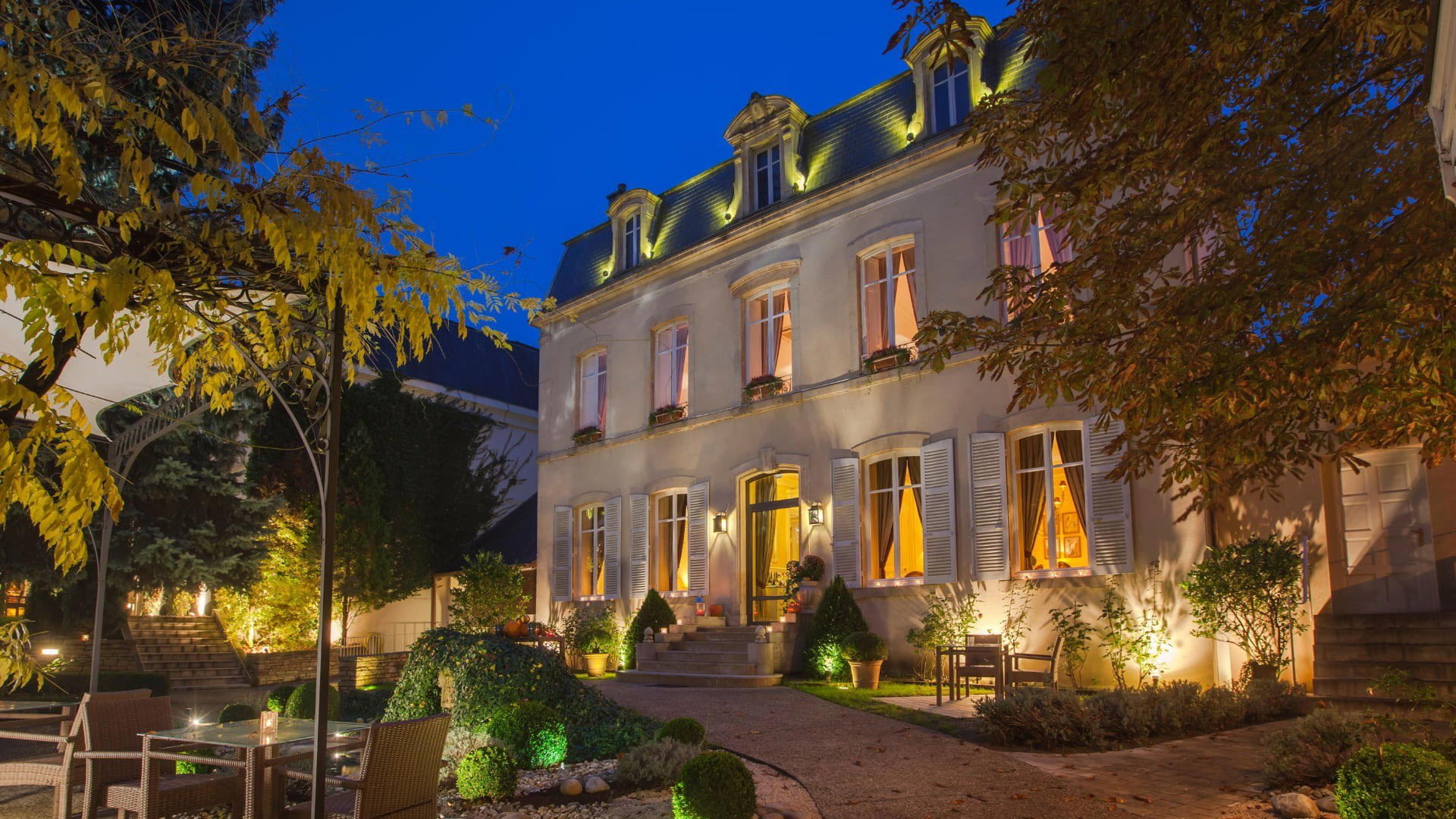
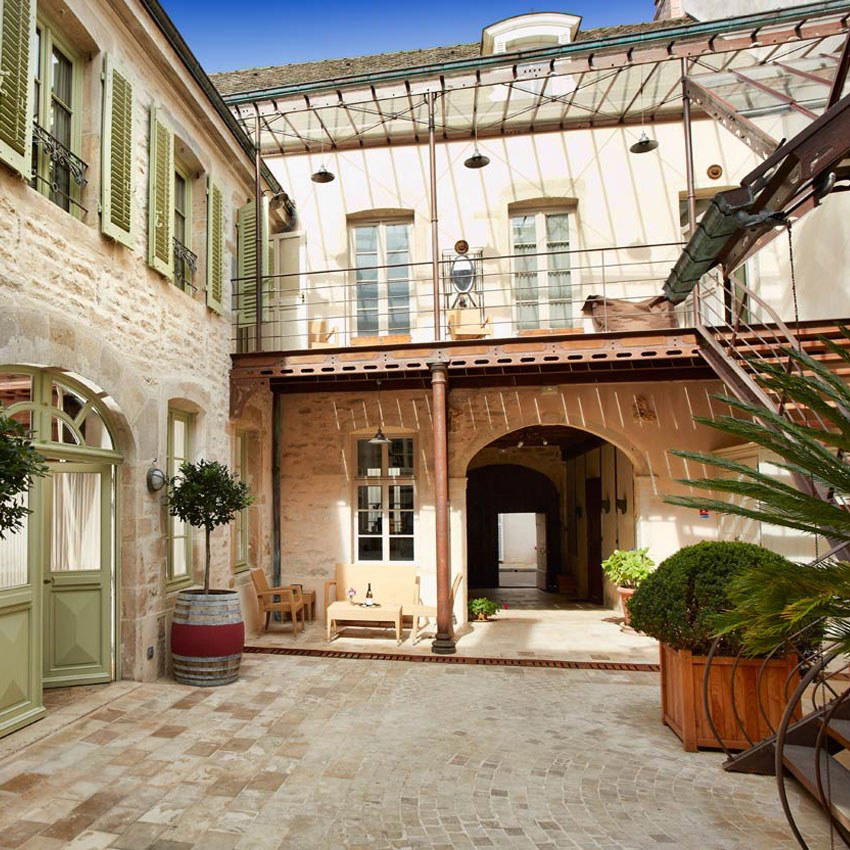
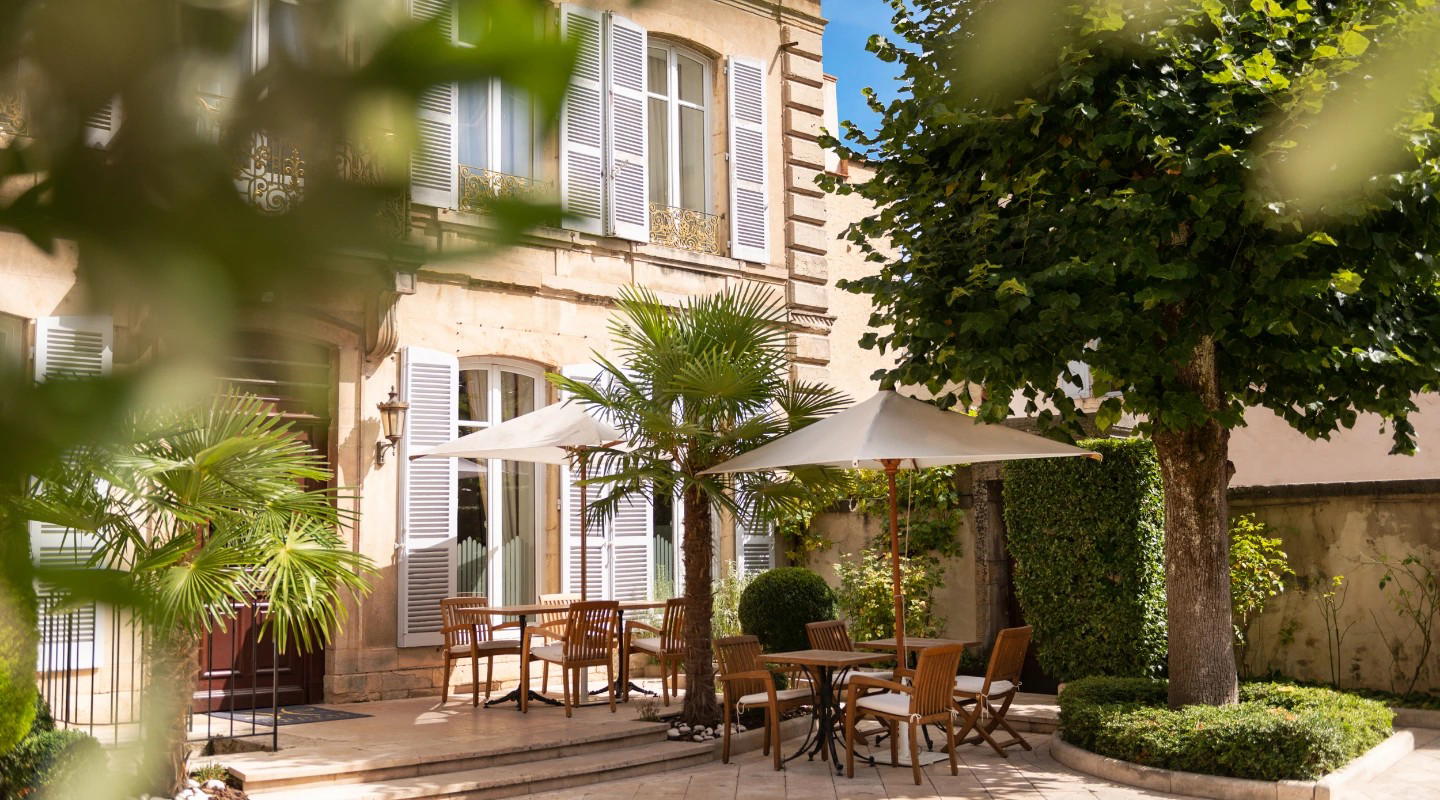
Domaine Jean Grivot operates from its address in the village proper, a compact stone building consistent with the architectural character of Vosne-Romanée's producer addresses. Visit logistics here follow the standard Côte de Nuits protocol: domaine visits require advance arrangement, and the window for direct tastings is shaped by the harvest calendar, with autumn visits carrying additional complexity. Cellar appointments outside harvest season offer more flexibility. The village is accessible from Beaune by road in under twenty minutes, and most serious Burgundy itineraries use Beaune as a base, working north through Nuits-Saint-Georges and into Vosne-Romanée across one or two days.
Visits are by appointment only, and wine purchases are handled through allocation. For collectors working outside those channels, secondary market sources remain the principal option for older vintages.
Just the Basics
Comparable venues nearby, for context on price, style, and recognition.
| Venue | Cuisine | Price |
|---|---|---|
| Domaine Jean GrivotThis venue — the venue you are viewing | Vosne-Romanée, Pinot Noir, Chardonnay | $$$$ |
| Domaine Mongeard-Mugneret | Vosne-Romanée, Pinot Noir, Chardonnay | $$$$ |
| Domaine Arnoux Lachaux | Vosne-Romanée, Pinot Noir, Aligoté | $$$$ |
| Domaine Georges Mugneret-Gibourg | Vosne-Romanée, Pinot Noir | $$$$ |
| Domaine Gros Frère et Sœur | Vosne-Romanée, Pinot Noir, Chardonnay | $$$$ |
| Domaine Anne Gros | Vosne-Romanée, Pinot Noir, Chardonnay | $$$ |
Recognition history
Dated appearances from independent guides and award organizations, with the underlying list record or original source where available.
Falstaff Winery - Listed
Falstaff
Continue exploring
More in Vosne-Romanée
Wineries in Vosne-Romanée
Browse all →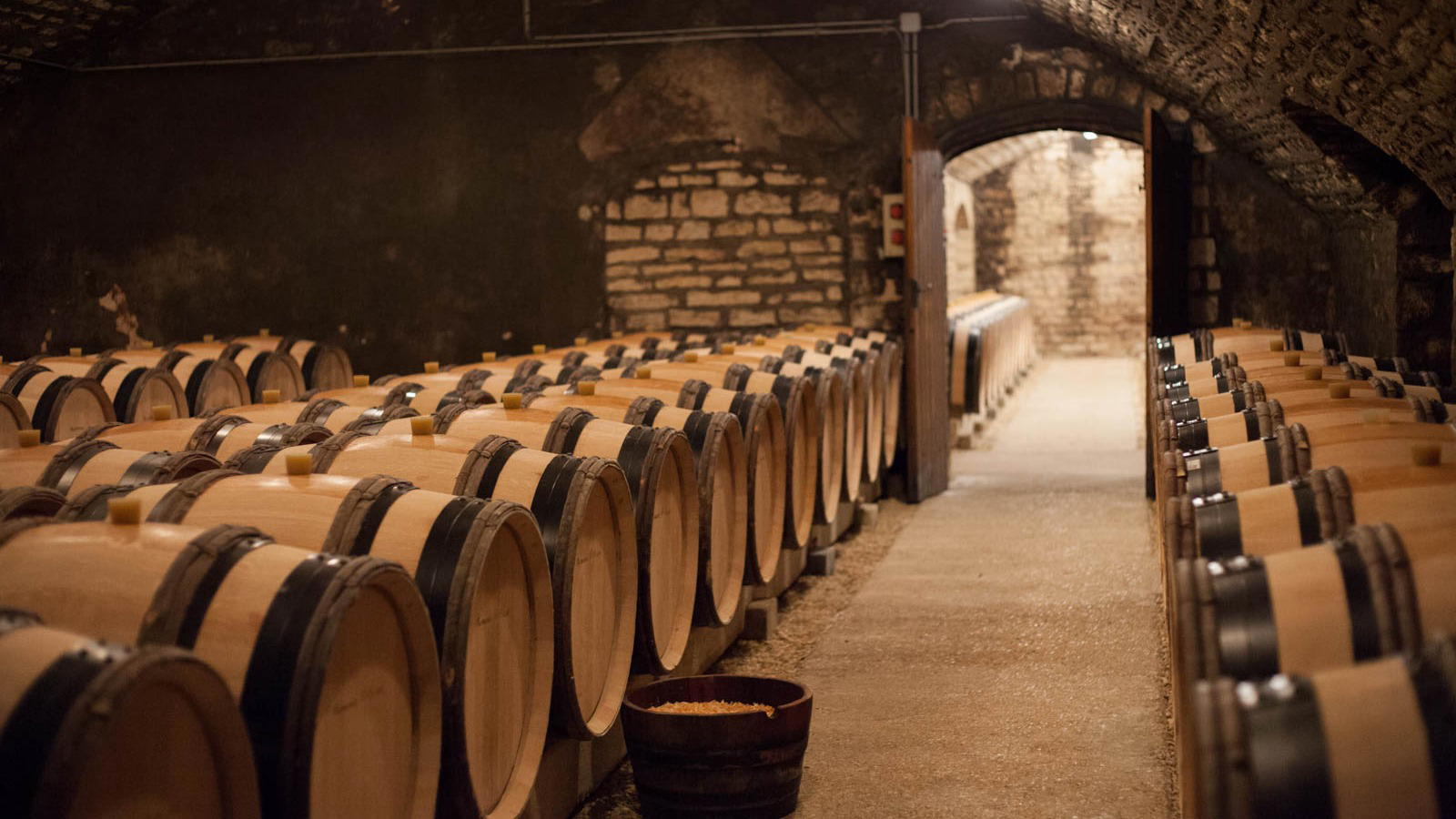
Bars in Vosne-Romanée
Browse all →
Restaurants in Vosne-Romanée
Browse all →
At a Glance
- Elegant
- Classic
- Sophisticated
- Rustic
- Wine Education
- Special Occasion
- Vineyard Tour
- Cave Tasting
- Organic
- Vineyard
- Vosne Romanée
- Pinot Noir
- Chardonnay
- Still Red
- Cave Tasting