Domaine Gros Frère et Sœur

Falstaff Winery - Listed
Domaine Gros Frère et Sœur sits at 6 Rue des Grands Crus in Vosne-Romanée, a village address that places it within walking distance of some of Burgundy's most closely watched vineyard parcels.

Pearl is the En Primeur Club membership app — saves, bookings, and concierge access live there. Same editors, same standards.
- Address
- 6 Rue des Grands Crus, 21700 Vosne-Romanée
- Phone
- +33 3 80 61 12 43
- Website
- gros-frere-et-soeur.com
- Directions
- Get directions
The Rue des Grands Crus and What It Demands of a Producer
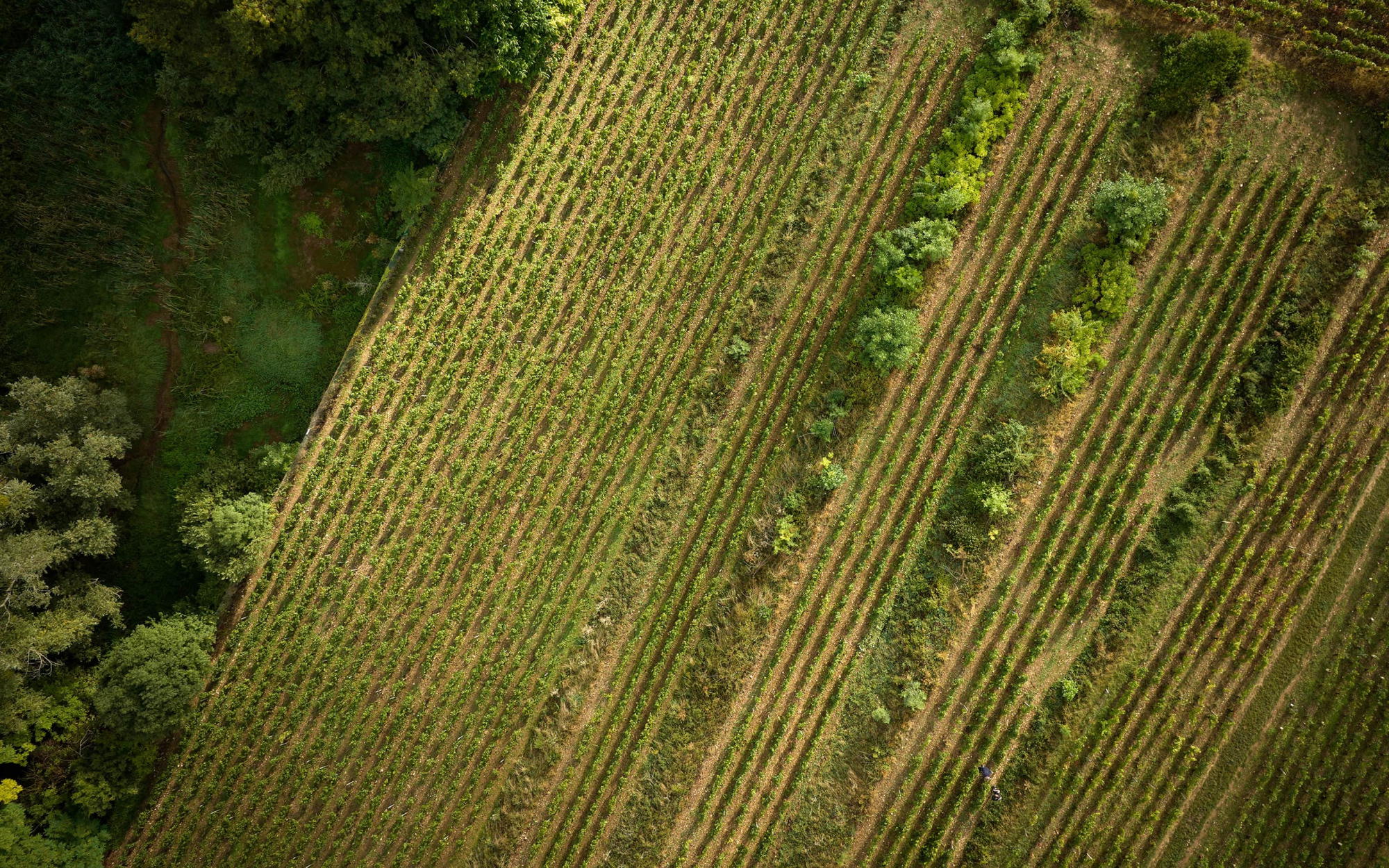
Vosne-Romanée has no casual addresses. Every lane in this village threads between vineyard walls that have shaped the global grammar of Pinot Noir, and 6 Rue des Grands Crus is not an exception. The road's name is not symbolic — it runs alongside and between parcels that define what old-vine, low-intervention Burgundy tastes like when the raw material is this concentrated. A producer based here is, by geography alone, accountable to a standard that the wider wine world treats as a reference point rather than a benchmark to aspire toward.
Vosne-Romanée is not generous with that kind of recognition; the competition is too well-established and too precise.
Where the Wine Comes From, and Why That Changes Everything
The editorial angle on any serious Côte de Nuits producer ultimately returns to sourcing — specifically, which parcels a domaine holds, how old the vines are, and what decisions are made between the vineyard and the bottle. Burgundy's appellation hierarchy makes this unusually legible: a village Vosne-Romanée bottling comes from a different geological conversation than a premier cru, which in turn speaks differently from a grand cru. The Gros family has historically held parcels across this hierarchy, which means that any visit to the domaine involves wines that trace the same grape variety through meaningfully different expressions of the same limestone-clay subsoil.
This matters for the same reason it matters at Domaine René Engel's legacy parcels or at any house in Vosne that manages both village and higher-classification fruit: the wines function as a vertical map of terroir rather than a single argument. The reader who wants to understand why Burgundy commands the prices and critical attention it does will find the answer more efficiently in a tasting structured around one producer's holdings across classifications than in any amount of theory. That structural logic is not unique to this domaine, it is how the Côte de Nuits has always made its case.
In the broader Burgundy sourcing context, provenance extends beyond parcel ownership to viticulture. The shift away from chemical farming that defined the region through the 1970s and 1980s is now largely complete at houses operating at this prestige level. Organic and biodynamic practices have become the expected standard, not a differentiator, among producers with serious grand cru and premier cru exposure. What distinguishes houses from each other at this tier is more granular: planting density, yield management, harvest date decisions, and the degree to which the cellar is asked to correct what the vineyard produces.
The Domaine in Its Competitive Set
To understand where Domaine Gros Frère et Sœur sits relative to Vosne's broader production community, it helps to think about the village as stratified not just by appellation classification but by producer philosophy. There is a small group of estates, including houses like Domaine Jean Grivot and Domaine Cécile Tremblay, whose wines circulate primarily through allocation channels: négociant lists, direct mailing, and a secondary market that prices vintages years in advance. Beneath that, there is a wider group of serious houses whose wines are accessible through merchant networks at prices that still require commitment but not the speculation-grade patience of the allocation tier.
The Gros family name in Vosne is plural in the most literal sense: multiple domaines bearing variants of the name operate in the village, a product of estate divisions that reshaped the family's holdings across generations. This is not unusual in Burgundy, where inheritance law has fragmented many great estates into sibling and cousin enterprises that now operate independently. The competitive dynamic this creates is instructive: related houses often hold neighbouring or overlapping parcels, and the differences in their wines trace directly to cellar philosophy rather than raw material. It is one of the cleaner natural experiments in terroir expression that the Côte de Nuits offers.
Planning a Visit to Vosne-Romanée
Vosne-Romanée sits approximately four kilometres south of Nuits-Saint-Georges and roughly twenty kilometres south of Dijon. The village has no railway station; the practical access point is Nuits-Saint-Georges by regional train from Dijon, followed by taxi or bicycle for the final stretch. Those arriving by car from Paris typically use the A6 autoroute to Beaune, then head north on the D974 through the Côte de Nuits. The village itself is compact enough to cover on foot; the distance between the church and the grand cru vineyard boundary is short, and the density of producer addresses along the main road makes it possible to plan multiple visits in a single afternoon.
Cellar visits and tastings at domaines of this prestige level are not walk-in affairs. Most Vosne houses of any standing require appointments, and the better-known producers operate waiting lists or restrict visits to trade buyers and allocated customers. Contact the domaine directly well in advance of any planned Burgundy itinerary; autumn, during and after harvest, and the weeks around the Hospices de Beaune sale in November bring heavy visitor traffic to the Côte de Nuits, compressing availability. Spring, particularly April and May before the vine work becomes intensive, tends to offer more flexibility for serious visitors. For the broader village context, our full Vosne-Romanée guide maps the appellation's key producers and practical logistics in detail.
Burgundy at This Tier, and What to Expect Beyond Vosne
Collectors and serious visitors who engage with Domaine Gros Frère et Sœur as part of a wider French wine itinerary will find natural counterparts at estates operating in different regions with comparable prestige-tier credentialling. Albert Boxler in Niedermorschwihr represents a similar model of family ownership and single-region depth in Alsace. In Bordeaux, houses like Château Bélair-Monange in Saint-Émilion, Château Batailley in Pauillac, Château Branaire-Ducru in St-Julien, and Château Boyd-Cantenac in Cantenac operate in an entirely different appellation framework but share the same logic of terroir-led production and sustained institutional recognition. Across different categories, Chartreuse in Voiron and Aberlour in Aberlour demonstrate that the sourcing-and-craft argument extends well beyond still wine. In California, Accendo Cellars in St. None of these substitutes for the Vosne experience, but each extends the underlying argument about what serious, site-specific production looks like across different traditions.
Cuisine Lens
Comparable venues nearby, for context on price, style, and recognition.
| Venue | Cuisine | Price | Awards | Notes |
|---|---|---|---|---|
| Domaine Gros Frère et SœurThis venue — the venue you are viewing | Pinot Noir, Chardonnay | $150–200 | Falstaff Winery - Listed | Not listed |
| Domaine Cecile Tremblay | Pinot Noir | Not listed | Michelin 3 Grapes · Falstaff Winery - Listed | Vosne-Romanée |
| Domaine Georges Mugneret-Gibourg | Pinot Noir | Not listed | Michelin 2 Grapes | Vosne-Romanée |
| Domaine d'Eugénie | Pinot Noir, Chardonnay | Not listed | Falstaff Winery - Listed | Vosne-Romanée |
| Domaine du Comte Liger-Belair | Pinot Noir, Chardonnay | Not listed | Falstaff Winery - Listed | Vosne-Romanée |
| Domaine Jean Grivot | Pinot Noir, Chardonnay | Not listed | Falstaff Winery - Listed | Vosne-Romanée |
Recognition history
Dated appearances from independent guides and award organizations, with the underlying list record or original source where available.
Falstaff Winery - Listed
Falstaff
Continue exploring
More in Vosne-Romanée
Wineries in Vosne-Romanée
Browse all →
Bars in Vosne-Romanée
Browse all →
Restaurants in Vosne-Romanée
Browse all →
Details
- Elegant
- Classic
- Sophisticated
- Scenic
- Wine Education
- Special Occasion
- Romantic Getaway
- Vineyard Tour
- Estate Grounds
- Barrel Room
- Cave Tasting
- Historic Building
- Sustainable
- Vineyard
- Pinot Noir
- Chardonnay
- Still Red
- Still White
- Estate Tasting
- Vineyard Tour
- French
- English
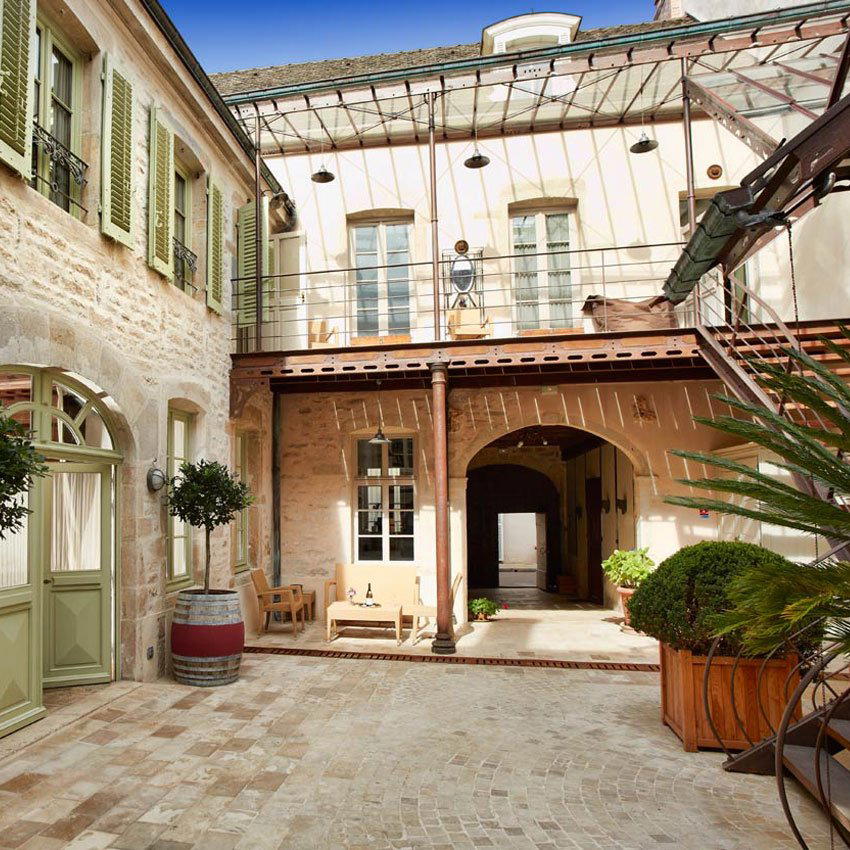
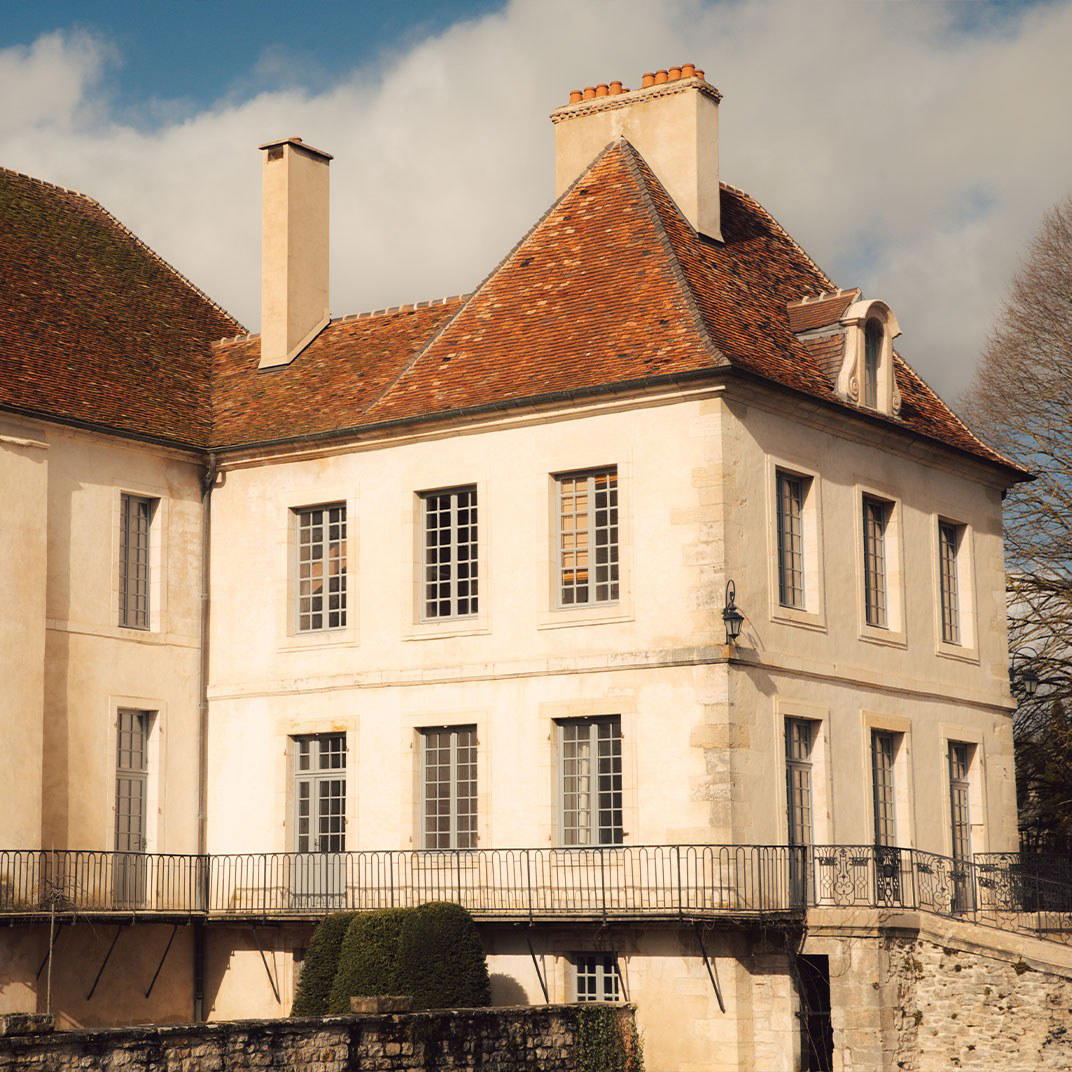
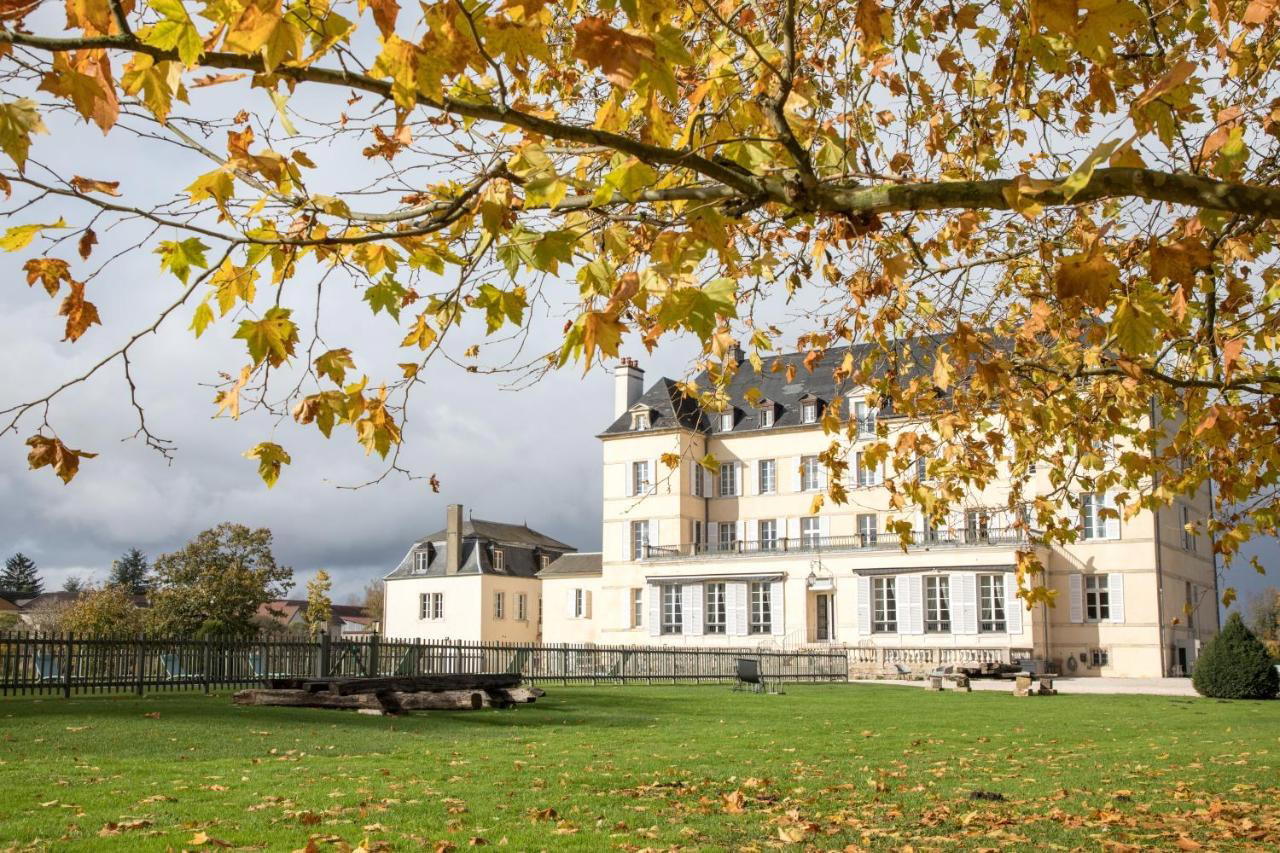
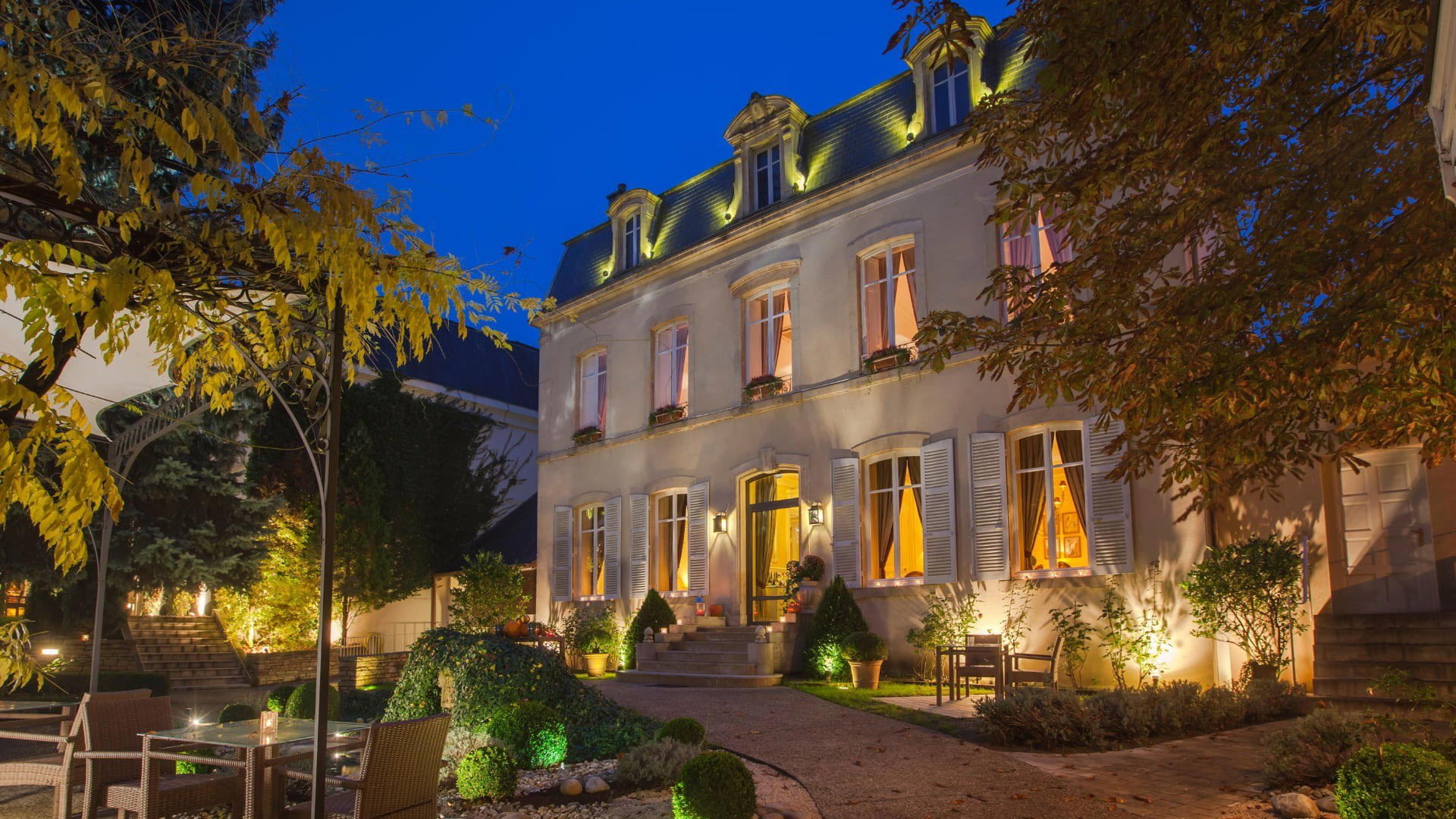
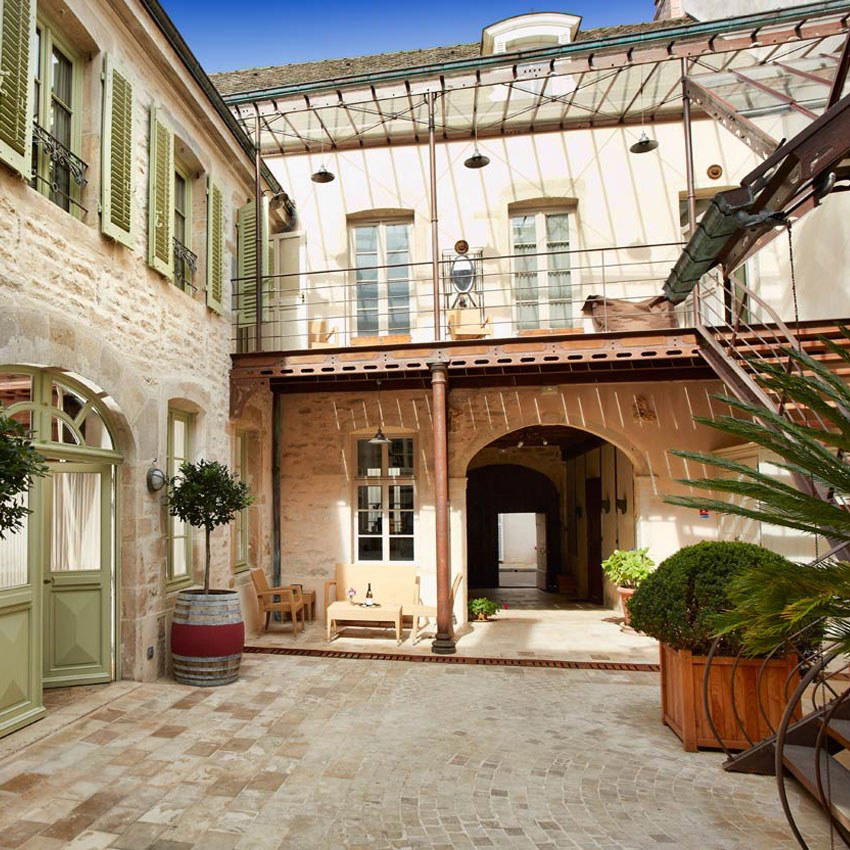
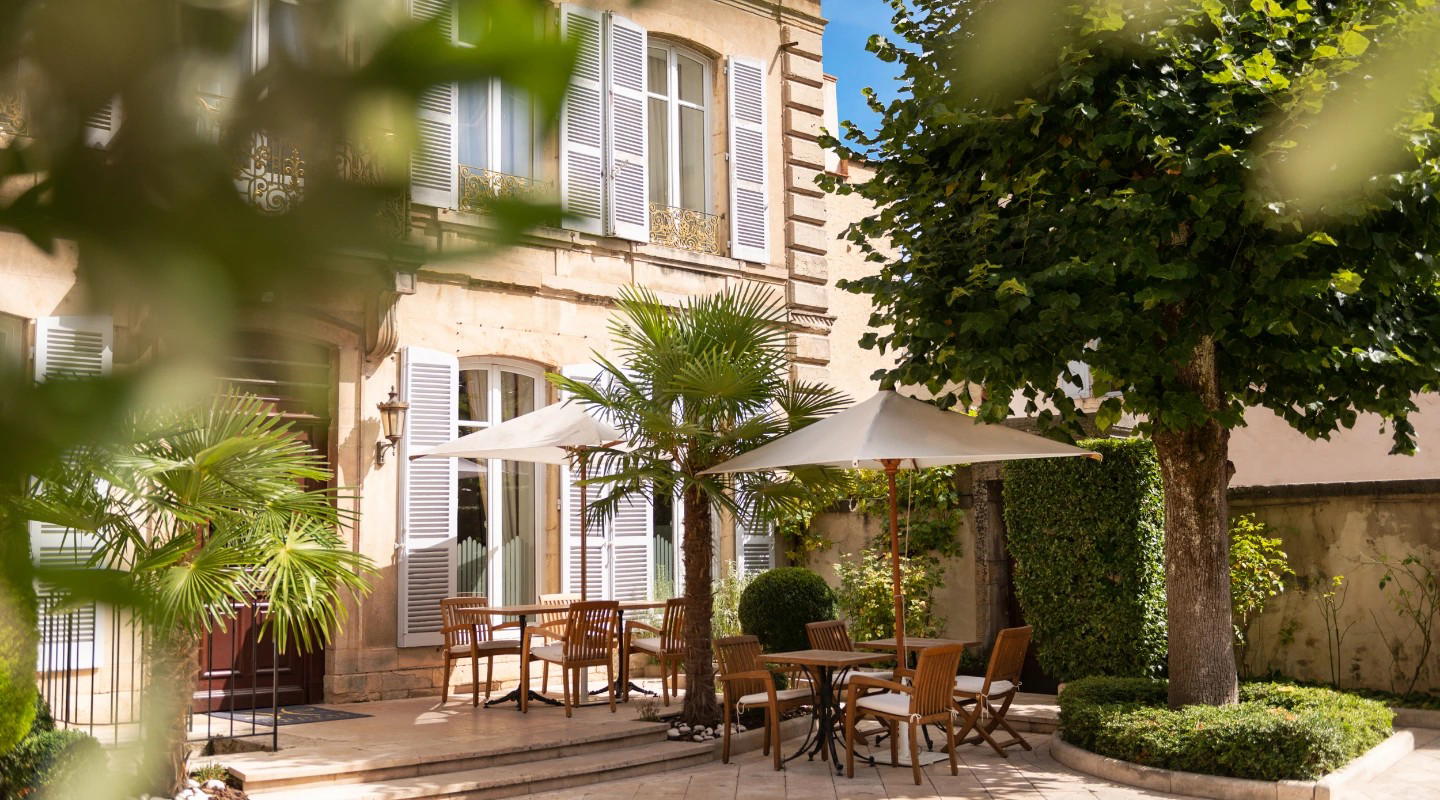
Traditional Burgundian estate atmosphere with refined, elegant surroundings reflecting centuries of winemaking heritage and commitment to terroir expression.