Lipari sits in the Aeolian archipelago off Sicily's northeastern coast, where volcanic geography and a slow-paced island culture shape how locals and visitors drink and eat. The bar scene here operates on a different frequency from mainland Italy, with aperitivo culture filtered through Sicilian ingredients, Aeolian wines, and the particular rhythm of an island that takes its time. See our full guide for where to drink well on the island.

Pearl is the En Primeur Club membership app — saves, bookings, and concierge access live there. Same editors, same standards.
- Address
- 98050 Lipari, Metropolitan City of Messina, Italy
- Phone
- +39 339 329 9029
- Hours
- Mon–Thu 6:30 PM–12 AMFri–Sat 6:30 PM–1 AMSun 6:30 PM–12 AM
- Website
- ilgiardinodilipari.com
- Directions
- Get directions
Drinking on an Island That Sets Its Own Clock
The Aeolian Islands operate at a remove from the Italian mainland in ways that go beyond the ferry crossing from Milazzo. On Lipari, the largest of the seven islands in the Metropolitan City of Messina, bar culture has not followed the same trajectory as the high-technique cocktail programs that now define the premium tier in Rome or Milan. Where Drink Kong in Rome or 1930 in Milan position themselves through technical rigor and format discipline, Lipari's drinking culture is shaped by geography, seasonality, and the logic of an island economy that swells in summer and contracts sharply between October and April.
That is not a limitation. It is a context that produces a different kind of drinking experience, one where the local raw material, the aperitivo ritual, and the open-air setting carry more weight than any single cocktail's construction. Understanding this before you arrive is the difference between disappointment and discovery.
What the Aeolian Ingredient Base Offers
Sicily and the Aeolian Islands sit in the middle of a pantry that mainland Italian bartenders pay significant sums to access. Malvasia delle Lipari, the amber-hued passito wine produced from grapes grown in volcanic soil on Lipari and the surrounding islands, is one of the more characterful sweet wines in Italian production and appears regularly as a base or modifier in the island's more considered aperitivo formats. Capers from Salina, citrus from the wider Sicilian mainland, and local herbs provide a flavor register that bartenders in cities like Florence or Naples, however skilled, have to import.
This ingredient proximity is the structural advantage Lipari holds over technically superior programs elsewhere. A Negroni built with Malvasia in place of sweet vermouth, or a long drink using local citrus and a splash of volcanic mineral water, does something that the clarified and centrifuged drinks at Gucci Giardino in Florence cannot replicate: it tastes of where it was made. That specificity of place is the Aeolian bar scene's strongest editorial argument.
The Aperitivo Format Here
Across southern Italy, the aperitivo hour operates with more flexibility than in the north. In Naples, L'Antiquario has built a program around vintage spirits and considered cocktail architecture, placing itself in a different tier from the city's casual bar culture. Lipari has no equivalent single address at that level, but the aperitivo culture that runs through the island's main harbor bars and terrace spaces in the Via Garibaldi and Corso Vittorio Emanuele areas offers a version of the ritual that is genuinely tied to place and time of day in a way that urban programs sometimes lose.
The format typically involves a Campari-based drink or a local wine pour alongside small plates of Aeolian antipasto: olives, capers, pickled vegetables, and occasionally bruschetta with local ingredients. The food element of the aperitivo is taken seriously here in a way that reflects Sicilian hospitality more broadly. It is less curated than the bar-snack programs at addresses like Al Covino in Venice, but it is grounded in a different kind of generosity.
Seasonality Is Not a Detail, It Is the Structure
Lipari's bar and restaurant scene is one of the more seasonally concentrated in the Mediterranean. The island's population of roughly ten thousand residents sees visitor numbers multiply several times over between June and August, and a significant portion of bars and restaurants operate exclusively during that window. Visiting outside peak season, from late September through May, means a smaller selection of open addresses but a fundamentally different atmosphere: quieter streets, longer conversations with bar staff, and a pace that feels closer to how the island actually lives.
This seasonal rhythm places Lipari in a different planning category from year-round destinations like Fauno Bar in Sorrento or the thermal spa bars around Cascate del Mulino in Manciano, both of which operate across a longer annual arc. For Lipari, checking whether a specific address is open before traveling is not precautionary advice but a structural requirement of trip planning.
How Lipari Sits in the Wider Italian Bar Context
Italy's serious cocktail scene has concentrated in a handful of northern and central cities. The recognition structure, whether Michelin bar coverage, Tales of the Cocktail nominations, or placement in international lists, reflects programs in Milan, Rome, Florence, Turin, and to a lesser extent Naples. Bistrot Torrefazione Samambaia in Turin and Enoteca Storica Faccioli in Bologna represent the kind of specialist, format-driven bar culture that earns that recognition. Lipari does not compete in that tier, and framing it as though it should is a category error.
The better comparison set for Lipari's bar culture is the Mediterranean island drinking scene more broadly: slow, ingredient-led, aperitivo-centered, and shaped by tourism rhythms. Lost and Found in Nicosia offers a point of contrast: a capital-city cocktail program with technical ambition operating in a similarly small national market. Lipari is doing something else entirely, and the reader who arrives expecting that kind of program will miss what the island actually offers.
For the traveler who drinks with curiosity rather than precision, Lipari provides an aperitivo culture rooted in volcanic-island ingredients, a wine tradition in Malvasia delle Lipari that has no mainland equivalent, and a setting where the Tyrrhenian light at six in the evening does more work than any back bar decoration could. See our full Lipari restaurants guide for a complete picture of where to eat and drink across the island. And for comparison, Bar Leather Apron in Honolulu shows how another island-context bar program can achieve real technical ambition within a geography-defined ingredient base, which is the direction Lipari's more ambitious addresses may eventually pursue.
Planning Your Visit
Lipari is reached by hydrofoil or ferry from Milazzo on Sicily's northeastern coast, with crossing times running from approximately 55 minutes by hydrofoil. The main town's bar and aperitivo addresses are concentrated along the harbor front and the main pedestrian corso, making navigation on foot direct. Peak season, July and August, brings the widest selection of open addresses and the most animated harbor atmosphere, but also the highest accommodation prices and the busiest ferries. Late June and early September offer a workable middle position between access and crowd density.
Side-by-Side Snapshot
Comparable venues nearby, for context on price, style, and recognition.
| Venue | Cuisine | Price | Notes |
|---|---|---|---|
| LipariThis venue — the venue you are viewing | cocktail_bar | Not listed | Not listed |
| Ocra Bar | hotel_bar | Not listed | Centro |
| Ally’s Bar | cocktail_bar | $30–50 | Montenapoleone |
| Forte Vita Bar | hotel_bar | Not listed | Fashion District |
Continue exploring
More in Lipari
Bars in Lipari
Browse all →
Restaurants in Lipari
Browse all →
Hotels in Lipari
Browse all →


Details
- Lively
- Late Night
- Casual Hangout
- Live Music
- Garden
- Outdoor Terrace
- Classic Cocktails
Current opening hours
- Monday
- 6:30 PM–12 AM
- Tuesday
- 6:30 PM–12 AM
- Wednesday
- 6:30 PM–12 AM
- Thursday
- 6:30 PM–12 AM
- Friday
- 6:30 PM–1 AM
- Saturday
- 6:30 PM–1 AM
- Sunday
- 6:30 PM–12 AM
Hours can change for holidays and private events. Last verified .
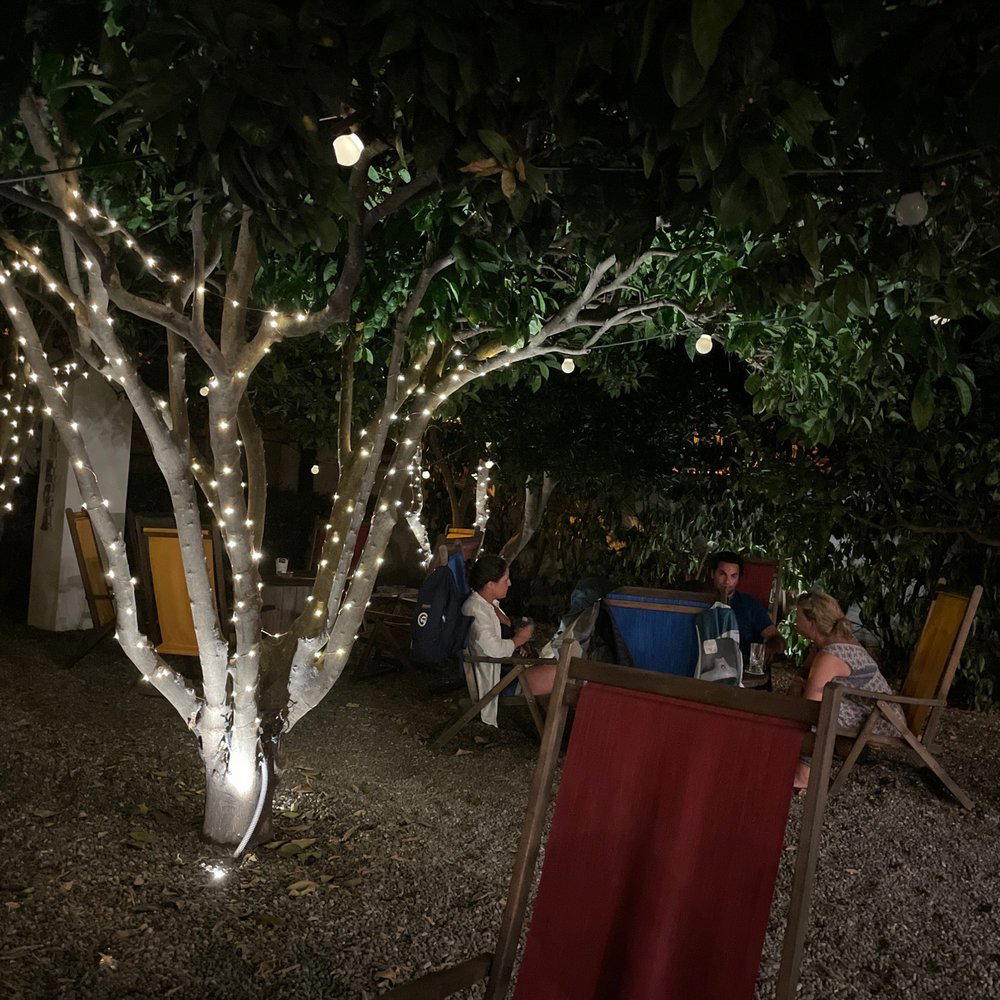
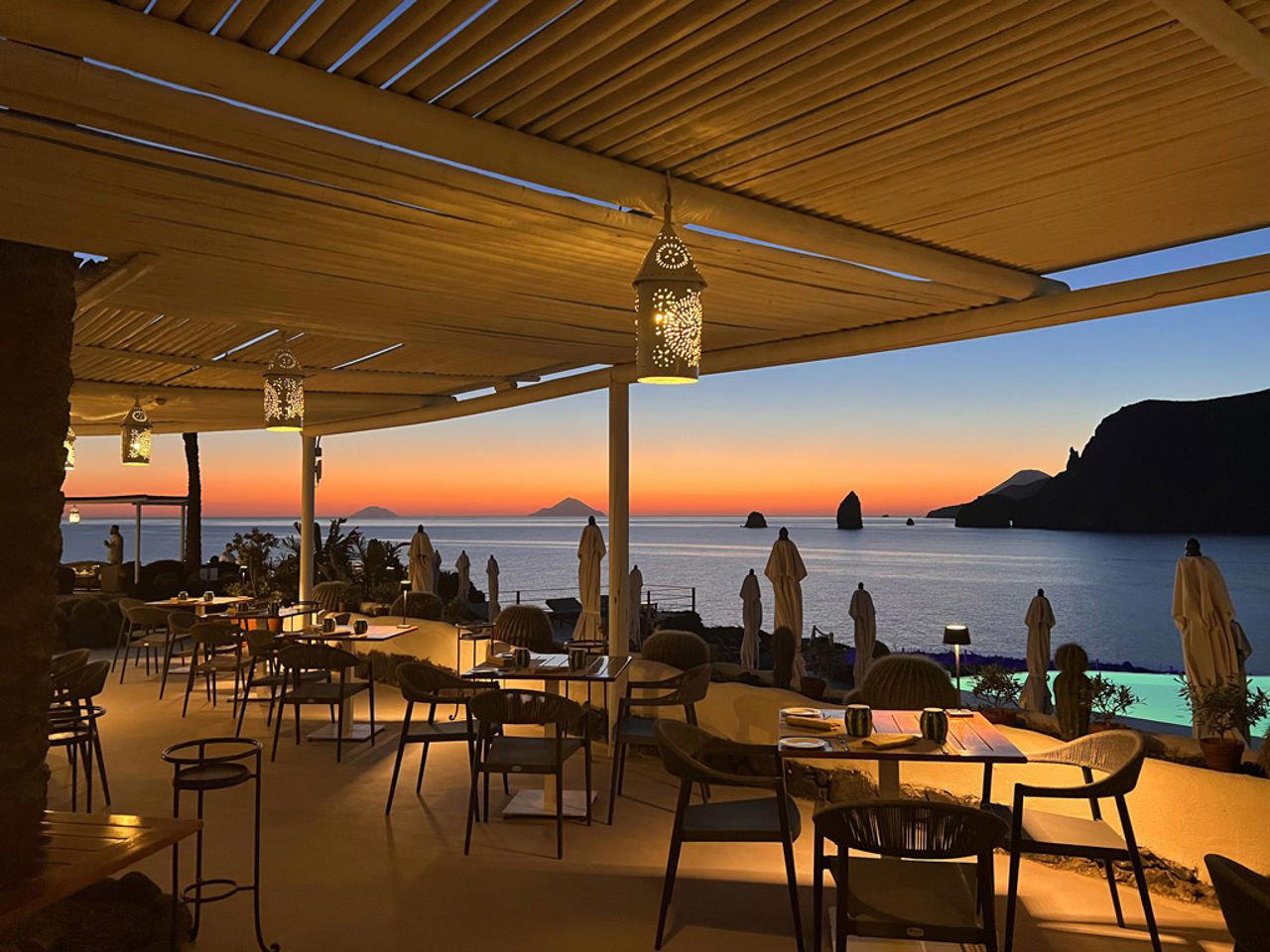
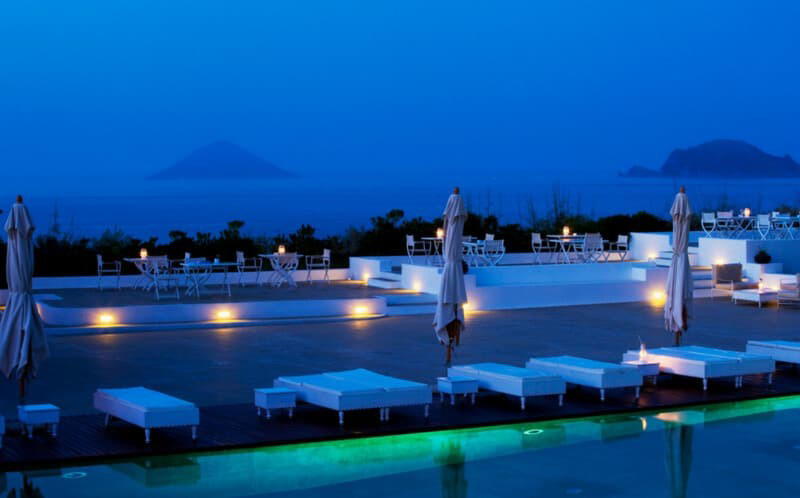
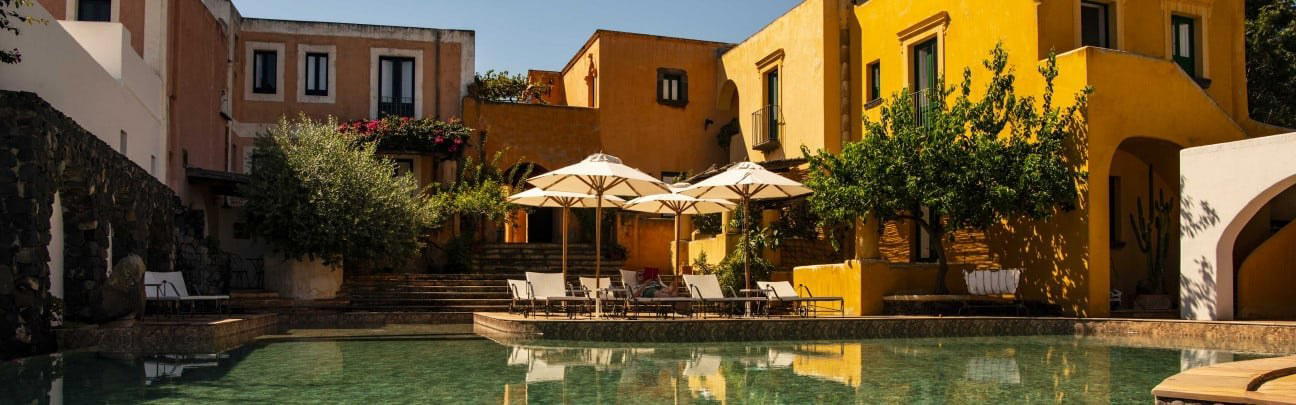
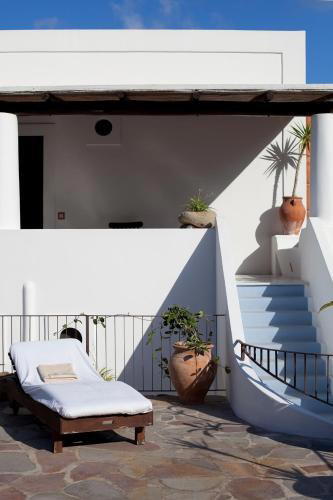
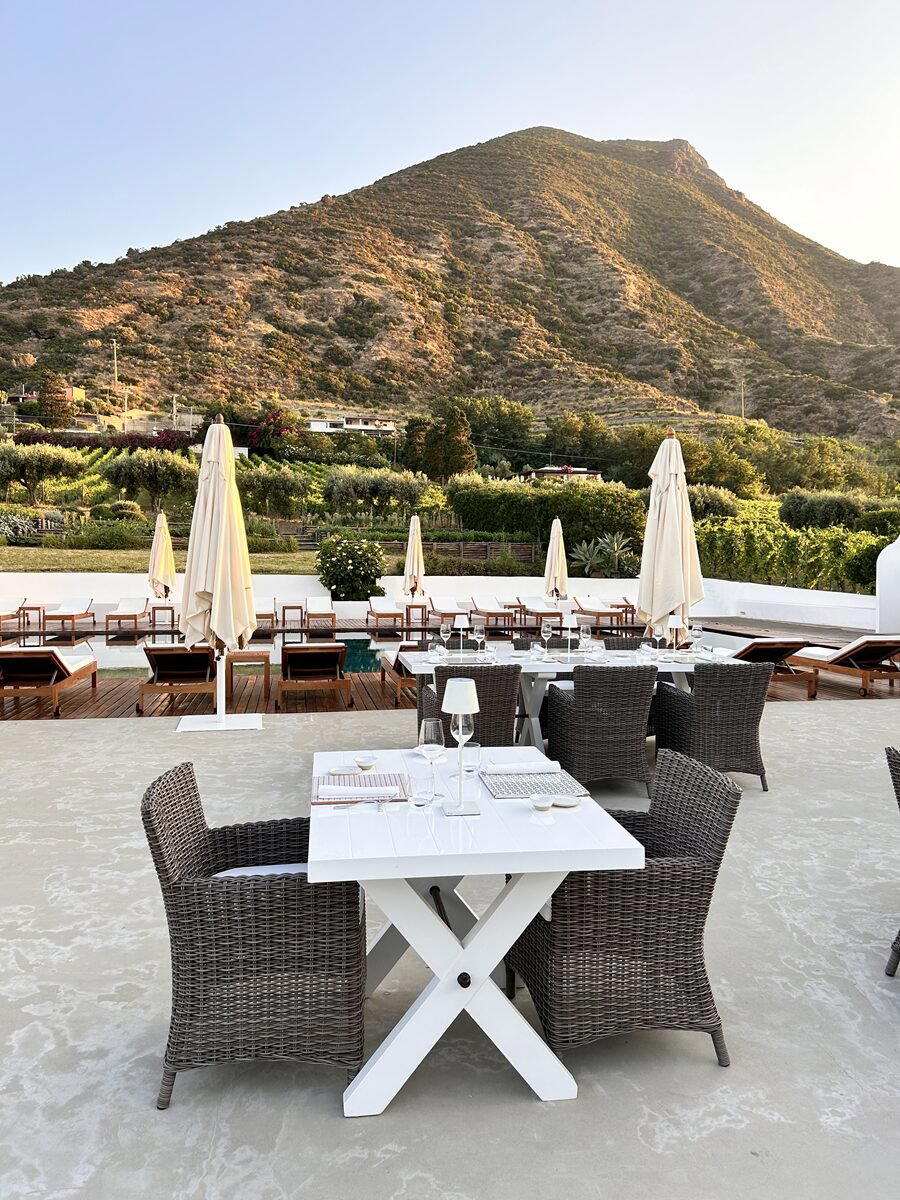
Pretty outdoor garden with great ambiance and live music.