
A Michelin Selected property in the medieval hill village of Savoca, Lemon House sits at an address that signals retreat from Sicily's more trafficked coastal circuits. The setting draws travellers who prioritise architectural character and village quiet over resort amenity density. For northeastern Sicily, it occupies a niche between agriturismi and the island's larger luxury hotel tier.
Pearl is the En Primeur Club membership app — saves, bookings, and concierge access live there. Same editors, same standards.
- Address
- Via Rina, 78, 98038 Savoca ME, Italy
- Phone
- +39 333 304 2234
- Website
- lemonhouse.it
 Saves & bookings on Pearl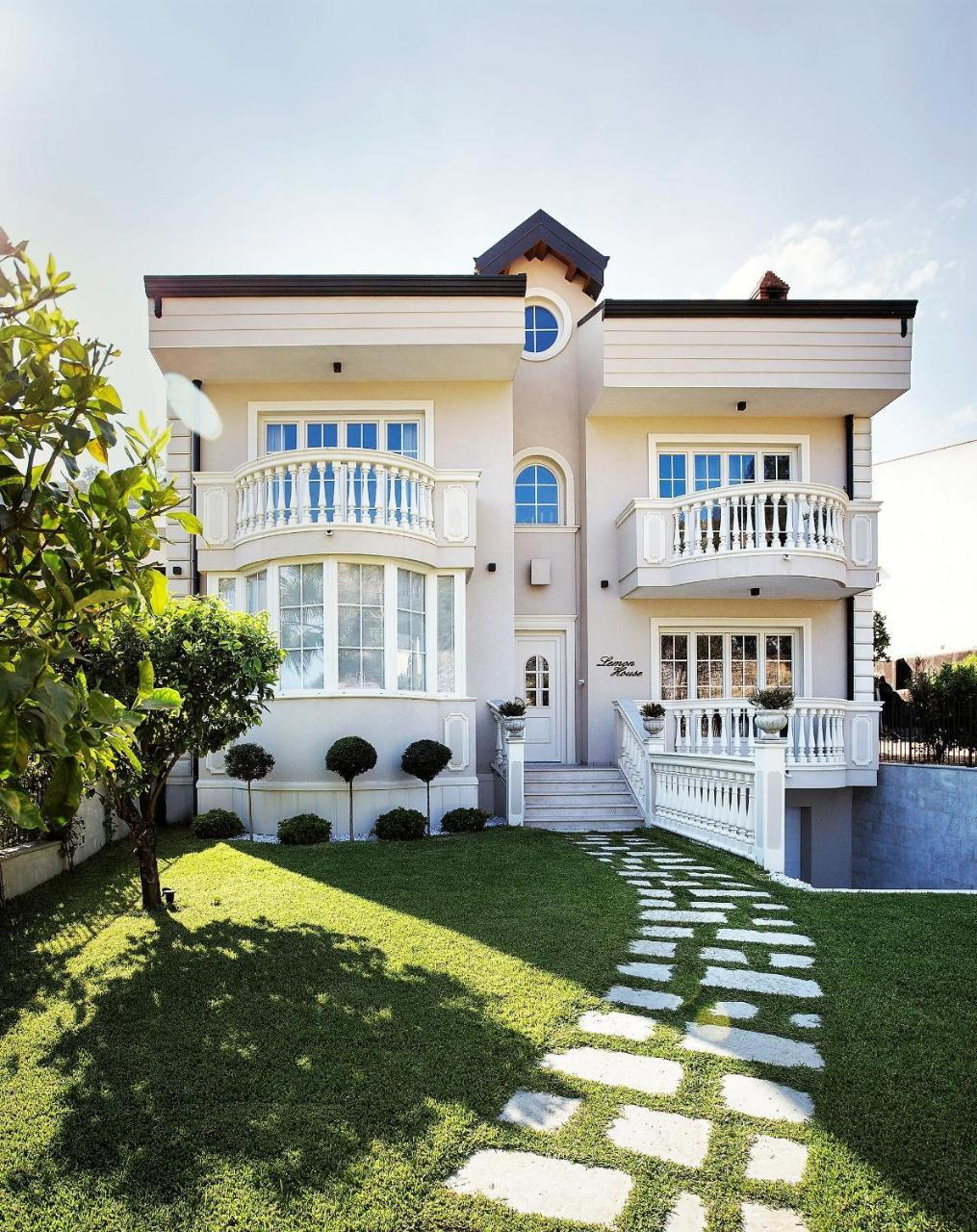
Stone, Citrus, and the Architecture of Sicilian Hill Village Stays
Arriving at Via Rina Superiore 78/A in Savoca requires a commitment most resort itineraries never ask for. The road climbs away from the Ionian coastline into the Peloritani foothills, past terraced groves and the kind of agrarian stonework that predates the tourism economy entirely. Savoca itself is one of the better-preserved medieval hill villages in northeastern Sicily: a tight cluster of Norman-era church towers, narrow lanes, and domestic architecture that has changed slowly enough to feel coherent rather than restored. Lemon House sits inside that fabric. The address is the first design statement the property makes.
Small-scale accommodation in villages of this character tends to split between two modes: properties that have been modernised out of their historical context, and those where the physical structure is the primary offering. Lemon House's Michelin Selected recognition in the 2025 guide signals it belongs to the second category. Michelin's hotel selection process weighs setting integration, character, and quality of welcome alongside physical finish, and a village property in Savoca earning that recognition is a meaningful signal about how the space relates to its surroundings rather than how far it has distanced itself from them.
What the Physical Setting Actually Means
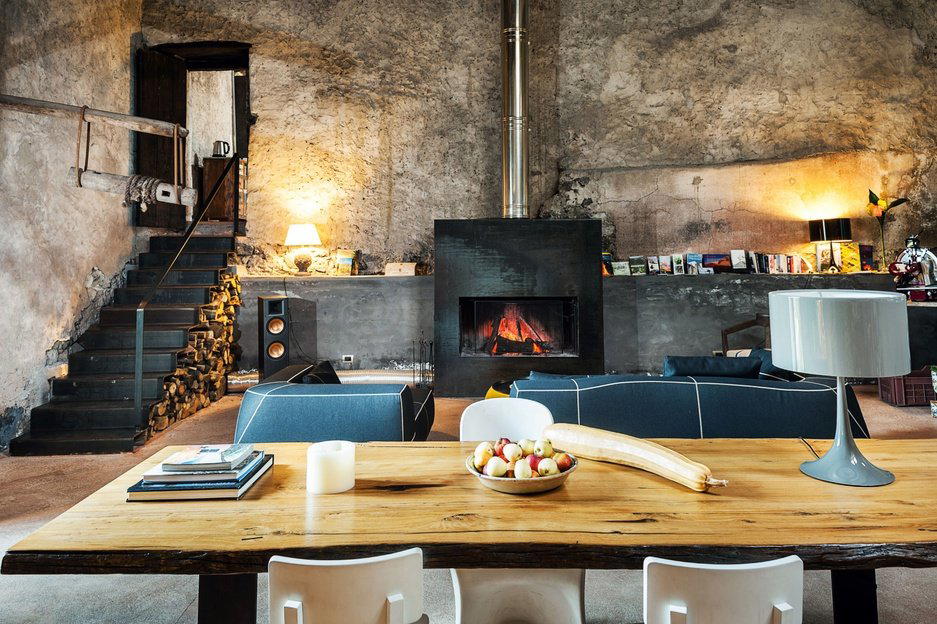
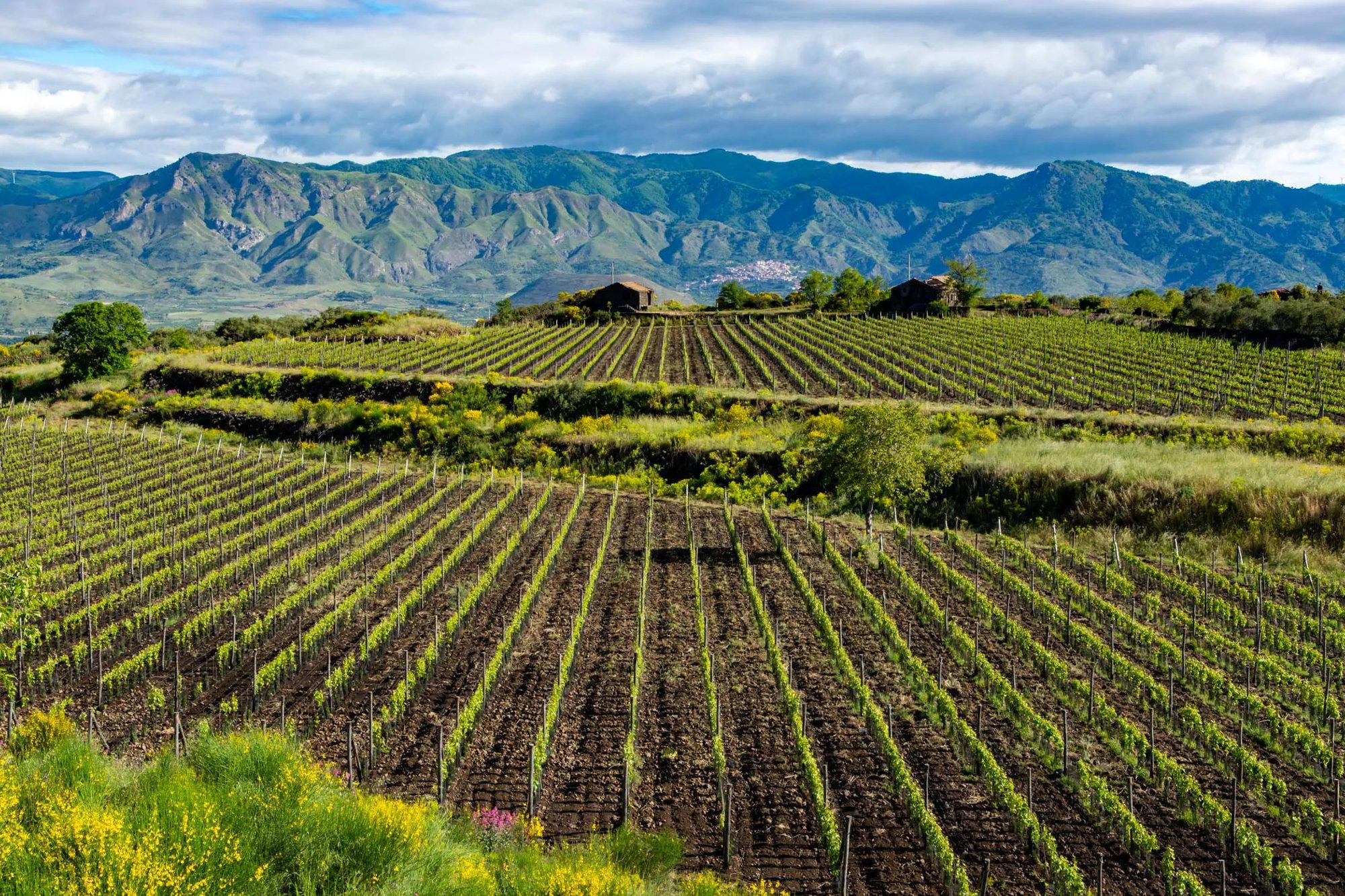
The architecture of Sicilian hill towns is shaped by centuries of defensive logic, agricultural use, and Mediterranean building materials: thick limestone walls, small apertures that manage heat, internal courtyards, and shaded terraces oriented toward whatever breeze the elevation provides. Properties working within this tradition tend to have rooms with irregular proportions, stone detailing that resists the uniformity of new-build hotels, and outdoor spaces that are functional rather than decorative. The lemon groves referenced in the name are not incidental. Citrus cultivation in the Messina province goes back to Arab agricultural influence in the medieval period, and a property using that reference is situating itself within a specific and legible landscape tradition.
This contrasts meaningfully with how larger Sicilian coastal properties handle design. The island's more prominent luxury tier, particularly along the western coast and the area around Taormina, tends toward pool-and-terrace maximalism, international finish standards, and a certain deliberate distance from vernacular architecture. Lemon House, at its Savoca address, operates from the opposite premise: the village is the design context, not a backdrop to be aestheticised from a distance.
For travellers comparing options across Italy's smaller boutique tier, this positions Lemon House in a comparable set closer to properties like Corte della Maestà in Civita di Bagnoregio or Castel Fragsburg in Merano, where the physical and historical character of the location is the primary differentiator, rather than against the resort-format properties that dominate Sicily's coast. It bears little comparison with larger Italian flagship stays such as Four Seasons Hotel Firenze or Bulgari Hotel Roma, which operate at a different scale and price logic entirely.
Savoca as a Location Decision
Savoca sits roughly 25 kilometres north of Taormina, which anchors the northeastern Sicilian tourist circuit. The village gained a degree of international recognition as a filming location for Francis Ford Coppola's The Godfather in 1971, specifically the Bar Vitelli scenes, a fact that brings a steady trickle of cultural tourists up the hill. That history has not materially altered the village's character in the way that heavy tourist infrastructure tends to, partly because the access road and small scale of Savoca naturally limit volume.
The surrounding area offers access to the Alcantara River gorge to the southwest, the Peloritani mountain trails above, and the Ionian coast below, including Taormina's Teatro Antico and the beaches at Giardini Naxos. A car is necessary for all of it. Staying in Savoca rather than in Taormina or on the coast is a deliberate choice to trade convenience and restaurant density for quiet and physical setting. It is a calculation that suits a certain kind of traveller: those prioritising place over programming, and architectural character over amenity count.
For context on the broader Sicily island stay category, the Aeolian island properties offer a comparison point. Therasia Resort in Lipari operates in a similar vein of landscape-led accommodation, though its island setting and scale differ from Savoca's landlocked village character. On the Italian mainland coast, properties like Borgo Santandrea on the Amalfi Coast and Il San Pietro di Positano occupy the larger-scale, sea-view-focused end of southern Italian boutique stays, which sharpens the contrast with what Savoca's hill village positioning actually offers.
Planning Practical Details
Lemon House is located at Via Rina Superiore 78/A, Savoca, Sicily. The Michelin Selected status in the 2025 guide is the primary external validation available for this property. Lemon House has four rooms, a smart casual dress code, and reservations are recommended. The nightly rate is about $260. Given Savoca's limited accommodation inventory, planning well ahead of peak Sicilian summer season (July through August) is a reasonable assumption. Spring (April through June) and early autumn (September through October) offer more moderate temperatures and lower visitor pressure across northeastern Sicily generally, and both windows suit the walking and driving itineraries that a Savoca base supports.
Travellers arriving via Catania Fontanarossa airport, the primary gateway for this corner of Sicily, face roughly an hour's drive north along the A18 motorway before turning inland toward Savoca. Taormina, with its greater range of restaurants and transport connections, functions as the natural day-trip anchor for guests staying in the village.
Travellers building a wider Italian itinerary that moves between village-scale and city-scale properties might also consider Casa Maria Luigia in Modena, Passalacqua in Moltrasio, or Rosewood Castiglion Del Bosco in Montalcino as reference points for how the country's smaller character-led properties sit relative to its flagship hotel tier.
In Context: Similar Options
Comparable venues nearby, for context on price, style, and recognition.
| Venue | Cuisine | Price | Awards | Notes |
|---|---|---|---|---|
| Lemon HouseThis venue — the venue you are viewing | Neoclassical English-style villa with contemporary comforts | $$$ | , | |
| Palazzo Previtera | 17th-century Sicilian palazzo functioning as a living museum of art and history | $$$ | , | Linguaglossa |
| Iuta Farm | Sustainable farmstay with glamping lodges and restored masseria suites | $$$ | , | Contrada Bochini |
| The Hoxton, Florence | Renaissance palazzo meets postmodern architecture | $$$ | , | Piazza della Libertà |
| Tenuta Cammarana | Historic 18th-century neo-baroque farmhouse elegantly restored as an aristocratic country retreat. | $$$$ | , | Ragusa Ibla |
| Relais Le due Matote | Restored 17th-century farmhouse blending heritage with discreet luxury | $$$$ | , | Bossolasco |
Continue exploring
More in Savoca
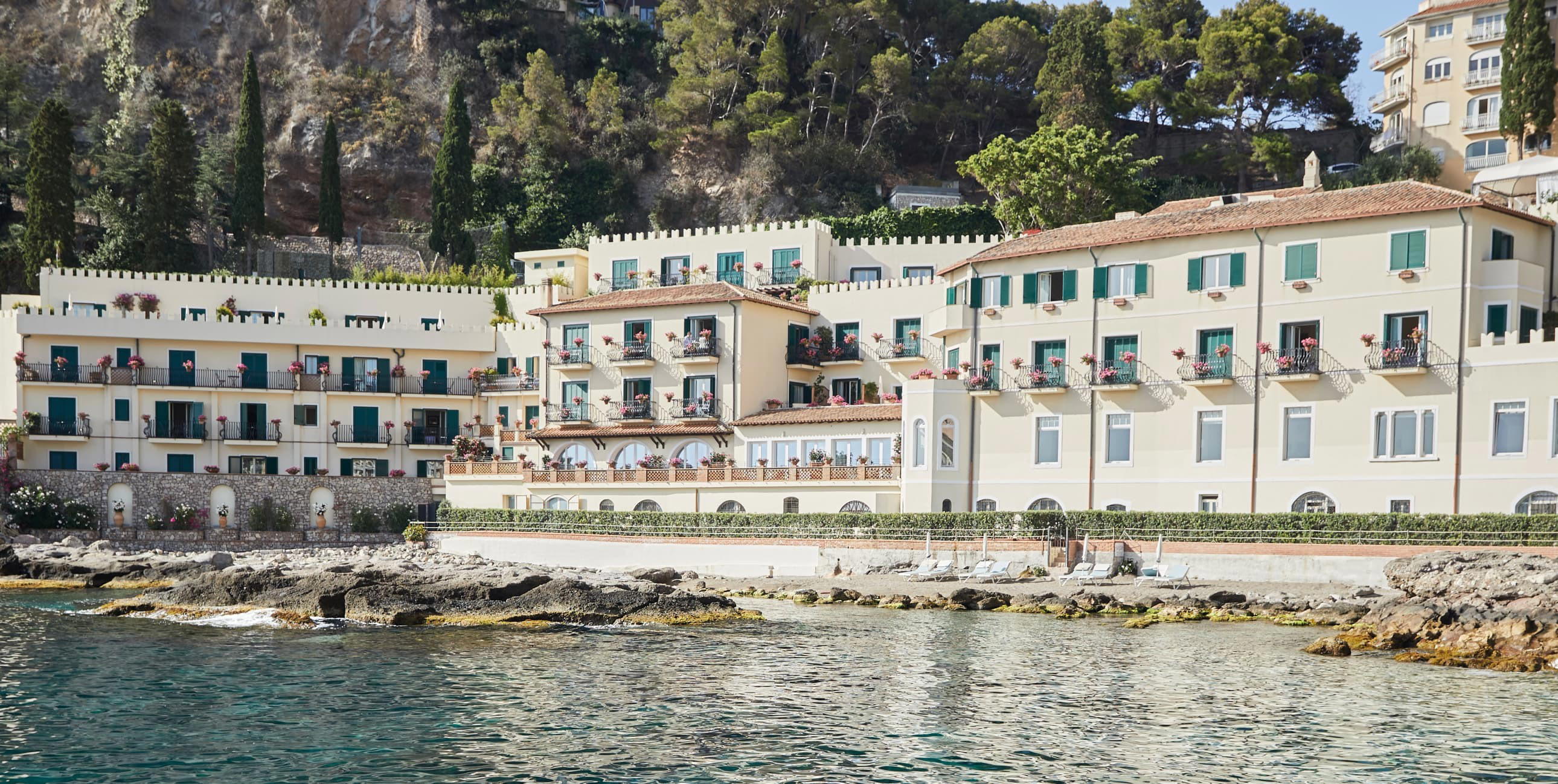
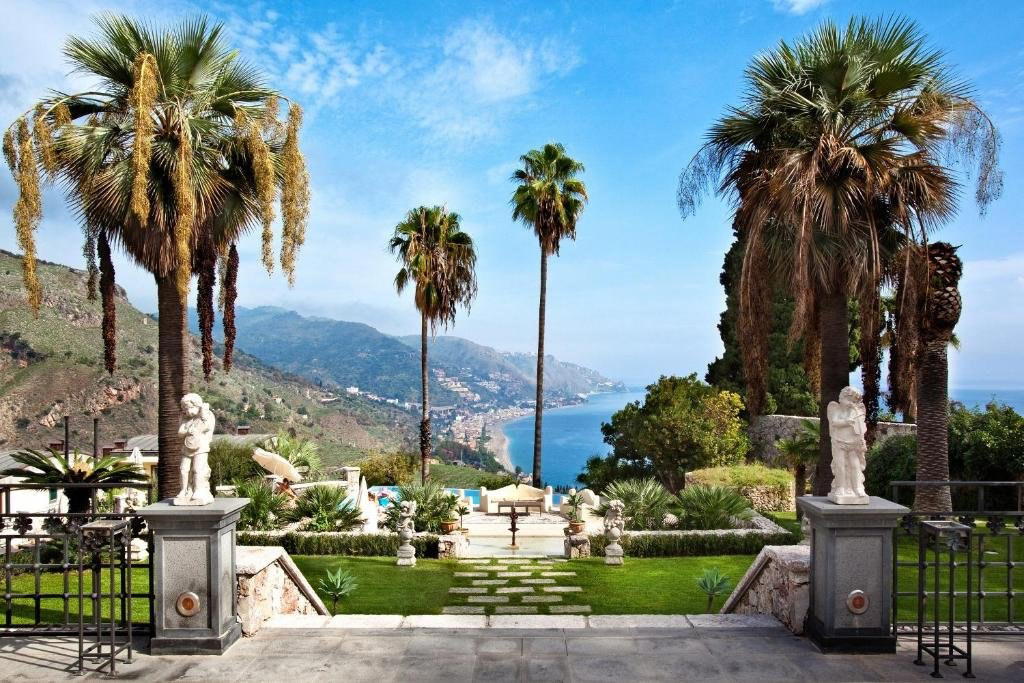
Hotels in Savoca
Browse all →
Bars in Savoca
Browse all →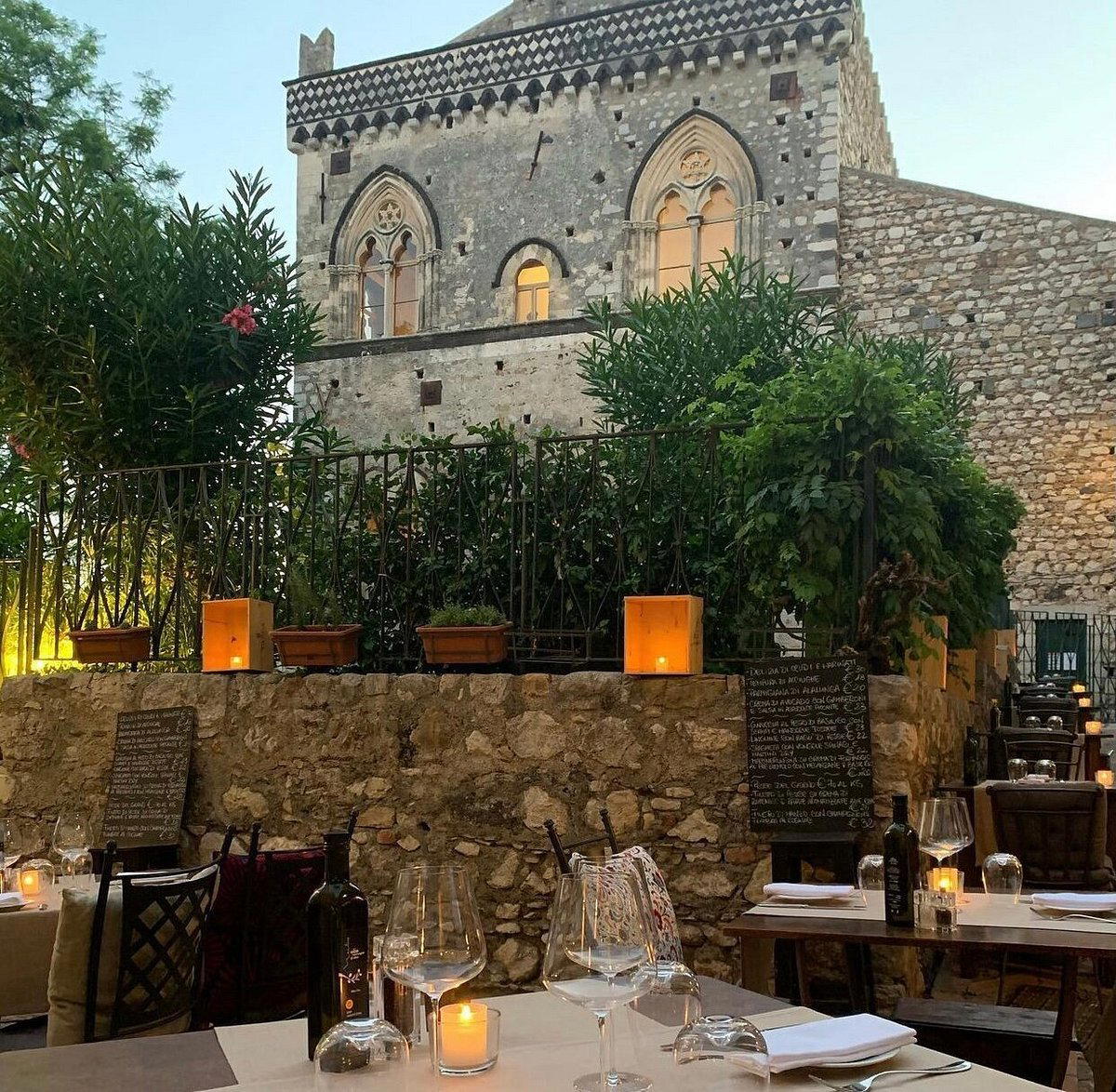
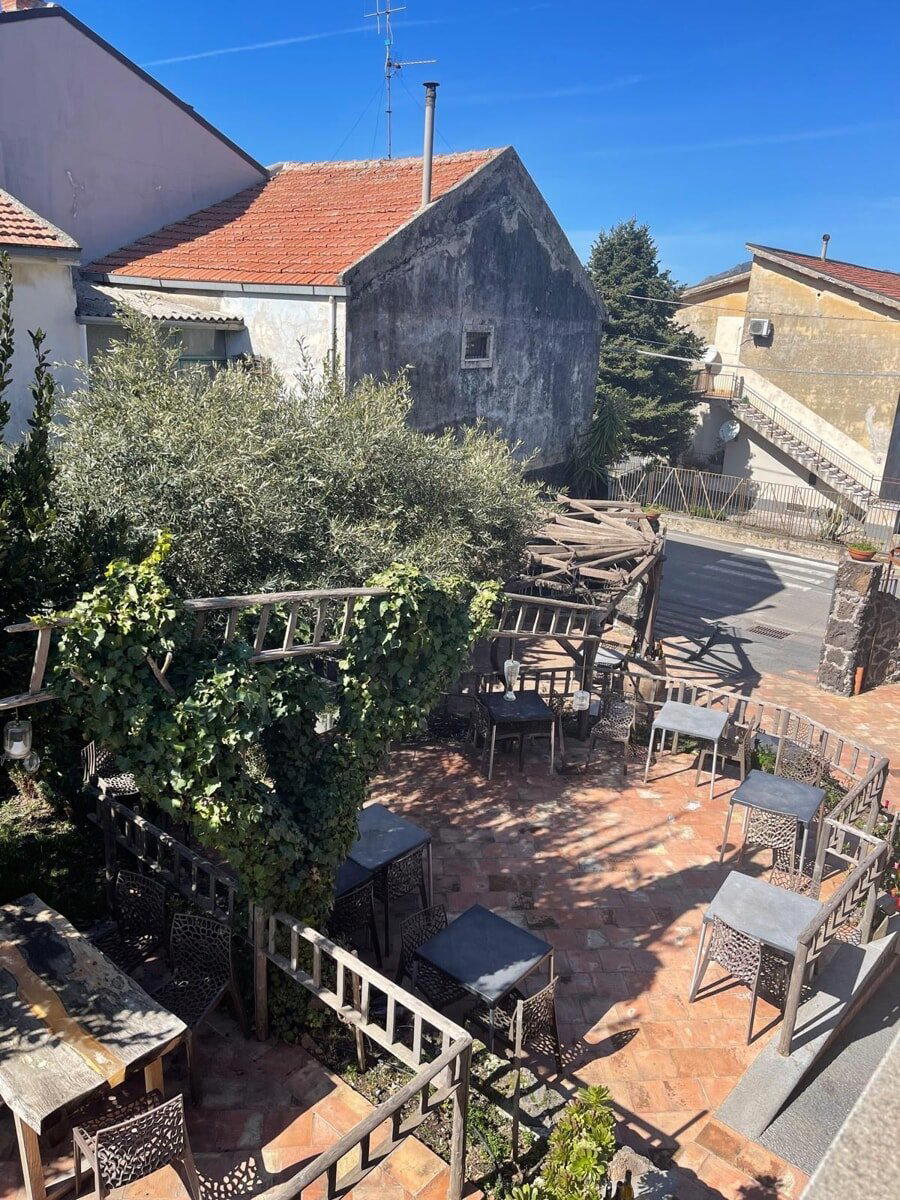
Restaurants in Savoca
Browse all →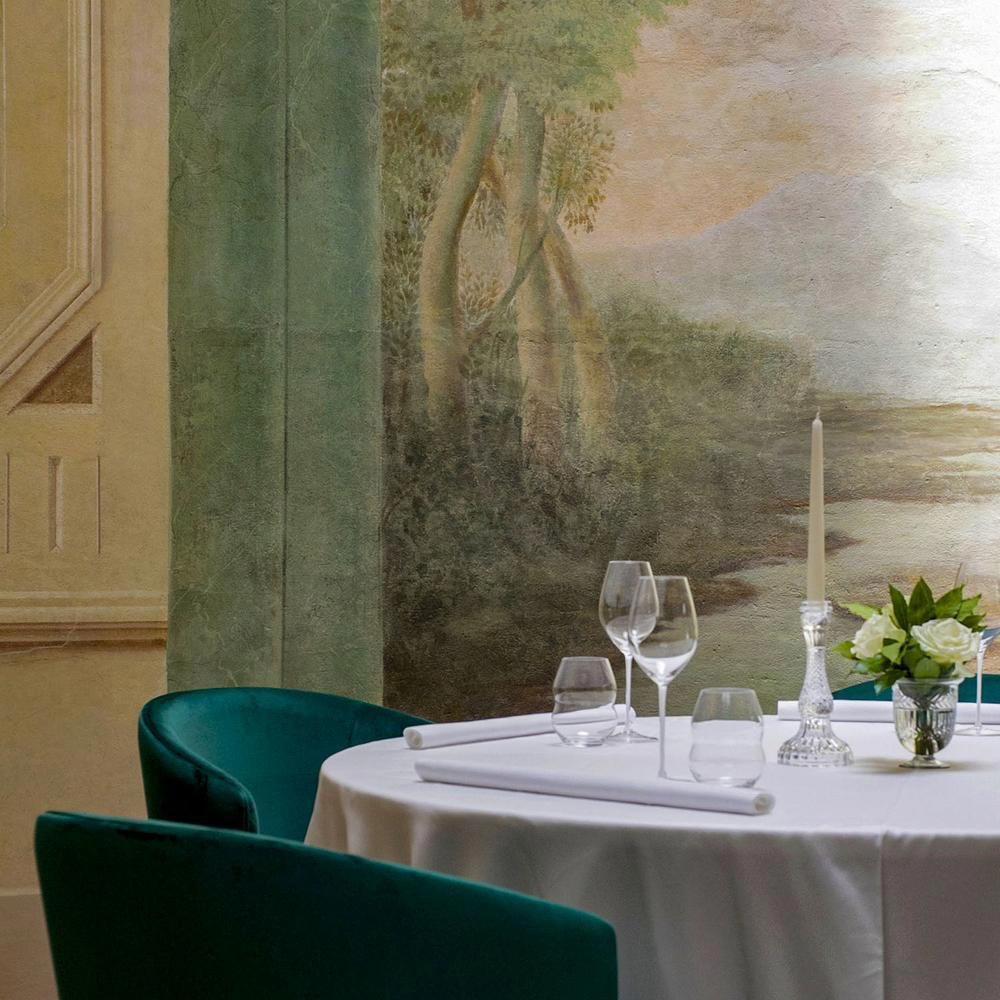


At a Glance
- Romantic
- Quiet
- Cozy
- Elegant
- Rustic
- Scenic
- Intimate
- Romantic Getaway
- Honeymoon
- Anniversary
- Weekend Escape
- Panoramic View
- Terrace
- Historic Building
- Garden
- Wifi
- Pool
- Air Conditioning
- Minibar
- Safe
- Breakfast
- Massages
- Hiking
- Garden
- Mountain
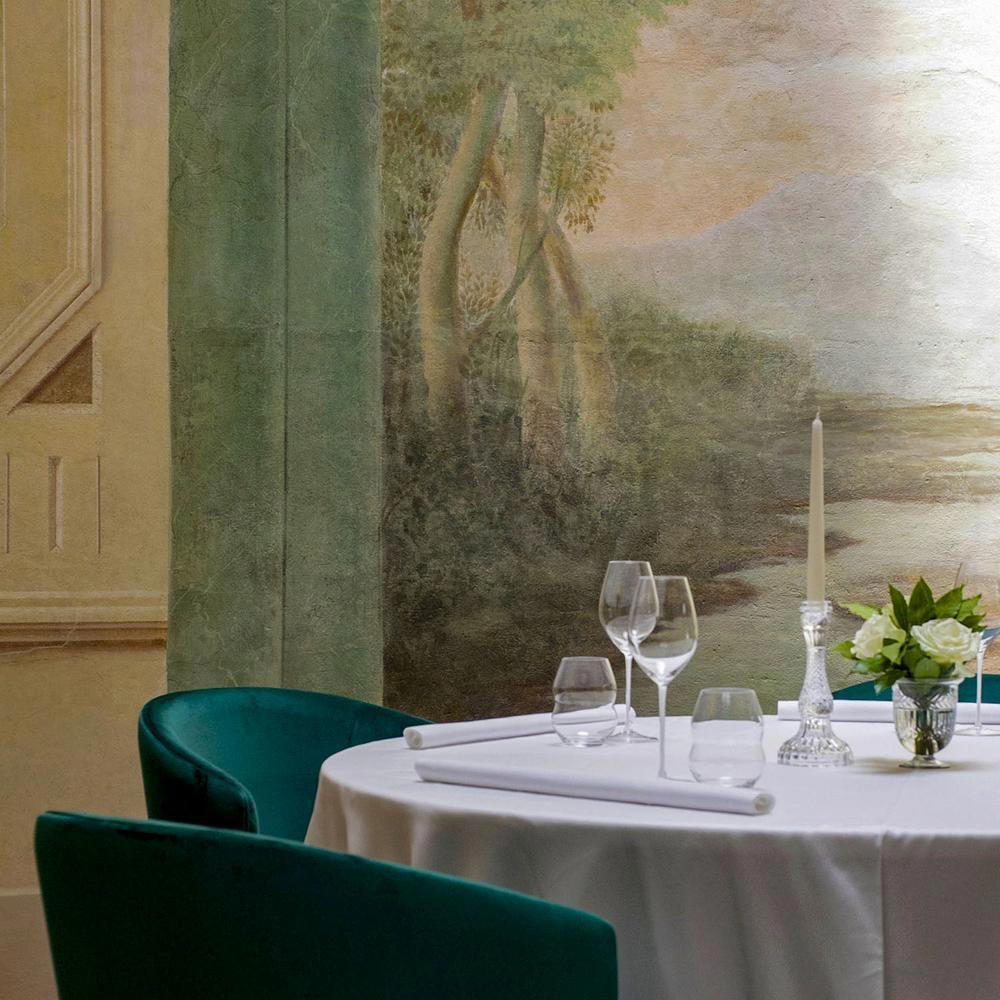
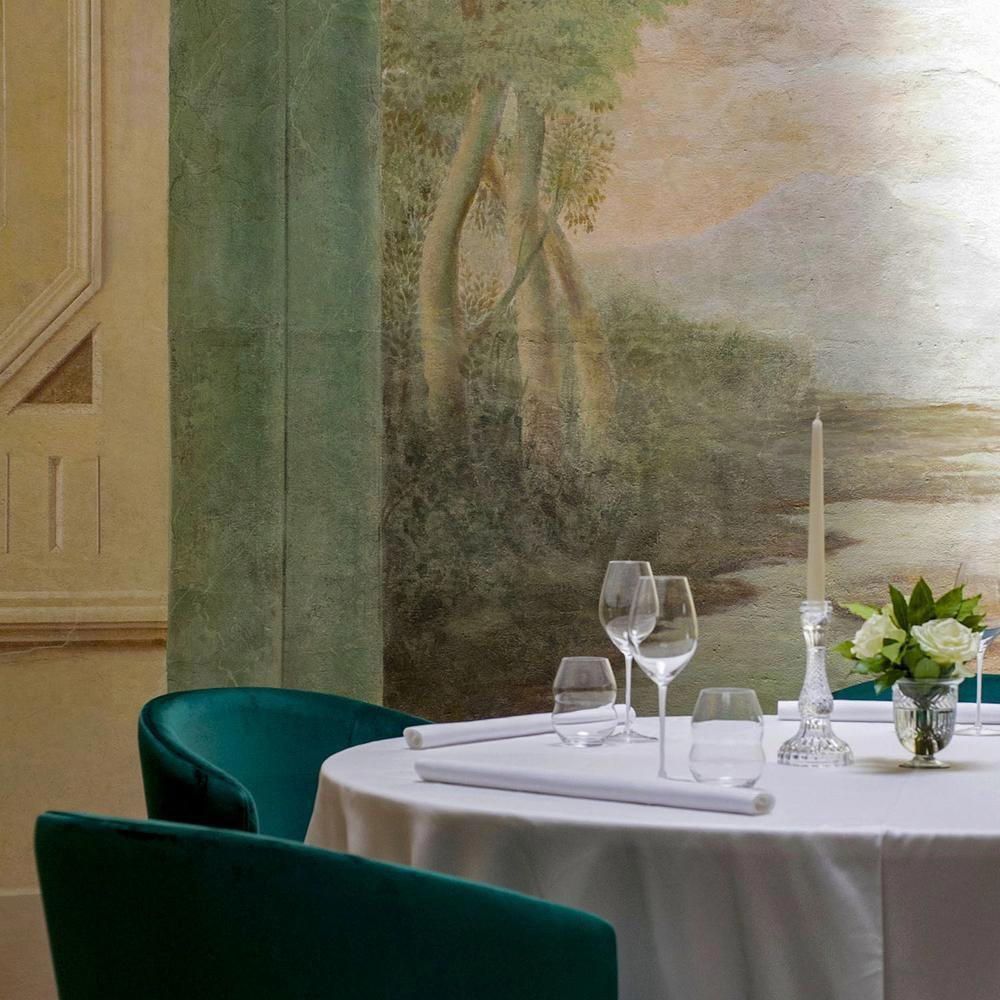
Warm, comfortable atmosphere with cosy wooden furniture, noble fabrics, warm colors, large windows catching valley light, elegant yet informal Sicilian hospitality in a peaceful countryside setting.