Château TrotteVieille

Falstaff Winery - Listed
The property draws a loyal following of collectors who return for the structured, age-worthy reds that characterise the appellation's plateau terroir. Plan visits around harvest season for the fullest expression of the estate's working rhythm.

Pearl is the En Primeur Club membership app — saves, bookings, and concierge access live there. Same editors, same standards.
- Address
- Trotte-Vieille, 33330 Saint-Émilion
- Phone
- +33 5 57 24 71 34
- Website
- borie-manoux.com
- Directions
- Get directions
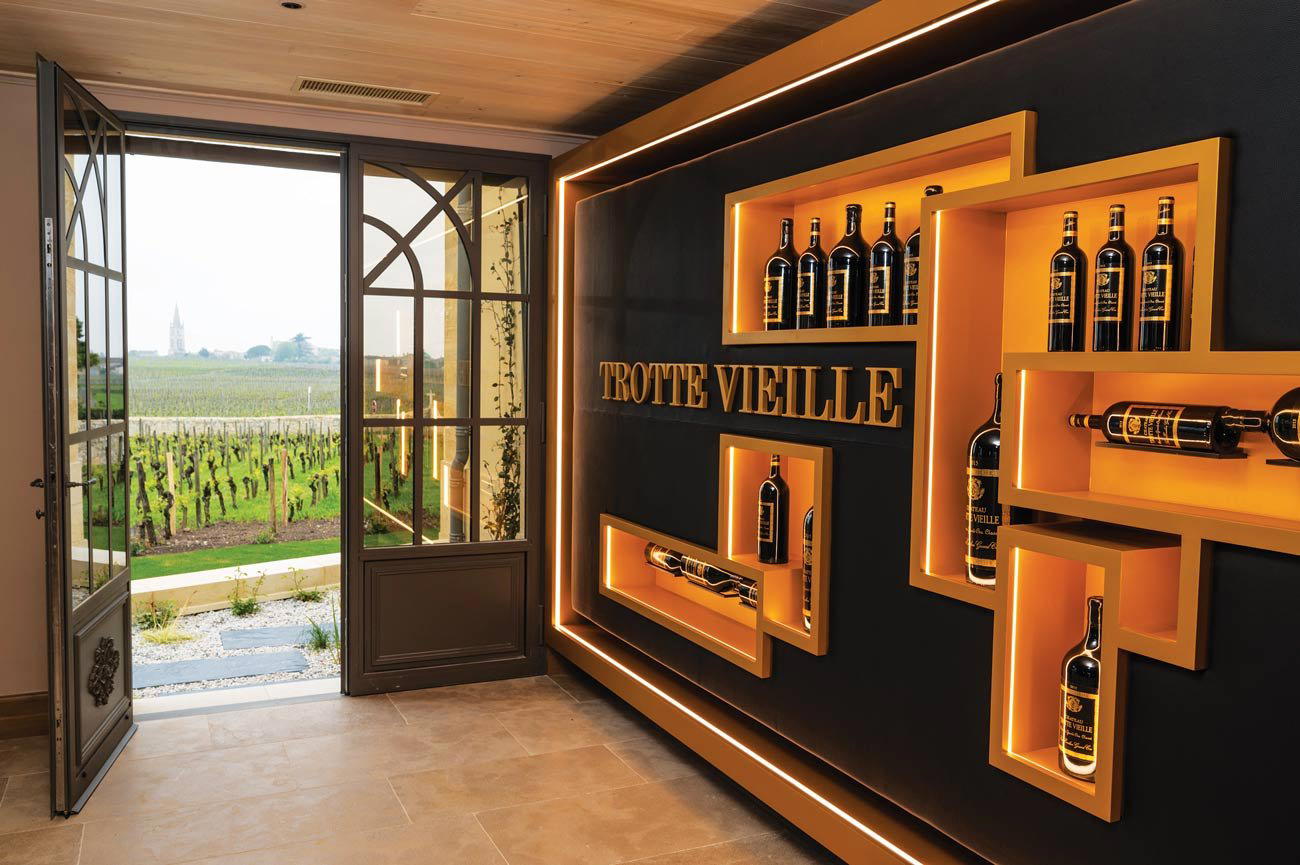
On the Limestone Plateau Above Saint-Émilion
The road that climbs out of Saint-Émilion's medieval centre toward the plateau carries you past a sequence of walled estates whose gates tell the story of the appellation's classification hierarchy. This is not a wine region organised around obvious landmarks or grand allées; the prestige here is geological, written into the limestone and clay beneath the vines rather than announced by architecture. Château TrotteVieille sits on that refined plateau, where the shallow topsoil over calcareous bedrock produces fruit with a structural backbone that distinguishes plateau wines from those grown on the softer soils descending toward the valley. For the collectors and négociants who return to this address year after year, the draw is precisely that consistency of terroir expression, a wine that reads as an argument for place rather than for intervention.
What the Regulars Already Know
Saint-Émilion's Premier Grand Cru Classé tier is divided between the rarefied 'A' classification held by a handful of properties and the broader 'B' tier, which still represents a meaningful selection from an appellation of several hundred châteaux. Within that 'B' group, estates on the plateau limestone occupy a distinct sub-category among serious buyers, one shaped by shared geology and a common tendency toward wines that close down in youth and reward patience. TrotteVieille belongs firmly to this cohort, and the collectors who track it across vintages tend to approach it with the same framework they apply to Château Clos Fourtet or Château Canon-la-Gaffelière: this is a wine to assess en primeur and revisit a decade later.
For those who have followed the property across multiple vintages, the rating is less a discovery than a formal articulation of something already understood. The practical consequence is increased allocation competition; those new to the property should expect that the most sought-after vintages move quickly through négociant channels.
Understanding TrotteVieille requires understanding how Saint-Émilion's geography sorts its producers. The plateau calcaire, the band of limestone running across the western portion of the appellation, is the source of wines with pronounced minerality and grip in their youth, wines that age on a longer arc than those from the côtes or the lower slopes. This geological argument is why buyers who collect Château Bélair-Monange or Château La Mondotte tend to treat TrotteVieille as part of the same conversation.
Across Bordeaux's right and left banks, the en primeur system rewards buyers who can read relative value within a classification tier rather than across the entire market. TrotteVieille's position in the Premier Grand Cru Classé B category places it well below the headline prices of the appellation's leading names, making it one of the addresses where serious collectors have historically found a more accessible entry point into plateau limestone wine. Comparable logic applies at Château Batailley in Pauillac or Château Branaire-Ducru in Saint-Julien, where classification standing and relative pricing create a similar dynamic on the left bank.
Seasonal Timing and the En Primeur Cycle
Saint-Émilion rewards visitors who time their arrival around the working calendar of the estates rather than the tourist season. The primeur tastings held each spring, typically in April, are when the professional trade and a broader circle of collectors converge on the appellation to assess barrel samples from the preceding harvest. For TrotteVieille specifically, this is when the vintage's character begins to be legible, though plateau limestone wines often read more closed at this stage than their côtes counterparts. The autumn harvest period brings a different kind of access: the estates are active, the light over the plateau has shifted from summer bleach to something cooler and more precise, and the wines from the previous vintage are approaching the end of their élevage.
Outside these peak windows, the appellation is quieter and the pace of the plateau roads is slower. Visitors arriving between January and March encounter an estate calendar focused on cellar work rather than reception; this is not the moment for spontaneous visits. The broader Saint-Émilion travel context, including restaurant and accommodation planning, is covered in depth in our full Saint-Émilion guide.
How This Address Compares Across French Wine Country
The discipline of tracking a single appellation's classification tier across vintages is one of the pleasures of serious wine engagement, and Saint-Émilion offers one of France's more complex versions of that exercise. The classification system here has been revised more recently and more contentiously than in Médoc, and the debates around those revisions have, if anything, sharpened collector attention on the individual properties within each tier. TrotteVieille has maintained its Premier Grand Cru Classé status through these revisions, a form of institutional continuity that matters to buyers who frame their cellaring decisions around classification logic.
Outside Bordeaux, the principle of limestone-driven structure and extended ageing potential finds analogues in Alsace, where producers like Albert Boxler in Niedermorschwihr work with grand cru limestone sites on a similarly patient timeline, and in regions where geological argument precedes stylistic argument in how collectors talk about the wine. The French prestige wine model, whether at a Bordeaux classified estate, an Alsatian grand cru, or a Médoc cru classé like Château Cantemerle in Haut-Médoc, is built on the premise that place has more to say than the producer's intervention.
Planning Your Visit
Château TrotteVieille is located at Trotte-Vieille, 33330 Saint-Émilion, on the plateau above the town. Estate visits at properties of this classification tier in Saint-Émilion are typically arranged through advance contact rather than walk-in; the working estate model that applies at TrotteVieille and its plateau neighbours is not structured for casual drop-ins, particularly outside the primeur and harvest windows. Buyers with existing négociant relationships should route visit requests through those channels, as this is the standard approach for Premier Grand Cru Classé properties across the appellation.
For those approaching the appellation primarily as collectors rather than visitors, the en primeur release cycle is the relevant logistics framework. The comparison here is with similarly rated plateau estates: Château Coutet and Château Boyd-Cantenac in Cantenac operate on comparable allocation dynamics within their respective appellations.
Nearby-ish Comparables
Comparable venues nearby, for context on price, style, and recognition.
| Venue | Cuisine | Awards | Notes |
|---|---|---|---|
| Château TrotteVieilleThis venue — the venue you are viewing | Merlot, Cabernet Franc | Falstaff Winery - Listed | Not listed |
| Château La Conseillante | Merlot, Cabernet Franc | Michelin 3 Grapes · Falstaff Winery - 4 Stars | Pomerol |
| Château Valandraud | Merlot, Cabernet Franc | Falstaff Winery - 4 Stars | Saint-Emilion |
| Château Pavie | Merlot, Cabernet Franc | Falstaff Winery - 4 Stars | Saint-Emilion |
| Château La Mondotte | Merlot, Cabernet Franc | Michelin 1 Grape · Falstaff Winery - 4 Stars | Saint-Emilion |
| Château Le Tertre Roteboeuf | Merlot, Cabernet Franc | Falstaff Winery - 4 Stars | Saint-Emilion |
Recognition history
Dated appearances from independent guides and award organizations, with the underlying list record or original source where available.
Falstaff Winery - Listed
Falstaff
Continue exploring
More in Saint-Émilion
Wineries in Saint-Émilion
Browse all →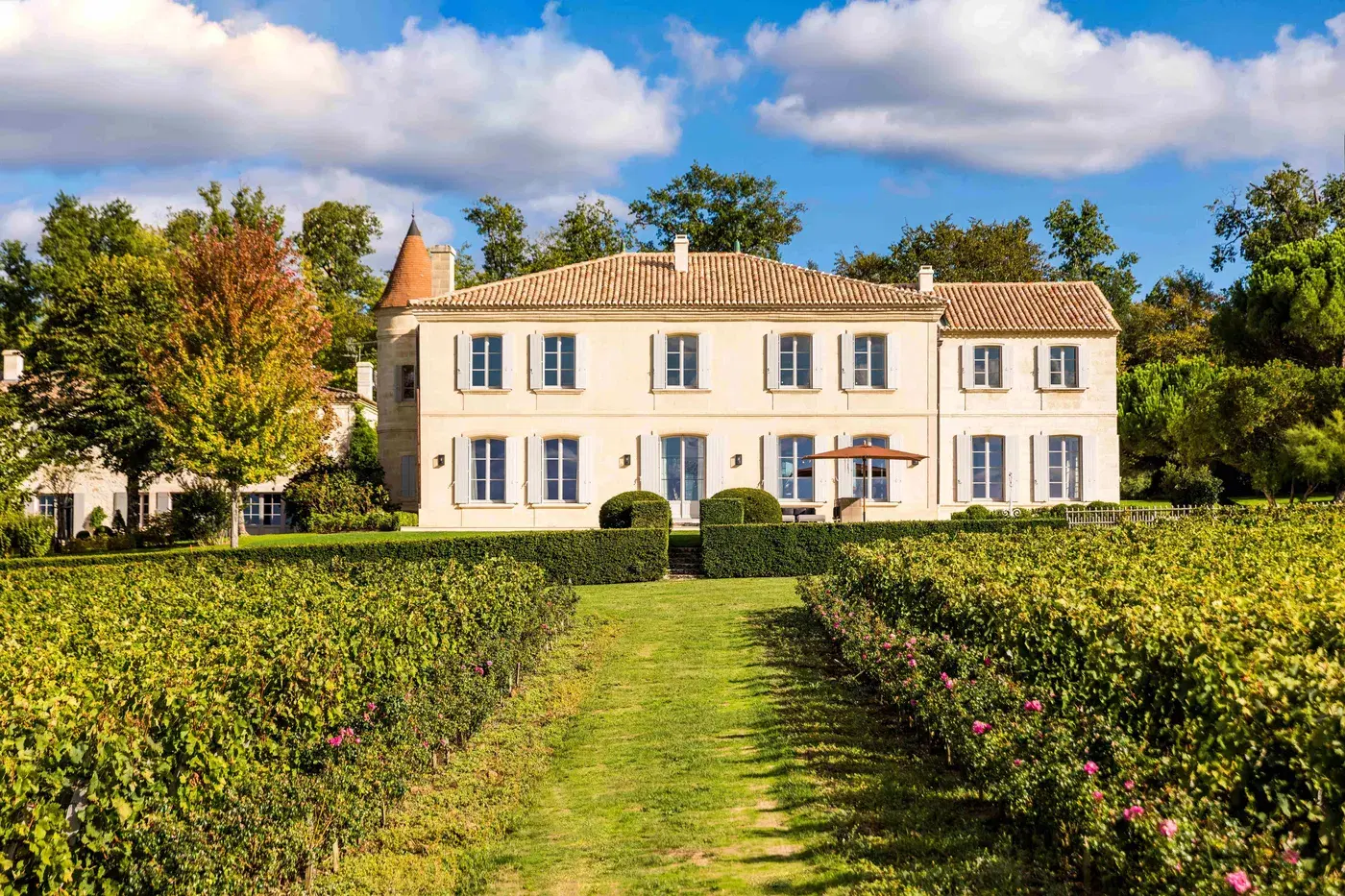
Bars in Saint-Émilion
Browse all →
Restaurants in Saint-Émilion
Browse all →
Details
- Classic
- Elegant
- Rustic
- Historic
- Intimate
- Wine Education
- Special Occasion
- Vineyard Tour
- Historic Building
- Estate Grounds
- Sustainable
- Vineyard
- Merlot
- Cabernet Franc
- Cabernet Sauvignon
- Still Red
- Private Tasting
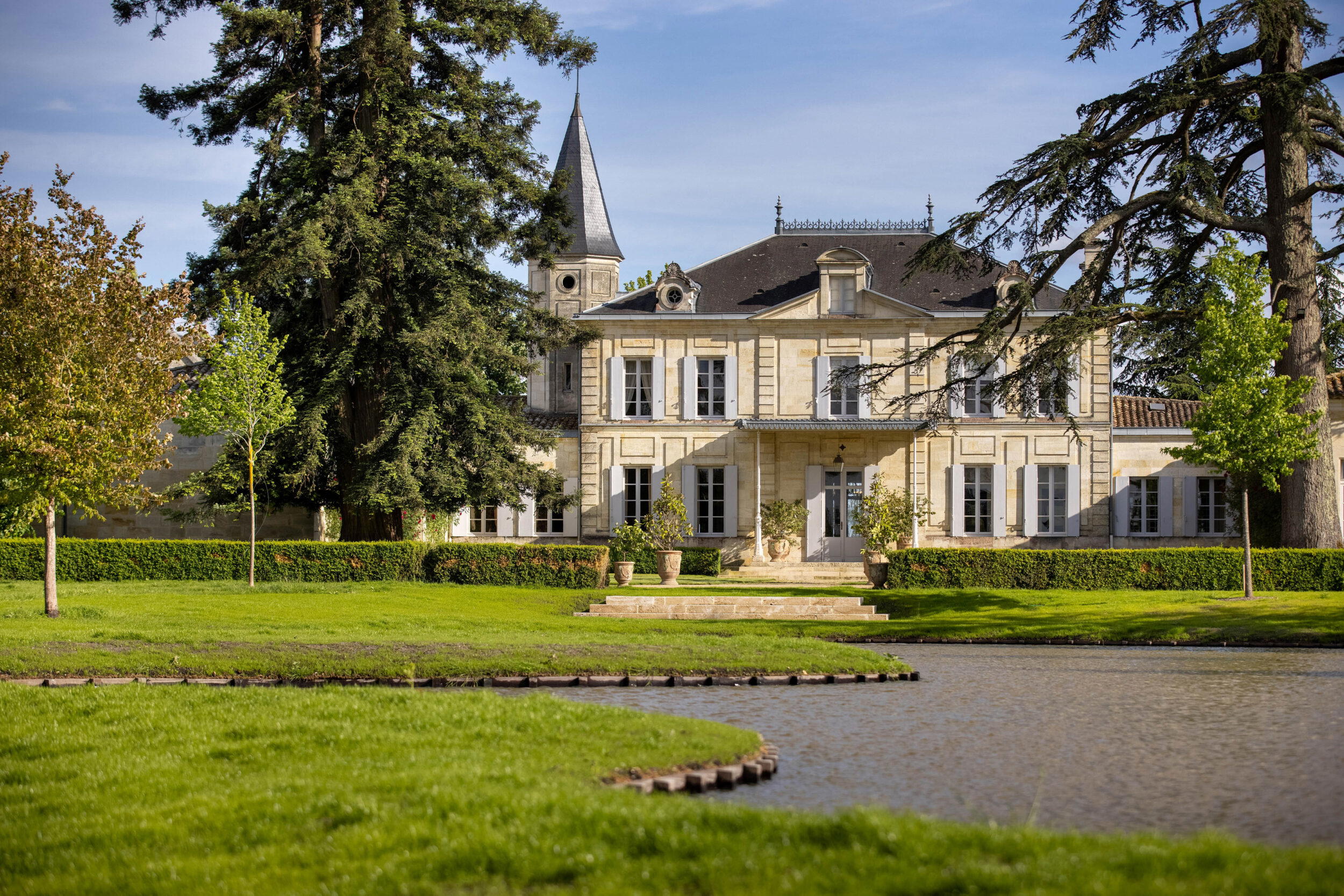
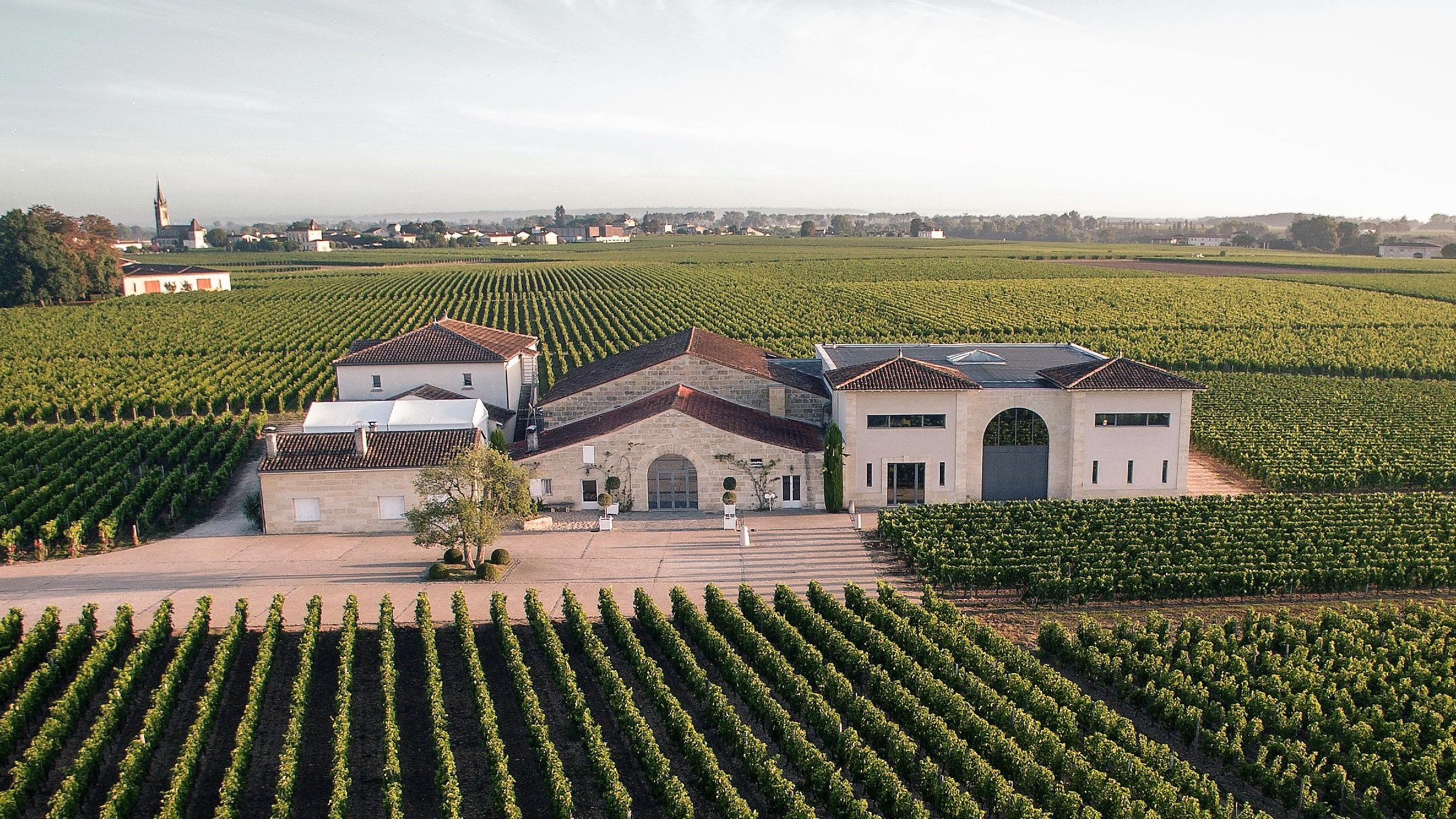
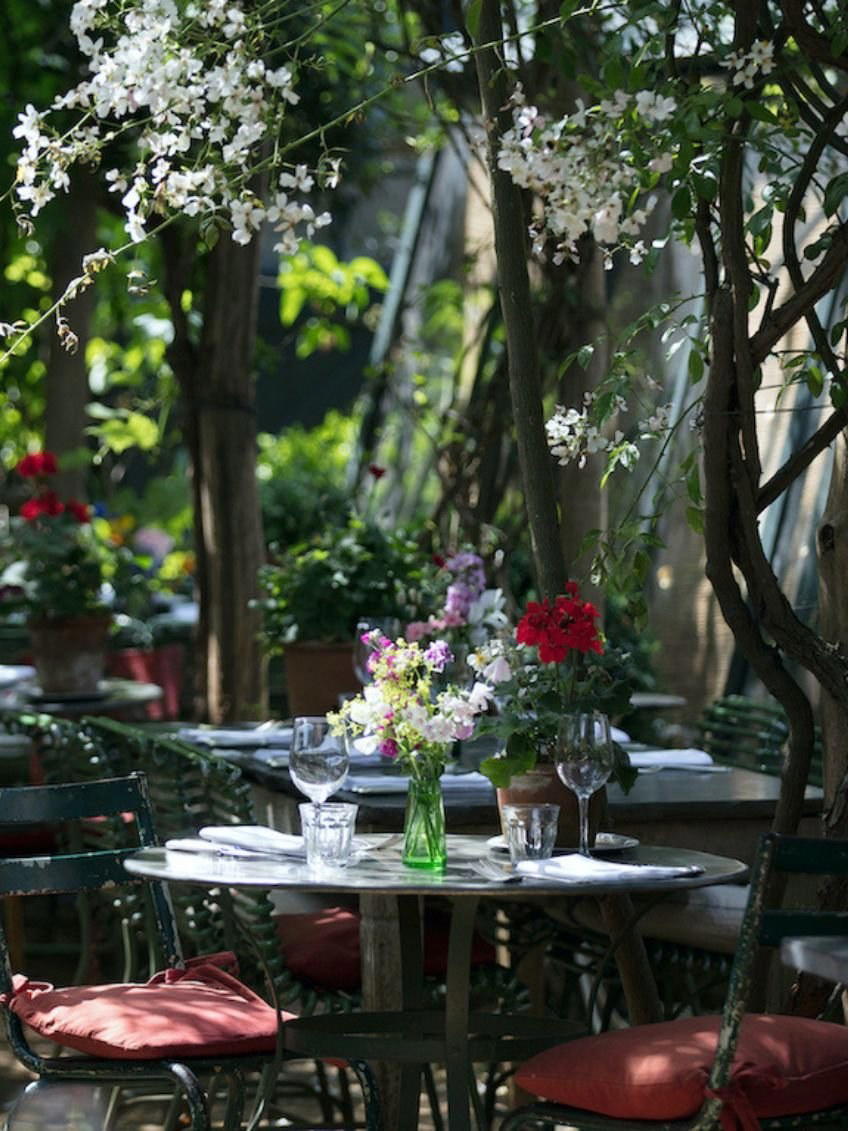
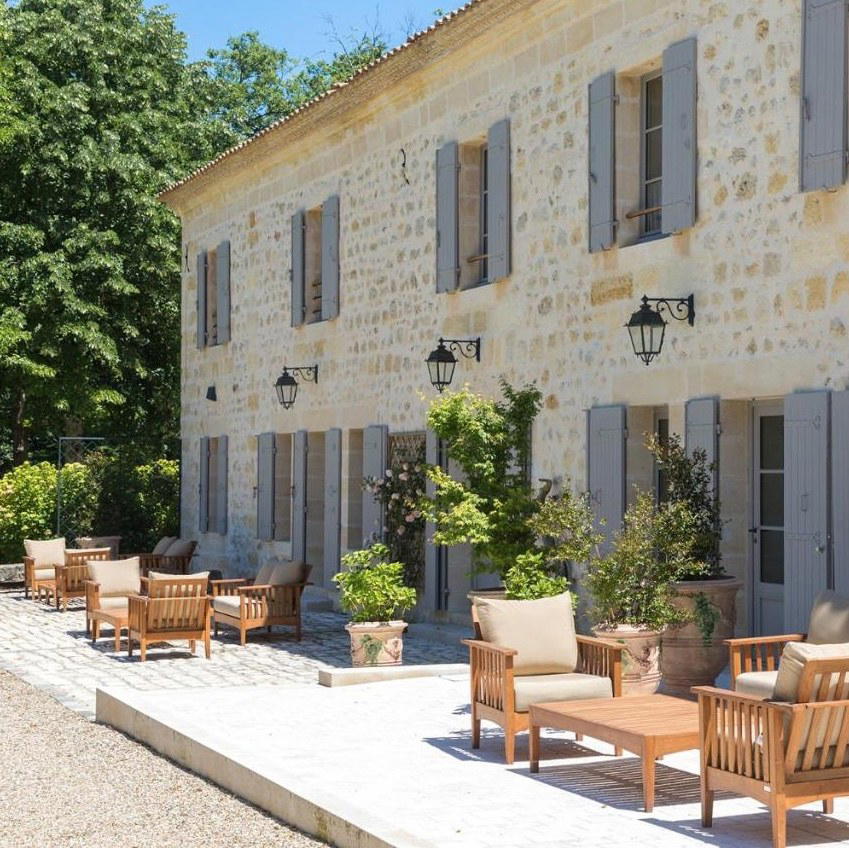
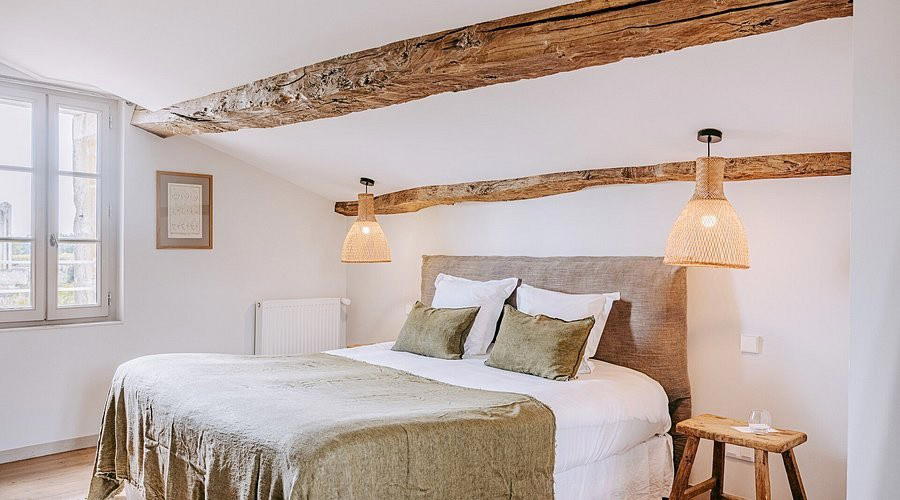
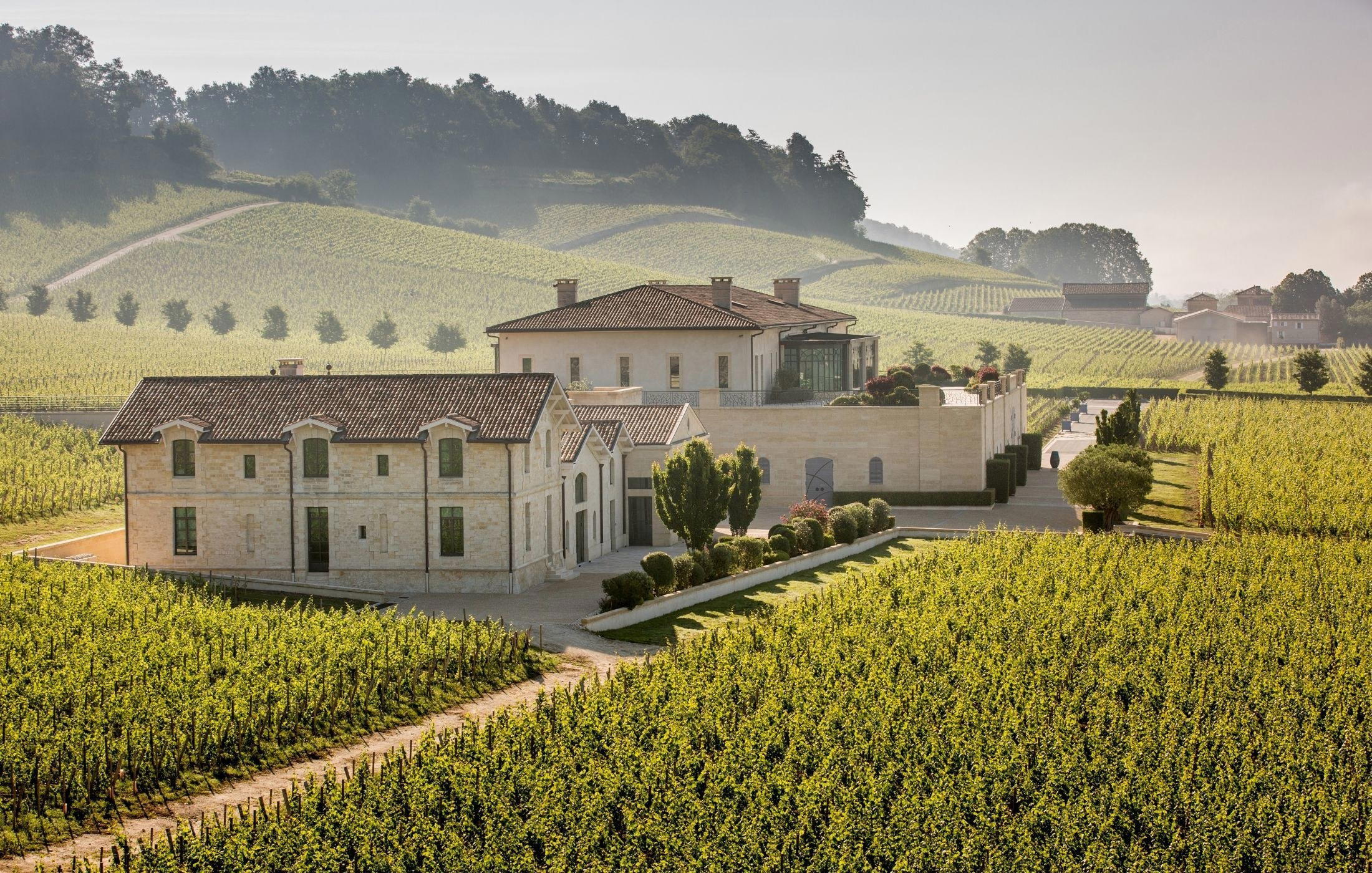
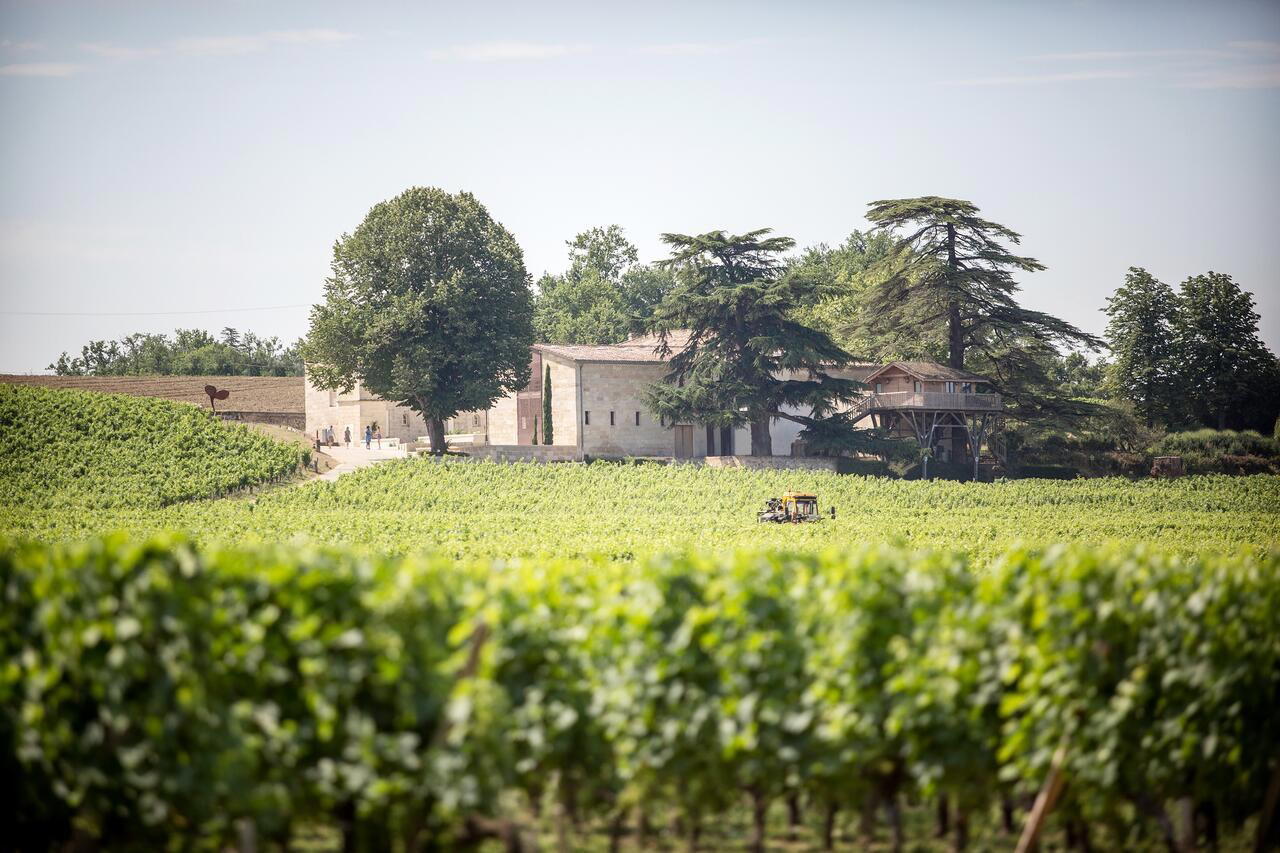
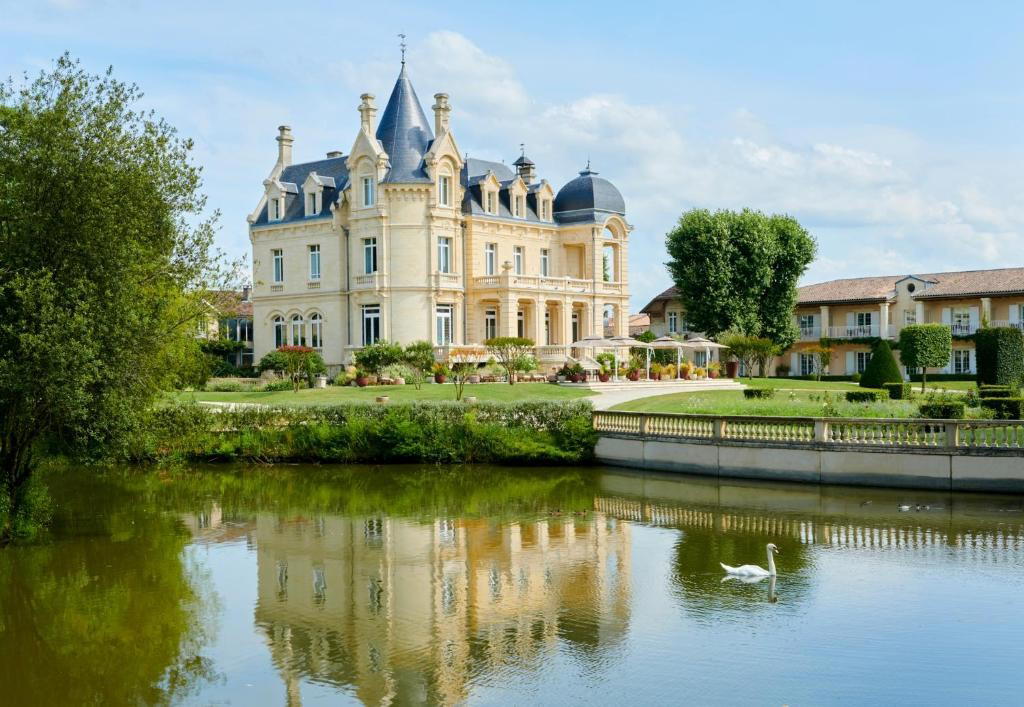
Discreet and charming historic château atmosphere with views of Saint-Émilion's church spire, evoking generational family ownership and understated elegance.