Château Thivin

Château Thivin sits on the volcanic slopes of Mont Brouilly in Saint-Lager, one of Beaujolais's ten crus, where granite and blue diorite soils produce Gamay with a structural register distinct from the appellation's lighter expressions. The domaine holds a Pearl 2 Star Prestige recognition for 2025, placing it among the tier of Beaujolais producers whose wines reward cellaring rather than immediate consumption.
Pearl is the En Primeur Club membership app — saves, bookings, and concierge access live there. Same editors, same standards.
- Address
- 630 Rte du Mont Brouilly, 69460 Odenas
- Phone
- +33 4 74 03 47 53
- Website
- chateau-thivin.com
 Saves & bookings on Pearl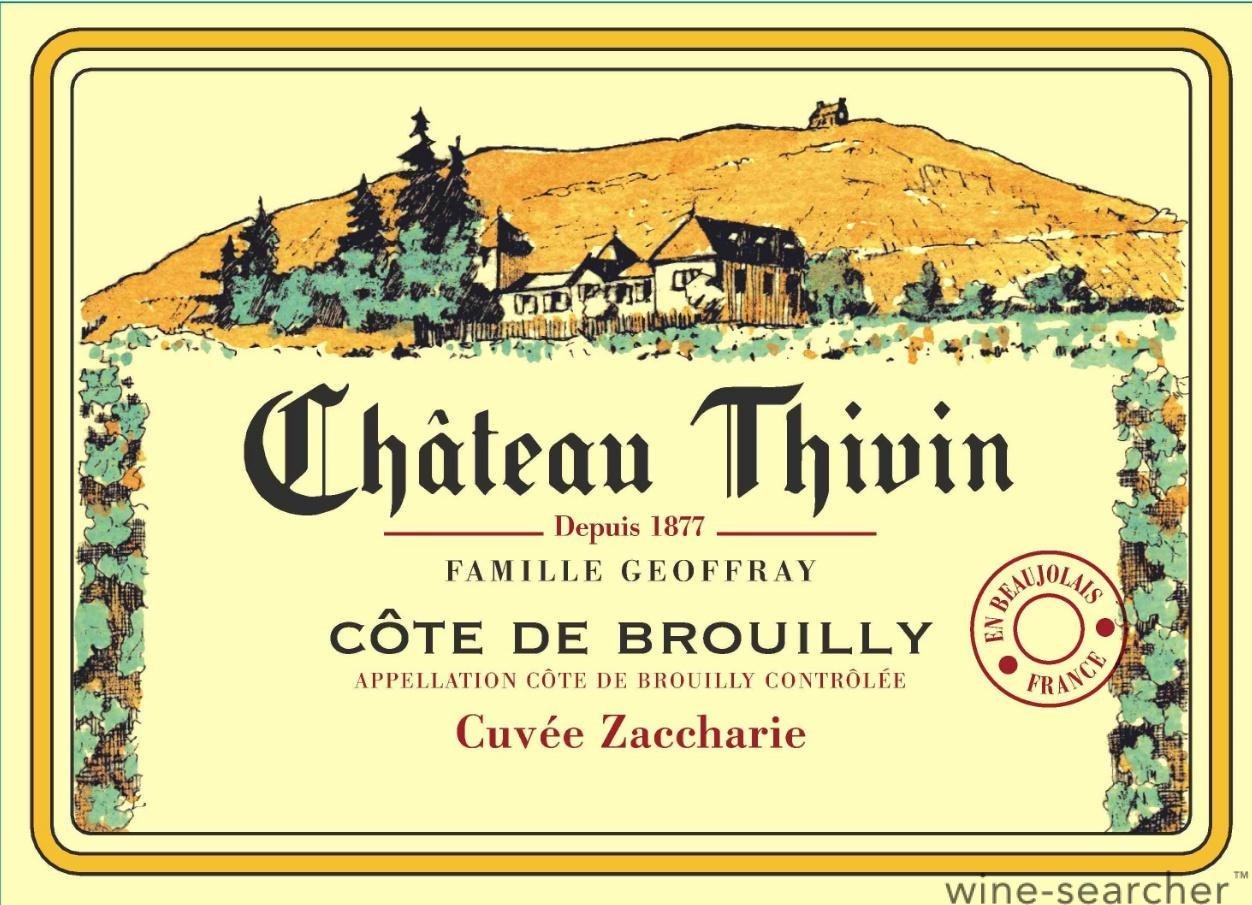
Mont Brouilly and the Case for Volcanic Gamay
Beaujolais has spent the better part of two decades recovering from its own mythology. The nouveau phenomenon, effective as a marketing exercise, flattened the region's perception and obscured a more serious argument: that the ten crus of Beaujolais, each drawing on distinct soil profiles and elevations, produce wines with genuine regional identity. Brouilly and Côte de Brouilly, the two appellations that converge around Mont Brouilly, represent that argument at its most geological. The hill itself is an ancient volcanic intrusion, its blue diorite and schist slopes offering a soil chemistry that separates Côte de Brouilly from the flatter, sandier ground of the broader Brouilly appellation surrounding it.
Château Thivin, addressed at 630 Route du Mont Brouilly in the commune of Odenas near Saint-Lager, sits within that refined volcanic zone. The address alone signals something about the wine's character before a bottle is opened: proximity to the hill's rocky core correlates with tighter structure, lower yields per vine, and a mineral register that distinguishes these wines from the fruit-forward Gamay produced on the appellation's outer edges. In a region where geography shapes quality more reliably than brand recognition, the topographical position of a domaine functions as its primary credential.
What the Land Communicates Through Gamay
Gamay is a grape that responds quickly and directly to soil. On alluvial flatlands, it produces easy, high-volume wines with limited aging potential. On granite and volcanic substrates, particularly at altitude, it behaves more like a serious red variety: tannins firm up, acidity holds, and the fruit density shifts from simple berry toward something more compressed and mineral-inflected. Côte de Brouilly's blue diorite, the specific geological material that gives the appellation its character, acts on Gamay in ways that producers here consistently describe as a tightening effect, a concentration that makes the wines palatable young but also capable of development across five to ten years in bottle.
This is the context in which Château Thivin's Pearl 2 Star Prestige recognition for 2025 carries meaning. Within the EP Club framework, Prestige-tier recognition signals consistent quality output and a wine program positioned above the appellation average. For a Beaujolais cru producer, that recognition also implies a wine whose quality depends on place rather than intervention, which aligns with the region's leading producers and their broader argument that Beaujolais cru deserves consideration alongside Burgundy's village and premier cru tiers. The price-to-quality ratio in this category remains one of the more compelling cases in French wine, particularly for buyers who have been tracking the rising cost of entry-level Burgundy. Châteaux such as Château Bélair-Monange in Saint-Emilion or Château Branaire Ducru in St-Julien operate within established classification hierarchies that anchor their pricing; Beaujolais cru producers carry no such formal classification, which keeps acquisition costs lower even as quality at the top tier has risen substantially.
Côte de Brouilly in Its Competitive Set
Among the ten Beaujolais crus, Côte de Brouilly is the smallest by volume and arguably the most tightly defined by geology. It competes in the upper bracket of regional pricing alongside Moulin-à-Vent and Morgon, the two appellations with the longest record of producing age-worthy wines and the strongest international recognition. Châteaux from those appellations, particularly those with established export histories, tend to attract the most collector attention. Côte de Brouilly occupies a slightly less visible position, which for buyers who understand the volcanic soil argument, represents an opportunity. Thivin sits at the quality apex of this appellation, a position reinforced by its 2025 Prestige recognition.
For comparison, producers in Bordeaux's classified system, such as Château Cantemerle in Haut-Médoc or Château Batailley in Pauillac, operate with the advantage of formal classification history and decades of market pricing data. Beaujolais cru producers build their case on terroir specificity and critical recognition rather than institutional hierarchy, which makes awards recognition like Thivin's 2025 Pearl 2 Star Prestige designation a more active signal. Elsewhere in the French wine landscape, producers such as Albert Boxler in Niedermorschwihr illustrate how regional producers outside Bordeaux and Burgundy's formal classification structures build reputation through consistent quality rather than appellation rank. Château Clinet in Pomerol and Château Boyd-Cantenac in Cantenac similarly demonstrate that critical recognition shapes market perception across French appellations regardless of formal classification tier.
Approaching the Domaine
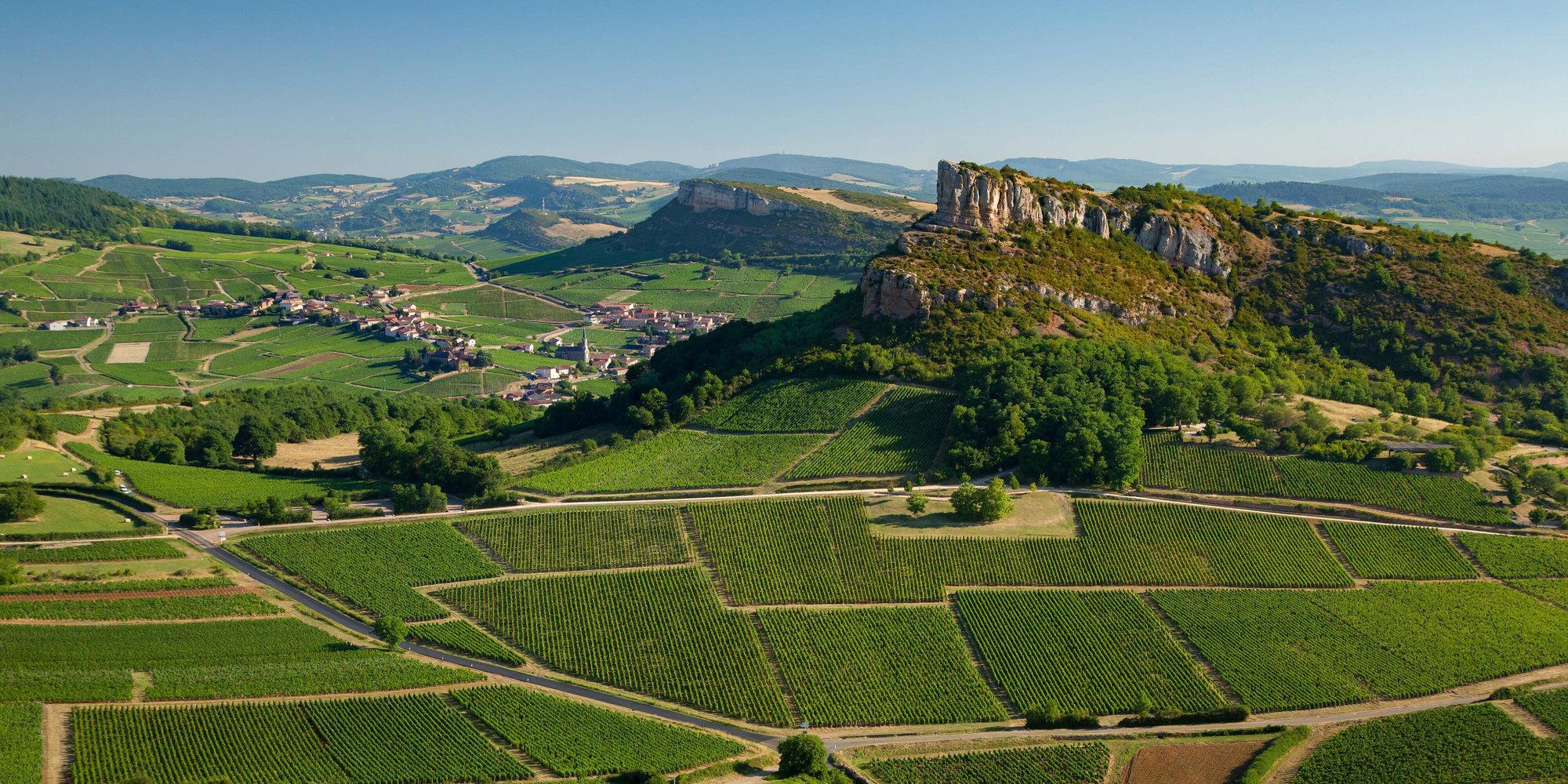
Mont Brouilly rises visibly from the flat Saône plain, and the route along its lower slopes connects several small domaines before reaching Thivin's address on the Route du Mont Brouilly. The landscape here is agricultural in a specific way: vines occupy every workable slope, the gradient changes noticeably within short distances, and the visual difference between the volcanic core and the surrounding flatland is legible even without geological knowledge. Visiting during the growing season, roughly May through October, gives the clearest sense of how the hillside differentiates from the lower appellation ground. Harvest, typically in September, brings additional activity to the road. Visitors interested in exploring the broader Rhône and Burgundy context might also consider stops such as Chartreuse in Voiron as part of a wider southern France circuit. For a complete picture of what Saint-Lager's wine producers offer, see our full Saint-Lager restaurants guide.
Visits are by appointment only. Visits are by appointment only. Producers such as Château Bastor-Lamontagne in Preignac and Château Dauzac in Labarde follow similar appointment-first models at comparable quality tiers.
In Context: Similar Options
Comparable venues nearby, for context on price, style, and recognition.
| Venue | Cuisine | Price | Awards | Notes |
|---|---|---|---|---|
| Château ThivinThis venue — the venue you are viewing | Gamay | $$ | ||
| King Family Vineyards | Winery | , | Crozet | |
| Château Malromé | Merlot, Cabernet Sauvignon | $$$ | , | Saint-André-du-Bois |
| Domaine Bernard Bonin | Chardonnay | $$$ | Meursault | |
| Domaine de Montvac | Grenache Noir, Syrah | $$ | Vacqueyras | |
| Domaine Auguste Clape | Syrah, Marsanne | $$$ | Cornas |
Continue exploring
More in Saint-Lager
Wineries in Saint-Lager
Browse all →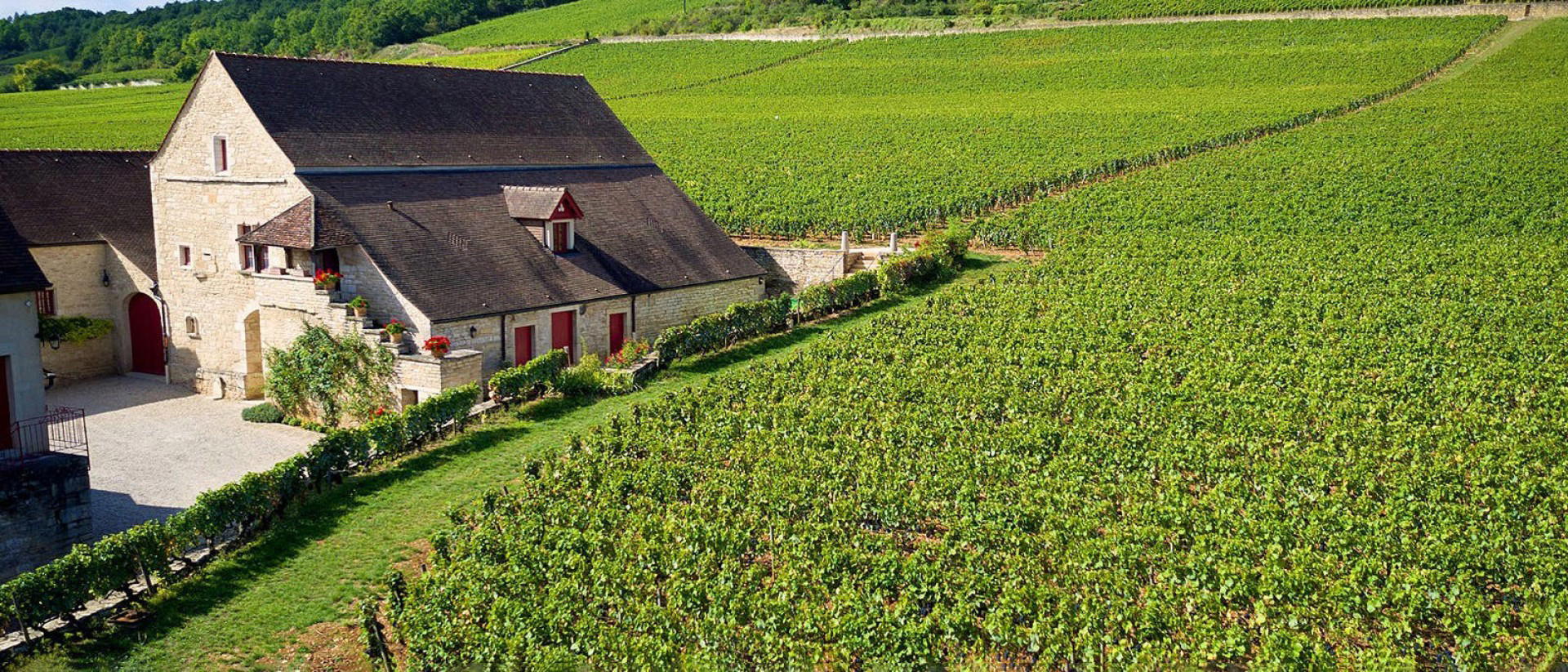
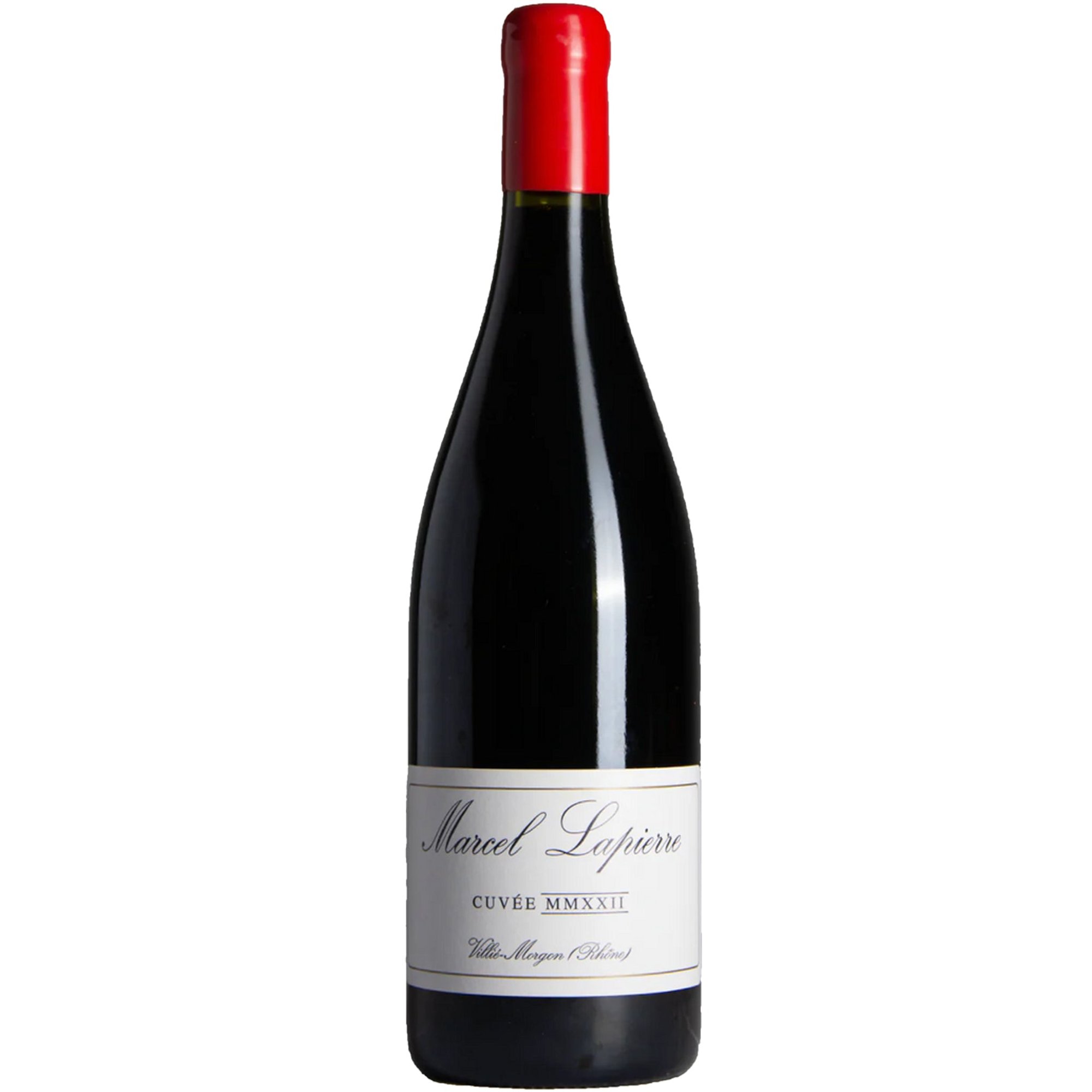
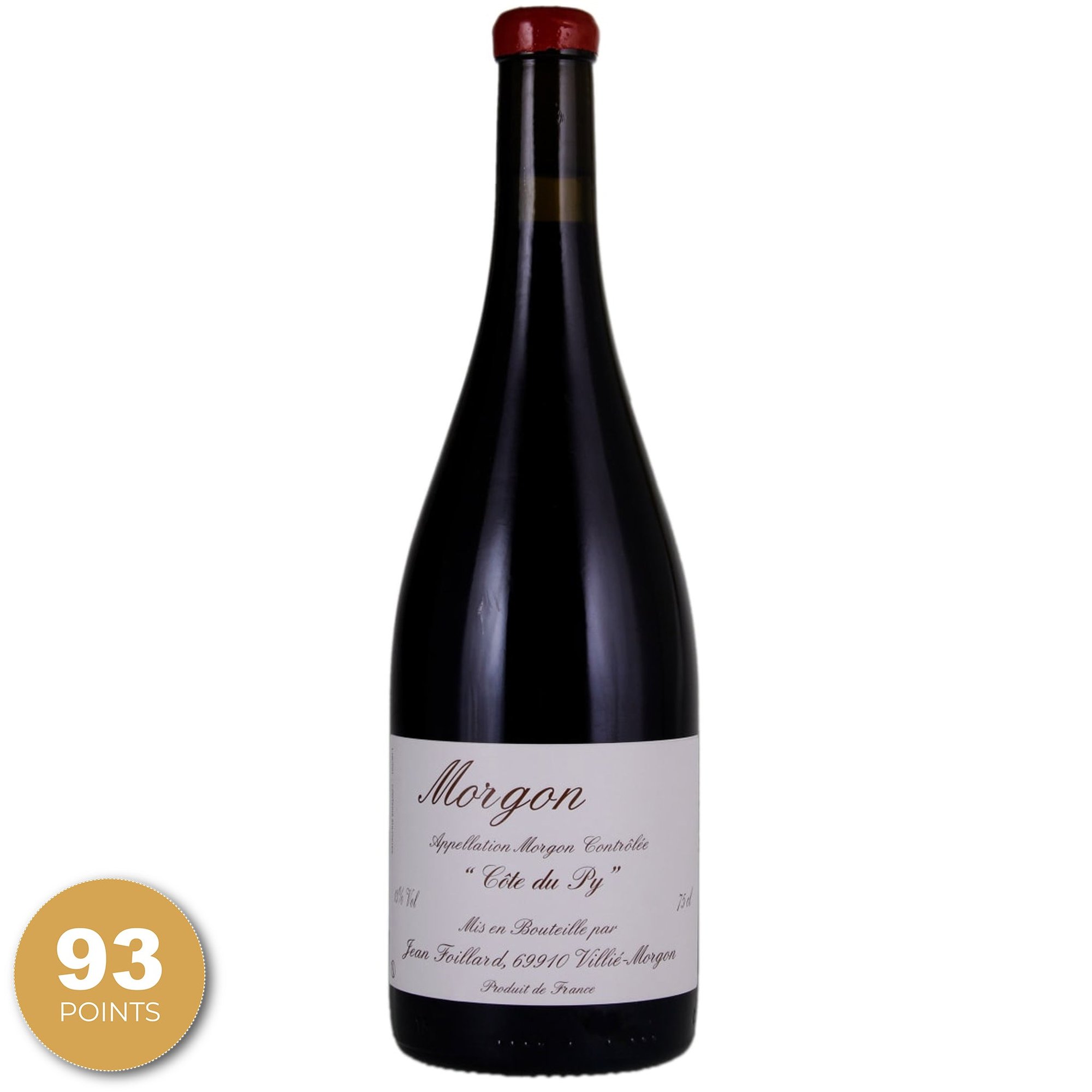
Bars in Saint-Lager
Browse all →
Restaurants in Saint-Lager
Browse all →
At a Glance
- Classic
- Rustic
- Scenic
- Historic
- Wine Education
- Solo Exploration
- Cave Tasting
- Historic Building
- Vineyard
- Mountain
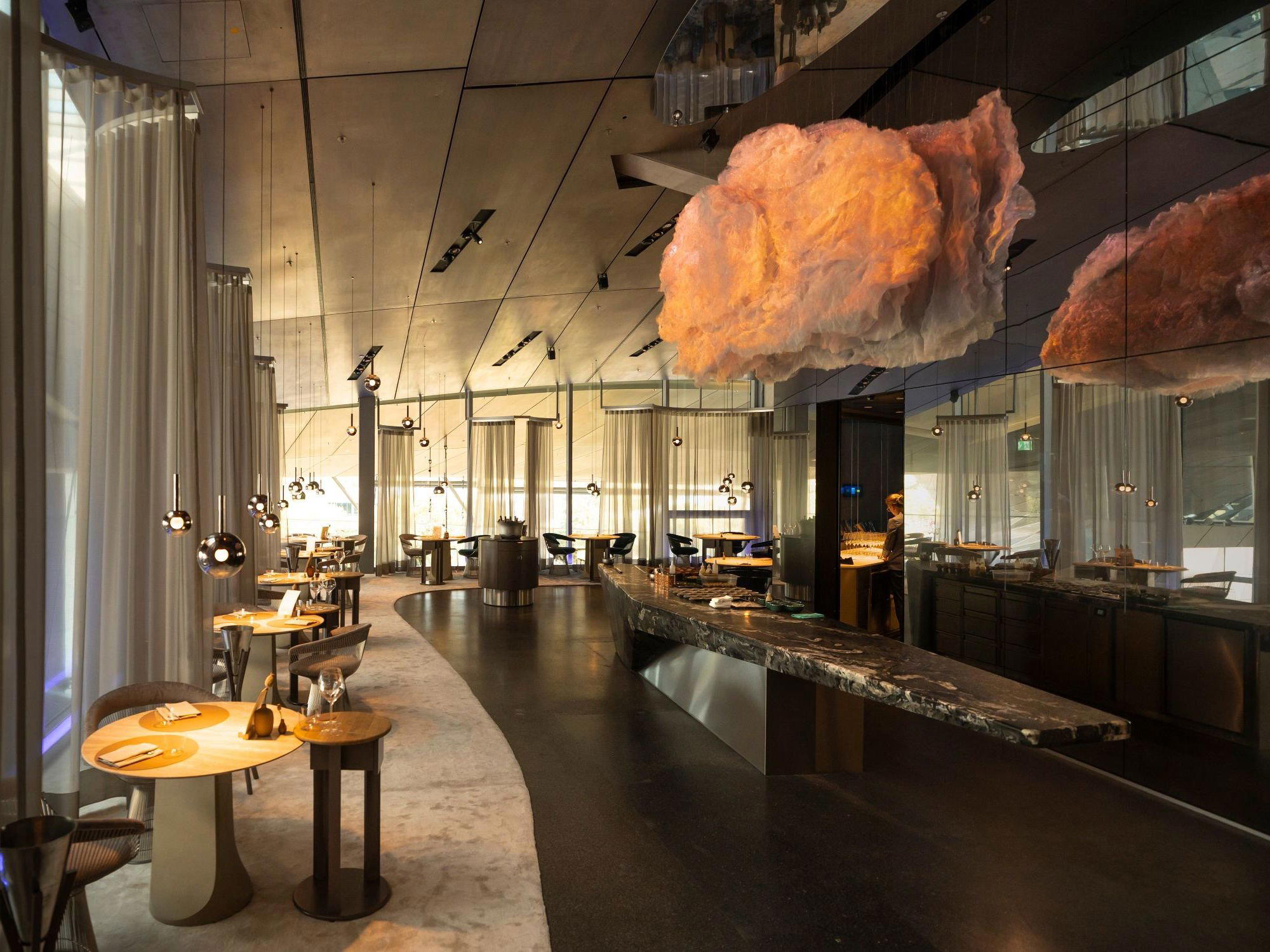
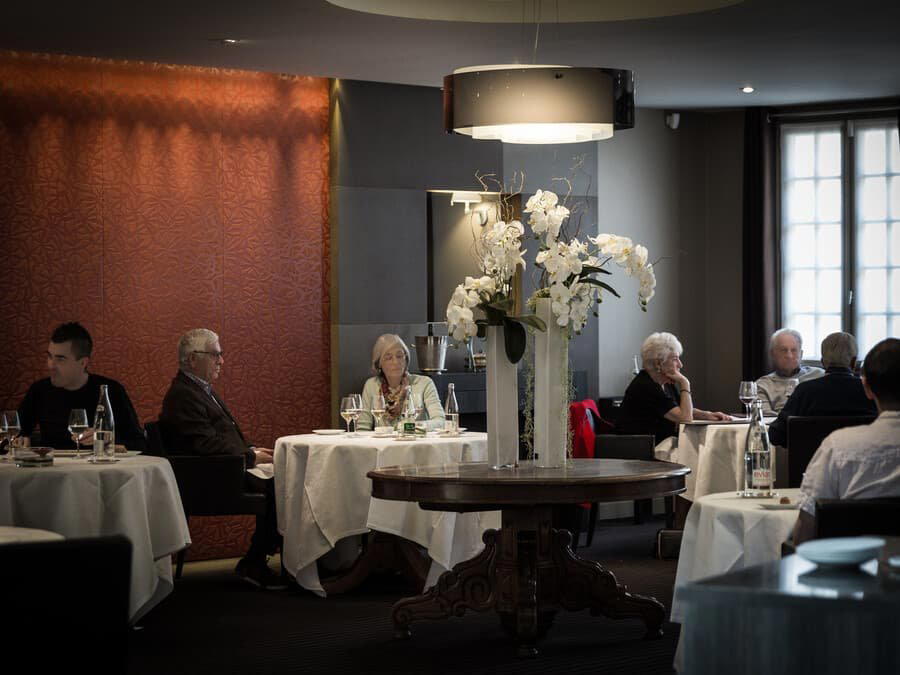
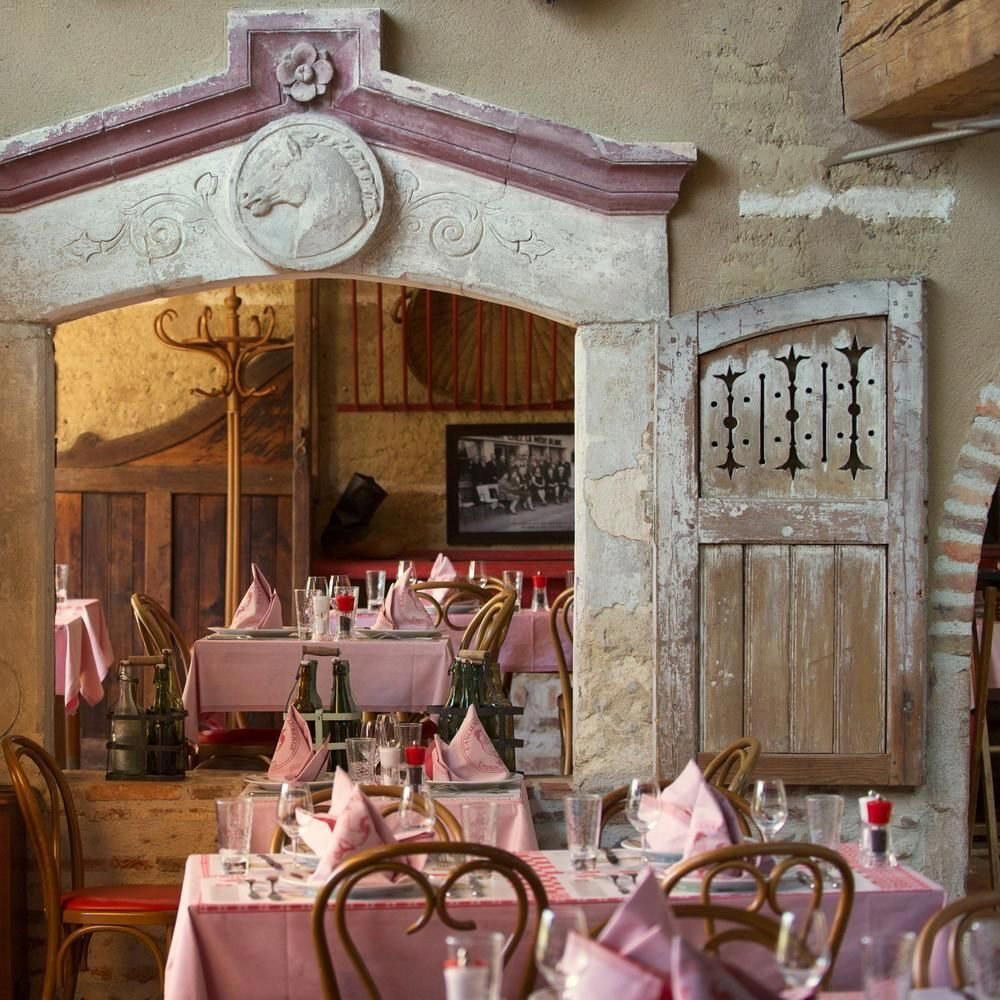
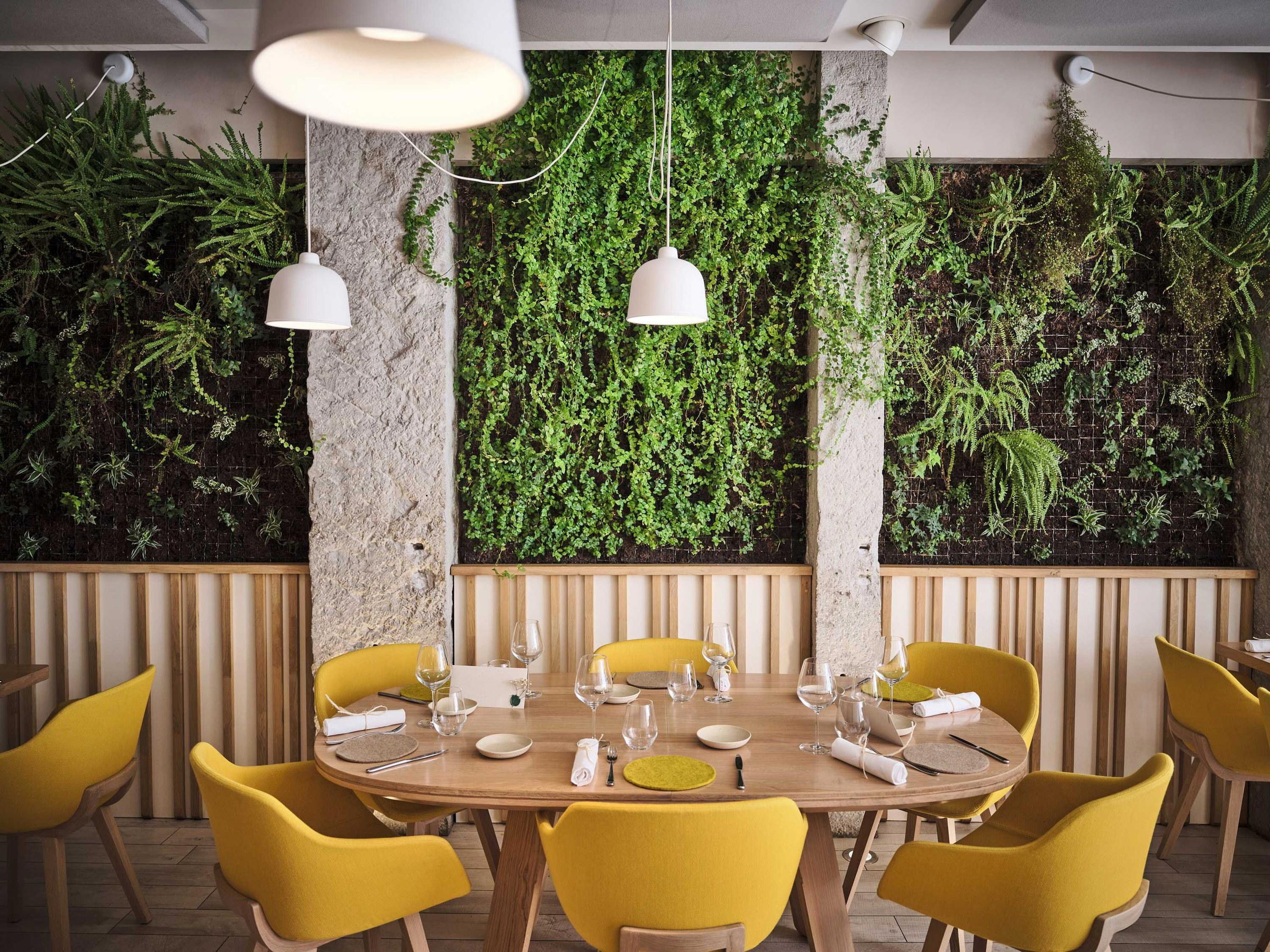
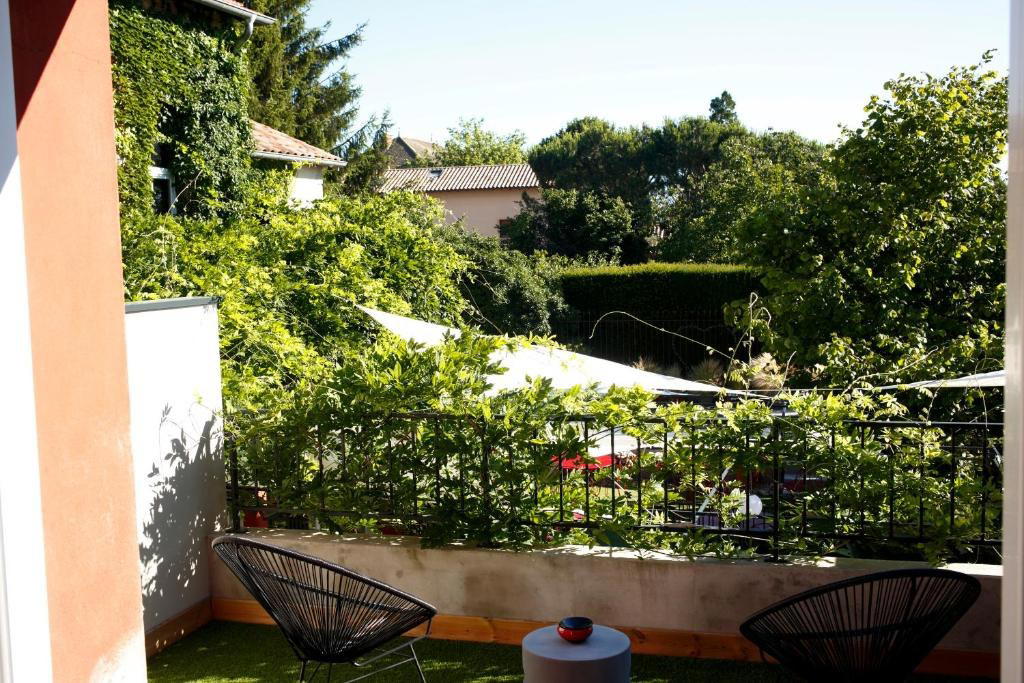
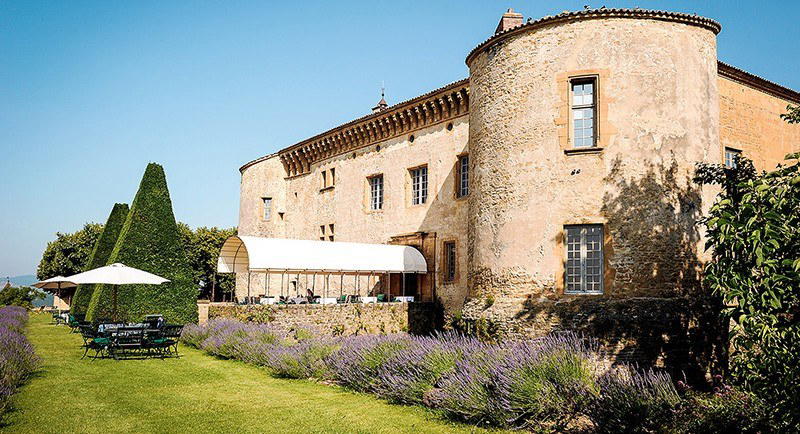
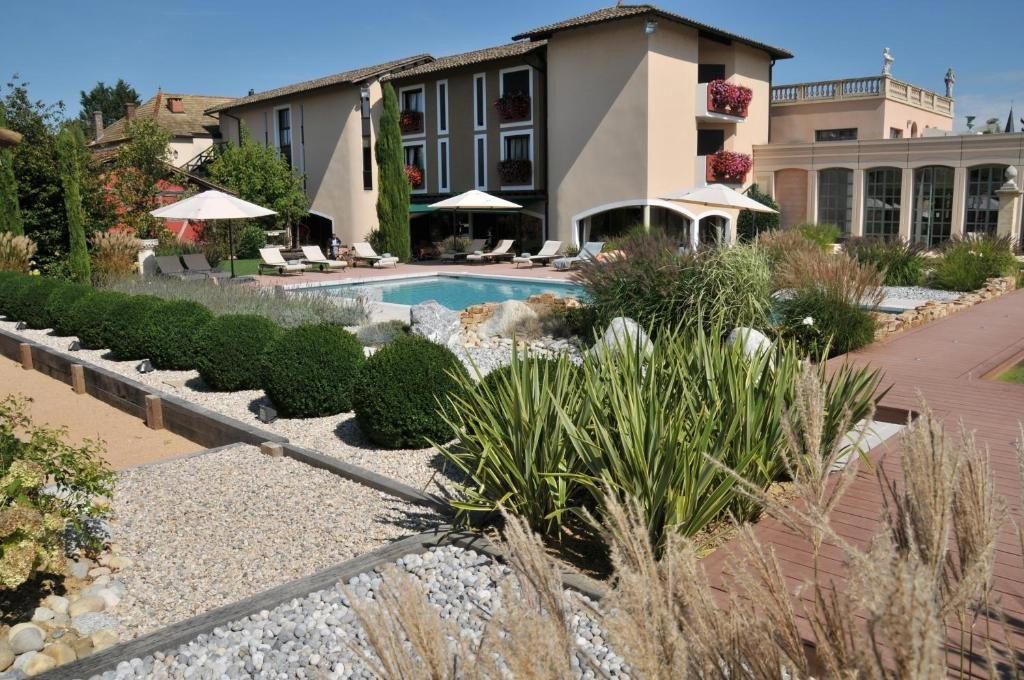
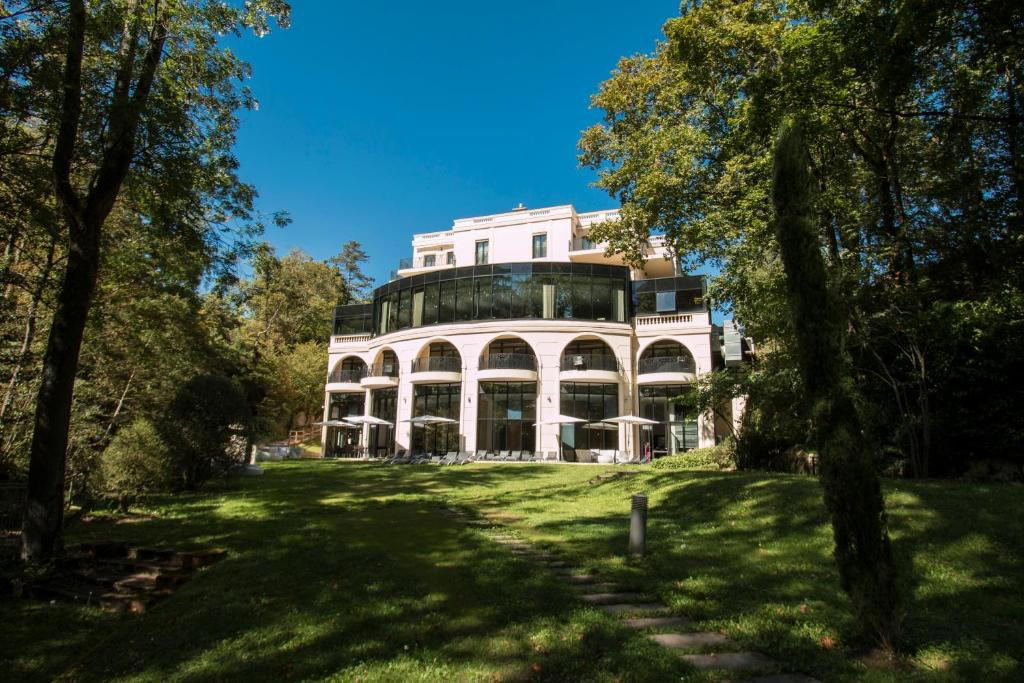
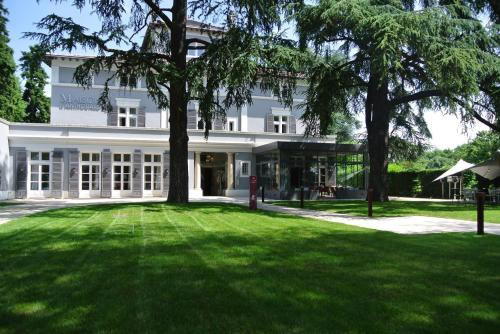
Classic and rustic with historic stone cellars and elegant hillside atmosphere.