
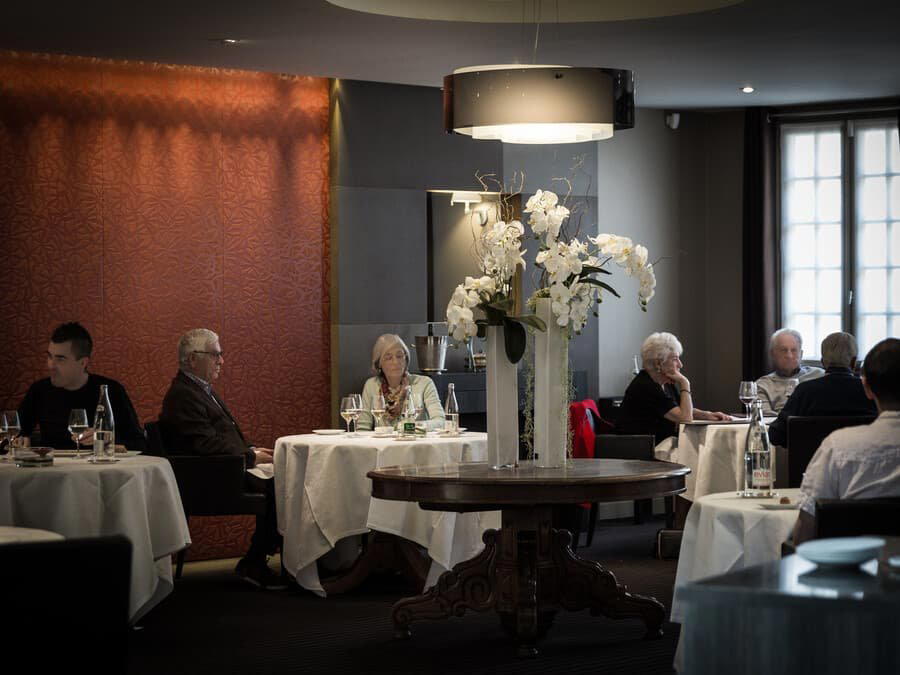
Tucked amid Burgundy’s storied vineyards, Auberge du Cep invites informed travelers into a sanctuary of terroir-driven gastronomy and gracious French hospitality. The dining room glows with understated elegance, linen-draped tables, candlelit glassware, and the soft murmur of a cellar steeped in vintages. Expect a seasonal tasting menu that interprets the region’s bounty with quiet mastery: delicately poached river fish lifted by beurre blanc, slow-braised Charolais enrobed in silken jus, and pastries that whisper of orchard and honey. The wine service is deeply personal, with pairings that illuminate nuance rather than overwhelm. Refined yet unshowy, Auberge du Cep is a place to linger, to savor, and to feel intimately connected to Burgundy’s enduring art de vivre.
Pearl is the En Primeur Club membership app — saves, bookings, and concierge access live there. Same editors, same standards.
- Address
- 11 Rue des Quatre Vents, 69820 Fleurie, France
- Phone
- +33 4 74 04 10 77
- Website
- aubergeducep.com
- Directions
- Get directions
 Saves & bookings on Pearl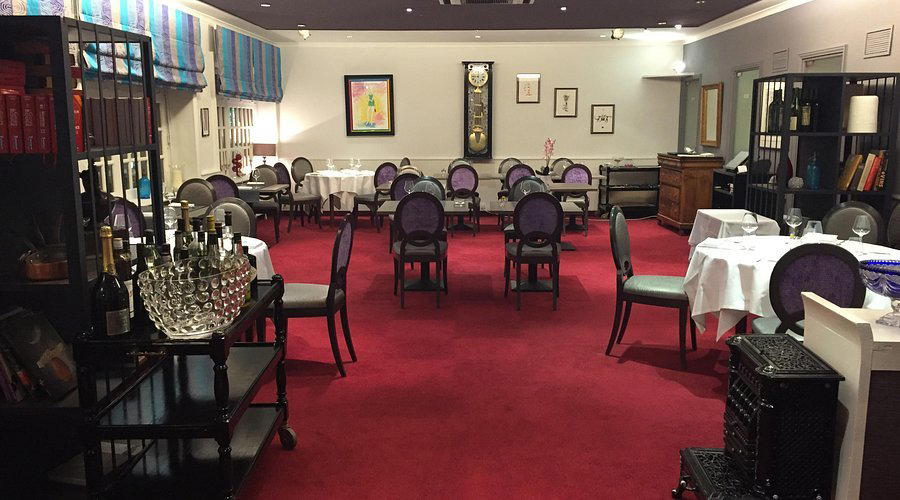
Where Beaujolais Comes to the Table
The village of Fleurie sits in the northern reaches of the Beaujolais crus, where the granite slopes produce some of the appellation's most aromatic Gamay and where, on the Rue des Quatre Vents, a stone auberge has been a fixed point of serious regional cooking for decades. Arriving at Auberge du Cep, the building reads as the Beaujolais countryside distilled into architecture: the kind of place that prefers substance to spectacle, where the dining room's character comes from age and use rather than from a recent redesign. The village itself is quiet enough that the restaurant's presence feels proportional to its surroundings, not imposed upon them.
That sense of proportion extends to the cooking. Beaujolais, as a dining destination, tends to be overshadowed by its neighbour Lyon and by the grand tables of the Rhône-Alpes corridor. Venues like Troisgros - Le Bois sans Feuilles in Ouches or Flocons de Sel in Megève operate in a different register of ambition and price. What the Beaujolais region offers instead is a tradition of auberge cooking rooted in local produce, seasonal rhythm, and an expectation that the wine on the table will have been grown nearby. Auberge du Cep has been one of the clearest expressions of that tradition, and its Michelin one-star recognition confirms its standing within that regional context.
Sourced From the Ground Up
The editorial angle that makes Auberge du Cep worth understanding is not simply where it sits in the Michelin hierarchy, but where its ingredients come from. Chef Aurélien Merot's menu is structured around regional produce, river zander roasted in its skin, multicoloured carrots drawn from a named local garden, sauces built on Beaujolais wine. That last detail matters more than it might appear: in French regional cooking, the decision to anchor sauces in the local appellation is an act of culinary geography. It ties the plate to the same soil that produces the wine in the glass, creating a coherence that more cosmopolitan kitchens with global supply chains rarely achieve.
The emphasis on jus and sauces is also a technical marker. In the tradition that runs from the great Lyon bouchons through to the starred auberge format, the quality of a sauce reveals more about a kitchen's discipline than any individual ingredient. France's most celebrated tables, from Auberge de l'Ill in Illhaeusern to Bras in Laguiole, have long understood this. At Auberge du Cep, the sauce work sits at the centre of Merot's cooking philosophy and connects him directly to the kitchen he inherited from Chantal Chagny, who spent 44 years at this address before him.
The named garden supplying carrots, Augustin's garden, signals something broader about how source transparency operates in French regional cooking at this level. When a kitchen names its suppliers on the menu, it is making a commitment to traceability that affects purchasing decisions across the entire year, not just for a seasonal special. That commitment, combined with the river-sourced zander, places the restaurant in a category of regionally grounded restaurants that the Michelin guide has increasingly recognised as distinct from the free-floating modernist kitchens found in major cities. Compare the sourcing logic here with that of Mirazur in Menton, where the garden-to-table model became a global reference point, or Auberge du Vieux Puits in Fontjoncouse, where terroir-driven cooking in a remote village earned three Michelin stars over time. The underlying argument is the same: provenance is not a marketing position, it is a structural decision about how a kitchen operates.
Continuity and the Weight of 44 Years
French regional cooking has a complicated relationship with succession. The country has watched numerous historic tables lose momentum when a founding chef departed, sometimes within a single service season. The fact that restaurant earned its first Michelin star in 2024, after Chantal Chagny's 44-year tenure ended, suggests that Aurélien Merot understood his assignment: not reinvention, but continuation with genuine technical ability. The Michelin description characterises his cuisine as both generous and delicate, two qualities that are harder to combine than either is to achieve alone.
Generosity in this context means the portion logic and the spirit of the auberge format, where guests leave satisfied rather than intellectually stimulated and vaguely hungry. Delicacy is the counterweight, the discipline that prevents generosity from becoming heaviness. Together, they describe a register of cooking that differs substantially from the high-concept formats at Alléno Paris au Pavillon Ledoyen or the precise modernism of AM par Alexandre Mazzia in Marseille. The Beaujolais auberge tradition does not compete on those terms, and the restaurant's value lies precisely in not trying to.
For context on how regional French tables sustain identity across chef transitions, it is worth noting what has happened at places like Paul Bocuse - L'Auberge du Pont de Collonges in Collonges-au-Mont-d'Or and Au Crocodile in Strasbourg, both institutions that have negotiated the tension between institutional identity and creative renewal. The path the restaurant appears to have taken is one of respectful continuity, which given the specificity of its regional roots is likely the more defensible long-term position.
The Wine Dimension
A Beaujolais cru restaurant with a strong regional wine list is not a surprise, but the degree of alignment matters. The restaurant's Beaujolais sauce work is not incidental to the wine programme; it is an argument for drinking Beaujolais crus at the table, particularly the wines of Fleurie itself, where Gamay expresses floral and mineral character that sits well against delicate freshwater fish like zander. The lunchtime menu's reputation for value extends this alignment into practical terms: pairing a priced-right lunch with bottles from growers you can visit the same afternoon in the surrounding appellation is one of the clearest arguments for visiting this part of France by car.
Planning Your Visit
The restaurant operates Tuesday through Saturday, with lunch seatings from 12:15 PM and dinner from 7:45 PM, closing by 1:30 PM and 9:00 PM respectively. It is closed Sundays and Mondays. The price range sits at €€€, with the lunchtime menu offering one accessible entry point to the kitchen's output. Given the one-star recognition and the limited service windows, advance booking is advisable, particularly for weekend lunch and Friday or Saturday dinner. Fleurie is accessible by car from Lyon in under an hour, making it a viable day trip or weekend extension for travellers already in the region.
For international context on how this calibre of regional French cooking compares with starred tables in other countries, Assiette Champenoise in Reims represents a different French regional tradition, while Frantzén in Stockholm and FZN by Björn Frantzén in Dubai illustrate how far the conversation about sourcing and regional identity has extended beyond France's borders.
How It Stacks Up
Comparable venues nearby, for context on price, style, and recognition.
| Venue | Cuisine | Price | Awards | Notes |
|---|---|---|---|---|
| Auberge du CepThis venue — the venue you are viewing | Modern French Fine Dining | $$$ | Michelin 1 Star | Not listed |
| Rustique | Contemporary French Peasant Cuisine | $$$ | Michelin 1 Star | Quartier Bellecour Carnot |
| L'O des Vignes | Modern French Gastronomic with Japanese Influences | $$$ | Michelin 1 Star | Fuissé |
| L'Empreinte | Modern French Fine Dining | $$$ | Michelin 1 Star | Buxy |
| Pierre | Michelin-Starred French Gastronomic | $$$$ | Michelin 1 Star | centre-ville |
| Clos du Cèdre | Modern French Burgundian Fine Dining | $$$$ | Michelin 1 Star | Beaune center |
Recognition history
Dated appearances from independent guides and award organizations, with the underlying list record or original source where available.
Michelin 1 Star
Michelin
Michelin 1 Star
Michelin
Michelin 1 Star
Michelin
Continue exploring
More in Fleurie
Restaurants in Fleurie
Browse all →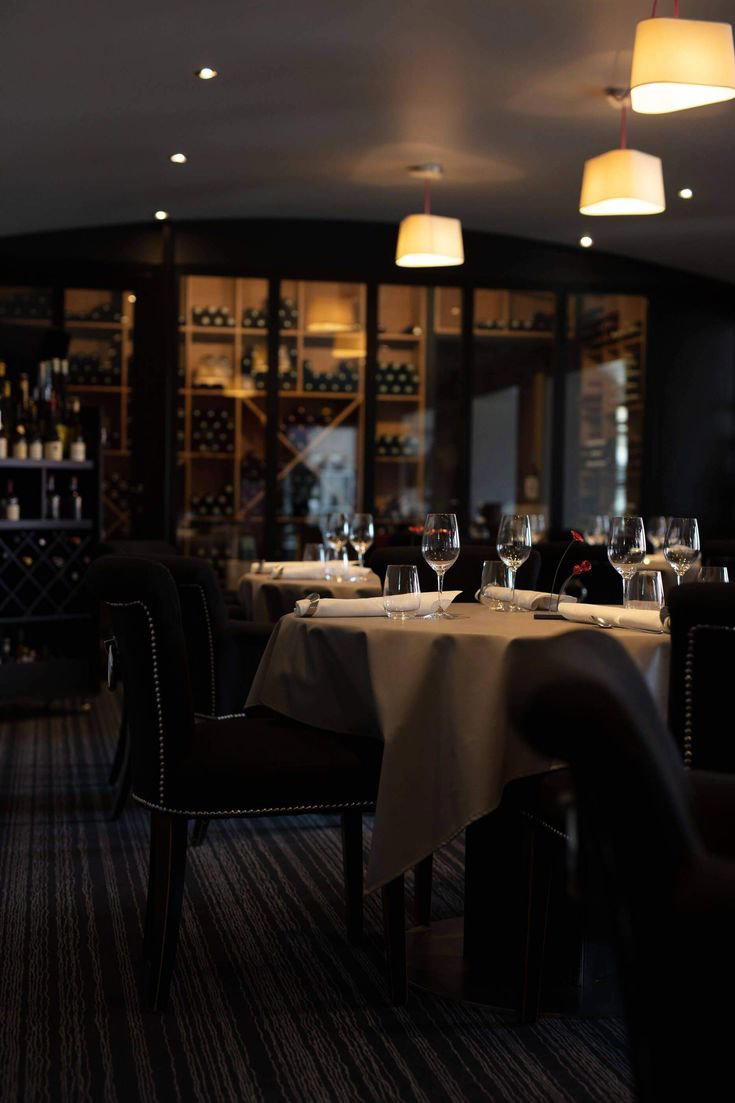
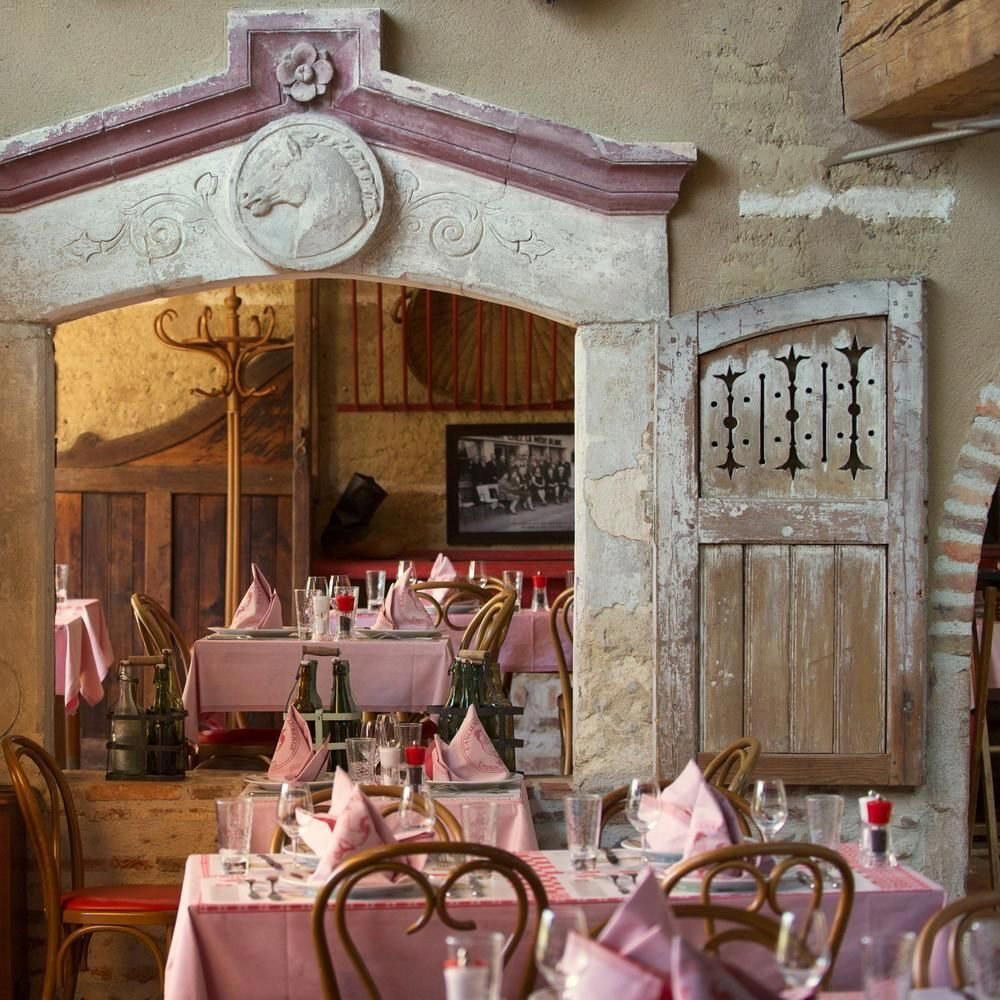
Bars in Fleurie
Browse all →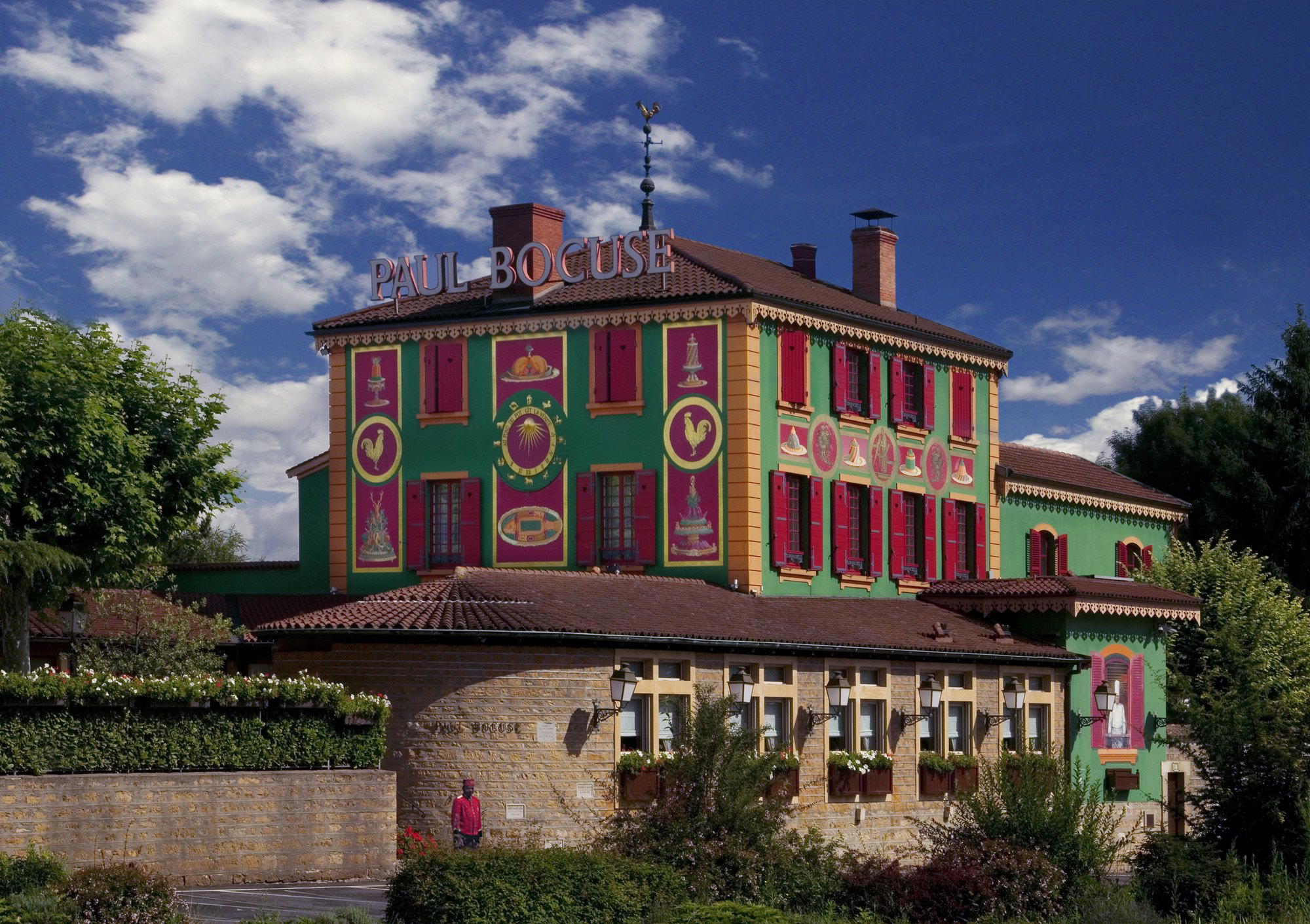
Hotels in Fleurie
Browse all →

At a Glance
- Elegant
- Classic
- Cozy
- Sophisticated
- Date Night
- Special Occasion
- Business Dinner
- Standalone
- Historic Building
- Extensive Wine List
- Local Sourcing
Current opening hours
- Monday
- Closed
- Tuesday
- 12:15–1:30 PM, 7:45–9 PM
- Wednesday
- 12:15–1:30 PM, 7:45–9 PM
- Thursday
- 12:15–1:30 PM, 7:45–9 PM
- Friday
- 12:15–1:30 PM, 7:45–9 PM
- Saturday
- 12:15–1:30 PM, 7:45–9 PM
- Sunday
- Closed
Hours can change for holidays and private events. Last verified .
Classy, comfortable setting with bourgeois interiors, white tablecloths, and a refined, quietly confident atmosphere.