Trokson sits on the Montée de la Grande-Côte in Lyon's 1st arrondissement, a steep cobbled climb that separates the Presqu'île from the Croix-Rousse plateau. The address alone positions it within one of the city's most architecturally layered drinking corridors, where the physical container of a bar matters as much as what's poured inside it. It belongs to a small cohort of Lyon bars where space and atmosphere do serious editorial work.
Pearl is the En Primeur Club membership app — saves, bookings, and concierge access live there. Same editors, same standards.
- Address
- 110 Mnt de la Grande-Côte, 69001 Lyon, France
- Phone
- +33 9 82 43 20 01
- Website
- instagram.com
- Directions
- Get directions
 Saves & bookings on Pearl
The Climb That Sets the Scene
The Montée de la Grande-Côte is one of Lyon's more physically demanding approaches to a drink. The cobbled incline connecting the Presqu'île to the Croix-Rousse plateau has been a working-class artery for centuries, and the buildings that line it carry that history in their stonework: wide traboule-era façades, low doorways, and the kind of patinated plaster that no interior designer has successfully replicated indoors. Trokson, at 110 Mnt de la Grande-Côte in the 1st arrondissement, occupies this corridor at a point where the climb levels slightly before steepening again, which is to say it earns its footfall rather than inheriting it from a more obvious tourist circuit.
Lyon's bar culture has always been shaped by its geography as much as its gastronomy. The city's drinking establishments tend to cluster by neighbourhood logic: the Presqu'île favours polished wine bars and cocktail programs aimed at after-work professionals; Croix-Rousse rewards the slower, more neighbourhood-facing formats that suit a plateau community historically defined by its canuts, the silk workers whose traboules still thread the hillside. The Grande-Côte sits between those two worlds, and venues along it tend to absorb something from both.
Space as the Primary Argument
In French bar culture, the relationship between a room and its clientele is rarely accidental. The design decisions made at fit-out, counter height, lighting temperature, the ratio of standing to seated space, determine what kind of conversation gets started and how long it lasts. Bars on steep pedestrian approaches like the Grande-Côte face a particular spatial challenge: the incline means that arriving customers are already slightly breathless, already primed for a pause rather than a quick transaction. The room has to meet that state.
Trokson's address on this slope places it in a tradition of Lyon bars where the physical setting does the atmospheric work that marketing copy elsewhere tends to overclaim. The 1st arrondissement's drinking spots have split in recent years between high-concept natural wine caves (often spare, whitewashed, deliberately austere) and older café formats that retain their zinc counters and worn tile floors as a form of authenticity that predates any trend. Where Trokson sits within that split is worth understanding before a visit: the Grande-Côte has historically attracted the latter type, places where the worn materiality of the building is the design, not a backdrop to a curated fit-out.
For context on how Lyon's bar formats compare to other French cities, the gap between Lyon and Paris becomes instructive. Bar Nouveau in Paris operates within a denser, more competitive cocktail market where format differentiation is a commercial necessity. Lyon's scene, smaller and more relationship-driven, tends to reward consistency and neighbourhood loyalty over concept novelty. The Grande-Côte exemplifies that: venues here rarely rebrand, because the clientele they serve doesn't particularly want them to.
The Croix-Rousse Drinking Tradition
Understanding Trokson requires understanding Croix-Rousse's relationship with its bars. The plateau has always supported a drinking culture that sits outside Lyon's more celebrated gastronomic axis. While the city's bouchons and starred restaurants draw international attention, the neighbourhood bars of Croix-Rousse have historically served a local function: the mid-morning coffee of market traders, the post-market glass of Beaujolais, the early-evening gathering that in French urban life occupies the slot that dinner doesn't yet fill.
Beaujolais, as a regional wine, is impossible to separate from this context. Lyon sits at the northern edge of the Beaujolais appellation, and the city's bar culture has been shaped by proximity to Gamay-producing villages like Fleurie, Morgon, and Moulin-à-Vent. The carafe as a format, the informal pour, the absence of ceremony around the opening ritual, these are Lyon habits, not affectations. Bars along the Grande-Côte that function within this tradition tend to keep their wine lists short and their producers local, a posture that reads as restraint to outsiders but as common sense to regulars.
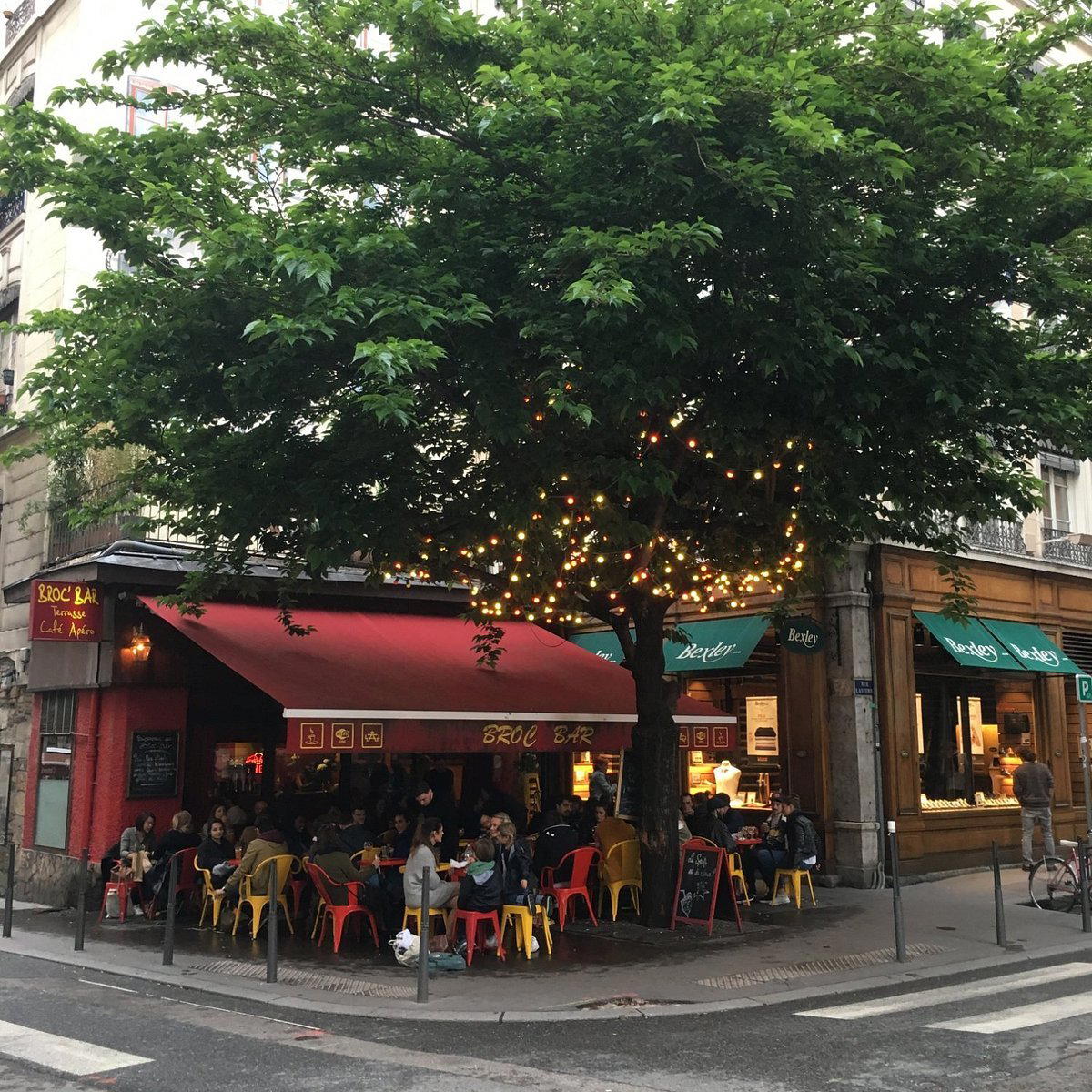
Across Lyon's 1st arrondissement and the Croix-Rousse corridor, a small number of bars have developed reputations that overlap with this tradition while adding their own character. Jaja Bistro, La Cave Café Terroir, and Broc'Bar each occupy a slightly different position within the neighbourhood's drinking ecosystem, whether as natural wine specialists, café-bar hybrids, or community-anchored spots. Trokson on the Grande-Côte functions within that same ecosystem, shaped by the same pedestrian rhythms and neighbourhood loyalty that define bars in this part of the city.
Lyon in French Context
Lyon's position within French bar culture is sometimes underestimated by travellers who approach it primarily through the lens of its restaurants. The city's Michelin density is well-documented, more starred restaurants per capita than almost anywhere in France, but the bar scene that operates alongside that restaurant culture is less frequently mapped for international visitors. that the cities which produce particularly interesting neighbourhood bars in France tend to be those with strong local food cultures: the bar is an extension of the same regional ingredient logic that drives the kitchen.
That pattern holds in Lyon more than almost anywhere. A city that takes its quenelles and andouillette seriously also takes its Côtes du Rhône and Mâconnais seriously, and the bars that serve them reflect that. Compared to the cocktail-focused venues that have shaped bar culture in Montpellier (see Papa Doble), Strasbourg's brewing tradition at Au Brasseur, or the wine-bar format that Bar Casa Bordeaux has developed in Bordeaux, Lyon's neighbourhood bar culture operates with a quieter confidence, less interested in positioning, more focused on regulars and repetition.
That same quality is visible in Toulouse's Coté vin and the village-anchored format of Le Café de la Fontaine in La Turbie, places where the physical setting and the regular clientele are the product, not the concept behind it. Even a bar as far removed as Bar Leather Apron in Honolulu demonstrates that a well-defined physical environment is a sharper differentiator than any menu alone. Trokson's position on the Grande-Côte places it within that international category of bars where arrival and atmosphere precede the drink in the sequence of reasons to return.
Planning a Visit
Café Arsène Garet-Opéra, which anchors a different section of the neighbourhood's drinking circuit.
The Short List
Comparable venues nearby, for context on price, style, and recognition.
| Venue | Cuisine | Price | Notes |
|---|---|---|---|
| TroksonThis venue — the venue you are viewing | Quartier Haut et Coeur des Pentes, pub | $$ | Not listed |
| Broc'Bar | Quartier Bas des Pentes Presqu'île, pub | $$ | Not listed |
| Le Troquet | Not listed | $$ | Quartier Bellecour Carnot, wine_bar |
| La Cave Café Terroir | Not listed | $$ | Quartier Bellecour Cordeliers, wine_bar |
| la Voguette | Not listed | $$ | Quartier Croix-Rousse Est et Rhône, wine_bar |
| Soif Lyon | Not listed | $$ | Quartier Ouest des Pentes, wine_bar |
Continue exploring
More in Lyon
Bars in Lyon
Browse all →
Restaurants in Lyon
Browse all →
Hotels in Lyon
Browse all →

At a Glance
- Lively
- Energetic
- Trendy
- Cozy
- Late Night
- Group Outing
- Casual Hangout
- Live Music
- Courtyard
- Outdoor Terrace
- Lounge Seating
- Craft Beer
- Classic Cocktails
- Street Scene
Current opening hours
- Monday
- Closed
- Tuesday
- 5 PM–1 AM
- Wednesday
- 5 PM–1 AM
- Thursday
- 5 PM–1 AM
- Friday
- 5 PM–1 AM
- Saturday
- 5 PM–1 AM
- Sunday
- Closed
Hours can change for holidays and private events. Last verified .
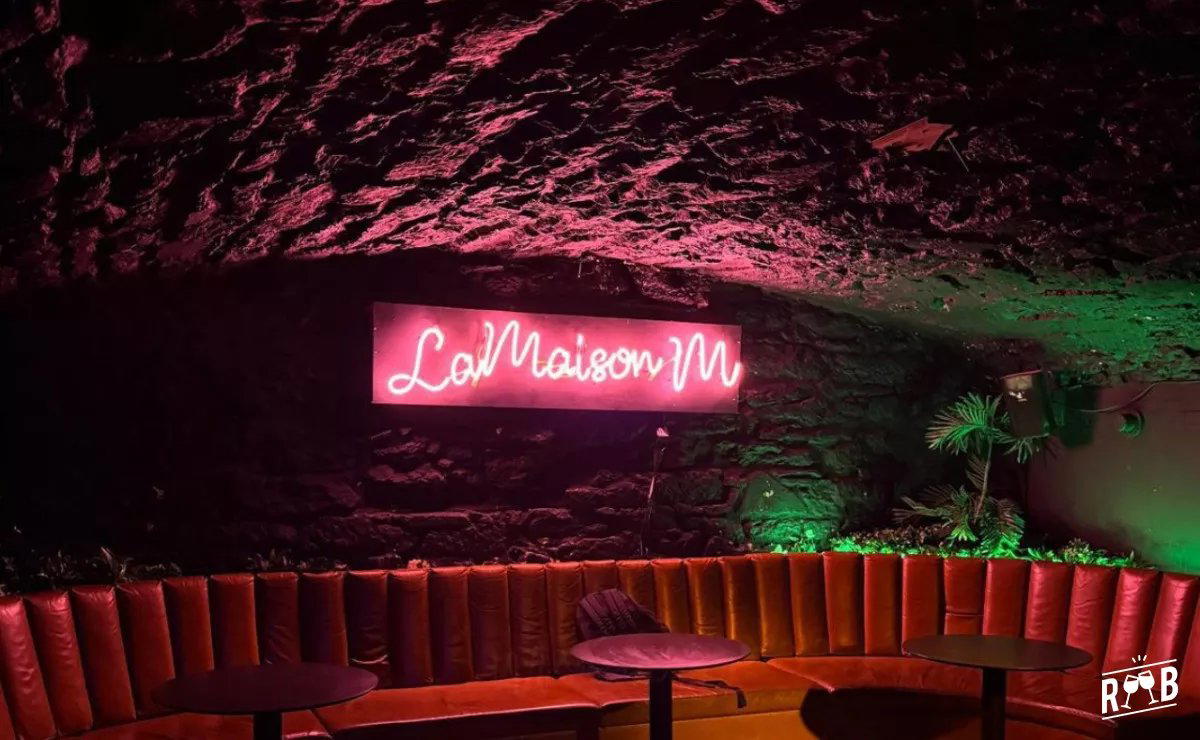
Lively and energetic rock atmosphere with a cool, relaxed vibe, enhanced by live music in the cave and a large sun-soaked outdoor terrace.