Restaurant Paul Bocuse







2 Michelin Stars · World's 50 Best #49 · La Liste Top Restaurants
Restaurant Paul Bocuse sits in Collonges-au-Mont-d'Or, a village north of Lyon that became synonymous with the highest tier of French classical cooking across the latter half of the twentieth century. The restaurant held three Michelin stars for over five decades, a record that places it in a category of its own within modern French culinary history. It remains a reference point for understanding what grand French dining looked like at its peak.

Pearl is the En Primeur Club membership app — saves, bookings, and concierge access live there. Same editors, same standards.
- Address
- 40 Rue de la Plage, 69660 Collonges-au-Mont-d'Or, France
- Phone
- +33 4 72 42 90 90
- Hours
- Mon–Tue ClosedWed–Sun 12–1:30 PM, 8–9:30 PM
- Website
- bocuse.fr
- Directions
- Get directions
- Booking
- Book on the venue's website
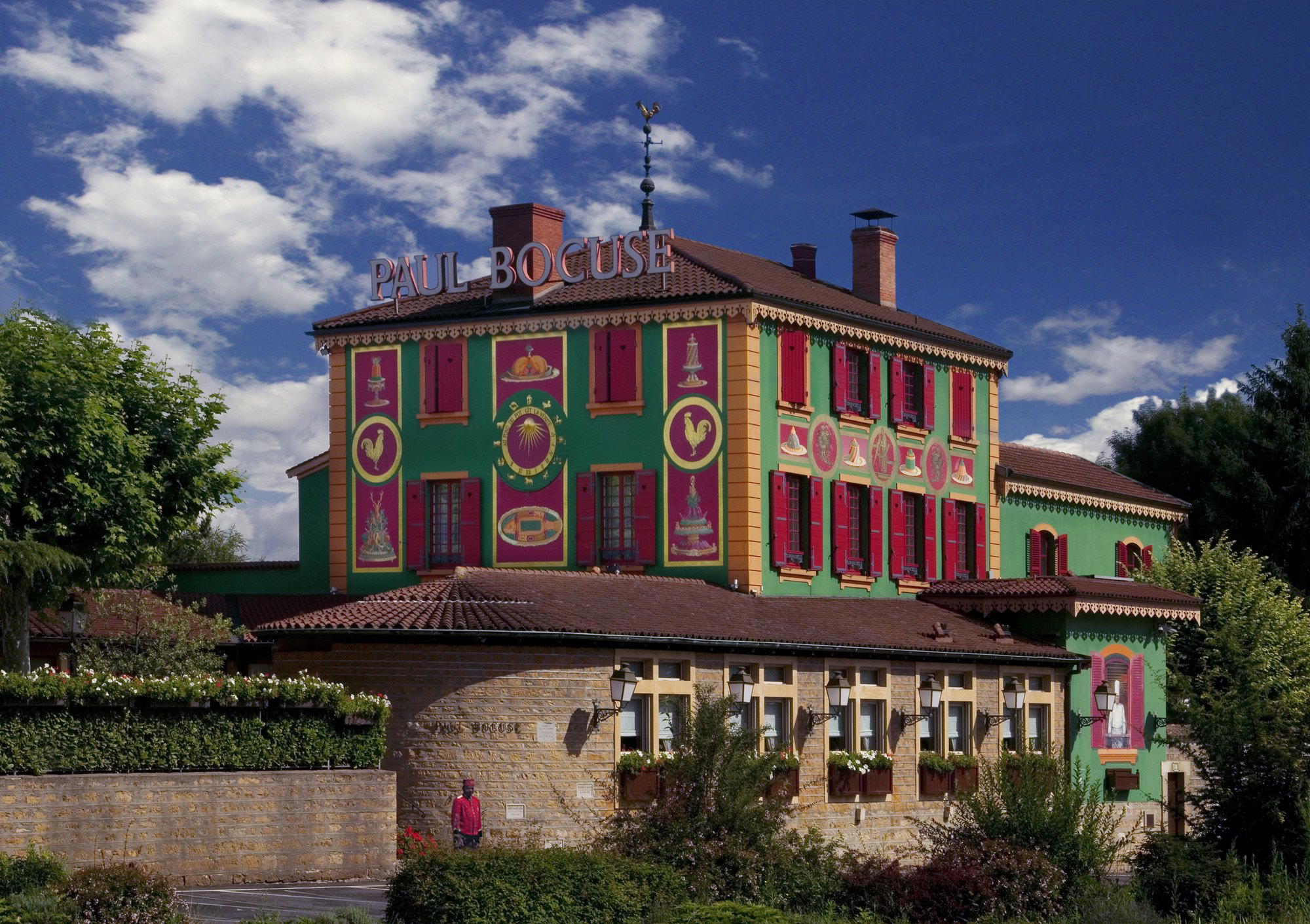
A Village Address That Rewrote French Dining History
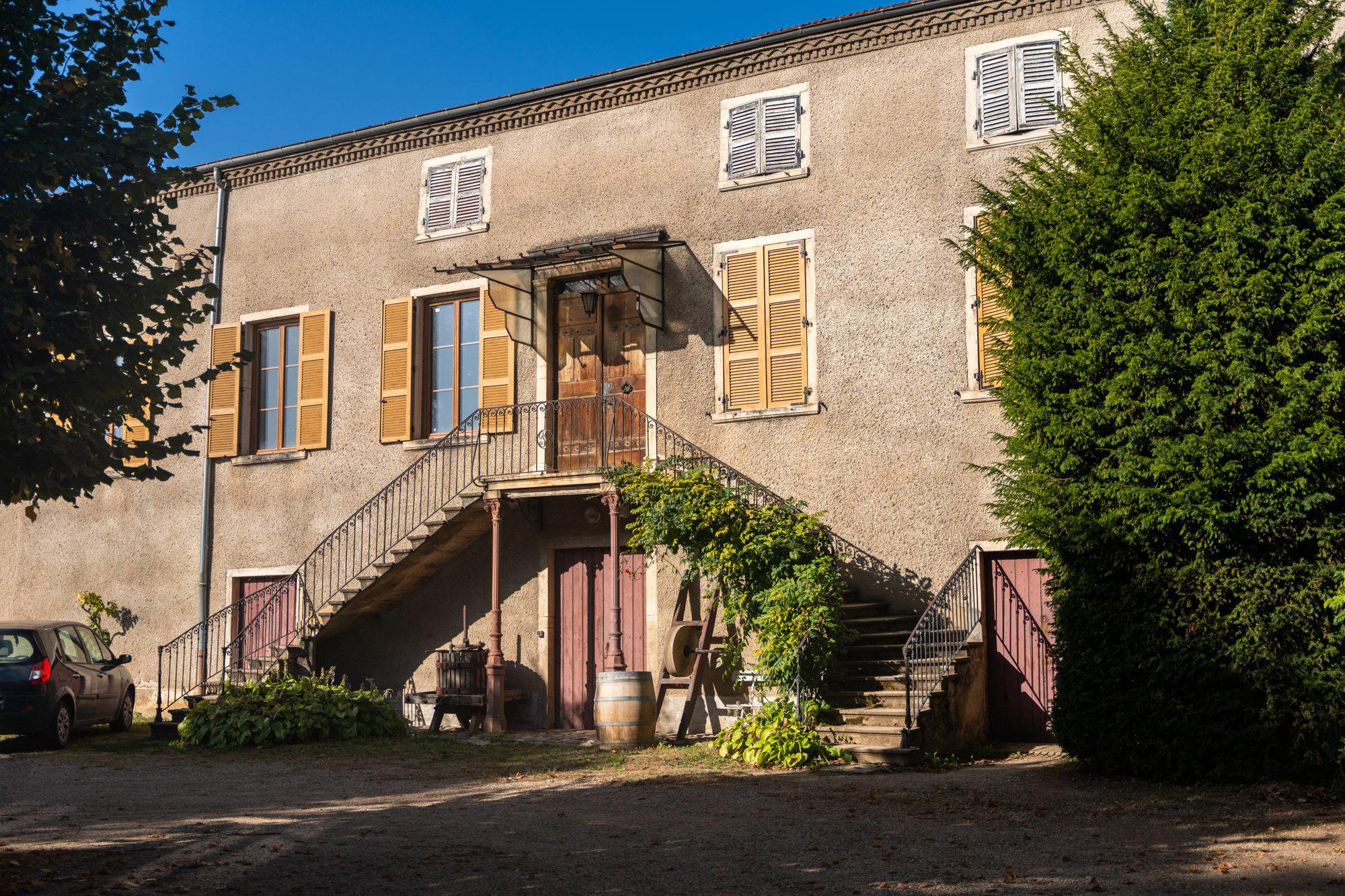
The drive north from Lyon along the Saône takes you through a stretch of riverbank that feels deliberately removed from the city's pace. Collonges-au-Mont-d'Or is a small commune, the kind of place that would be unremarkable without a single address on the Rue de la Plage that drew heads of state, celebrity chefs, and serious food travellers across six decades. The red-and-gold facade of Restaurant Paul Bocuse functions as a kind of monument before you have crossed the threshold — a building that signals the weight of what happened inside it. For anyone interested in French gastronomy as a living tradition rather than a museum subject, arriving here remains one of the more charged moments in European dining. See our full Collonges Au Mont D Or restaurants guide for context on the wider address.
The Position in French Classical Cooking
French haute cuisine in the postwar era split broadly between two orientations: a reformist movement that lightened sauces and shortened menus, and a strand that kept faith with the grand classical tradition while refining its execution. Restaurant Paul Bocuse became the most visible address in that second strand, and in many ways defined what three-star classical French cooking meant internationally. The three Michelin stars, held continuously for more than fifty years until a recent reduction, represent the most sustained performance at that level in the guide's history.
France's broader restaurant culture has grown considerably more diverse in the decades since the restaurant's reputation was established. Paris now has a range of bars and dining rooms operating at international reference level — Bar Nouveau in Paris sits within a city that has developed technically ambitious drink programs alongside its culinary tradition. But Collonges-au-Mont-d'Or is specifically not Paris. The restaurant's location outside a major city centre is itself a statement: for much of its history, the address required pilgrimage, and that deliberate remove from urban convenience was built into the experience.
What the Classical Format Means at This Level
The kitchen at Collonges-au-Mont-d'Or built its reputation on exactly this approach, executed with a consistency that peer establishments rarely matched across the same time span. Regulars and returning visitors have historically pointed to dishes rooted in Lyonnaise tradition, the region's cooking draws on proximity to both Bresse poultry and the Rhône valley's produce, and the restaurant's menu has always reflected that geographic logic.
The wine program at a restaurant operating at this price and prestige tier is necessarily extensive. The Rhône and Burgundy appellations sit within reach, and a cellar assembled over decades at this address would represent a document of French wine history as much as a list of available bottles. This is the context in which the drinking dimension of an evening at Bocuse needs to be understood: the wine is not supplementary but co-equal with the food, a philosophy shared by serious French restaurants across regions. Coté vin in Toulouse and La Maison M. in Lyon each work within a similar conviction that the Loire and Rhône serve as more than an accompaniment, though at different price tiers from the Bocuse experience.
The Bocuse Name as Reference Point Across France
One way to read the significance of this address is through the number of serious French restaurants and drinking establishments that trace lineage, training, or philosophy to what was developed here. The Bocuse name spread through a network of culinary competitions, international collaborations, and alumni who went on to open significant restaurants across Europe. That diffusion means the influence of what happened in this building is present in dining rooms and bar programs well beyond the Saône corridor. Papa Doble in Montpellier and Au Brasseur in Strasbourg operate within a French hospitality tradition that was partly shaped by the professionalization of the industry that the Bocuse model accelerated.
For those approaching from the wine-producing regions of western France, the address connects to a broader circuit of serious French eating and drinking: BOUVET LADUBAY in Saumur, House of Cointreau in Angers, and Bar Casa Bordeaux in Bordeaux each sit within a French hospitality fabric that shares reference points with classical cooking at this level, even when the format is entirely different.
Planning a Visit
The restaurant is located at 40 Rue de la Plage, 69660 Collonges-au-Mont-d'Or, accessible from Lyon in under thirty minutes by car following the Saône north. Given the address's profile and the number of visitors who build travel specifically around a table here, advance reservation is strongly recommended; for large parties or specific dining room preferences, contacting the restaurant well ahead is standard practice at this tier. Dress code expectations align with what a three-star French classical establishment has always implied: formal, considered, and respectful of the format. For those pairing the visit with broader French travel, the Mediterranean coast offers a different register of serious French cooking at addresses like Le Petit Nice Passedat in Marseille or the quieter refinement of Le Café de la Fontaine in La Turbie.
Travellers coming from further afield, including connections via Bar Leather Apron in Honolulu or other international reference points, will find Lyon's Saint-Exupéry airport a practical entry with direct European connections. The restaurant's position outside the city centre makes it most natural as a standalone evening rather than part of a rushed urban itinerary.
How It Stacks Up
Comparable venues nearby, for context on price, style, and recognition.
| Venue | Cuisine | Price | Awards | Notes |
|---|---|---|---|---|
| Restaurant Paul BocuseThis venue — the venue you are viewing | lounge | $300–500 | 2 Michelin Stars · World's 50 Best #49 | Not listed |
| Paul Bocuse - LAuberge du Pont de Collonges | Classic French Fine Dining | $300–500 | 2 Michelin Stars · World's 50 Best #49 | Collonges-au-Mont-d'Or |
| Le Sucre | rooftop_bar | $20–30 | Not listed | Quartier Perrache Confluence |
| Bigoudi | rooftop_bar | $50–100 | Not listed | Trocadéro / Chaillot |
| la Voguette | wine_bar | Not listed | Not listed | Quartier Croix-Rousse Est et Rhône |
| Le Café du Peintre | wine_bar | Not listed | Not listed | Quartier Brotteaux |
Recognition history
Dated appearances from independent guides and award organizations, with the underlying list record or original source where available.
Michelin 2 Stars
Michelin
World's 50 Best Restaurants #49
World's 50 Best
La Liste Top Restaurants
La Liste
Falstaff Restaurant - 96 Falstaff Points
Falstaff
Les Grandes Tables du Monde Member
Les Grandes Tables du Monde
Full recognition history (15 entries)
Opinionated About Dining Classical in Europe Ranked #71
Opinionated About Dining
Gault & Millau Prestige Restaurant
Gault & Millau
La Liste Top Restaurants
La Liste
Michelin 2 Stars
Michelin
Opinionated About Dining Classical in Europe Ranked #113
Opinionated About Dining
Michelin 2 Stars
Michelin
Opinionated About Dining Classical in Europe Ranked #78
Opinionated About Dining
Opinionated About Dining Classical in Europe Ranked #92
Opinionated About Dining
World's 50 Best Restaurants #43
World's 50 Best
World's 50 Best Restaurants #21
World's 50 Best
Continue exploring
More in Collonges-au-Mont-dOr
Bars in Collonges-au-Mont-dOr
Browse all →
Restaurants in Collonges-au-Mont-dOr
Browse all →
Hotels in Collonges-au-Mont-dOr
Browse all →

Details
- Elegant
- Sophisticated
- Classic
- Well Known
- Ornate
- Celebration
- Special Occasion
- Private Event
- Group Outing
- Historic Building
- Design Destination
- Standalone
- Seated Bar
- Private Rooms
- Conventional Wine
- Classic Cocktails
- Waterfront
Current opening hours
- Monday
- Closed
- Tuesday
- Closed
- Wednesday
- 12–1:30 PM, 8–9:30 PM
- Thursday
- 12–1:30 PM, 8–9:30 PM
- Friday
- 12–1:30 PM, 8–9:30 PM
- Saturday
- 12–1:30 PM, 8–9:30 PM
- Sunday
- 12–1:30 PM, 8–9:30 PM
Hours can change for holidays and private events. Last verified .
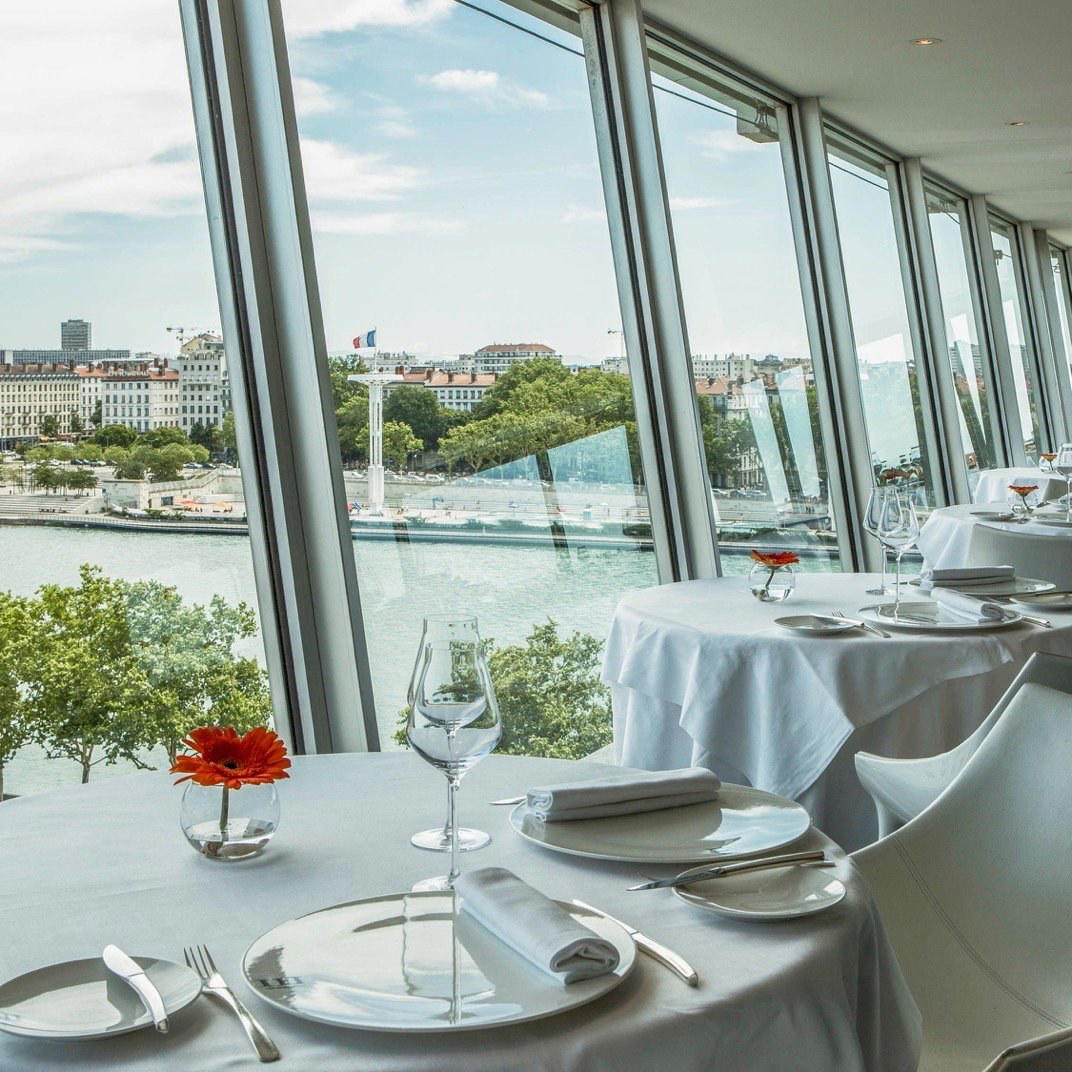
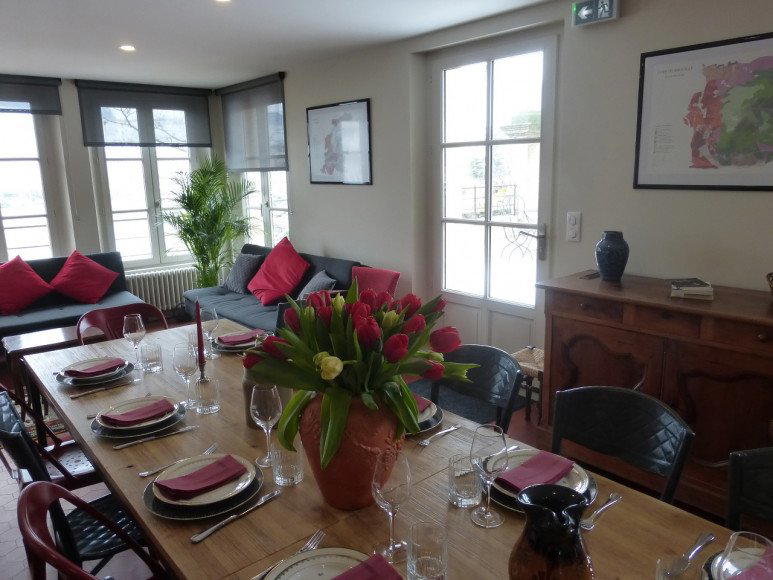
Bright, warm, and elegant fine-dining atmosphere with a renovated, light-filled dining room, refined salons, and a celebratory house feel rooted in French gastronomic tradition.