Georges Duboeuf
Georges Duboeuf in Romanèche-Thorins sits at the commercial and cultural heart of Beaujolais, where the granite-rich soils of the Mâconnais border shape a house committed to expressing gamay in its most direct, terroir-legible form.
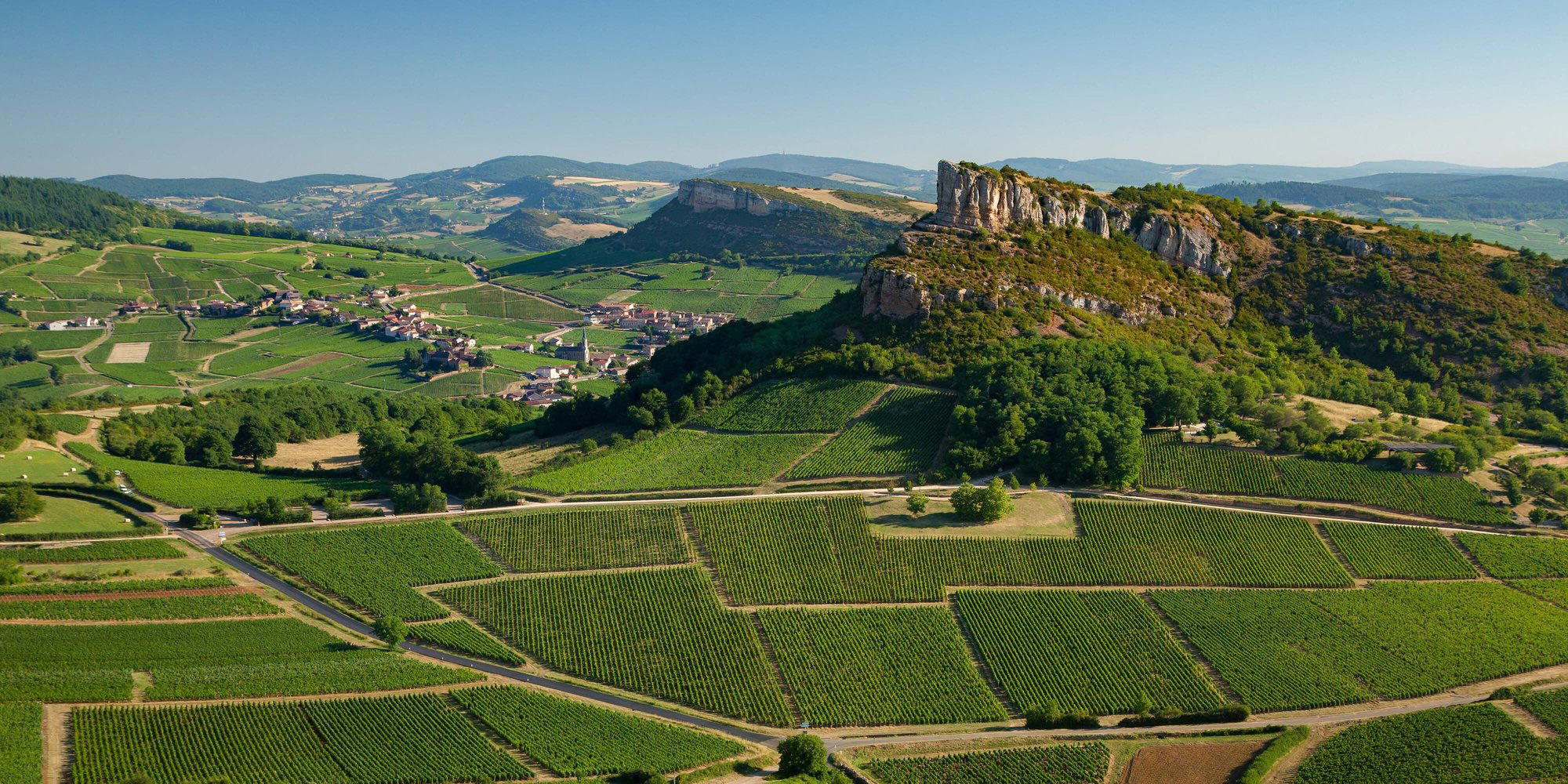
Where Beaujolais Becomes a Place, Not Just a Wine
Drive south from Mâcon through the limestone and granite ridge country of southern Burgundy and the landscape changes register before you reach Romanèche-Thorins. The vines sit lower, the soils shift from pale chalk to the schist and decomposed granite that define the northern Beaujolais crus, and the appellations tighten: Moulin-à-Vent begins here, sharing a boundary with Chénas, with Georges Duboeuf's address on Rue de Lancié sitting squarely in the corridor where serious Beaujolais has always been made. This is not the Beaujolais of purple-labelled primeur novelty. It is the Beaujolais that ages, that carries iron and volcanic mineral on the mid-palate, that argues, credibly, for a place in the same conversation as lesser-known Côte de Nuits villages.
The Gamay Question and What Granite Says About It
The editorial case for taking Beaujolais cru wines seriously begins with geology. Gamay, widely dismissed as a thin workhorse grape during the decades when Beaujolais Nouveau defined the region's public identity, behaves with measurably different character when grown on the granite and blue volcanic stone of Moulin-à-Vent, Fleurie, and Morgon compared with the clay-limestone soils further south. The mineral density, the tannin grip, the capacity for mid-term cellaring, all of these emerge from specific soil conditions rather than from winemaking intervention, and Romanèche-Thorins sits at the epicentre of that argument. The house that bears the Duboeuf name operates within this context, positioned as the volume-significant producer that nonetheless anchored its reputation on communicating appellation character rather than reducing Beaujolais to a single commercial style. Internationally, this places Georges Duboeuf in a different competitive set from smaller domaine-only producers like those found at Albert Boxler in Niedermorschwihr or allocation-focused estates such as Accendo Cellars in St. Helena, but it shares with them a focus on terroir legibility as the primary editorial claim.
The granite-heavy parcels around Moulin-à-Vent generate wines with a density and longevity that contradicts the grape's reputation. Given four to eight years in bottle, the best of these lose their primary fruit brightness and take on something closer to a structured Burgundy, an effect that the region's proponents have demonstrated repeatedly and that informed buyers now factor into their purchasing decisions. For visitors approaching from the Rhône corridor, properties such as Château d'Esclans in Courthézon and Chartreuse in Voiron mark the southern bookends of a wine route that passes through meaningfully different soil and style registers before arriving at the Beaujolais granite country.
Reading the 2025 Award in Context
Compare this with the award profiles of Bordeaux properties operating at similar prestige levels: Château Branaire Ducru in St-Julien, Château Batailley in Pauillac, and Château Cantemerle in Haut-Médoc all operate within classification frameworks that supply an external credibility scaffold. For Bordeaux comparison across the right bank, Château Bélair-Monange in Saint-Emilion and Château Clinet in Pomerol demonstrate how appellation prestige layers with producer reputation to set price expectations. In Beaujolais, that layering is less formalised, which keeps entry prices accessible relative to quality and explains why the region remains undervalued by investors even as critics reassess it.
Georges Duboeuf occupies that tier from a dry red position, which in Beaujolais means gamay-based wines spanning light primeur styles to the more serious cru bottlings that the house built its long-term credibility on.
Romanèche-Thorins as a Wine Destination
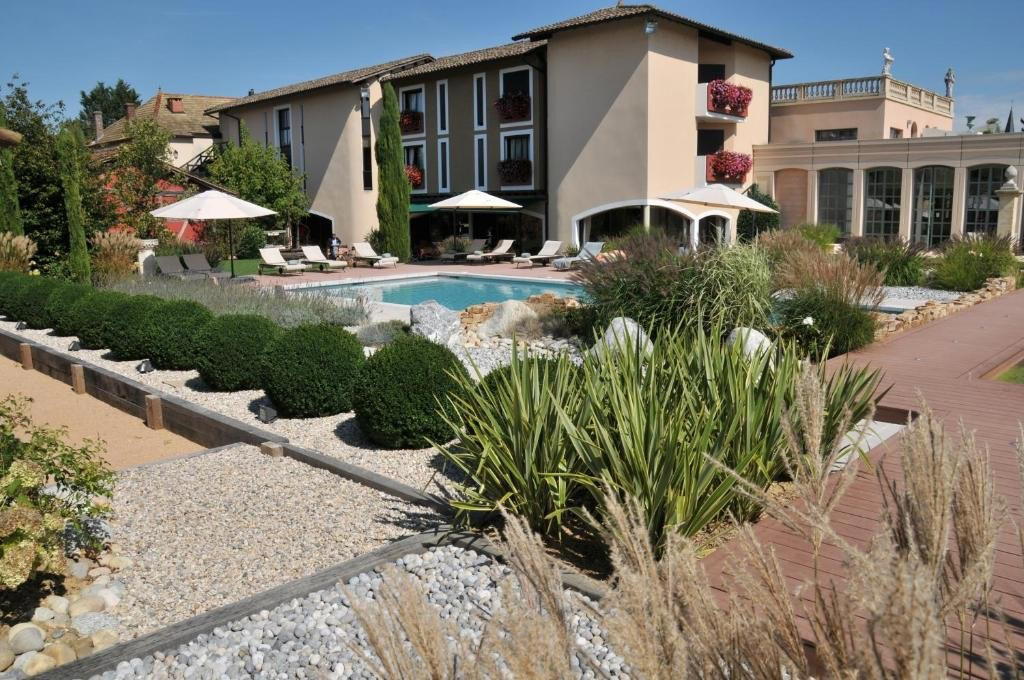
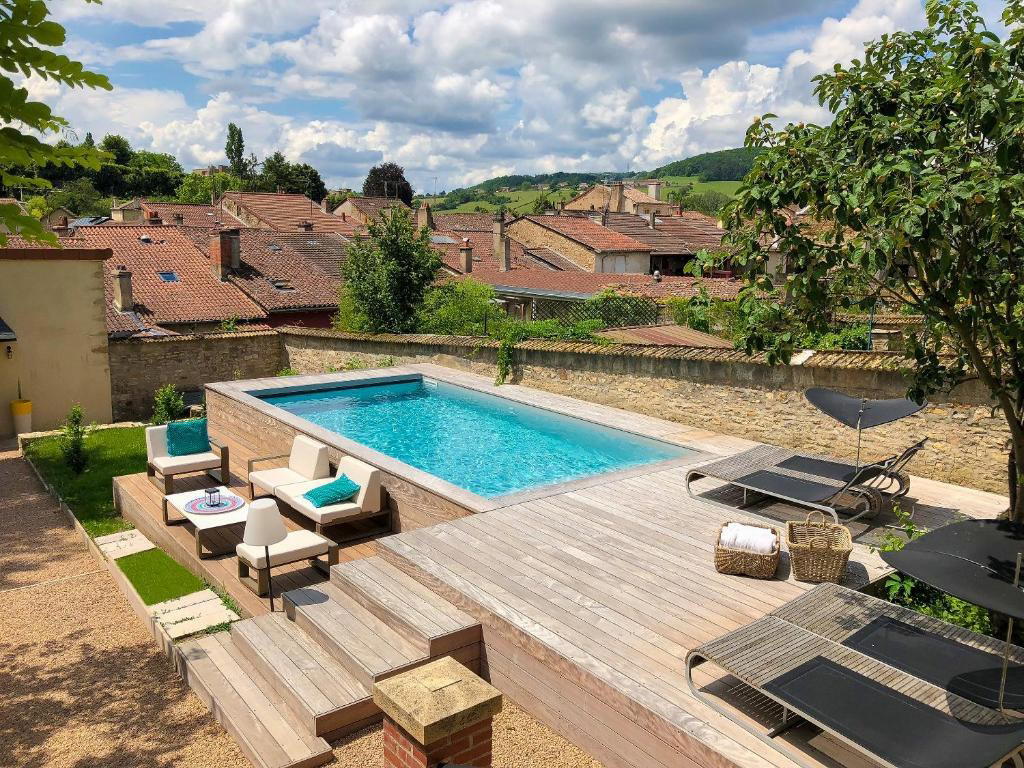
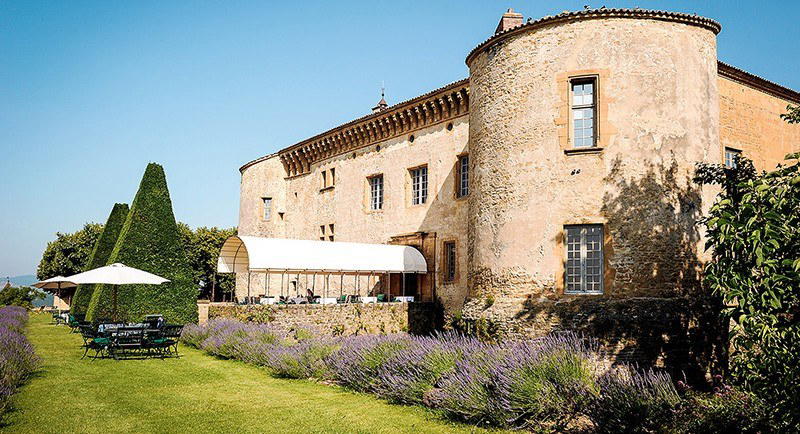
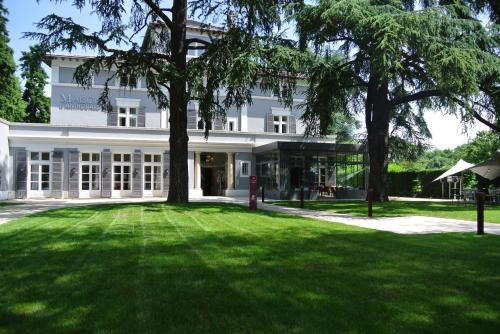
The town of Romanèche-Thorins is small enough that the Duboeuf name defines much of its wine-tourism infrastructure. The Hameau en Beaujolais, the experience centre associated with the house, has drawn visitors for years as an entry point into the region's history and production logic, making the address at 208 Rue de Lancié a practical anchor for a Beaujolais itinerary. The broader Mâconnais-to-Beaujolais corridor rewards those who build time into the schedule: travelling north opens appellations like Pouilly-Fuissé and Saint-Véran for Chardonnay comparison, while moving south through Fleurie, Morgon, and Brouilly covers the range of cru styles that demonstrate gamay's soil-sensitivity most clearly. For a thorough guide to eating and drinking in this part of the region, see our full Romanèche-Thorins restaurants guide.
Visitors focused on the Médoc who plan to cross into Beaujolais for comparison will find the stylistic contrast instructive: where Château Boyd-Cantenac in Cantenac and Château Dauzac in Labarde express terroir through the slow accumulation of tannin in cabernet-dominant blends, Moulin-à-Vent expresses it through mineral tension and the particular iron-like quality that granite soils impart to gamay. Neither approach is superior; they are simply different arguments about what soil expression means in practice. For whisky-focused travellers rounding out a French tour, Aberlour in Aberlour represents a comparable producer-as-destination model in a very different category and climate.
Planning a Visit
Romanèche-Thorins sits on the A6 autoroute corridor between Lyon and Mâcon, making it accessible by car in under an hour from Lyon and reachable by TGV to Mâcon-Loché followed by a short transfer. Booking ahead is advised for any structured tasting or experience, particularly during the weeks surrounding Beaujolais Nouveau release in November, when visitor volumes spike and the town's limited accommodation fills quickly. Outside that window, the quieter months of spring and early autumn give more room to engage with the cru wines at a considered pace.
Frequently asked questions
Is Georges Duboeuf more formal or casual?
The experience at Romanèche-Thorins leans toward accessible wine education rather than tasting-room formality. The Hameau en Beaujolais complex frames the house as a regional destination open to a broad range of visitors.
What's the must-try wine at Georges Duboeuf?
The cru Beaujolais bottlings from Moulin-à-Vent and Morgon make the most coherent argument for the house's regional standing. Both appellations draw from granite-dominant soils that give Gamay the structure and aging potential that distinguish cru Beaujolais from its Nouveau counterpart.
Where do I go for Georges Duboeuf?
Georges Duboeuf is located at 208 Rue de Lancié, 71570 Romanèche-Thorins, Romanèche-Thorins.
What's the defining thing about Georges Duboeuf?
Duboeuf operates at significant volume for a Beaujolais producer while maintaining appellation-specific bottlings across the cru hierarchy, a combination few houses in the region attempt at scale. Based in Romanèche-Thorins at 208 Rue de Lancié, the house also functions as the area's primary wine-tourism anchor.
Side-by-Side Snapshot
Comparable venues nearby, for context on price, style, and recognition.
| Venue | Cuisine | Price | Awards | Notes |
|---|---|---|---|---|
| Georges DuboeufThis venue (the venue you are viewing) | Gamay | Not listed | Not listed | Not listed |
| Maison Gautheron d'Anost | Chardonnay, Pinot Noir | Not listed | Not listed | Arsenal |
| Domaine Jean Foillard | Gamay | Not listed | Falstaff Winery - Listed | Villié-Morgon |
| Château de Ferrand | Merlot, Cabernet Franc | $30–50 | Falstaff Winery - Listed | Saint-Hippolyte |
| Château Thivin | Gamay | $10–20 | Falstaff Winery - Listed | Mont Brouilly |
| Domaine Michel Lafarge | Pinot Noir, Chardonnay | Not listed | Michelin 1 Grape · Falstaff Winery - Listed | Volnay |
Enquire about visiting Georges Duboeuf or buying its wine
Visits to Georges Duboeuf are usually kept for the estate's regular buyers and the wine trade. Tell us when you would like to go and a little about how you buy, and we put the request to the estate and reply to you by email. For buying, we source directly from the producer or from a licensed seller we know and vouch for, and tell you the route before you pay.
Continue exploring
More in Romanèche-Thorins
Wineries in Romanèche-Thorins
All wineries in Romanèche-Thorins →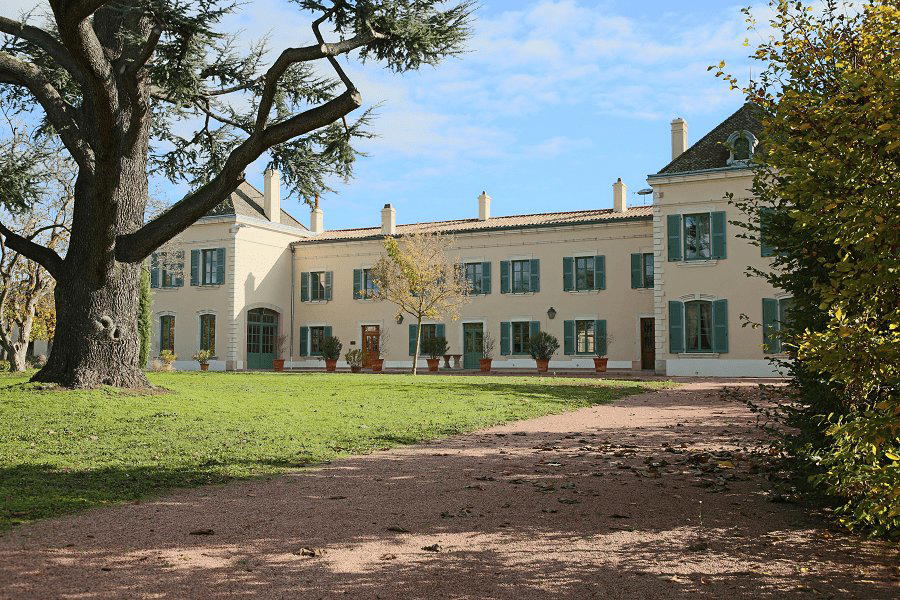

Bars in Romanèche-Thorins
Browse all →
Restaurants in Romanèche-Thorins
Browse all →
Details
- Classic
- Rustic
- Wine Education
- Group Outing
- Cave Tasting
- Historic Building
- Vineyard
- Gamay
- Still Red
- Cave Tasting
- French
- English
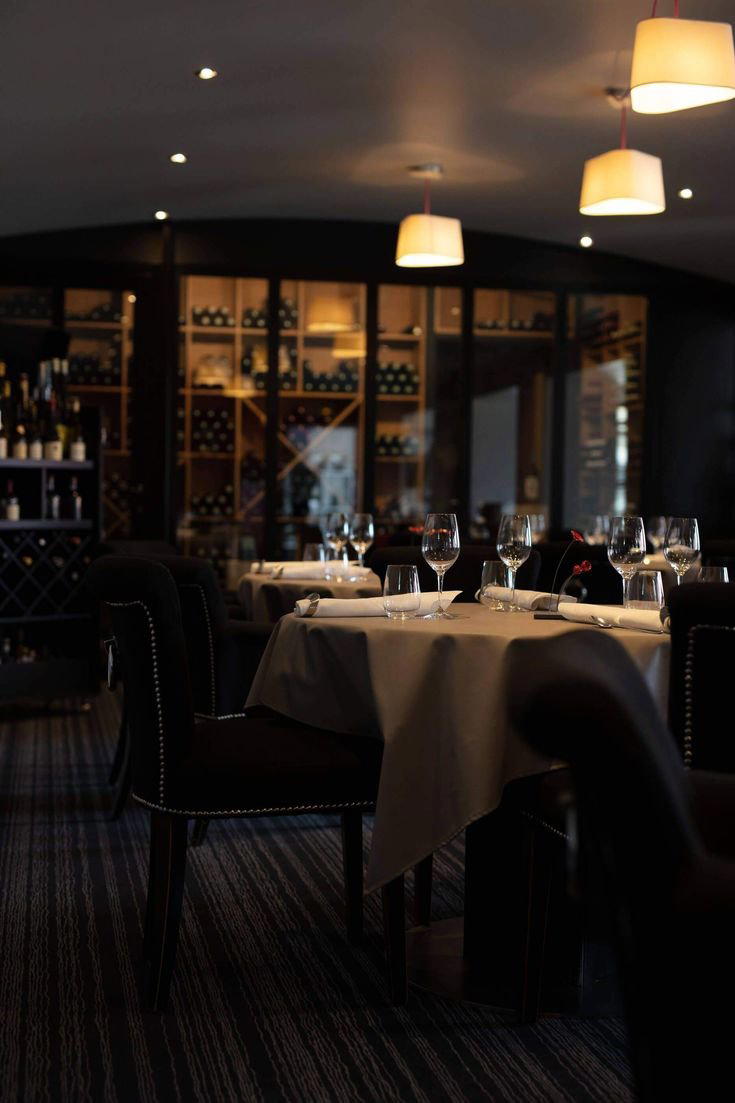
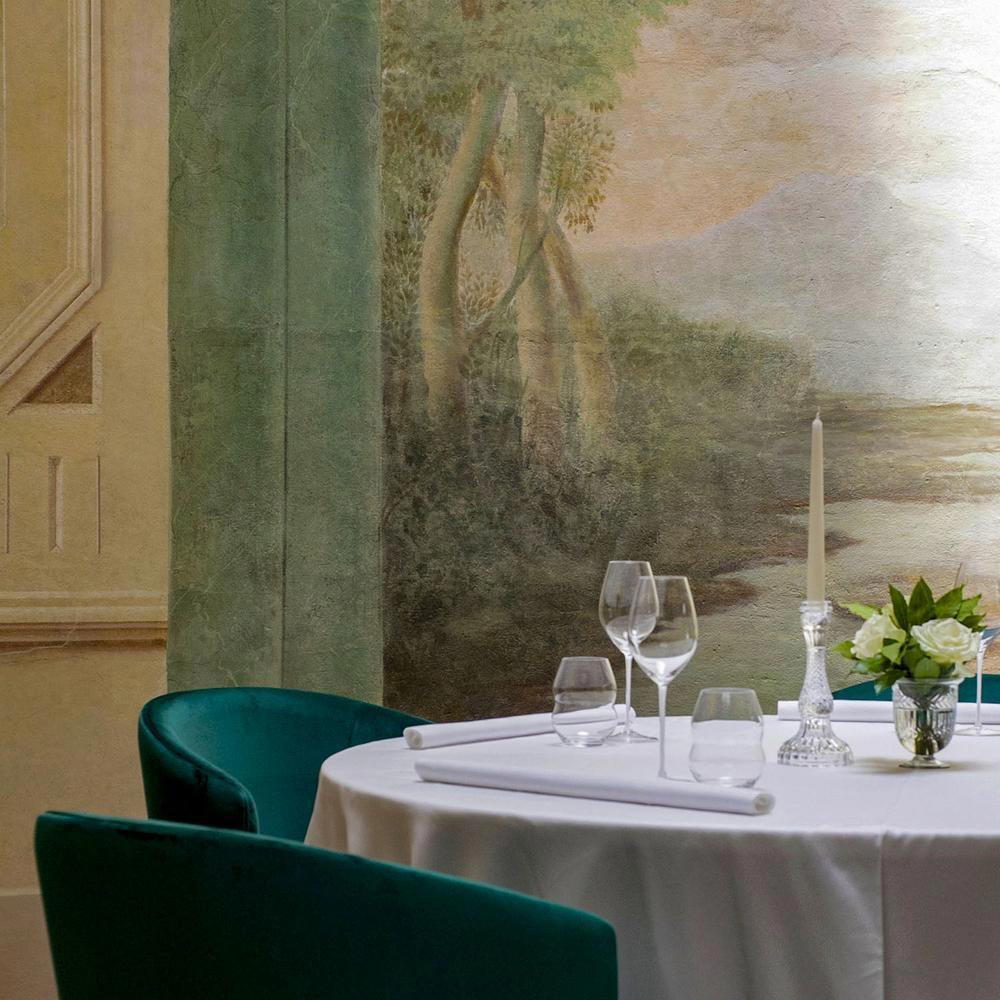
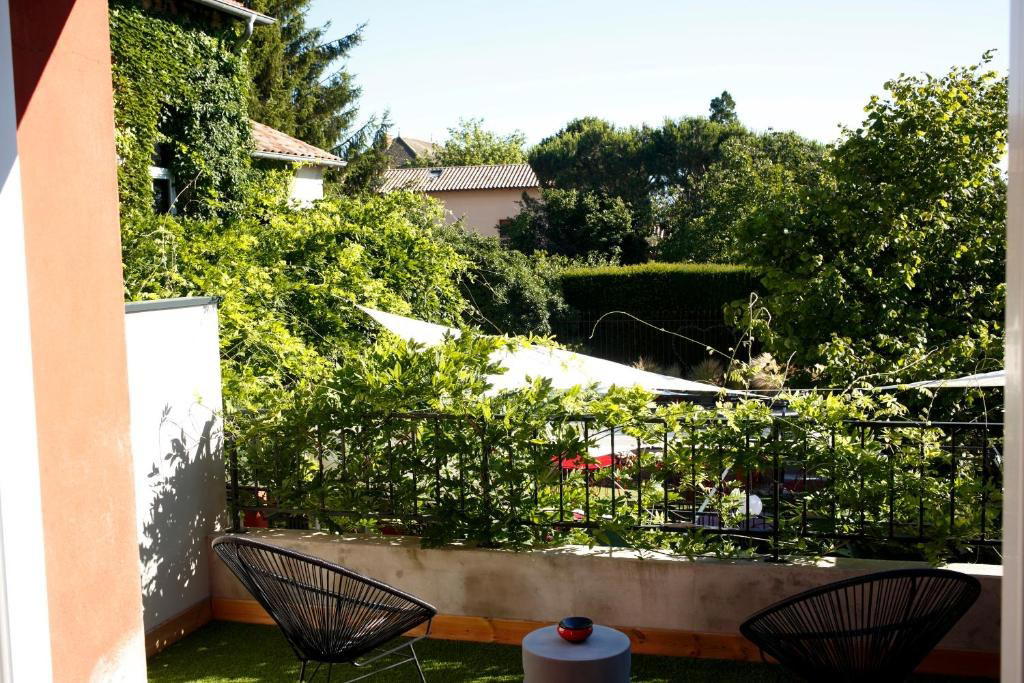
Classic old-school French feel with a great atmosphere in the bar and terrace areas.