

1 Michelin Star · Gault & Millau Remarkable Restaurant
Our verdict
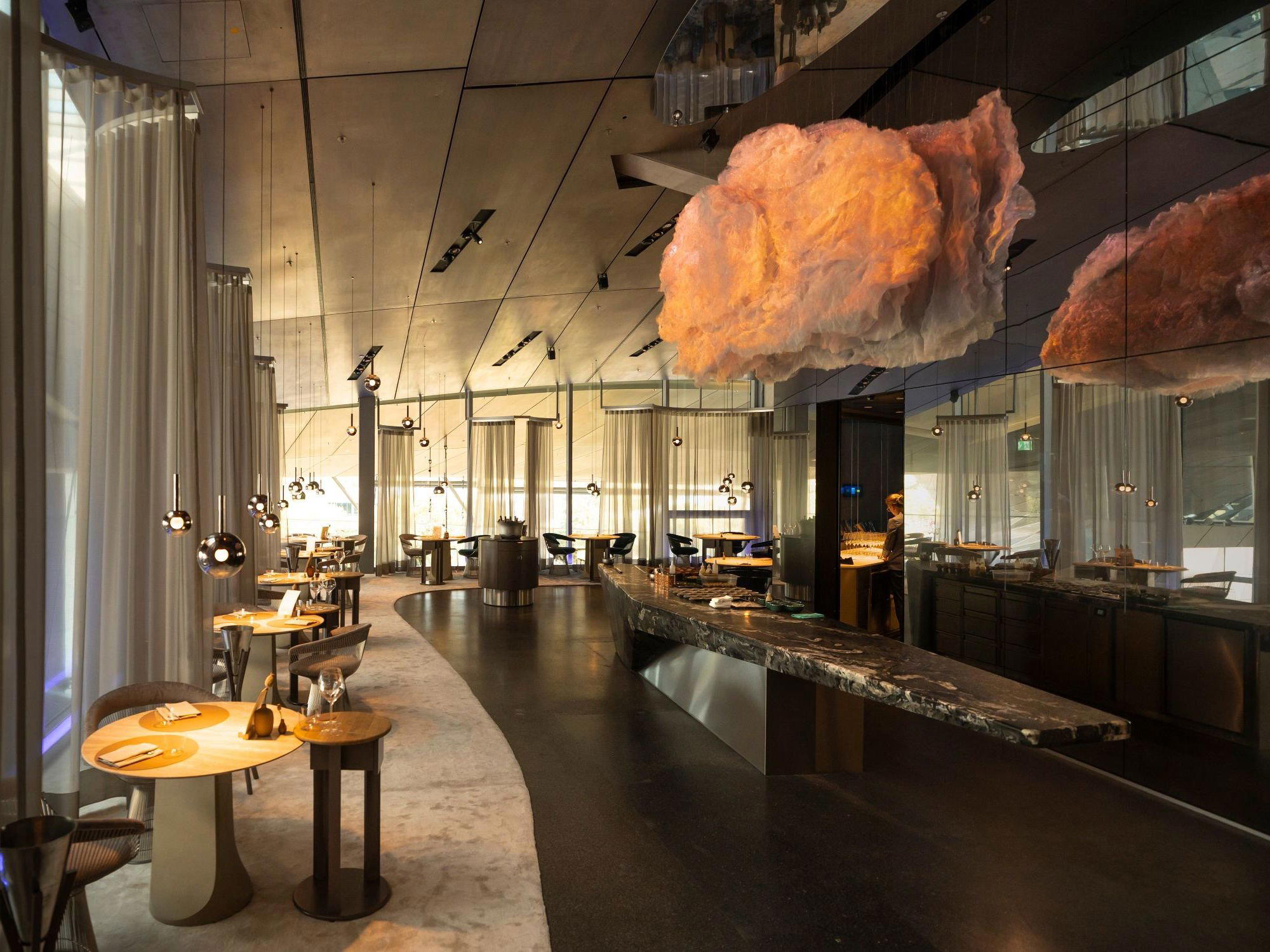
A Michelin-starred address in the Pouilly-Fuissé vineyards, La Table de Chaintré earns its place among southern Burgundy's most considered dining rooms through a weekly-changing set menu built on local market produce. Chef Christophe Ducros pitches his cooking at the intersection of French technique and regional ingredient depth, with a wine list that draws directly from the surrounding appellation. Rated 4.6 across 355 reviews, the room is compact and the service personal.

Pearl is the En Primeur Club membership app, where members save venues, book tables and use the concierge.
The menu
What to order
- Langoustine Bretonne carpaccio
- Foie gras de canard
- Poularde de Bresse
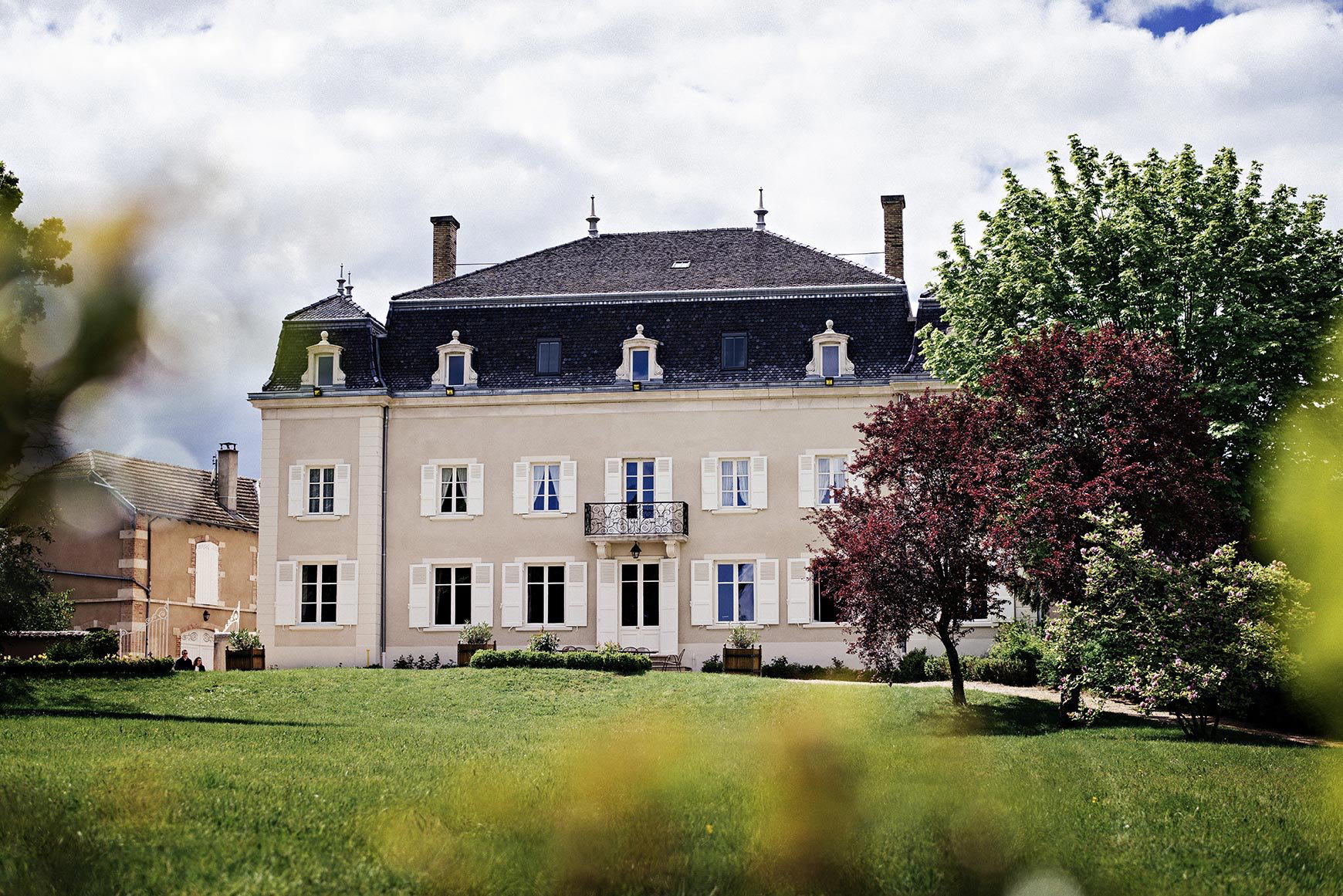
A Village Table in the Pouilly-Fuissé Vineyards
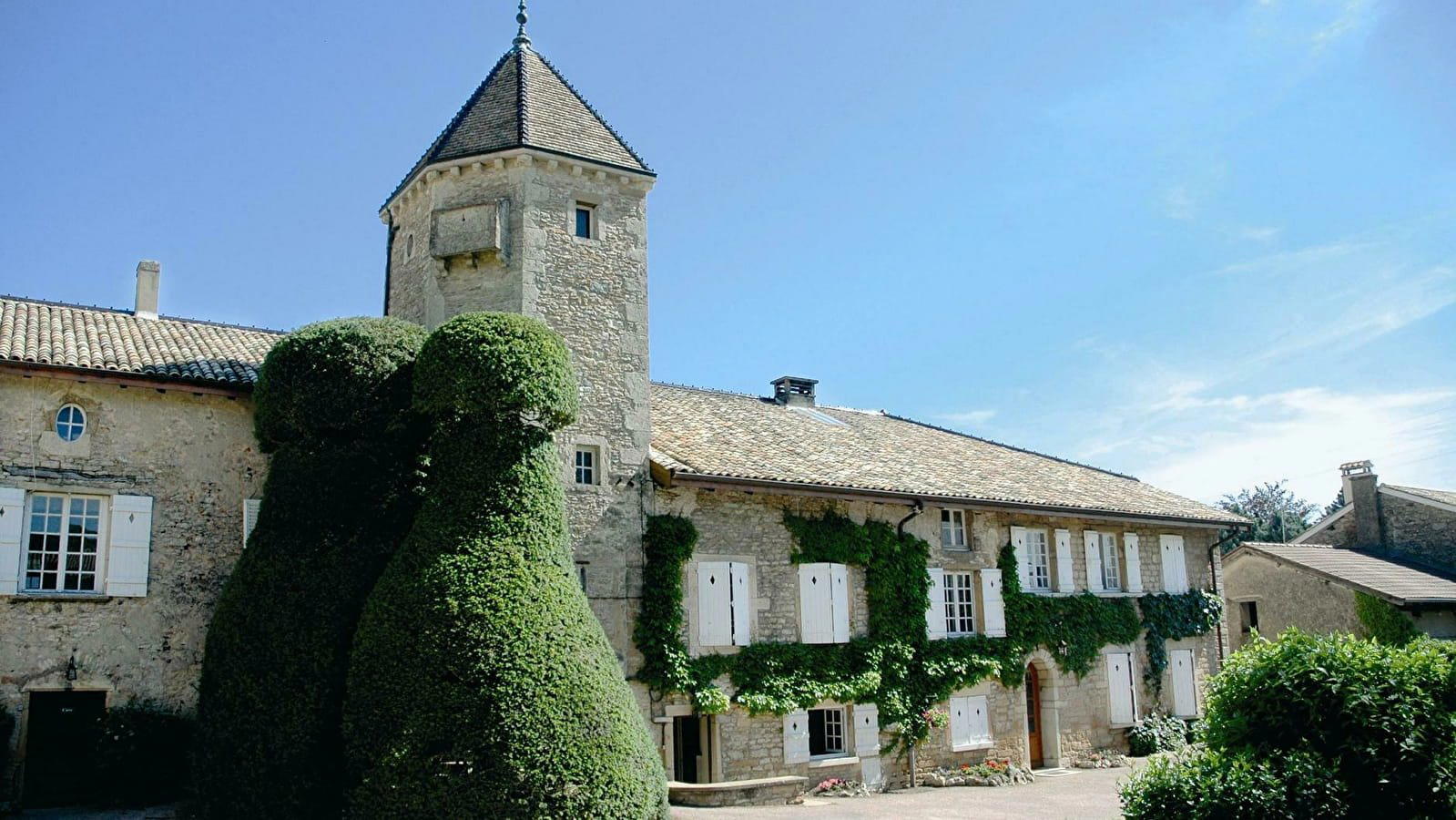
The southern edge of Burgundy, where the Mâconnais meets the start of Beaujolais country, has never been a region associated with destination dining at the level of, say, Lyon or Dijon. That has historically been part of its appeal for those who know it: smaller crowds, more direct access to producers, and a style of restaurant that reflects agricultural reality rather than urban theatrical ambition. La Table de Chaintré, sitting on the Place du Luminiaire in the village of Chaintré, belongs precisely to that tradition. The approach here is to let the market dictate the menu rather than the reverse, with Chef Christophe Ducros working a weekly-changing set format built around whatever the local producers and nearby markets are offering. The Michelin Guide awarded one star in 2024 and categorises the restaurant as Remarkable, which in Guide language signals consistent quality rather than experimental theatre.
France carries a dense concentration of serious kitchens operating outside major cities, and the country-restaurant format, when done with rigour, can outperform many urban peers on the measures that matter most: ingredient proximity, wine access, and the kind of unhurried service that a twelve-seat-lunch format in a Burgundy village makes structurally possible. Compared to the multi-star urban addresses, such as Alléno Paris au Pavillon Ledoyen in Paris or Mirazur in Menton, where the price bracket is €€€€ and the production scale is correspondingly larger, La Table de Chaintré sits at €€€ and operates on a smaller, more intimate axis. That is not a compromise. It is a different set of priorities.
Produce as the Point of Departure
The Michelin description of the restaurant names specific dishes that illustrate how the kitchen operates: langoustines from Brittany paired with celtuce and early-season tomatoes, frogs' legs prepared two ways (poached and deep-fried in Japanese breadcrumbs), and Bresse chicken with pattypan squash, rainbow chard, and heritage carrots. These are not decorative details. They indicate a kitchen that draws on fine French sourcing traditions (Brittany shellfish, Bresse poultry are benchmark ingredients in French serious cooking) while applying technique with enough flexibility to incorporate non-classical approaches, the Japanese breadcrumb preparation of the frogs' legs being a clear example. The result sits within Modern Cuisine, the category assigned to the restaurant, but it reads more like seasonal French cooking with a contemporary technical vocabulary than the deconstructive style that Modern Cuisine sometimes implies at higher price points.
The weekly rotation of the set menu is worth understanding as a structural commitment rather than a marketing claim. Kitchens that change their menus weekly are making a specific choice: the dishes cannot be over-engineered over months of refinement, the team must adapt constantly, and the entire operation is oriented around what is available rather than what is planned. This tends to produce food that reads as more immediate and ingredient-driven. For the returning guest, it also makes multiple visits genuinely necessary rather than merely recommended. The Michelin entry notes this explicitly, pointing to the rotation as a reason to return regularly, and that framing reflects how the kitchen intends the format to work.
Ducros in the Context of France's Chef-Producer Tradition
Chef Christophe Ducros operates within a well-established French culinary tradition in which the chef's role includes active market participation: sourcing directly from producers, maintaining relationships with local growers, and building dishes around what those relationships make available rather than around a fixed concept. This tradition runs through many of France's most respected regional addresses, from the Troisgros family's deep integration with producers in the Loire valley (see Troisgros - Le Bois sans Feuilles in Ouches) to the market-driven approach that defines kitchens like Auberge du Vieux Puits in Fontjoncouse. Ducros scours local markets personally, according to the Michelin record, which in practice means the cooking carries a directness that kitchen-to-table distances make difficult to replicate in city environments.
The broader French regional dining scene has seen a gradual re-evaluation over the past decade. Addresses like Bras in Laguiole and Auberge de l'Ill in Illhaeusern have long established that serious cooking is not a purely urban phenomenon in France, and the Michelin Guide's continued attention to village and rural addresses reflects that reality. La Table de Chaintré's 2024 star arrival places it within this cohort: kitchens that earn recognition not through the spectacle of a large brigade in a grand room, but through the specificity and discipline of their ingredient sourcing and menu construction.
Wine as Geography
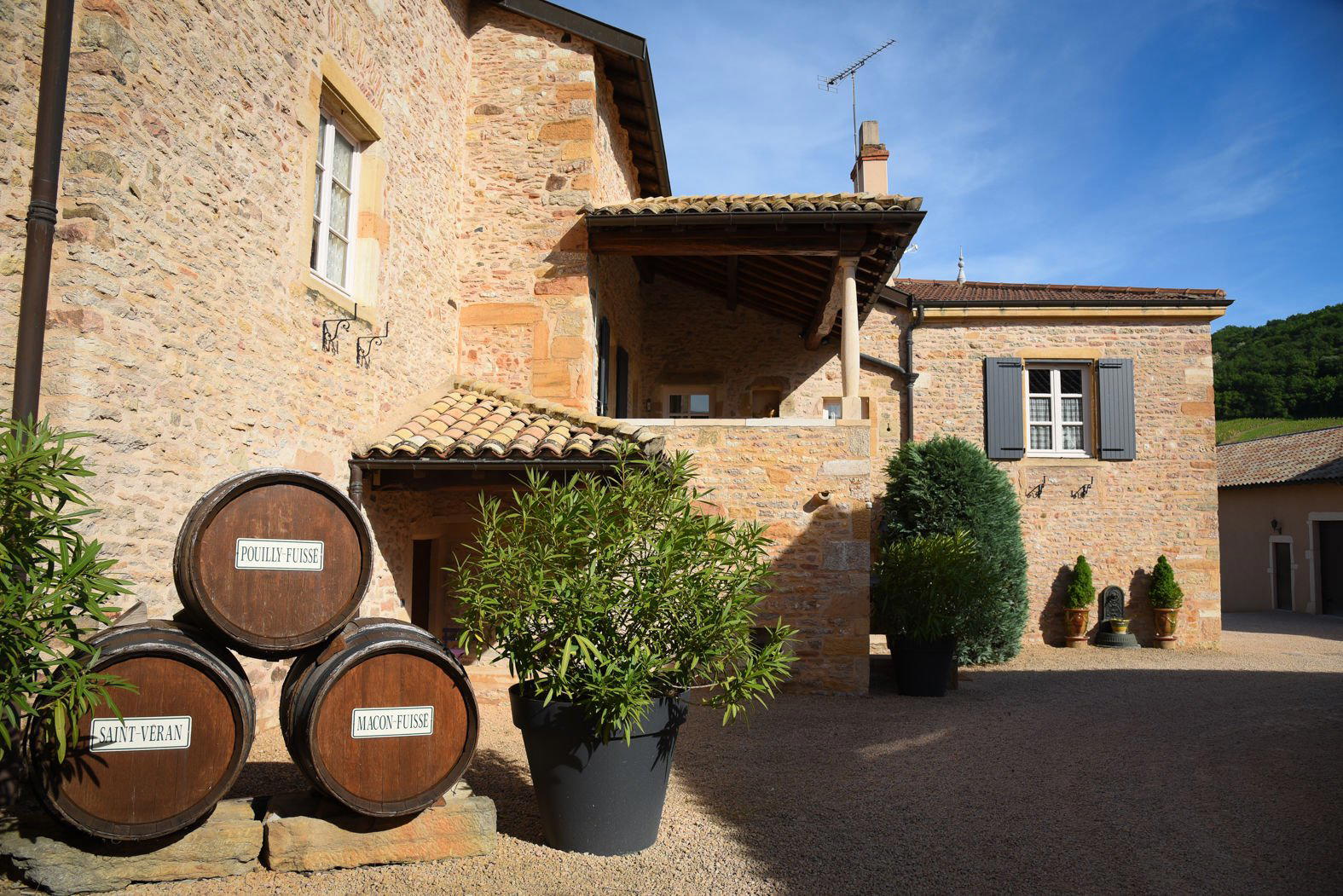
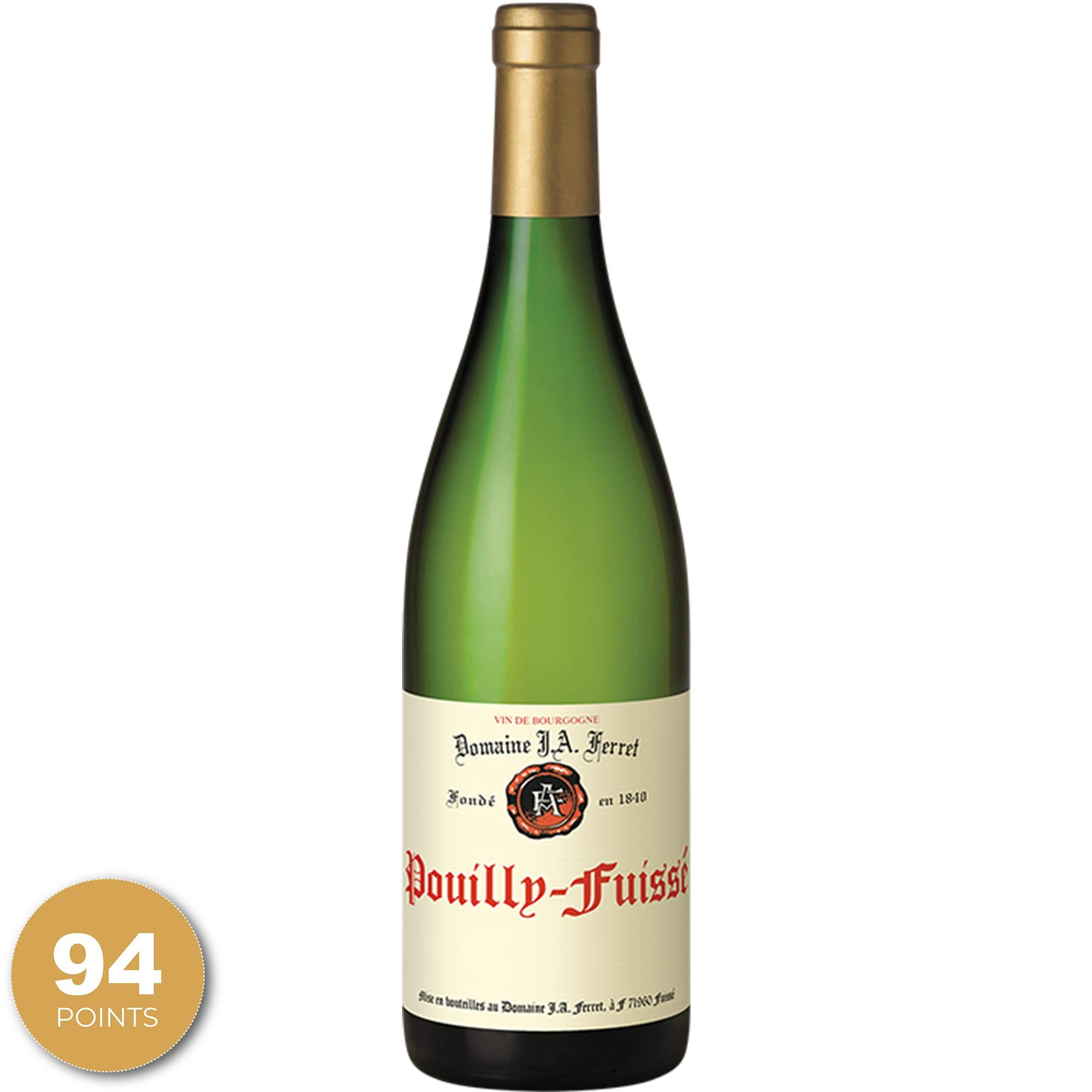
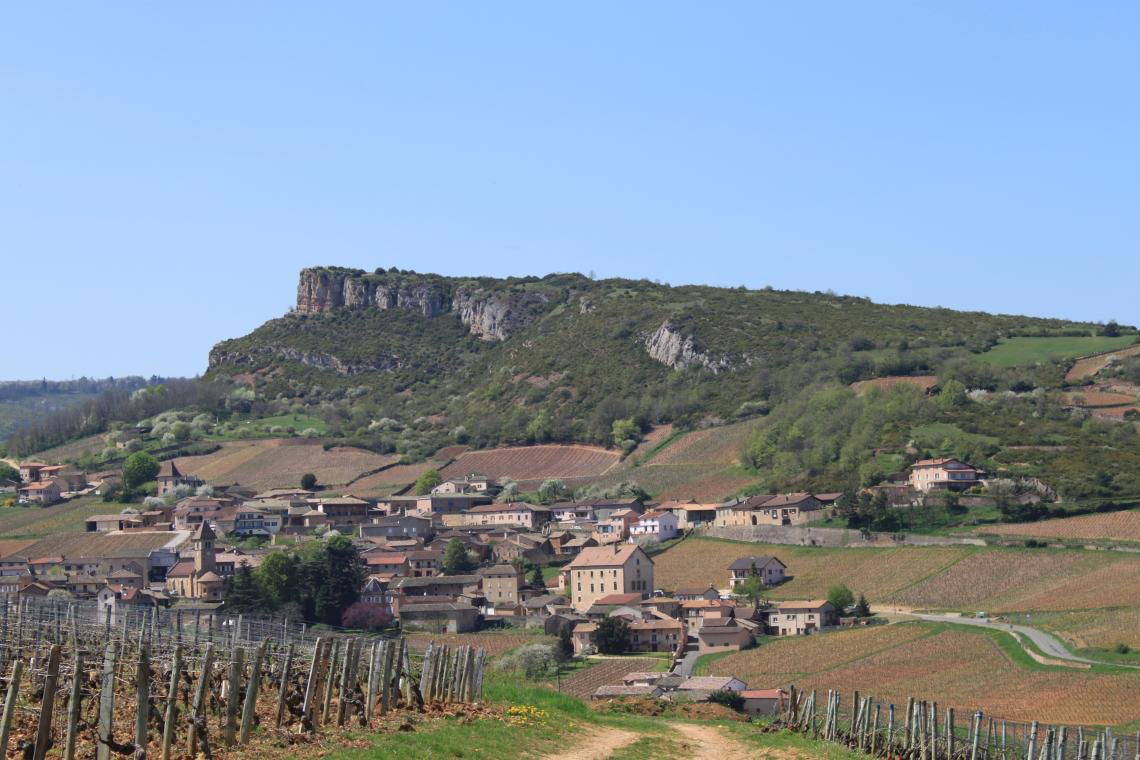
Chaintré sits inside the Pouilly-Fuissé appellation, one of the Mâconnais's most important white wine designations. The wine list at La Table de Chaintré, as noted in the Michelin record, draws directly from Burgundy and Beaujolais, which in this location is not a curatorial decision so much as a geographical one. The vineyards are outside the window. Pouilly-Fuissé's Chardonnays, which range from mineral and taut in cooler years to rounder and more textured in warmer ones, pair naturally with the kind of produce-led French cooking the kitchen produces. Beaujolais, particularly from the northern crus such as Moulin-à-Vent and Juliénas, handles the poultry and lighter meat preparations with more agility than heavier Burgundian reds. A wine list that reflects the geography of the dining room rather than an assembled international selection is, in this context, both the obvious choice and the right one. Those interested in exploring the region's wine offering further will find relevant context in our full Chaintré wineries guide.
Planning a Visit
La Table de Chaintré operates a narrow service window that reflects the rhythm of a small, owner-operated kitchen. Lunch runs from 12:15 to 1:00 PM and dinner from 8:00 to 9:00 PM, Wednesday through Saturday, with Sunday lunch service also available. The restaurant is closed Monday and Tuesday. The address is 72 Place du Luminiaire, 71570 Chaintré, a village with limited accommodation of its own, which means most visitors will base themselves in nearby Mâcon, roughly fifteen kilometres north, or Villefranche-sur-Saône to the south, and drive in. Chaintré itself is accessible by road from Lyon in under an hour, making it a viable destination from that city's major transport connections. For those staying in the area, our full Chaintré hotels guide maps the nearby options, and our full Chaintré bars guide and our full Chaintré experiences guide cover what else the area offers. The price bracket at €€€ positions the restaurant below the €€€€ tier of France's multi-starred urban rooms, though it is not an inexpensive lunch by rural Burgundy standards. A complete listing of Chaintré's dining options is available in our full Chaintré restaurants guide.
For context on how La Table de Chaintré fits within France's broader one-star regional circuit, the range of cooking styles and settings operating at comparable recognition levels is wide: from the intensity of AM par Alexandre Mazzia in Marseille to the more classical formality of Assiette Champenoise in Reims and Au Crocodile in Strasbourg. Internationally, the format of a small, produce-led, chef-driven room earning top-tier recognition has parallels in kitchens like Flocons de Sel in Megève, and at a different scale and price point, Frantzén in Stockholm and FZN by Björn Frantzén in Dubai. What La Table de Chaintré shares with all of them is the discipline to build a repeatable format around a clear culinary point of view.
Frequently asked questions
What should I budget for a meal at La Table de Chaintré?
Pricing at La Table de Chaintré is listed as €€€.
What are the operating hours at La Table de Chaintré?
Hours at La Table de Chaintré: Monday closed Tuesday closed Wednesday 12:15 PM-1 PM 8 PM-9 PM Thursday 12:15 PM-1 PM 8 PM-9 PM Friday 12:15 PM-1 PM 8 PM-9 PM Saturday 12:15 PM-1 PM 8 PM-9 PM Sunday 12:15 PM-1 PM.
Comparable Spots, Quickly
| Venue | Cuisine | Price | Awards | Notes |
|---|---|---|---|---|
| La Table de ChaintréThis venue (the venue you are viewing) | Modern French Fine Dining | $50–100 | 1 Michelin Star · Gault & Millau Remarkable Restaurant | Not listed |
| Alléno Paris au Pavillon Ledoyen | Modern French Fine Dining | $150–200 | 3 Michelin Stars · World's 50 Best #79 | Creative |
| Kei | Contemporary French, Modern Cuisine | Not listed | Michelin 3 Star | Not listed |
| L'Ambroisie | Classic French Haute Cuisine | $300–500 | 2 Michelin Stars · World's 50 Best #23 | French, Classic Cuisine |
| Le Cinq - Four Seasons Hôtel George V | Modern French Fine Dining | $300–500 | 3 Michelin Stars · World's 50 Best #24 | French, Modern Cuisine |
| Plénitude | Modern French Sauce-Led Fine Dining | $300–500 | 3 Michelin Stars · World's 50 Best #14 | Contemporary French |
Recognition history
Dated appearances from independent guides and award organizations, with the underlying list record or original source where available.
Michelin 1 Star
Michelin
Gault & Millau Remarkable Restaurant
Gault & Millau
Full recognition history (4 entries)
Michelin 1 Star
Michelin
Michelin 1 Star
Michelin
Continue exploring
More in Chaintré
Restaurants in Chaintré
All restaurants in Chaintré →
Bars in Chaintré
Browse all →
Details
- Romantic
- Elegant
- Intimate
- Sophisticated
- Date Night
- Special Occasion
- Standalone
- Extensive Wine List
- Local Sourcing
- Vineyard
- Tasting Menu
- Vegetarian Friendly
Current opening hours
- Monday
- Closed
- Tuesday
- Closed
- Wednesday
- 12:15–1 PM, 8–9 PM
- Thursday
- 12:15–1 PM, 8–9 PM
- Friday
- 12:15–1 PM, 8–9 PM
- Saturday
- 12:15–1 PM, 8–9 PM
- Sunday
- 12:15–1 PM
Hours can change for holidays and private events. Hours as of .
Cozy and comfortable with a romantic style, praised for its intimate and elegant atmosphere.