
Under winemaker Éric Kohler, the estate sits at the apex of the 1855 classification system and benchmarks against a small peer group of first growths rather than the broader Pauillac appellation.
Pearl is the En Primeur Club membership app — saves, bookings, and concierge access live there. Same editors, same standards.
- Address
- 33250 Pauillac
- Phone
- +33 5 56 73 18 18
- Website
- lafite.com
- Directions
- Get directions
 Saves & bookings on Pearl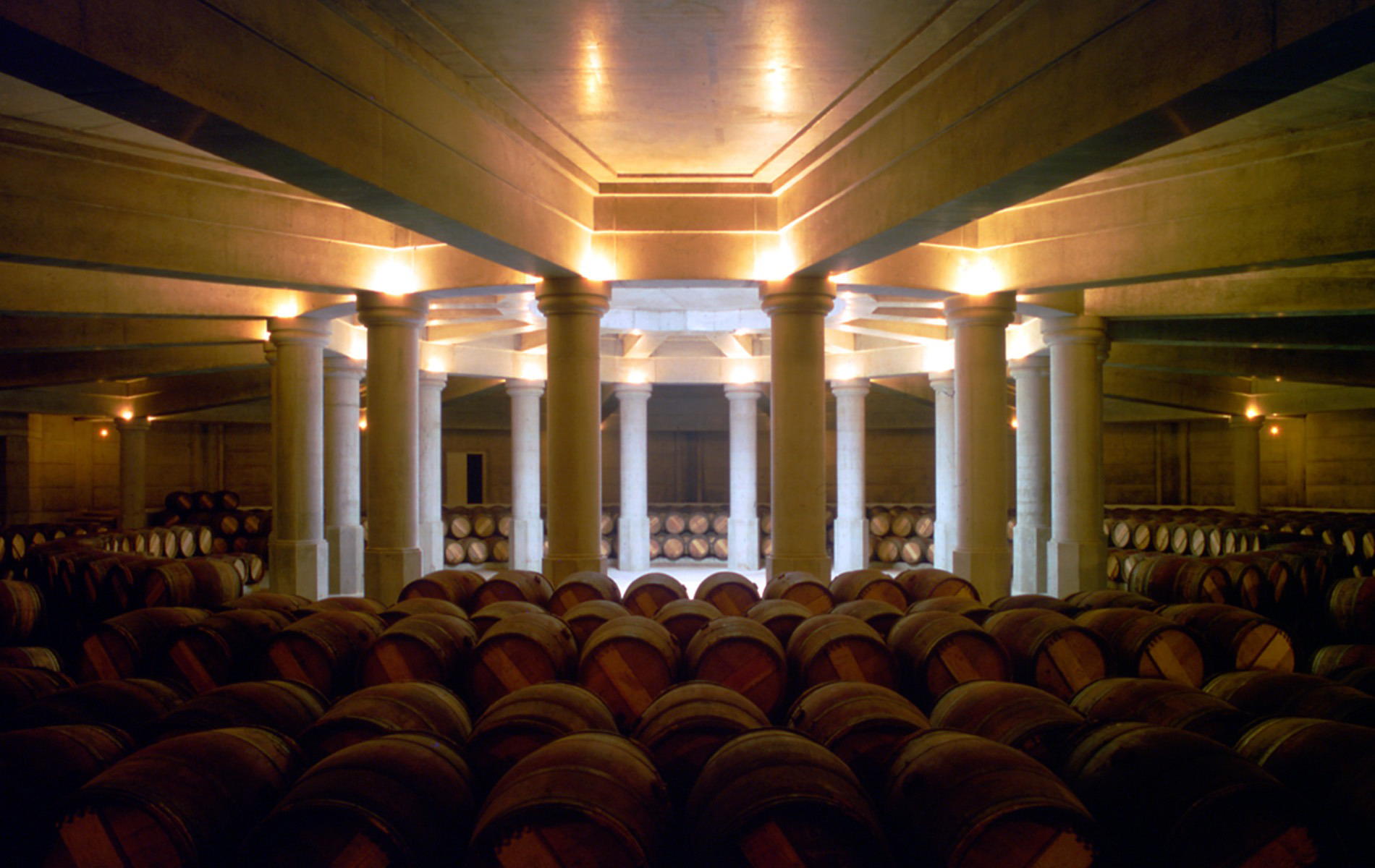
Where the 1855 Classification Still Sets the Ceiling
Pauillac produces more classified Bordeaux châteaux per square kilometre than any other commune in the Médoc, and the hierarchy that governs them has been officially unchanged since Napoleon III commissioned it. At the summit of that hierarchy sits a small group of first growths, estates whose reputations were already established long before the classification formalised them. Château Lafite Rothschild belongs to that group, and it occupies a position that is less about current vintage performance than about the accumulated weight of three and a half centuries of documented production. The first vintage on record dates to 1680, which places the estate in a long historical arc.
The gravel ridges north of Pauillac town concentrate the commune's most prized vineyard land, and Lafite's parcels sit on a particularly well-drained plateau where Cabernet Sauvignon dominates the plantings. The approach to the estate sets a deliberate pace. Visitors arriving without prior arrangement are unlikely to get far. Access here is structured and appointment-driven, reflecting a production model built around allocation lists rather than cellar-door retail.
The Winemaking Tier Lafite Occupies
Within Bordeaux, the five first growths operate in a price and allocation tier that is structurally separate from the rest of the classification. Lafite's comparable set for commercial comparison includes Mouton Rothschild and Latour in Pauillac, Margaux across the Gironde, and Haut-Brion in Pessac-Léognan. Below that tier, the Pauillac second and third growths, estates like Château Batailley, Château d'Armailhac, Château Grand-Puy-Ducasse, and Château Haut-Bages-Libéral, represent meaningfully different price and production propositions. The gap between those two tiers is not marginal. First growth Pauillac, particularly in strong vintages, trades at multiples of fifth growth Pauillac on the secondary market, a differential that reflects both perceived quality and scarcity of allocation.
Éric Kohler holds the winemaking role at the estate, working within a technical tradition that leans toward precision and consistency rather than intervention-heavy production. That approach aligns with the general direction of premium left-bank Bordeaux over the past two decades, which has moved away from heavily extracted styles toward wines with more defined structure and longer ageing trajectories. For a property of this age, the continuity of stylistic direction is part of what buyers are purchasing alongside the wine itself.
Comparable estates earning equivalent recognition in other French appellations include properties like Château Bélair-Monange in Saint-Emilion, though the market dynamics and production scale differ substantially across those regions.
Food, Hospitality, and the Culture of Pairing at Lafite
The culture of formal wine and food pairing in Bordeaux is inseparable from the tradition of château hospitality. For classified growth estates at the first growth tier, visits are not organised around tasting room drop-ins. Instead, access to the estate typically runs through trade relationships, journalist accreditation, or private client programmes managed through négociants and merchants. The hospitality format reflects the allocation model: the wine is distributed through a network of négociants on the Place de Bordeaux, and direct consumer relationships, while not absent, are secondary to that commercial structure.
When pairing events and formal tastings do take place at estates of this standing, they tend to follow a vertical format, multiple vintages of the grand vin alongside the second wine, Carruades de Lafite, served against dishes that allow the wine's structural evolution to read clearly. Classic Médoc pairing logic holds that the tannic architecture of aged Cabernet Sauvignon-dominant blends finds its most articulate expression against preparations where fat and protein act as counterweights: aged beef, game, or slow-cooked preparations that can absorb the wine's grip without competing with its aromatics. For visitors interested in that kind of structured encounter, the practical route runs through specialist wine merchants who hold allocation and can facilitate estate introductions.
In the broader context of Bordeaux hospitality, Pauillac as a commune offers fewer dining options than nearby Saint-Julien or the city of Bordeaux itself. Serious food experiences in this part of the Médoc tend to cluster around estate-hosted events rather than independent restaurants. Visitors planning a day or more in the appellation should consider the our full Pauillac restaurants guide for practical options in and around the commune.
Contextualising Lafite Within Wider French Production
Bordeaux's classified system is not the only framework producing wines at this price and critical tier in France. Burgundy's Premier and Grand Cru hierarchy, Alsatian producers like Albert Boxler in Niedermorschwihr, and Sauternes estates including Château Bastor-Lamontagne in Preignac all operate within classification systems that similarly compress competitive comparisons into a small number of reference producers. What distinguishes the Médoc first growths, and Lafite in particular, is the combination of appellation-anchored identity and secondary market liquidity, which gives these wines a financial dimension that most other French fine wine lacks at equivalent scale.
For collectors and buyers approaching Lafite through the en primeur channel, the practical reality is that allocation offers typically arrive through merchant relationships established well in advance of the campaign period. Properties like Château Pédesclaux and Château Boyd-Cantenac in Cantenac operate through similar Place de Bordeaux structures, though with considerably more accessible allocation sizes. Across the broader Médoc and Gironde, estates like Château Branaire Ducru in St-Julien and Château Cantemerle in Haut-Médoc represent the classified tier below first growth and offer more direct entry points to the appellation hierarchy.
The estate also produces wines under the Duhart-Milon label in Pauillac and the Rieussec label in Sauternes, providing related access points into the Domaines Barons de Rothschild portfolio without the allocation constraints of the grand vin itself. For buyers at a different stage of their relationship with the region, those secondary labels function as a useful measure of the house style at a different price point.
Planning a Visit to the Estate
Visits to Château Lafite Rothschild are by appointment only and are not open to general public walk-ins. Requests for visits typically route through the estate's commercial office or through allocated négociant partners, and the estate's address is registered at 33250 Pauillac. Timing matters in this part of the Médoc: harvest weeks in September and October concentrate estate staff on production, and availability for trade or press visits peaks during quieter periods outside that window, typically spring and early summer. The commune of Pauillac sits approximately an hour north of Bordeaux city by car, making day visits from the city practical. For travellers exploring a wider range of producing estates in the same trip, the Médoc peninsula's concentration of classified properties makes it possible to schedule multiple appointments within a single visit.
Comparison Snapshot
Comparable venues nearby, for context on price, style, and recognition.
| Venue | Cuisine | Price | Notes |
|---|---|---|---|
| Chateau Lafite RothschildThis venue — the venue you are viewing | Cabernet Sauvignon, Merlot | $$$$ | Not listed |
| Château Grand-Puy-Ducasse | Cabernet Sauvignon, Merlot | $$$$ | Pauillac |
| Château Haut-Bages-Libéral | Cabernet Sauvignon, Merlot | $$$$ | Pauillac |
| Château Clerc Milon | Cabernet Sauvignon, Merlot | $$$$ | Pauillac |
| Château Lynch-Bages | Cabernet Sauvignon, Merlot | $$$$ | Pauillac |
| Château d’Armailhac | Cabernet Sauvignon, Merlot | $$$$ | Pauillac |
Recognition history
Dated appearances from independent guides and award organizations, with the underlying list record or original source where available.
Falstaff Winery - 5 Stars
Falstaff
Michelin 3 Grapes
Michelin
Continue exploring
More in Pauillac
Wineries in Pauillac
Browse all →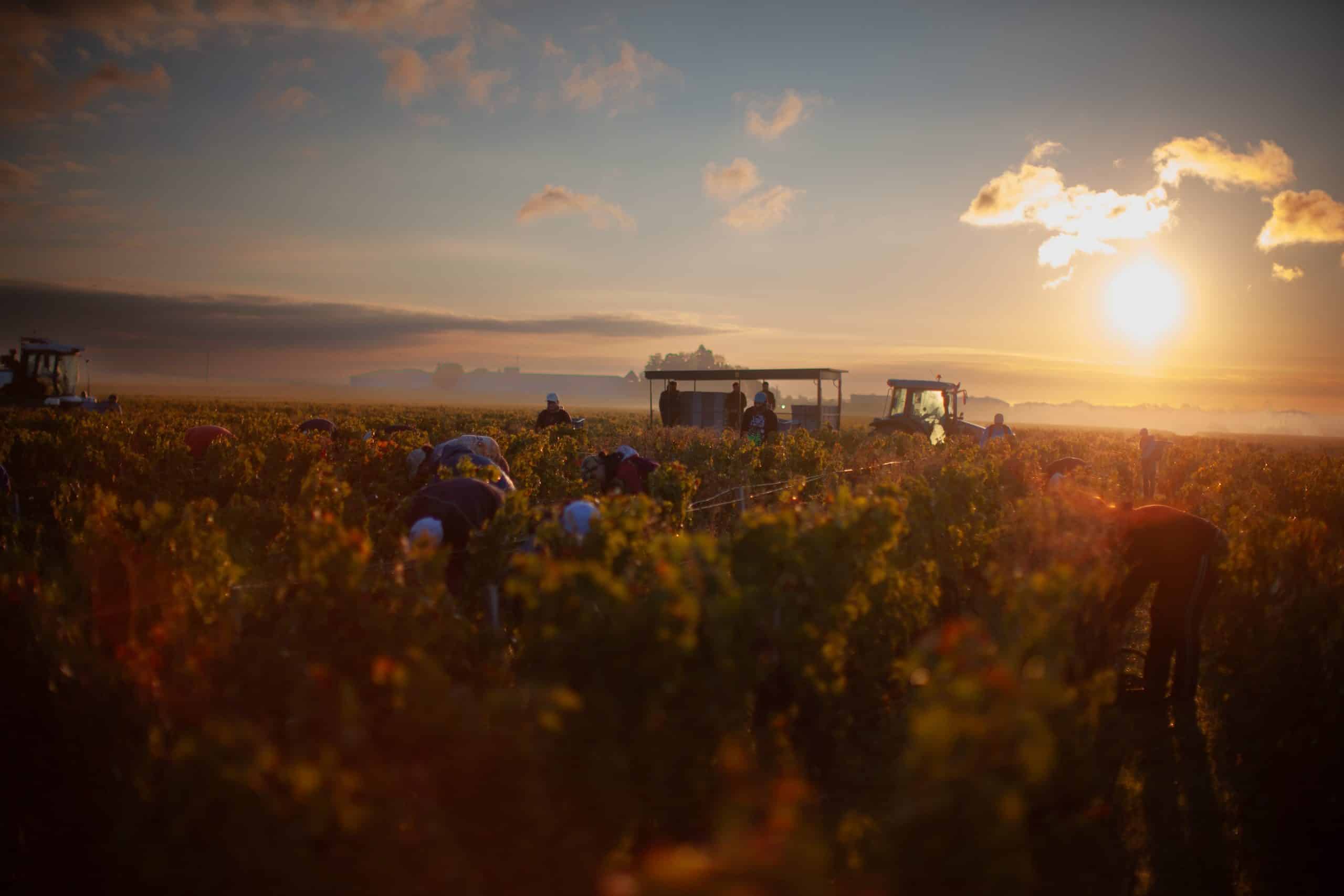
Bars in Pauillac
Browse all →
Restaurants in Pauillac
Browse all →
At a Glance
- Elegant
- Classic
- Well Known
- Sophisticated
- Ornate
- Special Occasion
- Wine Education
- Cave Tasting
- Barrel Room
- Vineyard Tour
- Historic Building
- Vineyard
- Garden
- Pauillac AOC
- Cabernet Sauvignon
- Merlot
- Cabernet Franc
- Petit Verdot
- Still Red
- Private Tasting
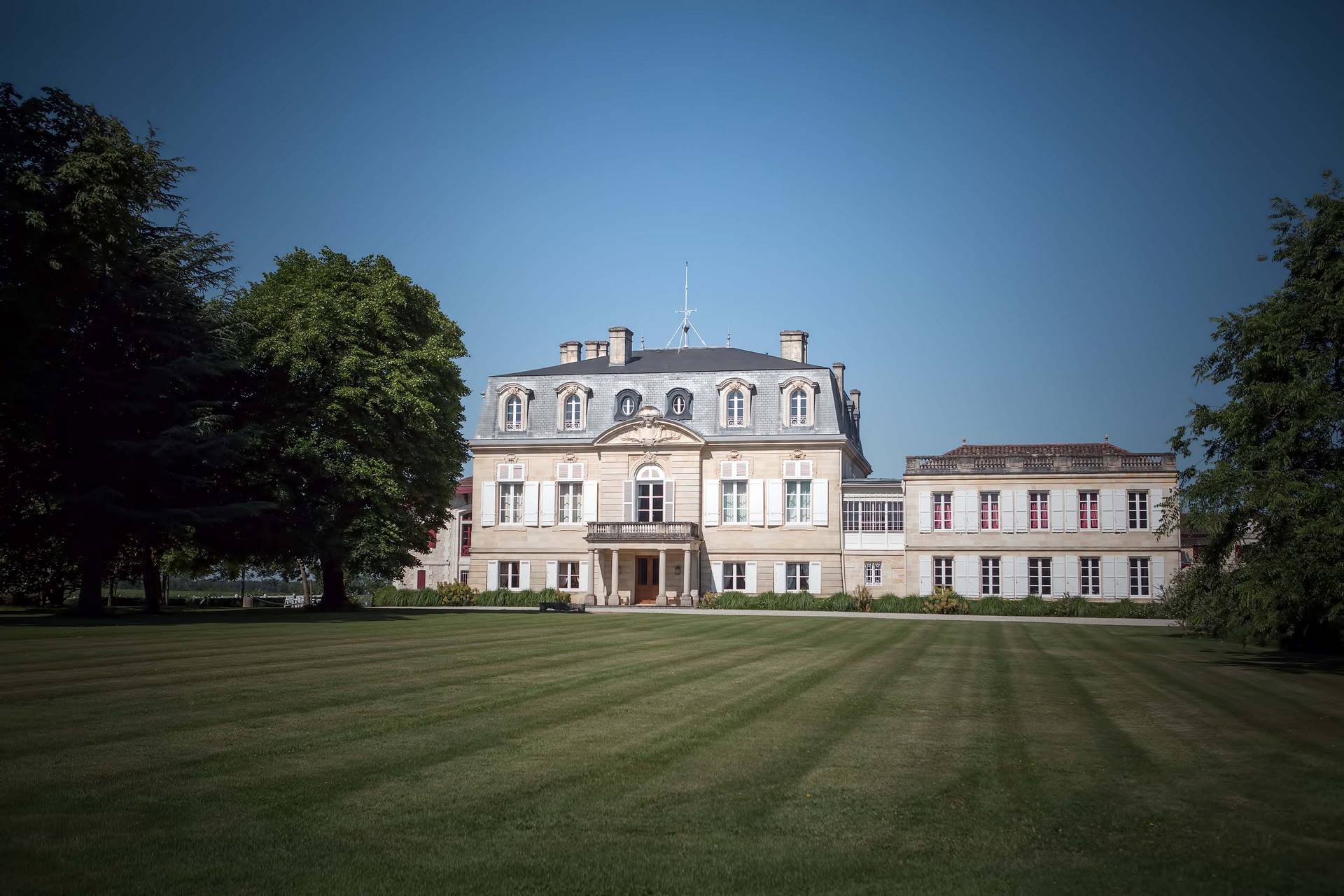
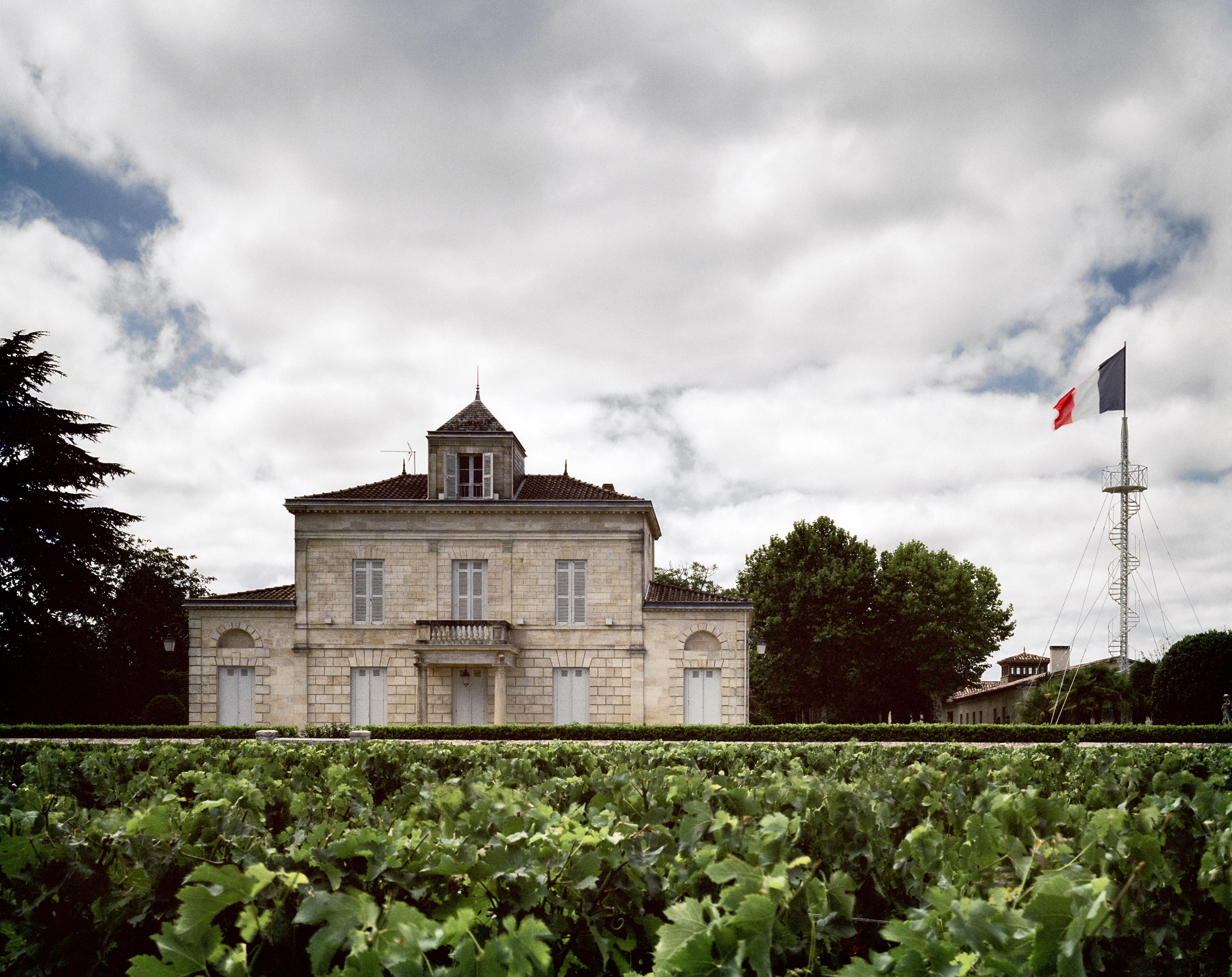
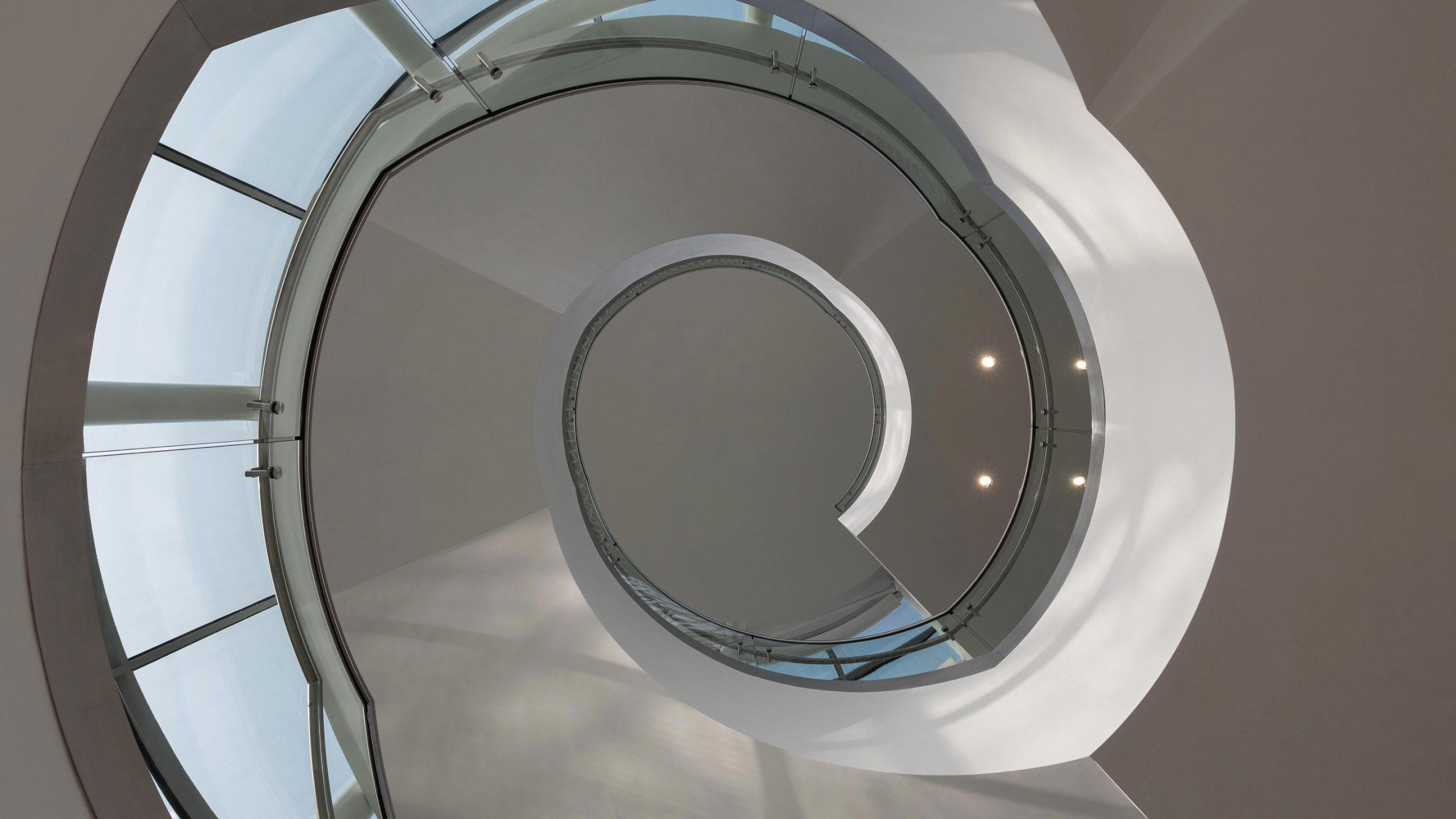
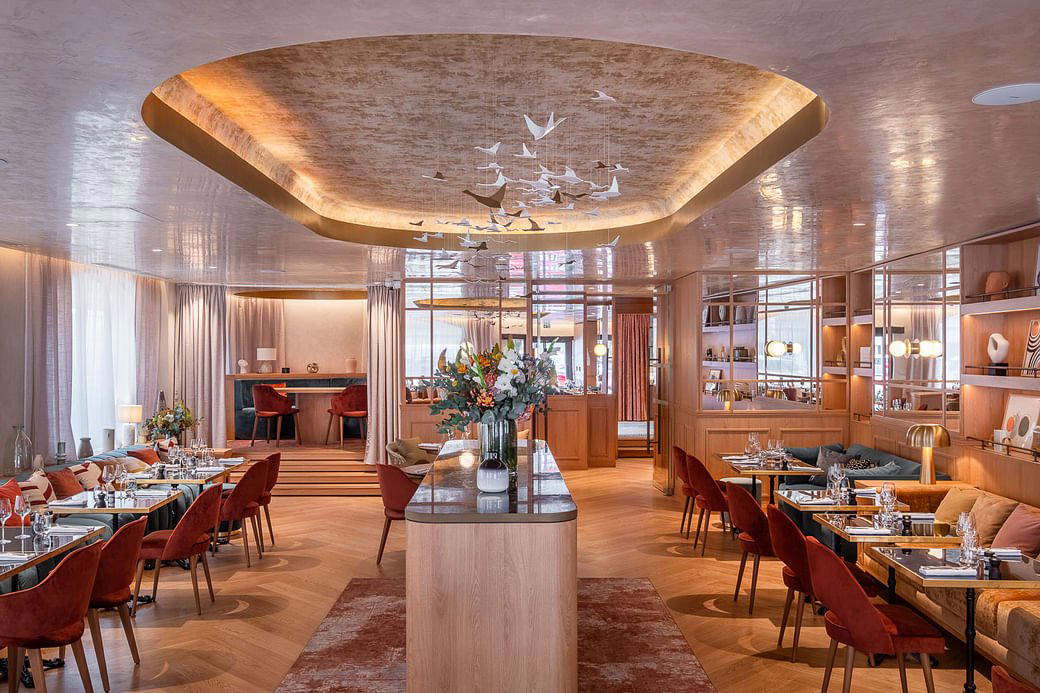
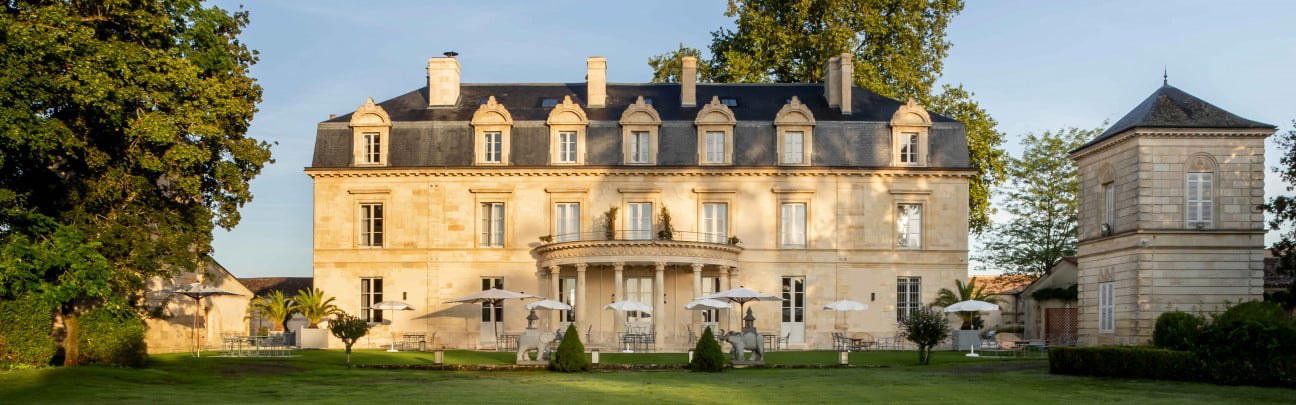
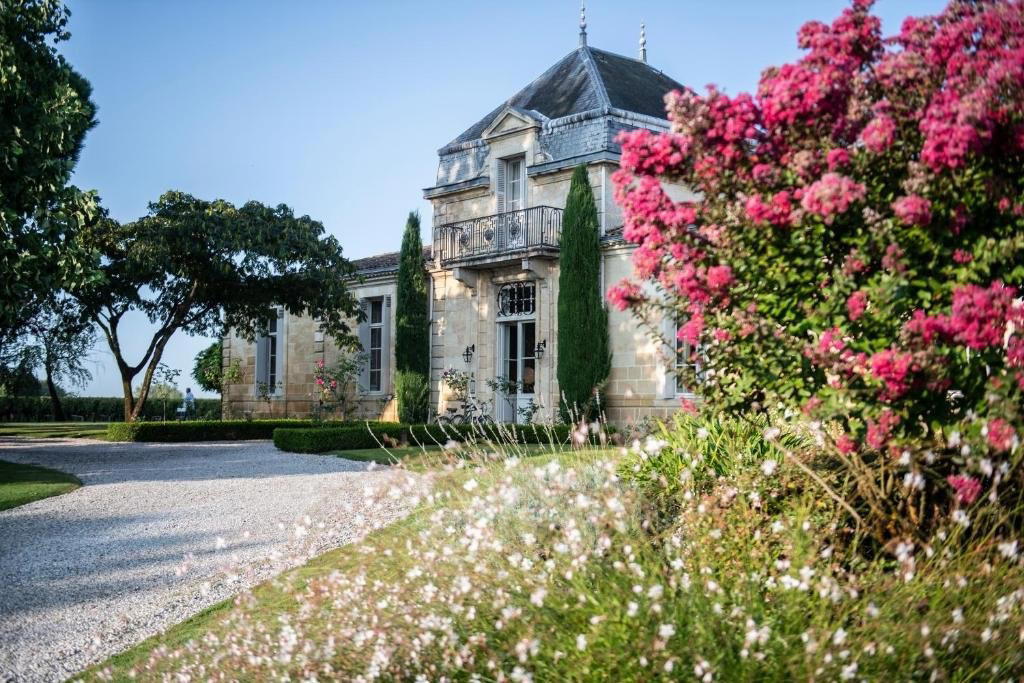
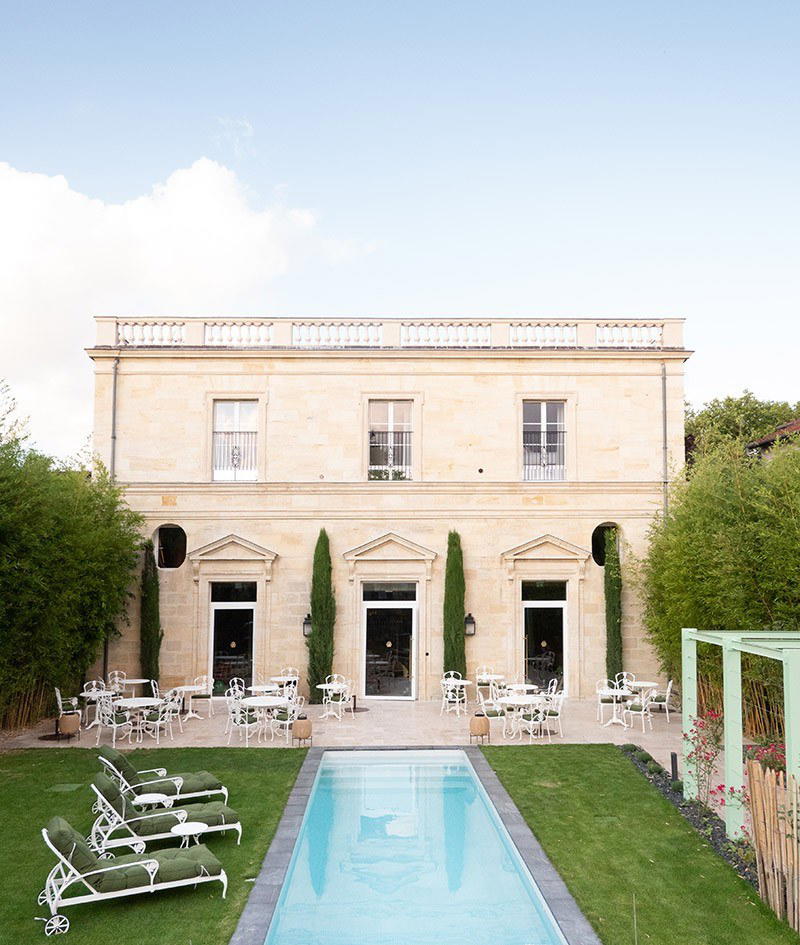
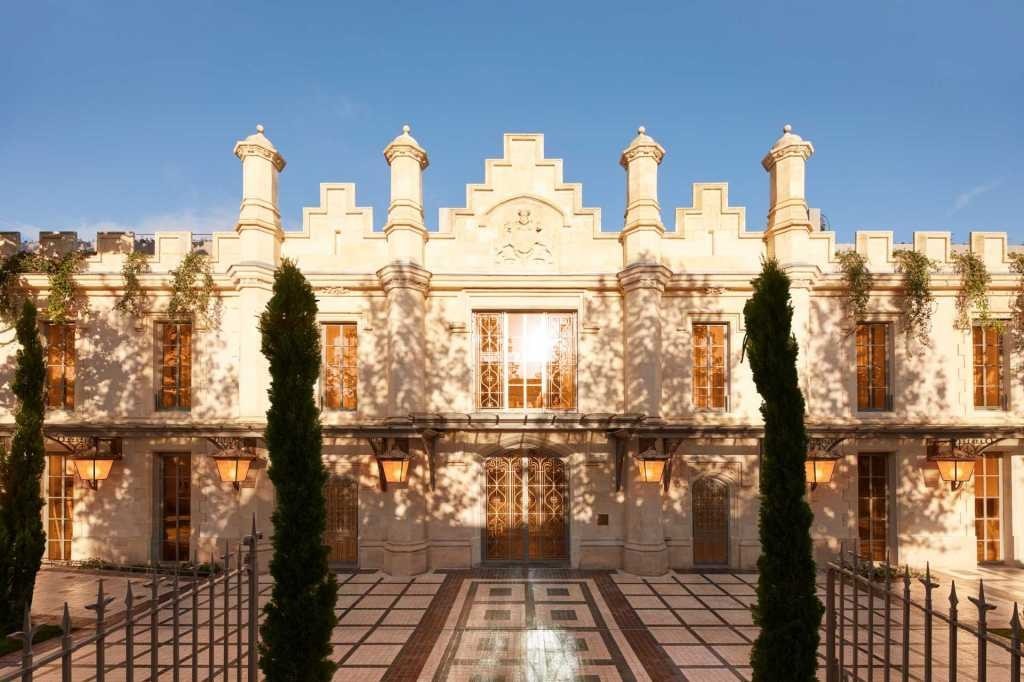
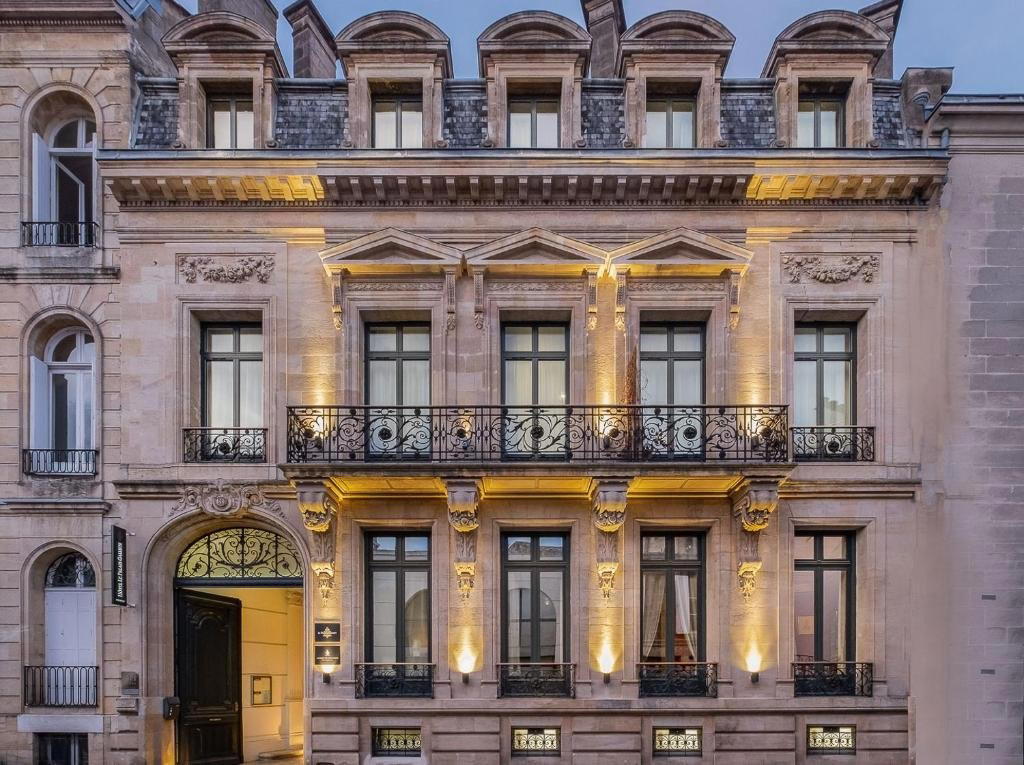
Immaculate historic estate with old world charm, circular cellars, underground aging rooms, and enormous gardens.