Château Doisy-Védrines
Château Doisy-Védrines has produced wine since 1789, placing it among Sauternes' longest-running estates. Its address within the Saint-Julien-Beychevelle commune positions it inside one of the Médoc's most closely watched appellations, making it a reference point for understanding how Bordeaux's classified hierarchy operates across sub-regions.
Pearl is the En Primeur Club membership app — saves, bookings, and concierge access live there. Same editors, same standards.
- Address
- CHATEAU DUCRU BEAUCAILLOU, Chateau Ducru-Beaucaillou, 33250 Saint-Julien-Beychevelle, France
- Website
- chateau-doisy-vedrines.fr
- Directions
- Get directions
 Saves & bookings on Pearl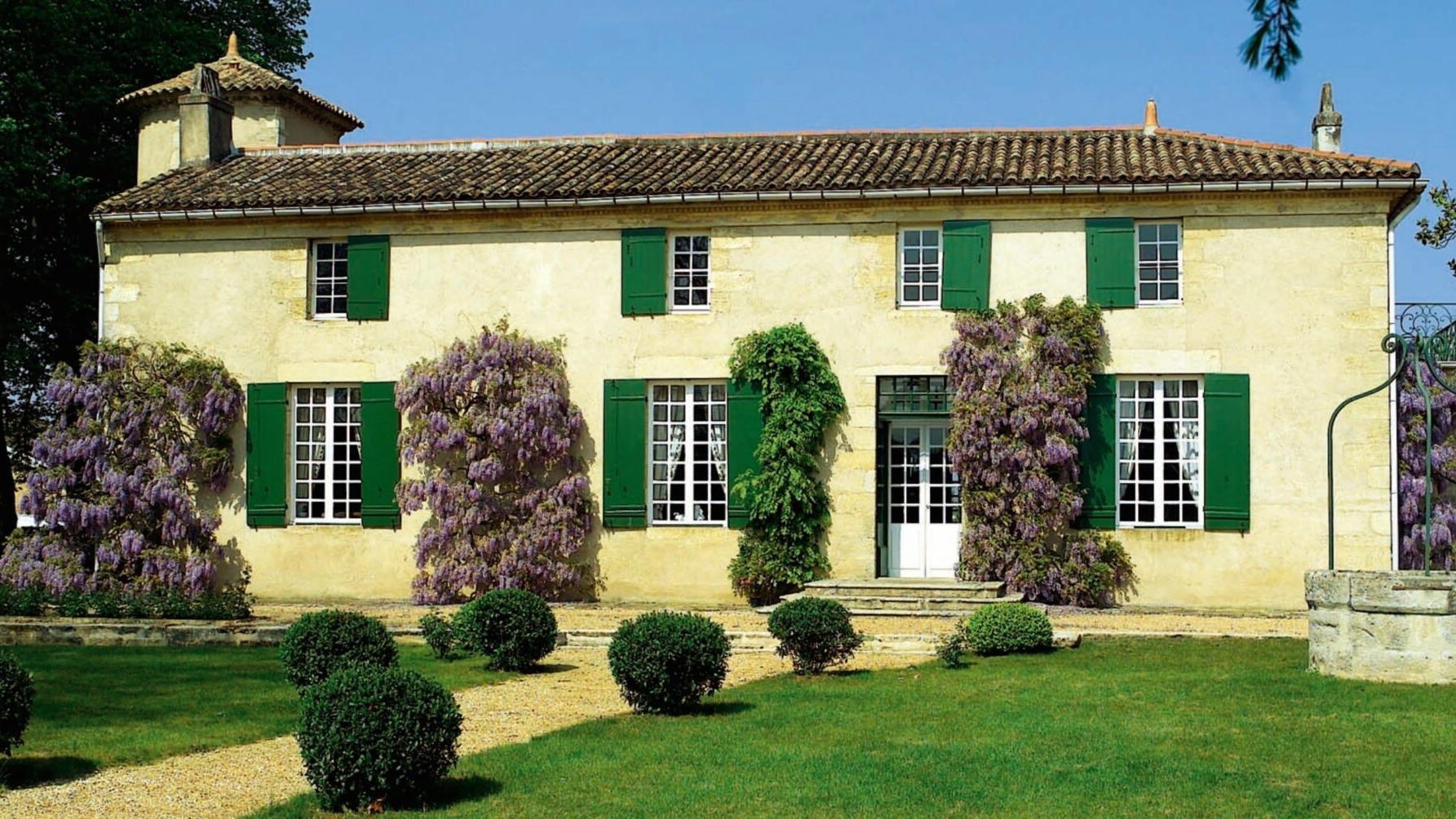
Sauternes in the Shadow of the Médoc: Where Doisy-Védrines Sits in the Bordeaux Map
Bordeaux's classification system is one of the most studied and most misread frameworks in wine. The 1855 classification sorted châteaux into hierarchies that still shape how bottles are priced, allocated, and discussed nearly 170 years later — but it covered two very different territories at once. The Médoc communes, including Saint-Julien-Beychevelle, were ranked on red wine. Sauternes was ranked on sweet white. Château Doisy-Védrines belongs to that second category: a Sauternes estate with roots in the 1855 classification and a production history stretching back to 1789. That date matters not as biography but as evidence — estates that survived the French Revolution, the phylloxera crisis, and two World Wars without changing their fundamental identity are rare, and they tend to produce wine that reflects accumulated site knowledge rather than modern reinvention.
The estate's address is listed within the Saint-Julien-Beychevelle commune, which puts it in interesting company. Saint-Julien is one of the Médoc's most concentrated appellations for classified growth red wine, home to properties like Château Beychevelle, Château Gloria, Château Lagrange, and Château Langoa-Barton. That geographic proximity to Médoc heavyweights makes Doisy-Védrines an interesting counterpoint: a Sauternes-classified estate operating in a region dominated by Cabernet Sauvignon-based reds. Understanding that distinction is essential before visiting or purchasing.
The Castèja Hand: Winemaker Credential in Context
Olivier Castèja serves as winemaker at Doisy-Védrines, a credential that connects the estate to one of Bordeaux's significant négociant and château-owning families. The Castèja name runs through several classified properties across different appellations, including Château Batailley in Pauillac and Château Boyd-Cantenac in Cantenac. In Bordeaux's tightly interlocked world of family dynasties and négociant houses, the Castèja connection is a meaningful signal about production philosophy and commercial positioning. Estates within these networks typically share technical resources and operate with a degree of consistency across vintages that smaller, independently run properties cannot always match.
At Doisy-Védrines specifically, that winemaking continuity matters because Sauternes production is among the most labor-intensive in Bordeaux. The appellation's signature botrytis-affected grapes require multiple passes through the vineyard during harvest, pickers selecting individual berries or small clusters at precise stages of noble rot, which makes vintage variation significant and experience essential. A winemaker with deep family and professional roots in the region brings institutional knowledge to those decisions.
Sauternes' own hierarchy is headed by Château d'Yquem as Premier Cru Supérieur, with Premiers Crus and Deuxièmes Crus below it. Doisy-Védrines is classified as a Deuxième Cru, second growth, in the 1855 framework, a position it shares with a handful of Barsac and Sauternes estates.
For buyers and visitors, the practical implication is that Doisy-Védrines offers entry into the classified Sauternes tier without the premium commanded by first growths or the sustained critical heat generated by d'Yquem or Rieussec. It is a reference point for understanding the appellation, not a trophy purchase. That distinction matters when planning either a cellar acquisition or a château visit.
Sauternes as a Wine Region: The Case for Looking Beyond Red Bordeaux
Most visitors to the Bordeaux region concentrate on the Médoc's left bank or Saint-Émilion on the right, pulling focus toward Cabernet Sauvignon and Merlot. Sauternes sits to the southeast, where the Ciron river's cold waters meet the warmer Garonne, creating the morning mists that allow botrytis cinerea, noble rot, to develop on Sémillon, Sauvignon Blanc, and Muscadelle. The resulting wines concentrate to extraordinary density, with sugar levels that push the palate toward apricot, honey, and beeswax, while retaining enough acidity to prevent the sweetness from becoming inert.
The category has faced commercial difficulty in recent decades, with sweet wine falling out of fashion in key markets. That pressure has actually worked in favour of quality-conscious buyers: classified Sauternes from reliable producers at the Deuxième Cru level frequently offer better value per quality unit than equivalent-tier red Bordeaux. The comparison is not always direct, but for anyone building a cellar with range rather than prestige signalling as the goal, Sauternes deserves allocation alongside reds from Château Branaire-Ducru in Saint-Julien or Château Bélair-Monange in Saint-Émilion.
For context outside France, producers at very different price points and styles, from Albert Boxler in Niedermorschwihr to Accendo Cellars in St. Helena, illustrate how site-specific production disciplines generate wines that speak to place rather than formula. Doisy-Védrines operates within that same logic: a single appellation, a specific combination of grape varieties, and a harvest approach determined by the year's weather rather than a production schedule.
Visiting and Acquiring: What to Know Before You Go
Many classified Sauternes properties operate with minimal public-facing infrastructure, directing their allocation through established trade channels. Buyers looking to acquire Doisy-Védrines wine should expect to work through a licensed importer or négociant, and those planning a visit to the estate should contact the Castèja family office directly through established trade contacts.
The broader Saint-Julien-Beychevelle area offers ample context for a Bordeaux visit. Our full Saint-Julien-Beychevelle guide covers the commune's dining, accommodation, and wine tourism options in detail. For comparative Sauternes perspective, Château Bastor-Lamontagne in Preignac offers another reference point within the appellation. And for those building out their understanding of French artisan production more broadly, Chartreuse in Voiron represents a different kind of French heritage production, one that shares with Sauternes the quality of being almost impossible to replicate outside its specific geographic and production context.
Continue exploring
More in Saint-Julien-Beychevelle
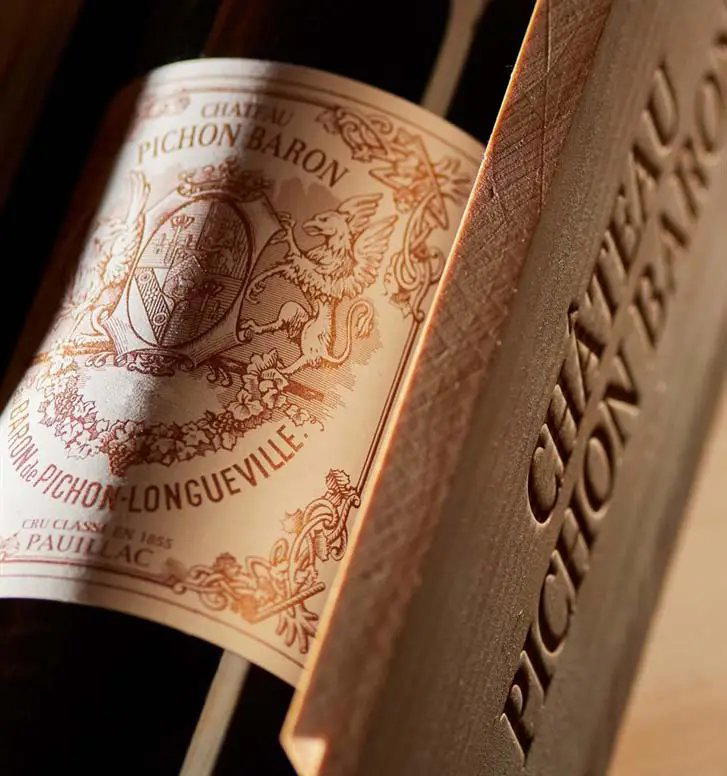
Wineries in Saint-Julien-Beychevelle
Browse all →
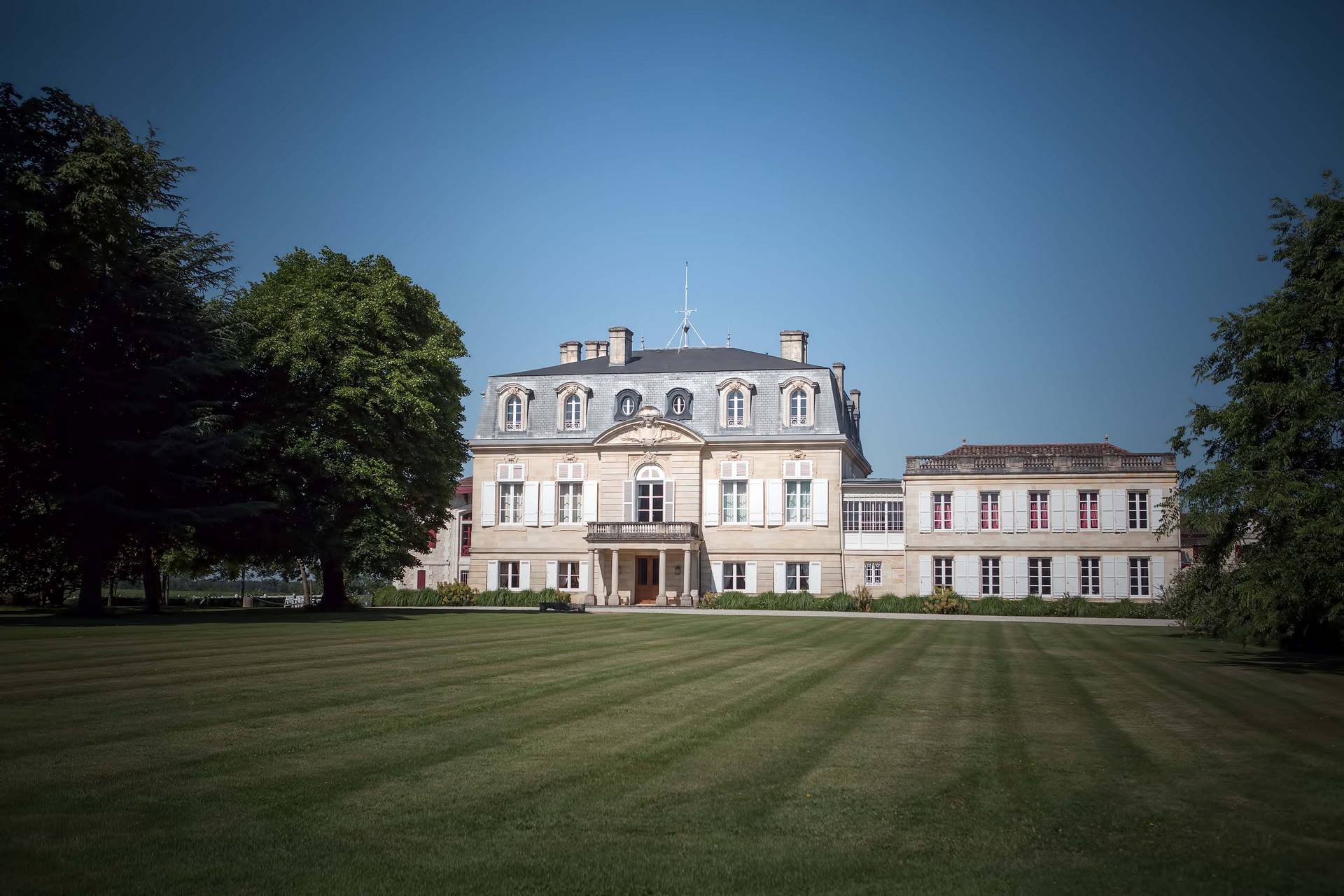
Bars in Saint-Julien-Beychevelle
Browse all →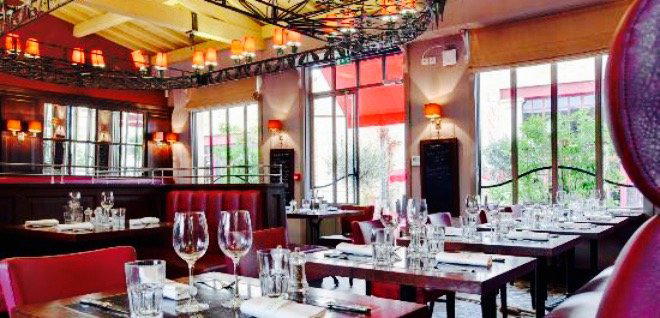
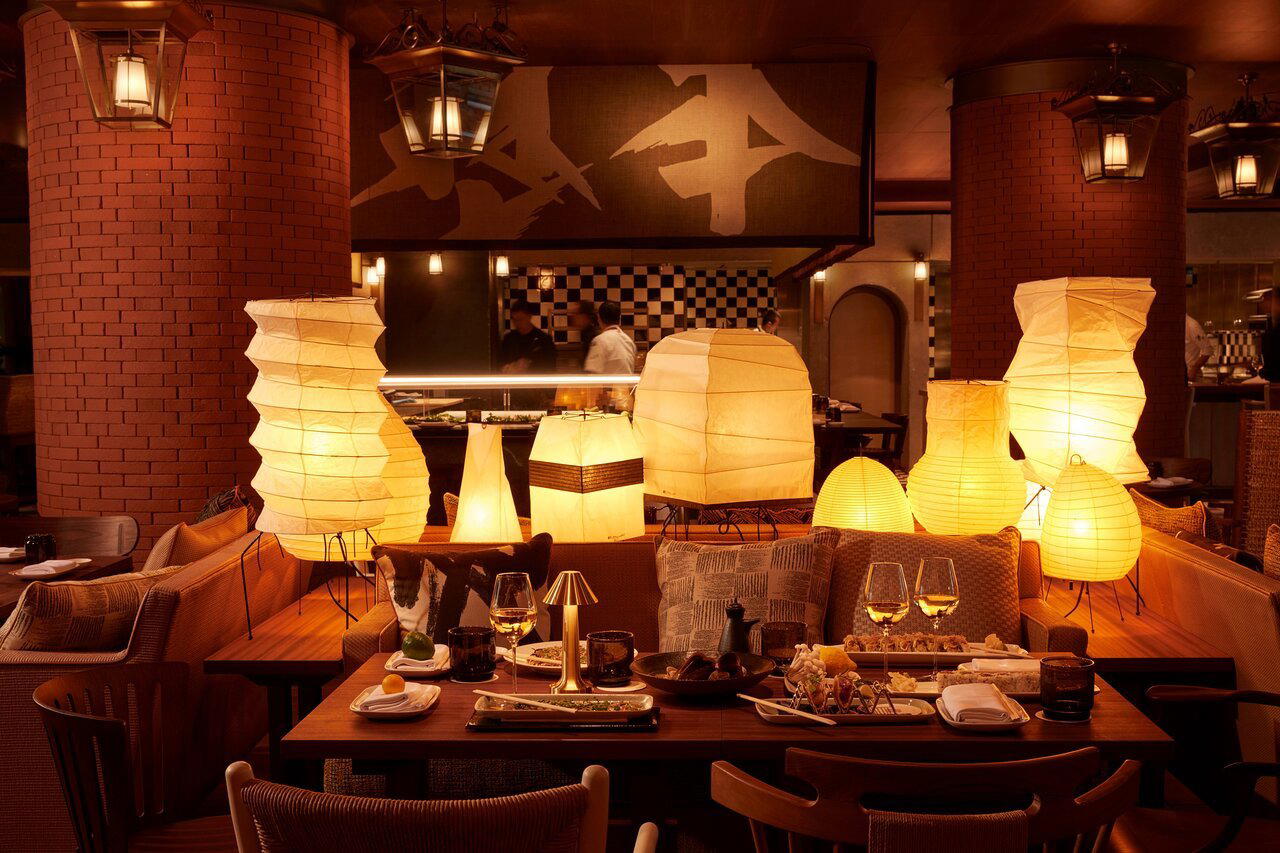
Restaurants in Saint-Julien-Beychevelle
Browse all →
At a Glance
- Elegant
- Classic
- Sophisticated
- Wine Education
- Special Occasion
- Vineyard Tour
- Cave Tasting
- Vineyard
- Barsac AOC
- Sémillon
- Sauvignon Blanc
- Muscadelle
- Dessert
- Cave Tasting
Current opening hours
- Monday
- 8:30 AM–12:30 PM, 1:30–5:30 PM
- Tuesday
- 8:30 AM–12:30 PM, 1:30–5:30 PM
- Wednesday
- 8:30 AM–12:30 PM, 1:30–5:30 PM
- Thursday
- 8:30 AM–12:30 PM, 1:30–5:30 PM
- Friday
- 8:30 AM–12:30 PM
- Saturday
- Closed
- Sunday
- Closed
Hours can change for holidays and private events. Last verified .
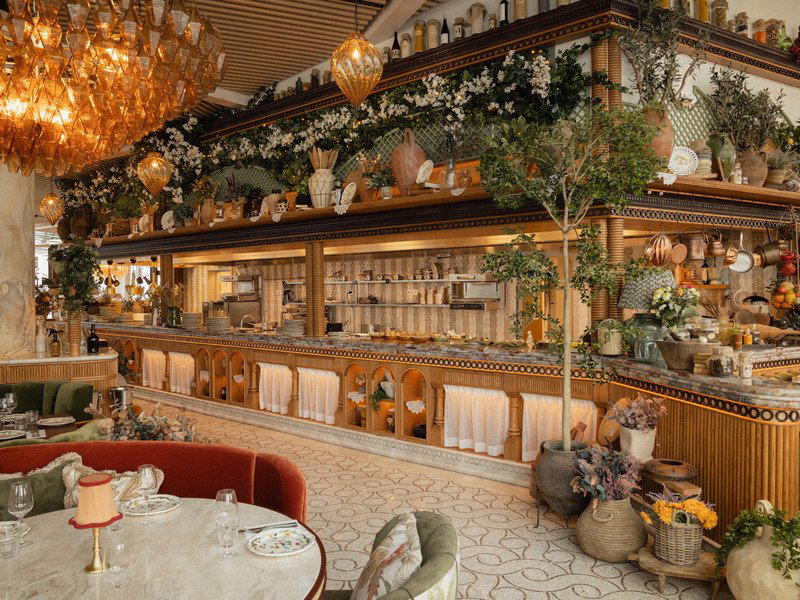
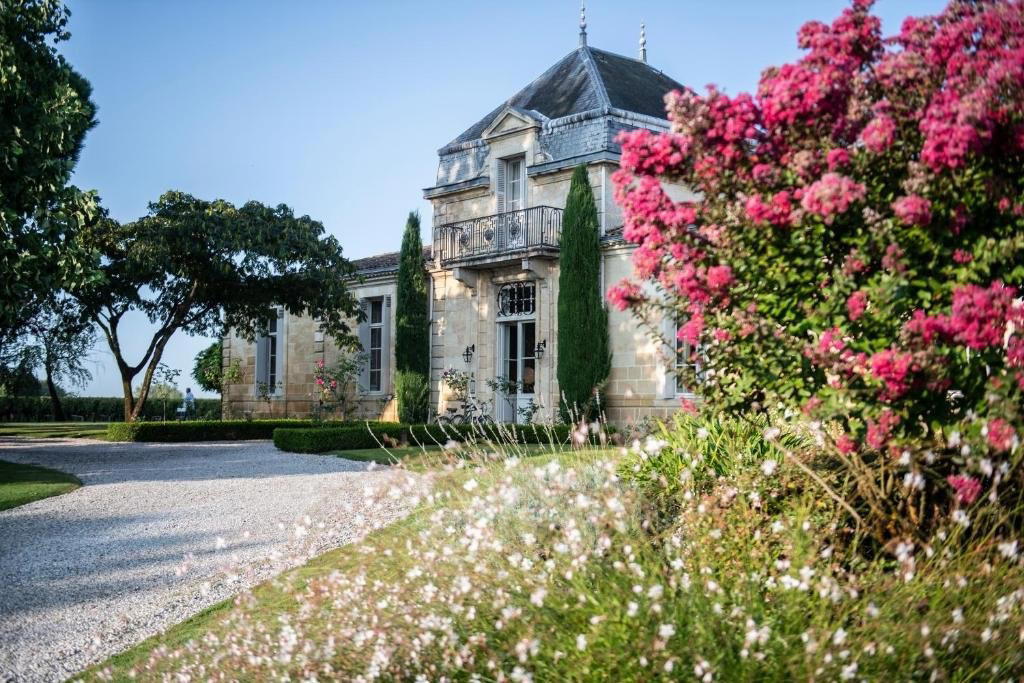
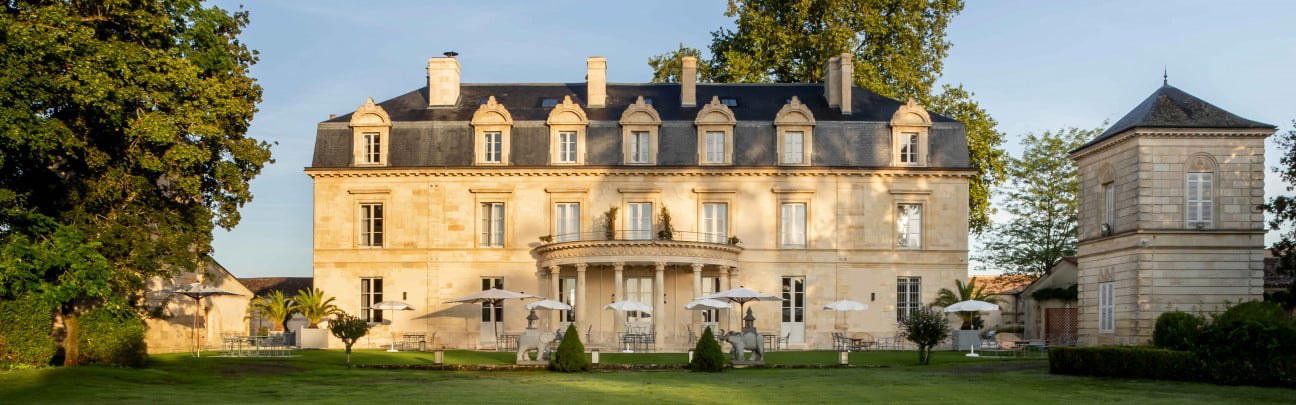
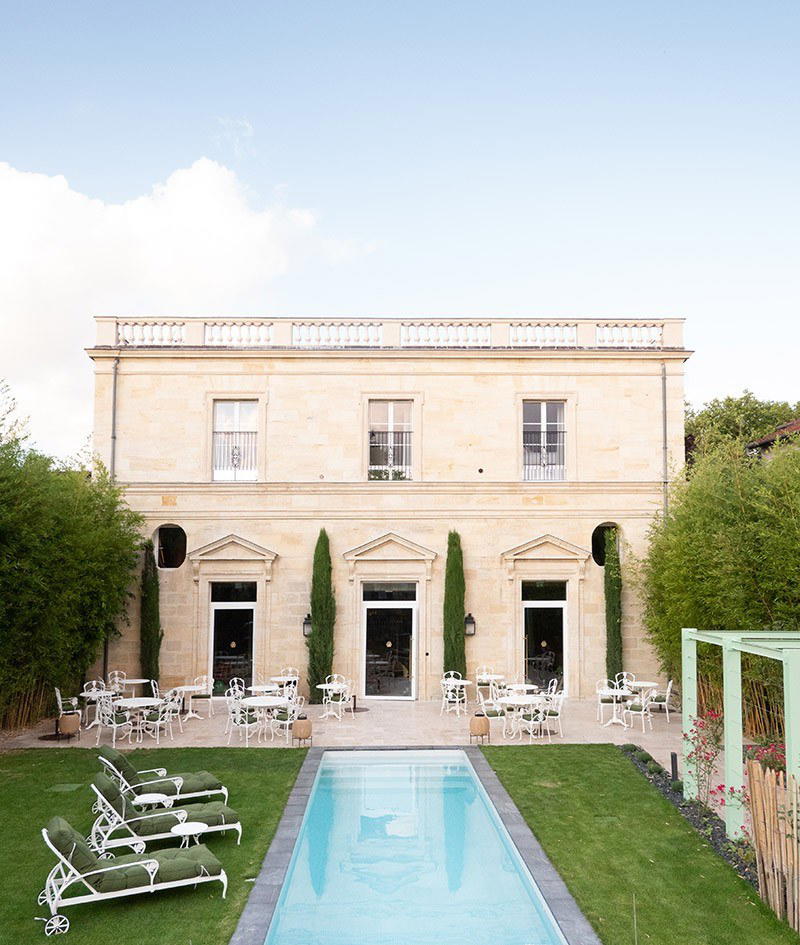
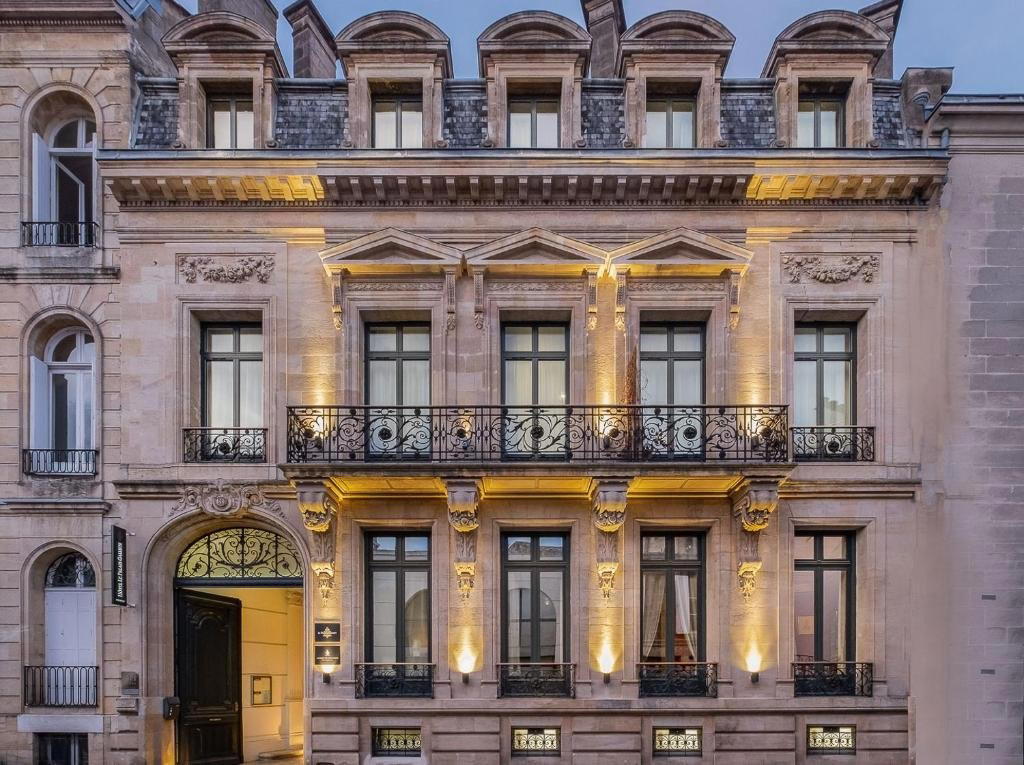
Elegant and refined atmosphere of a historic Bordeaux château with traditional winemaking.
Know Before You Go
- Getting there
- CHATEAU DUCRU BEAUCAILLOU, Chateau Ducru-Beaucaillou, 33250 Saint-Julien-Beychevelle, France