
Falstaff Winery - Listed
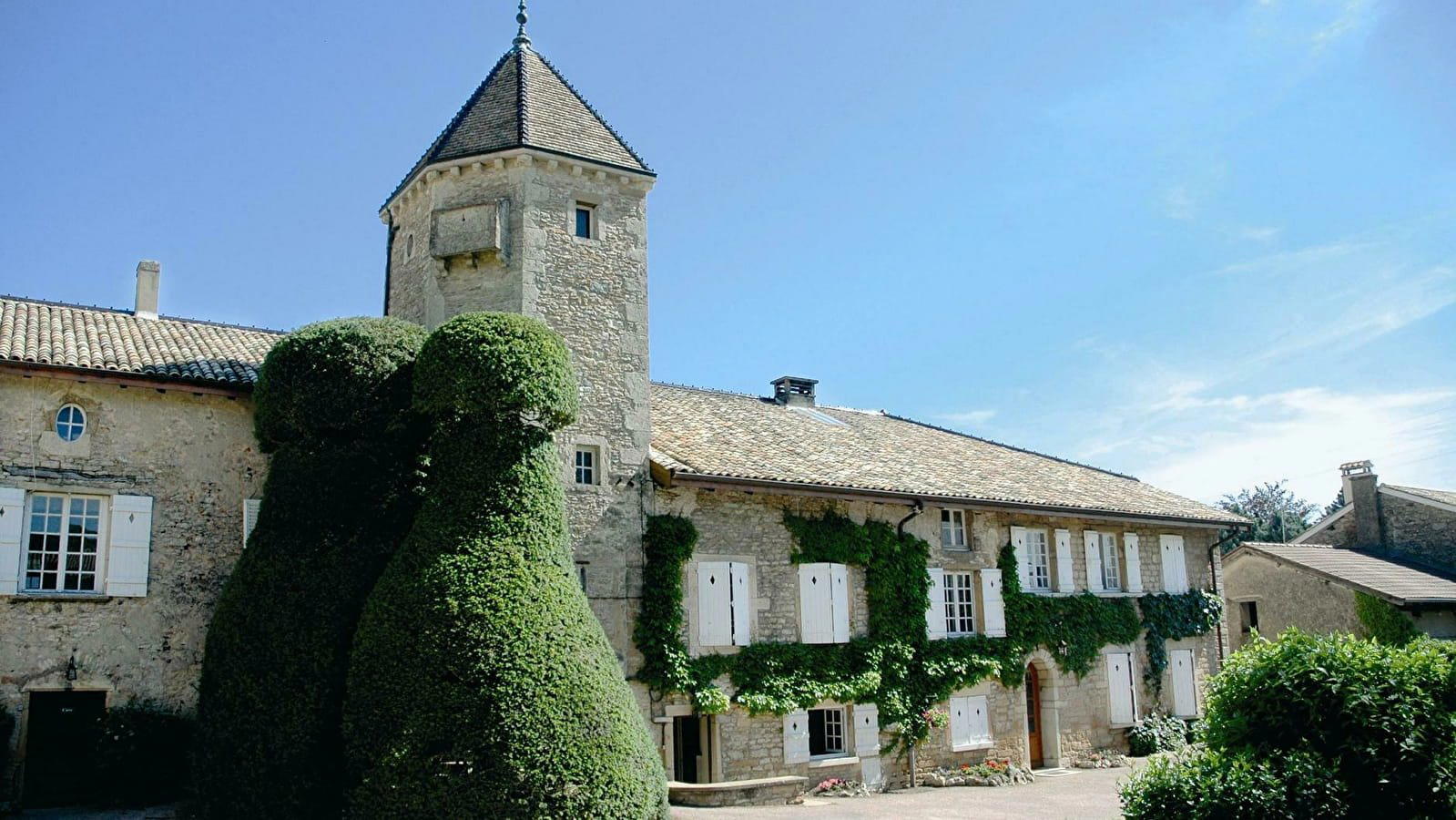
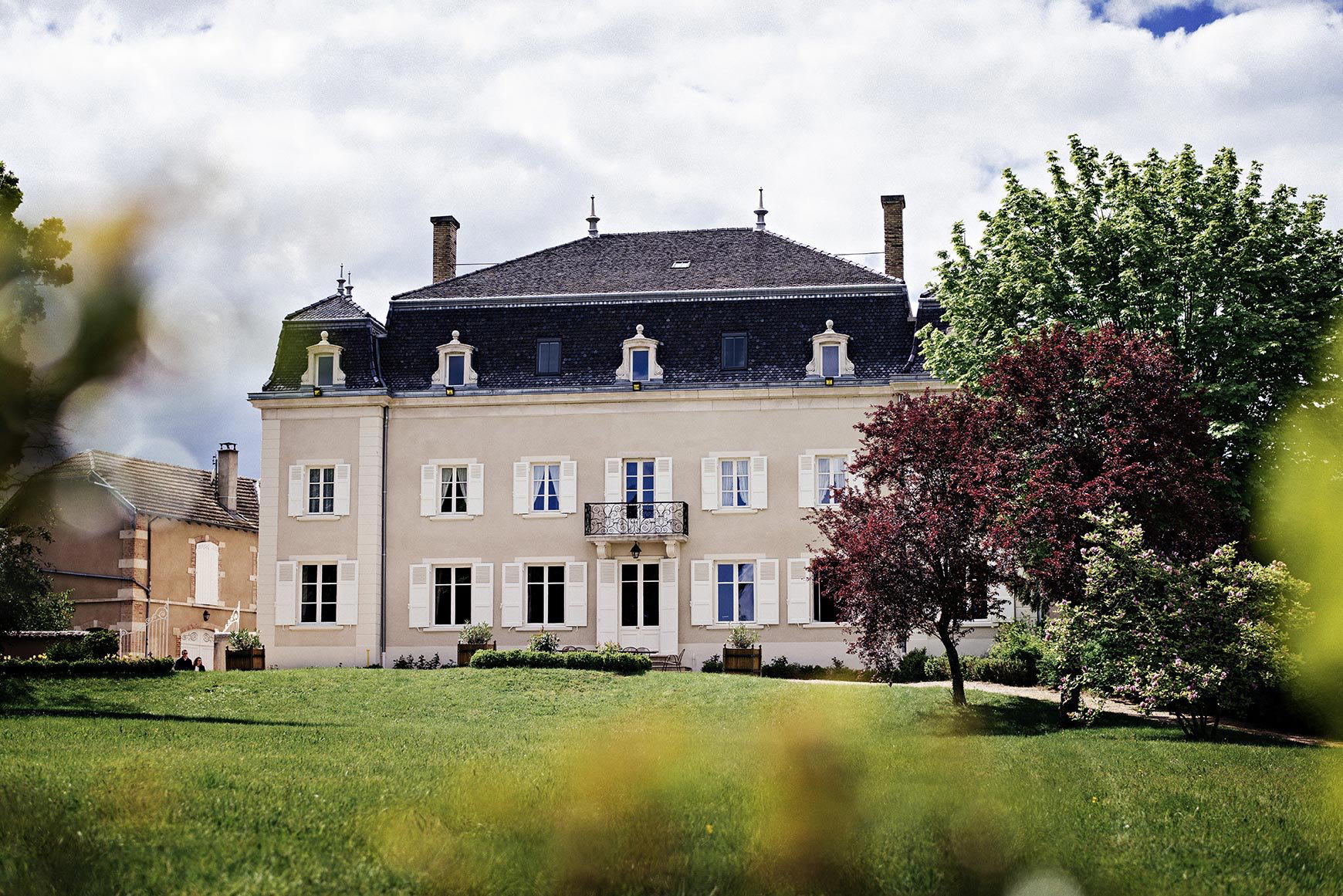
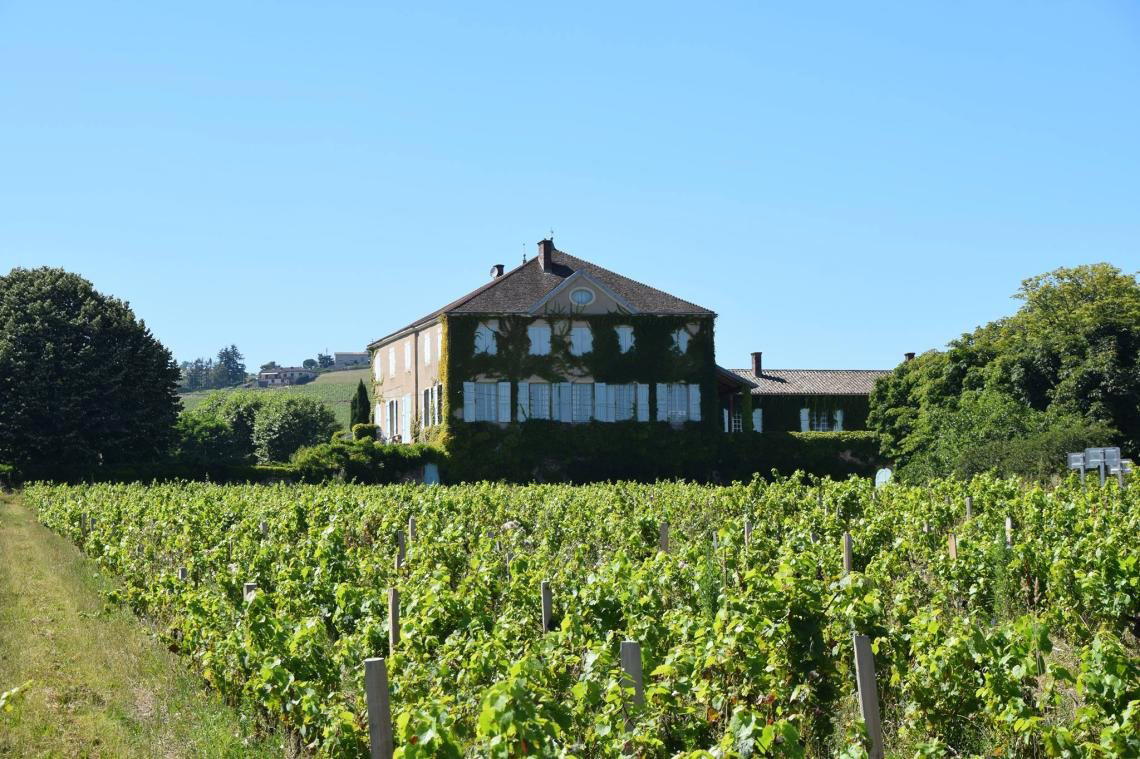
Château de Fuissé sits at the heart of Pouilly-Fuissé, the southern Burgundy appellation that produces some of France's most serious Chardonnay outside the Côte d'Or.

Pearl is the En Primeur Club membership app — saves, bookings, and concierge access live there. Same editors, same standards.
- Address
- 419 Rue du Plan, 71960 Fuissé
- Phone
- +33 3 85 35 61 44
- Website
- chateau-fuisse.fr
- Directions
- Get directions
Where the Soil Does Most of the Work
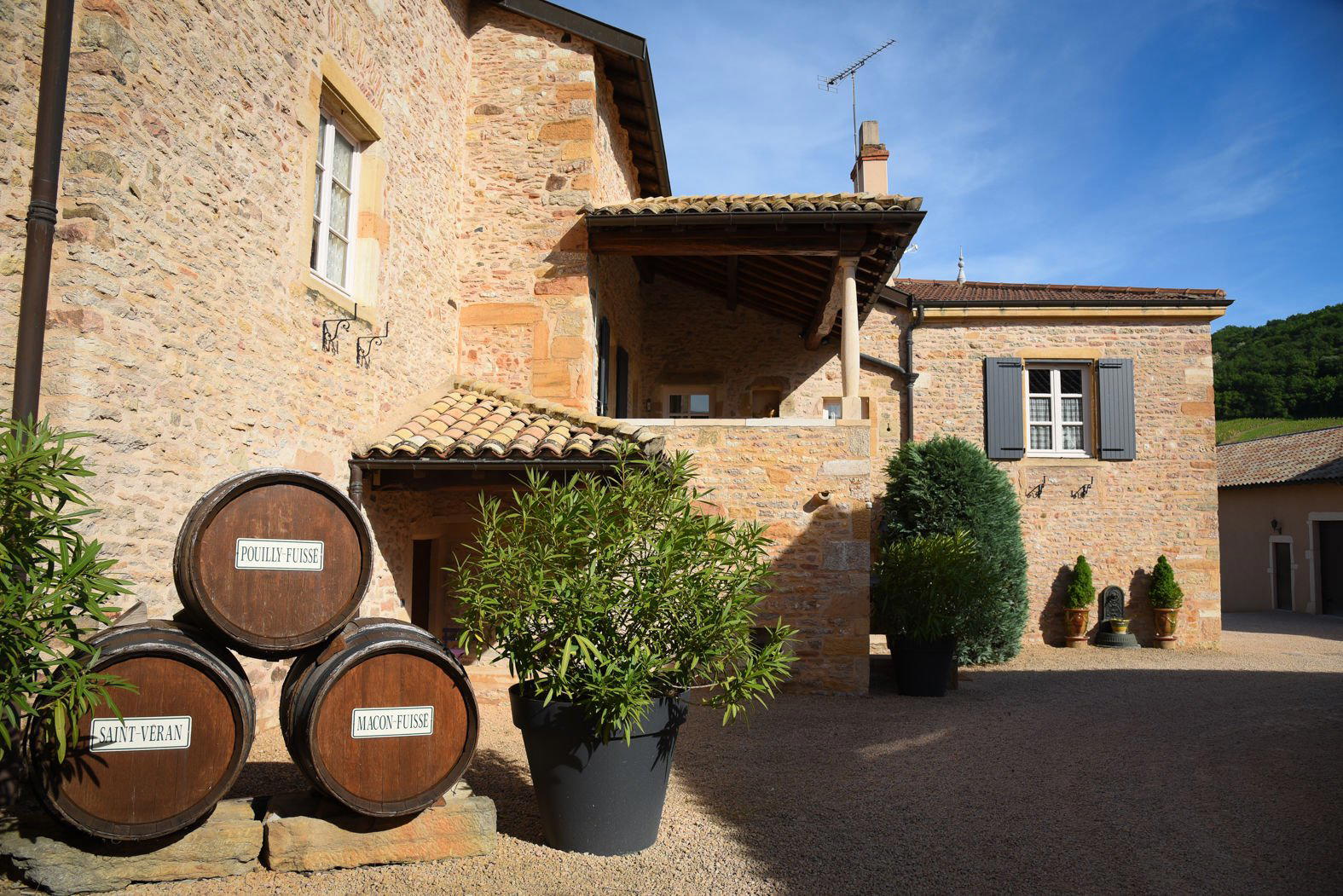
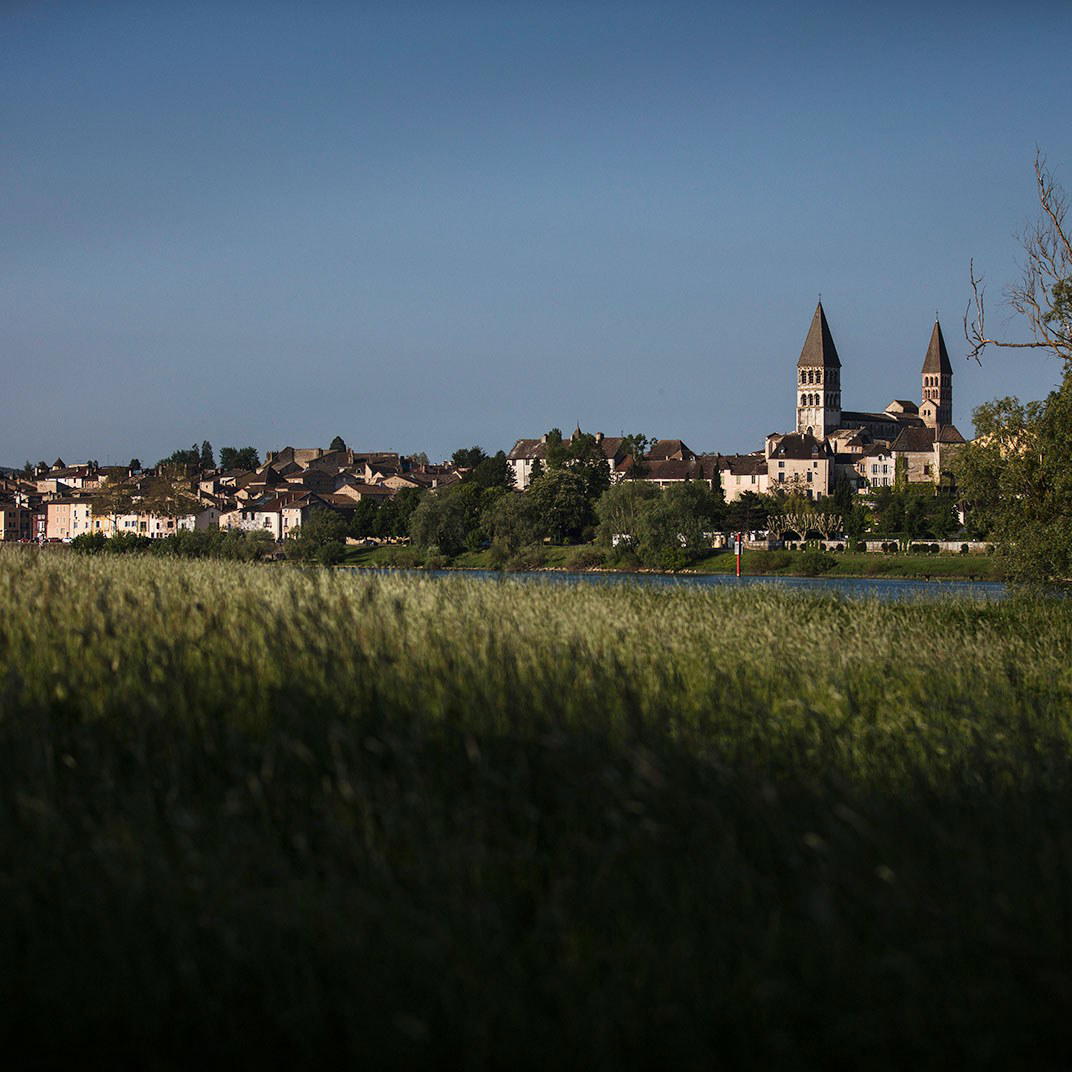
Approach the southern end of Burgundy's wine villages and the character of the land shifts noticeably. The Côte d'Or gives way to the Mâconnais, and the tight, mineral-driven Chardonnay of Meursault or Puligny is replaced by something rounder, more sun-warmed, but no less serious in the right hands. Fuissé sits at the southern tip of this transition, its slopes angled toward the sun and underlaid with the Kimmeridgian limestone and clay that define what Pouilly-Fuissé can do at its finest. Château de Fuissé, addressed at 419 Rue du Plan in the village itself, occupies this ground not as an incidental location but as a central fact of what it produces.
Within Pouilly-Fuissé, where the appellation itself received premier cru recognition from INAO in 2020 — a long-overdue upgrade that formalized what growers had argued for decades — the domaine sits among those whose vineyard positions now carry official hierarchical weight.
Pouilly-Fuissé and the Logic of Its Terroir
Southern Burgundy's Chardonnay tradition has always been structured differently from the Côte d'Or model. Here, the geology is more variable. The Mâconnais sits atop a complex of Jurassic limestone, clay, and in some parcels, harder volcanic intrusions from the ancient Solutré and Vergisson rock formations. Those two limestone escarpments, visible from most of the Fuissé vineyards, act almost as orientation markers for the appellation's identity. Vineyards nearest to Solutré and Vergisson tend toward finer, more tensile wine; those in Fuissé's own bowl and on its south-facing flanks carry more flesh, more stone fruit, a lower but still present acidity.
This is not the place for a wine built on extraction or on heavy new oak. The soils drain well but retain mineral complexity, and the long growing season in the southern Mâconnais produces grapes with natural ripeness that doesn't need cosmetic intervention. Producers who understand this work with the terroir's tendency rather than against it, which is why the leading Pouilly-Fuissé cuvées age better than their reputations historically suggested, often developing over ten to fifteen years in bottle. The 2020 premier cru classification, which created a formal tier above lieu-dit wines, accelerated the appellation's claim to serious collector attention across France and export markets alike.
For a point of comparison within the broader French white wine scene, the dynamics here parallel what has happened at the premium end in Alsace, where producers like Albert Boxler in Niedermorschwihr have shown how deep terroir expression can reframe an appellation's ceiling. In Fuissé, the village's leading properties have made a similar argument through their wines, not their marketing.
The Domaine in Its Competitive Set
Pouilly-Fuissé at the prestige level operates through a small group of domaines whose names recur in fine wine auctions, restaurant wine lists in Lyon and Paris, and the allocation books of specialist négociants. Château de Fuissé competes within that set. That distinction matters in a region where négociant volume and domaine-bottled quality can be hard for consumers to disentangle.
For context on how this compares to prestige-rated châteaux in other French regions: properties like Château Bastor-Lamontagne in Preignac, Château Branaire Ducru in St-Julien, Château Bélair-Monange in Saint-Emilion, and Château Batailley in Pauillac occupy equivalent tiers in their respective appellations, each carrying regional classification weight and consistent critical positioning.
Closer to home in Fuissé, the nearest comparable domaine is Domaine J.-A. Ferret, another address of serious reputation in the village. Both domaines have contributed to the argument that Fuissé itself, as opposed to the broader Pouilly-Fuissé zone, deserves a distinct quality premium, an argument that the 2020 premier cru reform now supports with official recognition.
Planning a Visit
Fuissé is a small village in the Saône-et-Loire department of Burgundy, reached most easily from Mâcon, roughly ten kilometres to the northeast. The A6 autoroute connects Mâcon to Lyon in under an hour and to Paris in around three and a half hours by TGV from Mâcon-Loché station. Wine-focused visitors typically base themselves in Mâcon or, for a more immersive experience, in one of the Mâconnais village chambres d'hôtes that have grown up alongside the appellation's rising profile. The village of Fuissé itself is small enough that the domaine at 419 Rue du Plan is direct to locate by car. Given the domaine's prestige-level production and the limited nature of its output, contacting the estate directly before visiting is sensible: allocation-level properties at this tier generally operate visits by appointment rather than open-door tasting room formats.
The optimal visiting window for understanding Pouilly-Fuissé in full context runs from late spring through early autumn, when the vines are in growth or harvest and the surrounding landscape gives clear visual context to the appellation's geography. Harvest in the Mâconnais typically falls in September, earlier than the Côte d'Or, and the Solutré and Vergisson rock formations make the harvest period one of the more photographically dramatic in Burgundy's wine villages. See our full Fuissé restaurants guide for context on where to eat and drink in the wider village area during a visit.
Beyond Fuissé: Regional Context
Collectors who track prestige-rated French producers across categories often move between regions, from Burgundy to Bordeaux to Alsace, in search of terroir-driven production at consistent quality tiers. The range of 2 Star Prestige and equivalent properties across France is wider than many buyers initially realise. Properties like Château Cantemerle in Haut-Médoc, Château Clinet in Pomerol, Château Boyd-Cantenac in Cantenac, and Château d'Arche in Sauternes each occupy prestige tiers in their own appellations, with the same logic applying: the classification signals consistent quality and regional typicity rather than volume production. Outside France, equivalent prestige-tier positioning can be seen at producers like Château d'Esclans in Courthézon, Accendo Cellars in St. Helena, and Aberlour in Aberlour.
At-a-Glance Comparison
Comparable venues nearby, for context on price, style, and recognition.
| Venue | Cuisine | Price | Awards | Notes |
|---|---|---|---|---|
| Château de FuisséThis venue — the venue you are viewing | Chardonnay | $30–50 | Falstaff Winery - Listed | Not listed |
| Domaine J.-A. Ferret | Chardonnay | Not listed | Not listed | Fuissé |
| Domaine Antoine Jobard | Chardonnay, Pinot Noir | Not listed | Falstaff Winery - Listed | Meursault |
| Château Malromé | Merlot, Cabernet Sauvignon | Not listed | Not listed | Saint-André-du-Bois |
| Domaine A. & P. de Villaine | Aligoté, Chardonnay | Not listed | Falstaff Winery - Listed | Bouzeron |
| Domaine Comte Armand | Pinot Noir, Chardonnay | $50–100 | Falstaff Winery - Listed | Pommard |
Recognition history
Dated appearances from independent guides and award organizations, with the underlying list record or original source where available.
Falstaff Winery - Listed
Falstaff
Continue exploring
More in Fuissé
Wineries in Fuissé
Browse all →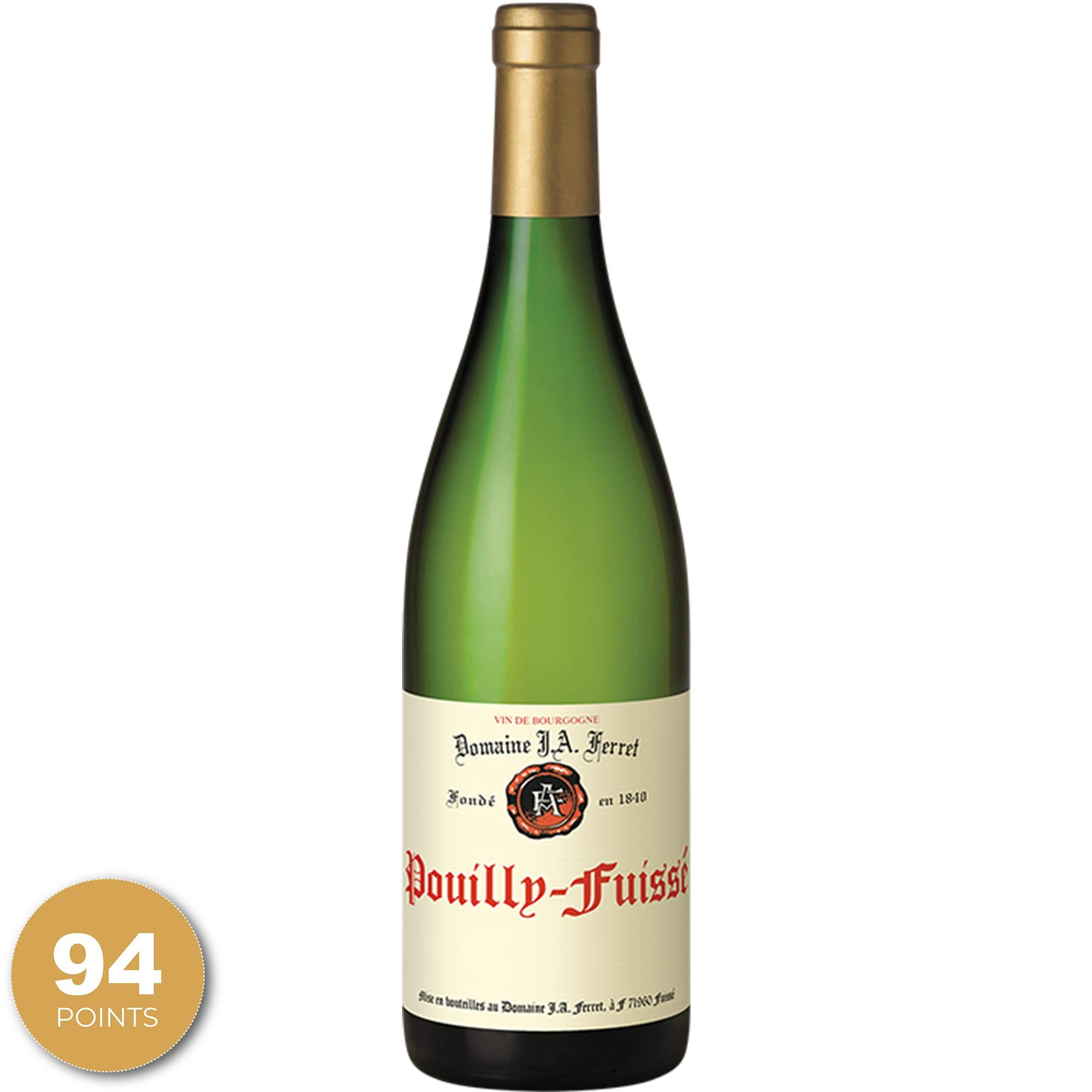
Bars in Fuissé
Browse all →
Restaurants in Fuissé
Browse all →
Details
- Classic
- Elegant
- Scenic
- Rustic
- Wine Education
- Special Occasion
- Solo Exploration
- Vineyard Tour
- Historic Building
- Estate Grounds
- Vineyard
- Chardonnay
- Still White
- Cave Tasting
- Private Tasting
- French
- English
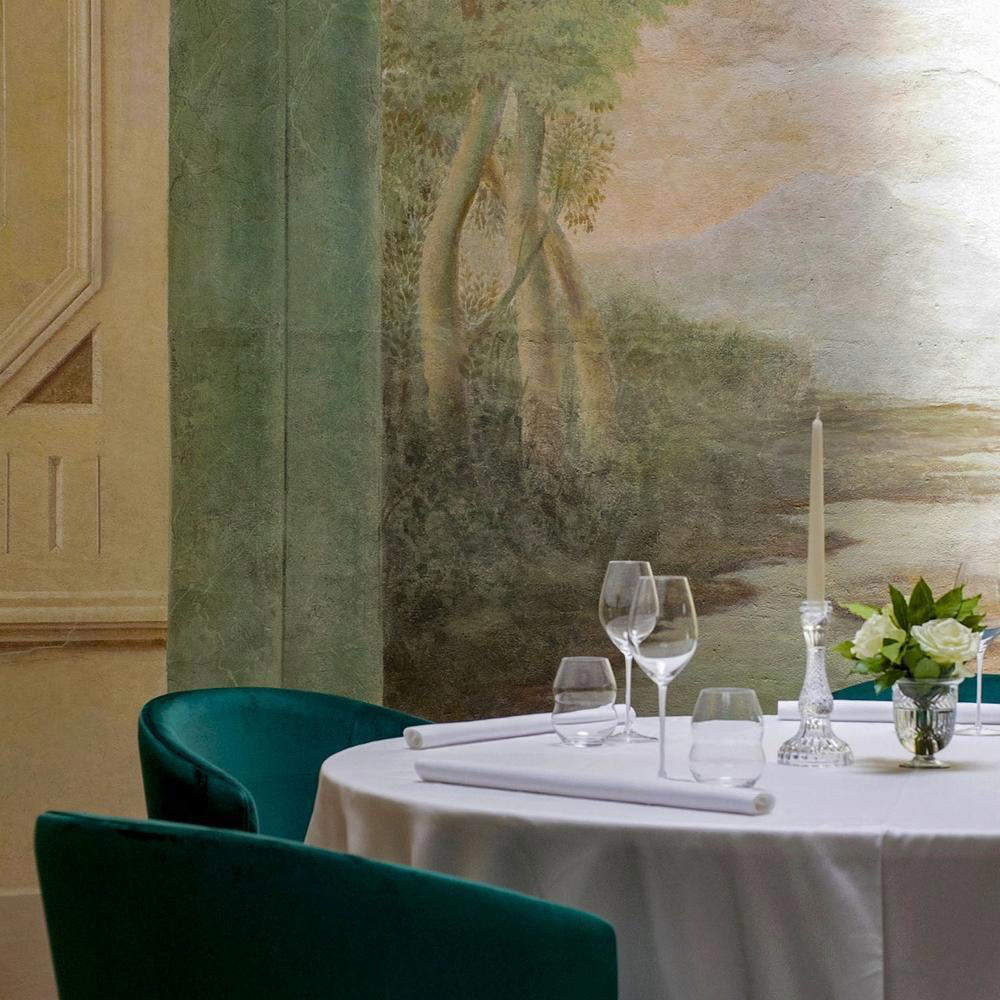
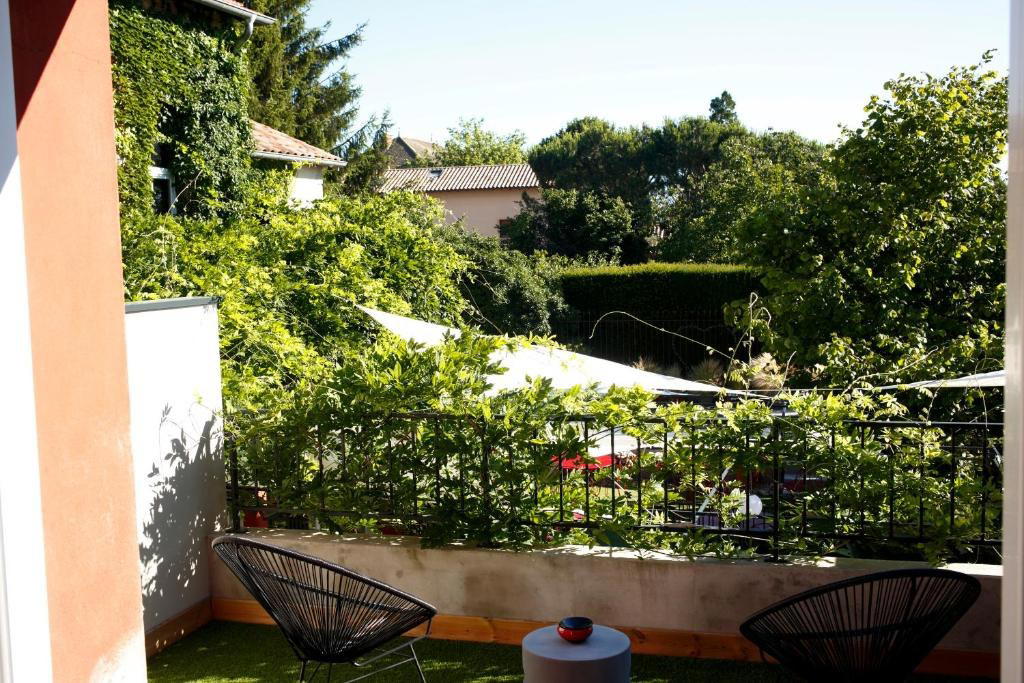
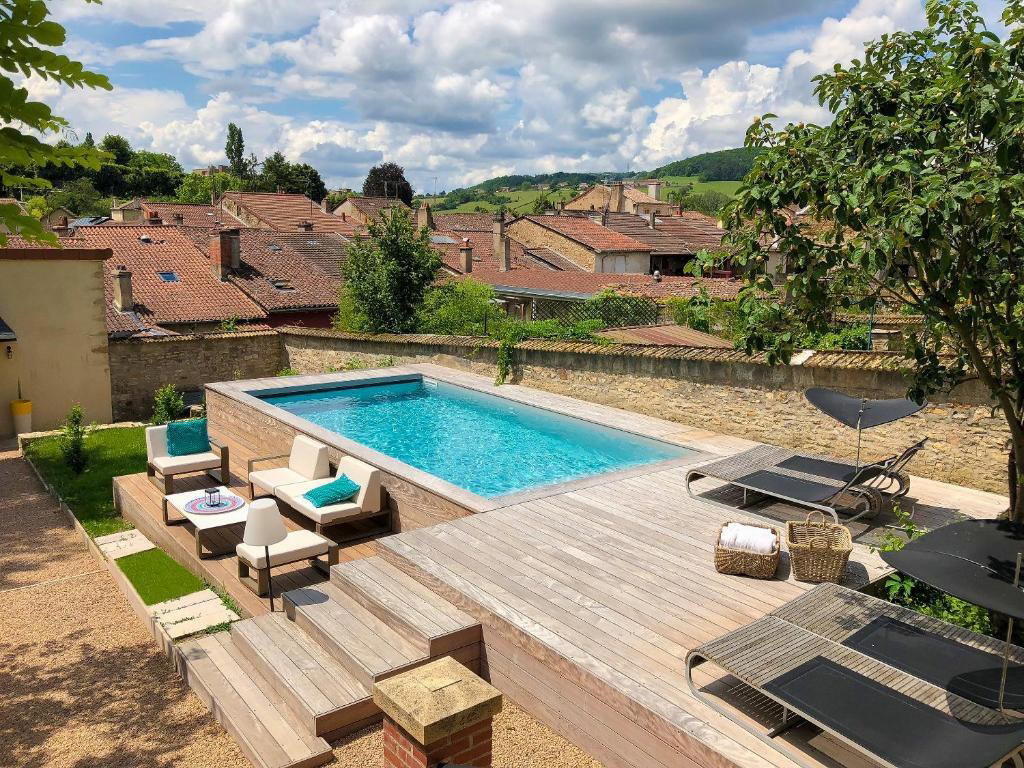
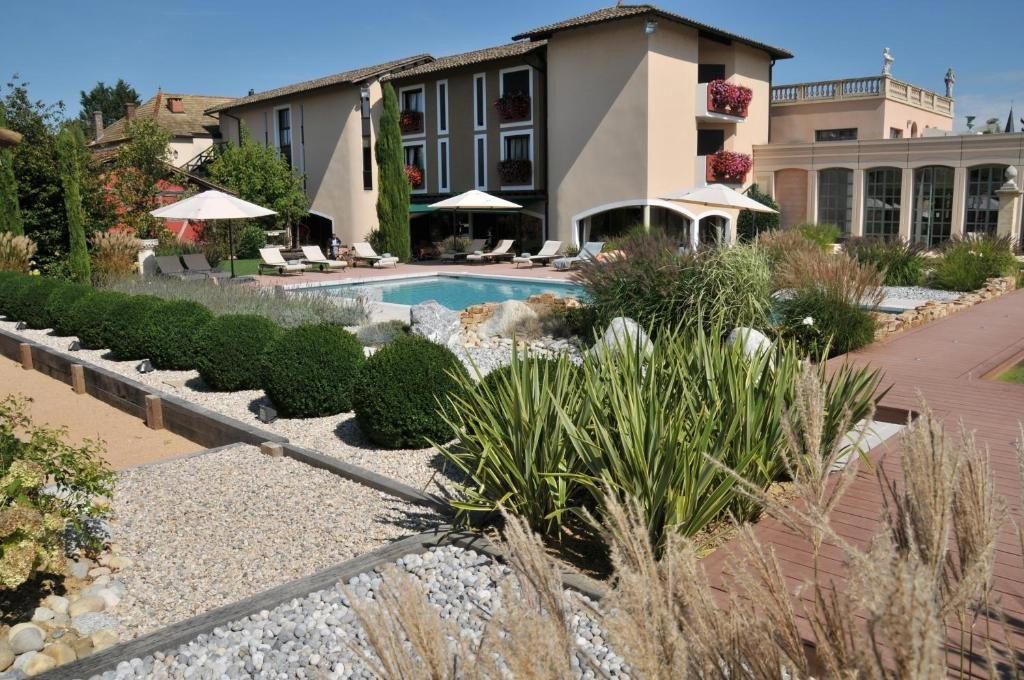
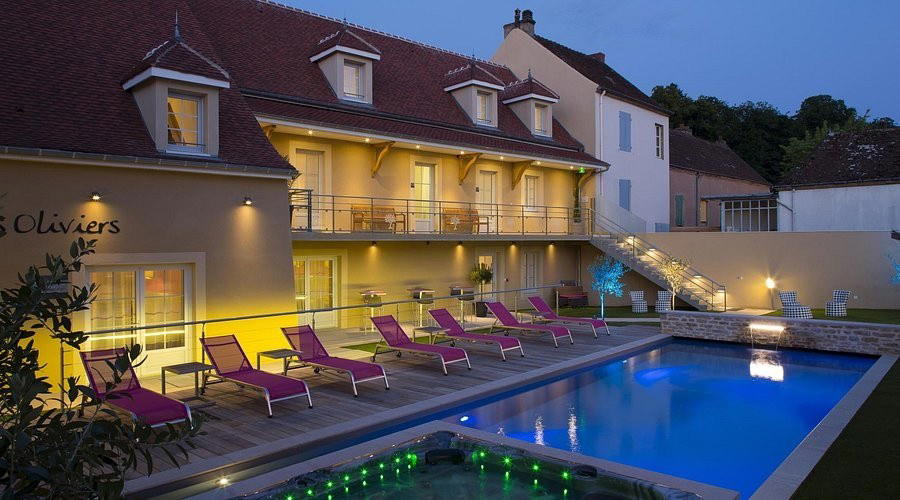
Elegant and historic atmosphere in a Renaissance-style château surrounded by vineyards.