Domaine Merlin
Domaine Olivier Merlin sits in the Mâconnais village of La Roche-Vineuse, producing wines that speak directly to the limestone-and-clay soils of southern Burgundy. It belongs on the shortlist for anyone tracing white Burgundy beyond the Côte de Beaune.
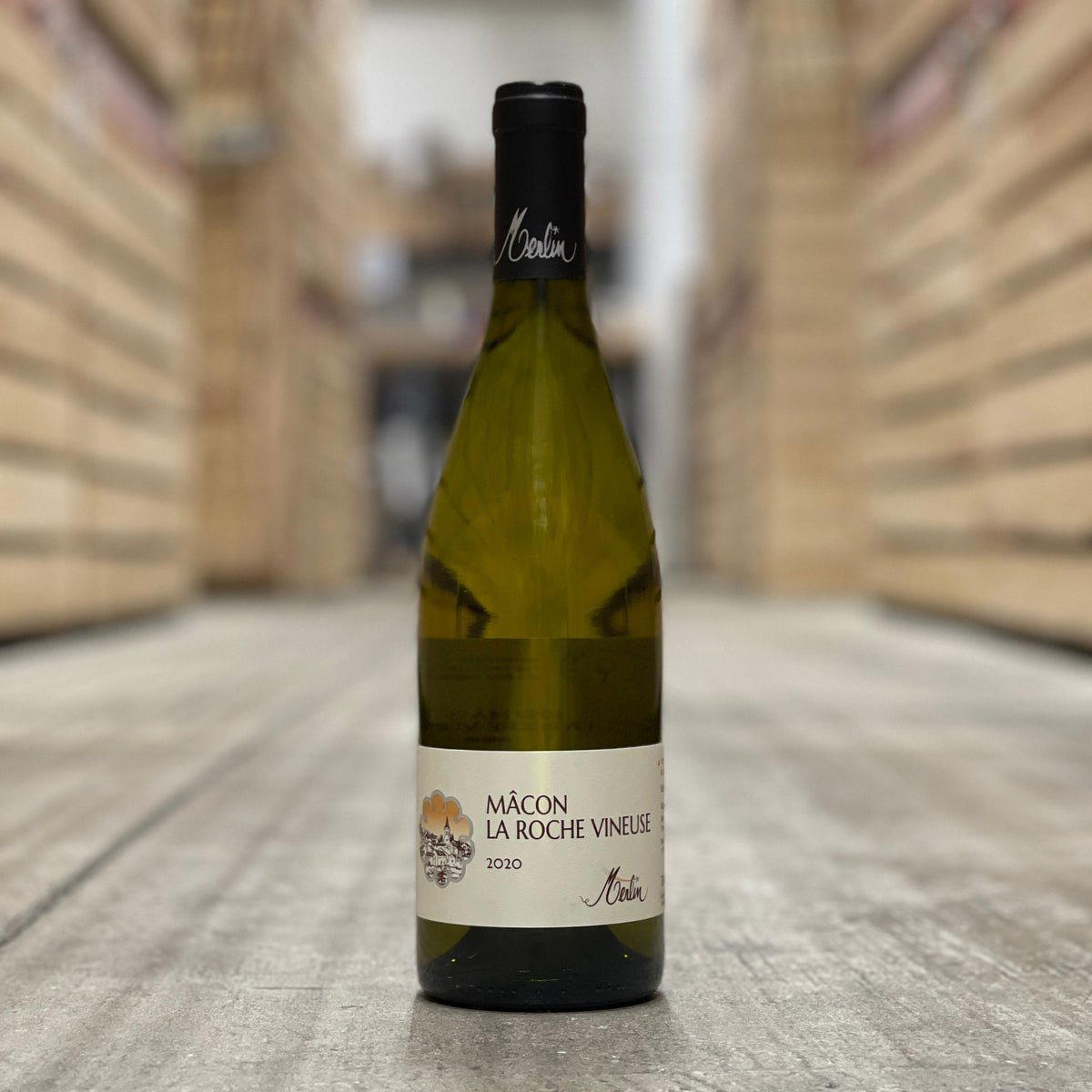
Limestone Country: What the Mâconnais Soil Is Actually Saying
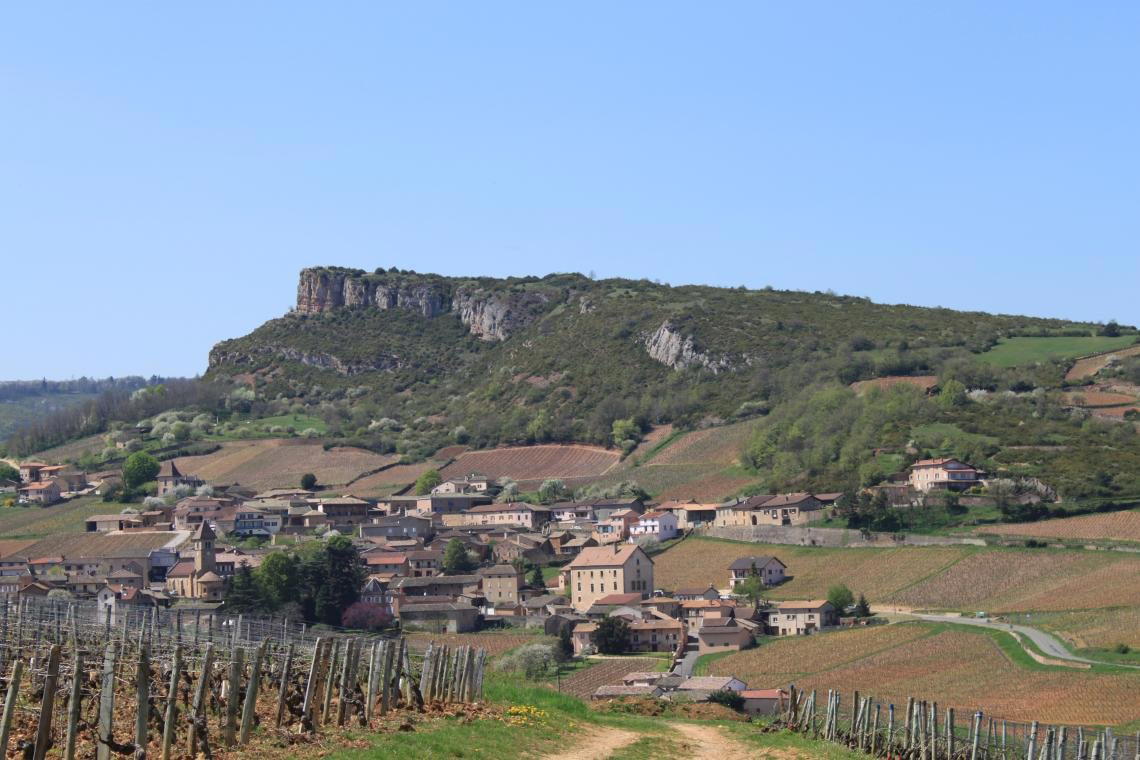
Drive south from Mâcon on the D54 and the land shifts in character before the signs change. The ridge villages, Verzé, Igé, La Roche-Vineuse, sit on a band of Jurassic limestone that predates the more celebrated escarpments of Meursault and Puligny by geological logic, not by reputation. La Roche-Vineuse itself occupies refined ground above the plain, and the soils here carry a distinct mineral load: Kimmeridgian and Oxfordian limestone fractions, with varying clay content that changes within the commune's own parcel boundaries. This is the raw material that makes the southern Mâconnais compelling to producers who want complexity without the institutional weight of premier and grand cru classification.
Domaine Olivier Merlin, addressed at 106 Chemin du Lavoir in La Roche-Vineuse, works precisely within this context. In Burgundy terms, that position matters: the Mâconnais has spent years shaking off its reputation as a source of volume Chardonnay, and the producers who have led that shift are exactly those working parcel by parcel, with vintage-sensitive approaches that let the geology speak rather than masking it with oak or residual richness.
The Southern Mâconnais Compared: A Smaller, Quieter Competitive Set
The wine geography of southern Burgundy tends to collapse in popular imagination into a simple hierarchy: Côte de Nuits and Côte de Beaune at the leading, then Côte Chalonnaise for value, then Mâconnais for everyday drinking. That framework has been under pressure for at least two decades, and the pressure has come precisely from villages like La Roche-Vineuse, Pouilly-Fuissé, and Saint-Véran producing wines that compete on terroir definition rather than appellation prestige.
Compare that positioning to, say, Château Bélair-Monange in Saint-Emilion or Château Branaire Ducru in St-Julien: both operate in appellations where classification does much of the credentialling work. In the Mâconnais, there is no equivalent classification scaffolding. Reputation rests on the bottle itself, which tends to concentrate producer effort in a useful way.
For a broader view of how domaines at this level position themselves across French wine regions, see also Albert Boxler in Niedermorschwihr, another producer earning precision ratings in a region where appellation hierarchy does less work than the vigneron's own choices.
Terroir at Chemin du Lavoir: Reading La Roche-Vineuse's Geology
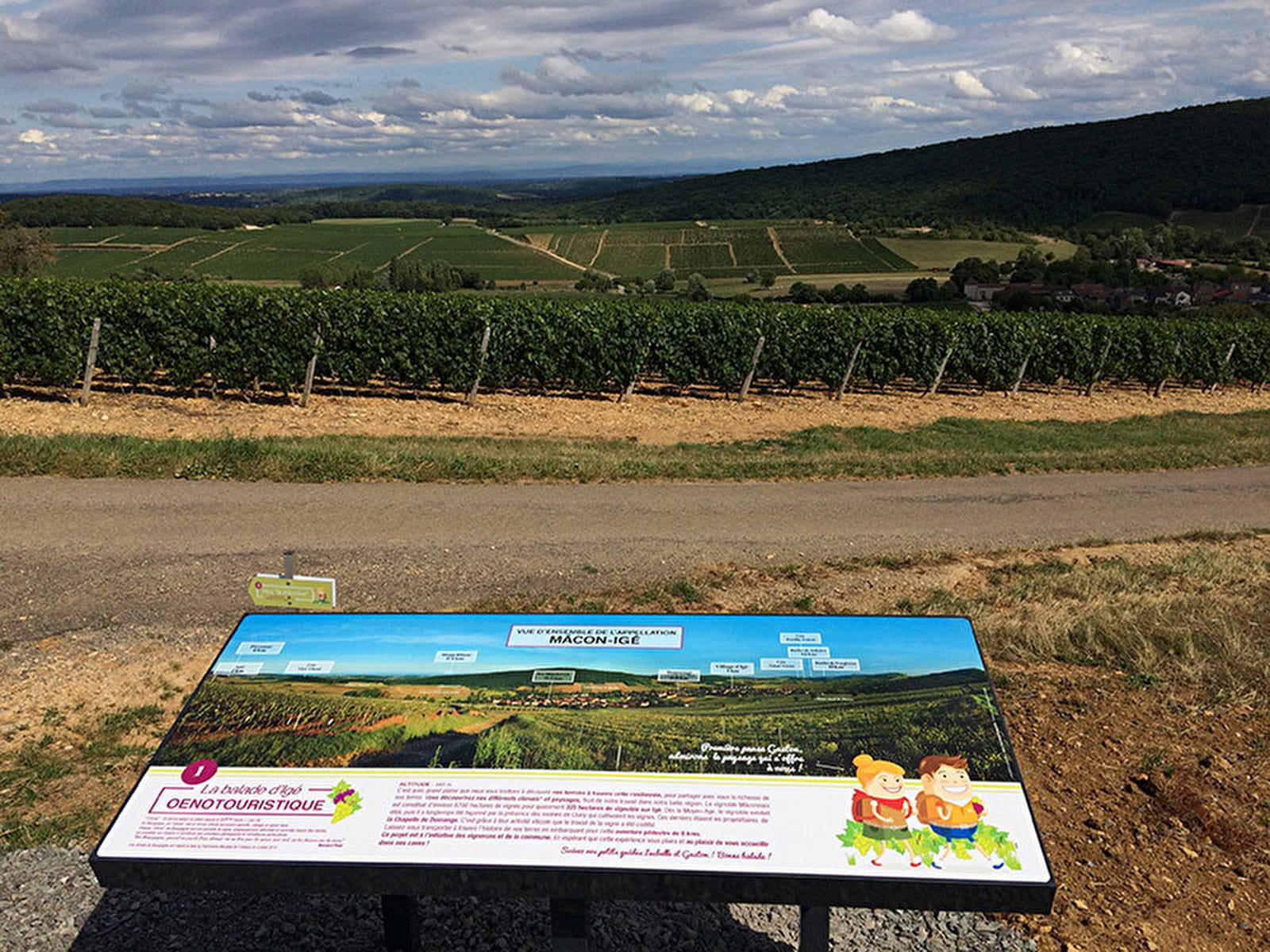
La Roche-Vineuse's vineyards are planted across slopes that face broadly east and southeast, which moderates the heat accumulation that would push ripeness too fast on flatter ground. The elevation, higher than the valley floor Mâconnais, stretches the growing season, preserving acidity through August and into harvest. That structural acidity is what separates village-level Mâconnais of this quality from the richer, heavier profiles that gave the appellation a less distinguished name in earlier decades.
The limestone composition here does something specific: it promotes a fine, taut texture in Chardonnay, with mineral tension that carries through to finish rather than resolving into broad, fruit-forward mid-palate weight. Producers at this level in La Roche-Vineuse are working with material that, in a different zip code, would carry premier cru pricing. The value proposition of serious Mâconnais has always rested on that gap between geological quality and appellation ceiling, and it remains genuine.
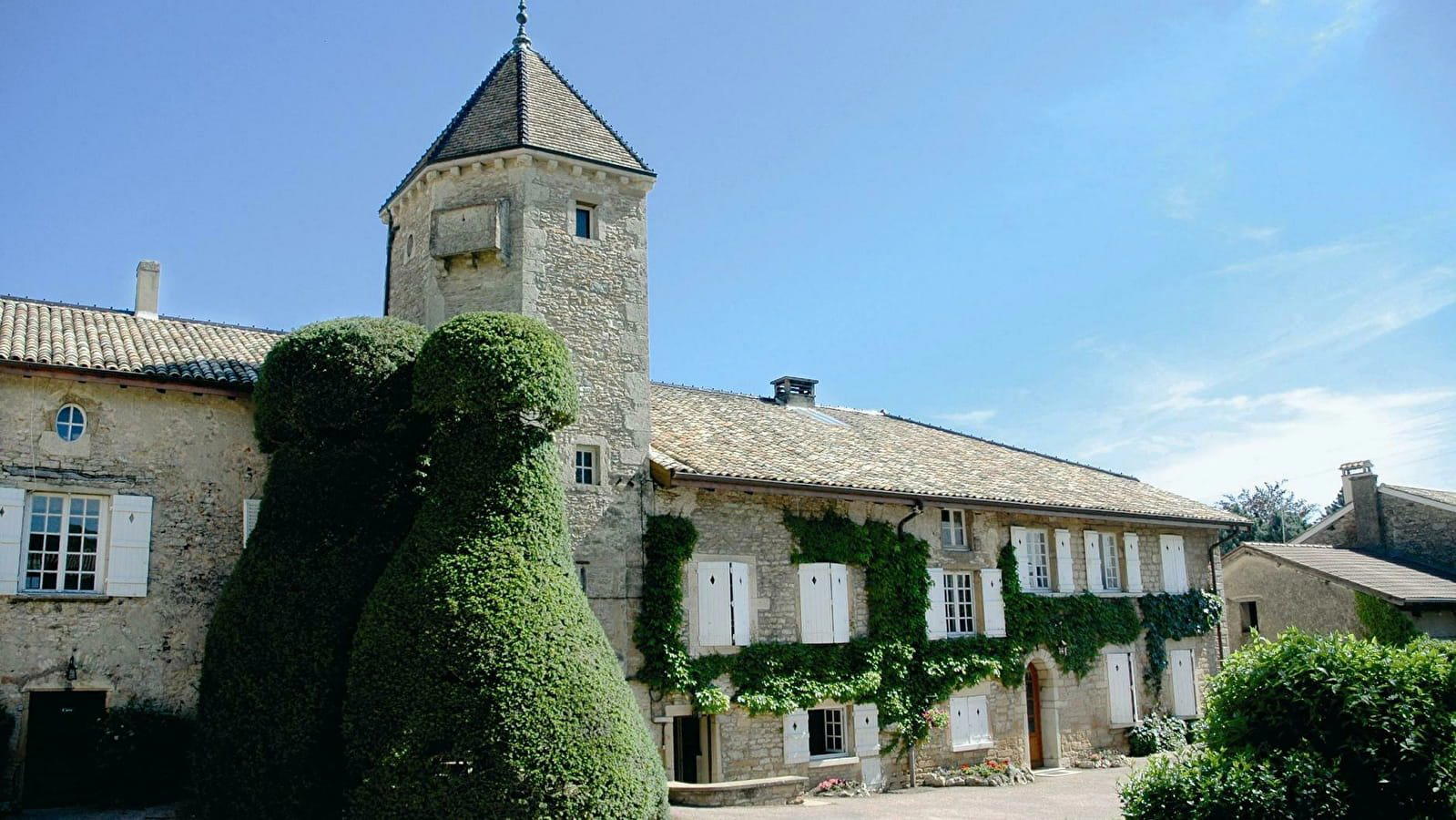
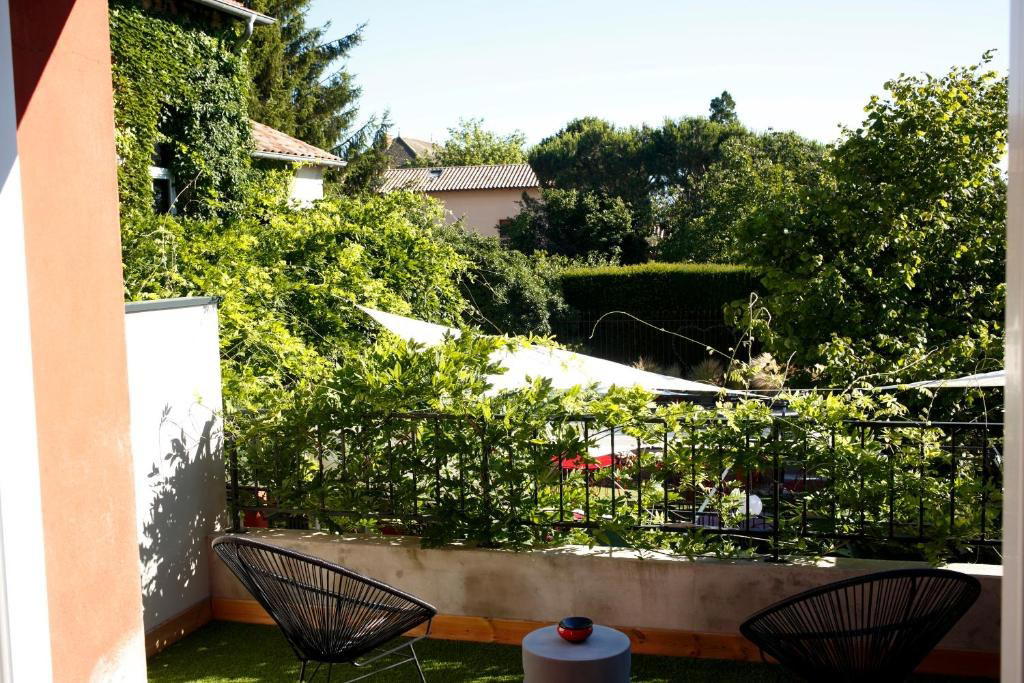
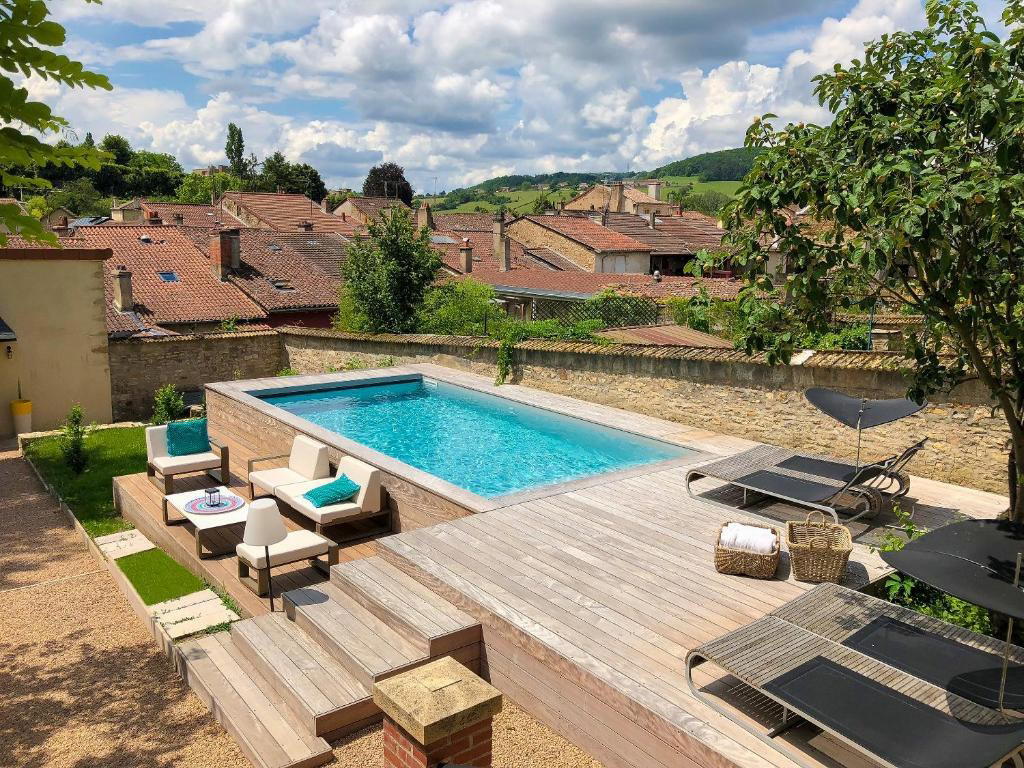
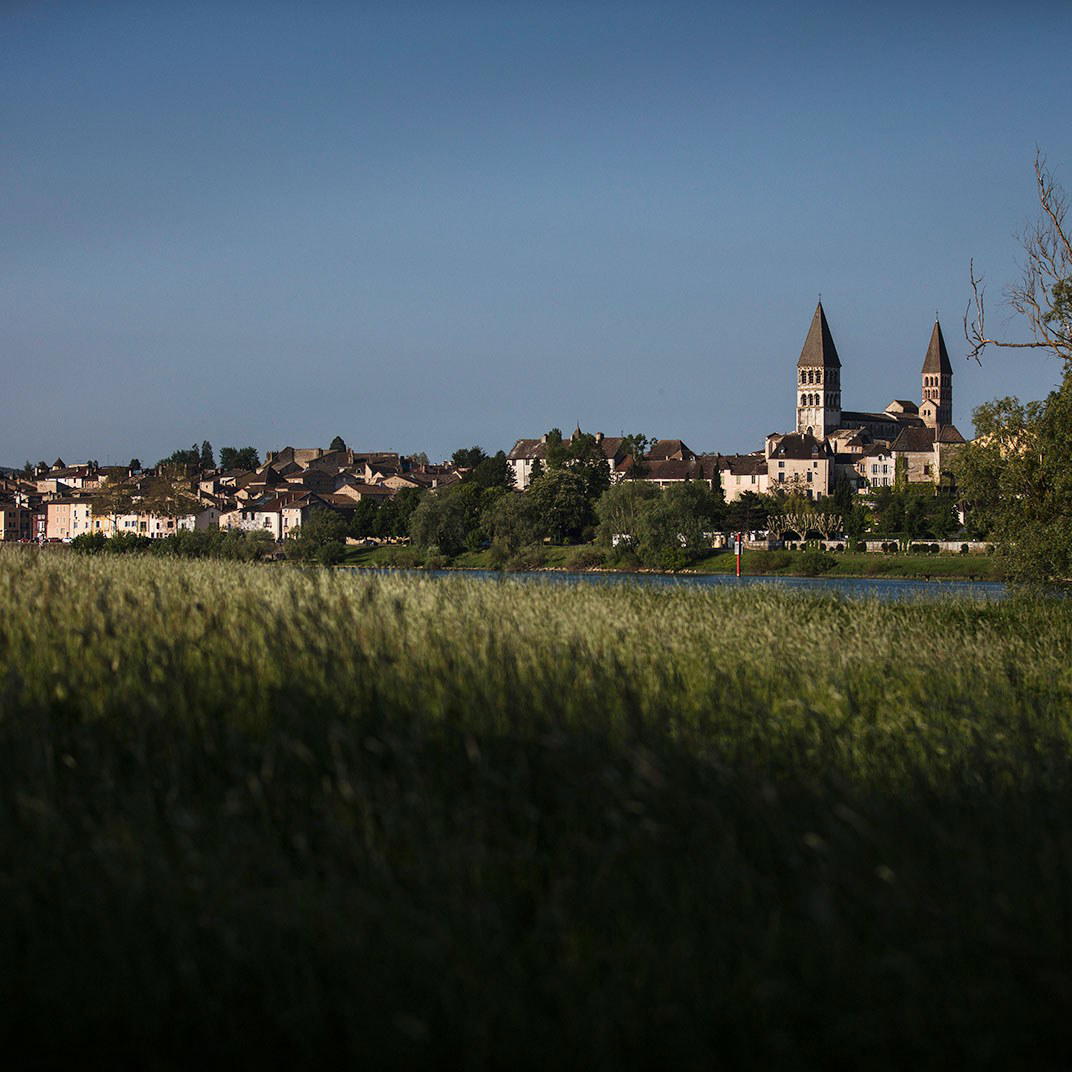
The address on Chemin du Lavoir, the washerwoman's path, is characteristic of these ridge villages, where lane names still recall agricultural history. The physical approach to the domaine, past parcels on the slope above the village, gives a reasonable sense of the aspect and gradient the vines work with. Visiting between April and September gives the leading access to the working rhythm of the domaine year; harvest in the Mâconnais typically runs from mid-September, earlier than the Côte de Beaune on most vintages.
In the context of Mâconnais producers, this is a meaningful distinction: the regional field ranges from industrial cooperatives producing tens of thousands of cases to single-domaine operations with annual outputs measured in low four figures. The Pearl tier identifies producers where the wine itself carries the argument for quality, independent of appellation prestige.
For comparison, producers at equivalent prestige levels in other French regions include Château Bastor-Lamontagne in Preignac and Château Clinet in Pomerol, both appellations where the rating reflects precision of expression rather than volume output. The parallel holds: at Merlin, the recognition is about what the terroir of La Roche-Vineuse can achieve when handled with the level of care the rating implies.
Planning a Visit: What to Know Before You Go
La Roche-Vineuse sits roughly 10 kilometres northwest of Mâcon, accessible via the D54. The village is small and the road through it narrow, which is typical of ridge-sited Mâconnais communes. Visiting the domaine requires direct contact in advance; no walk-in tasting infrastructure operates at this level of small-production Burgundy without prior arrangement. The domaine's address at 106 Chemin du Lavoir is findable on mapping applications, though rural coordinates in this area can be imprecise. Approaching from Mâcon by car is the most practical option; public transport connections to La Roche-Vineuse are limited.
The broader Mâconnais offers several days of serious wine itinerary without touching the Côte d'Or. Pouilly-Fuissé to the southwest, Saint-Véran further south, and the satellite appellations of Mâcon-Villages provide enough variation in soil type and producer style to build a structured comparison trip. Merlin's La Roche-Vineuse base makes it a natural anchor for the northern Mâconnais section of that route.
For a full overview of producers and destinations in the area, see our full La Roche-Vineuse restaurants guide. For context on other prestige-rated producers across France, see entries including Château Batailley in Pauillac, Château Boyd-Cantenac in Cantenac, Château Cantemerle in Haut-Médoc, Château Dauzac in Labarde, Château d'Arche in Sauternes, Château d'Esclans in Courthézon, Chartreuse in Voiron, Aberlour in Aberlour, and Accendo Cellars in St. Helena.
Frequently asked questions
What's the vibe at Domaine Olivier Merlin?
This is a working production domaine in a quiet ridge village, not a curated tasting room. La Roche-Vineuse draws visitors who come specifically to understand Mâconnais terroir at a producer level, and Domaine Olivier Merlin —. Contact ahead of any visit; walk-ins are not the operational model here.
What's the signature bottle at Domaine Olivier Merlin?
La Roche-Vineuse's east and southeast-facing slopes on Jurassic limestone are the geological argument for this domaine, and the wines that most directly express that address are the village-level Mâcon–La Roche-Vineuse bottlings.
What part of town is Domaine Olivier Merlin in?
Domaine Olivier Merlin is located at 106 Chem. du Lavoir, 71960 La Roche-Vineuse, La Roche-Vineuse.
A Quick Peer Check
Comparable venues nearby, for context on price, style, and recognition.
| Venue | Cuisine | Price | Awards | Notes |
|---|---|---|---|---|
| Domaine Olivier MerlinThis venue (the venue you are viewing) | Chardonnay, Pinot Noir | Not listed | Not listed | Not listed |
| Domaine Pierre Morey | Chardonnay, Pinot Noir | Not listed | Michelin Main Selection · Falstaff Winery - Listed | Meursault |
| Domaine Génot-Boulanger | Chardonnay, Pinot Noir | $100–150 | Falstaff Winery - Listed | Meursault |
| Domaine David Duband | Pinot Noir, Chardonnay | Not listed | Falstaff Winery - Listed | Chevannes |
| Domaine René Bouvier | Pinot Noir, Chardonnay | Not listed | Not listed | Gevrey-Chambertin |
| Domaine des Hospices de Beaune | Pinot Noir, Chardonnay | Not listed | Not listed | Beaune |
Request a visit to Domaine Merlin
Tell us when you would like to go and how many people, and we put the request to the estate and reply to you by email.
Continue exploring
More in La Roche-Vineuse
Wineries in La Roche-Vineuse
All wineries in La Roche-Vineuse →
Details
- Elegant
- Rustic
- Scenic
- Quiet
- Intimate
- Wine Education
- Solo Exploration
- Special Occasion
- Vineyard Tour
- Cave Tasting
- Estate Grounds
- Organic
- Vineyard
- Mountain
- Chardonnay
- Pinot Noir
- Gamay
- Still White
- Still Red
- Barrel Tasting
- Cave Tasting
Precision-crafted wines in a classic Burgundian setting with emphasis on terroir expression through meticulous vineyard work and thoughtful barrel aging.