Chateau Beausejour
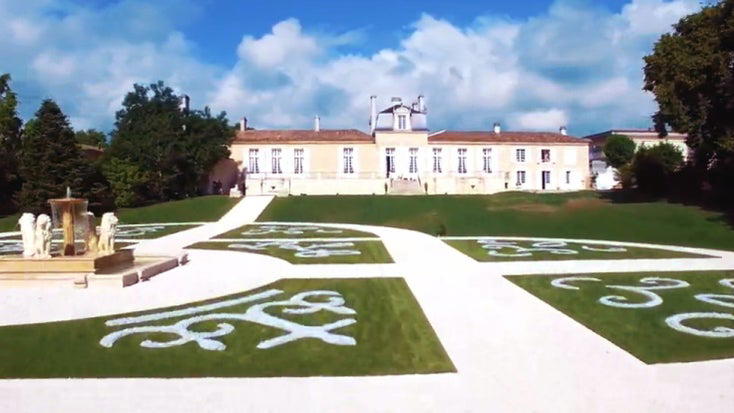
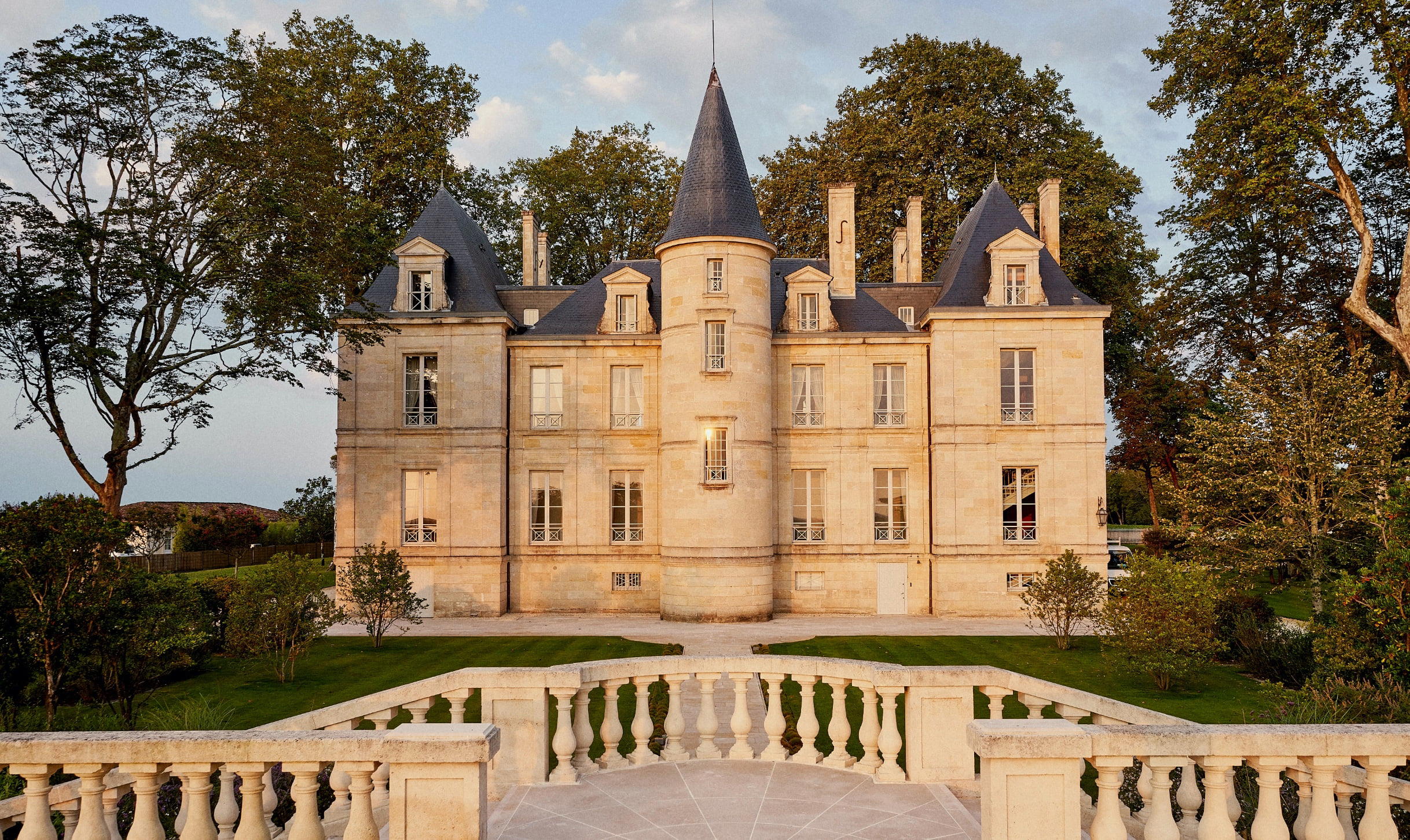
Established in 1847 and. The estate represents a serious, terroir-focused approach to a commune that remains less traded than Margaux or Pauillac, offering access to structured Médoc character without the speculation premium of classified-growth neighbours.

Pearl is the En Primeur Club membership app — saves, bookings, and concierge access live there. Same editors, same standards.
- Address
- 21 Avenue de Soulac, 33480 Listrac-Médoc, France
- Phone
- +33556580319
- Website
- cave-listrac-medoc.fr
- Directions
- Get directions
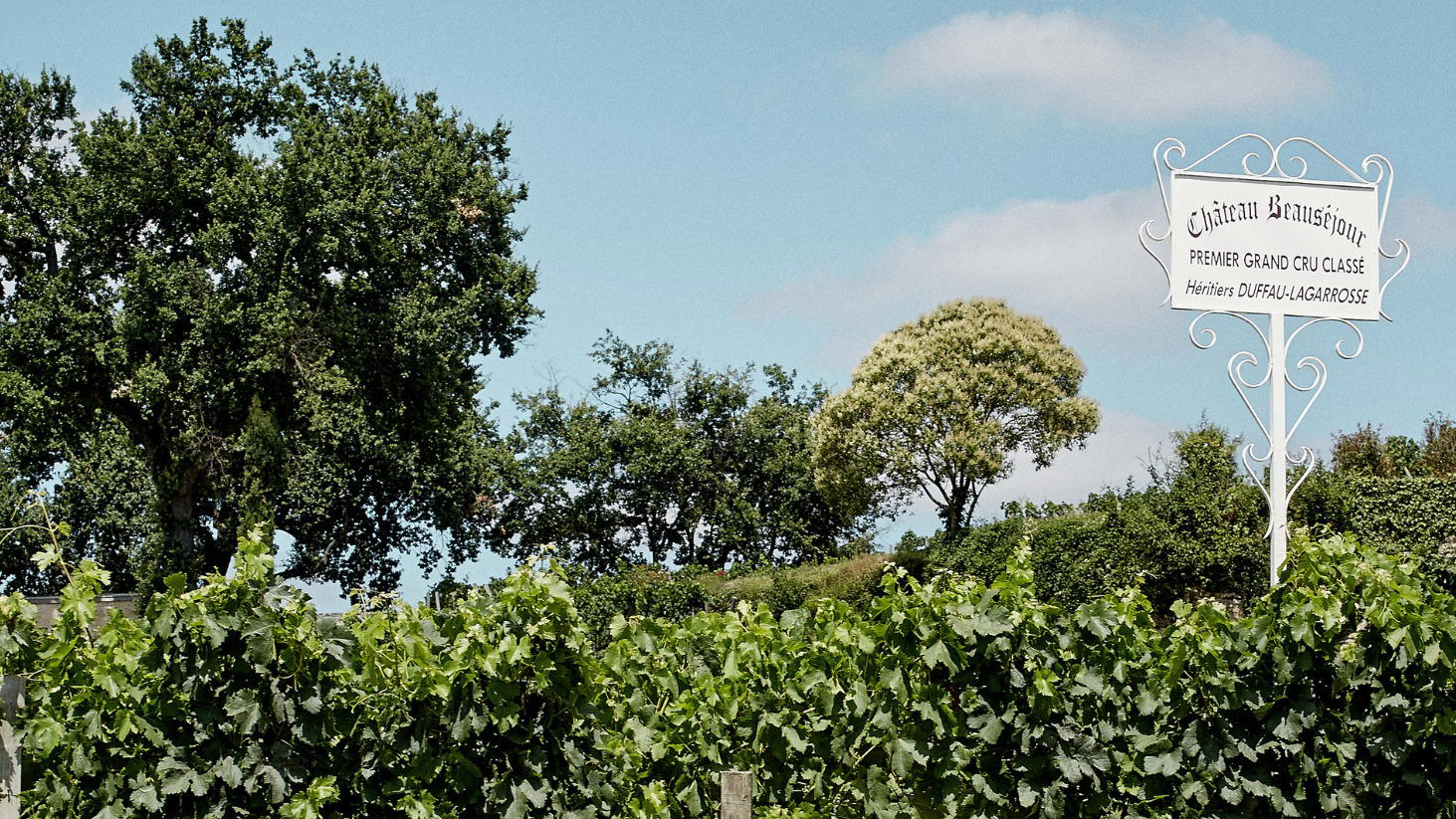
Listrac-Médoc and the Geology of the Overlooked
The Médoc's hierarchy is well-rehearsed: Saint-Julien for precision, Pauillac for power, Margaux for perfume. Listrac-Médoc sits outside that triumvirate, refined literally and figuratively. The appellation rests on one of the highest ridges of the left bank, where the gravel belt thins and clay begins to assert itself beneath the surface. That shift in soil composition changes everything about how Cabernet Sauvignon and Merlot behave here. Tannins land firmer in youth, structure takes longer to resolve, and wines that reward patience outnumber wines designed for early drinking. For a visitor arriving at Chateau Beausejour on Avenue de Soulac, that geological context is the real introduction, before a bottle is opened or a cellar is entered.
Listrac is sometimes bracketed with Moulis in discussions of the Médoc's so-called bourgeois appellations, and the comparison is instructive. Both lack classified-growth estates from the 1855 classification, which has kept secondary-market attention lower than in neighbouring communes. That absence of classification pressure has also allowed properties to develop at their own pace, with less of the prestige-driven intervention that can homogenise wine style in more scrutinised appellations. For more on how Listrac fits into the wider regional picture, see our full Listrac-Médoc restaurants guide.
A First Vintage in 1847
Longevity in the Médoc is not unusual, but a first vintage documented to 1847 places Chateau Beausejour in a specific historical cohort: estates that were producing wine before the 1855 classification was even drawn up. That context matters because it anchors the property to a pre-classification Médoc, when left-bank viticulture was shaped by merchant relationships and landowner ambition rather than by tier positioning. Many of the estates that now command the highest prices were building their reputations in the same decades Beausejour was already harvesting. That history does not confer automatic quality, but it does indicate continuous engagement with this particular terroir across changing ownership, climate cycles, and viticultural fashions.
Across the Bordeaux region, estates with comparable founding periods have navigated multiple eras of winemaking philosophy, from the heavy extraction tendencies of mid-twentieth-century Bordeaux to the ripeness-chasing of the 1990s and early 2000s, and more recently toward restraint and precision. Where Chateau Beausejour sits within that trajectory is a question the wines themselves answer. Estates like Château Batailley in Pauillac and Château Branaire Ducru in St-Julien offer instructive comparisons from classified communes, while Château Cantemerle in Haut-Médoc provides a closer peer reference from the unclassified left bank.
Nicolas Thienpont and the Weight of a Name
In Bordeaux, winemaking surnames carry their own appellation logic. The Thienpont family is associated with some of the right bank's most precise addresses, most notably Vieux Château Certan in Pomerol, which has maintained a reputation for restraint and elegance over decades of stewardship. Nicolas Thienpont's presence at Chateau Beausejour imports that right-bank sensibility into a commune that is structurally quite different. Listrac's clay-inflected soils produce wines with more body than the gravel-dominant terroirs of Pomerol, but the philosophical alignment toward precision over extraction represents a consistent thread. Where properties under less rigorous direction might chase ripeness to compensate for Listrac's sometimes austere tannins, a Thienpont-associated approach tends to work with structure rather than against it.
For context on how family stewardship shapes Bordeaux's regional character, Château Bélair-Monange in Saint-Emilion and Château Clinet in Pomerol demonstrate how proprietorial vision translates differently across the Gironde. The comparison also extends beyond Bordeaux: Albert Boxler in Niedermorschwihr represents a similarly generational approach to terroir expression in Alsace, where family continuity has sustained a consistent house style through shifting critical fashions.
For Listrac-Médoc, this kind of recognition is particularly significant because the appellation receives less critical attention than its classified-growth neighbours, meaning fewer estates here accumulate formal endorsements.
Comparable prestige-tier properties across Bordeaux include Château Boyd-Cantenac in Cantenac and Château Bastor-Lamontagne in Preignac, which operates in Sauternes, a different stylistic register entirely. Further afield, Château d'Arche in Sauternes and Château Dauzac in Labarde illustrate how prestige-tier recognition maps onto estates of different scales and styles across the Bordeaux appellations. Outside France, the contrast with Accendo Cellars in St. Helena is instructive: Napa's premium Cabernet tier operates with fundamentally different market dynamics, where allocation scarcity rather than appellation prestige drives positioning.
Terroir as the Real Argument
The case for visiting or sourcing from Chateau Beausejour rests ultimately on what Listrac's terroir does that neighbouring communes cannot. The ridge elevation, the higher clay content, and the cooler mesoclimate relative to Margaux combine to produce wines where the aromatic register tends toward graphite, dark plum, and dried herbs rather than the lifted floral notes that characterise sandier left-bank soils. In warmer vintages, this profile can align Listrac with the density of Pauillac; in cooler years, the structure can read as austere until sufficient bottle age resolves the tannins. Neither outcome is a flaw. Both are direct expressions of where these vines are planted.
That specificity of place is what distinguishes terroir-focused estates from those chasing a more neutral, market-friendly style. The parallel holds in other French regions: Chartreuse in Voiron represents a different kind of place-bound production, and Château d'Esclans in Courthézon demonstrates how regional identity can underpin prestige positioning outside Bordeaux's traditional framework. Even outside France, Aberlour in Aberlour illustrates how geographic specificity anchors provenance claims in a different category entirely.
Planning a Visit to Listrac-Médoc
Chateau Beausejour sits at 21 Avenue de Soulac in Listrac-Médoc, accessible from Bordeaux city centre via the D1215 through Margaux and Moulis, a drive of roughly 45 to 50 minutes depending on traffic through the wine villages. The Médoc's left-bank estates are almost universally car-dependent; there is no meaningful rail access to Listrac itself. Visits to estates in this appellation are generally arranged in advance and directly, with harvest season from late September through October representing the most logistically complex period for winery access. Spring and early summer tend to offer more flexibility for cellar appointments.
At-a-Glance Comparison
Comparable venues nearby, for context on price, style, and recognition.
| Venue | Cuisine | Price | Awards | Notes |
|---|---|---|---|---|
| Chateau BeausejourThis venue — the venue you are viewing | Merlot, Cabernet Franc | Not listed | Not listed | Not listed |
| Martell | Cognac | $20–30 | Not listed | Not listed |
| Château Malromé | Merlot, Cabernet Sauvignon | Not listed | Not listed | Saint-André-du-Bois |
| Château La Mission Haut-Brion | Cabernet Sauvignon, Merlot | Not listed | Michelin 2 Grapes · Falstaff Winery - 4 Stars | Pessac-Léognan |
| Château Haut-Bailly | Cabernet Sauvignon, Merlot | $50–100 | Michelin 1 Grape · Falstaff Winery - 4 Stars | Léognan |
| Château Pédesclaux | Cabernet Sauvignon, Merlot | Not listed | Michelin Main Selection · Falstaff Winery - Listed | Pauillac |
Continue exploring
More in Listrac-Médoc
Wineries in Listrac-Médoc
Browse all →
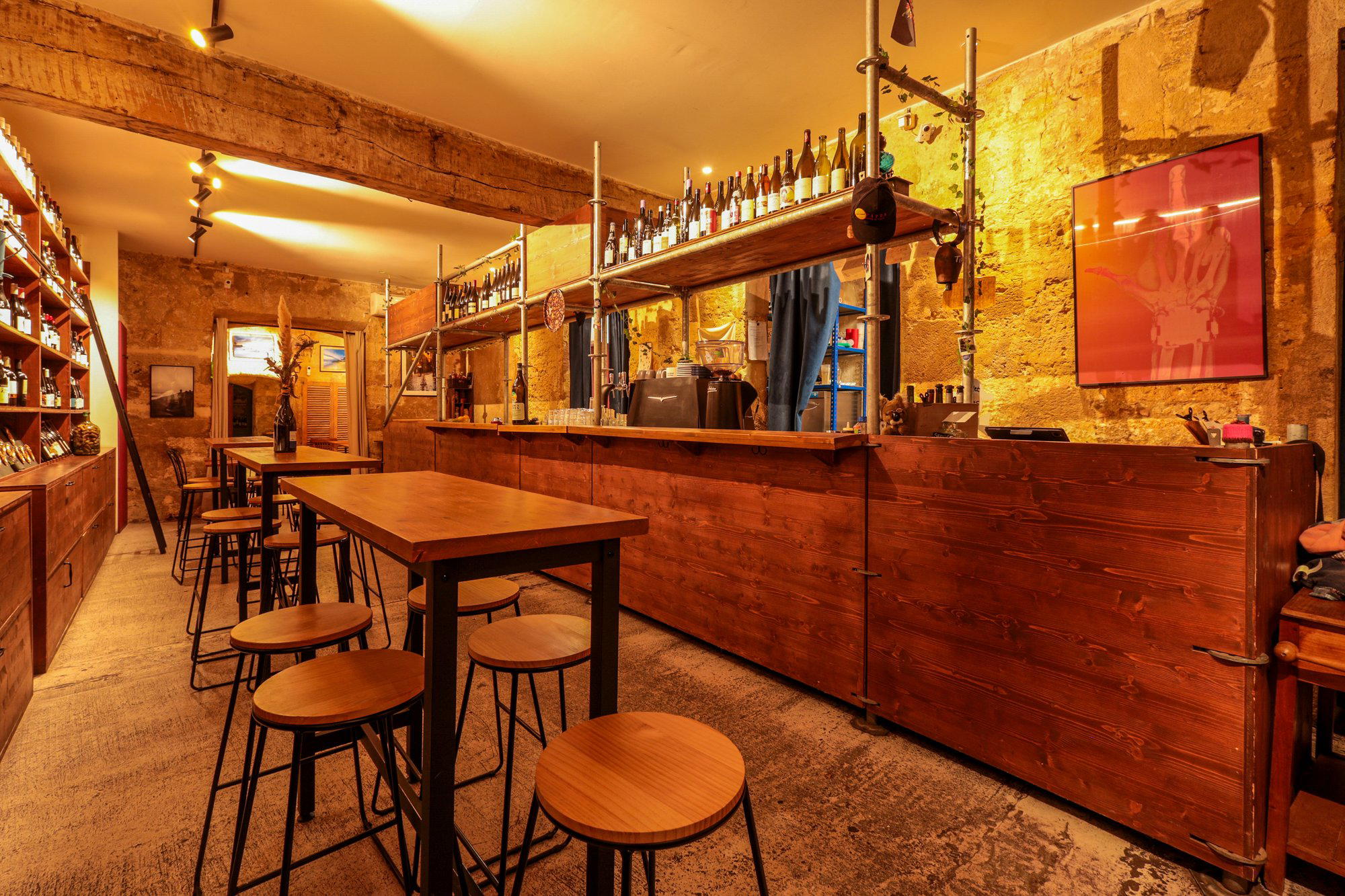
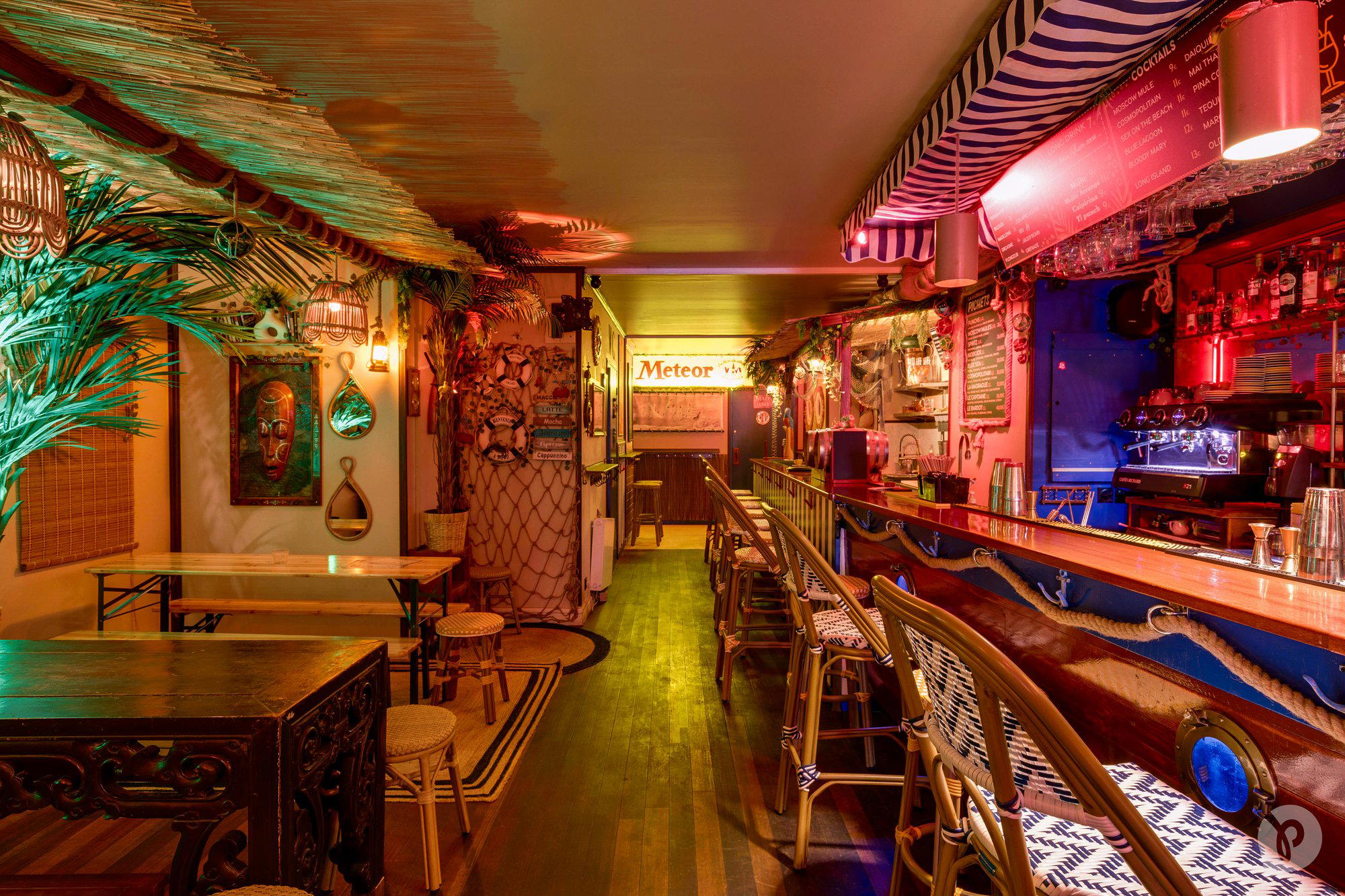
Bars in Listrac-Médoc
Browse all →

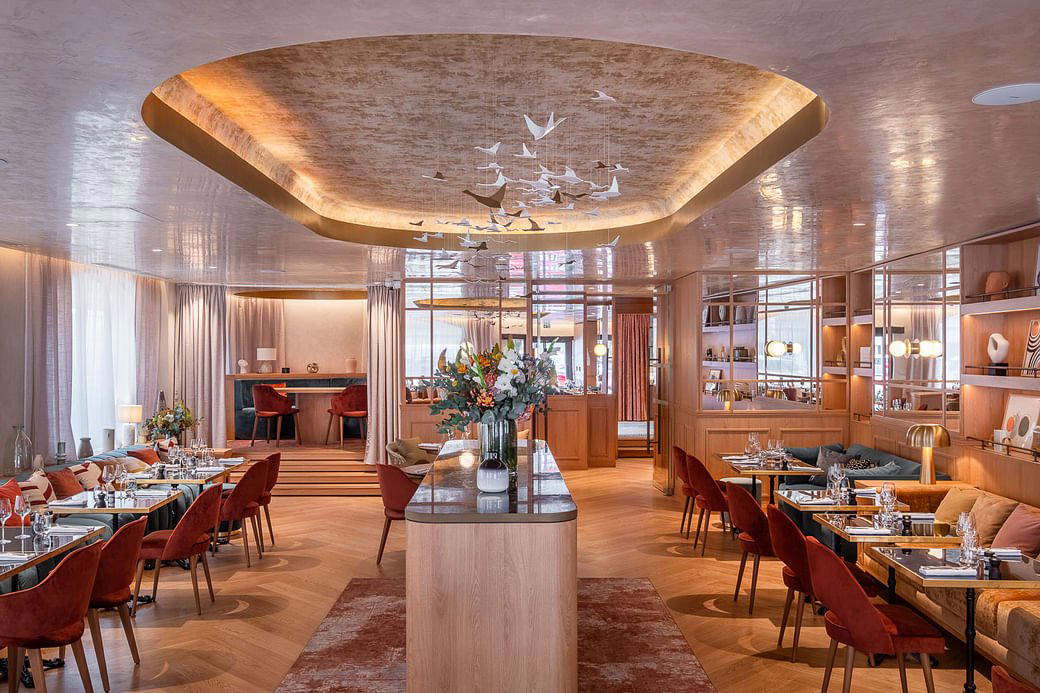
Restaurants in Listrac-Médoc
Browse all →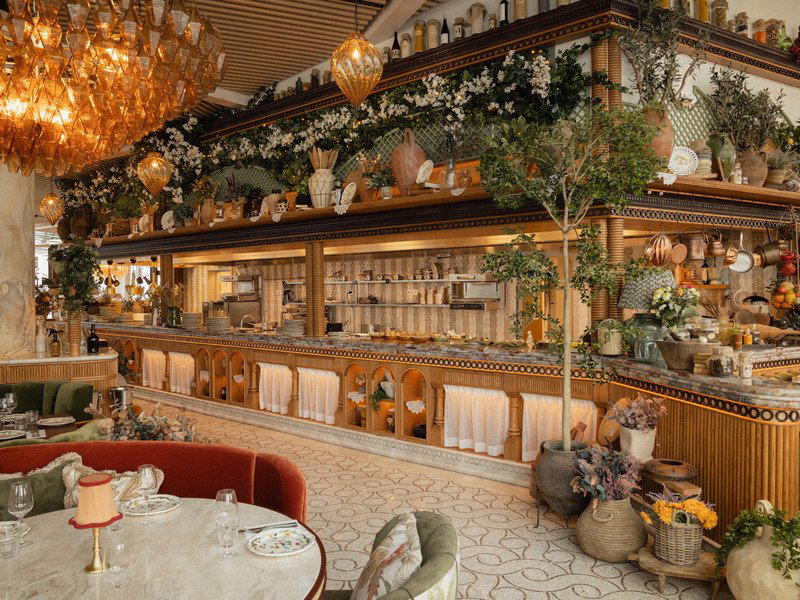


Details
- Classic
- Elegant
- Scenic
- Wine Education
- Special Occasion
- Vineyard Tour
- Estate Grounds
- Vineyard
- Merlot
- Cabernet Franc
- Cabernet Sauvignon
- Still Red
- Cave Tasting
- French
- English
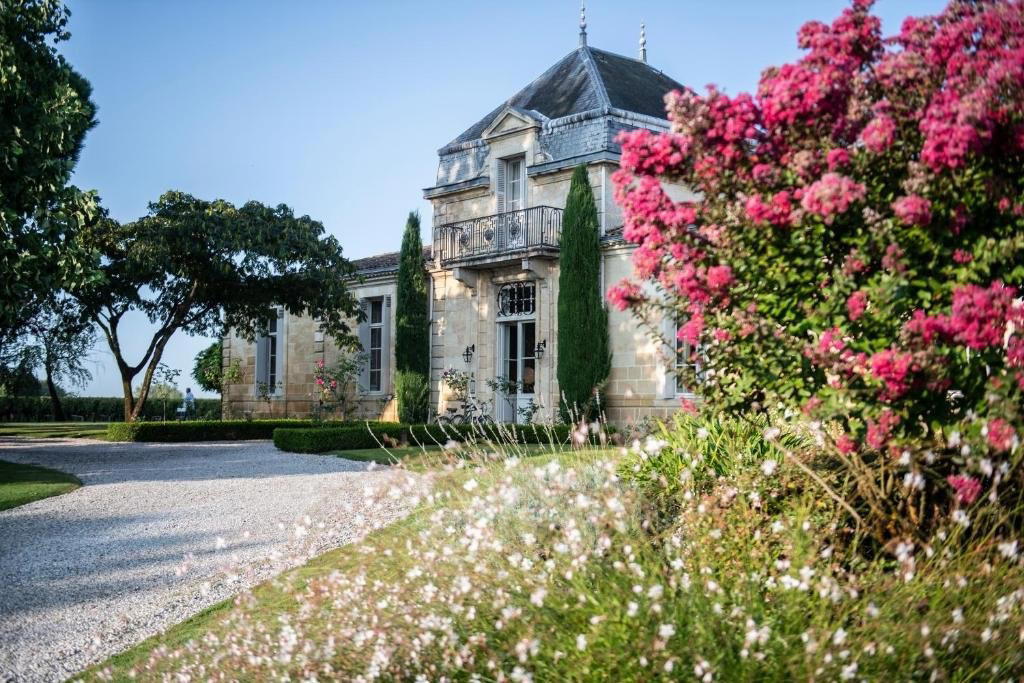
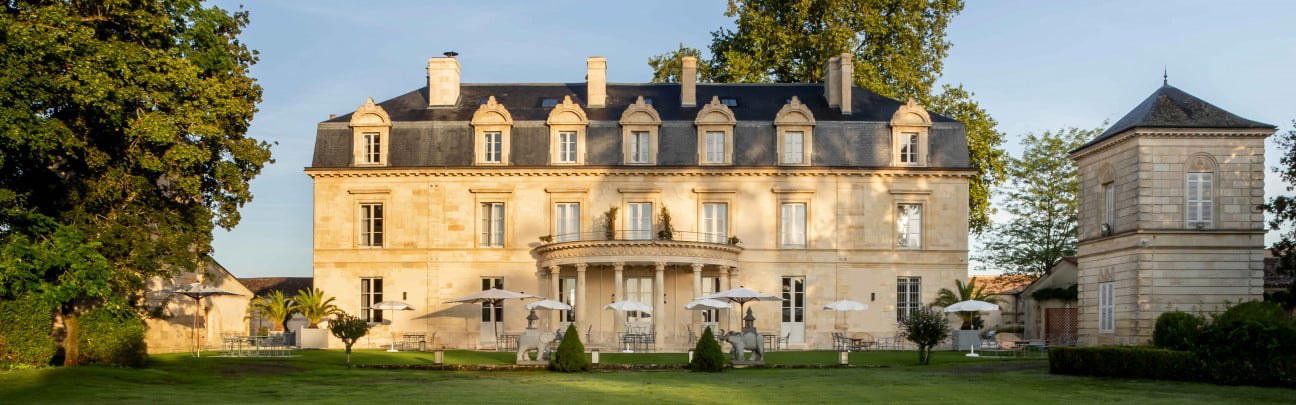
Elegant and serene with classic French countryside charm.