Skip to Main Content
← Back to cities
France

Listrac-Médoc

Restaurants, hotels, bars and wineries in Listrac-Médoc from the En Primeur Club guide.

Accolades in Listrac-Médoc

14
Listrac-Médoc, France
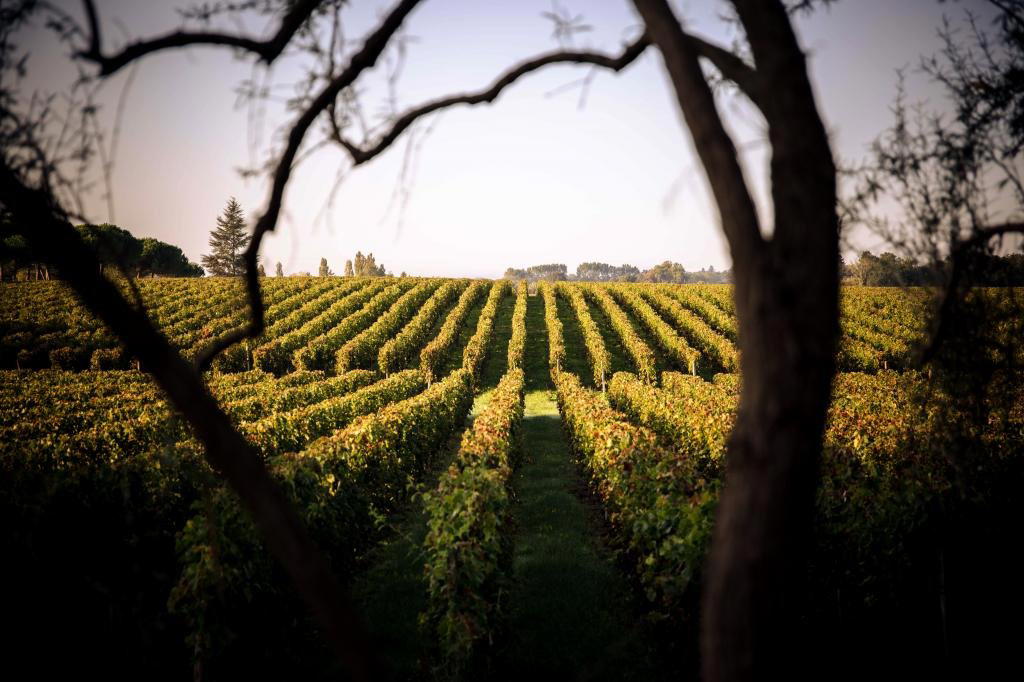
Listrac-Médoc is a winery-led destination, and in our guide the scene is built around 15 estates. Most of the action sits in Listrac-Médoc itself, with one winery in Lamarque and one in the Donissan hamlet. The area shows Cabernet-led blends, Cru Bourgeois classifications, gravel and clay-limestone soils, and sustainable farming across the commune. A few properties add contrast with a cooperative cellar, organic viticulture, rare white wine, and hands-on tastings. Château Clarke, Château Fonréaud and Château Saransot-Dupré widen the picture with white wine references inside a red-wine commune. Château Cave Grand-Listrac adds a cooperative model, while Château Reverdi brings Cru Bourgeois Exceptionnel status and workshops on blending and grape varieties. Château Fourcas-Borie and Château Fourcas-Dupré show the appellation’s structured side, and Château Mayne Lalande adds HVE 3 certification.

Core Médoc estates

These are the clearest reads on Listrac-Médoc’s red-wine identity, with historic estates and structured styles across the commune.

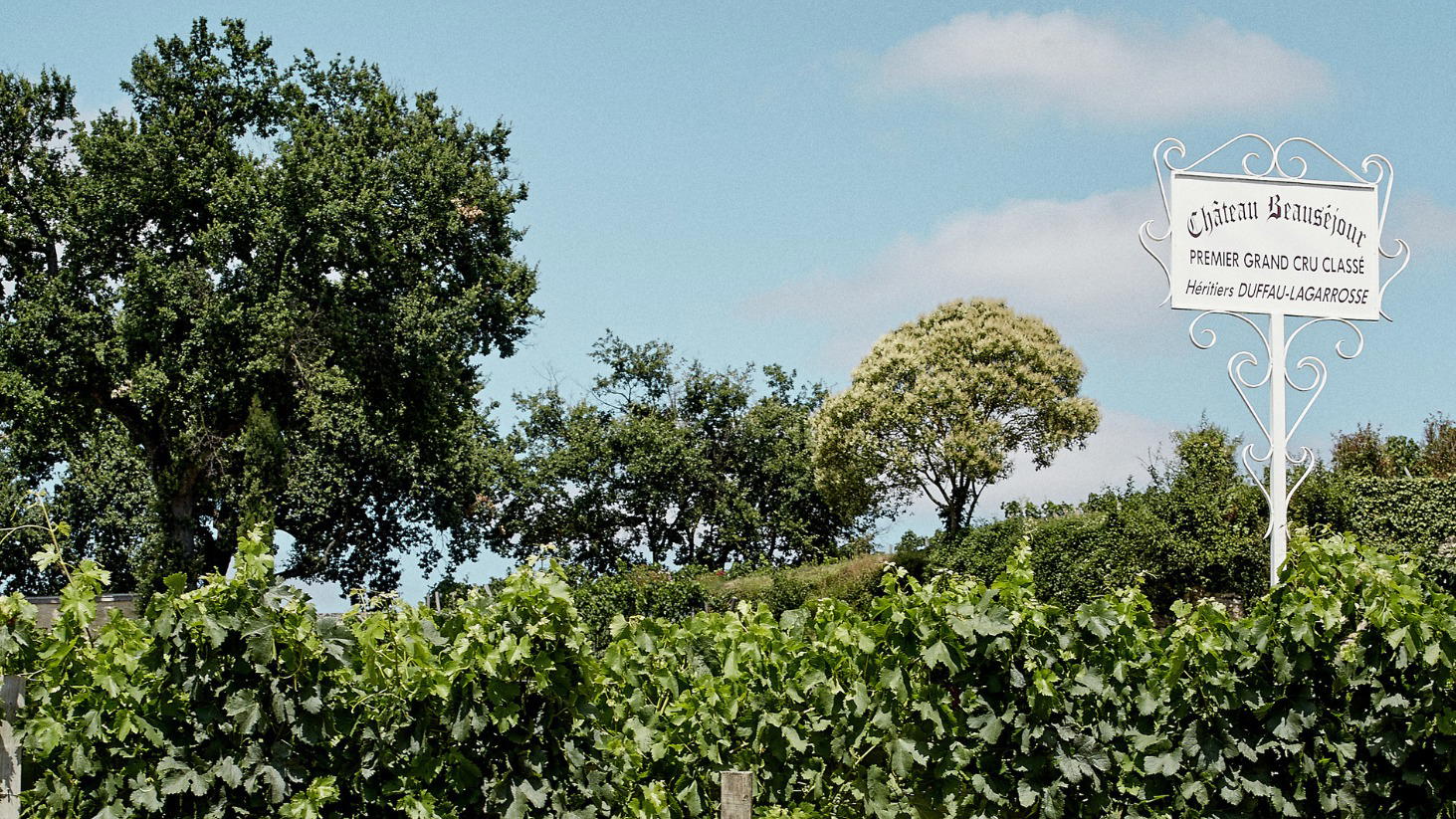
  • Chateau Beausejour

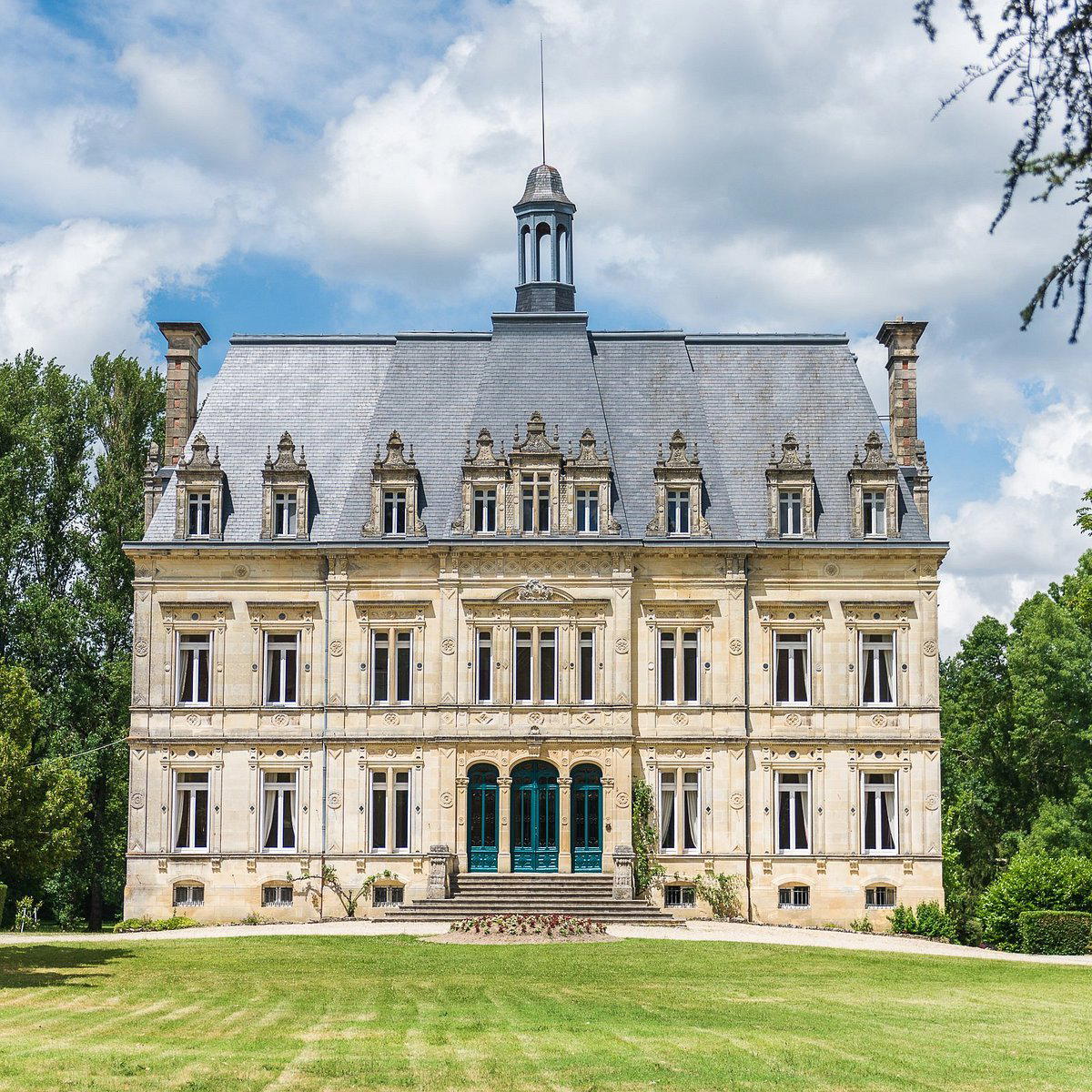
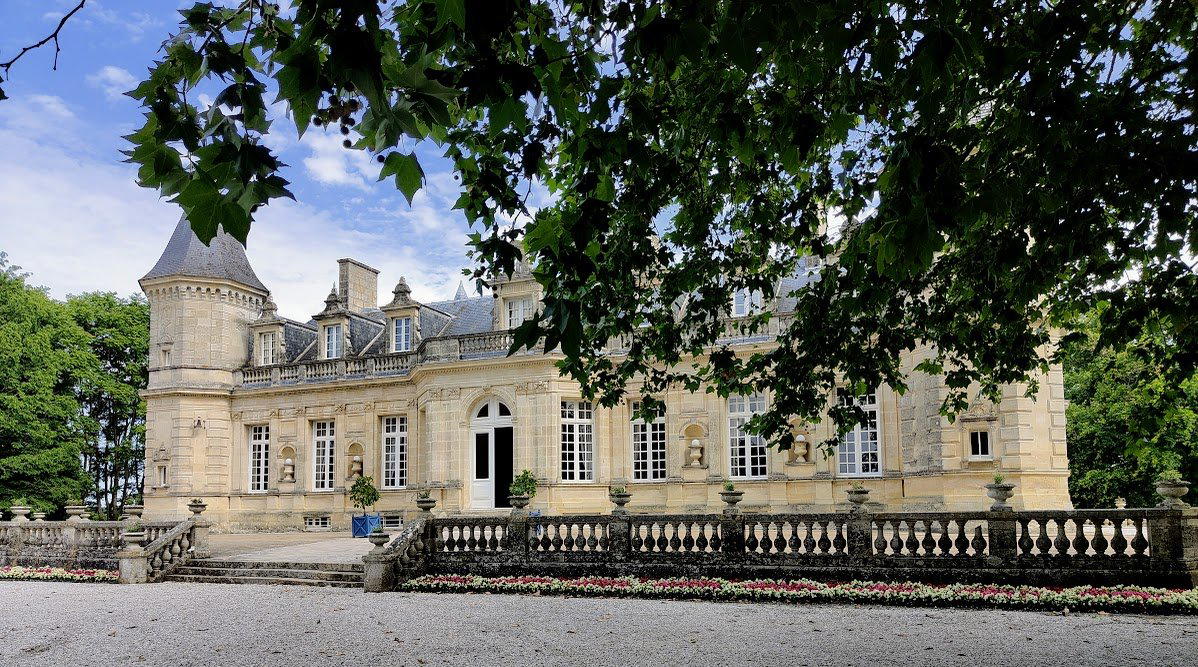
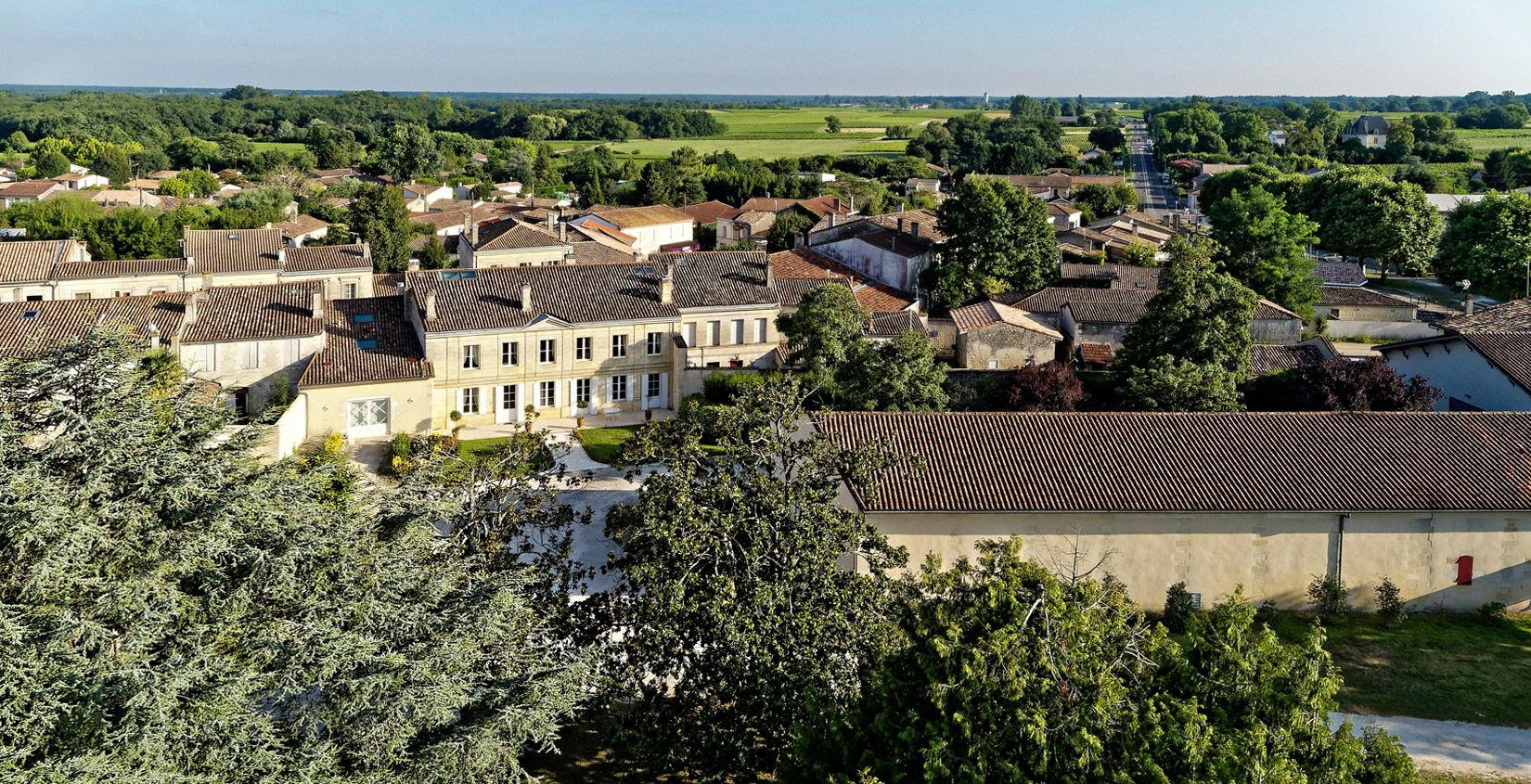
    Chateau Beausejour is a historic winery in Listrac-Médoc, set among vineyards in a 19th-century château with a white limestone facade. The estate takes a terroir-focused approach to wines with structured Médoc character.

  • Château Fourcas-Dupré

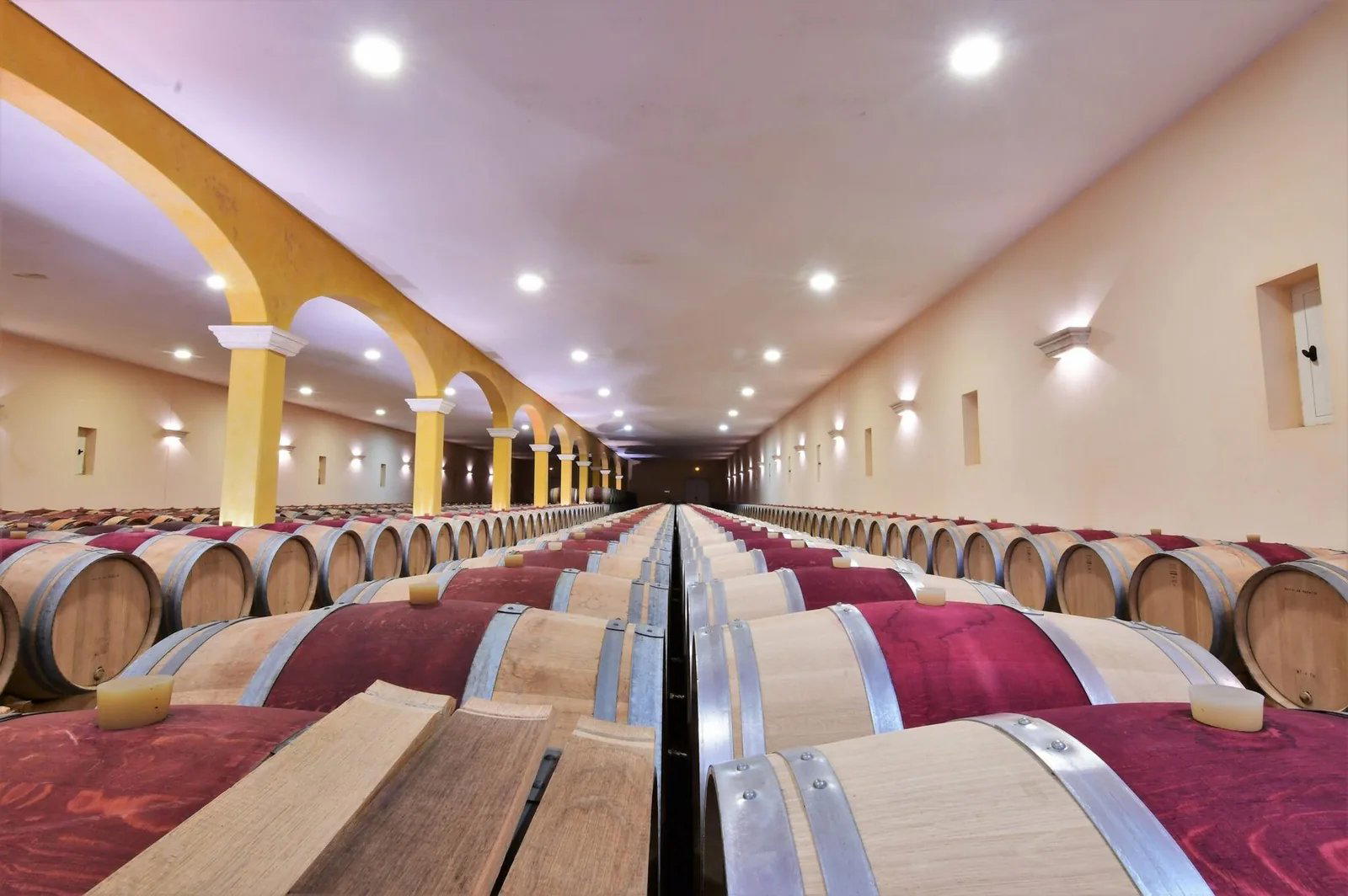
    Historic estate in Listrac-Médoc dating to 1843, with private tastings and cellar visits. The vineyard sits on a high point of the Médoc, and the estate works Cabernet Sauvignon, Merlot, Cabernet Franc and Petit Verdot across gravel and clay-limestone soils with a strong sustainability focus.

  • Château Fourcas-Borie

    Small Cru Bourgeois Supérieur estate in Listrac-Médoc with 12 hectares and a Merlot-led red style. Gravel, clay-sand soils and a cooler forest edge shape the wines, while the technical link to the Ducru-Beaucaillou team adds context to this quieter Left Bank estate.

Different styles and formats

These picks widen the picture, from a cooperative cellar to a rare white wine producer and a family estate with educational tastings.

  • Château Cave Grand-Listrac

    Château Cave Grand-Listrac brings local vignerons together at a cooperative winery in Listrac-Médoc. Founded in 1935, it is among France's oldest wine cooperatives. Its 170-hectare vineyard base includes gravel and clay-limestone soils, with Merlot and Cabernet Sauvignon used for Médoc reds.

  • Château Clarke

    Château Clarke produces both red wine and Le Merle Blanc, a rare Médoc white, in Listrac-Médoc. Founded in 1771, the estate is part of Edmond de Rothschild Heritage. Its soils are clay-limestone, and Merlot is the main grape in its red blend.

  • Château Mayne Lalande

    Château Mayne Lalande is a family-run Cru Bourgeois estate in Listrac-Médoc. Guests can stay in the château and take part in educational tastings among the vineyards. The estate holds HVE 3 environmental certification and grows Cabernet Sauvignon, Merlot, Cabernet Franc and Petit Verdot on gravel soils.

Planning FAQ

Which neighbourhood has the strongest concentration of wineries?

Listrac-Médoc has 13 of the wineries in our guide. Lamarque has one winery and the Donissan hamlet has one winery, so the commune itself carries most of the wine scene.

How many Michelin-starred restaurants are there in Listrac-Médoc?

Listrac-Médoc has no Michelin-starred restaurants in our guide. The guide covers 15 wineries, including Château Fourcas Hosten, an organic estate with vineyards on clay-limestone and Pyrenean gravel, and Château Mayne Lalande, a family-run Cru Bourgeois estate.

Where should I focus for a serious Médoc wine style?

Listrac-Médoc shows a serious Médoc style through Cabernet-led blends, Cru Bourgeois estates, and a clear red-wine focus. Gravel and clay-limestone appear often, while Château Clarke, Château Fonréaud and Château Saransot-Dupré add white-wine details through Le Merle Blanc, Sémillon and Médoc Blanc.

Are there any places here with a notable white wine angle?

Yes. Château Clarke produces Le Merle Blanc, Château Fonréaud includes a still-white counterpoint from Sémillon, and Château Saransot-Dupré is noted for a rare Médoc Blanc. Those are the white-wine references in our guide.

By Emmett Haley · Updated October 8, 2026 · Editorial standards

Listrac-Médoc

Where to eat in Listrac-Médoc

Selected entries from the current guide for Listrac-Médoc.

No venues found.

Listrac-Médoc

Where to stay in Listrac-Médoc

Selected entries from the current guide for Listrac-Médoc.

No venues found.

Listrac-Médoc

Where to go for a drink in Listrac-Médoc

Selected entries from the current guide for Listrac-Médoc.

No venues found.

Listrac-Médoc

Which wineries to visit in Listrac-Médoc

Selected entries from the current guide for Listrac-Médoc.

Château Bibian winery in Listrac-Médoc

Listrac-Médoc, France

Château Bibian

Château Bibian gives Listrac-Médoc a grounded Left Bank reading: old-vine Merlot, Cabernet Sauvignon and Petit Verdot on clay-limestone and Pyrenean marl, shaped into serious red Bordeaux without grand cru theatre. The estate carries Cru Bourgeois Supérieur status, HVE certification and Vigneron Indépendant credentials, with the Meyre family’s 1999 stewardship and Michel Rolland’s consulting role adding useful context rather than decoration.

Listrac-Médoc, France
Château Fonréaud winery in Listrac-Médoc

Listrac-Médoc, France

Château Fonréaud

Château Fonréaud gives Listrac-Médoc its high-ground argument: gravel, clay-limestone soils, Cabernet Sauvignon, Merlot and Petit Verdot shaped into Cru Bourgeois Supérieur reds, with a still-white counterpoint from Sémillon. The 19th-century château setting is calm and traditional, but the useful story is terroir: a medium-sized Bordeaux estate, sustainable in philosophy, producing around 150,000 bottles a year from roughly 35–38 hectares.

Listrac-Médoc, France
Château Saransot-Dupré winery in Listrac-Médoc

Listrac-Médoc, France

Château Saransot-Dupré

Château Saransot-Dupré gives Listrac-Médoc a quietly serious argument: gravel, clay, maritime air, and long family stewardship can produce Bordeaux with structure without chasing the grander rhetoric of nearby communes. The estate’s 1756 opening year, Raymond family continuity, Cru Bourgeois Supérieur recognition, and rare Médoc Blanc make it a useful stop for drinkers interested in Left Bank nuance rather than label theatre.

Listrac-Médoc, France

Venue lists for Listrac-Médoc