
Falstaff Winery - 1 Stars
Campo Viejo sits along the Camino de Lapuebla de Labarca on the edge of Logroño, operating as one of Rioja's largest and most recognised commercial wine estates. Visitors come for the full winery experience, set against the backdrop of one of Spain's most storied wine appellations.

Pearl is the En Primeur Club membership app — saves, bookings, and concierge access live there. Same editors, same standards.
- Address
- Cam. de Lapuebla de Labarca, 50, 26007 Logroño, La Rioja
- Phone
- +34 941 27 99 00
- Website
- campoviejo.com
- Directions
- Get directions
Rioja's Commercial Tier, Honestly Assessed
The road out towards Lapuebla de Labarca from central Logroño tells you something about how Rioja organises itself. The landscape shifts from the city's compact medieval core to an open industrial and agricultural fringe where winemaking at volume is the dominant activity. Campo Viejo's facilities sit along this corridor, which places the estate in the correct mental frame before you arrive: this is not a boutique operation producing allocation wines for waiting lists, but a major producing house that has shaped how millions of people around the world understand what Rioja tastes like. That is a different kind of authority, and it deserves a different kind of critical attention.
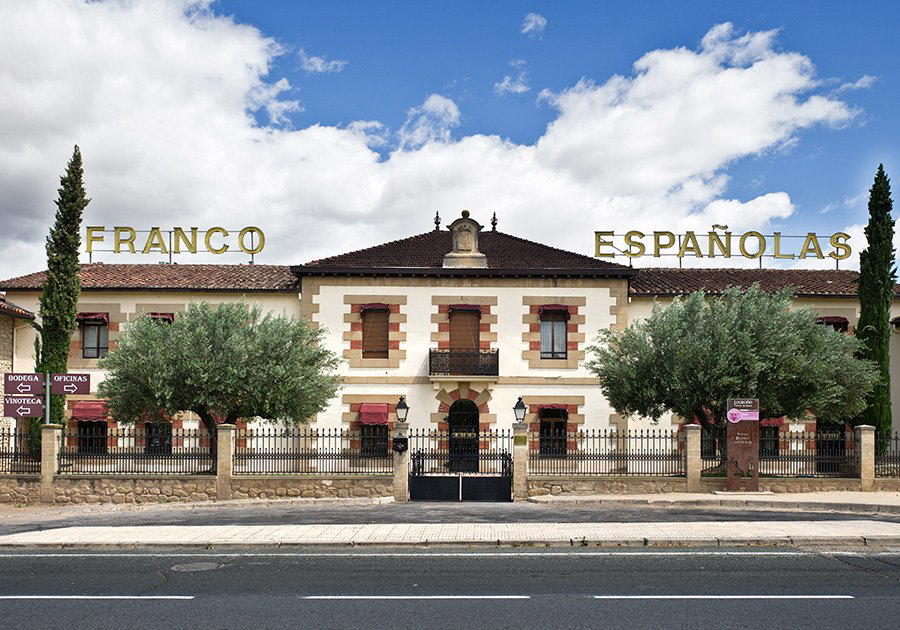
For context, the Logroño wine corridor includes operations at very different scales. Bodegas Franco-Españolas and Marqués de Murrieta sit in the same city and represent the same broad tradition of Rioja production, though each occupies a distinct position in the region's commercial and critical hierarchy. Understanding where Campo Viejo sits relative to those houses is more useful than reading it in isolation.
That rating matters for a specific reason: Campo Viejo operates at a scale where many wine critics default to dismissing large producers outright, treating volume as an automatic quality disqualifier.
The broader Spanish wine scene has several reference points for understanding how large producers can achieve genuine critical standing. Codorníu in Sant Sadurní d'Anoia demonstrates that historical scale and critical attention are not mutually exclusive in the Spanish context. CVNE (Cune) in Haro shows how a Rioja producer can maintain consistent quality signalling across decades of significant output.
The Tempranillo Tradition Campo Viejo Inhabits
Rioja's identity is built on Tempranillo, and Campo Viejo's entire production programme is organised around that fact. Tempranillo in Rioja behaves differently depending on how long it spends in oak and whether it blends with Garnacha, Mazuelo, or Graciano. The appellation's crianza, reserva, and gran reserva categories are not merely marketing designations but a codified ageing system that dictates minimum barrel and bottle time, and Campo Viejo produces across all three tiers. This places the estate in a position to illustrate the full spectrum of what Rioja's regulatory framework produces, from approachable early-release wines to longer-aged expressions.
That tradition extends across the broader Iberian wine world in different forms. Emilio Moro in Pesquera de Duero represents how Tempranillo operates under the Tinto Fino designation in Ribera del Duero, a drier and more altitude-exposed expression. Bodegas Protos in Peñafiel similarly anchors Ribera's commercial tier with critical recognition. Campo Viejo sits within Rioja's version of this story, where Atlantic influence, clay-limestone soils, and long winemaking tradition produce a different but equally codified style.
For those coming to Campo Viejo from outside Spanish wine, Lustau in Jerez de la Frontera offers a useful reference point: another major Spanish producer that operates at commercial scale while consistently earning critical respect in a tradition-bound appellation. The challenge in both cases is the same — producing wines that carry genuine appellation character rather than simply reflecting industrial technique.
The Winery Visit: Format and Expectations
Campo Viejo operates a visitor programme, which is consistent with the trend among major Rioja bodegas towards wine tourism as a revenue stream and brand education tool. The estate's address on the Camino de Lapuebla de Labarca places it outside the immediate city centre, which means arriving by car is the practical option for most visitors. The winery's scale means that tours can accommodate larger groups, which distinguishes the experience from the more intimate format offered by smaller Rioja producers operating with strict visitor limits.
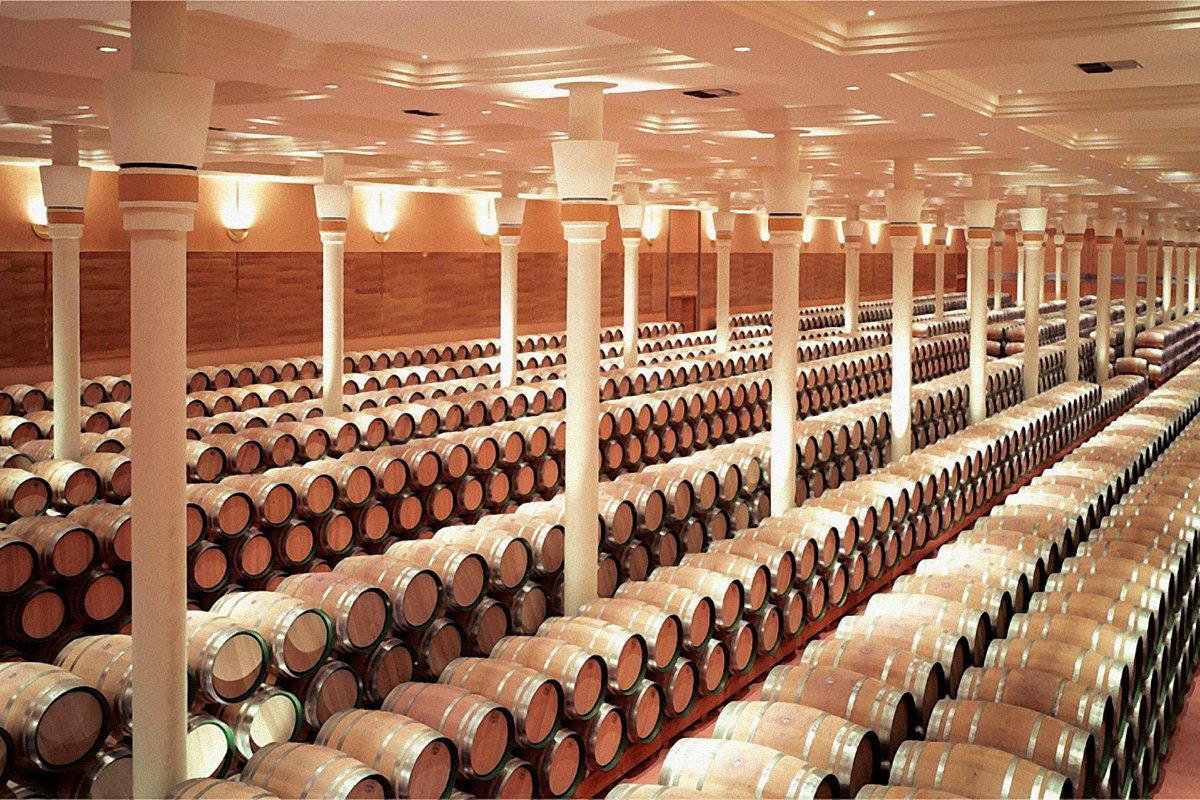
What a large-format winery visit offers that smaller operations do not is infrastructure: dedicated tasting rooms, production-scale barrel halls, and a guided journey through volume winemaking at a level where every decision has category-wide implications. This is educational in a different way from a boutique estate, and visitors who approach Campo Viejo with that framing tend to leave with a more accurate picture of how commercial Rioja is actually made.
Visitors planning a broader Rioja itinerary should note that the region's wine tourism infrastructure has developed considerably in the past two decades. Marqués de Cáceres in Cenicero and operations like Marqués de Griñón (Dominio de Valdepusa) in Malpica de Tajo show how different corners of Spanish wine country have built visitor programmes that complement their production identity. Campo Viejo's is among the more accessible to first-time visitors to the region.
Planning a Visit to Campo Viejo
The estate sits at Camino de Lapuebla de Labarca, 50, 26007 Logroño, La Rioja. Logroño itself is reachable by train from Madrid and Bilbao, with regional services connecting the city to the wider Rioja Alta and Rioja Alavesa wine zones. The estate's location outside the city centre makes it most practical to combine a visit with other bodega stops along the same road corridor rather than treating it as a standalone half-day trip from the city. For other wineries and dining in the area, our full Logroño restaurants guide covers the city's broader offer.
For comparison purposes across Spanish wine country, Abadía Retuerta in Sardón de Duero and Arzuaga Navarro in Quintanilla de Onésimo both operate visitor programmes in Ribera del Duero that offer a useful point of contrast to the Rioja style. Further afield, Clos Mogador in Gratallops represents Priorat's entirely different approach to Iberian winemaking, where Grenache and Carignan replace Tempranillo and the production philosophy is structured around small batches rather than appellation-wide supply.
Budget and Context
Comparable venues nearby, for context on price, style, and recognition.
| Venue | Cuisine | Price | Awards |
|---|---|---|---|
| Campo ViejoThis venue — the venue you are viewing | Logroño, Tempranillo, Garnacha | $30–50 | Falstaff Winery - 1 Stars |
| Bodegas Franco-Españolas | Logroño, Tempranillo, Garnacha | $20–30 | Falstaff Winery - 1 Stars |
| Marqués de Murrieta | Rioja Alta, Tempranillo, Graciano | Not listed | World's 50 Best #48 · Falstaff Winery - 5 Stars |
| Fernet Capri Distillery | Winery | Not listed | Not listed |
| Finca Valpiedra | Fuenmayor, Tempranillo, Graciano | Not listed | Falstaff Winery - 3 Stars |
| Bodegas Faustino | Rioja Alavesa, Tempranillo, Graciano | Not listed | Falstaff Winery - 3 Stars |
Recognition history
Dated appearances from independent guides and award organizations, with the underlying list record or original source where available.
Falstaff Winery - 1 Stars
Falstaff
Continue exploring
More in Logroño
Wineries in Logroño
Browse all →
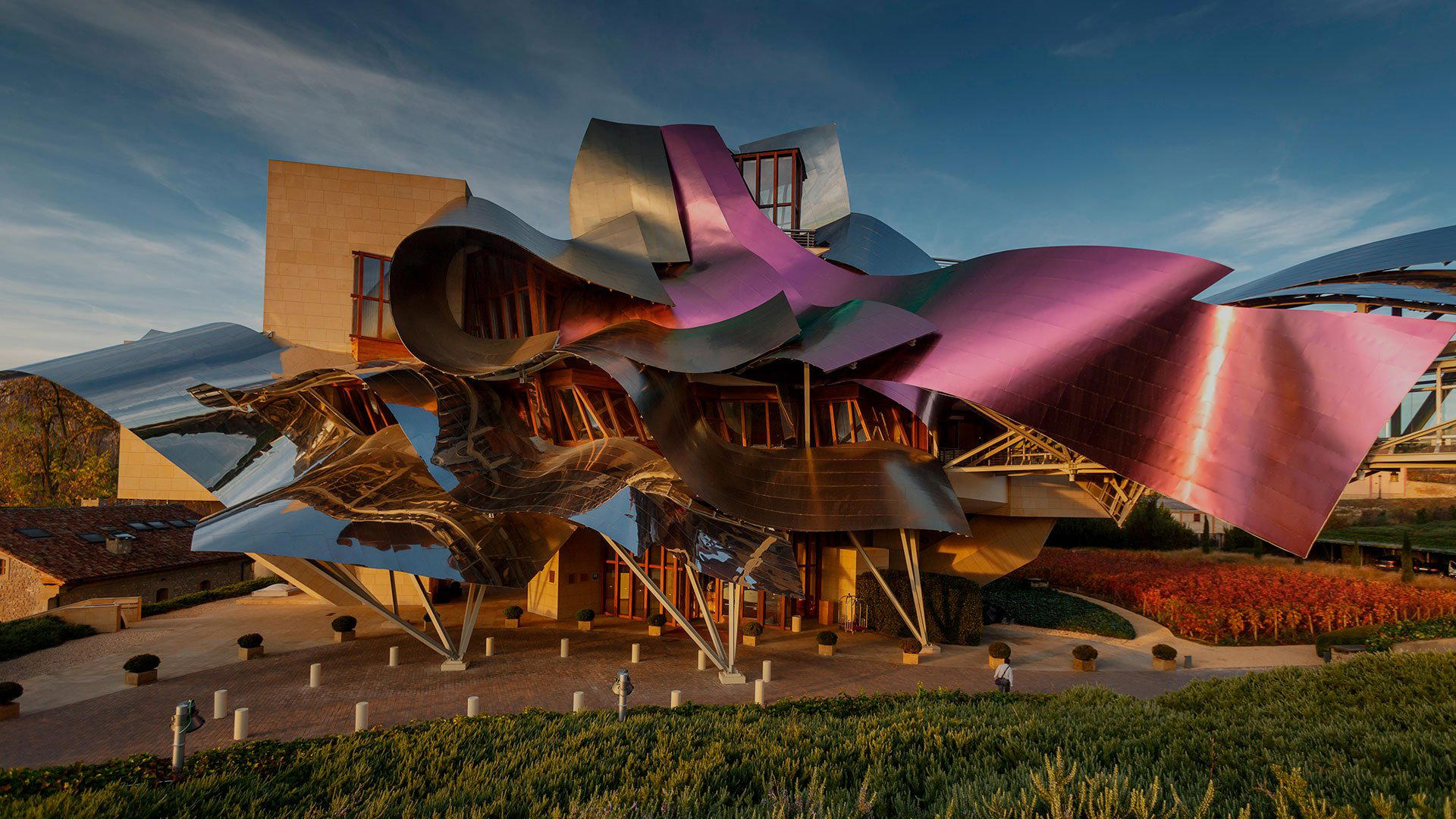
Bars in Logroño
Browse all →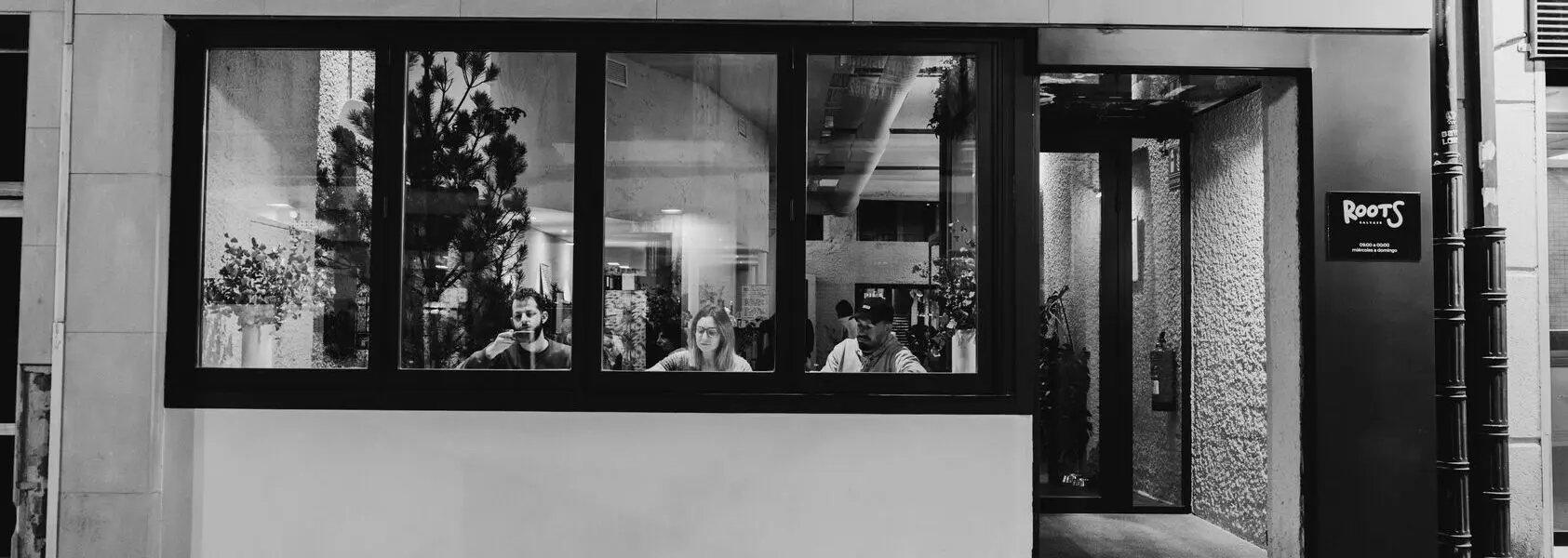
Restaurants in Logroño
Browse all →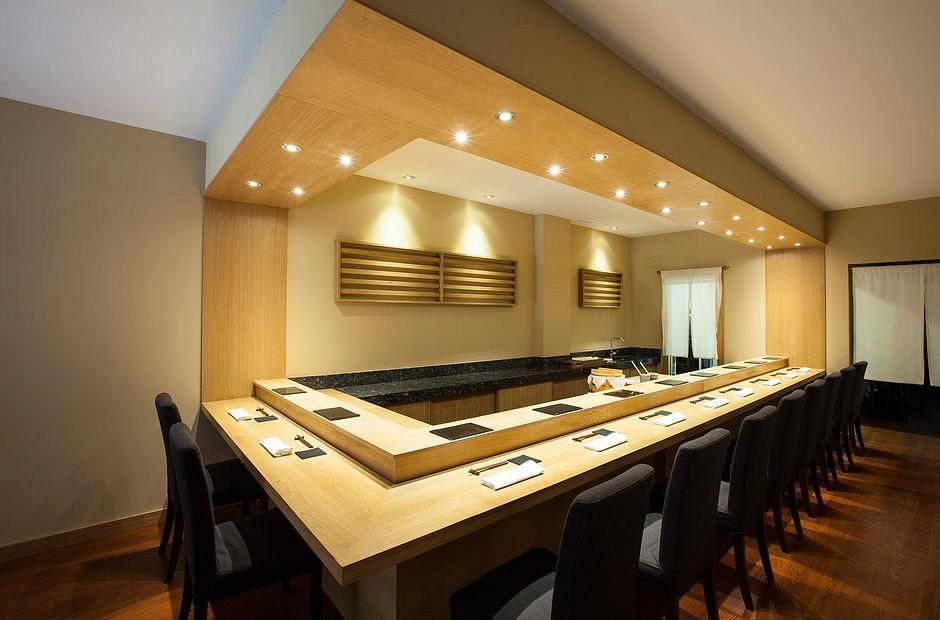
Details
- Scenic
- Modern
- Elegant
- Sophisticated
- Group Outing
- Wine Education
- Romantic Getaway
- Family
- Celebration
- Barrel Room
- Vineyard Tour
- Estate Grounds
- Terrace
- Panoramic View
- Cave Tasting
- Design Destination
- Sustainable
- Vineyard
- Mountain
- Tempranillo
- Garnacha
- Graciano
- Still Red
- Still White
- Still Rosé
- Sparkling
- Guided Tasting
- Wine Flight
- Food Pairing
- Multisensorial Experience
- Spanish
- English
- French
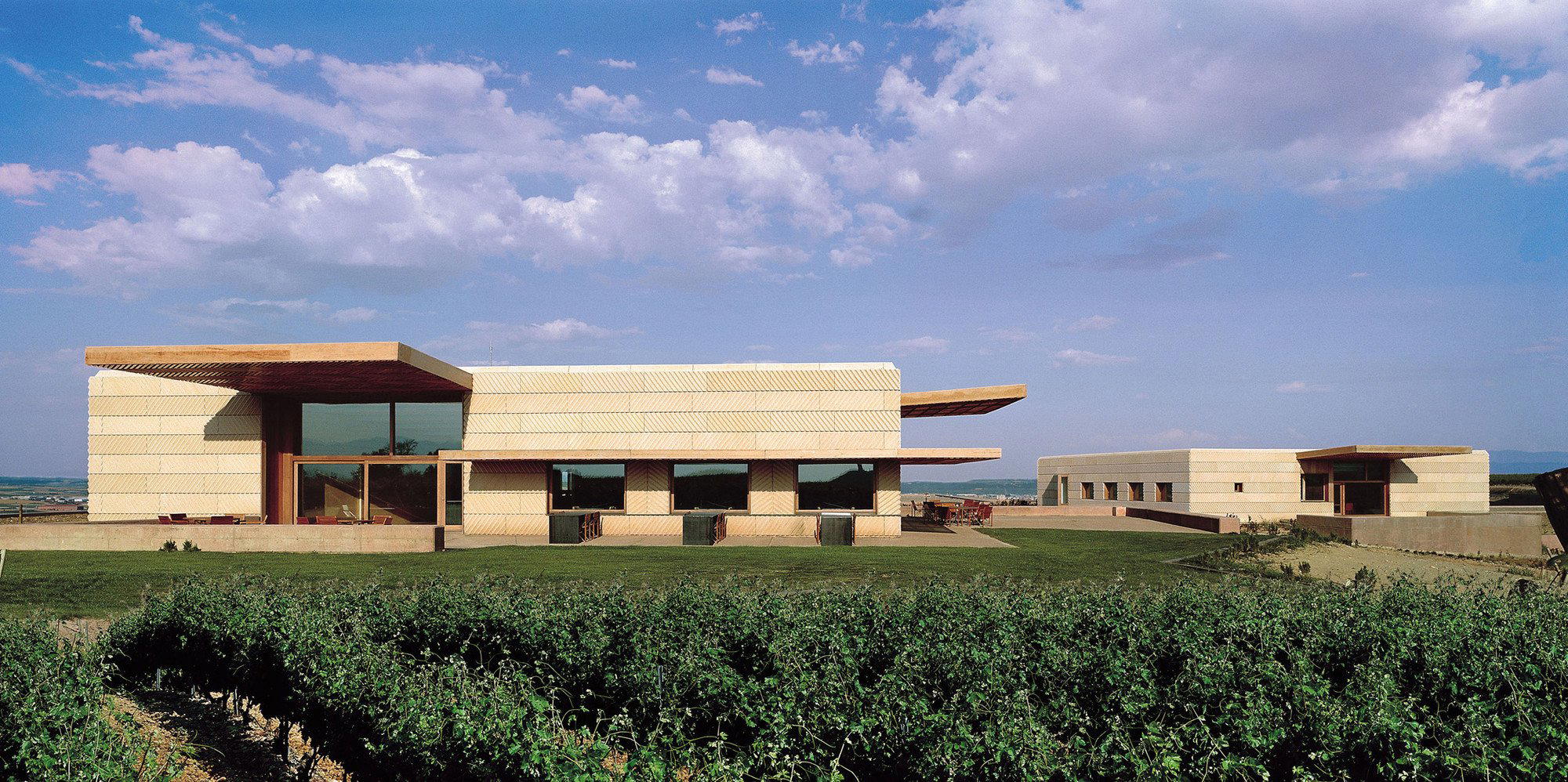
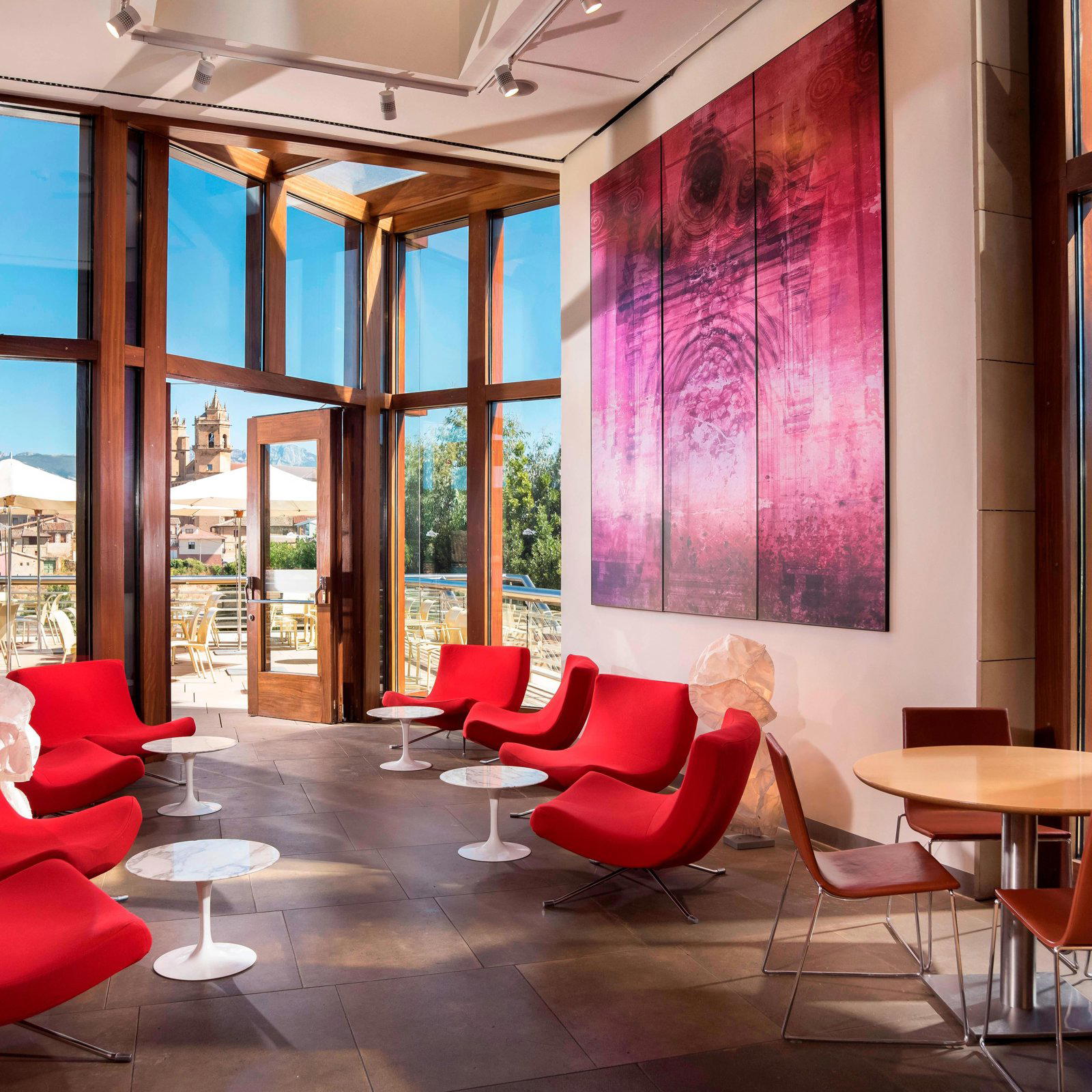
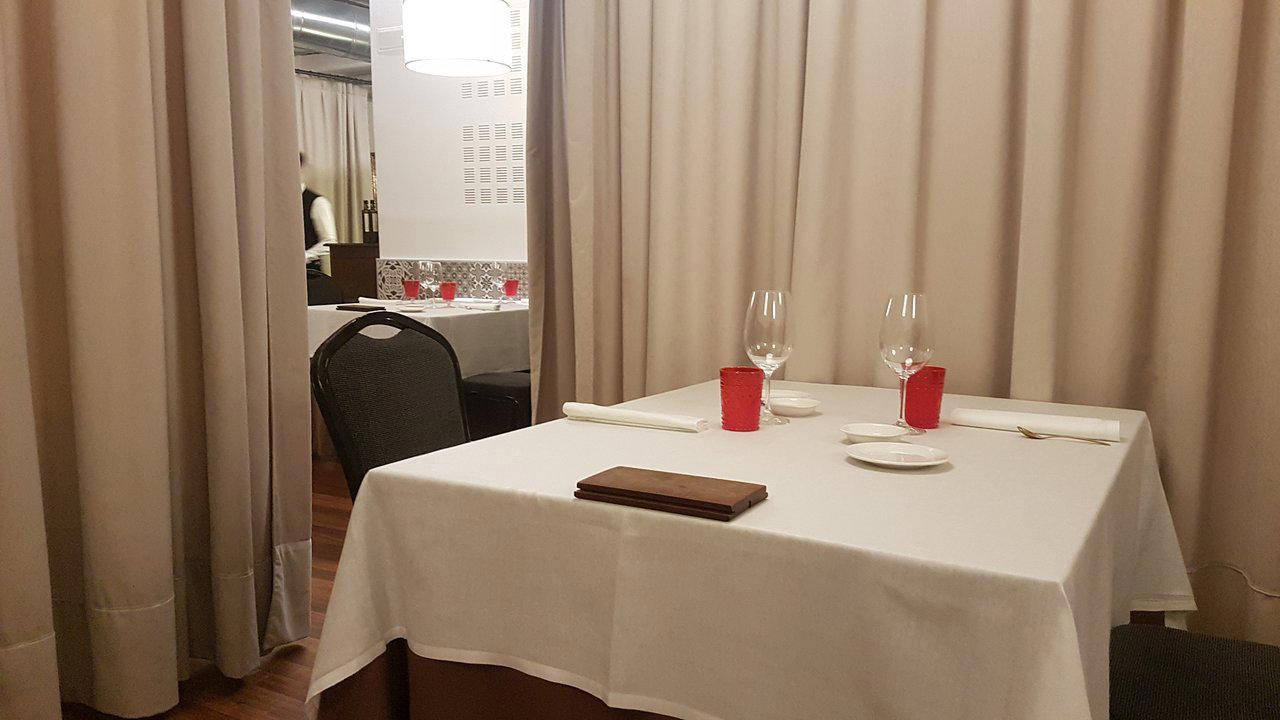
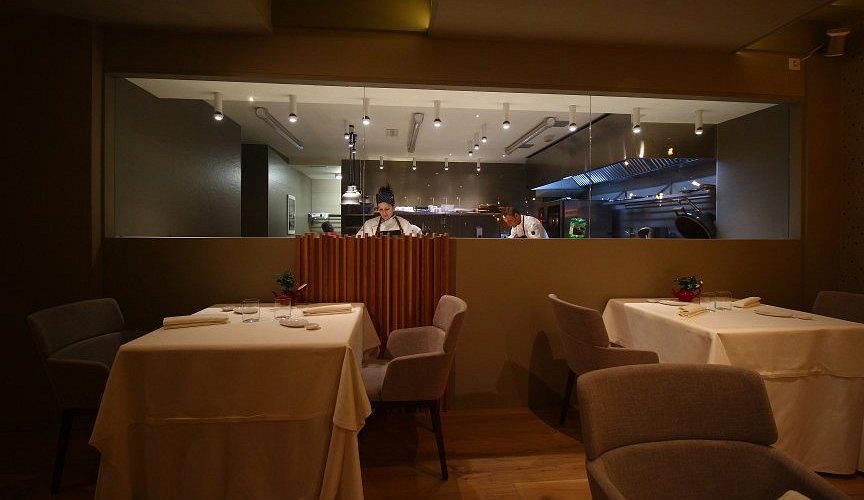
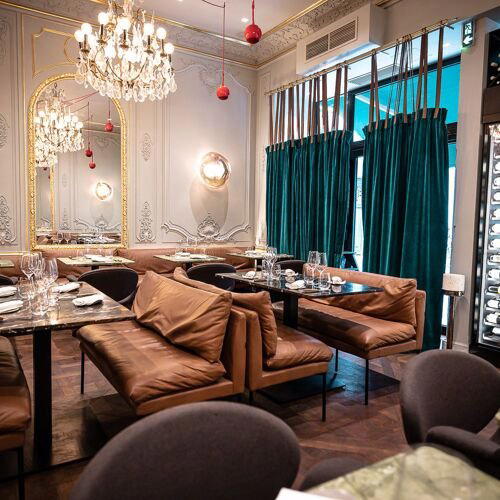
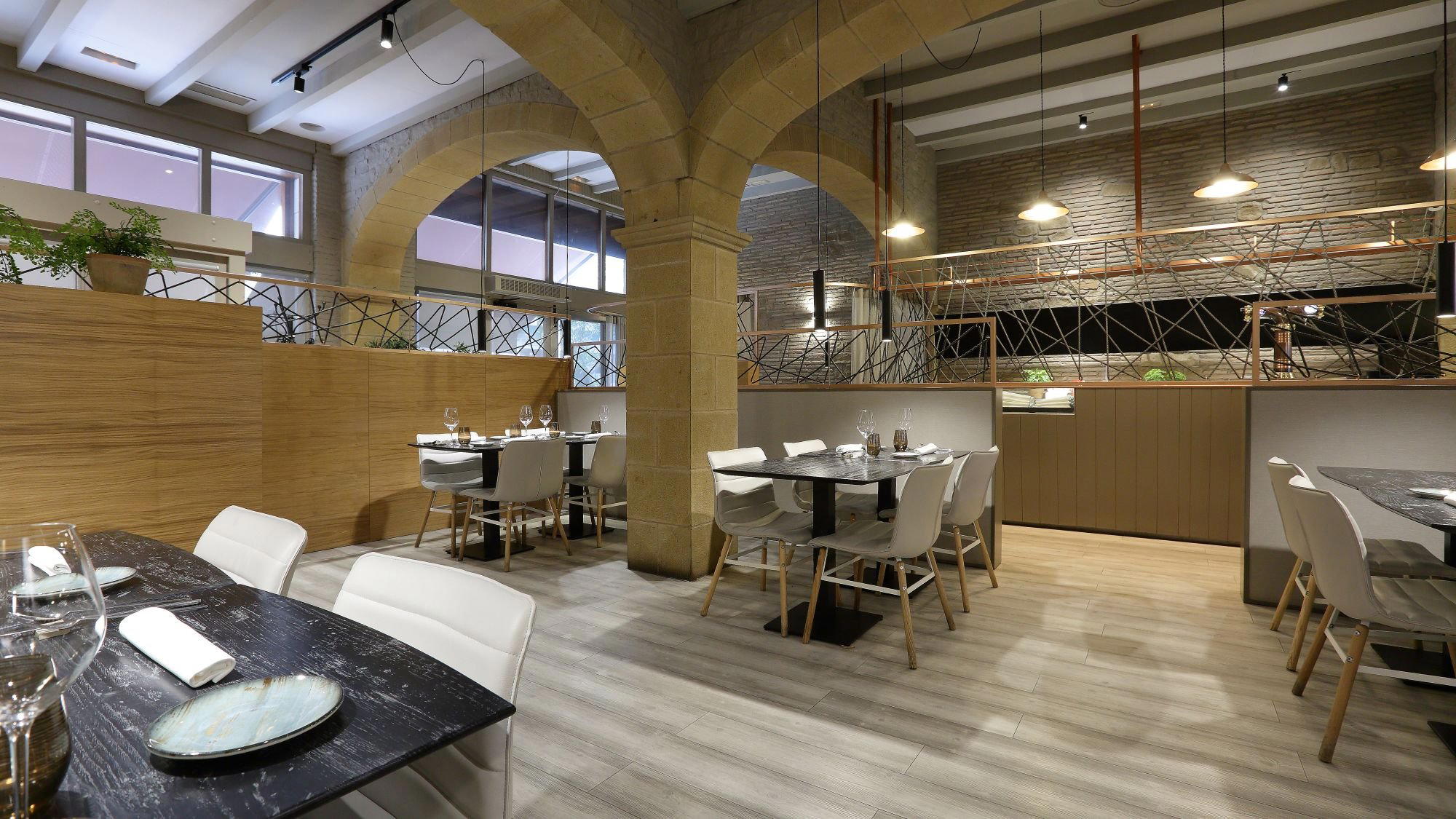
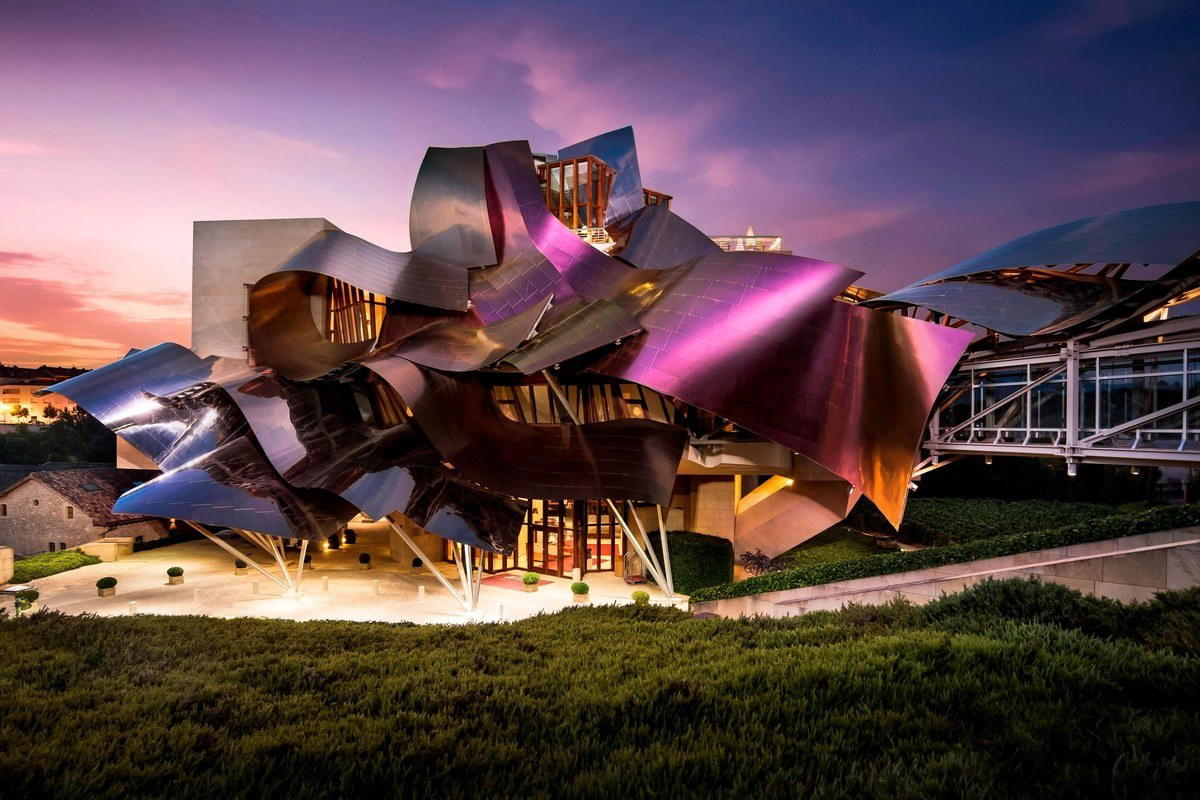
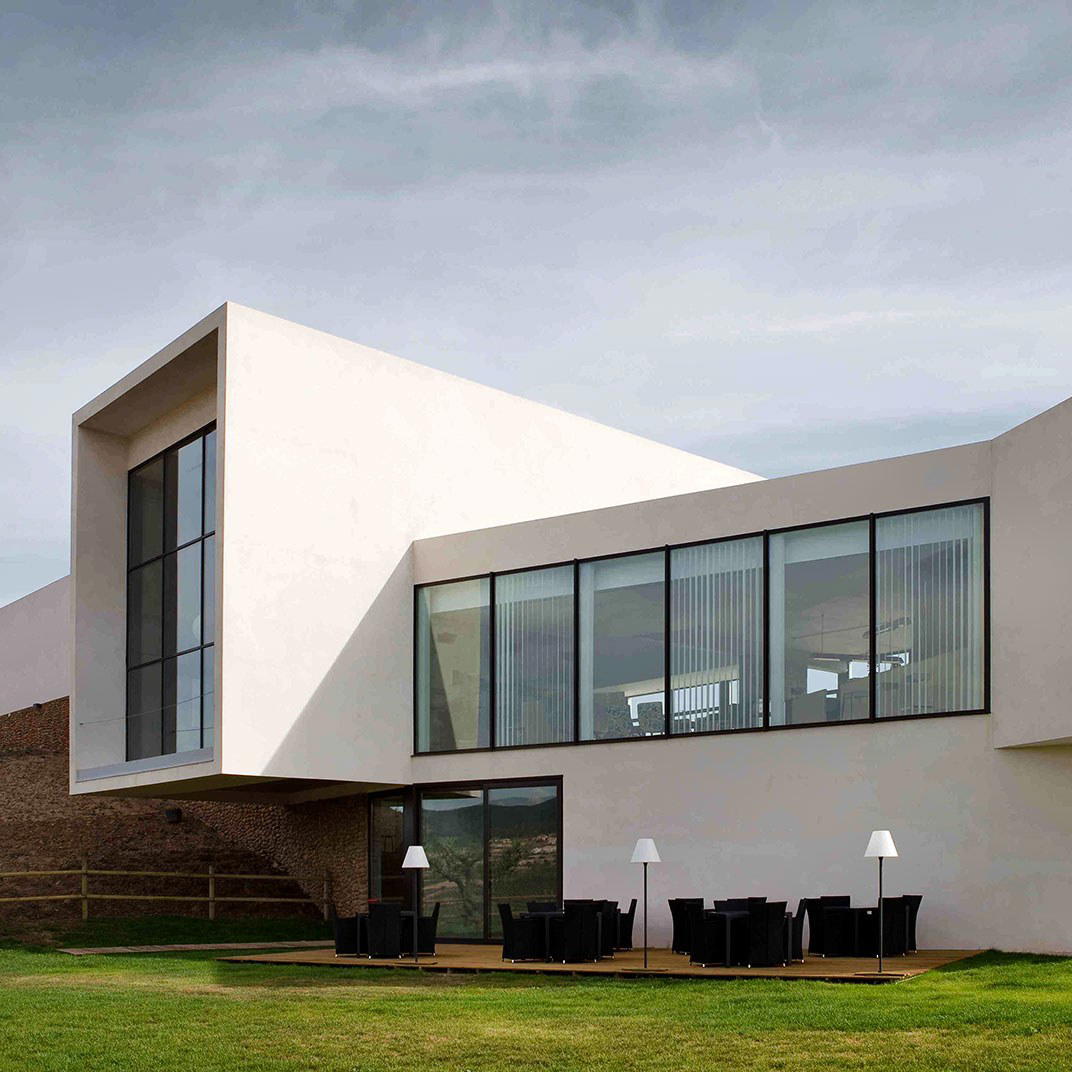
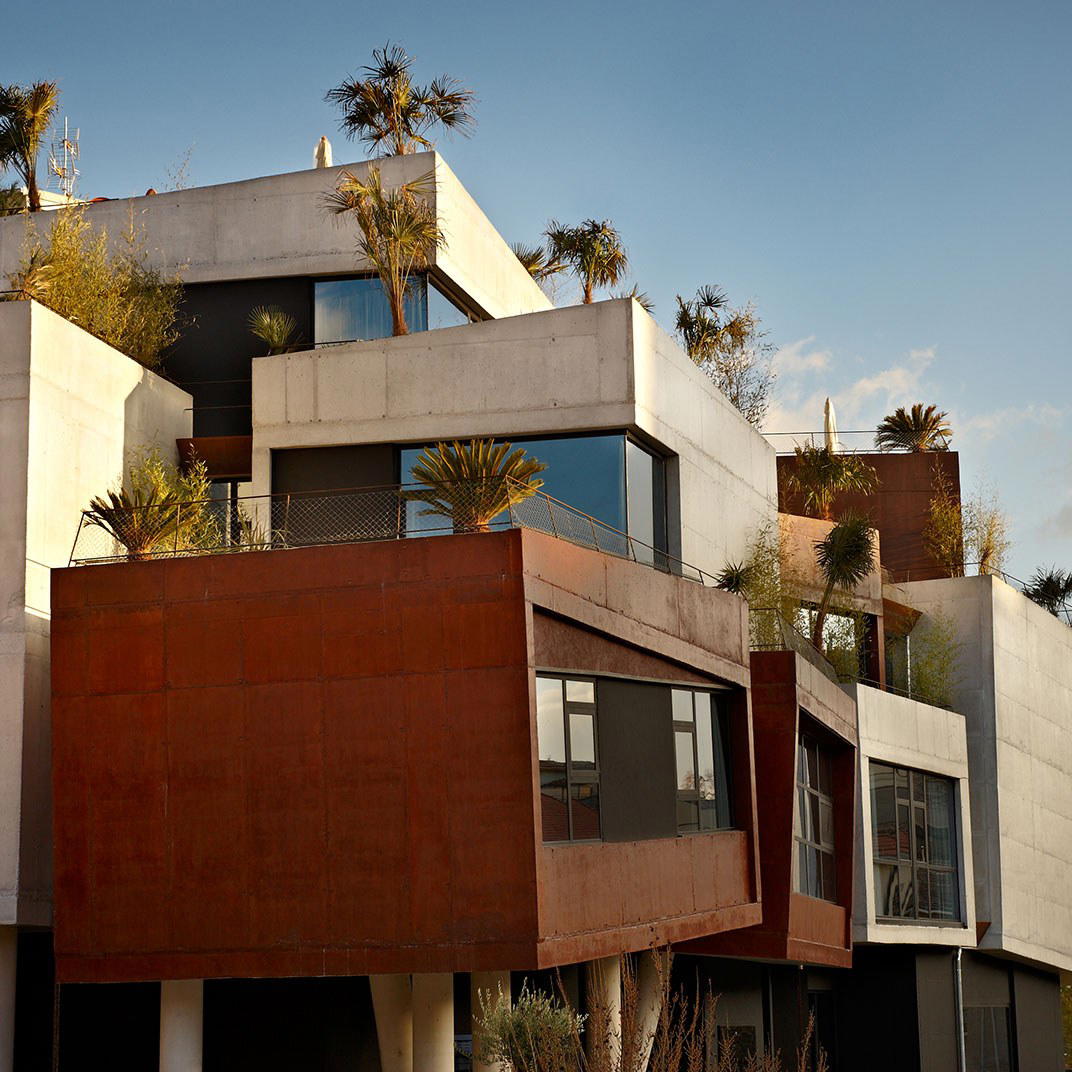
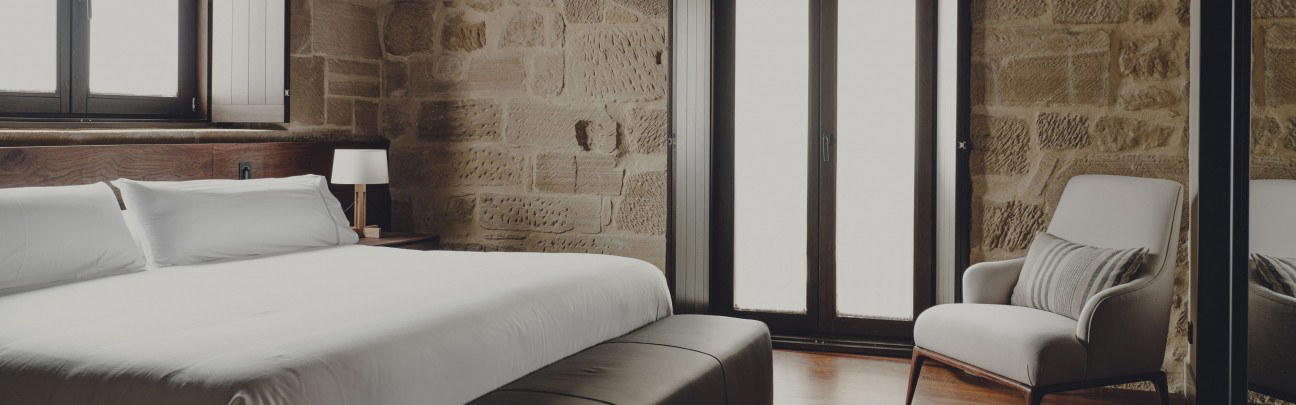
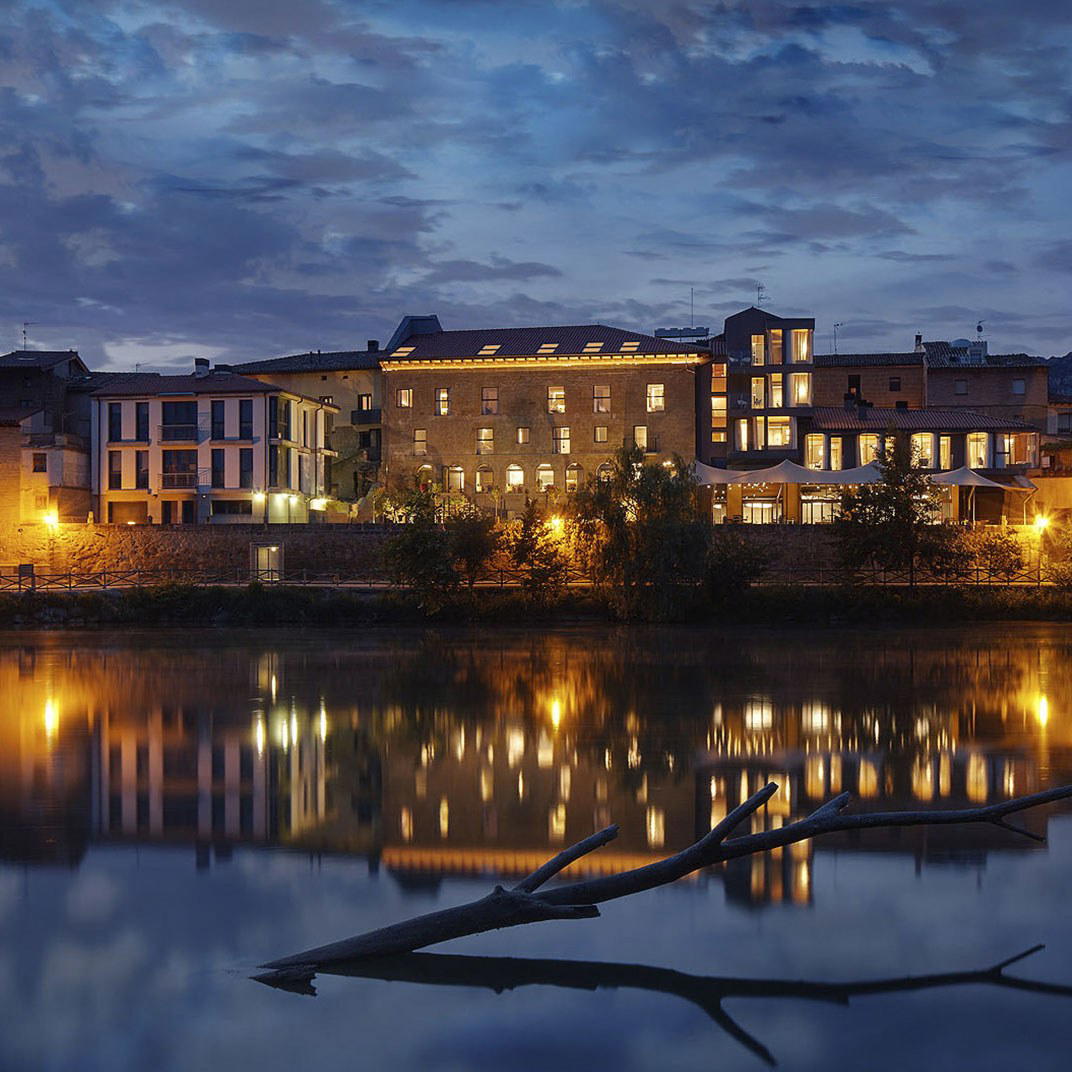
Modern underground facility with natural lighting and temperature control, featuring art installations, comfortable tasting areas with sofas and stools, and outdoor terraces overlooking vineyards with mountain views.