
Falstaff Winery - 3 Stars
Finca Valpiedra sits on a meander of the Ebro river in Fuenmayor, La Rioja, where a single-estate vineyard occupies some of the region's most closely studied alluvial terroir. Visits reward those with genuine interest in how geography shapes wine character rather than those seeking a conventional cellar tour.

Pearl is the En Primeur Club membership app — saves, bookings, and concierge access live there. Same editors, same standards.
- Address
- El Montecillo, s/n, 26360 Fuenmayor, La Rioja
- Phone
- +34 941 45 08 76
- Website
- familiamartinezbujanda.com
- Directions
- Get directions
Where the Ebro Bends: La Rioja's Alluvial Argument
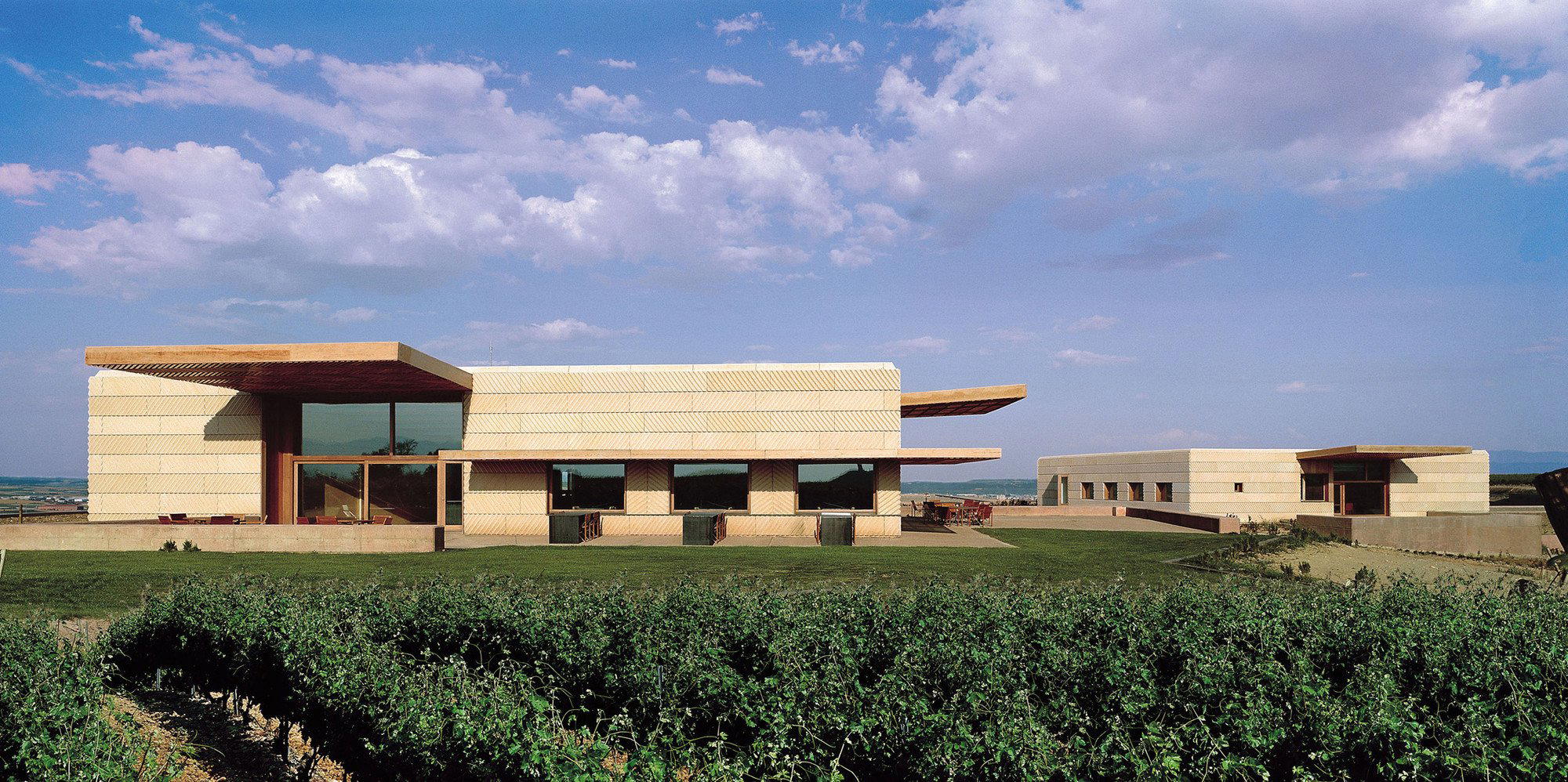
There is a stretch of the Ebro river valley between Fuenmayor and Cenicero where the river doubles back on itself in a tight meander, depositing centuries of alluvial material on the inner curve of the bend. That curve is where Finca Valpiedra sits, and the geology of the site has shaped every significant decision made here. The vineyard occupies a natural amphitheatre formed by the river's own cartography, with alluvial soils rich in rounded stones and gravel over a clay subsoil that retains just enough moisture to keep vines under controlled stress through La Rioja's dry summers. This is not scenery as backdrop — it is the operating condition of the wine.
La Rioja Alta, the sub-zone that includes Fuenmayor, sits at altitude relative to the Rioja Baja to the east, exposed to Atlantic influence from the west and sheltered from Mediterranean heat by the Sierra de Cantabria. The result is a longer growing season than producers further east, with cooler nights that preserve acidity even as Tempranillo ripens fully. Finca Valpiedra's position at the river bend adds a microclimate layer to this regional pattern: proximity to the water moderates temperature swings, and the stony, free-draining soils force the vine to work for every drop of moisture. That effort tends to concentrate phenolics and intensify fruit character without pushing alcohol. For those who follow the technical literature on Spanish viticulture, the site reads like a worked example in a textbook on terroir differentiation.
The Single-Estate Logic in a Blending Region
Rioja built its commercial reputation on blending across vineyards and often across communes, a model that prioritised consistency and volume over site specificity. The grandes bodegas of Haro — including CVNE (Cune) in Haro, and the established appellations houses like Marqués de Cáceres in Cenicero, just a few kilometres west of Fuenmayor, built their identities around a house style rather than a specific plot. That tradition is still the region's commercial backbone.
Finca Valpiedra operates on a different premise. The estate model, a single, enclosed property producing wine exclusively from its own fruit, is comparatively rare in Rioja and signals a specific set of ambitions. It invites direct comparison with single-estate approaches elsewhere in Spain: Clos Mogador in Gratallops in the Priorat, where granite and llicorella slate define a similar philosophy of place-specific production, or Marqués de Griñón (Dominio de Valdepusa) in Malpica de Tajo, where a single estate in Castilla-La Mancha made the case for terroir individualism outside the traditional appellations. The logic is the same: accept the constraints of a single plot's character rather than correcting for them through blending.
This positions Finca Valpiedra in a different competitive set than most Rioja producers. Its peer group is not the volume-led houses but rather the handful of single-vineyard or single-estate producers who have emerged over the past two decades as Rioja's appellation system has gradually made space for vineyard classification.
Reading the Stones: What Alluvial Terroir Delivers
The technical vocabulary around alluvial terroir can feel abstract until you understand what the stones are actually doing. River-deposited gravel and rounded pebbles retain heat through the afternoon and radiate it back to the vine canopy at night, compressing the temperature differential that would otherwise slow ripening. On a site like Finca Valpiedra, this thermal mass effect combines with excellent drainage to produce Tempranillo with a particular phenolic density, structured tannins, concentrated dark fruit, and an architectural quality that makes the wines candidates for extended ageing.
Across Spain, the estates that have achieved sustained critical attention tend to share this combination of well-drained stony soils and a commitment to low yields. Emilio Moro in Pesquera de Duero works with Ribera del Duero's limestone and clay; Abadía Retuerta in Sardón de Duero maps its estate by soil type across a range of Duero terroirs. The pattern holds: where producers have taken the time to understand their specific geology and adapt viticulture accordingly, the results tend to differentiate more sharply from appellation averages. Finca Valpiedra's river-bend site gives it a geological argument that most Rioja estates, sourcing from multiple vineyards across different soil profiles, cannot make in the same concentrated way.
Fuenmayor as a Base for La Rioja Alta
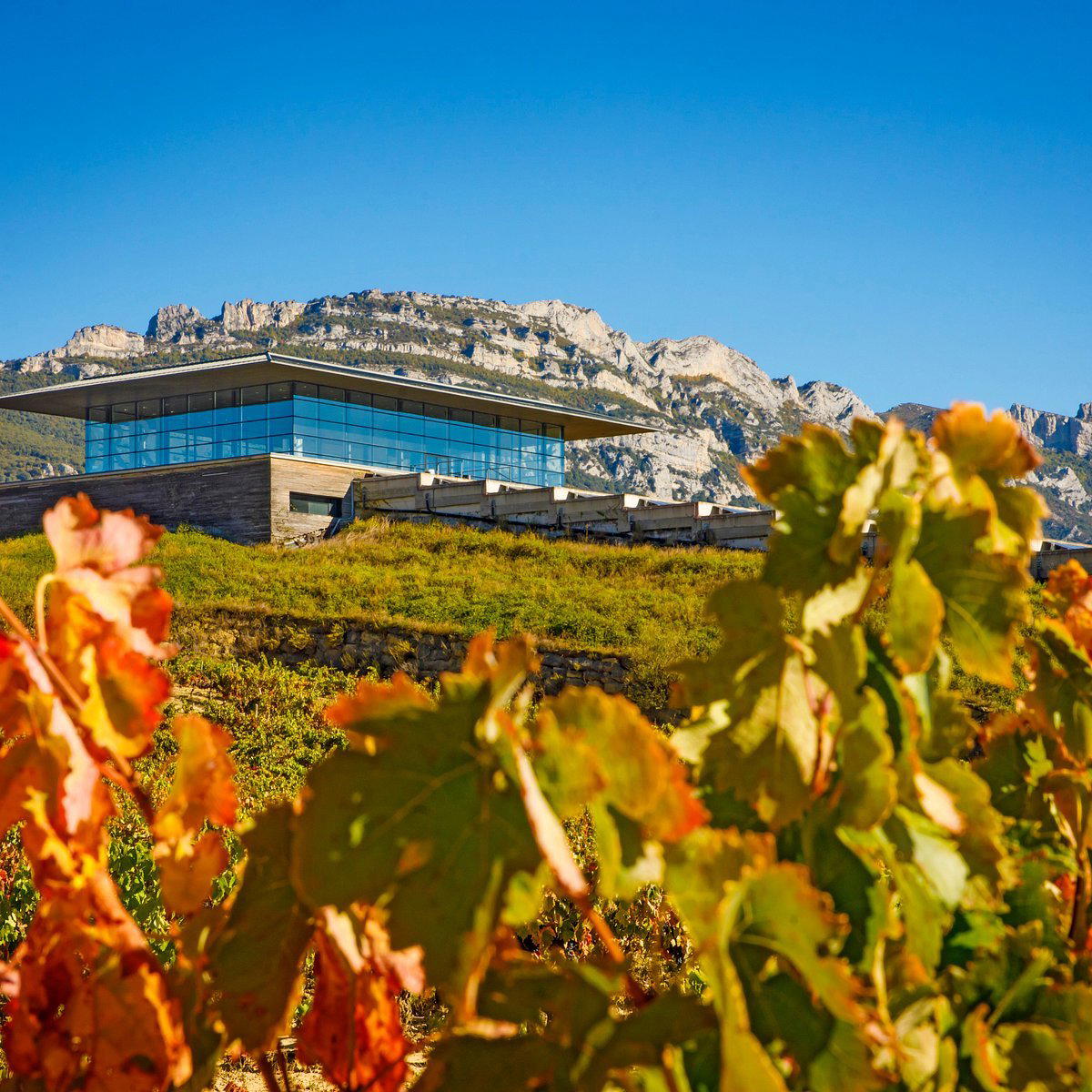
Fuenmayor itself is a working agricultural town rather than a tourist destination, which is part of its appeal. It sits in the core of La Rioja Alta, roughly equidistant between Logroño to the east and Haro to the west, with the Ebro running along its southern edge. The surrounding landscape in autumn, when the vineyards turn copper and gold, is among the more quietly affecting in northern Spain.
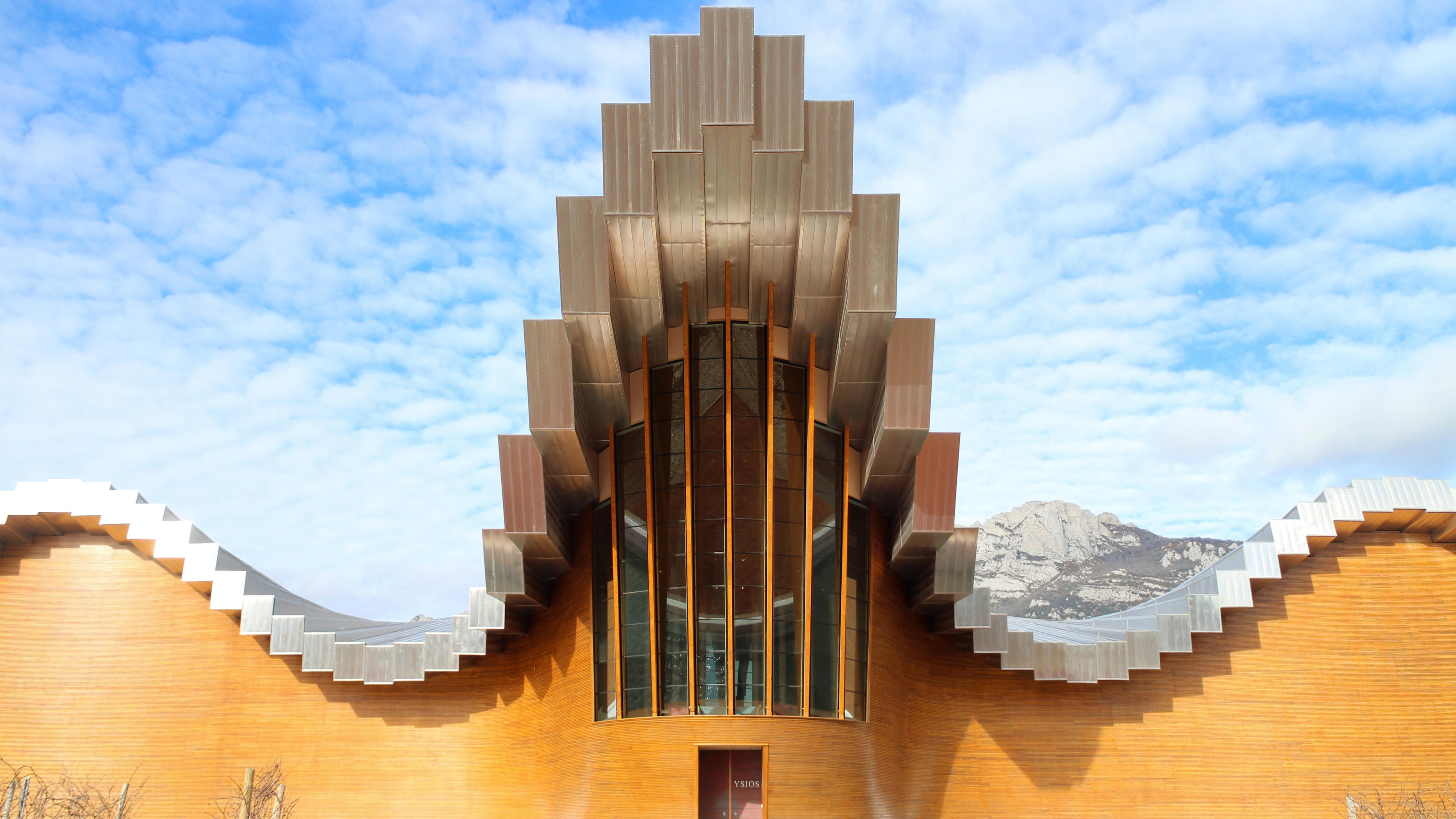
The town's position makes it a practical starting point for exploring the sub-zone's wider wine geography. Bodegas Vivanco in Valle de Mena and Bodegas Ysios in Laguardia, the latter in the Basque country-adjacent Rioja Alavesa, with its distinctive limestone terraces, are both within driving distance. For those building a broader itinerary across Spanish wine regions, the Duero estates (Bodegas Protos in Peñafiel, Arzuaga Navarro in Quintanilla de Onésimo) are reachable in a longer day, and the contrast between Rioja's alluvial valley floor and Ribera's high-altitude plateau makes for a coherent comparative visit. See our full Fuenmayor restaurants guide for practical logistics around staying and eating in the area.
Planning a visit to Finca Valpiedra requires some advance preparation. The estate is located off a rural track at El Montecillo, outside the town centre, and access is not signposted in the way that larger, visitor-infrastructure-heavy bodegas are. Those arriving by car from Logroño should allow time to locate the entrance; those using public transport will find the regional bus network to Fuenmayor adequate but infrequent.
Where Finca Valpiedra Sits in the Wider Picture
Spanish fine wine has expanded significantly beyond its classic appellations over the past twenty years. Regions like Priorat, Bierzo, and Ribera del Duero have built international profiles that challenge Rioja's traditional primacy, and within Rioja itself, the push for vineyard classification has introduced a more granular vocabulary for site quality. Finca Valpiedra predates much of this structural change and, in some ways, contributed to establishing that single-estate production in Rioja was worth taking seriously.
For comparison, producers like Codorníu in Sant Sadurní d'Anoia and Lustau in Jerez de la Frontera represent the institutionalised, heritage-driven end of Spanish wine production, important and worth visiting for different reasons. Finca Valpiedra operates with a tighter argument: this river bend, these stones, this Tempranillo. That specificity is either exactly what you are looking for or beside the point, depending on what draws you to wine travel in the first place. For those who find the geological detail interesting rather than tedious, the estate makes a strong case that La Rioja's leading argument is not a house style but a place.
Fast Comparison
Comparable venues nearby, for context on price, style, and recognition.
| Venue | Cuisine | Price | Awards | Notes |
|---|---|---|---|---|
| Finca ValpiedraThis venue — the venue you are viewing | Tempranillo, Graciano | Not listed | Falstaff Winery - 3 Stars | Not listed |
| Bodegas Roda | Tempranillo, Graciano | $50–100 | Falstaff Winery - 4 Stars | Barrio de la Estación |
| Marqués de Cáceres | Tempranillo, Garnacha | Not listed | Falstaff Winery - 3 Stars | Cenicero |
| Vega Sicilia | Tempranillo, Cabernet Sauvignon | Not listed | Falstaff Winery - 5 Stars | Valbuena de Duero |
| CVNE (Cune) | Tempranillo, Viura | Not listed | Not listed | Barrio de la Estación |
| Bodegas Baigorri | Tempranillo, Grenache | Not listed | Falstaff Winery - 3 Stars | Rioja Alavesa |
Recognition history
Dated appearances from independent guides and award organizations, with the underlying list record or original source where available.
Falstaff Winery - 3 Stars
Falstaff
Continue exploring
More in Fuenmayor
Wineries in Fuenmayor
Browse all →
Bars in Fuenmayor
Browse all →
Restaurants in Fuenmayor
Browse all →

Details
- Scenic
- Rustic
- Elegant
- Sophisticated
- Wine Education
- Special Occasion
- Vineyard Tour
- Estate Grounds
- Panoramic View
- Sustainable
- Vineyard
- Tempranillo
- Graciano
- Maturana Tinta
- Cabernet Sauvignon
- Garnacha
- Still Red
- Private Tasting
- English
- Spanish
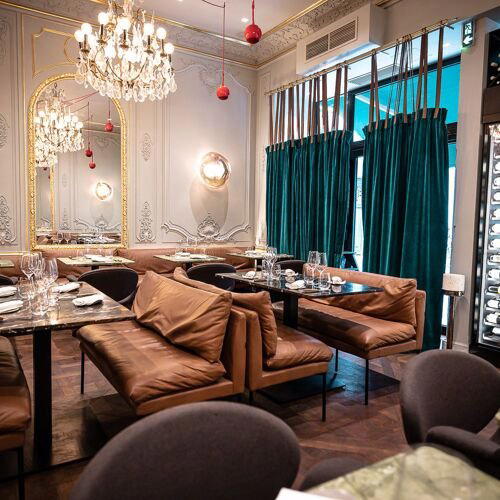
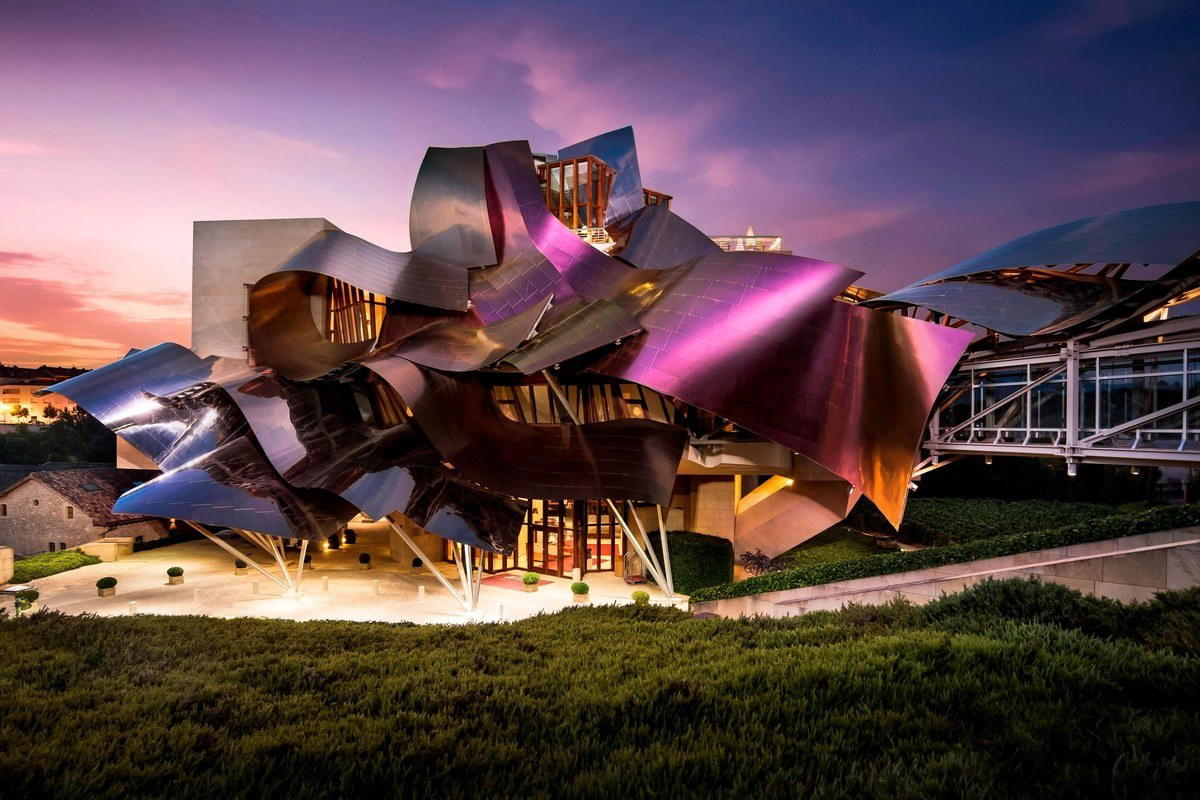
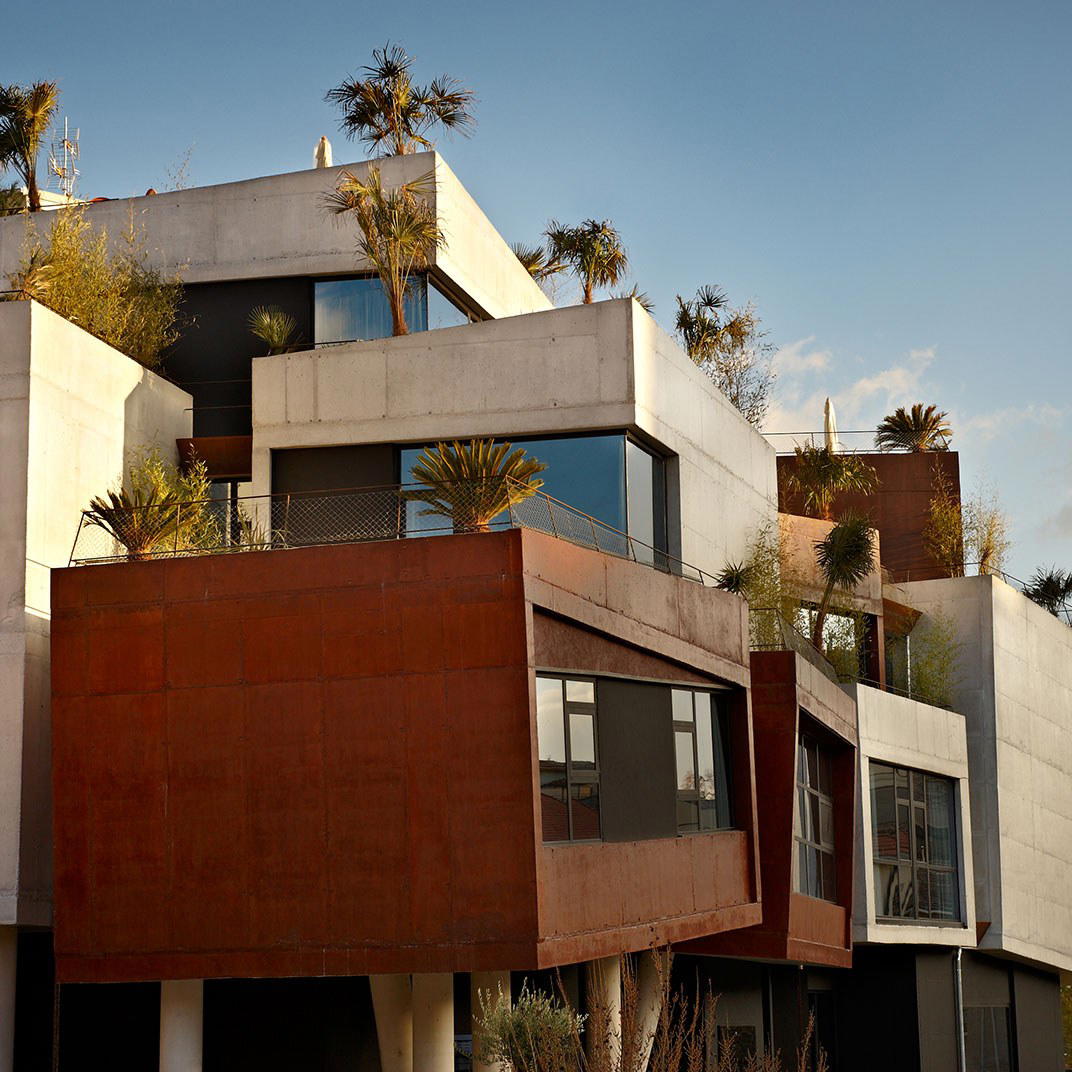
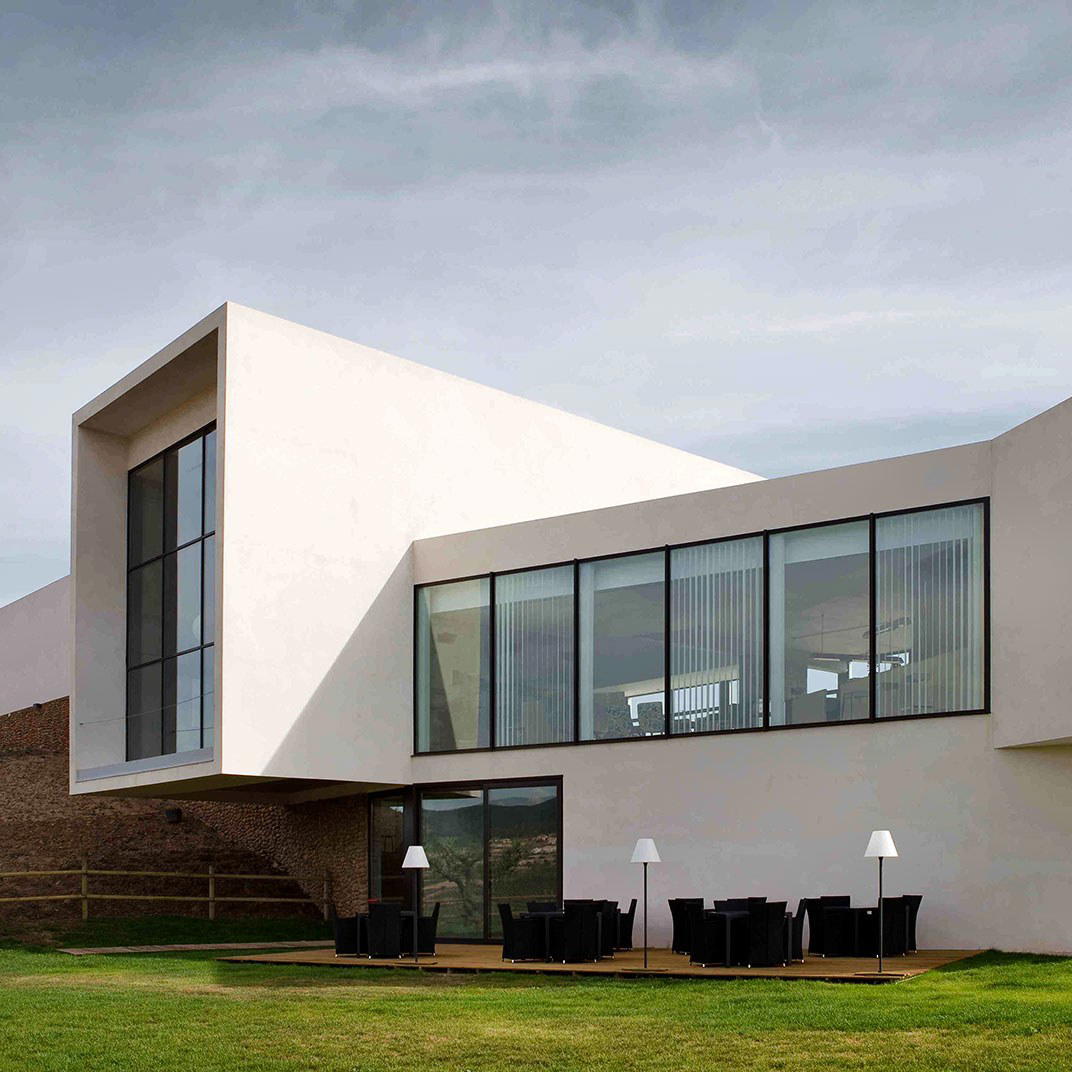
Serene and sophisticated atmosphere amid dramatic vineyard landscapes and river terraces, evoking timeless elegance in a natural, historic setting.