Casa Pedro

Michelin Plate
Our verdict
A Michelin Plate-recognised address in Puente Genil with over three decades behind it, Casa Pedro operates from a single premise: consistent, market-driven cooking served in the unpretentious register that defines Andalusian family dining. The format spans a tapas bar, a classical dining room, and a private space, with cured meats, fish, and seasonal vegetables anchoring a menu priced at the accessible end of the spectrum.

Pearl is the En Primeur Club membership app, where members save venues, book tables and use the concierge.
Puente Genil at the Table
The Córdoba province does not produce the kind of dining spectacle that draws international restaurant press. That is largely the point. Towns like Puente Genil operate within an older, quieter model of Spanish hospitality, one built around the rhythms of market supply, extended family lunches, and a deeply local sense of what constitutes a good meal. The ambition here is not novelty but reliability, and the benchmark is not innovation but execution. It is the kind of dining culture that Spain's celebrated avant-garde, from DiverXO in Madrid to El Celler de Can Roca in Girona, grew out of and, at its finest, still pays quiet tribute to.
Within that context, Casa Pedro on Calle Poeta García Lorca represents something straightforwardly specific: a long-running, Michelin-recognised traditional restaurant operating in a price bracket that makes it part of everyday local life rather than a special occasion destination for visitors only. That combination, sustained quality at an accessible price over more than thirty years, is harder to maintain than it sounds.
The Room, The Bar, The Format
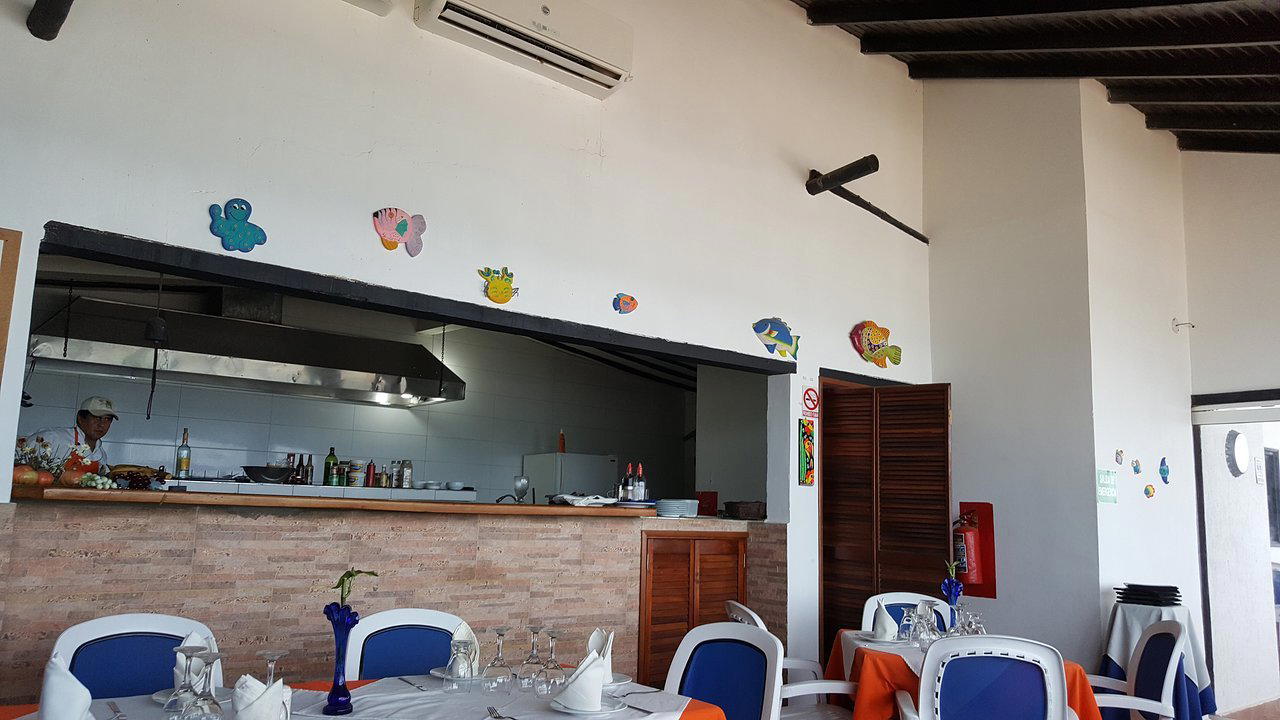
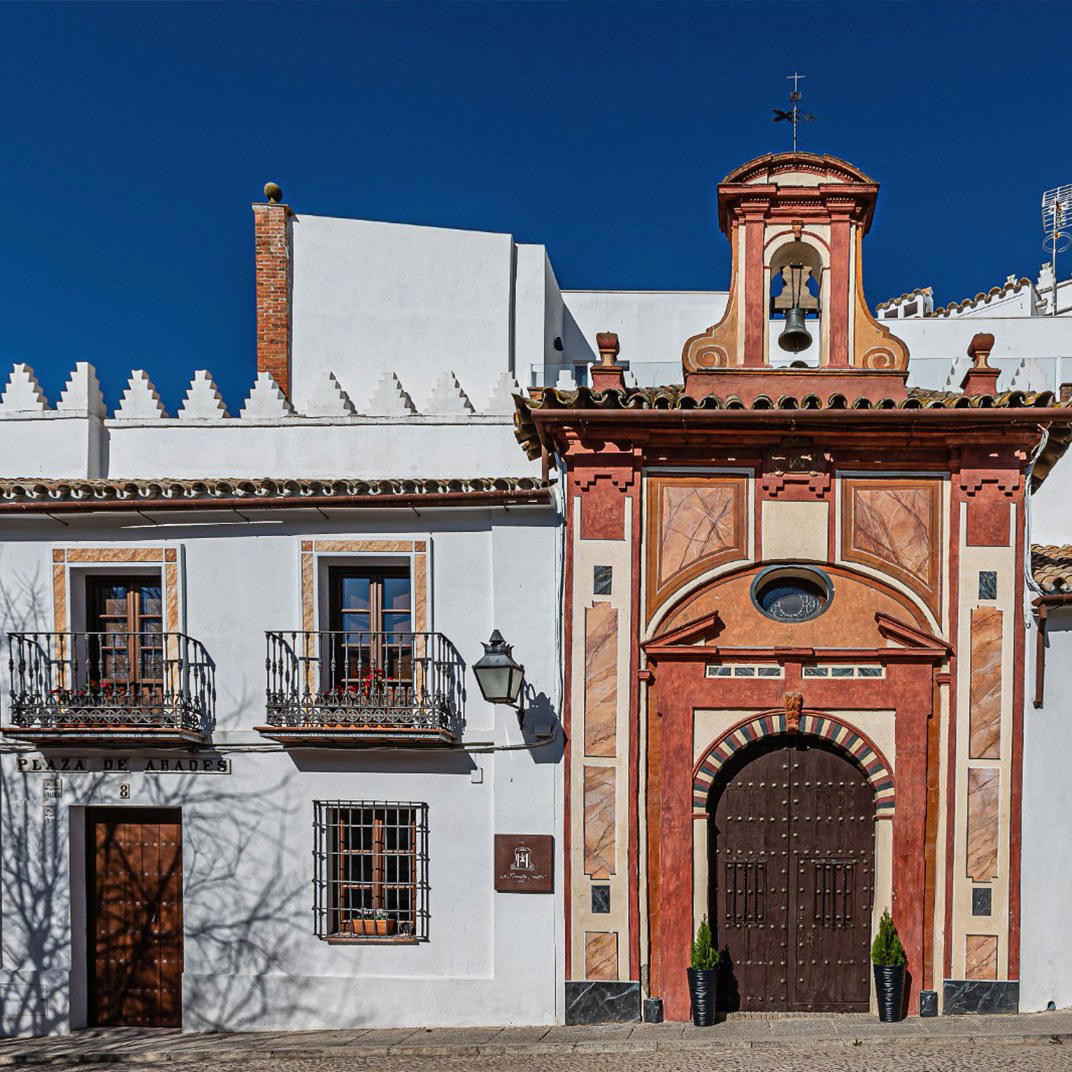
Approaching the address on García Lorca, the first space you encounter is the tapas bar at the entrance. In Andalusia, this threshold between the street and the dining room carries its own distinct social logic: it is where you stand with a glass and a small plate, where the day's options are often chalked or spoken rather than printed, and where the pace is set by the bar rather than the kitchen. Casa Pedro respects that sequencing. The tapas bar functions as its own environment, with a varied daily menu that reflects what the market offered that morning.
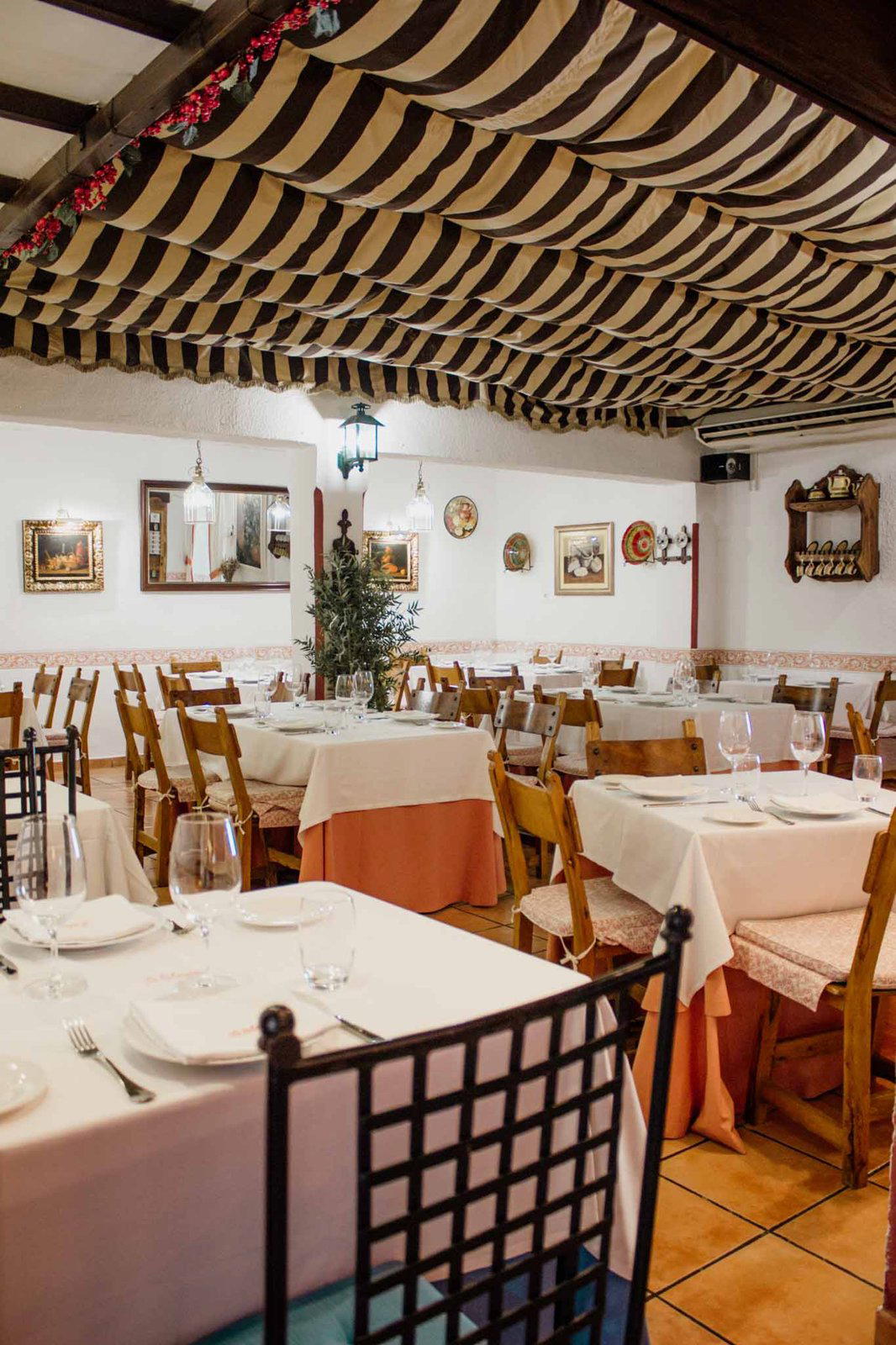
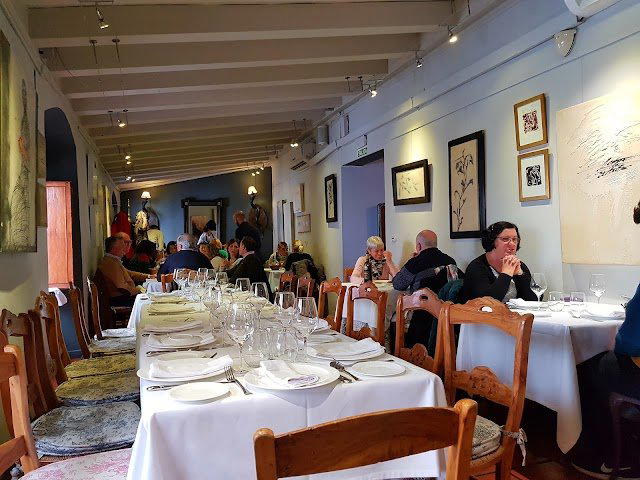
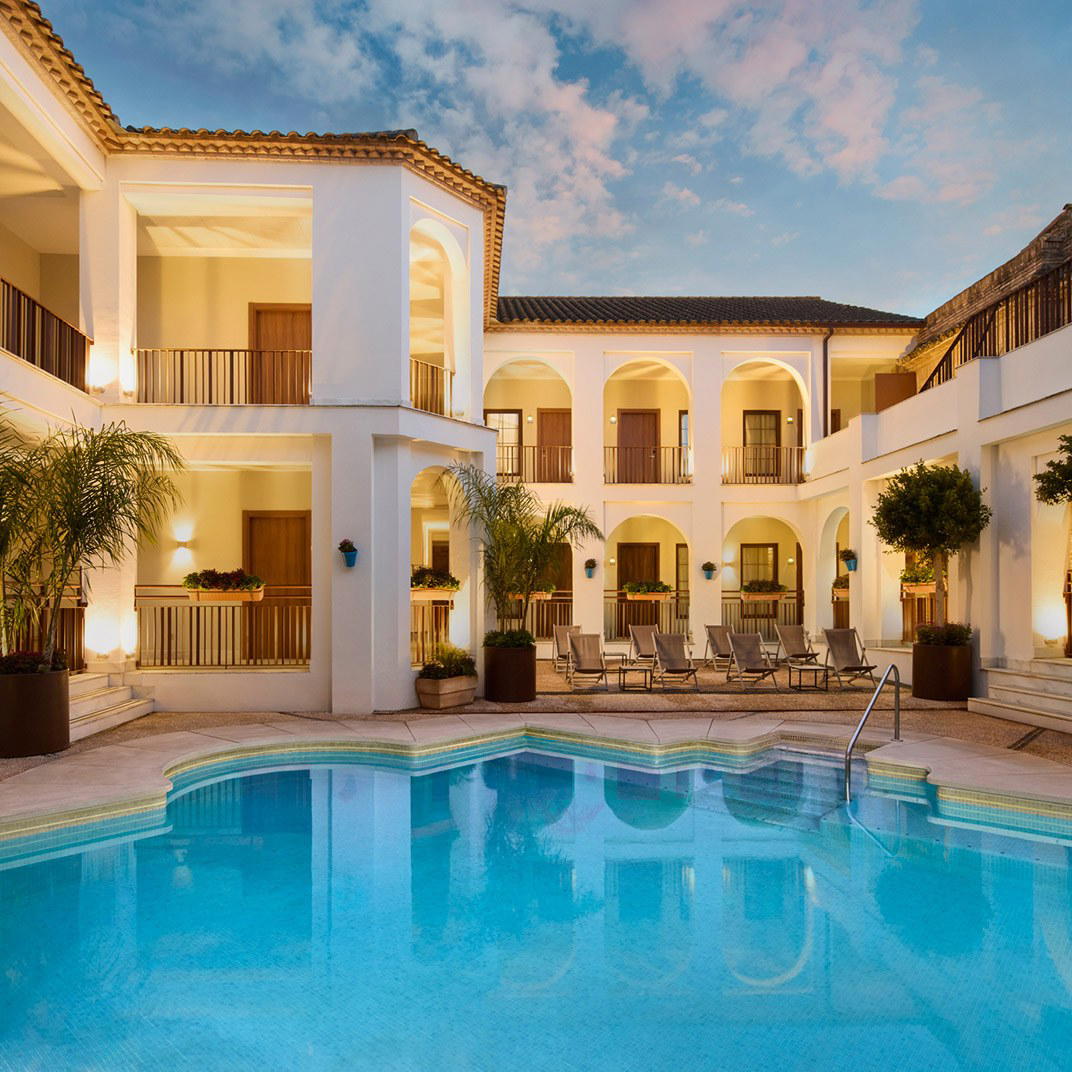
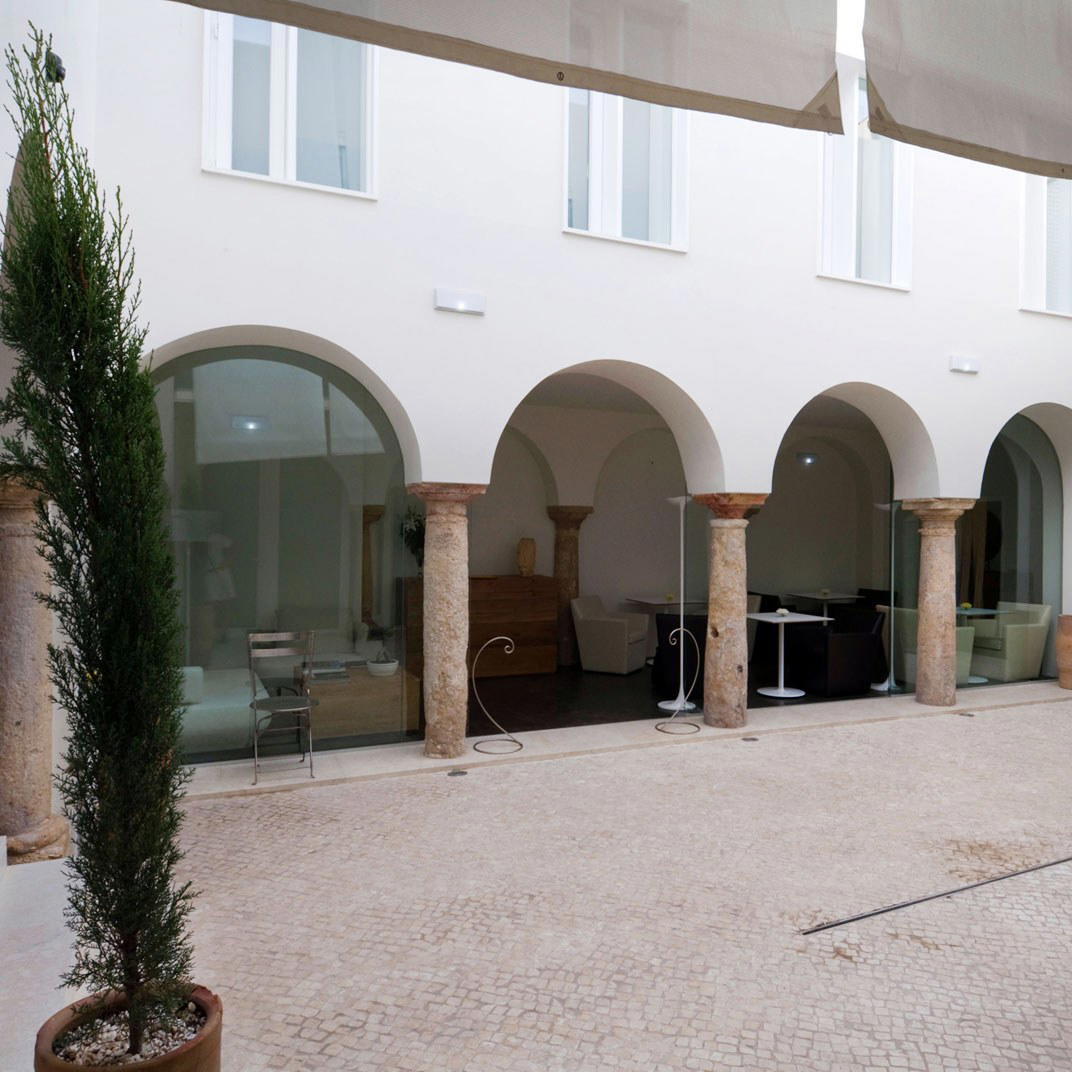
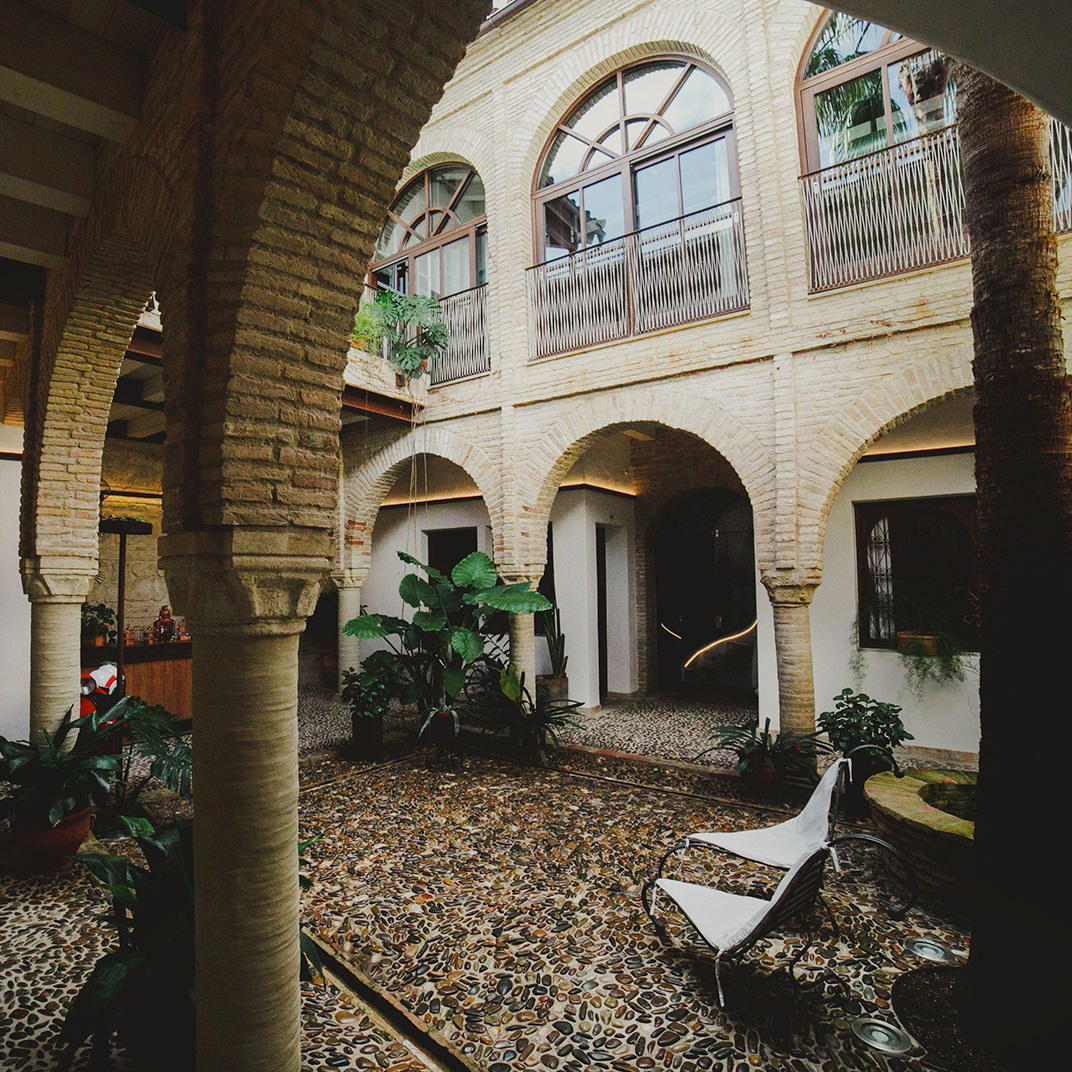
Move further inside and the register shifts. The classical dining room operates in the mode of the Spanish comedor: tablecloths, measured service, a menu that takes the products of the tapas bar and frames them more formally. A third space, slightly more contemporary in feel, handles private dining, which means the venue can hold different types of visit simultaneously without any of them feeling out of place.
For a broader picture of what the town offers across all categories, see our full Puente Genil restaurants guide, as well as guides to hotels, bars, wineries, and experiences in Puente Genil.
What the Kitchen Does
The cooking falls into the category of traditional Andalusian market cuisine, which in practice means the menu follows the season and the supplier rather than a fixed programme. Cured meats from the interior, red meats, fish and seafood from the coast, and seasonal vegetables form the structural core. The media-ración format, smaller portions available for many dishes, is a practical feature that matters: it allows a table to move across more ground without committing to full portions of each, which is the honest way to eat this style of cooking.
Spain's most decorated restaurants, places like Arzak in San Sebastián or Azurmendi in Larrabetzu, draw on traditional regional material and reframe it through technique and concept. Casa Pedro does not operate in that register, nor does it attempt to. The Michelin Plate, awarded in both 2024 and 2025, recognises good cooking that does not reach for a star, and that distinction is meaningful: it places Casa Pedro in a category defined by honest, well-executed food rather than ambition or transformation.
For a point of local comparison, Alma Ezequiel Montilla represents a different register of ambition within Puente Genil, offering a more contemporary take on the area's produce. The two addresses serve different purposes and different occasions.
Thirty Years and What It Means
In the Spanish restaurant economy, longevity at the neighbourhood level is a credential that does not translate easily into the metrics that international guides privilege. A restaurant that has served a community consistently for over thirty years has, by definition, resolved the question of whether its cooking connects with the people it is cooking for.
The family-style service model that has characterised the restaurant throughout its life is not incidental to this. In Andalusia, the tonality of service, whether a room feels like a transaction or like hospitality, is part of the value being offered. Consistency in that register over three decades is the kind of achievement that rarely makes press releases but is exactly what Michelin's Plate designation is designed to acknowledge.
Other traditional kitchens operating in comparable cultural registers elsewhere in Spain, such as Auga in Gijón or Auberge Grand'Maison in Mûr-de-Bretagne across the border in France, demonstrate that the Plate tier internationally tends to reward this same combination: regional rootedness, technical soundness, and a refusal to overreach.
Positioning Within the Broader Spanish Scene
Spain's restaurant conversation is dominated by a handful of headline addresses. Aponiente in El Puerto de Santa María, Quique Dacosta in Dénia, Mugaritz in Errenteria, Cocina Hermanos Torres in Barcelona, and Ricard Camarena in València all occupy the premium creative end of that spectrum, with price points and booking models to match. Casa Pedro sits in an entirely different tier, one that is numerically far larger and arguably more representative of how Spain actually eats.
The single-euro price band places it in the category of everyday dining that remains accessible to local residents, not a destination that requires advance planning or a particular travel budget. Within Puente Genil, that positioning gives it a dual function: it serves the community that has eaten there for a generation while remaining approachable for visitors passing through the Córdoba province.
Planning a Visit
Casa Pedro sits at Calle Poeta García Lorca 5 in the centre of Puente Genil, a town of around 30,000 in the southern Córdoba province, roughly equidistant between Córdoba city and Málaga. The price range sits at the single-euro tier, making it one of the more accessible Michelin-recognised addresses in Andalusia. Booking details and current hours are not listed centrally, so approaching the venue directly or arriving during standard Spanish lunch service (generally 1:30 to 4:00pm) is the practical approach.
Frequently asked questions
How much does it cost to eat at Casa Pedro?
Pricing at Casa Pedro is listed as €.
How do I find Casa Pedro?
Casa Pedro is located at C. Poeta García Lorca, 5, 14500 Puente Genil, Córdoba, Spain, Puente Genil.
Cost and Credentials
| Venue | Cuisine | Price | Awards | Notes |
|---|---|---|---|---|
| Casa PedroThis venue (the venue you are viewing) | Traditional Mediterranean | Not listed | Michelin Plate | Not listed |
| Aponiente | Avant-Garde Marine Seafood | $200–300 | 3 Michelin Stars · World's 50 Best #84 | Progressive - Seafood, Creative |
| Arzak | Contemporary Basque Fine Dining | $300–500 | 3 Michelin Stars · World's 50 Best #31 | Modern Basque, Creative |
| DiverXO | Avant-Garde Spanish Tasting Menu | $300–500 | 3 Michelin Stars · World's 50 Best #4 | Progressive - Asian, Creative |
| El Celler de Can Roca | Creative Catalan Fine Dining | $300–500 | 3 Michelin Stars · World's 50 Best #2 | Progressive Spanish, Creative |
| Quique Dacosta | Avant-Garde Spanish Fine Dining | $300–500 | 3 Michelin Stars · World's 50 Best #65 | Creative |
Recognition history
Dated appearances from independent guides and award organizations, with the underlying list record or original source where available.
Michelin Plate
Michelin
Full recognition history (3 entries)
Michelin Plate
Michelin
Michelin Plate
Michelin
Continue exploring
More in Puente Genil
Restaurants in Puente Genil
All restaurants in Puente Genil →
Bars in Puente Genil
Browse all →

Details
- Cozy
- Elegant
- Classic
- Family
- Celebration
- Business Dinner
- Private Dining
- Extensive Wine List
- Local Sourcing
- A La Carte
- Small Plates
- Vegetarian Friendly
- Vegan Options
- Gluten Free Options
Current opening hours
- Monday
- Closed
- Tuesday
- 12 PM–12 AM
- Wednesday
- 12 PM–12 AM
- Thursday
- 12 PM–12 AM
- Friday
- 12 PM–1 AM
- Saturday
- 12 PM–1 AM
- Sunday
- 12–6 PM
Hours can change for holidays and private events. Hours as of .
Warm, cozy atmosphere with modern, well-lit and climatized spaces, tranquil acoustics, and a beautiful glass-enclosed winery.