


Michelin Plate · Macarfi 7.4 Food Rating
Our verdict
A Michelin Plate address in Córdoba's historic Jewish quarter, Casa Pepe de la Judería occupies one of the neighbourhood's old houses and serves an extensive à la carte rooted in Cordoban tradition. Guadalquivir valley meats, seasonal produce, and line-caught red tuna form the backbone of a menu that carries the weight of regional identity without abandoning contemporary sensibility. The rooftop terrace adds a compelling reason to time your visit well.

Pearl is the En Primeur Club membership app — saves, bookings, and concierge access live there. Same editors, same standards.
- Address
- C. Romero, 1, Centro, 14003 Córdoba, Spain
- Phone
- +34 957 20 07 44
- Hours
- Mon–Thu 1–4 PM, 7:30–11 PMFri–Sat 1–4 PM, 7:30–11:30 PMSun 1–4 PM, 7:30–11 PM
- Directions
- Get directions
- Booking
- Book on the venue's website
The menu
What to order
- Salmorejo
- Flamenquín
- Rabo de toro
- Berenjenas con miel
Where the Judería Sets the Table
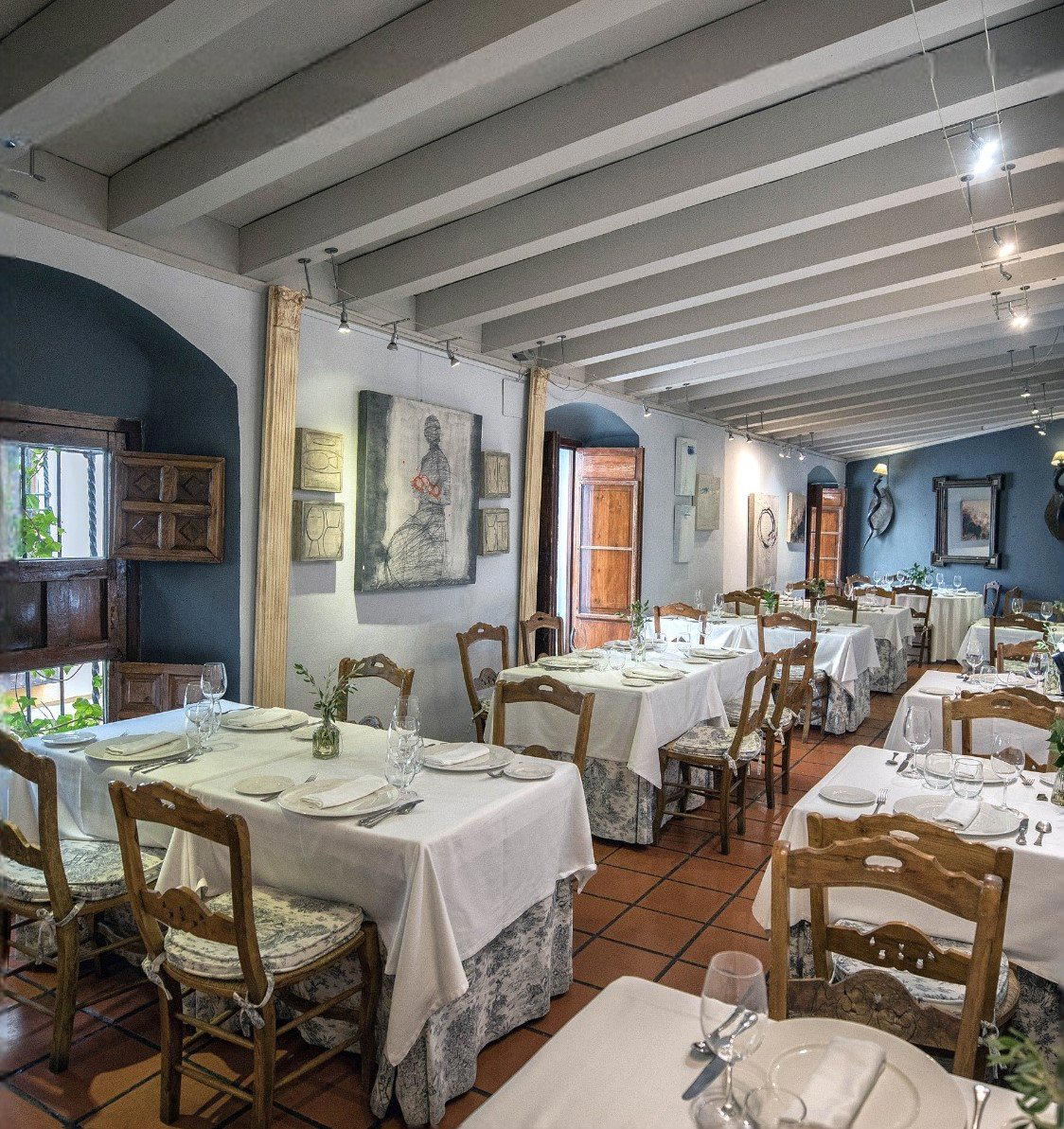
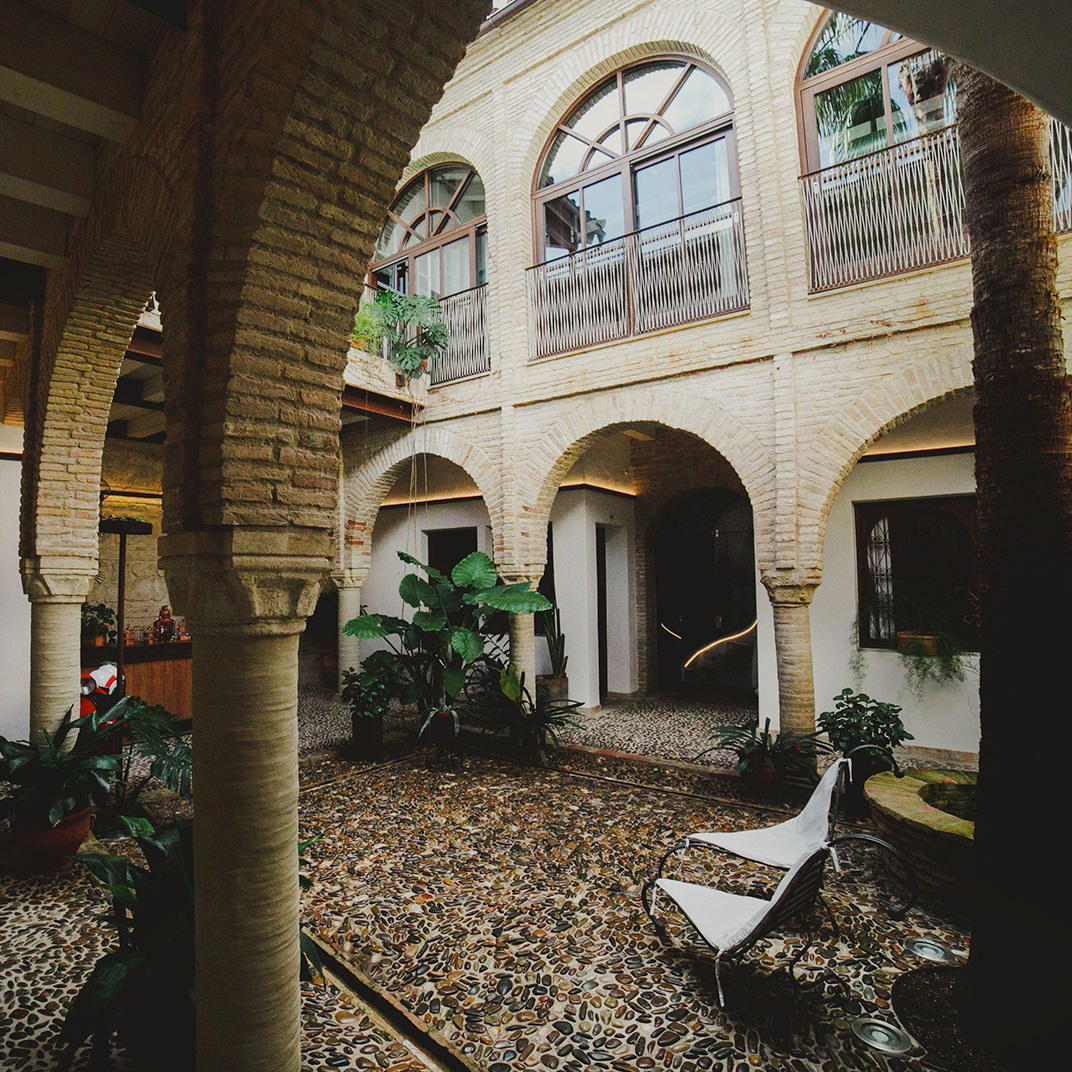
Arriving at Calle Romero in the heart of Córdoba's old Jewish quarter, the physical surroundings do considerable work before a single dish appears. The labyrinthine streets of the Judería — among the best-preserved medieval urban environments in Spain — frame the approach to Casa Pepe de la Judería in a way that few dining neighbourhoods elsewhere in Europe can replicate. The house itself, like many in this pocket of the city, opens inward: the exterior offers little, but the interior reveals a sequence of dining rooms that carry genuine character through traditional Andalucian architectural detail. For visitors arriving from the maximalist end of Córdoba's contemporary dining scene, such as the three-Michelin-star Noor (Modern Spanish - Moorish, Modern Dutch, Creative) or the one-star Choco (Creative), this address represents a different argument entirely: that regional identity and sourcing integrity do not require architectural spectacle or a modernist kitchen to make themselves felt.
The Logic of the Larder: Sourcing as the Menu's Architecture
Córdoba's regional kitchen has always operated from a particular geography. The city sits where the Sierra Morena hills descend toward the Guadalquivir valley, a stretch of southern Spain that produces distinct raw materials: beef and pork raised on valley pasture, olive oil from estates across the province, and seasonal vegetables shaped by an interior climate that differs markedly from the coastal Andalucian norm. Casa Pepe de la Judería has built its à la carte around this geography, with select cuts of meat from the Guadalquivir valley appearing alongside dishes that track seasonal availability and locally sourced produce.
The inclusion of traditionally caught red tuna deserves particular attention within this sourcing framework. Atlantic bluefin tuna, harvested through the ancient almadraba trap-net method in waters off Cádiz, Huelva, and the Strait of Gibraltar, has become one of the defining premium ingredients of southern Spanish cuisine over the past two decades. Restaurants from Aponiente in El Puerto de Santa María downward have built significant portions of their identity around this seasonal catch. At Casa Pepe, its presence on an à la carte that otherwise anchors firmly in Cordoban land-based tradition signals the kitchen's awareness of where Andalucian sourcing culture has moved, without abandoning the agricultural base that gives the region's cooking its specific character.
This dual focus, valley produce alongside Atlantic fish, reflects a broader pattern visible across serious regional-cuisine addresses in inland Andalucía. The question these kitchens are answering is not whether to engage with contemporary Spanish fine dining, but how to do so without severing the local supply lines that make the food meaningful in the first place. Casa Pepe's Michelin Plate recognition in both 2024 and 2025, alongside its listing in the Opinionated About Dining Casual Europe guide for 2025, suggests the approach has been read correctly by the relevant critical audiences.
The À la Carte as a Regional Document
The menu format here is extensive à la carte rather than a fixed tasting sequence, which positions Casa Pepe differently from Córdoba's high-concept addresses. Arbequina (Modern Cuisine) and Celia Jiménez (Modern Cuisine) both work in the modern cuisine register; Casa Rubio occupies a comparable neighbourhood-traditional space. Casa Pepe's breadth of choice, covering Cordoban classics, valley meats, and seasonal dishes with contemporary inflection, is a deliberate statement about hospitality rather than a concession to commercial pressure. A broad à la carte in a UNESCO-adjacent neighbourhood restaurant in southern Spain is an act of confidence: it tells you the kitchen trusts its own larder enough to let the ingredients carry a wide range of preparations.
The contemporary hints within an otherwise traditionally grounded menu follow a pattern well established across regional Spanish cooking. The country's most formally recognised kitchens, from El Celler de Can Roca in Girona to Arzak in San Sebastián, have long argued that technical modernity and regional rootedness are not opposites. That argument has filtered down through Spain's regional restaurant culture, and kitchens at the €€ price point are now expected to demonstrate at least some engagement with contemporary technique while keeping the sourcing story intact. Under chef Juan Pedro Secadura, the kitchen at Casa Pepe positions itself within that current without losing sight of the Cordoban canon.
The Rooftop and the Question of Timing
Rooftop terrace changes the calculus of when to visit. Córdoba's summers are severe, with July and August temperatures regularly exceeding 38°C in the city centre, making outdoor dining an early-evening or cooler-season proposition. Spring, particularly April and May when the city stages its famous Patio Festival, and autumn represent the windows when the terrace becomes genuinely the preferred option. Sitting above the Judería's roofline with the density of the old city around you is a different experience from the interior dining rooms, and the two function almost as separate registers of the same address.
For practical planning, the €€ price bracket places Casa Pepe firmly in the mid-range of Córdoba's dining spectrum, well below the €€€€ tier occupied by Noor and Choco, and in a comparable zone to other well-regarded neighbourhood addresses in the city. The address is Calle Romero, 1, in the Centro district, walkable from the main tourist infrastructure of the Judería but embedded enough within the quarter to feel residential rather than transactional.
Visitors using Córdoba as a base for broader Andalucian exploration will find useful orientation in our full Córdoba restaurants guide, which maps the city's dining across price tiers and style categories. For accommodation context, our full Córdoba hotels guide covers the range from heritage houses in the Judería to larger properties near the train station. Our full Córdoba bars guide, wineries guide, and experiences guide round out the picture for a longer stay. Those tracking the regional cuisine format across Europe will find useful comparators in Fahr in Künten-Sulz and Gannerhof in Innervillgraten, two addresses working in a similar mode in very different geographies. For the Spanish context specifically, Azurmendi in Larrabetzu and Cocina Hermanos Torres in Barcelona illustrate how regional sourcing conviction operates at the upper end of the formal-dining tier, providing a useful frame for understanding what Casa Pepe is doing at a more accessible price point and register.
Practical Planning
Casa Pepe de la Judería sits at Calle Romero, 1, in Córdoba's Centro district. The €€ price range makes it one of the more accessible serious addresses in the neighbourhood. The Michelin Plate designation (2024 and 2025) and the Opinionated About Dining Casual Europe 2025 listing both signal consistent kitchen performance rather than a single exceptional meal. Booking in advance is advisable during the spring Patio Festival season and at peak summer tourist periods, when the Judería sees its highest visitor volumes. The rooftop terrace makes late spring and early autumn the most rewarding times to visit.
Frequently asked questions
What's the signature dish at Casa Pepe de la Judería?
The kitchen does not anchor itself to a single showcase dish. Its identity runs through the sourcing: select cuts from the Guadalquivir valley, traditionally caught red tuna, and seasonal local produce. The Michelin Plate recognition reflects consistent execution across that range rather than a single marquee preparation.
What's the price range at Casa Pepe de la Judería?
Pricing at Casa Pepe de la Judería is listed as €€.
Where do I go for Casa Pepe de la Judería?
Casa Pepe de la Judería is located at C. Romero, 1, Centro, 14003 Córdoba, Spain, Córdoba.
Who's behind the kitchen at Casa Pepe de la Judería?
The chef associated with Casa Pepe de la Judería is Juan Pedro Secadura.
Pricing, Compared
| Venue | Cuisine | Price | Awards | Notes |
|---|---|---|---|---|
| Casa Pepe de la JuderíaThis venue — the venue you are viewing | Traditional Cordoban Spanish | $20–30 | Michelin Plate · Macarfi 7.4 Food Rating | Not listed |
| Choco | Modern Andalusian Fine Dining | $150–200 | 1 Michelin Star · Macarfi 8.8 Food Rating | Creative |
| Noor | Modern Historical Andalusian | $200–300 | 3 Michelin Stars · La Liste Top Restaurants | Modern Spanish - Moorish, Modern Dutch, Creative |
| El Envero | Contemporary Andalusian | $30–50 | Michelin Bib Gourmand · Macarfi 7.5 Food Rating | Not listed |
| Garum 2.1 Bistronómic Tapas Bar | Modern Andalucían Bistronomic Tapas | $30–50 | Michelin Plate · Macarfi 7.5 Food Rating | Not listed |
| La Cuchara de San Lorenzo | Modern Spanish Andalusian | $30–50 | Michelin Bib Gourmand · Macarfi 7.8 Food Rating | Not listed |
Recognition history
Dated appearances from independent guides and award organizations, with the underlying list record or original source where available.
Michelin Plate
Michelin
Macarfi 7.4 Food Rating
Macarfi
Opinionated About Dining Casual in Europe Recommended
Opinionated About Dining
Full recognition history (6 entries)
Michelin Plate
Michelin
Opinionated About Dining Casual in Europe
Opinionated About Dining
Michelin Plate
Michelin
Continue exploring
More in Córdoba
Restaurants in Córdoba
Browse all →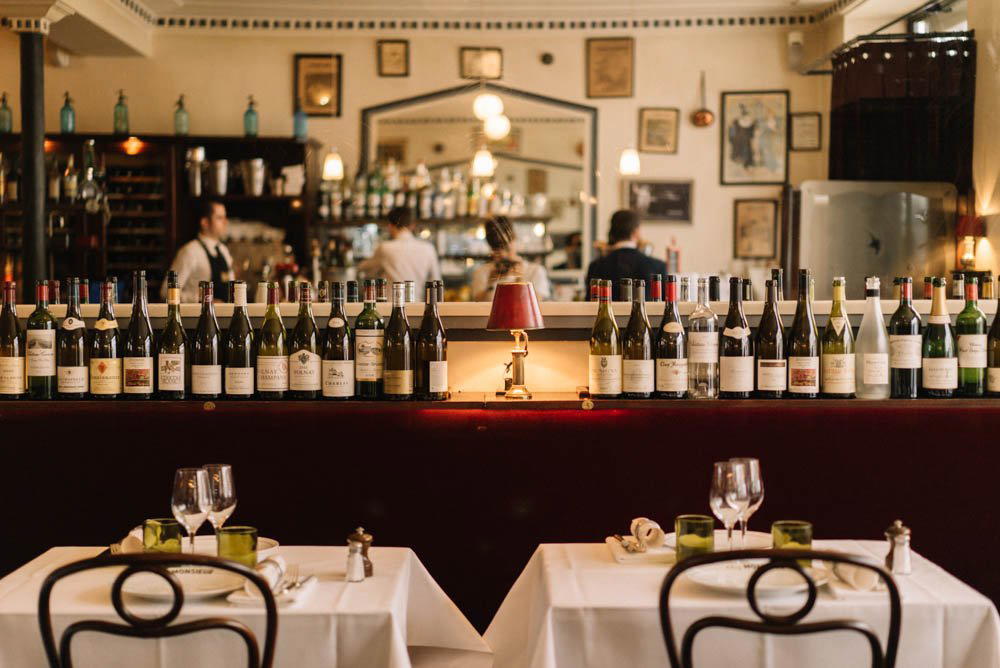
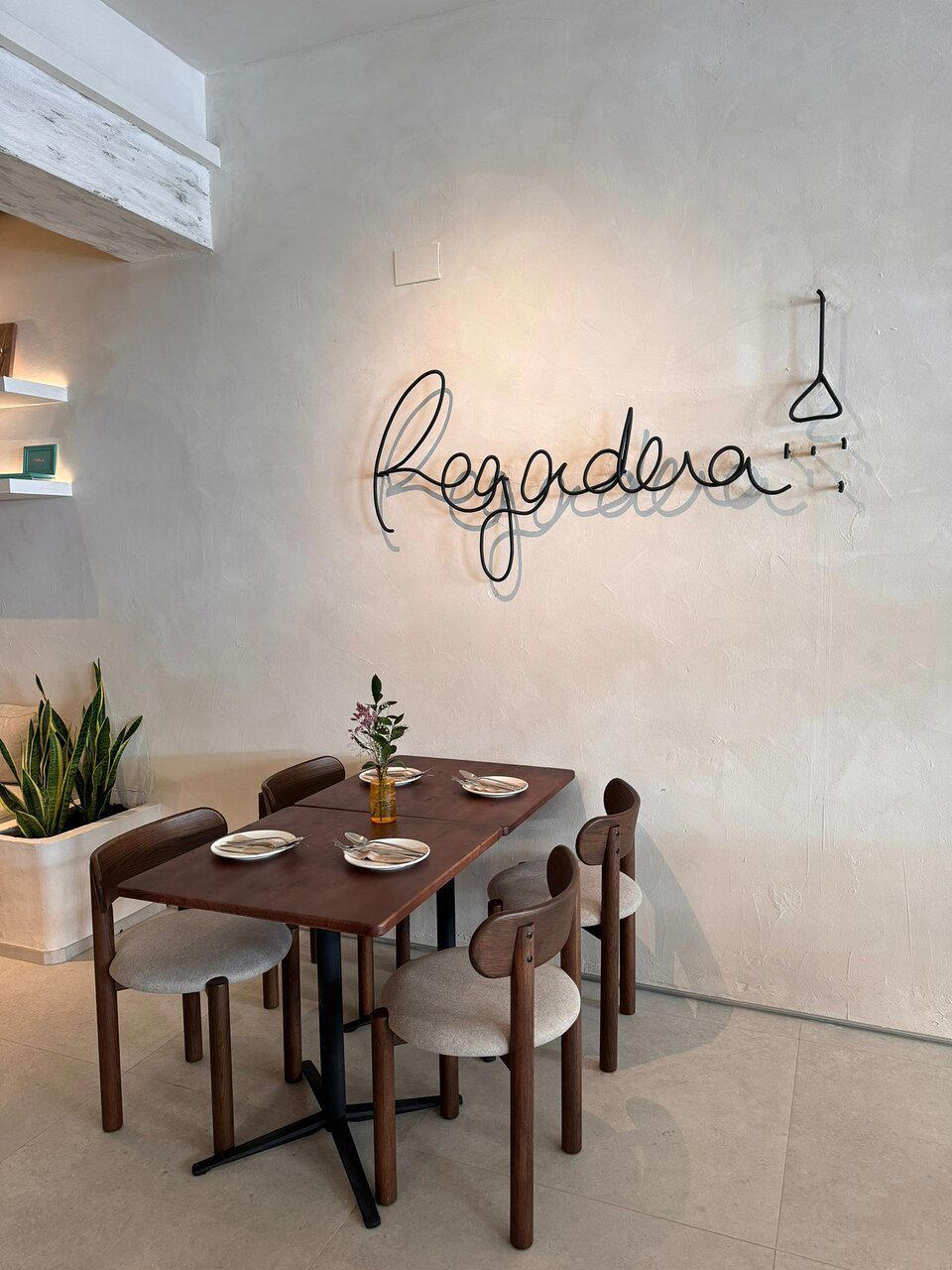
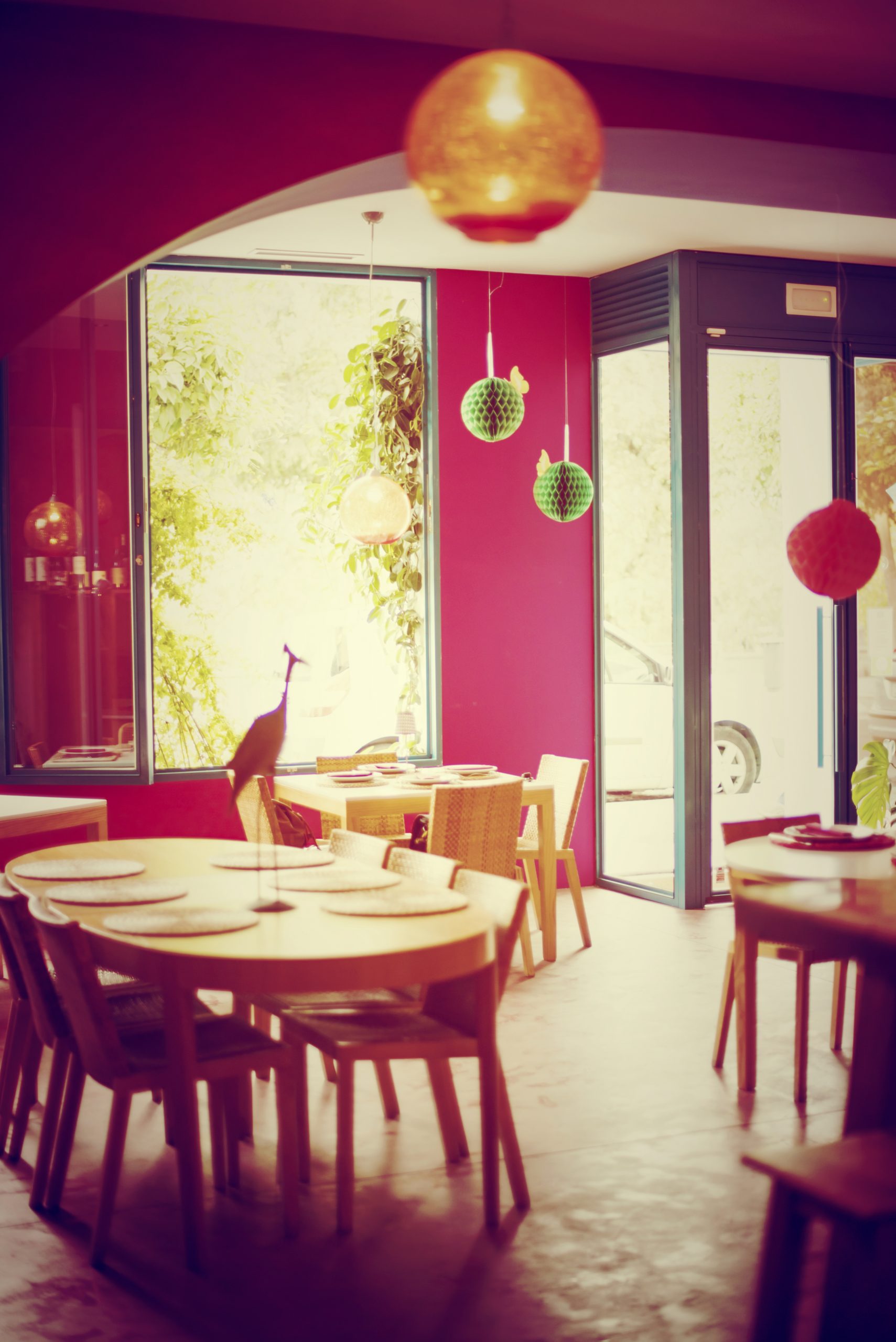
Bars in Córdoba
Browse all →Hotels in Córdoba
Browse all →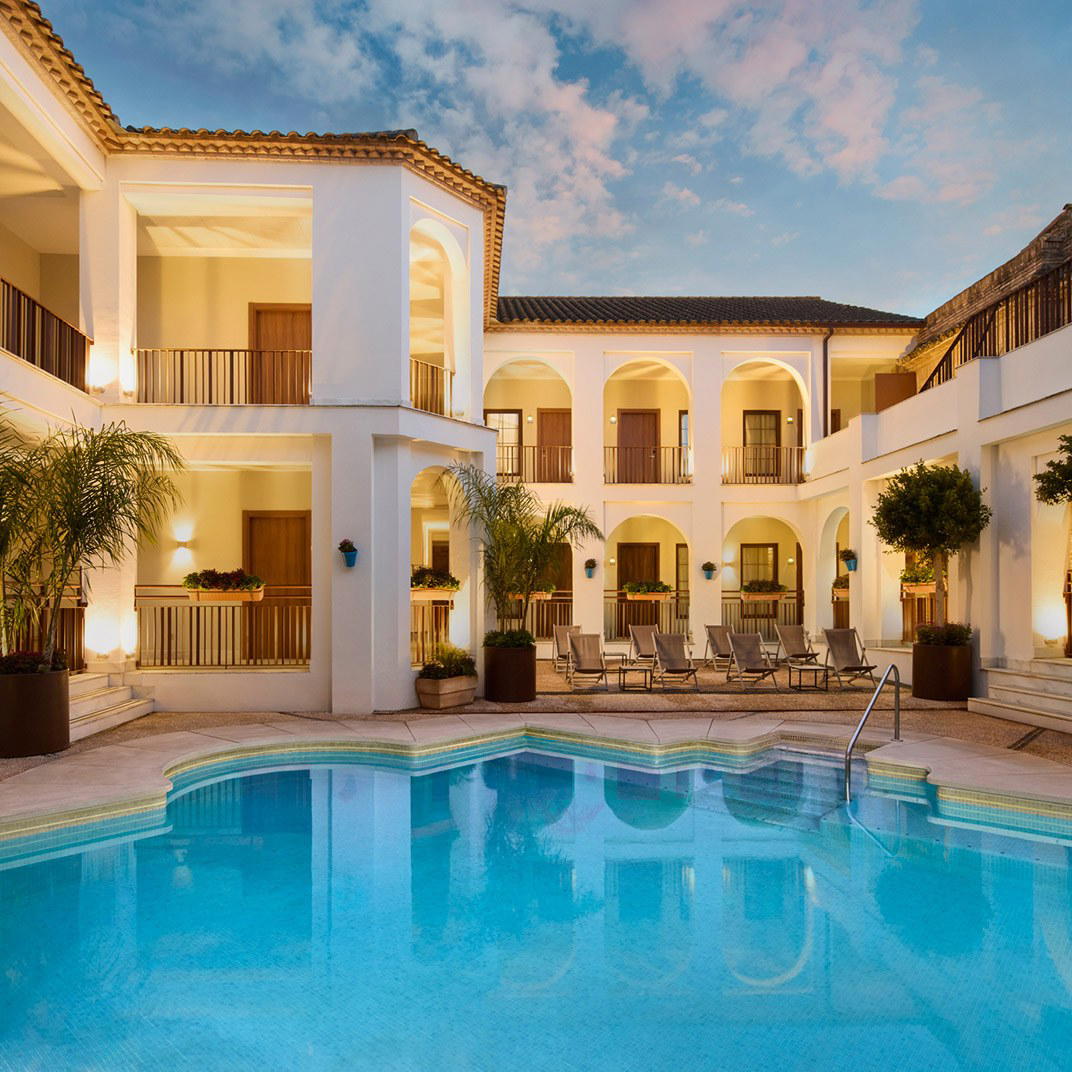
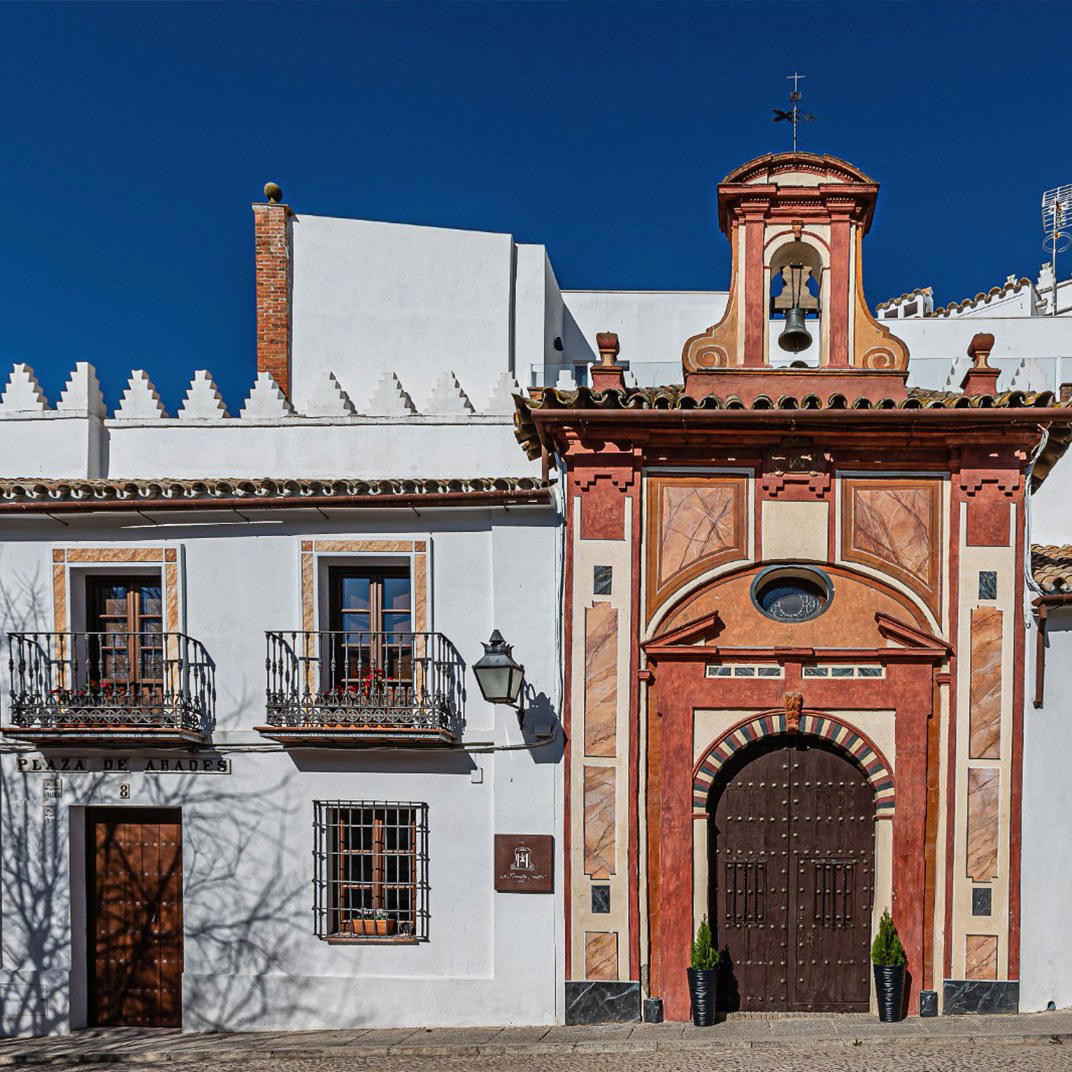

Details
- Classic
- Rustic
- Cozy
- Historic
- Intimate
- Special Occasion
- Date Night
- Celebration
- Terrace
- Historic Building
- Courtyard
- Extensive Wine List
- Local Sourcing
- Street Scene
- A La Carte
- Small Plates
- Vegetarian Friendly
- Vegan Options
- Gluten Free Options
Current opening hours
- Monday
- 1–4 PM, 7:30–11 PM
- Tuesday
- 1–4 PM, 7:30–11 PM
- Wednesday
- 1–4 PM, 7:30–11 PM
- Thursday
- 1–4 PM, 7:30–11 PM
- Friday
- 1–4 PM, 7:30–11:30 PM
- Saturday
- 1–4 PM, 7:30–11:30 PM
- Sunday
- 1–4 PM, 7:30–11 PM
Hours can change for holidays and private events. Last verified .
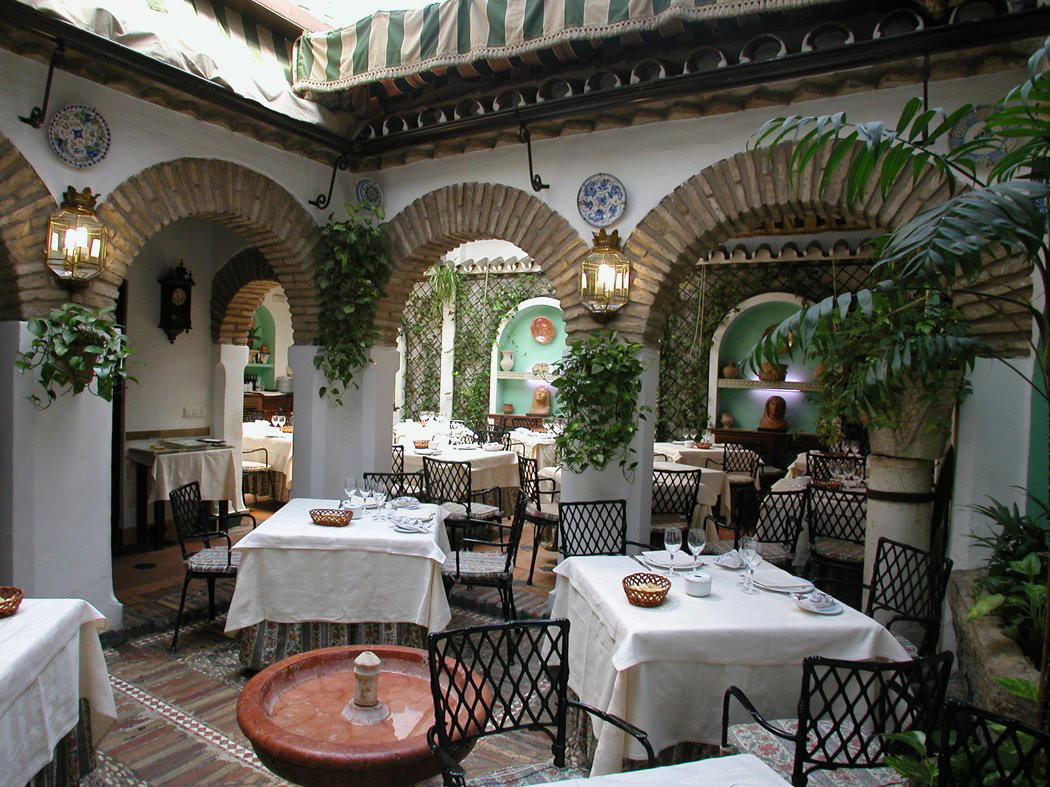
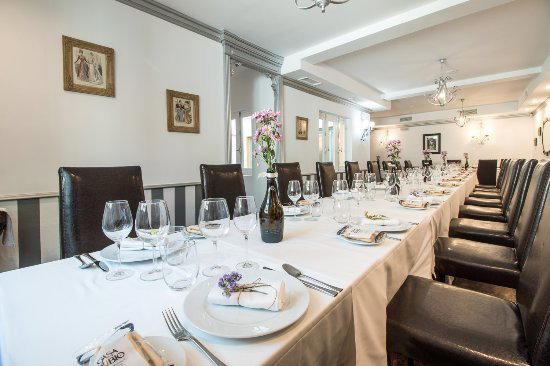
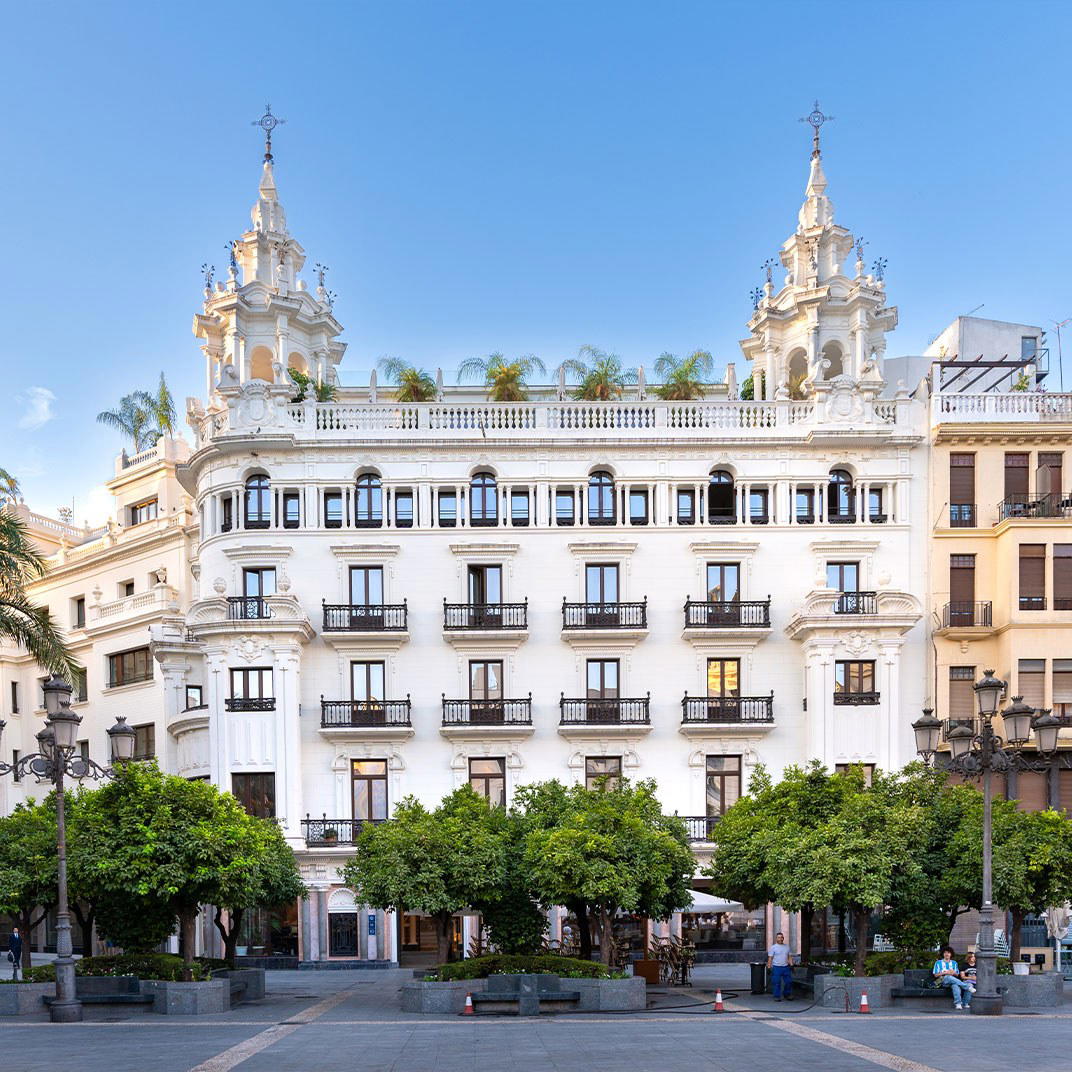
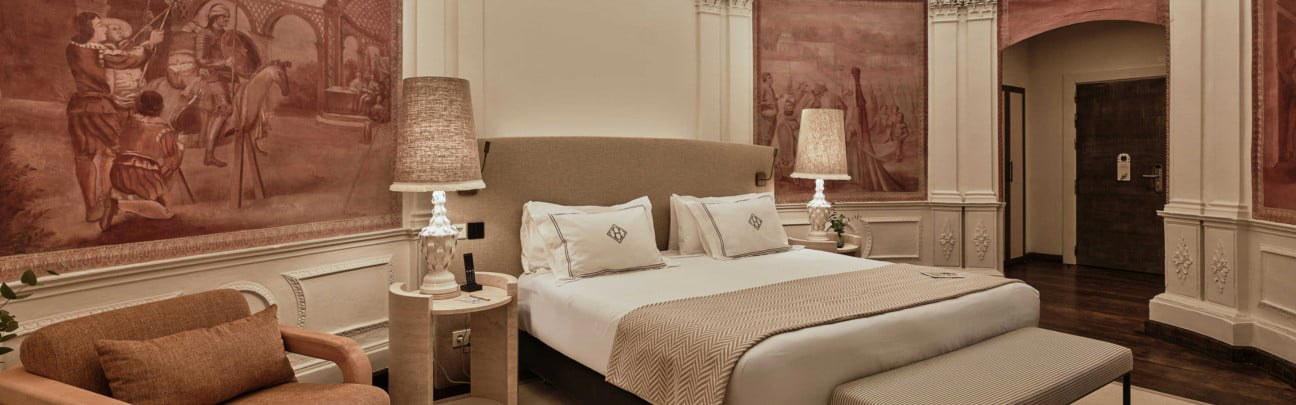
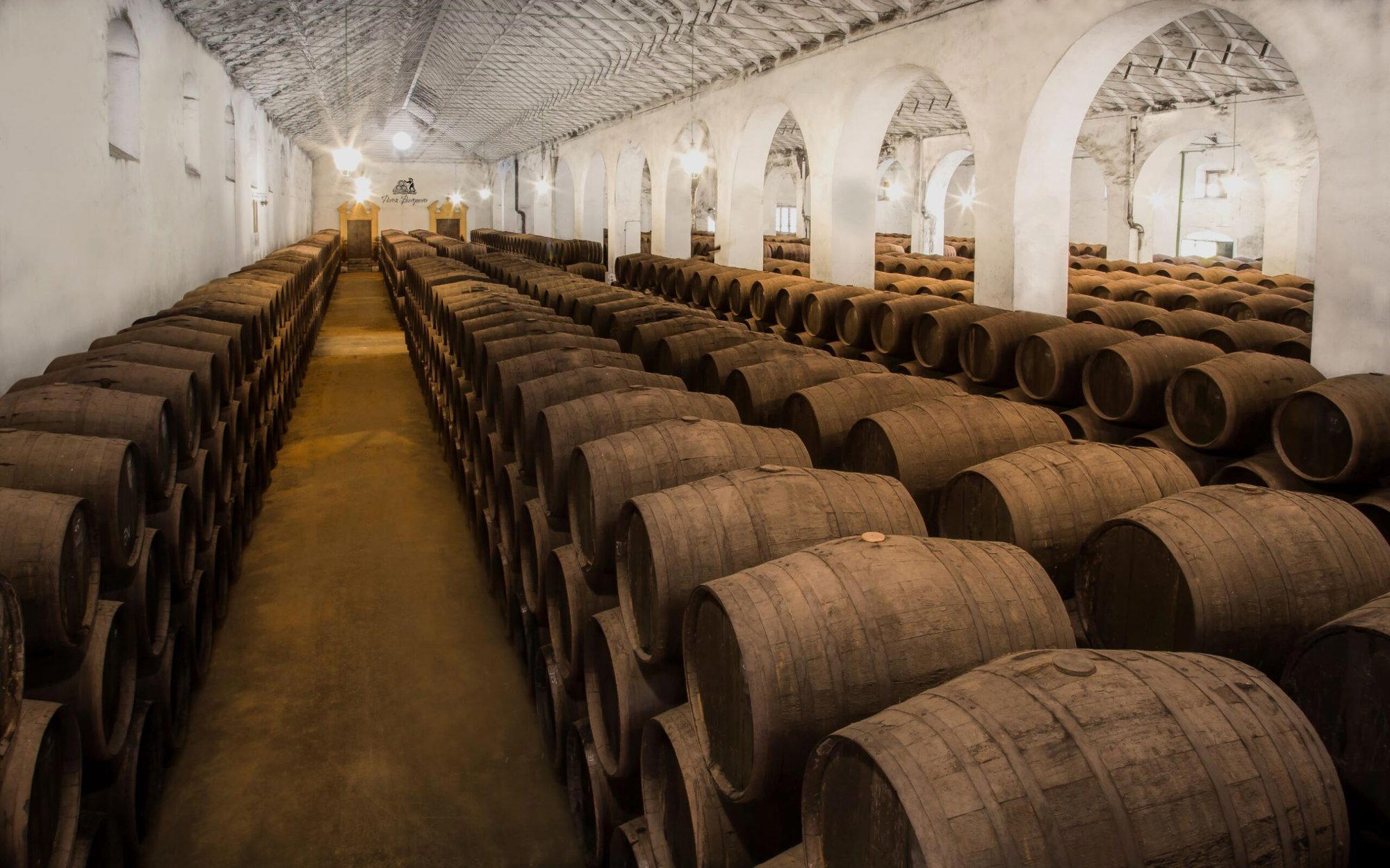
Traditional Andalusian charm with attractive dining rooms full of character around a central patio, cozy and art-filled interiors, and a rooftop terrace offering views over the rooftops.